Learning goals
We are learning to…
- show an understanding of relationships between the form, message and purpose of a text, audience and the creator
- read simple texts
- use strategies such as rereading, visualizing, and asking questions when exploring a simple text
- identify onomatopoeia in texts and describe how it helps share meaning
- create specific types of texts that share our feelings, thoughts and opinions using different tools and strategies
Success criteria
I am able to…
- explore and think about the pictures that simple sentences using onomatopoeia create in my mind
- identify onomatopoeia in simple sentences and compare those with simple sentences that do not use onomatopoeia
- create my own example of onomatopoeia which shares my ideas
What does it sound like?
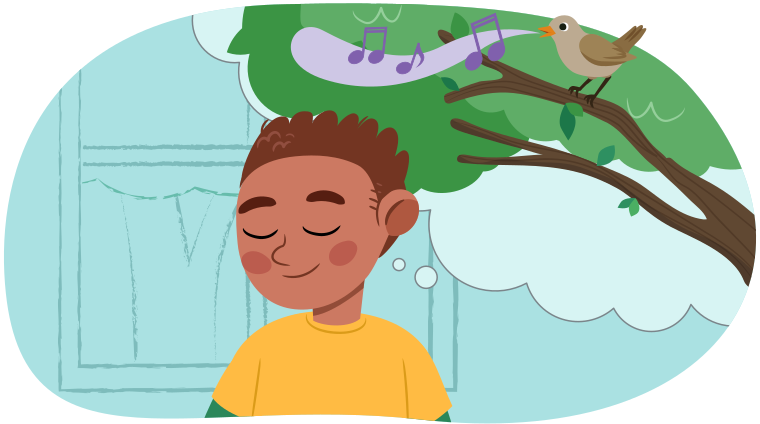
Explore the following audio clips.
How would you describe each sound?
What kind of picture does each sound create in your mind?
Audio 1
Press Image to reveal the sound!
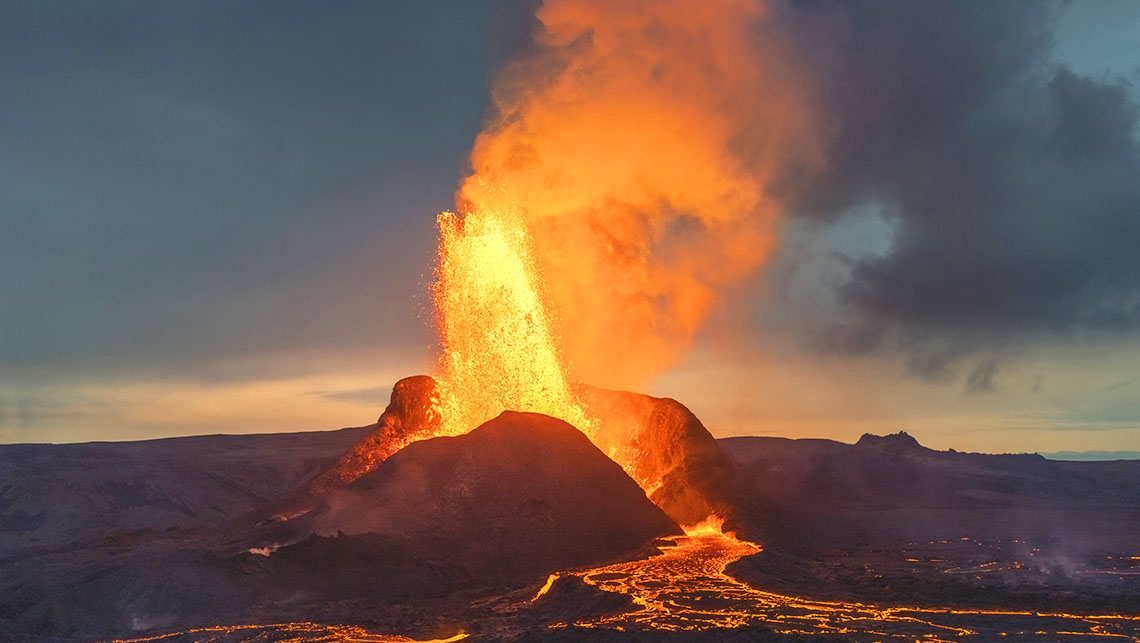
A volcano erupting
Audio 2
Press Image to reveal the sound!
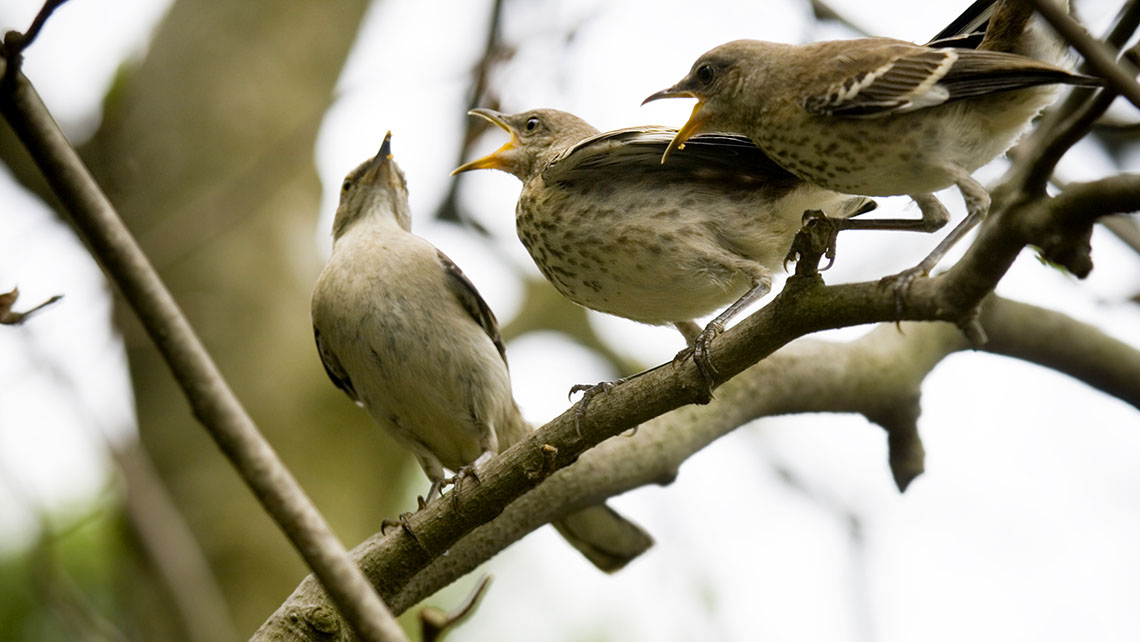
Birds chirping
Audio 3
Press Image to reveal the sound!
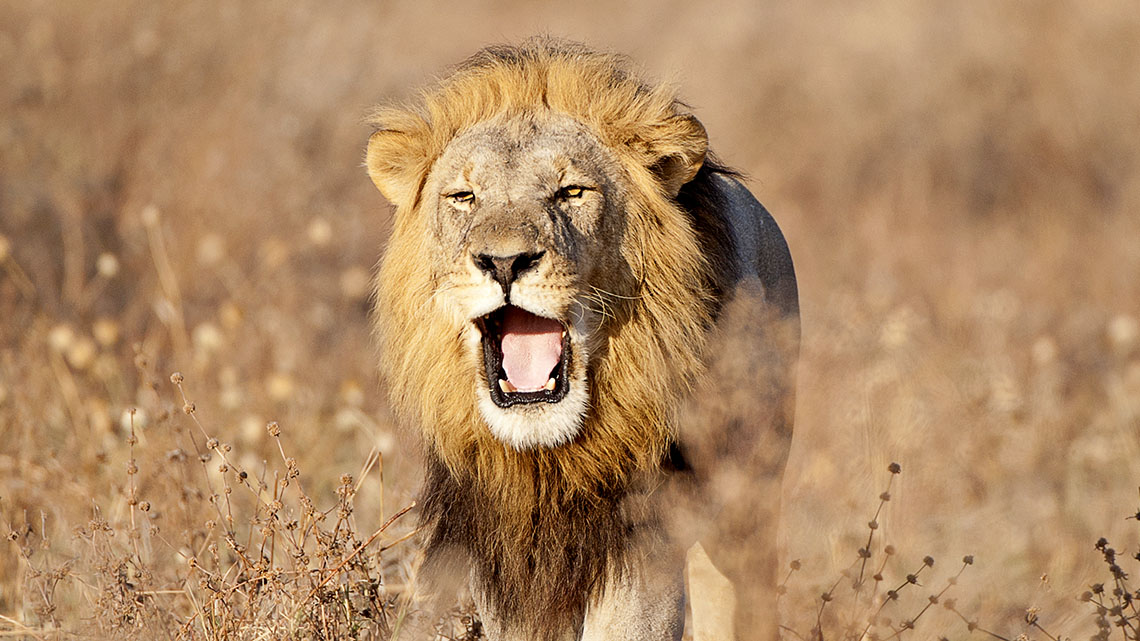
Lion roaring
Audio 4
Press Image to reveal the sound!

Water dripping
Audio 5
Press Image to reveal the sound!
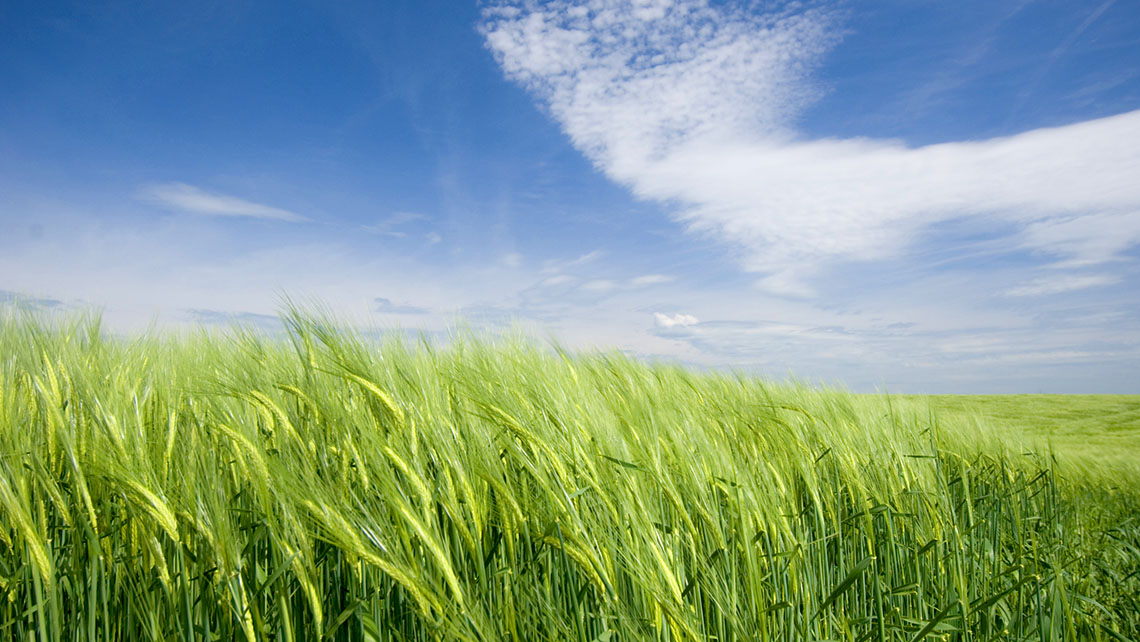
Wind blowing
Writing sounds
The sound effects in the Minds On may have reminded you of different things. When we write, we can describe sound effects with specific words. This is called onomatopoeia.
Explore the following examples of onomatopoeia. What word do you notice is describing each sound that the following images make?
Description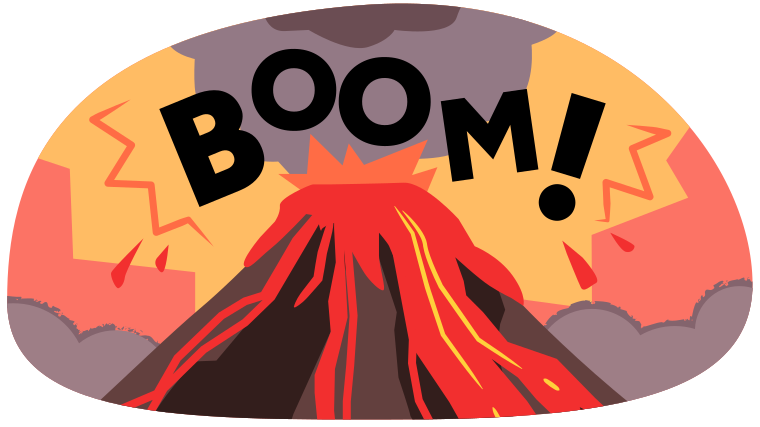
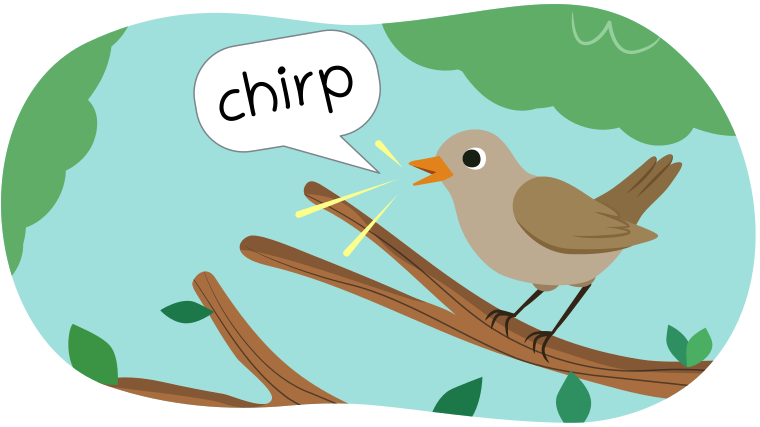
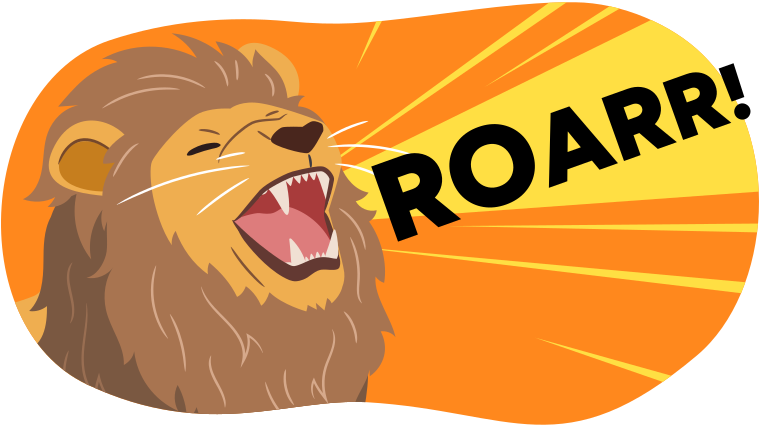
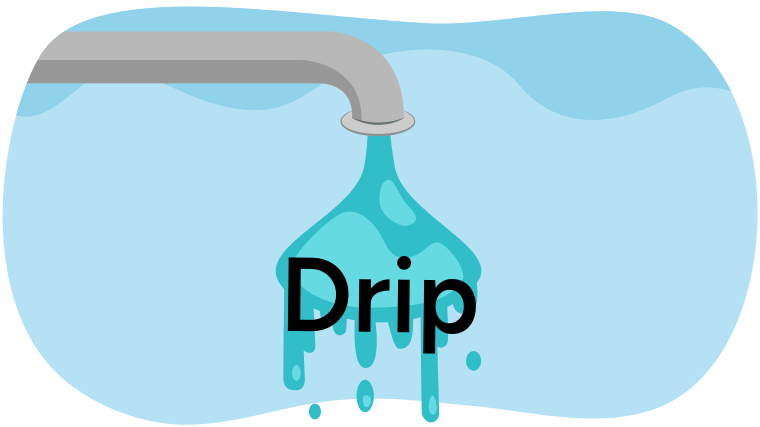
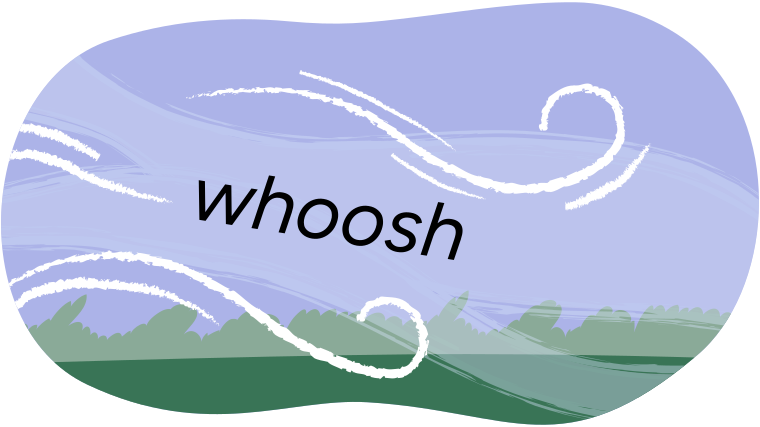
Image 3:
A lion roaring energetically, with its mouth wide open and sharp teeth visible. The word “ROARR!” comes out of the lion’s mouth to indicate the sound.
Let’s read!
Onomatopoeia can help us make our writing more interesting and help the reader create pictures in their minds.
Let’s explore a few sentences with and without onomatopoeia.
Did you notice the difference between the sentences?
Did the sentences using onomatopoeia help you create pictures in your mind?
Can you think of any other examples of onomatopoeia?
Press Reveal for some possible examples of onomatopoeia.
The duck goes quack.
The bees buzz.
The phone rings.
Printing practice
Check out the following video to warm up your hands for printing!
Let’s practice printing out a few onomatopoeias.
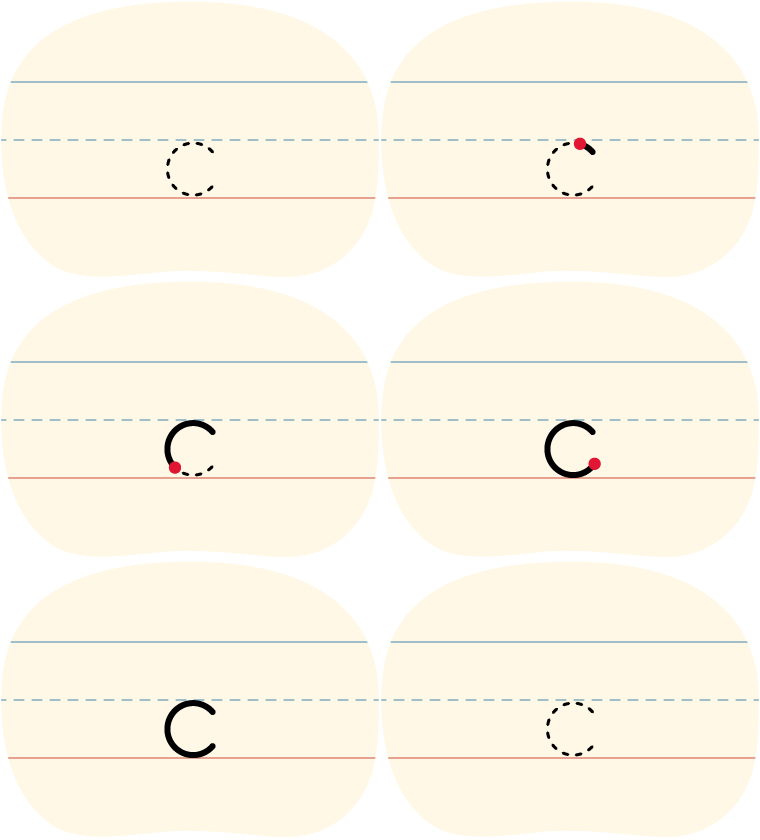
Use your notebook or a method of your choice to practice printing each word.
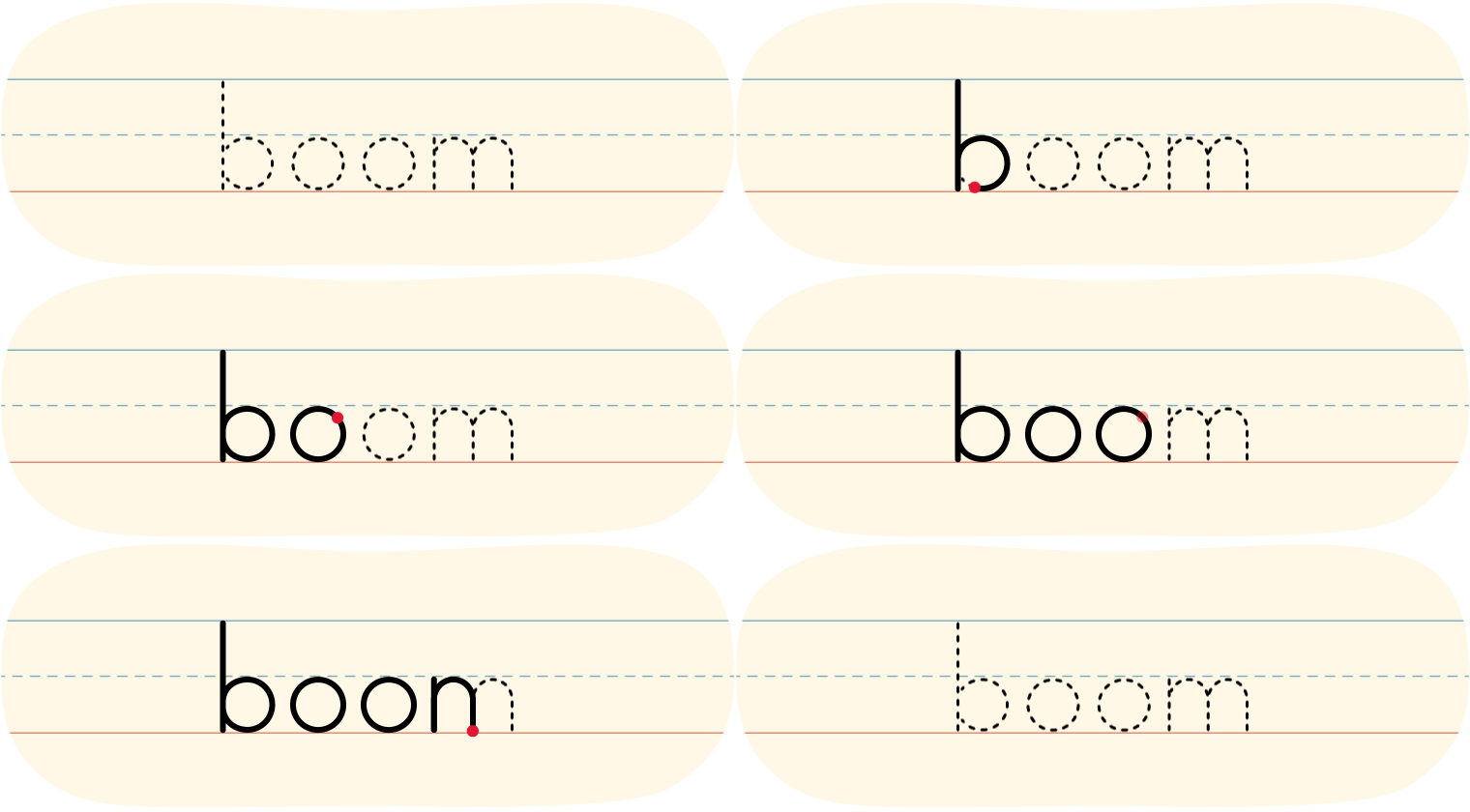
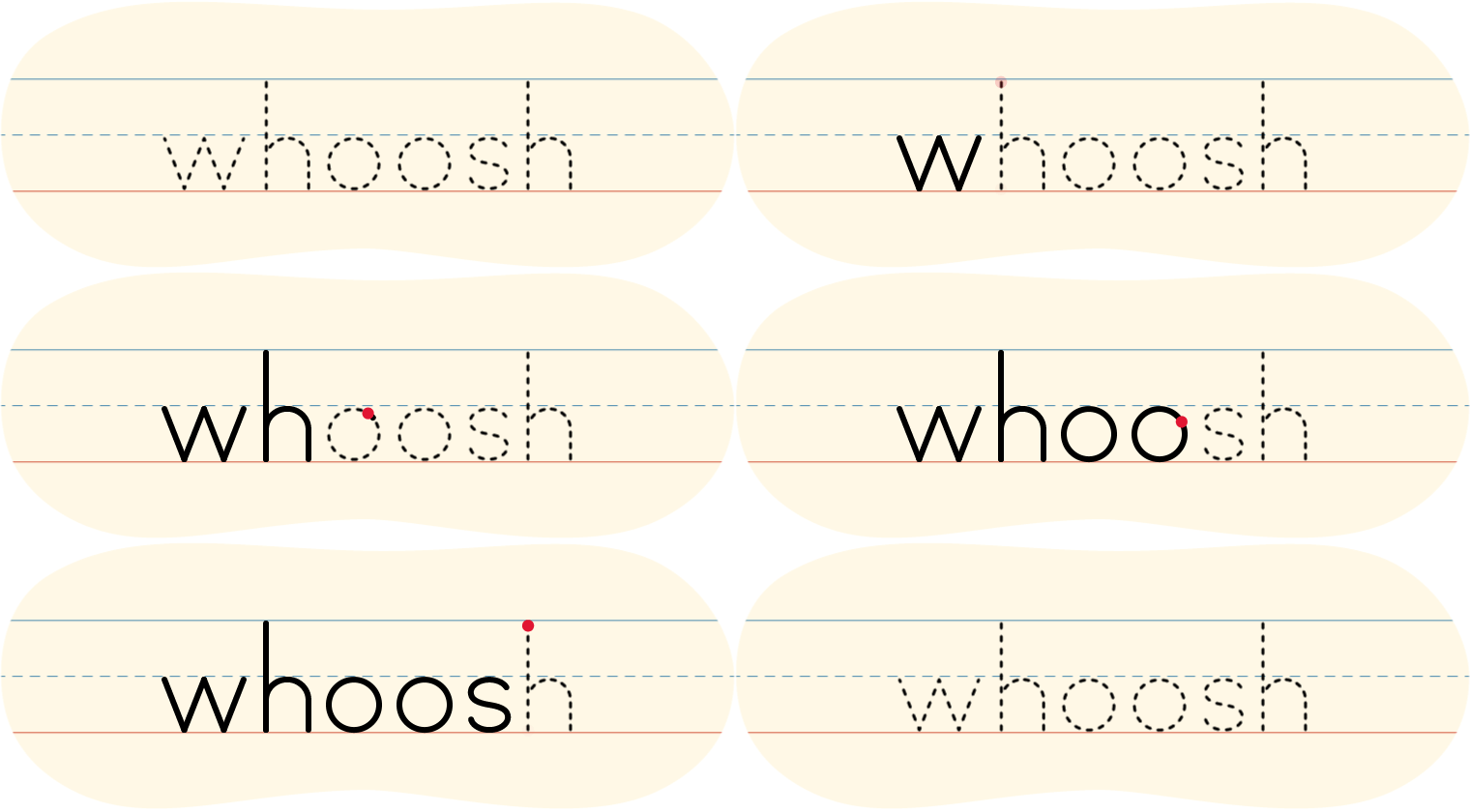
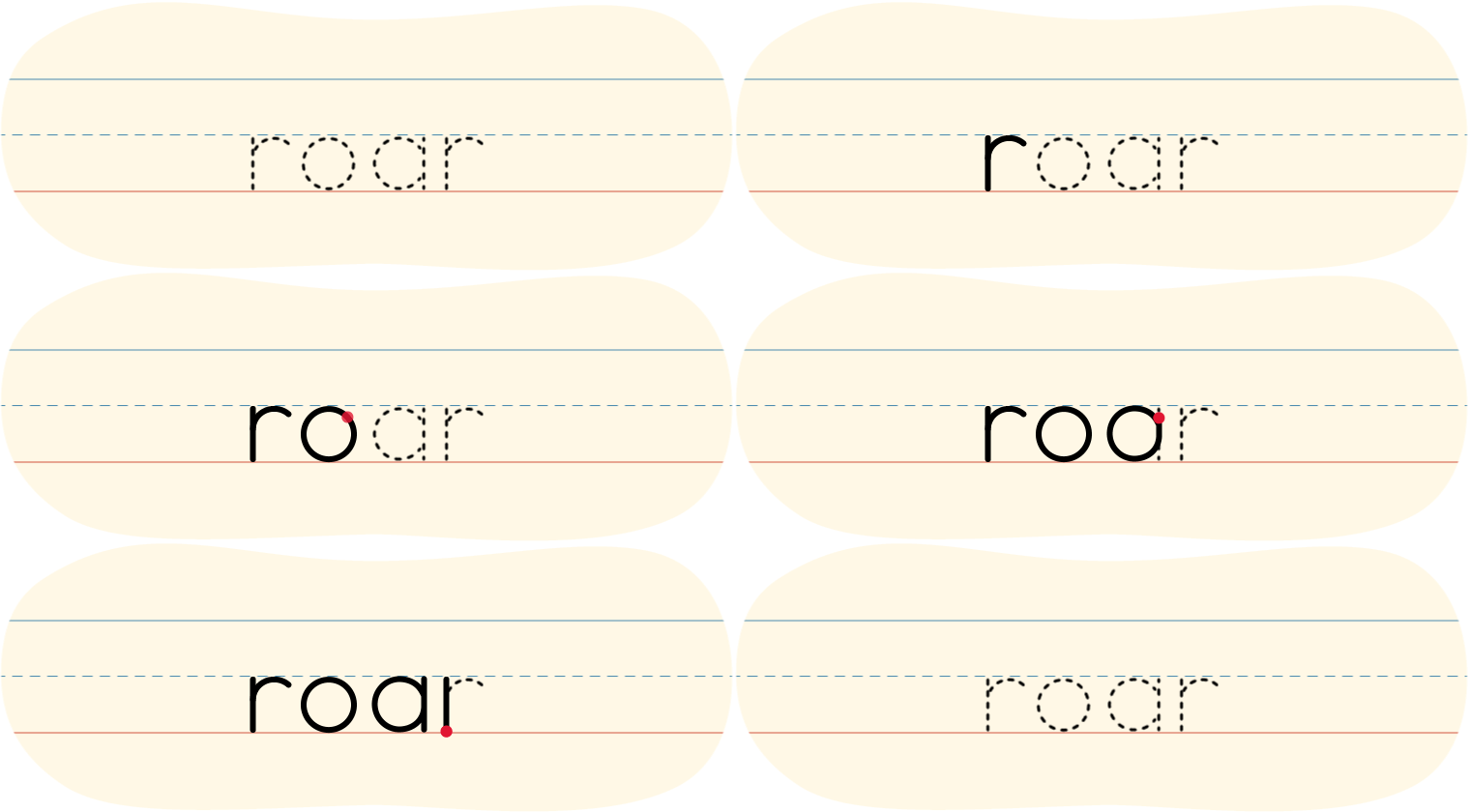
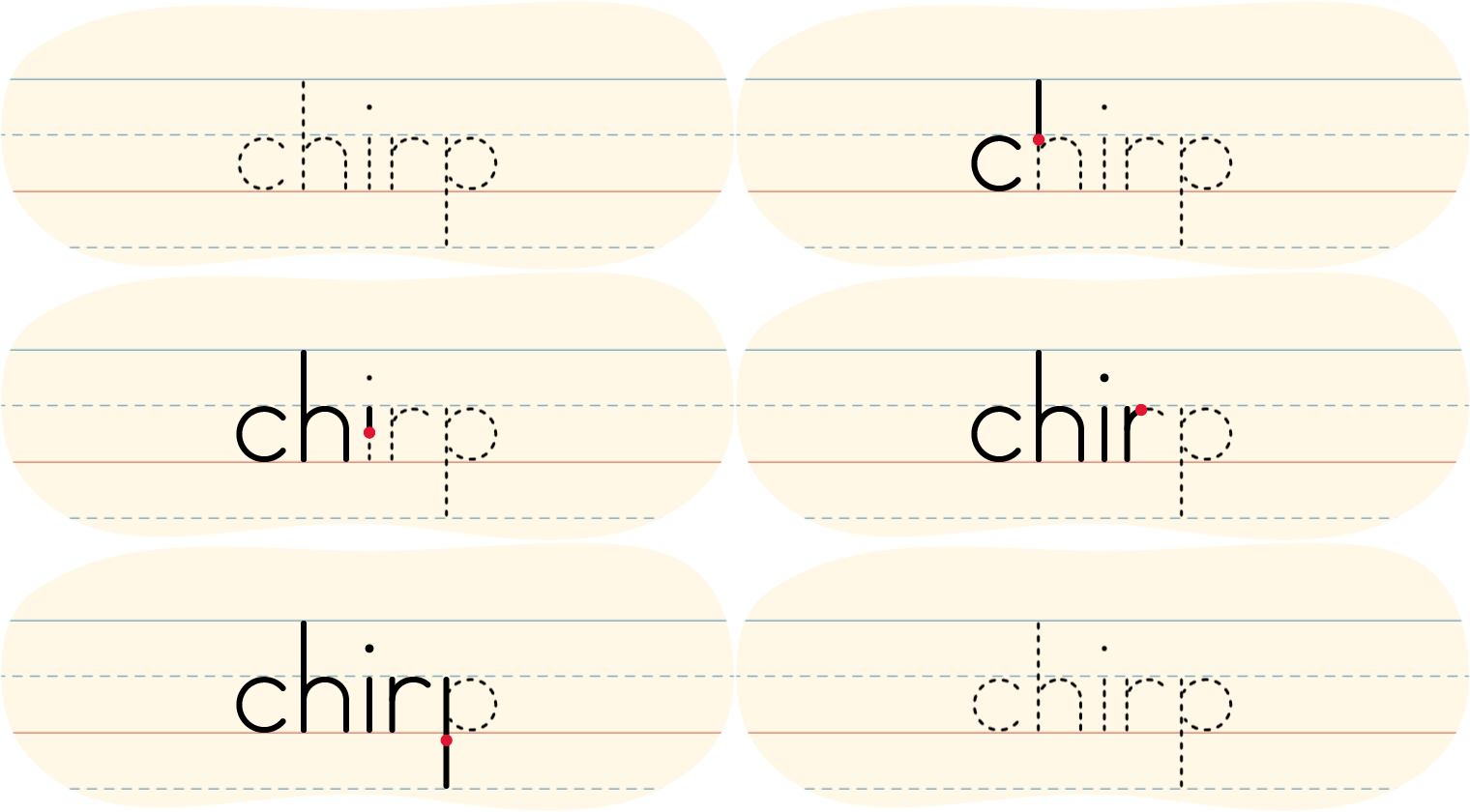
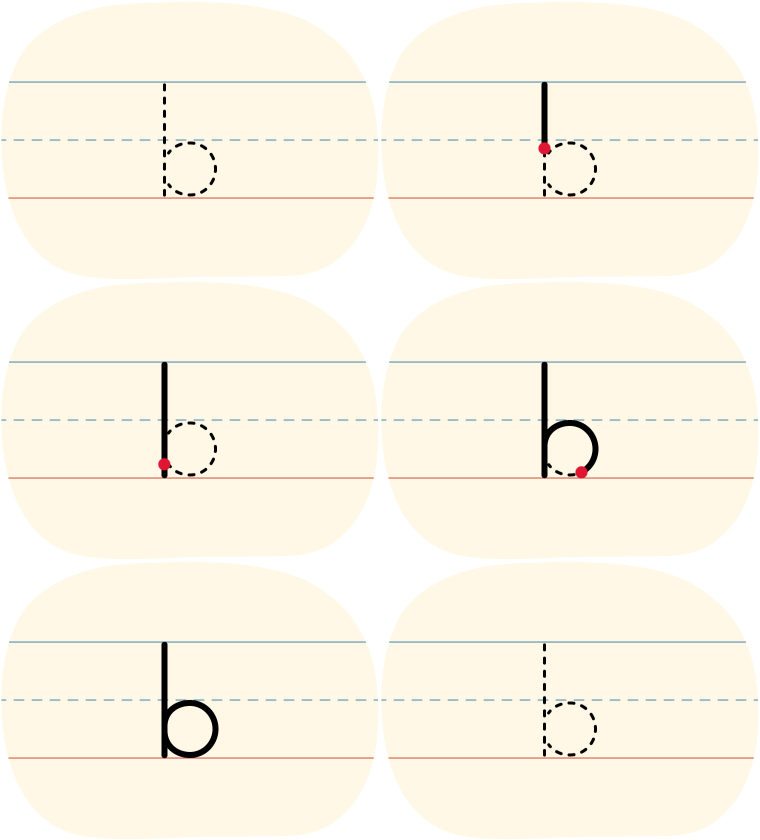
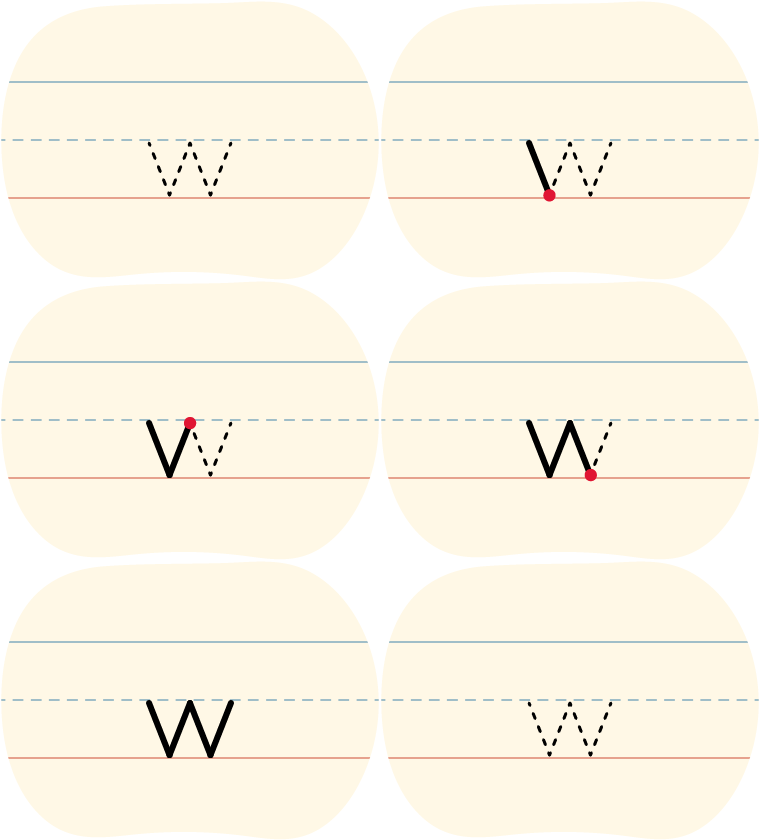
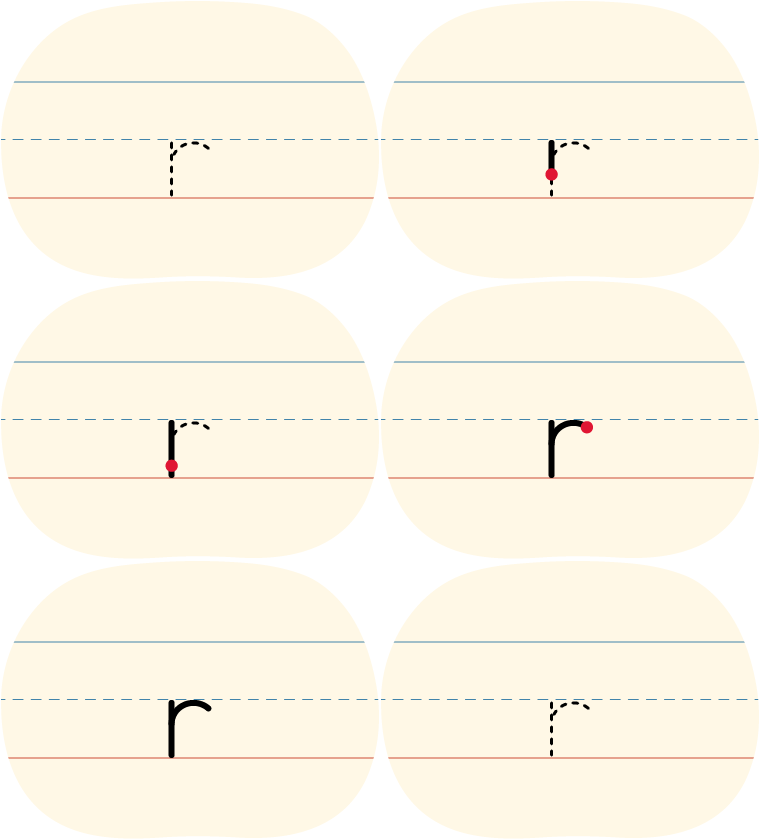
Which words begin with a small letter, and which begins with a tall letter?
Press Hint to learn more.
The word "boom" begins with a tall letter "b".
The word "whoosh" begins with a small letter "w".
The word "roar" begins with a small letter "r".
The word "chirp" begins with a small letter "c".
Crash! bang! drip!
Time to create your own sentences using onomatopoeia.
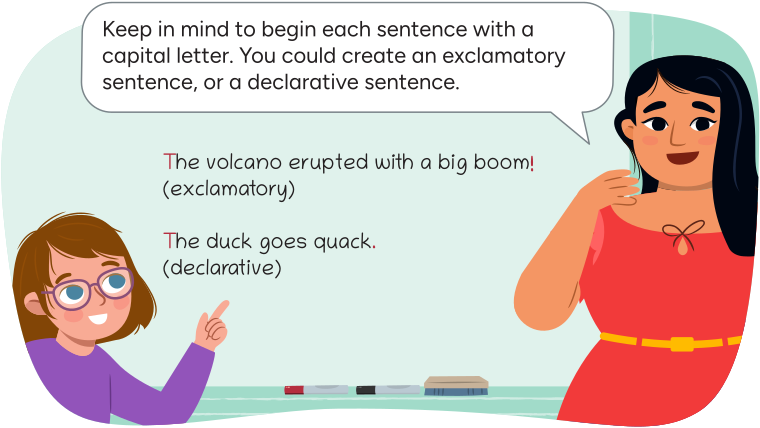
Teacher: Keep in mind to begin each sentence with a capital letter. You could create an exclamatory sentence, or a declarative sentence.
The following text is written on the blackboard next to the teacher:
The volcano erupted with a big boom! (exclamatory)The duck goes quack. (declarative)The capital letter "T", the exclamation mark, and the period in the sentences are red.
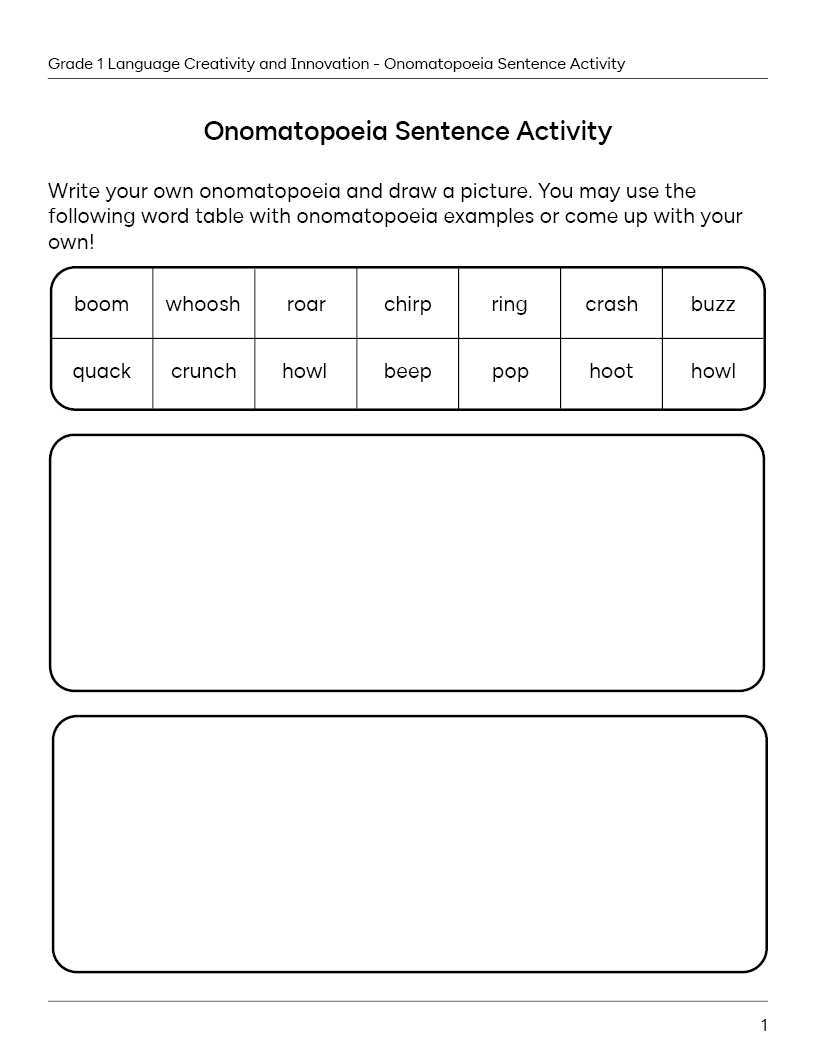
Complete the fillable and printable Onomatopoeia Sentence Activity in your notebook or using the following document. If you would like, you can use speech-to-text or audio recording tools to record your thoughts.
Let’s review!
Is the following an example of onomatopoeia?
Select the correct answer, then press Check Answer to see how you did.
Reflection
How do you feel about what you have learned in this activity? Which of the next four sentences best matches how you are feeling about your learning? Press the button that is beside this sentence.

I feel...
Now, record your ideas about your feelings using a voice recorder, speech-to-text, or writing tool.