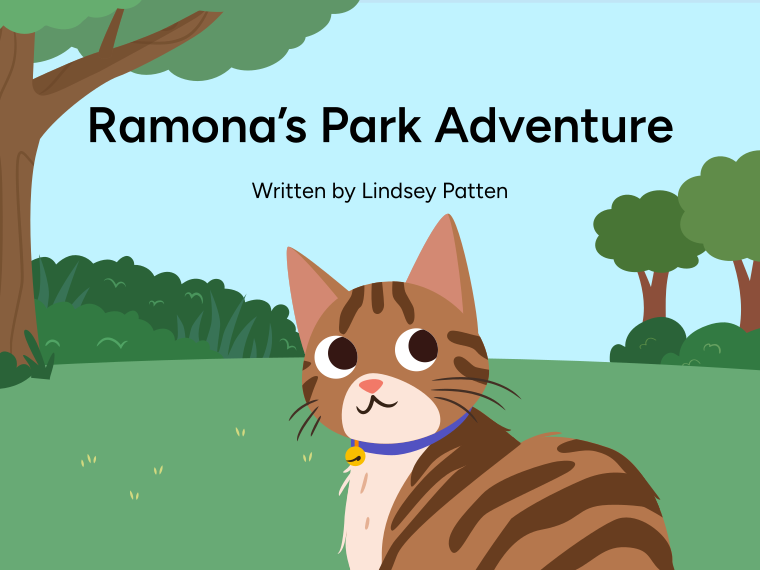
Ramona's Park Adventure
Learning goals
We are learning to…
- use critical thinking and creativity skills to learn and share my thoughts and opinions
- read simple texts
- identify the narrator’s point of view in different texts and suggest an alternative point of view to tell the story
- create specific types of texts using different tools and strategies
- identify the point of view in our own texts
Success criteria
I am able to…
- read simple stories and use word clues to figure out who is telling the story
- read a story and create my own version of the story from another character’s point of view specific types of texts using different tools and strategies
Ramona’s Park Adventure
Ramona's Park Adventure Ramona's Park Adventure
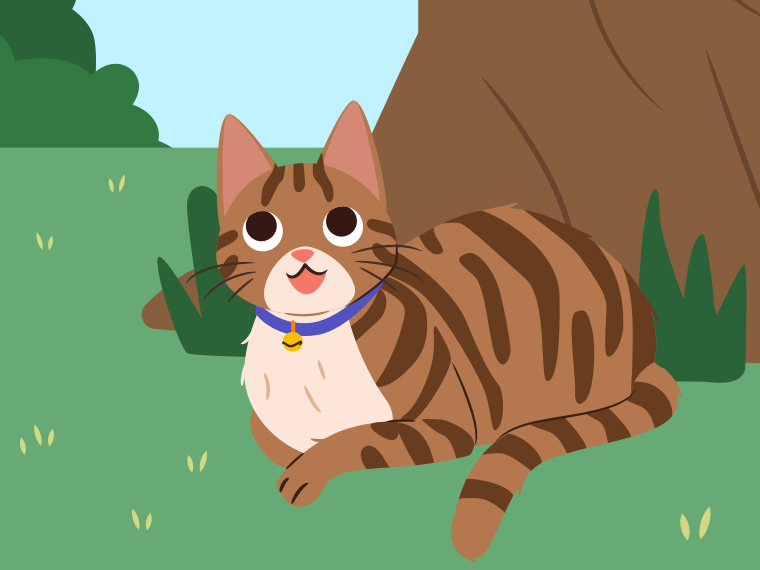
My name is Ramona. I am a tabby cat. I am seven years old.
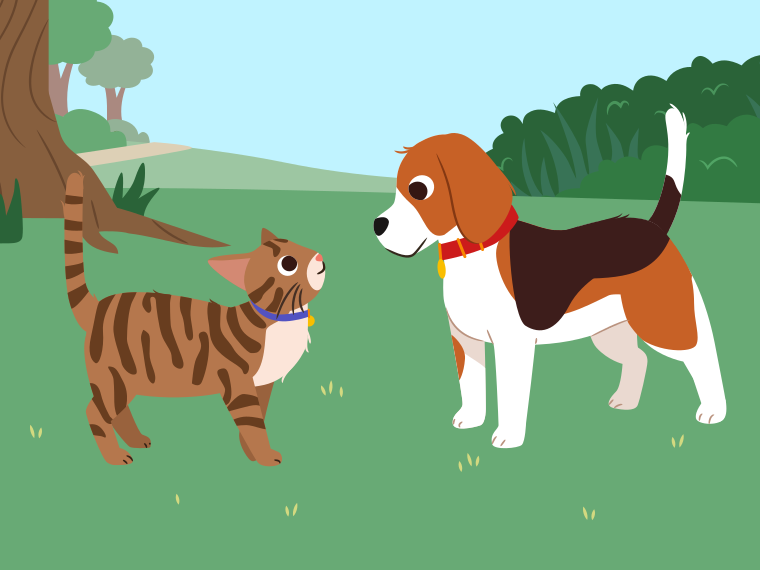
Today I went to the park. I met a dog named Max. He was very grumpy.
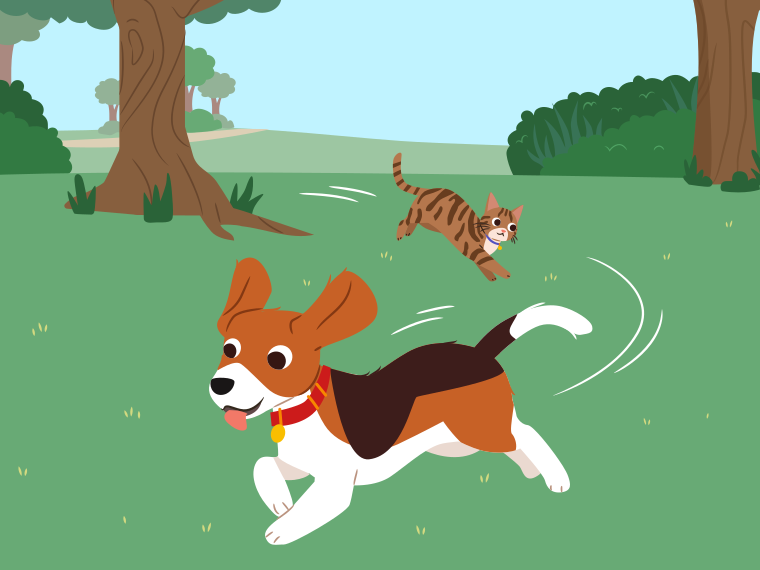
I tried to play with him, but he kept running too fast.
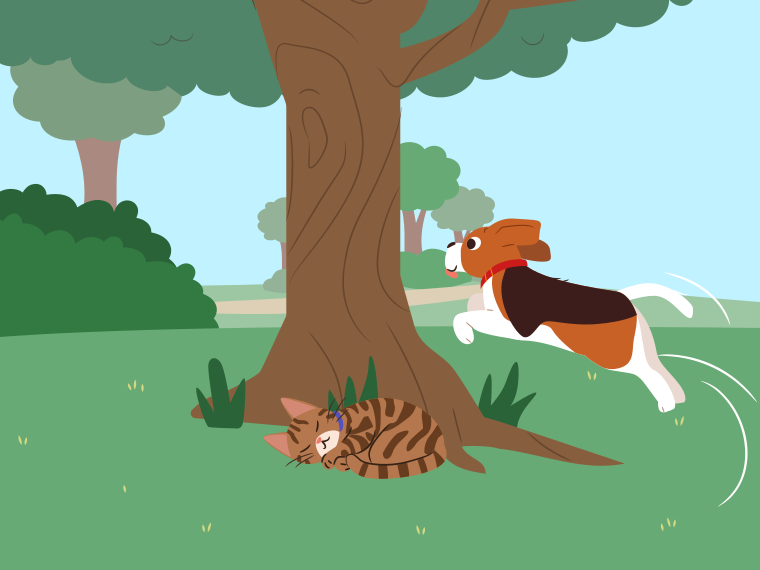
I decided to go lie in the shade and get some sleep. Tomorrow, I will have more adventures in the park!

Brainstorm
Brainstorm
Who was telling the story?
What clues in the story can you use to find out?
Share your thoughts with a partner, if possible.
Who is telling the story?
Let’s think about the story Ramona’s Park Adventure.
The story was about Ramona the cat, and Ramona was telling the story. We know this because the story begins with Ramona introducing herself:
“My name is Ramona. I am a tabby cat. I am seven years old.”
In the story Ramona’s Park Adventure, Ramona is the narrator.
Narrator
In this story, the narrator is a character in the story, and they are telling the story from their point of view. A point of view is a way of looking at or thinking about something.
But what if the other character Max told the story?
Max's Park Adventure Max's Park Adventure
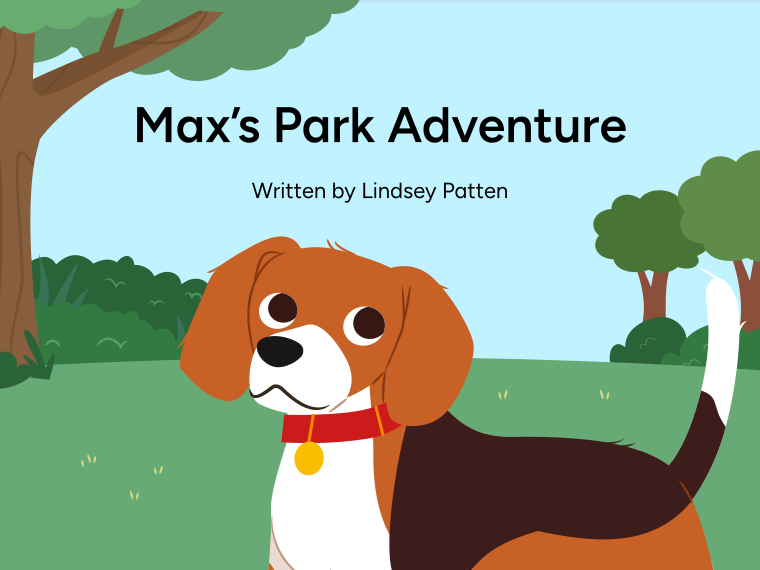
Max's Park Adventure
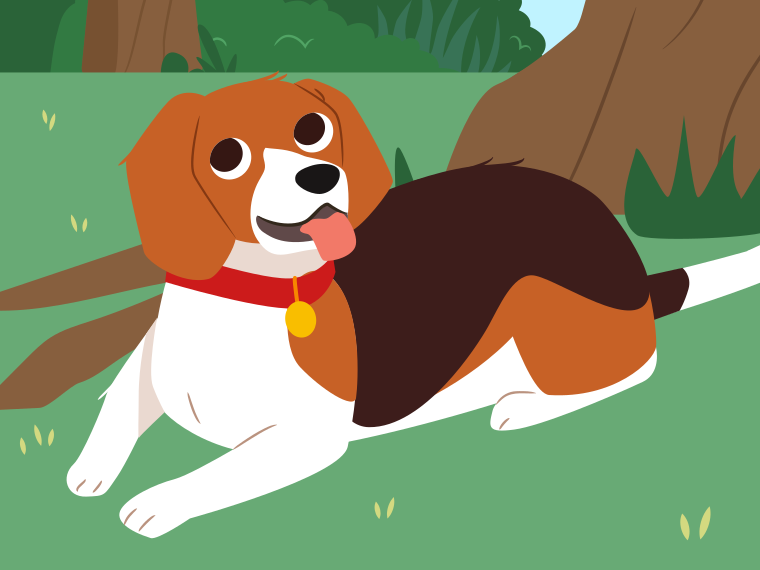
My name is Max. I am a beagle. I am 4 years old.
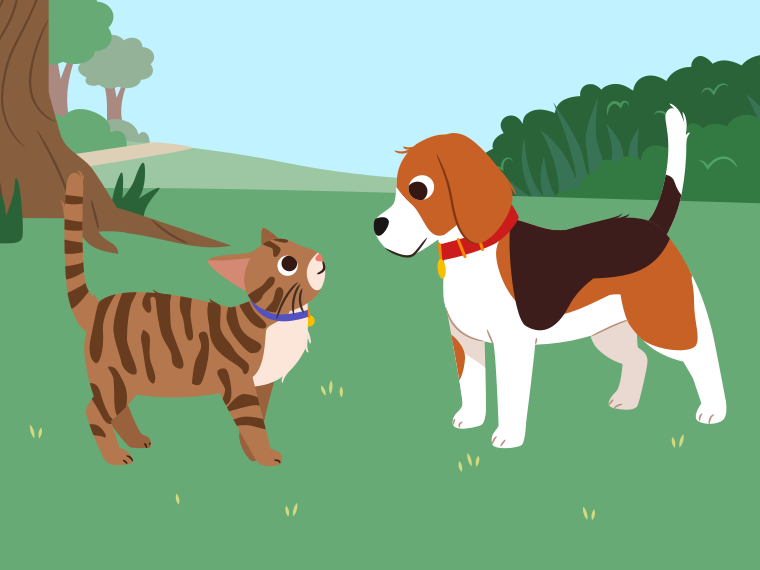
Today I went to the park. I met a cat named Ramona. She was very grumpy.
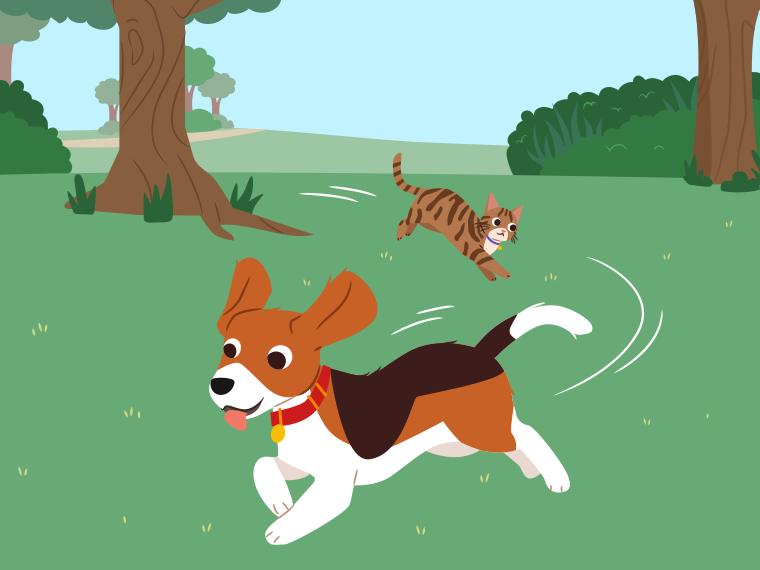
I tried to play with her, but she was running too slow for me.
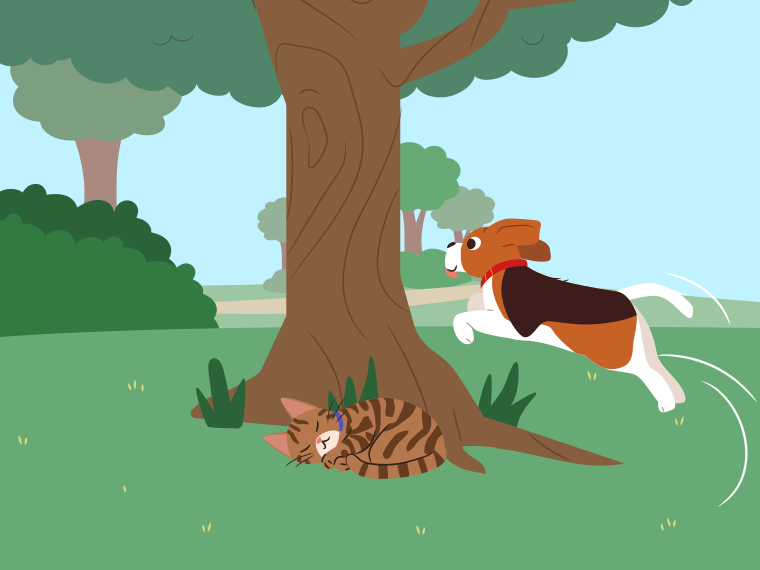
I kept playing and Ramona just fell asleep! Tomorrow, I will have more adventures in the park!
Illustration of the dialogue between two learners. One learner says: That changed the story, didn’t it? The other learner is reflecting.
When Ramona narrated the story, she thought Max was grumpy. But when Max narrated the story, he thought Ramona was grumpy.
Ramona thought that Max was running too fast.
But Max thought Ramona was running too slow!
The story changed when there was a new narrator. That’s because the story is told from the narrator’s point of view.

Pause and Reflect
Pause and reflect
Did you notice the different describing words in the story?
Both Ramona and Max described each other as "grumpy". They also used the words "fast" and "slow" to describe how each of them ran.
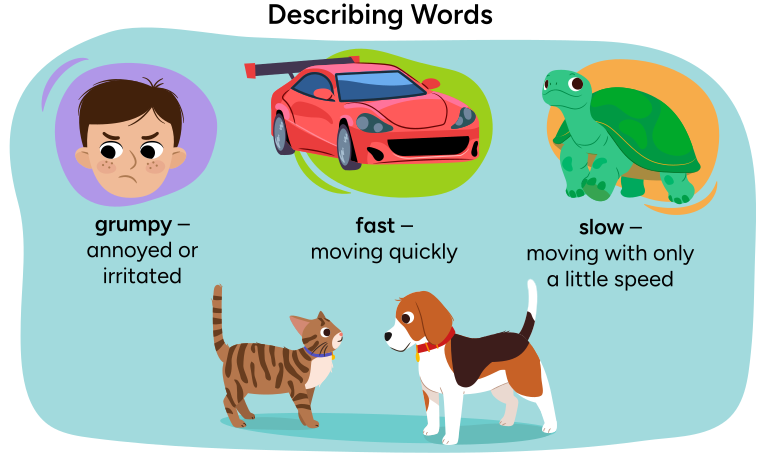
grumpy - annoyed or irritated. This word is represented by a child with an upset and angry face.
fast - moving quickly. This word is represented by a racing car.
slow - moving with only a little speed. This word is represented by a turtle.
Rainy Day
Let’s explore another story! As you read or listen, try to use clues from the story to guess the narrator.
Rainy Day Rainy Day
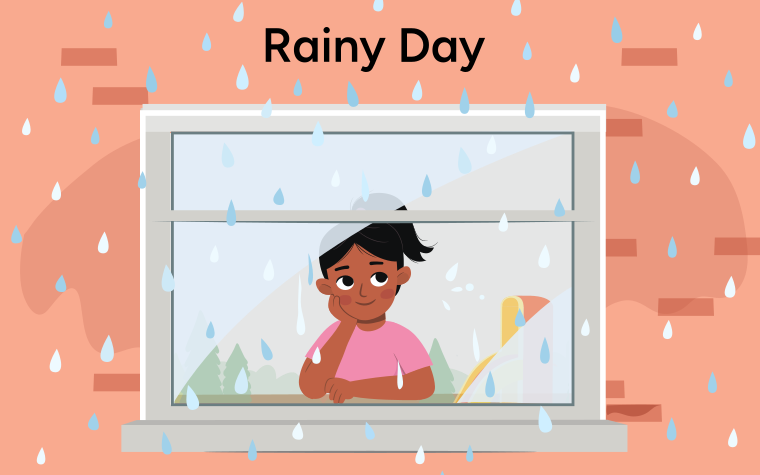
Rainy Day
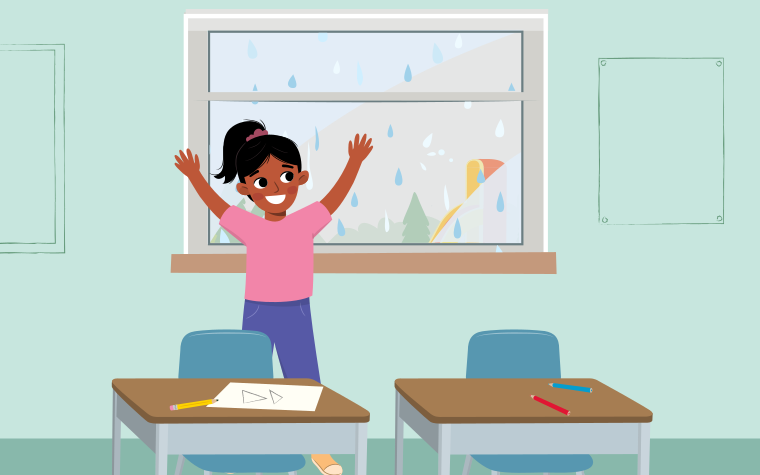
My name is Ara and I love the rain!
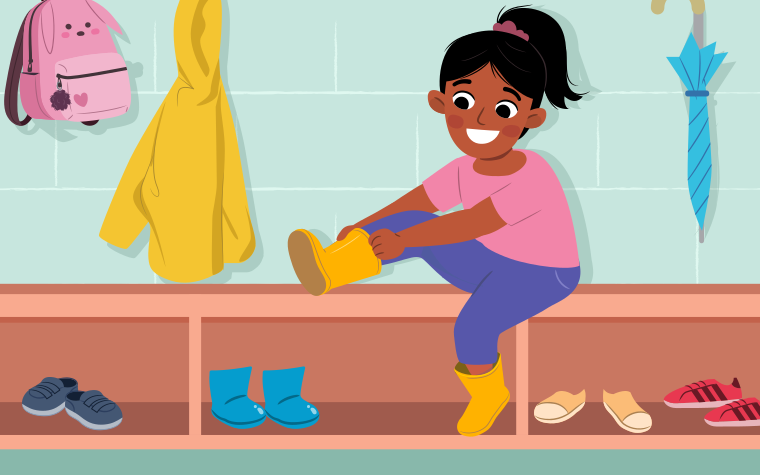
It’s recess time so I put on my rainboots and raincoat and now it’s time to play!
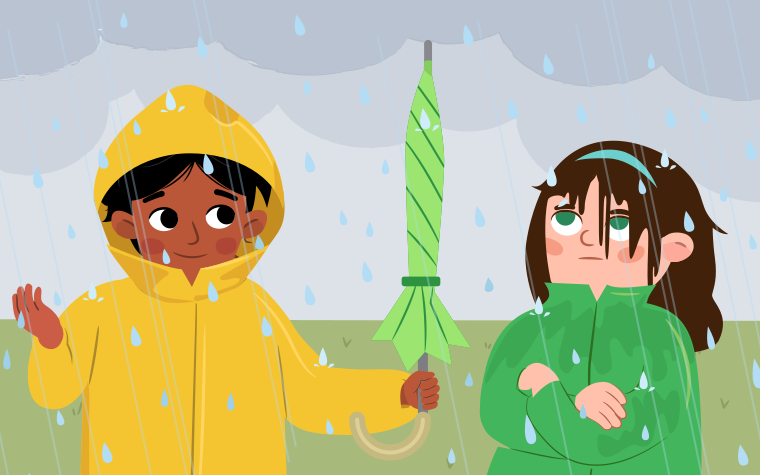
I head outside and almost bump into my friend Rani. Rani doesn’t look happy. She tells me that she doesn’t like to get wet.
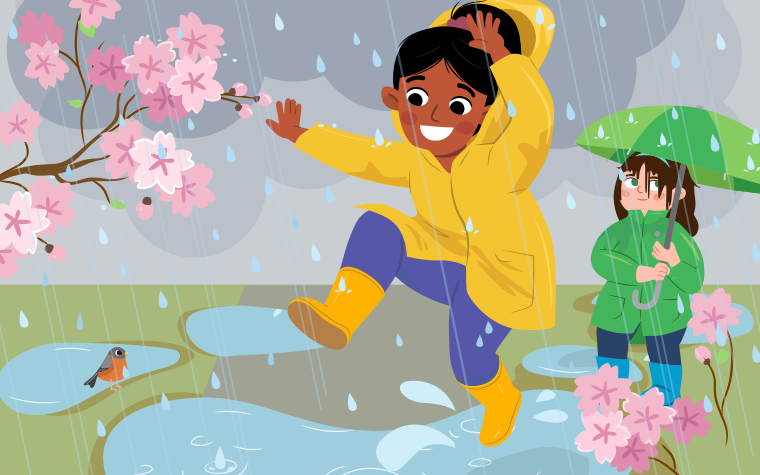
I bring Rani an umbrella. Rani smiles at me. I love when it rains!
Learning check!
Select the correct answer, then press Check Answer to see how you did.
Bug Detective
Let’s explore another story called Bug Detective.
Before we do, let’s learn some new words. Have you heard of these words before?
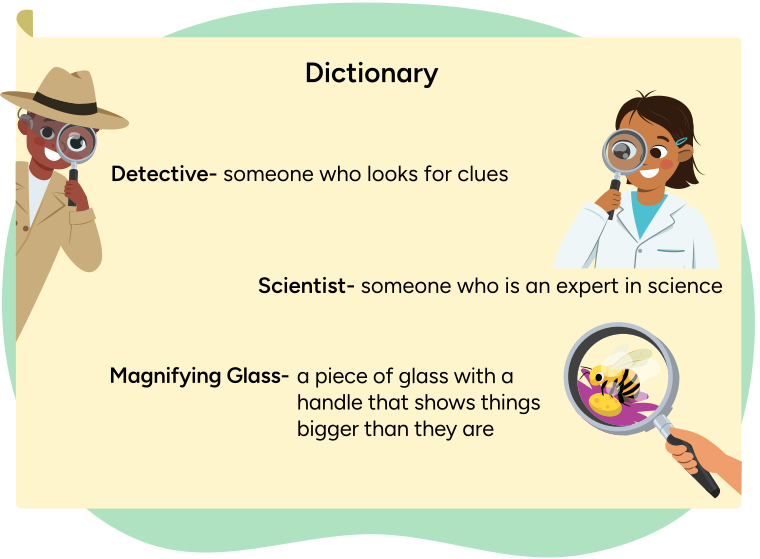
Detective- someone who looks for clues
Scientist- someone who is an expert in science
Magnifying Glass- a piece of glass with a handle that shows things bigger than they are
Bug Detective Bug Detective
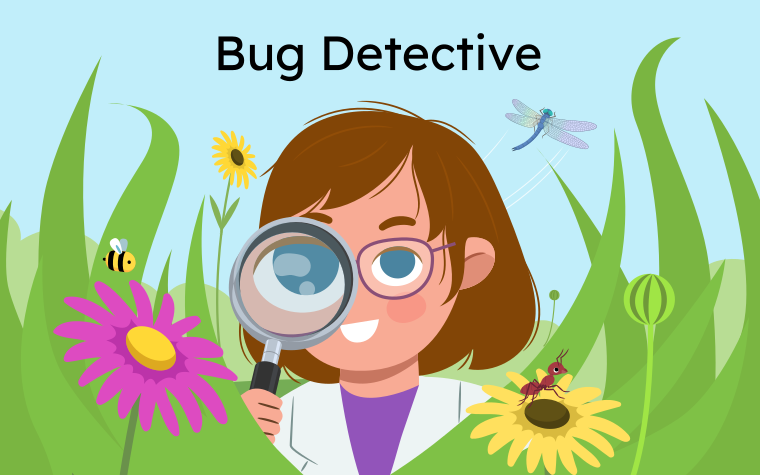
Bug Detective
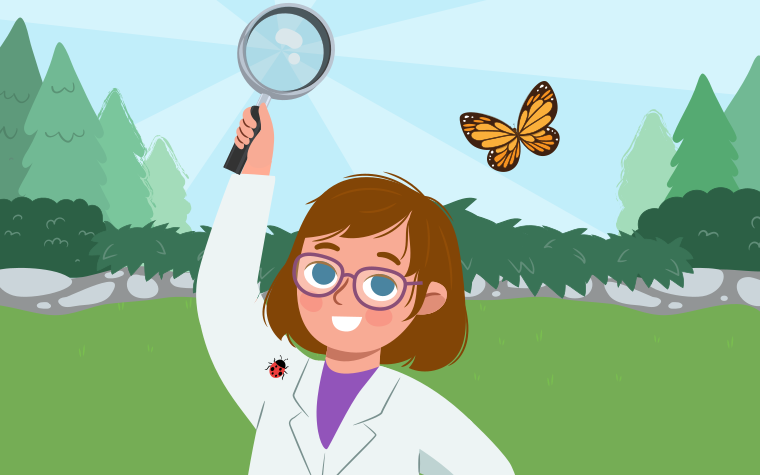
My name is Ava and I’m a detective and scientist!

I’m in my backyard with a magnifying glass. I’m going to look at bugs. Oh look, there’s one there!
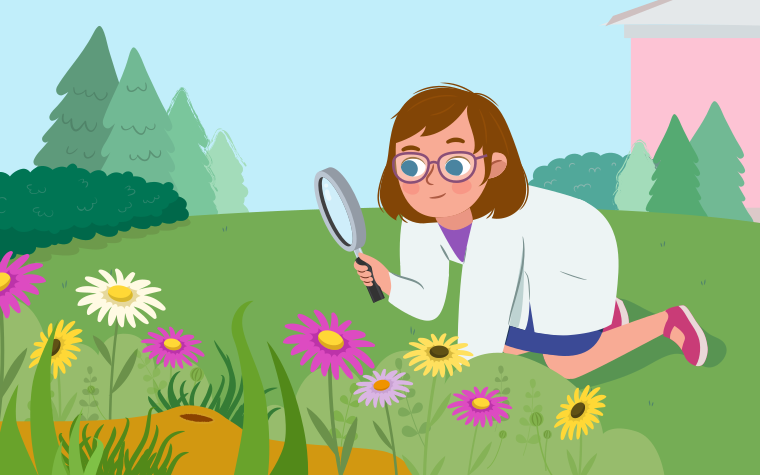
I am very quiet. I creep a bit closer and look through my magnifying glass.
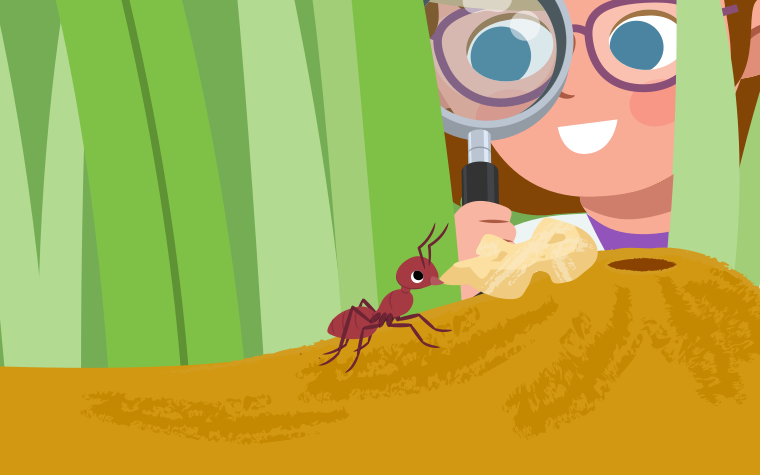
I see a little sand hill! And there’s an ant, carrying some food. It lives in the sand hill.
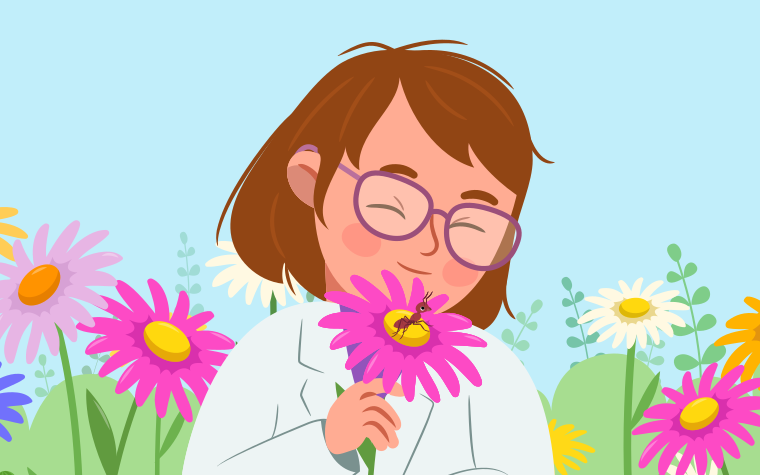
That’s so neat. I love looking at bugs!
Who do you think could also narrate the story?
Let’s explore the story from a different point of view.
Press Ben’s Story to reveal the story from a different point of view.
My name is Ben the Bug, and I was just carrying food to my sand hill when suddenly it got dark, and I saw a giant!
It was so scary. I decided to hide and carried my food into the sand hill.
I stayed there for a while until the giant went away. Phewf!
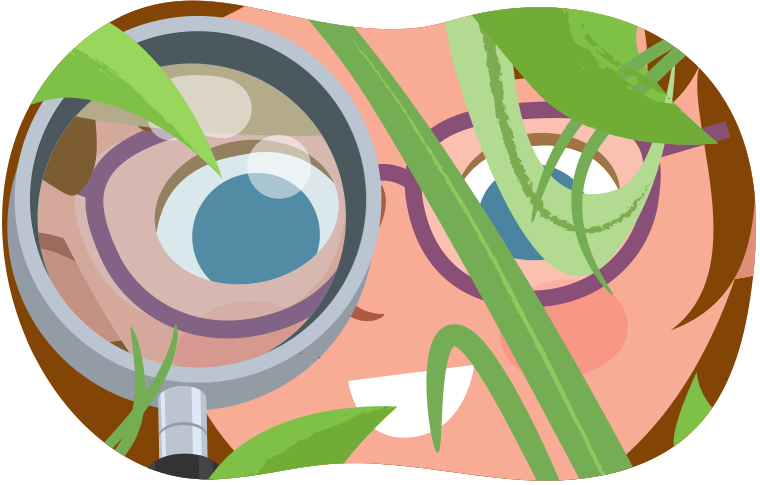
Ben the Ant
How did the story change?
What details in the story were similar or different?
Share your thoughts with a partner, if possible.
At the fair!
Let’s explore another short story. This time let’s:
- use clues to guess the narrator
- decide who would tell the story from a different point of view
-
decide what happens in the story from that point of view
At the Fair At the Fair
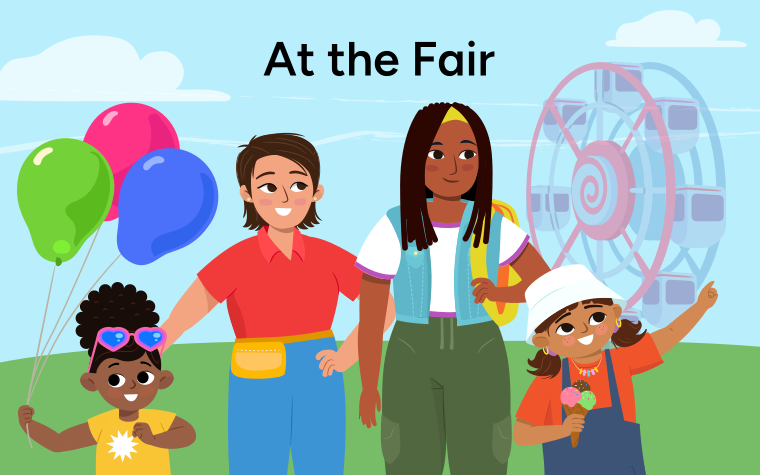
At the Fair

I am so excited to be here at the fair. It only comes once a year and it's so fun!
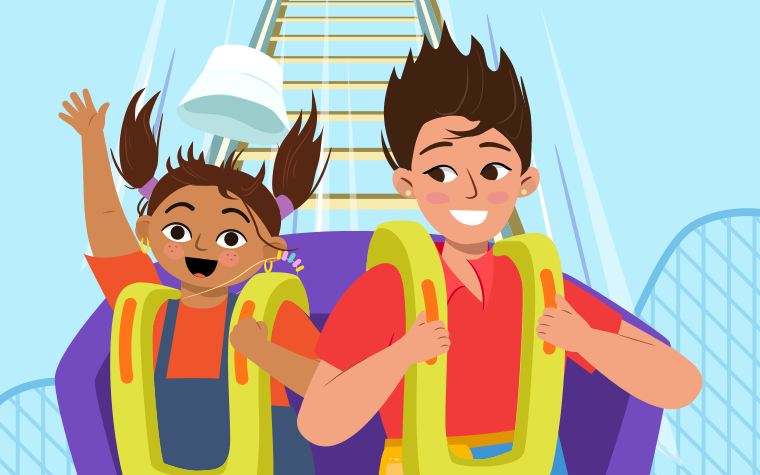
I want to go on all the rollercoasters. I am 10 now so I can go on the big ones.
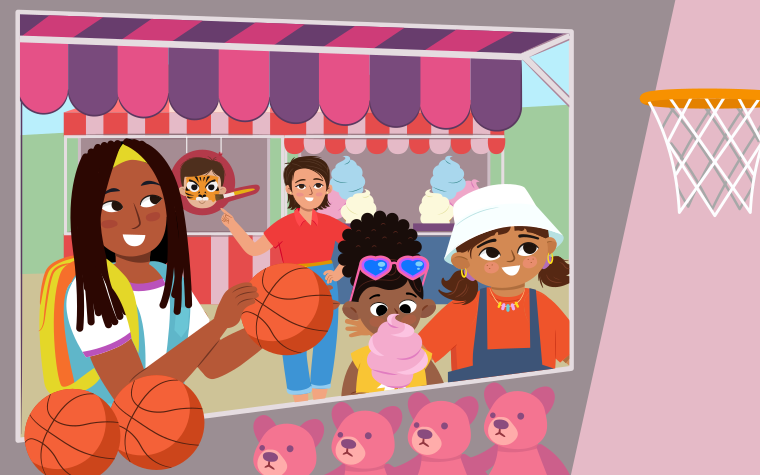
My little sister Lina wants cotton candy. My mom wants to win a prize at the basketball game. And my mama wants us all to get our face painted.
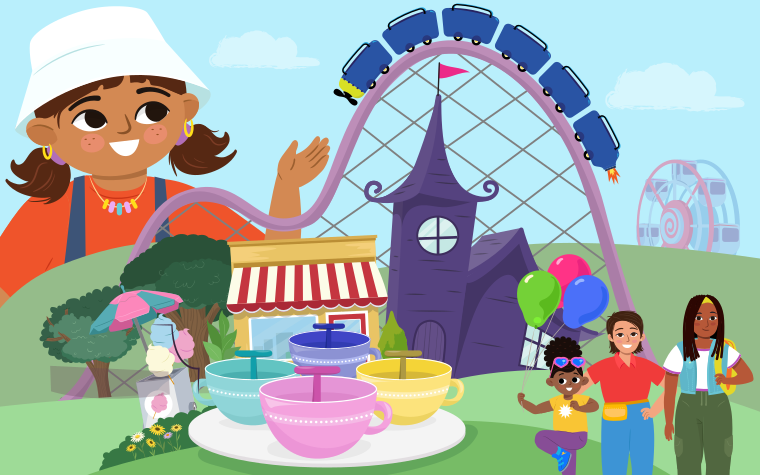
What will we do first? I hope it's the rollercoaster!
Who is the narrator in the story?
Press Reveal to check your answer.
I think that the 10-year-old kid is the narrator. They do not share a name, but I can tell from the pictures and the words that they are telling the story.
Your turn!
It’s your turn to re-create the story At the Fair from another character’s point of view.
You may draw and/or write your story in your notebook or using the following document. If you would like, you can use speech-to-text or audio recording tools to record your story.
Tip: You might try brainstorming a few ideas about what your character will say and do before you begin writing your story.
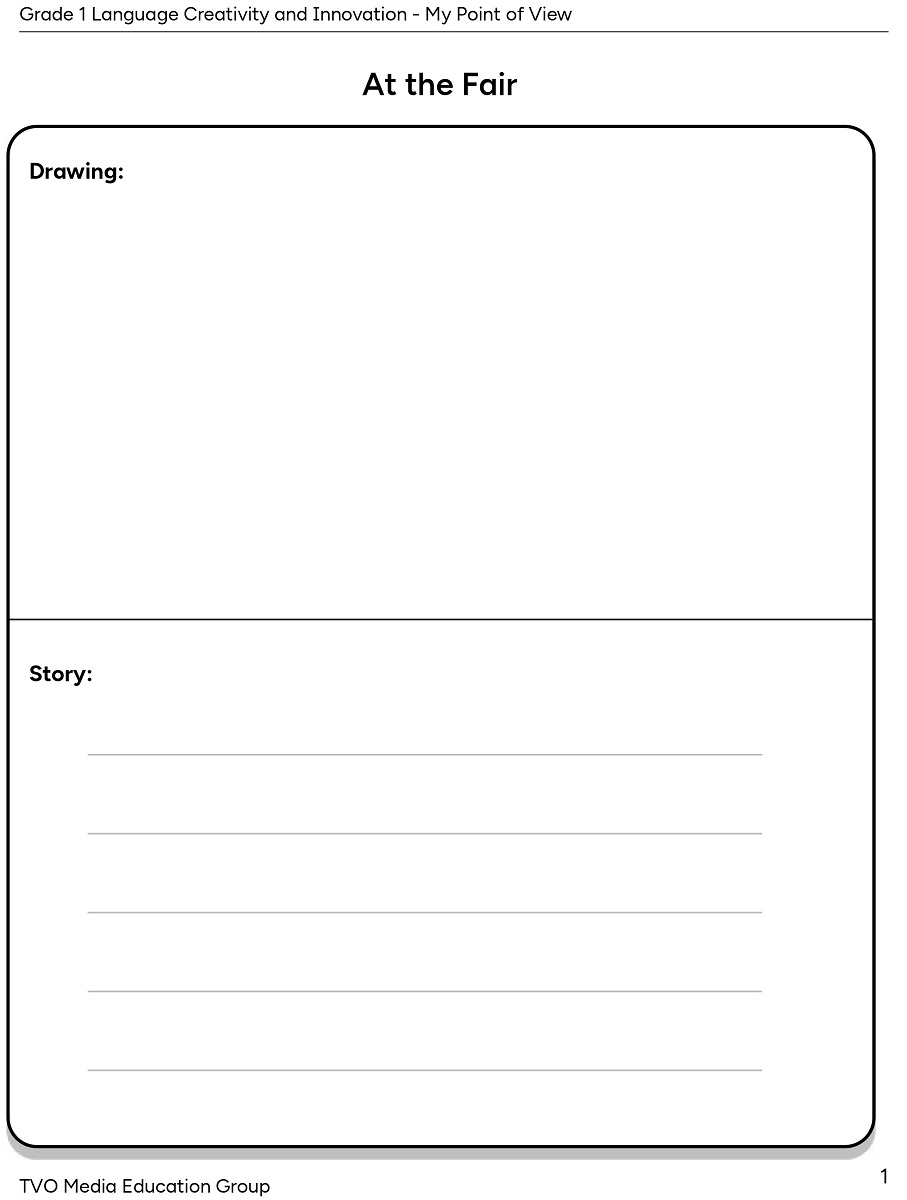
Once you are finished, share your story with a partner, if possible.
Did you choose the same character?
How are your stories similar or different?
Reflection
How do you feel about what you have learned in this activity? Which of the next four sentences best matches how you are feeling about your learning? Press the button that is beside this sentence.
I feel...
Now, record your ideas about your feelings using a voice recorder, speech-to-text, or writing tool.