Learning goals
We are learning to…
- explore the concepts of identity, self, and sense of belonging in texts and demonstrate an understanding of the contributions, lived experiences, and perspectives of many different people, including those in Canada
- identify texts created by First Nations, Métis, and Inuit individuals, communities, groups, or nations where they share about the past and connect it to the present
- identify the purpose and audience for speaking in various situations and use helpful speaking strategies to communicate meaning clearly
- identify and use oral and non-verbal communication strategies such as expression, gestures, and body language
- use appropriate words and full sentences when speaking and communicating ideas
Success criteria
I am able to…
- explore the process of how wool becomes yarn that can be used for knitting and crochet
- identify how knitting was and still is an important part of Cowichan and Saalish communities
- create a presentation about Cowichan knitting and use specific words, speaking, and sharing strategies to help me share my presentation

Where does it come from?


Brainstorm
Brainstorm
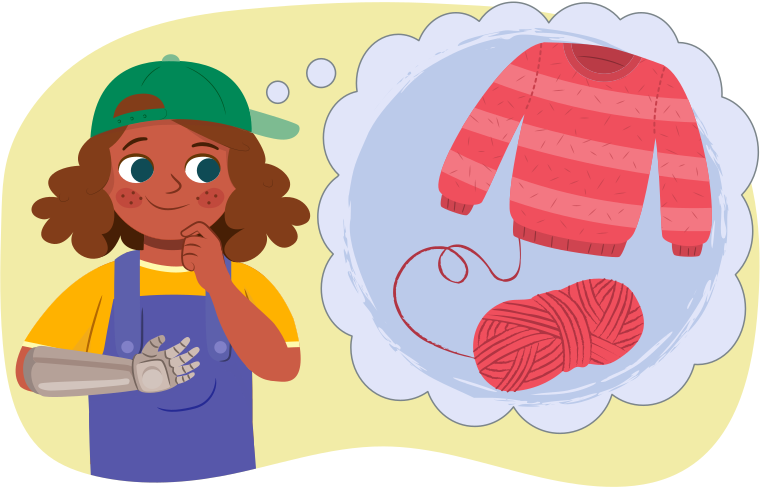
Have you ever wondered where yarn comes from?
How do you think a sweater is made?

All about yarn
Where does yarn come from?
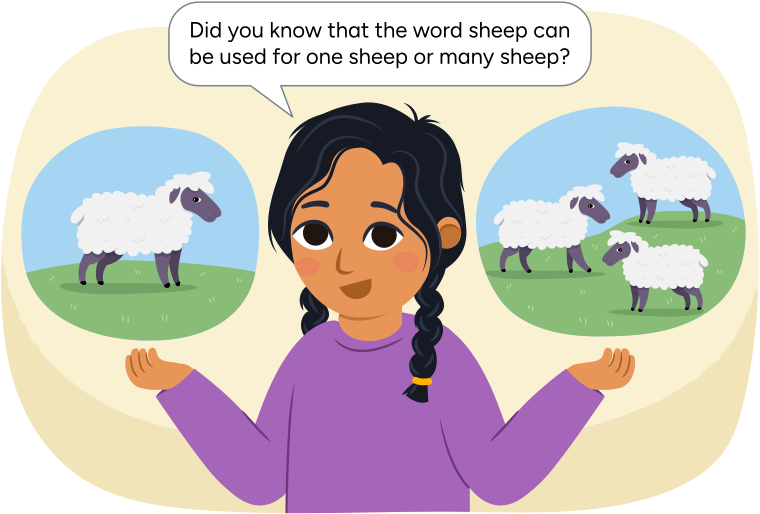
Did you know that it starts with sheep’s wool?
People use the yarn to make clothes, toys, and more.
A sheep grows a coat of wool over a year. It keeps the sheep warm during the winter, and then needs to be shaved off or sheared in the summer. This does not hurt the sheep at all and helps them stay cool. Some yarn can also be made from sheep hair instead of wool!
If the wool is not sheared, it can get tangled and develop knots which can make the sheep sick.
Check out the following video for an example of sheep shearing!
Once the sheep gets sheared it’s on to the next steps.
It takes a few steps to turn wool from a sheep into yarn that you can knit or crochet with.
Press Knit to learn more.
Knitting is when we use two needles to loop yarn together.
Check out the following video for an example of what knitting looks like!
Press Crochet to learn more.
Crochet is when we use a special hook to pull yarn through hoops.
Check out the following video for an example of what crocheting looks like!
Let’s explore the steps to turn wool into yarn!

Did You Know?
Did you know?
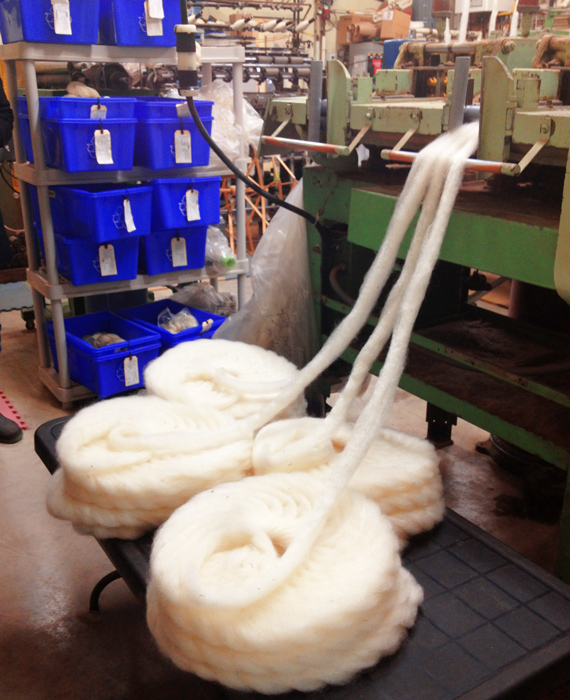
You can also follow the steps by using machines!
There are machines to card the wool and spin the wool! They go super fast and can turn a lot of wool into yarn very quickly!
Learning check!
Put the following steps in order from the beginning of the wool process to the end!
The following cards contain items that fit together in a specific order. Put the items in each answer box in the correct order.
Cowichan sweaters
We are going to learn about Cowichan sweaters. As we learn
let’s practise taking notes!
You may add your notes to
your notebook or record your notes using another method of
your choice.

Student Tips
Student tips
When we explore new information, we can take notes to help us keep track of different facts and ideas.

- We can take notes to help us record new information.
- We can use words, drawings, or short sentences when we take notes.
- We should try and use our own words while taking notes.
- We can record questions in our notes.
Let’s take a look at a knit sweater made by Hat-Wes Emily Smith. Emily has been knitting Cowichan sweaters for over 35 years!
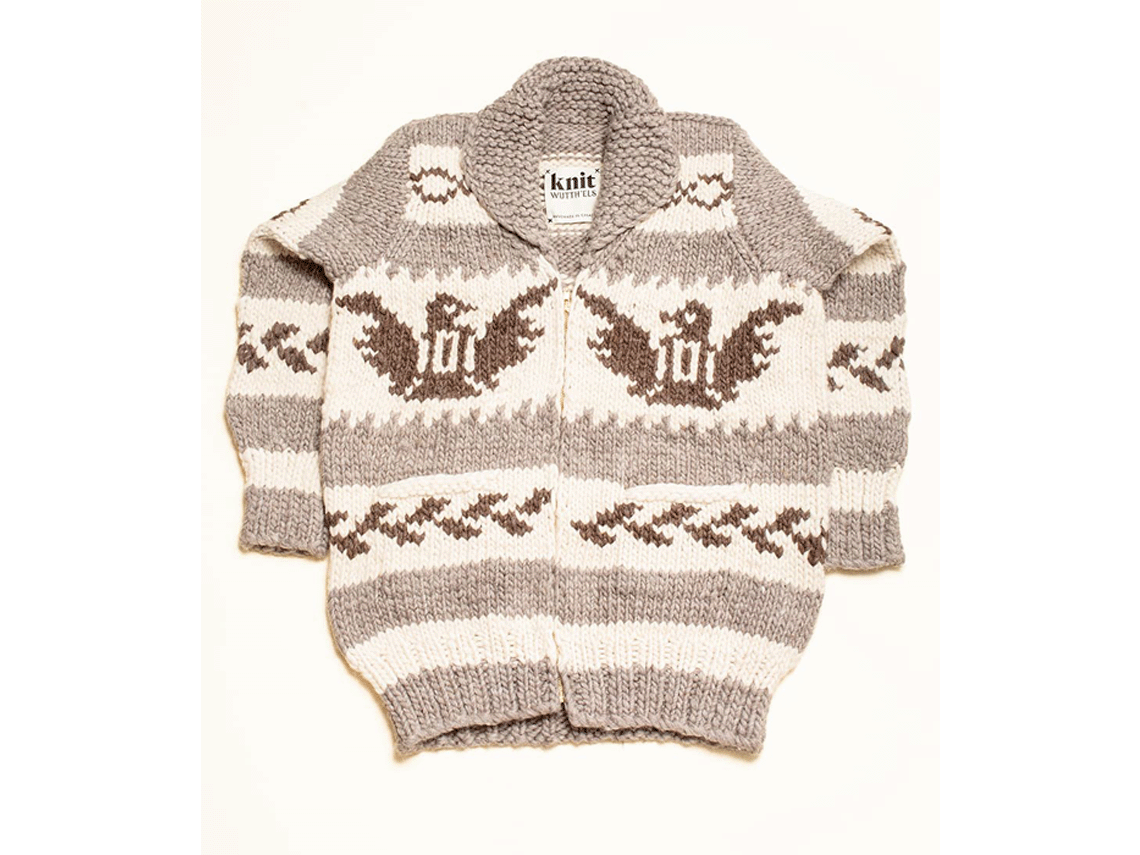
Dora Wilson, Cowichan Tribes Elder, sharing a sweater she knit with a Thunderbird design.

Pause and Reflect
Pause and reflect
What do you notice about the sweater?
Record your thoughts or share with a partner, if possible.
On Vancouver Island, in Cowichan (Quw’utsun) and Saanich (W̱SÁNEĆ) communities continue a knitting tradition that has been passed down for more than 100 years.
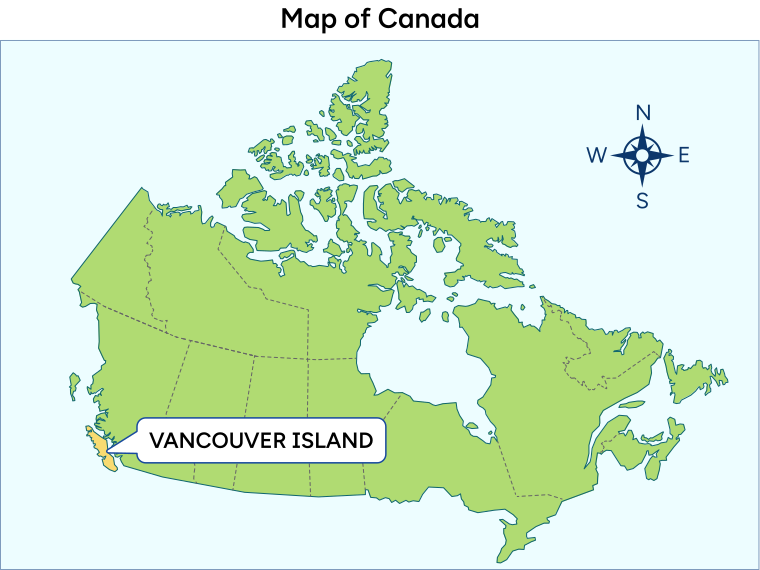
These hand-knit sweaters have been a big part of women’s roles and responsibilities in the community.
The women carry the knowledge of weaving and knitting and have used this to take care of their families for many, many years.
Each sweater is unique. Each has its own special design and is a piece of art.
The sweaters keep you warm and can last for 100 years if you take care of them properly!
Cowichan Sweaters
Let’s take a closer look at the Cowichan sweater process!
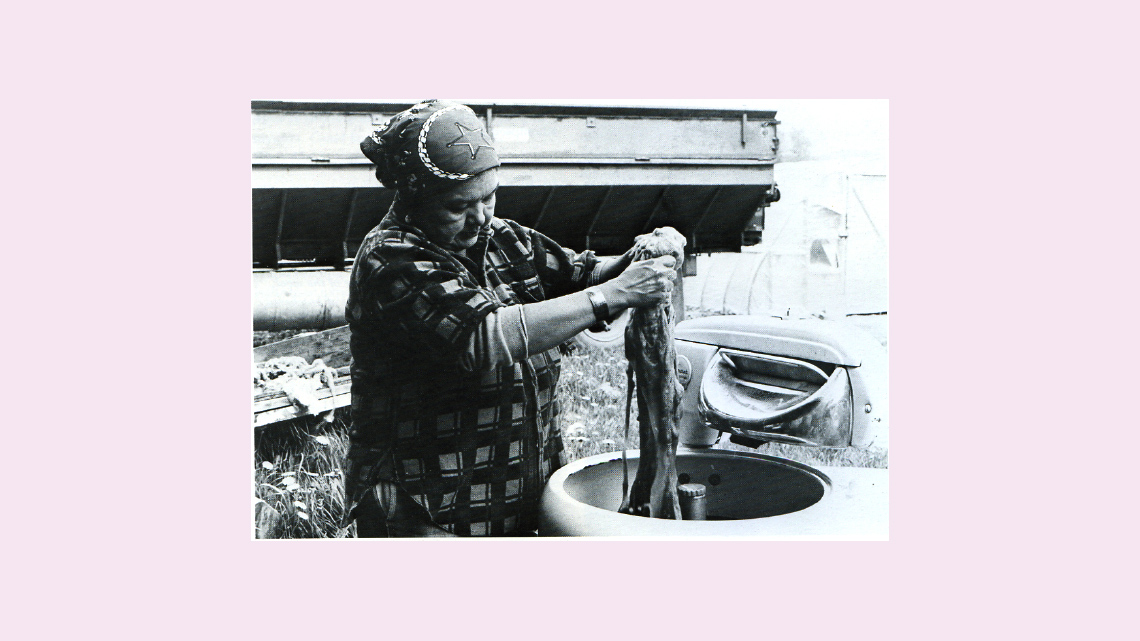
Mary Harry, Cowichan knitter, Koksilah (Xwulqw'selu) Reserve, 1985.
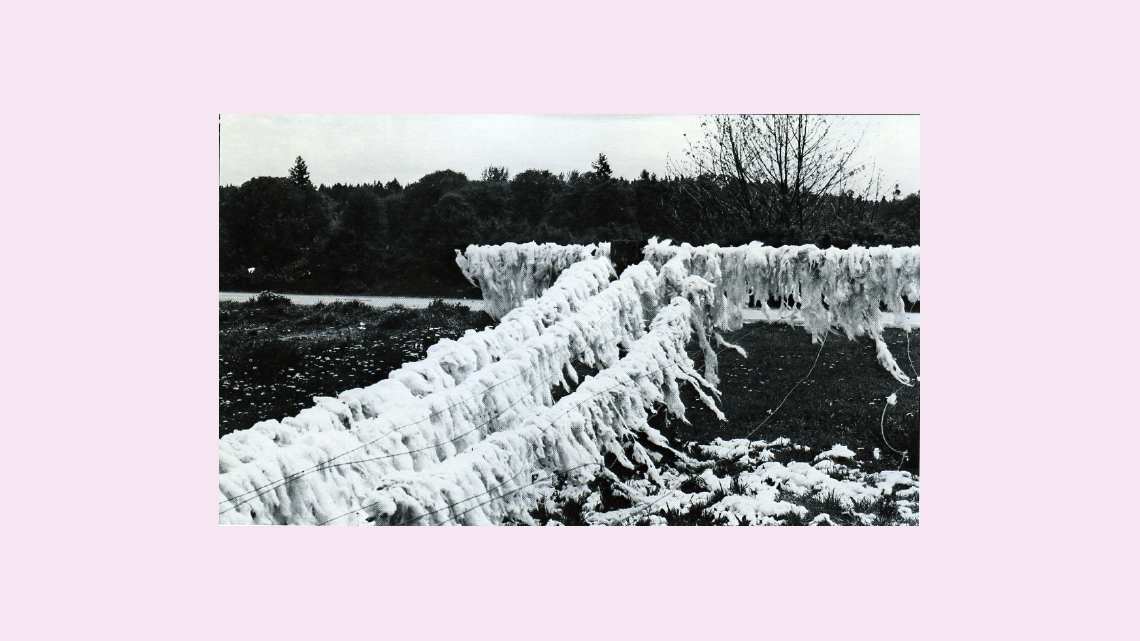
Drying wool. Koksilah (Xwulqw'selu) Reserve, 1985.

Social Emotional Learning
Social emotional
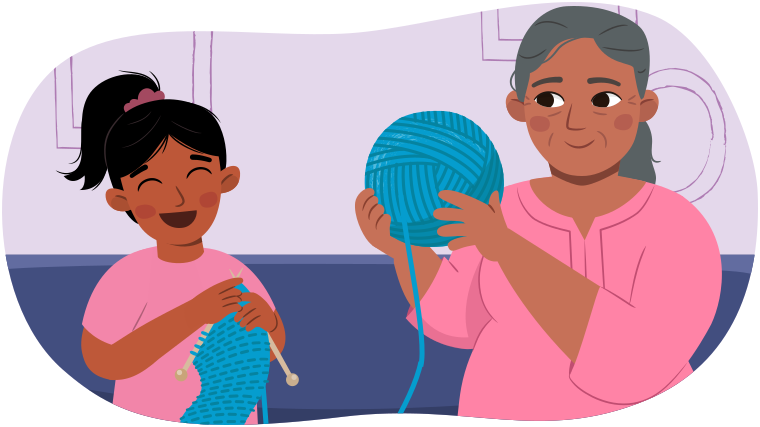
Did you know that many people knit or crochet because it relaxes them?
Knitting can help calm you down and help you pay attention.
Plus, it’s fun to make things for yourself or for others!
What do you do to help you relax?

Presentation

Let’s create a presentation about what we’ve learned about Cowichan sweaters! Gather your notes and follow the steps to complete this activity.
Step 1: Review your notes
Read the notes you’ve recorded and choose three important details about Cowichan sweaters you would like to include in your presentation.
Step 2: Create your presentation
Record your presentation using the following organizer or using another method of your choice. Add a sentence to introduce yourself and then add your facts about Cowichan sweaters.
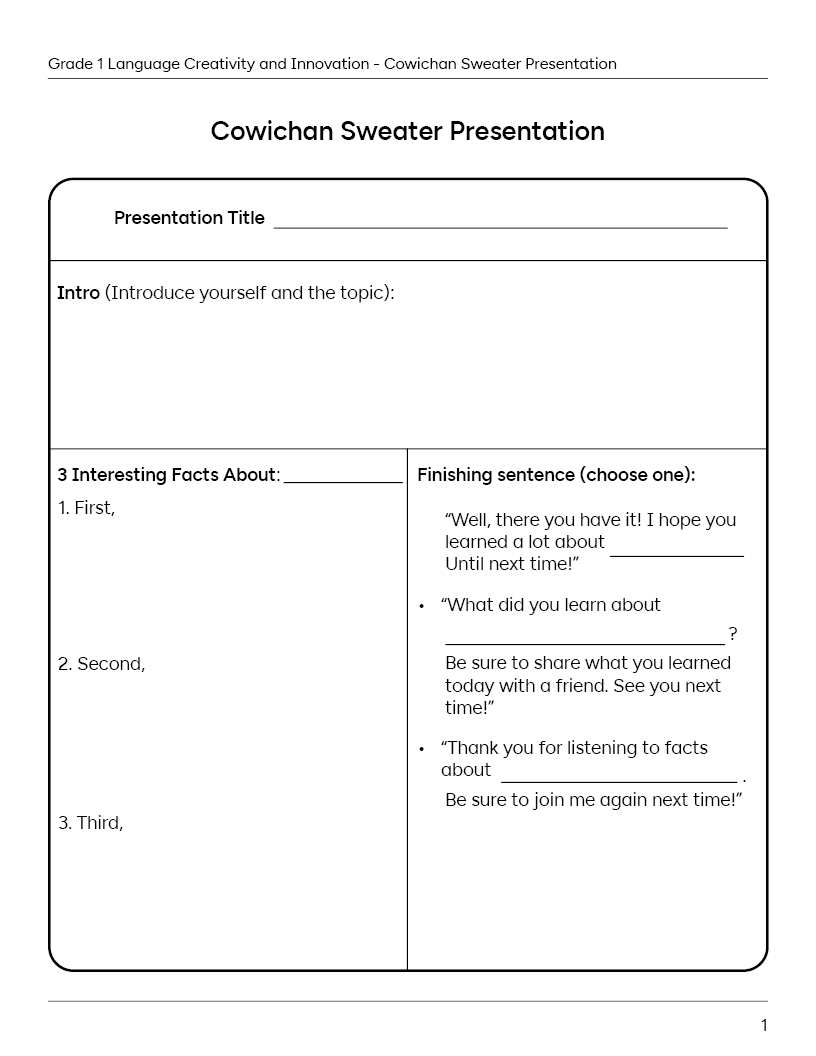
Step 3: Review your presentation
Read it out loud to make sure your presentation makes sense. Make changes as you need.
Step 4: Practice!
Rehearse your presentation out loud using your notes.
Student Tips
Student tips
Consider how you might use facial expressions and gestures to help you introduce yourself and share your facts.
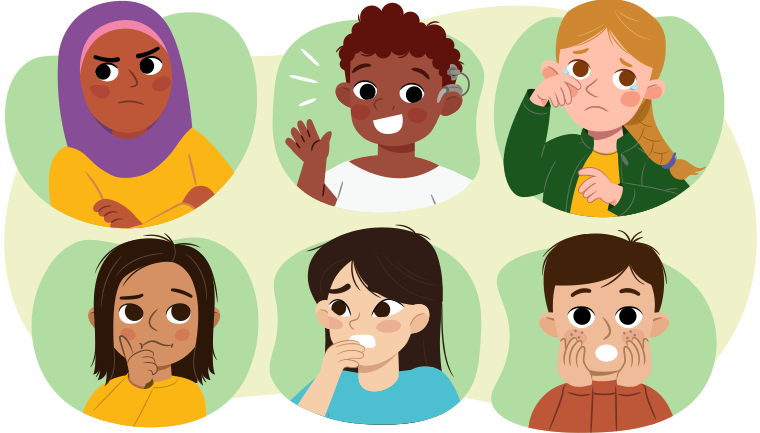
Use the following checklist to help you practice your presentation skills.
Share your presentation with others! If you are able, record your presentation using a recording tool. Or, present to others in person.
You can even pretend that you are speaking into a microphone!
Reflection
How do you feel about what you have learned in this activity? Which of the next four sentences best matches how you are feeling about your learning? Press the button that is beside this sentence.
I feel...
Now, record your ideas about your feelings using a voice recorder, speech-to-text, or writing tool.