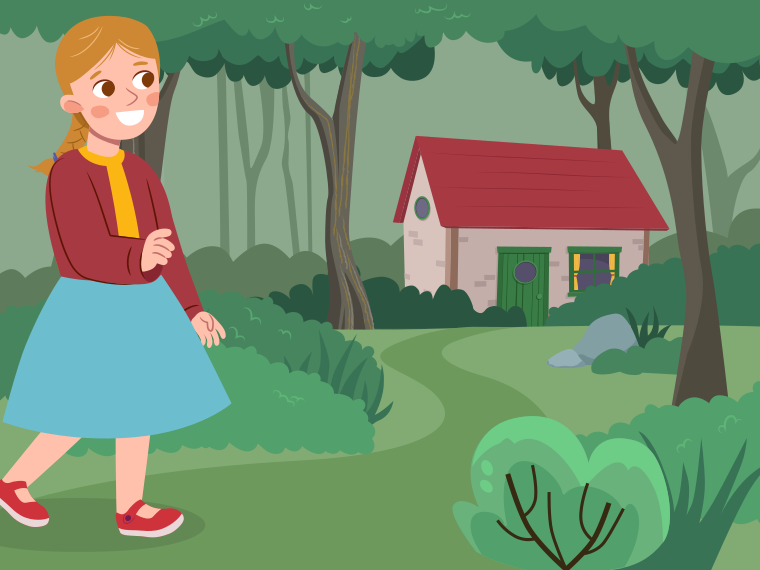
Once upon a time there was a girl named Goldilocks. She went for a walk in the forest.
Learning goals
We are learning to…
- use critical thinking and creativity skills to learn and share my thoughts and opinions
- identify the narrator’s point of view in different texts, including first person and third person, and suggest an alternative point of view to tell the story
- create specific types of texts using different tools and strategies
- identify the point of view in our own texts
- make simple edits to draft texts using feedback from others and create a final version
Success criteria
I am able to…
- explore the story Goldilocks and the Three Bears from third-person and first-person points of view and notice word clues that help me identify each point of view
- create my own version of the story Goldilocks and the Three Bears using a different character’s point of view
- make simple edits to my story using feedback from others and create a final version
Goldilocks and the Three Bears
Explore the following story. What do you notice? What do you wonder?
Goldilocks and the Three BearsGoldilocks and the Three Bears
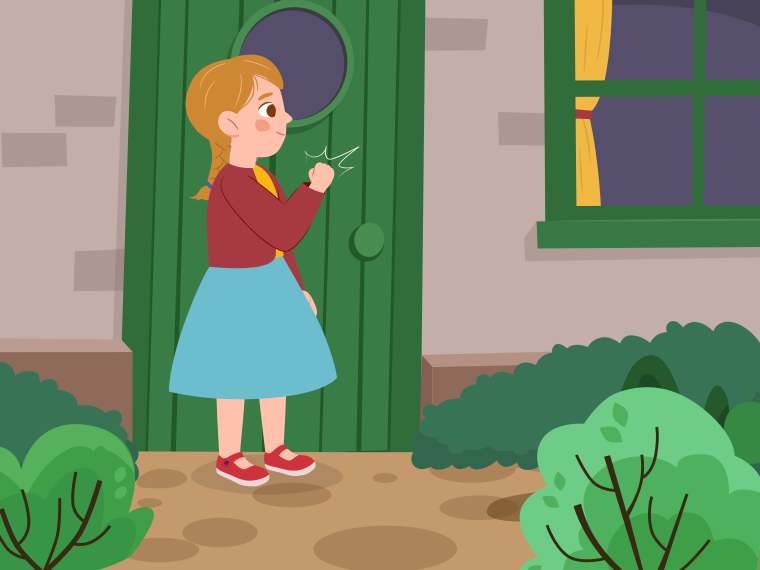
She saw a small house in the middle of a forest. She knocked on the door, but no one answered.
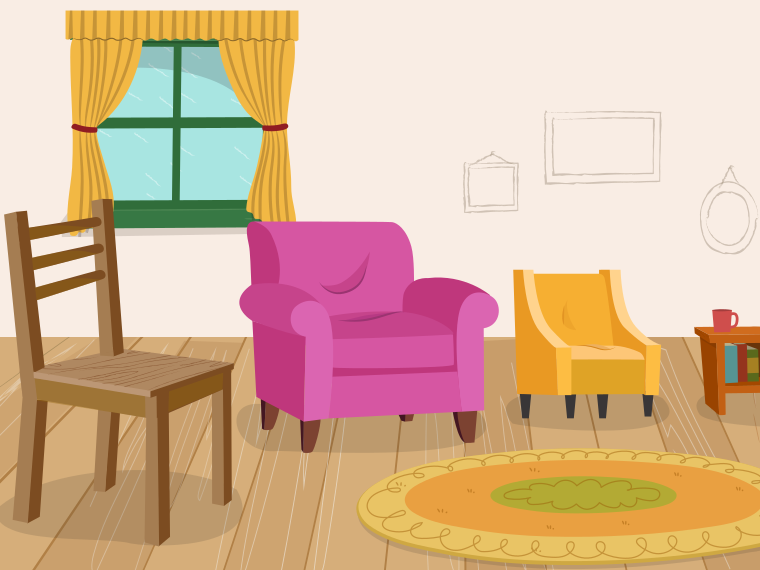
It was starting to rain so she went inside the house. She saw three comfy chairs. The first chair was too hard. The second chair was too soft. The third chair was just right.
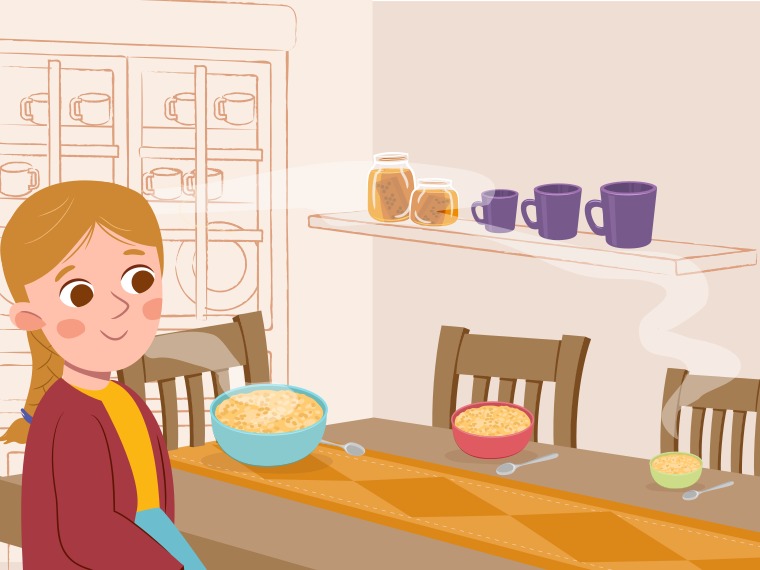
Goldilocks saw the kitchen table had three bowls of porridge. One was large, one was medium, and one was small.
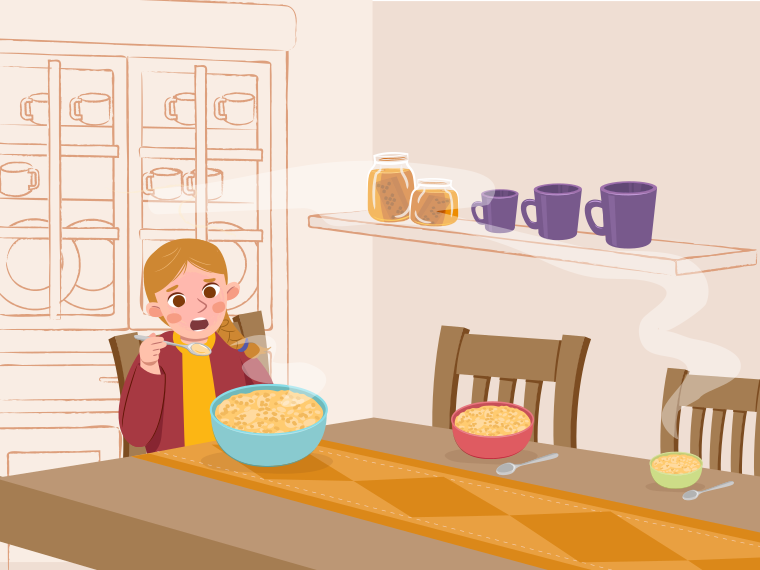
Goldilocks was so hungry. She went over to the table and grabbed a spoon. First, she tried the largest bowl. It was too hot!
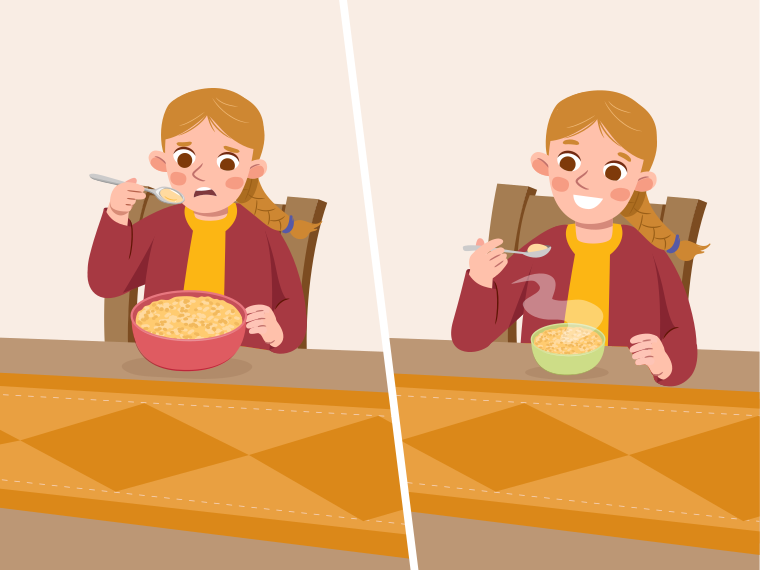
Then she tried the medium bowl. It was too cold! Then she tried the smallest bowl. It was just right. Goldilocks ate it all up.
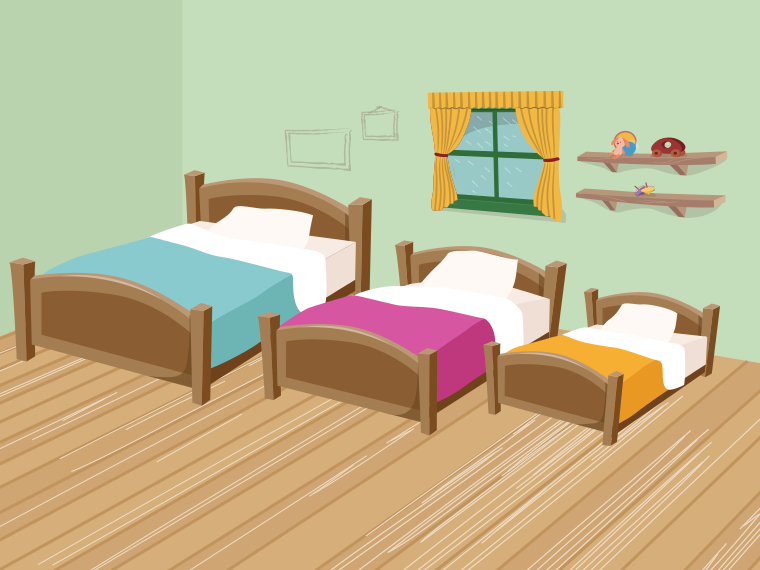
Goldilocks was tired. She went into the next room where there were three beds. One was large, one was medium, and one was small.
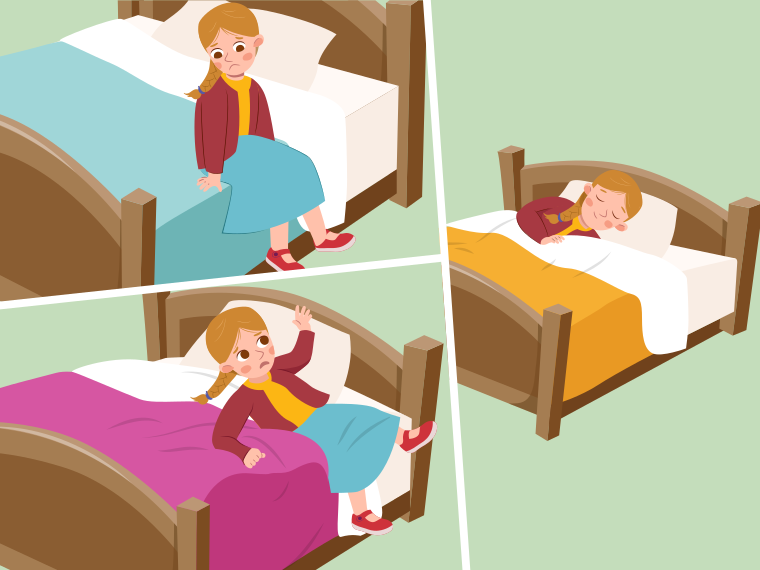
She got into the large bed but it was too hard. Then she got into the medium bed but it was too soft. The small bed was just right. She fell asleep.
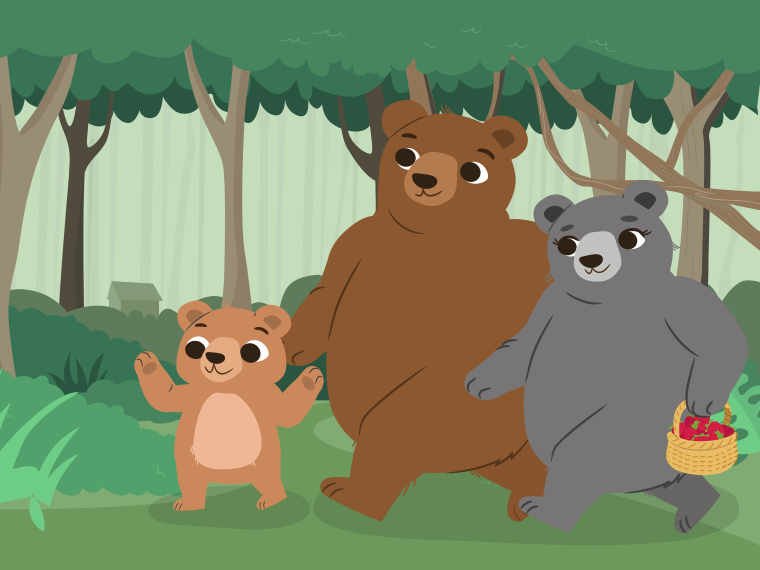
The house belonged to three bears: Mama Bear, Papa Bear, and Baby Bear. They had just come home from berry picking.
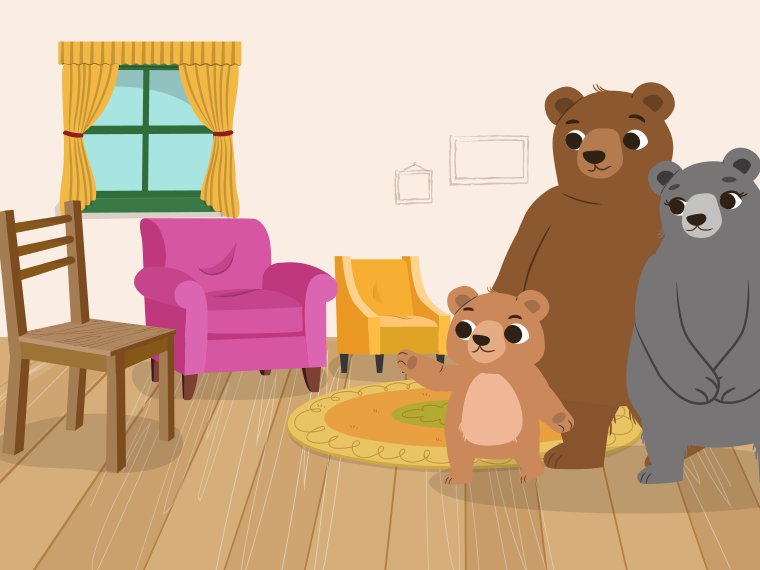
“Who’s been sitting in my chair?” said Papa Bear. “Someone sat in my chair too,” said Mama Bear. “Someone sat in my chair too,” said Baby Bear.
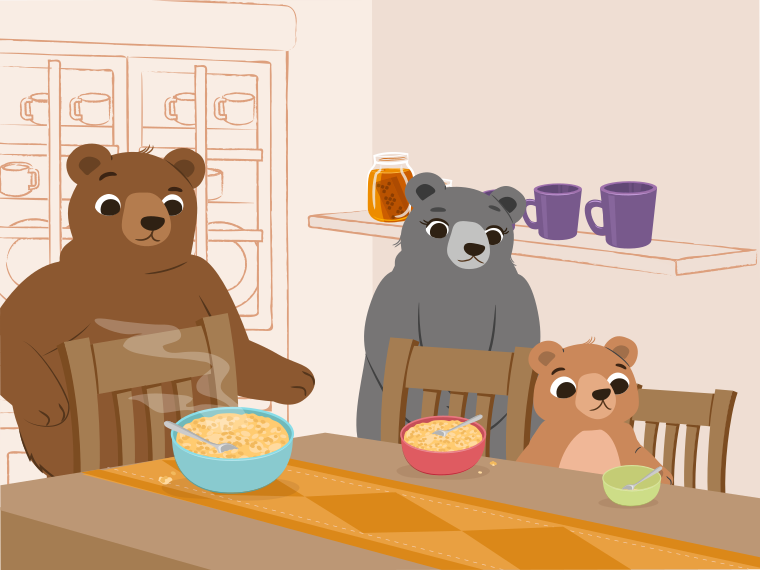
“Who’s been eating my porridge?” said Papa Bear. “Someone ate my porridge too,” said Mama Bear. “Someone ate ALL my porridge,” said Baby Bear sadly.
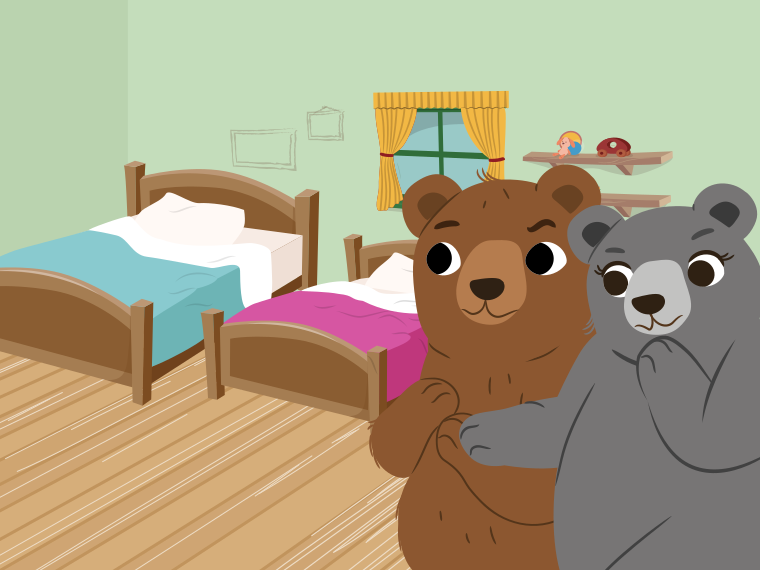
The Bears went into their bedroom. “Who’s been sleeping in my bed?” said Papa Bear. “Someone slept in my bed too,” said Mama Bear.
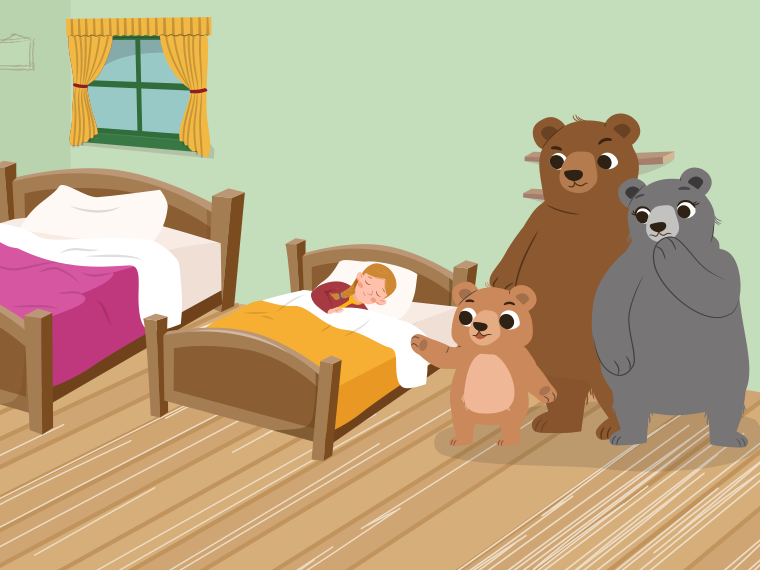
“Someone slept in my bed too!” said Baby Bear. “And there she is!”
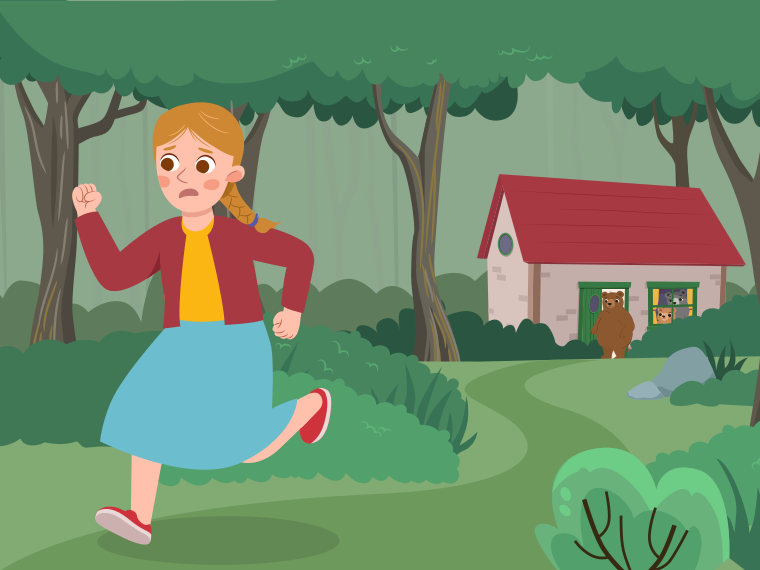
All of the noise woke up Goldilocks and she was scared. She immediately ran out of the house and ran home. Goldilocks never entered anyone’s house without permission ever again. The end.
Elements of a story
Let’s explore the different elements of a story for Goldilocks and the Three Bears.
Who told the story?
When we read stories, we understand the elements of the story based on who is telling the story.
Every story is told from a point of view. A point of view is a way of looking at or thinking about something. Whoever tells the story is called the narrator.
Let’s explore a few examples of types of points of view.
First person
In first person, the narrator is a character in the story and tells the story from their own point of view.
We can figure out if a story is told using first-person point of view by finding word clues in the story. Some of the word clues are:
| I | me | my |
| we | us | our |
Explore the following image. Is this character telling the story using first-person point of view?
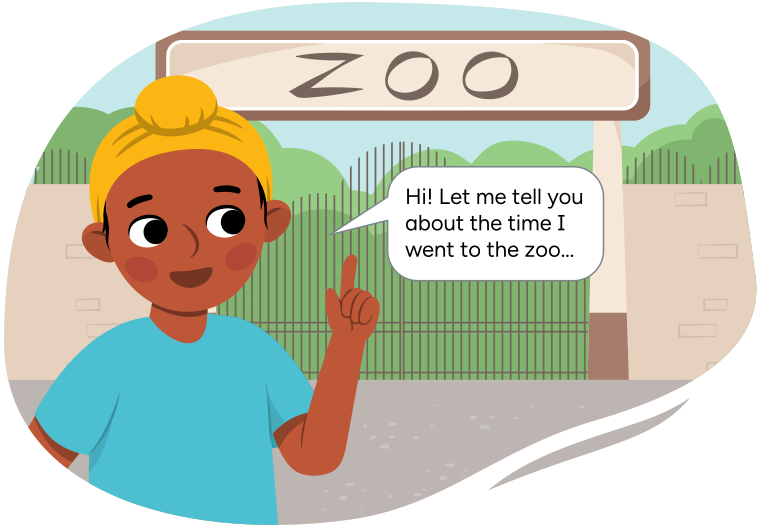
Press Reveal to check your answer.
Yes, the character in the story uses words like “me” and “I” so I think this is first-person point of view.
Third person
In third-person point of view, the narrator is not a character in the story.
The narrator tells the story by making observations about characters and events. They know all the character names in the story.
We can figure out if a story is told using third-person point of view by finding word clues in the story. Some of the word clues are:
| they | them | theirs |
| she | her | hers |
| he | him | his |
Explore the following image. Is this character telling the story using first-person point of view or third-person point of view?
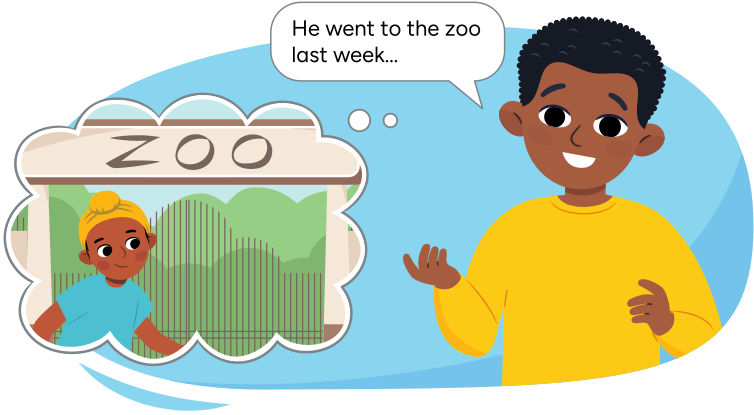
Press Reveal to check your answer.
The character in the story uses words like “he” so I think this is third-person point of view. I can also tell from the picture that the narrator is speaking about someone else not themselves.
Let’s return to Goldilocks and the Three Bears.
What point of view do you think it was written in?
Press Reveal to check your answer.
I think it was written in third-person point of view, because the narrator is making observations about all the characters in the story. They use word clues like “she” and “her” and they use the names of the characters.
Let’s read!
What if the story was told by Goldilocks? Do you think the story would change or stay the same?
Let’s explore Goldilocks’ point of view.
Goldilocks’ point of view
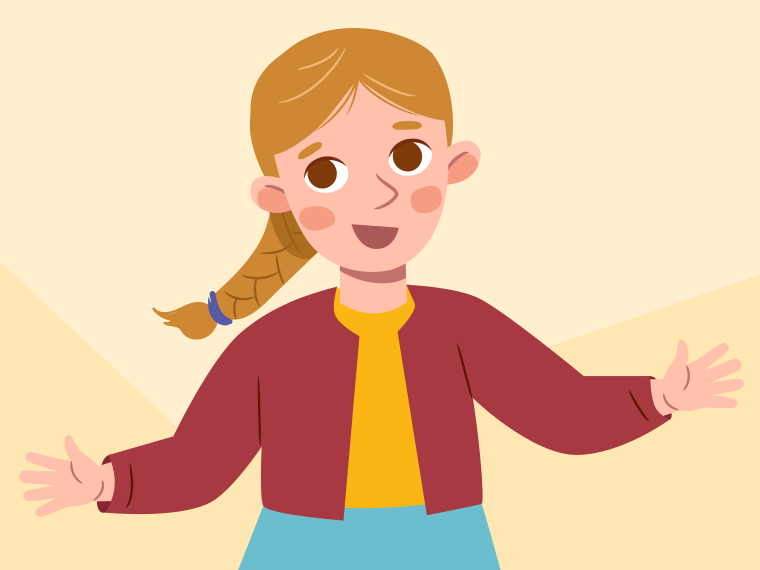
I’m sure you’ve heard the story but I’m here to tell you my side of the story about what happened that day. It wasn’t my fault, I promise!
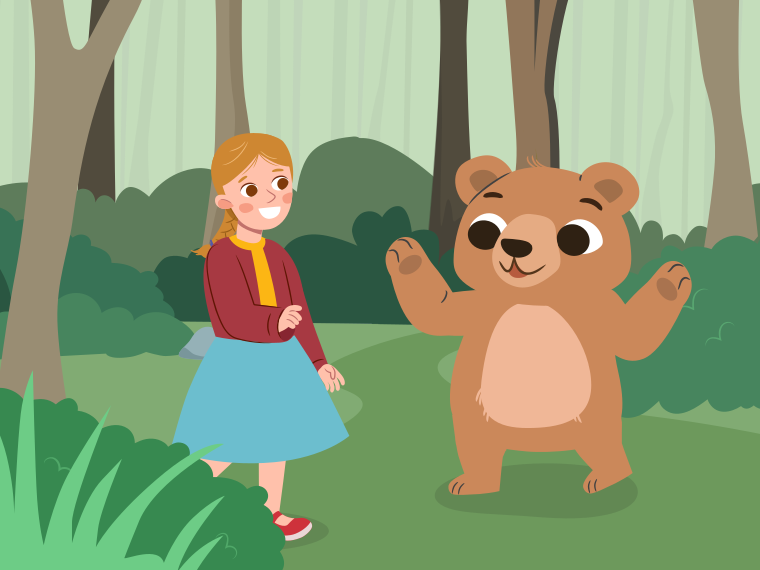
I was just walking in the forest, minding my own business. I saw a friendly bear and we started to talk for a while. My stomach grumbled and the bear invited me to come over for some lunch. I had nothing else to do and I was hungry, so I said yes.
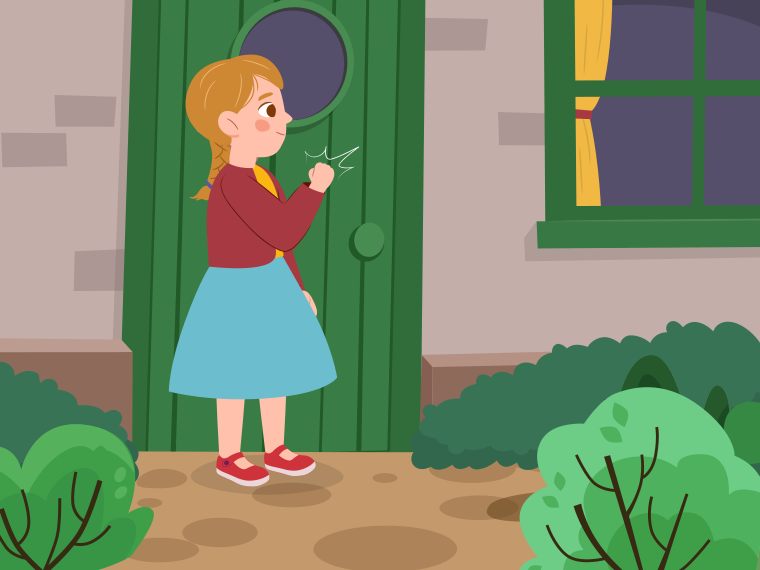
The bear gave me directions to their home and told me to meet them there. So off I went to the bear’s house. When I got there, no one was home. It was about to rain so I figured it wouldn’t hurt to go inside.
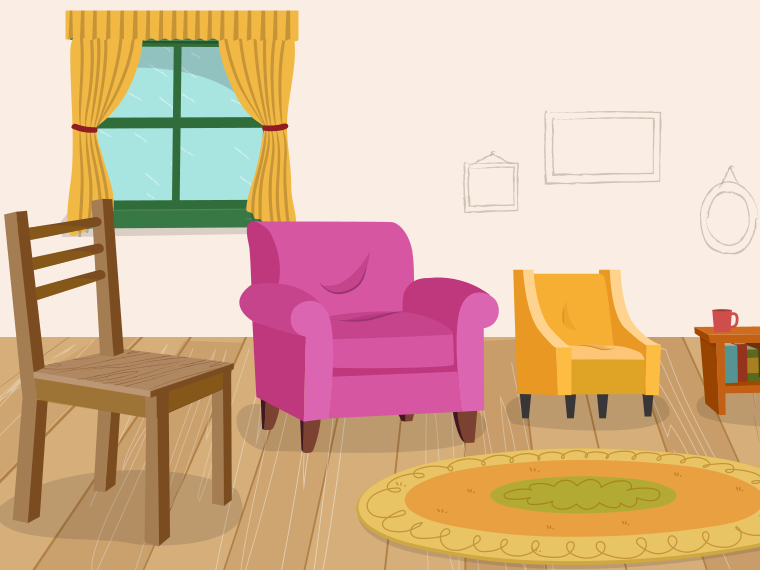
When I got inside, I saw three chairs. I decided to take a seat. It took me a couple of tries but finally I sat in a chair that was just right.
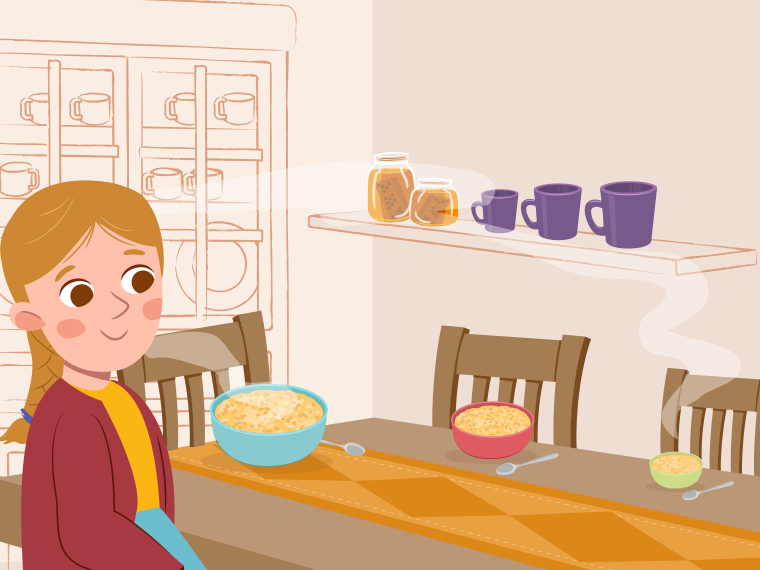
I waited and waited. My stomach was grumbling. Where was the bear? I hoped they would come with lunch soon. I noticed that at the kitchen table there were three bowls of porridge.
The bear wouldn’t mind if I had a quick snack, right?
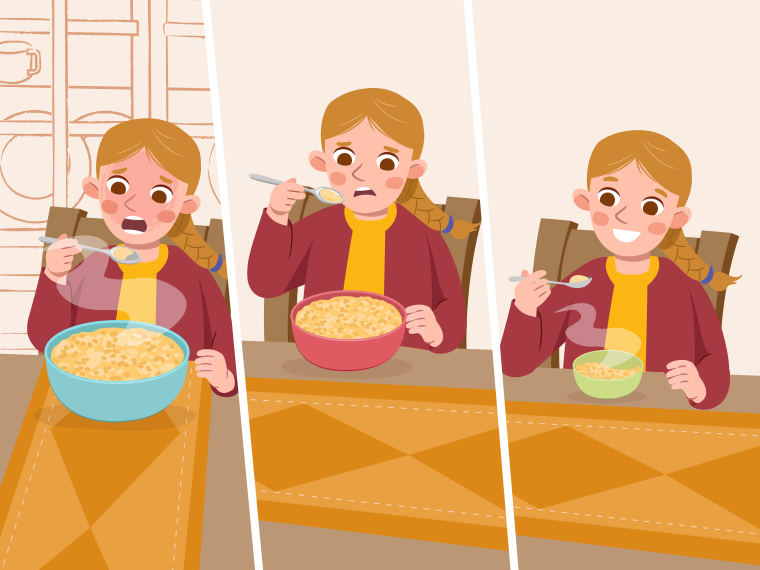
The first bowl of porridge was too hot. And the second bowl was too cold. But the last one? It was just right. I was only going to have a spoonful but then I ate the whole thing!
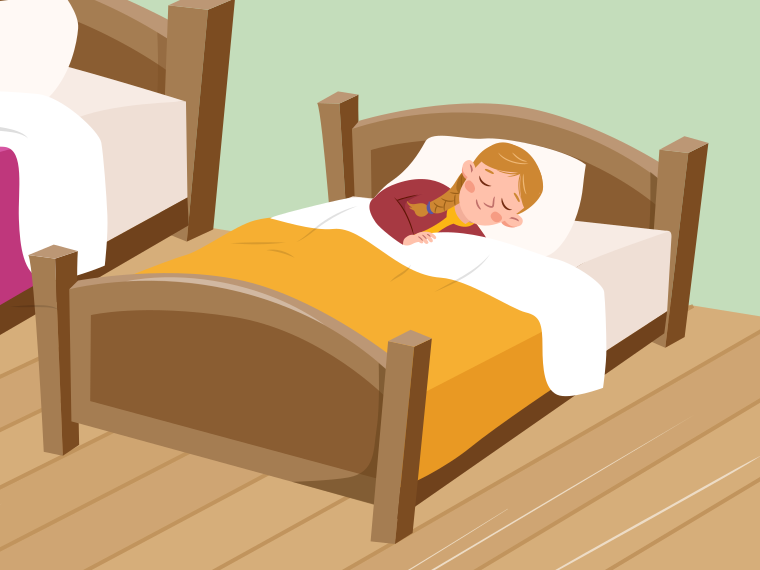
After eating the porridge, I felt really sleepy. I decided to have a small nap while I waited for the bear.
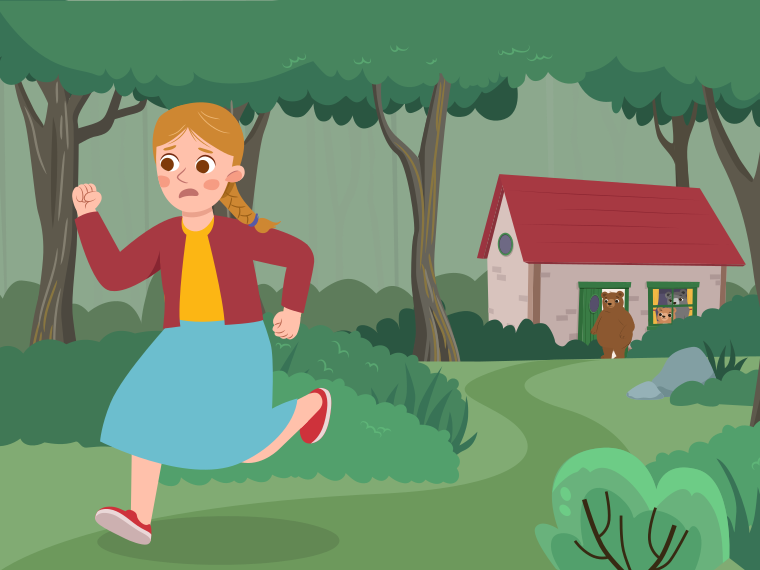
I woke up and heard growling! There were three huge bears staring at me.
I jumped up and ran out and ran all the way home.
Is this being told from first-person point of view or third-person point of view?
Press Reveal to check your answer.
The story is being told from first-person point of view because Goldilocks is telling it herself. I noticed word clues like “I” and “my”.
What if we heard the story from another character?
Let’s explore Baby Bear’s point of view.
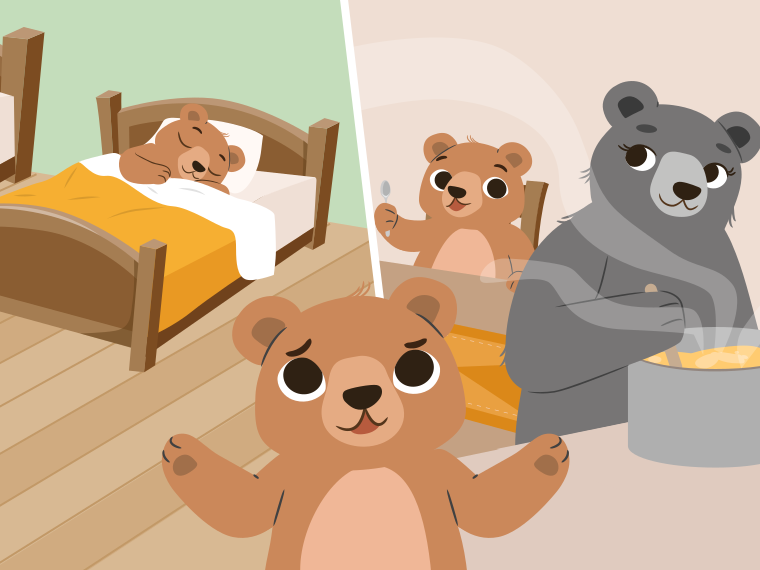
Well, Goldilocks got that wrong! That’s not what happened at all. For one thing, we weren’t even in the forest in the morning. We slept in. When I got up, I was ready for breakfast. Mama Bear got up and made some porridge as usual. One day, I’d like to have something other than porridge for breakfast.
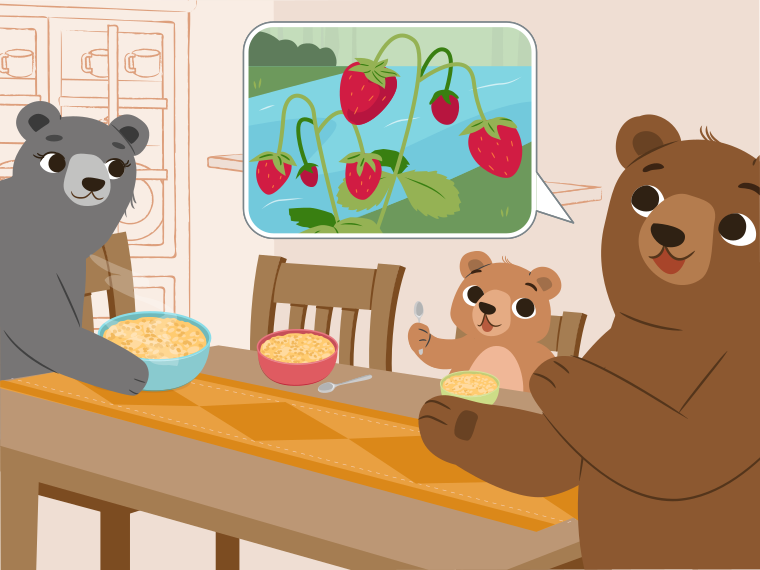
But before we could eat it, Papa Bear came in from his morning walk and told us there were a bunch of wild berries down by the stream.
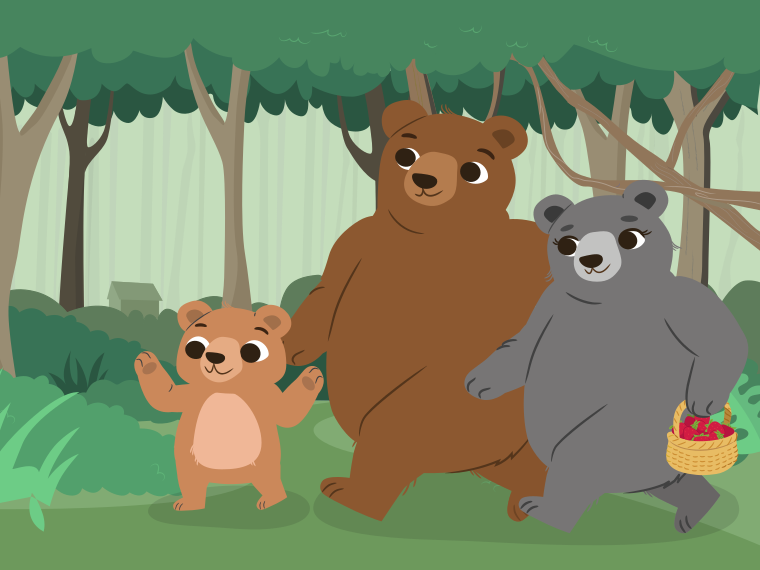
So, we stopped eating our porridge and eagerly went to the stream. Wild berries can be hard to get sometimes. And we wanted to get to them before the Wolf ate them all.
We headed down to the stream with our baskets and started to pick berries. We were picking them for hours!
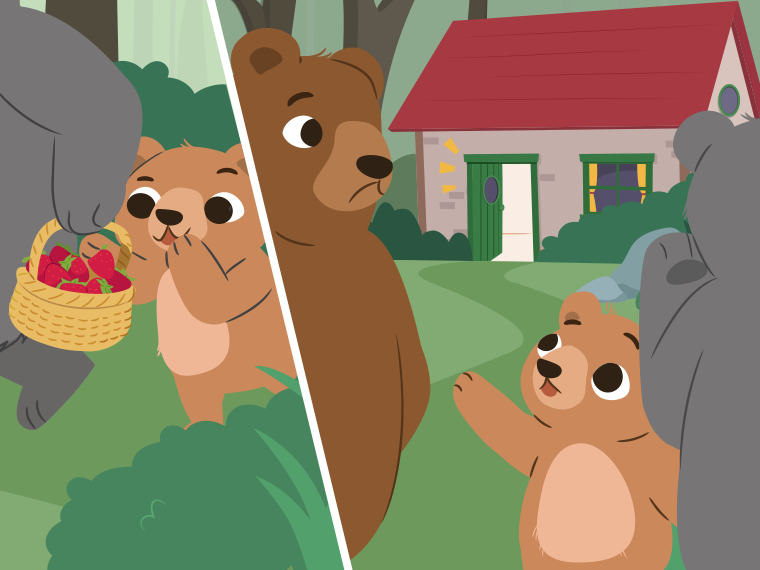
I managed to sneak a few berries when Mama Bear wasn’t looking. Mama Bear planned to make jam which is the best!
Anyway, we finally headed back home and as soon as we got close to the house, I noticed something. The door was wide open!
I told Papa Bear. Someone was in our house!
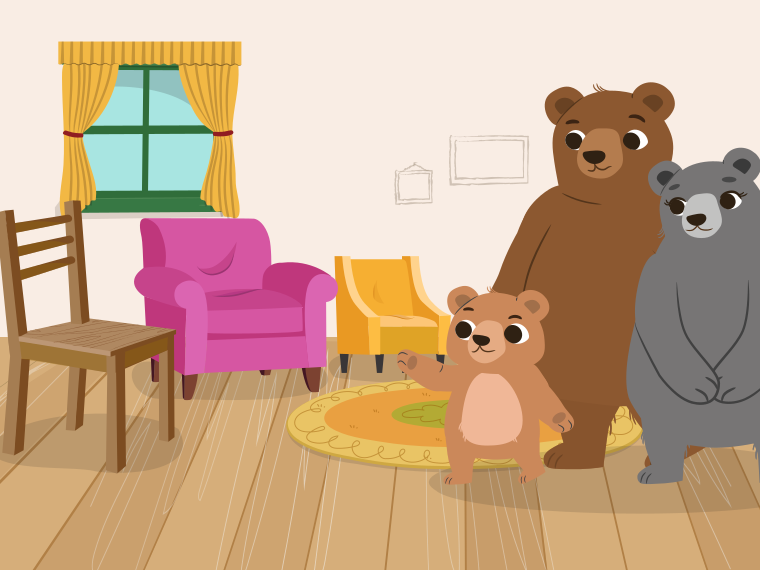
We crept up to the door and looked inside. There was no one there.
I looked at the chairs and it was obvious that someone just came and sat in our chairs. Who would do that?
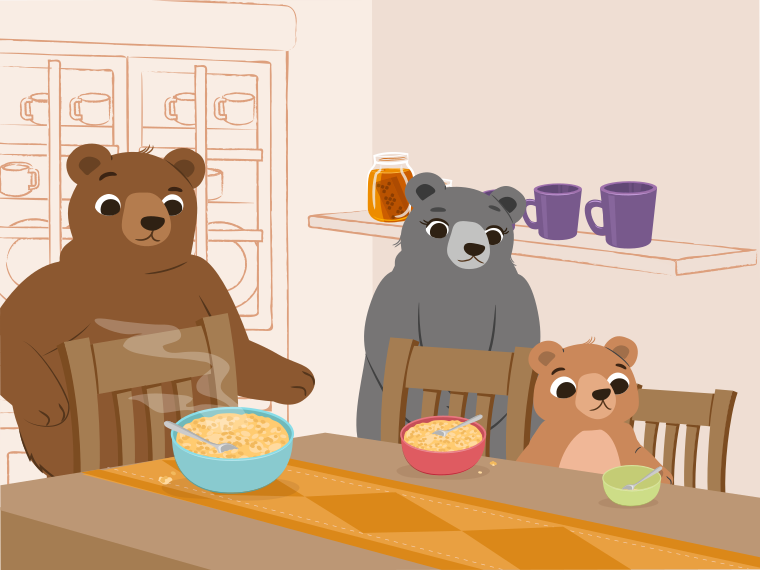
Then I looked over to the table where my porridge was. Someone ate all of my porridge!
That wasn’t nice at all.
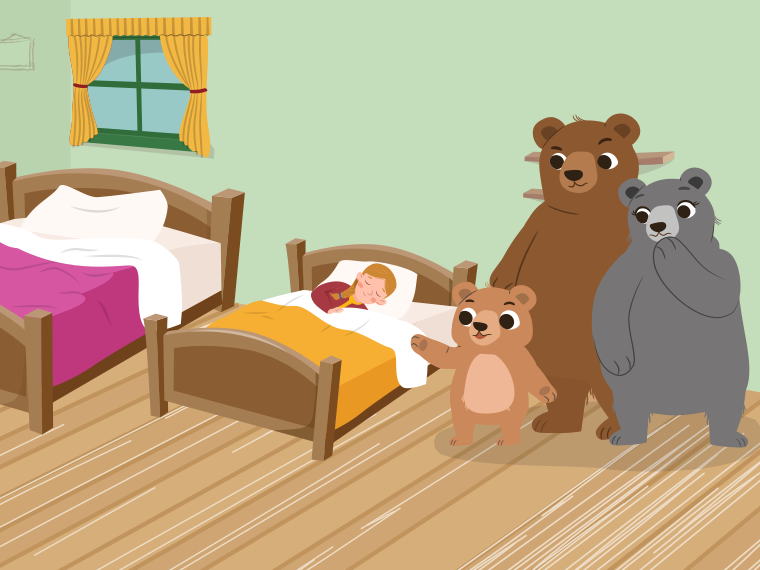
I glanced into our bedroom and there was this little blonde girl, sound asleep on MY bed. Mama Bear and Papa Bear were mad and began to growl.
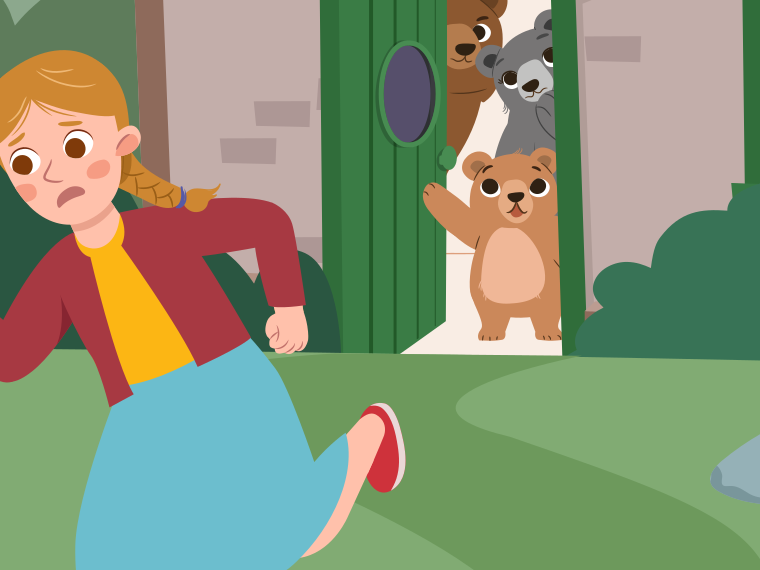
The girl jumped out of bed, ran past us and left.
She didn’t even say thank you!
How did the story change?
What details in the story were similar or different?
Share your thoughts with a partner, if possible.
Apostrophes
When we explored each character’s point of view, we used apostrophes (’) to share whose point of view we were exploring.
Baby Bear’s point of view
We can add an apostrophe and an “s” to show that something belongs to someone.
Goldilocks’ point of view
When a singular noun ends with an “s,” we add just the apostrophe at the end.
Let’s learn a bit more about apostrophes by watching a clip from Wacky Word Songs!

Try It
Try it
Copy the following sentences into your notebook and add the apostrophe and the “s.”
That is Sora(Blank) backpack.
Antonio(Blank) story is so interesting!
How would another character tell it?
Think about the story of Goldilocks and the Three Bears.
You have heard the story told from Goldilocks’ and Baby Bear’s point of view.
What if another character observed what happened. How would they tell the story?
- What elements of the story might change?
- What would stay the same?
- What details would they include in their version of the story?
Choose a character from the following list and brainstorm how they might tell the story.
- the Bear’s neighbour
- Mama Bear
- Papa Bear
- a firefighter in the neighbourhood
Complete the fillable and printable Brainstorming Organizer to help you record your character’s point of view of the story.
You may record your thoughts in your notebook, using the following document, or by using audio recording tools.
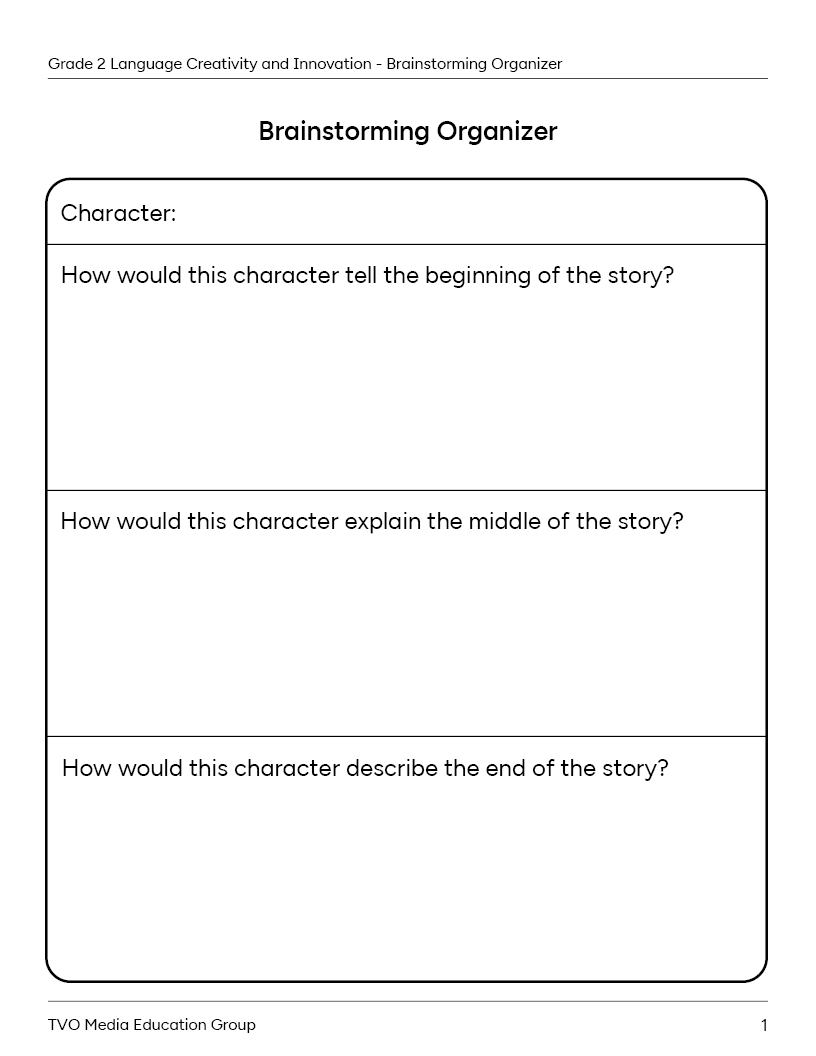
Press the Brainstorming Organizer button to access the Brainstorming Organizer.
Activity(Opens in a new tab)
Let’s write!
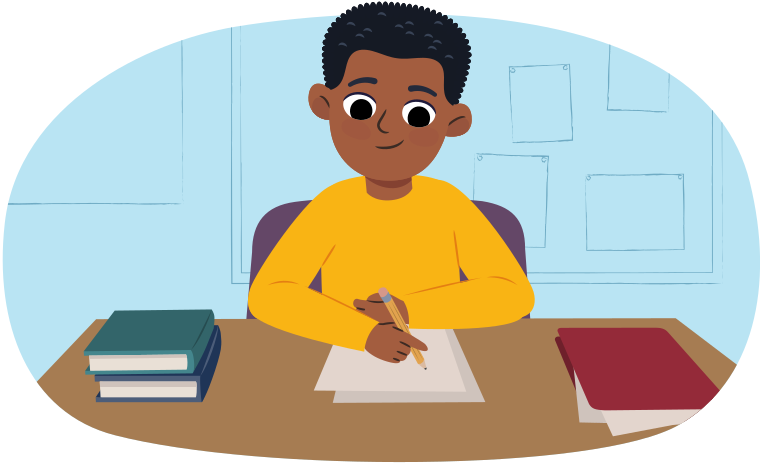
After you choose a character and determine their point of view, it’s time to write some sentences.
Step 1: Review your graphic organizer.
Step 2: Create simple sentences to share your story. You can use any types of sentences you would like to include (i.e., declarative, interrogative, exclamatory etc.).
Step 3: Review your story.
- Make sure each new sentence starts with a capital letter.
- Use capital letters when using proper nouns.
- Make sure to use a period, question mark or exclamation mark depending on the sentence you create.
- Add quotation marks around your text if a character is speaking in first person.
- Check your spelling using a dictionary.
- Read your story out loud to make sure it makes sense (if possible, share with a partner for feedback).

Student Tips
Use a dictionary
For those really tricky words, you may want to try using a dictionary or an online dictionary. Examine the following chart for quick dictionary skill tips!
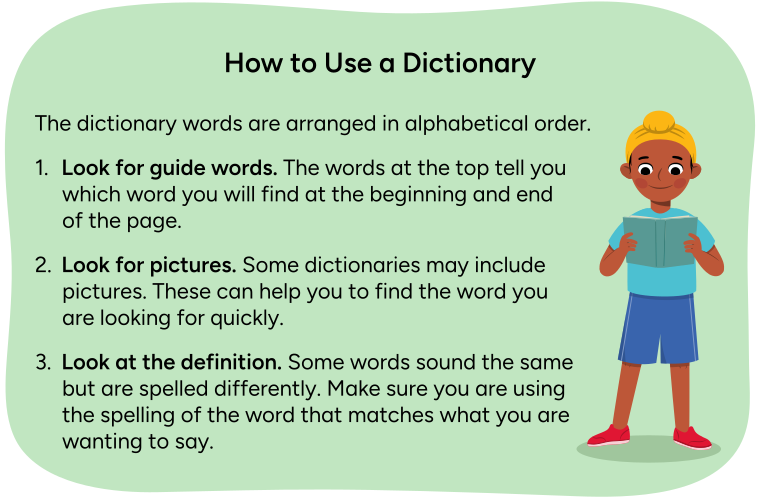
How to use a dictionary or an online dictionary
The dictionary words are arranged in alphabetical order.
- Look for Guide Words. The words at the top tell you which word you will find at the beginning and end of the page.
- Look for pictures. Some dictionaries may include pictures. These can help you to find the word you are looking for quickly.
- Look at the definition. Some words sound the same but are spelled differently. Make sure you are using the spelling of the word that matches what you are wanting to say.
Step 4: Write out the final copy of your story.
Let’s review!
For each question, determine if it’s first person or third person.
Select the correct answer, then press Check Answer to see how you did.
Reflection
How do you feel about what you have learned in this activity? Which of the next four sentences best matches how you are feeling about your learning? Press the button that is beside this sentence.
I feel...
Now, record your ideas about your feelings using a voice recorder, speech-to-text, or writing tool.