Learning goals
We are learning to…
- understand how we use communication skills in school and in everyday life
- identify the features of a variety of text forms
- record ideas from our learning and our lived experiences
- reflect on ourselves as learners
Success criteria
I am able to…
- identify the features of different text forms and provide an example of each
- record ideas and information in a graphic organizer
- write a reflection about my strengths as a learner and my relationship to new learning
- explain how communication is a transferable skill in different areas of my life
How do you like to learn and express yourself?
Imagine you need to learn something new.
Do you like to read about it? Watch a video? Listen to someone speak about it?
What about if you need to share what you have learned? Do you prefer to create something? Give a presentation? Write about it? Examine the following images of different ways of learning and sharing. Which of these do you prefer?
Oral texts (speaking and listening)
Graphic texts (texts with images)
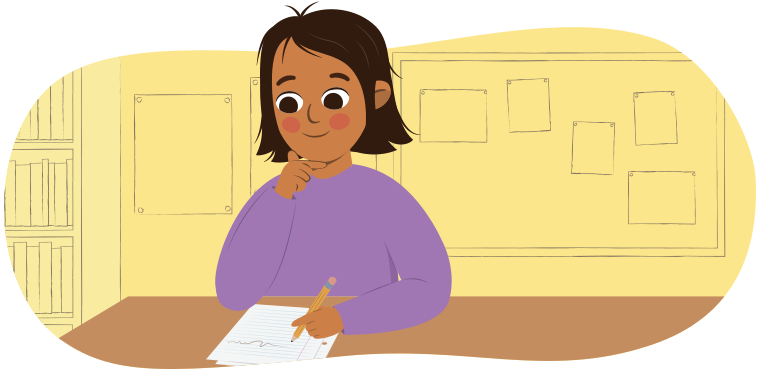
Written texts (reading and writing)
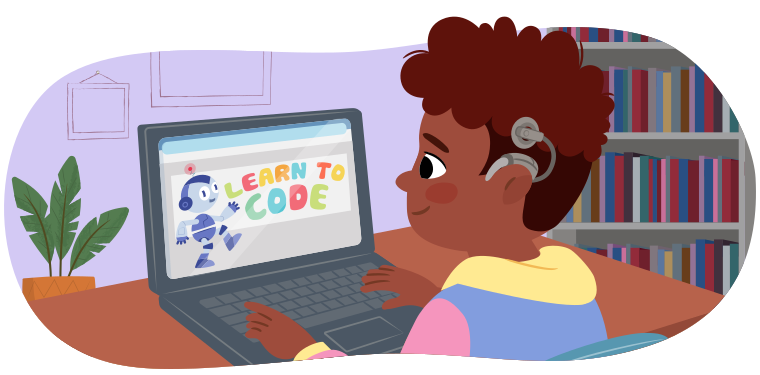
Digital texts (using technology)
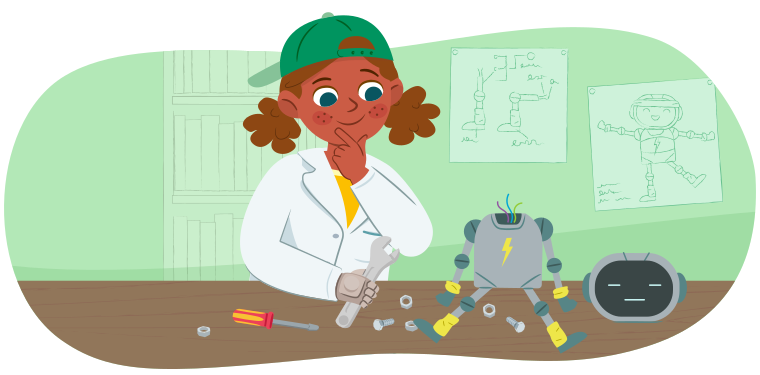
Hands-On learning (building and creating)
There are many ways to learn and many ways to express or share our learning with others!

Pause and Reflect
Pause and reflect
Reflect on the images above.
Do you have a favourite?
Is your favourite way of learning new information the same or different than your favourite way of expressing and sharing your learning?
In this learning activity, you will explore different ways of learning and communicating.
Press the Communicating button to learn the definition of the word.
Communicating: How people share information (e.g. talking or writing).
You will think about your preferred ways to learn and to communicate, and you will also think about your strengths as a learner and a communicator.
Complete the following phrases, either in a journal of your choice or with a learning partner, if possible:
My favourite way of learning new information is…
My favourite way of showing what I know is…

Communication is a transferable skill
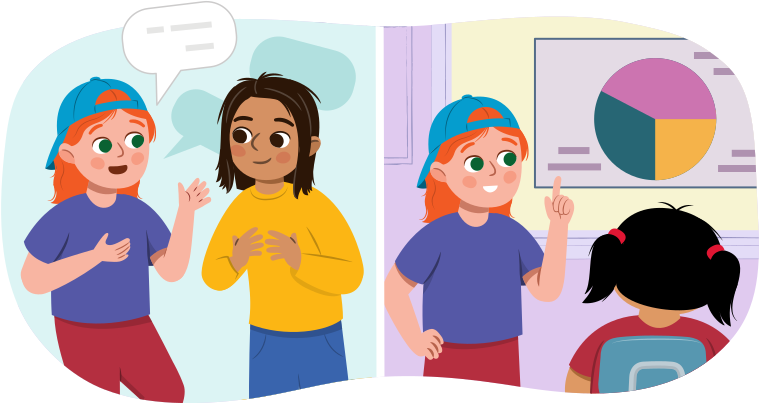
Skills that can be used in different situations are called transferable skills. This means that we can “transfer” our skills from one situation to another.
For example, we don’t just use communication skills in our Language Arts class, or at school. We use communication skills in all subject areas and in all parts of our lives! Communication skills are considered transferable skills.
Let’s explore some of the different ways we can communicate or express ourselves.
Ways of communicating
Tracking my learning
As you explore each of the different ways of learning and expressing ourselves, complete the graphic organizer, Ways of Expressing Ourselves.
- Write or draw one example from the information provided in this learning activity.
- Write or draw one example from your own personal experiences.
You may write in the following fillable document, or you may copy it into a notebook of your choice. If you would like, you can use speech-to-text or audio recording tools to record your thoughts.
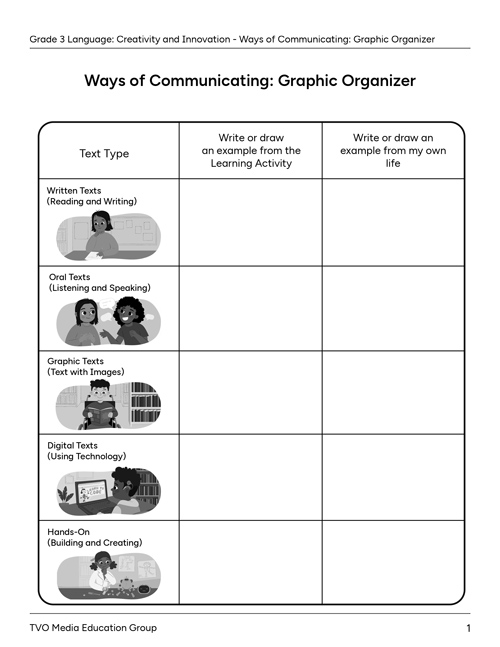
Press the Activity button to access the Ways of Communicating: Graphic Organizer.
Activity(Opens in a new tab)Written texts
Do you enjoy learning by reading or writing words? If you answered yes, chances are you are a text-based learner. Written texts mostly use written words to communicate.
Here are some common examples of written texts:
- textbooks
- chapter books
- reports
Explore the following images that show written texts. Which ones have you used? Are there any that you prefer?
Description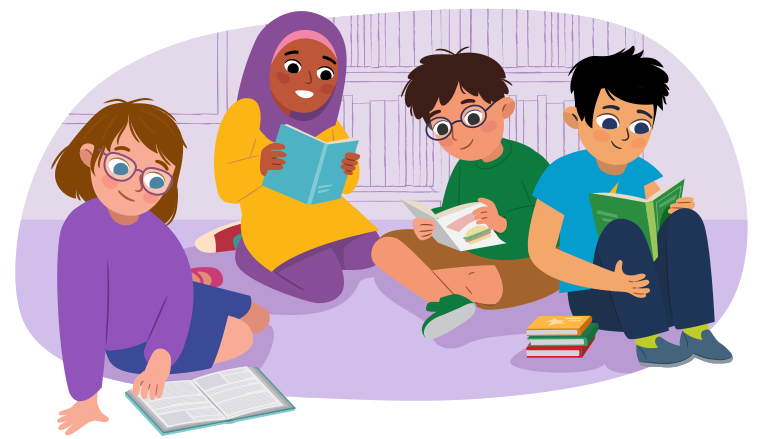
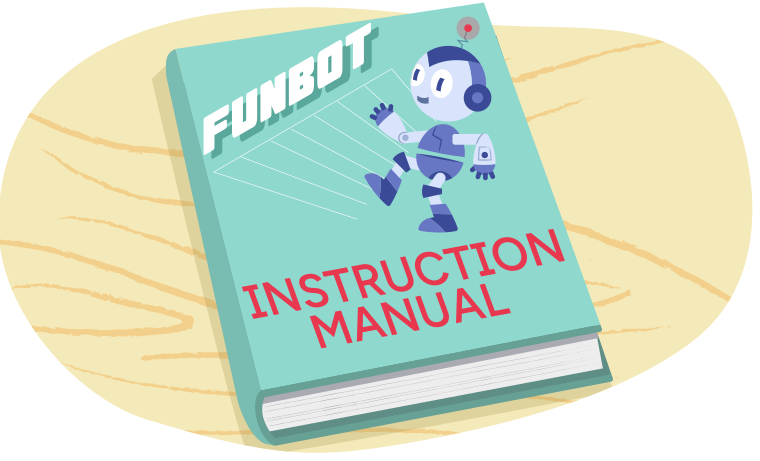
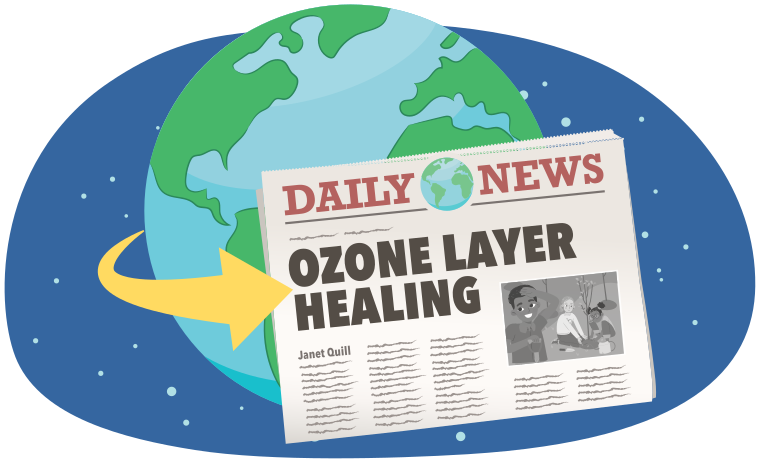
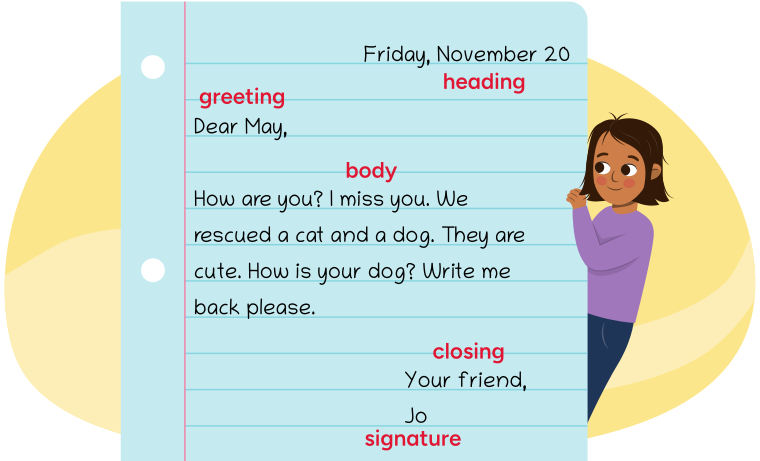
Image 4
Neebin standing behind a letter. The parts of a letter are labeled:
heading: Friday, November 20
greeting: Dear May,
body: How are you? I miss you. We rescued a cat and a dog. They are cute. How is your dog? Write me back please.
closing: Your friend,
signature: Jo
Pause and Reflect
Pause and reflect
Consider how you use written texts in your life.
How much do you enjoy reading and writing texts?
- A lot?
- A little?
- Not at all?

Brainstorm
Brainstorm
Record an example of a written text in your graphic organizer.
Think of a time when you created or learned from a written text. Record it in your graphic organizer.
Oral texts
Do you enjoy learning through talking and listening? If you answered yes, you may be an oral learner. The ways that we communicate when listening and speaking are called oral texts.
Here are some real-life examples of oral texts:
- presentations
- storytelling
- announcements
Explore the following images that show oral texts. Which ones have you used? Are there any that you prefer?
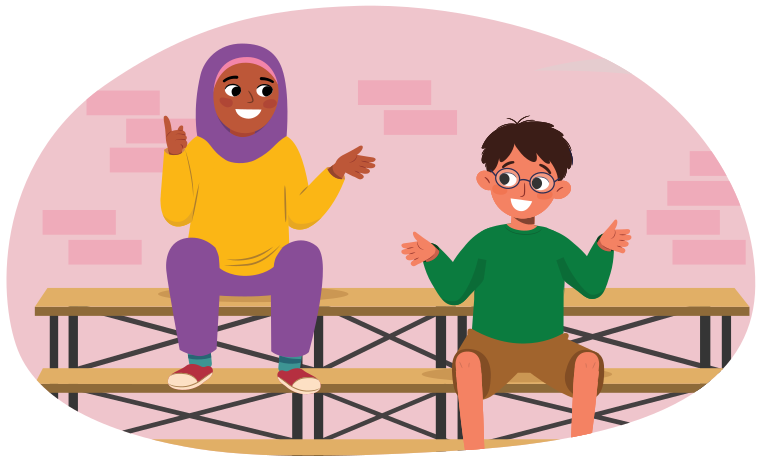
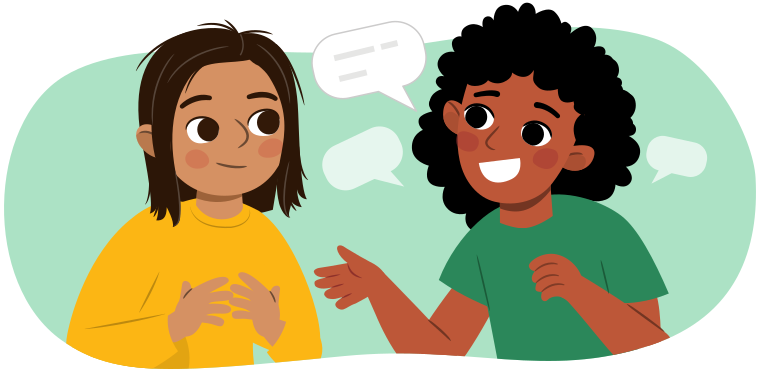
Speaking and listening (conversations)
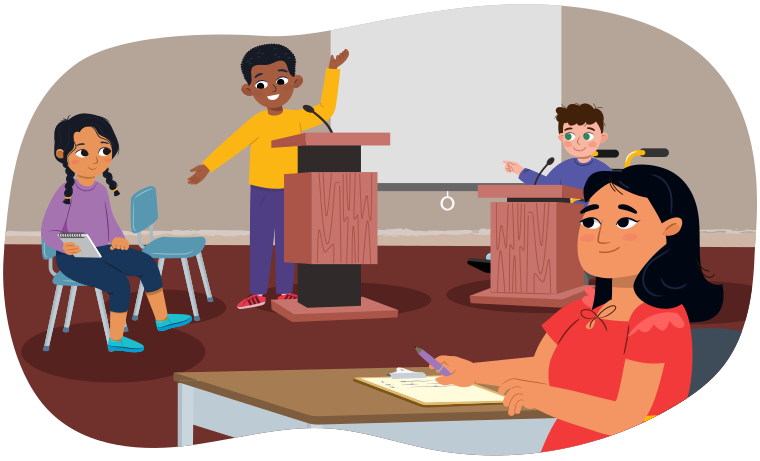
Speeches or debates
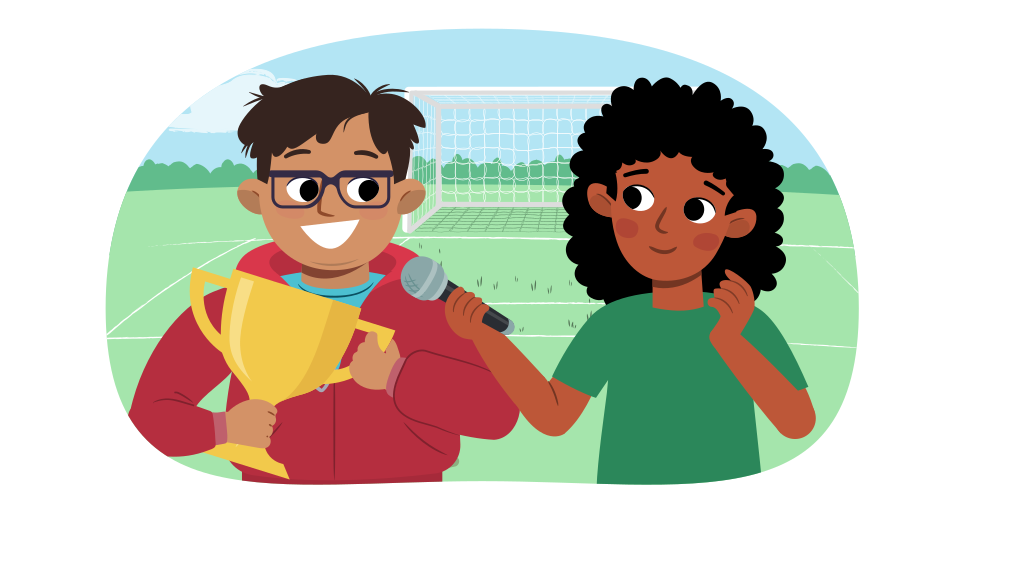
Interviewing and reporting
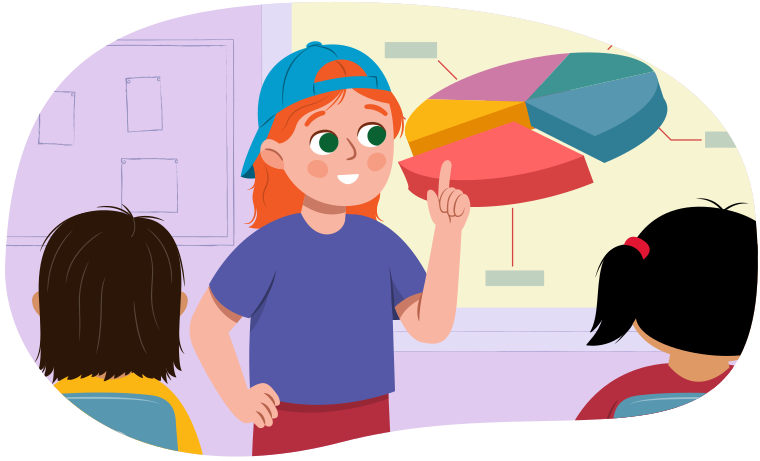
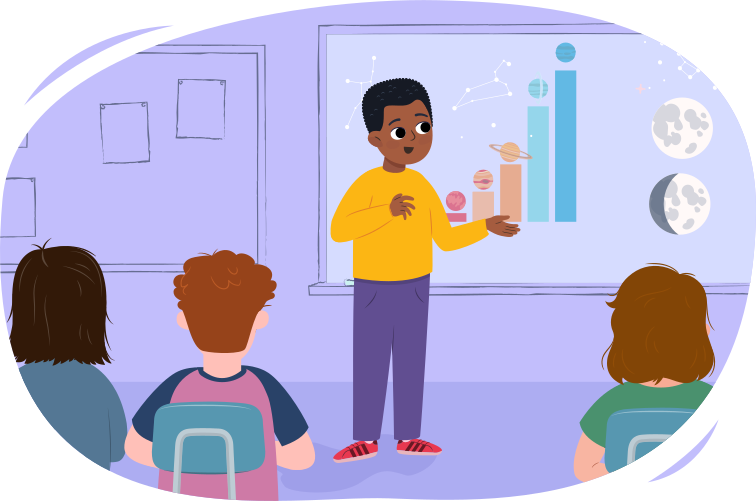
Teaching and presenting
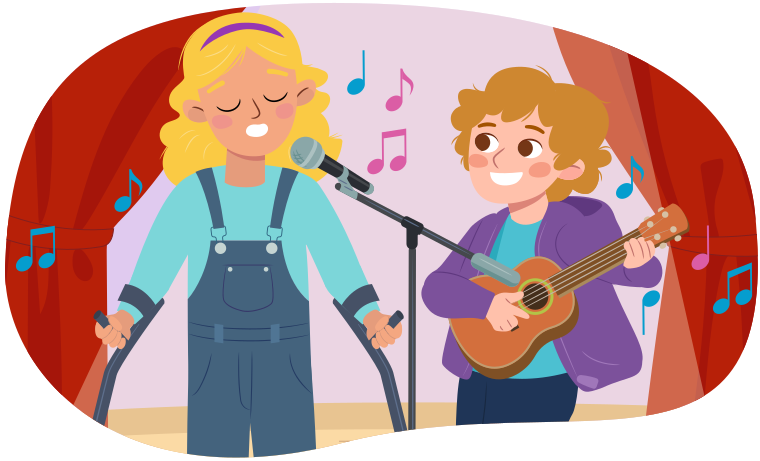
Singing
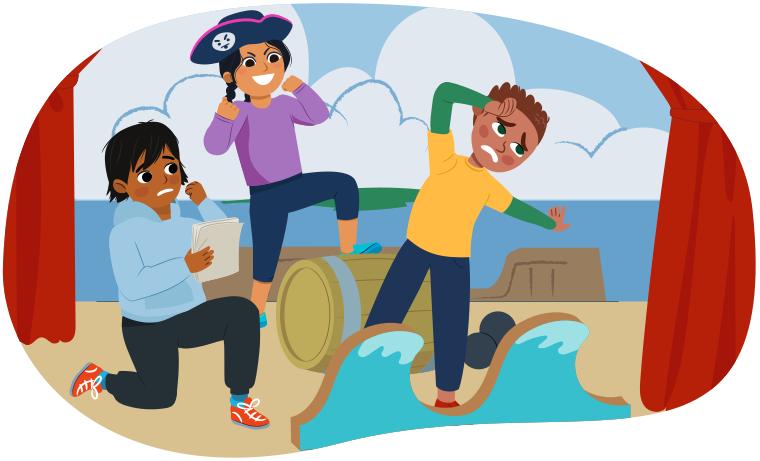
Drama and performing
Pause and Reflect
Pause and reflect
How much do you enjoy reading and writing texts?
- A lot?
- A little?
- Not at all?
Brainstorm
Brainstorm
Record an example of an oral text in your graphic organizer.
Think of a time when you created or learned from an oral text. Record it in your graphic organizer.
Graphic texts
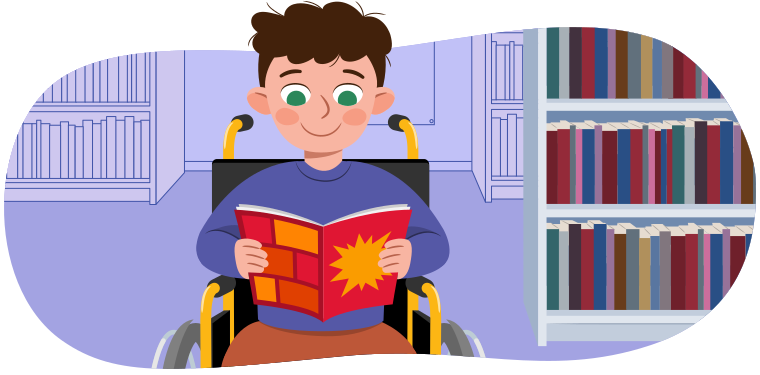
Do you do your best learning when there are photographs or illustrations? If you answered yes, chances are you are a visual learner. The ways that we communicate visually are called visual texts or graphic texts.
A graphic text is anything that communicates mostly in pictures or images, but it will often have a combination of words and images.
Here are some common examples of graphic texts:
- drawings
- photographs
- charts
- storyboards
Explore the following images that show graphic texts. Which ones have you used? Are there any that you prefer?
Description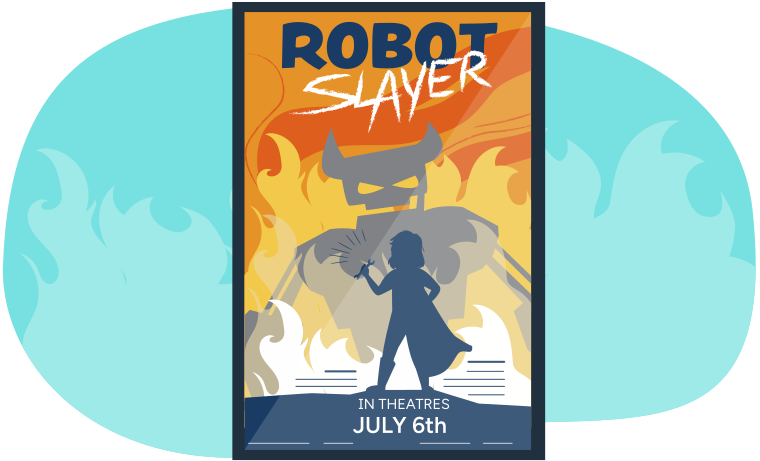
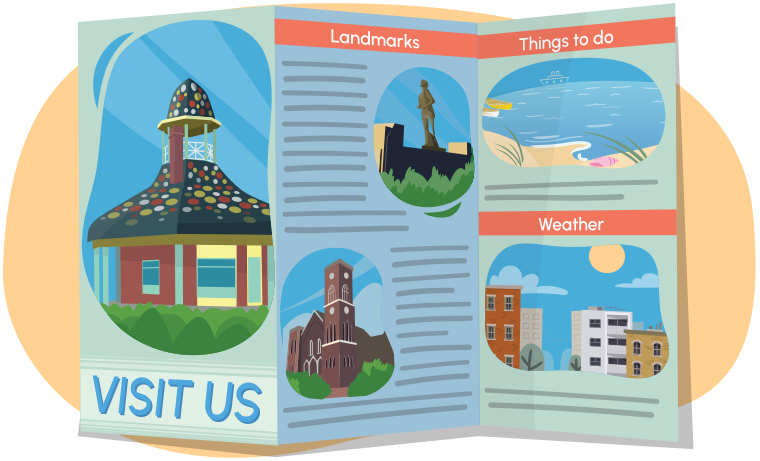
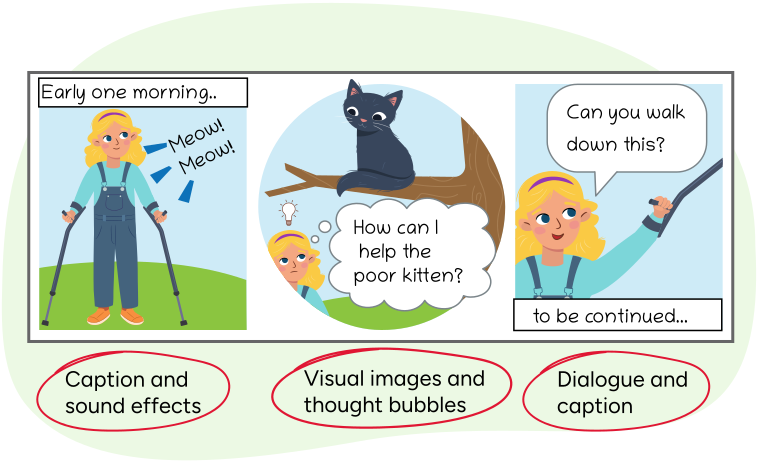
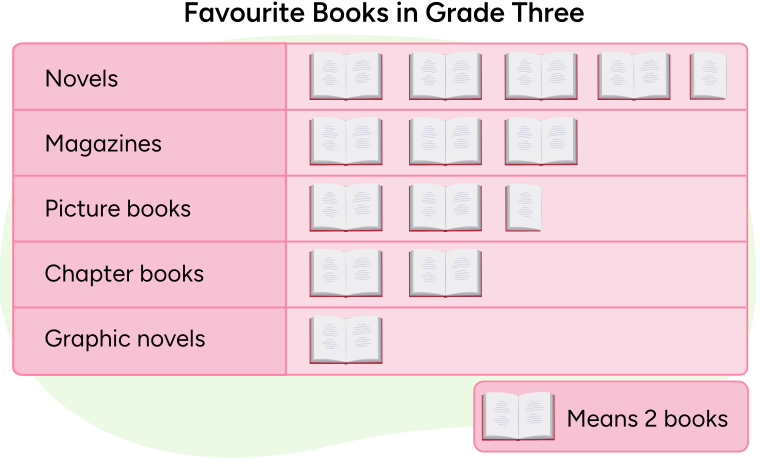
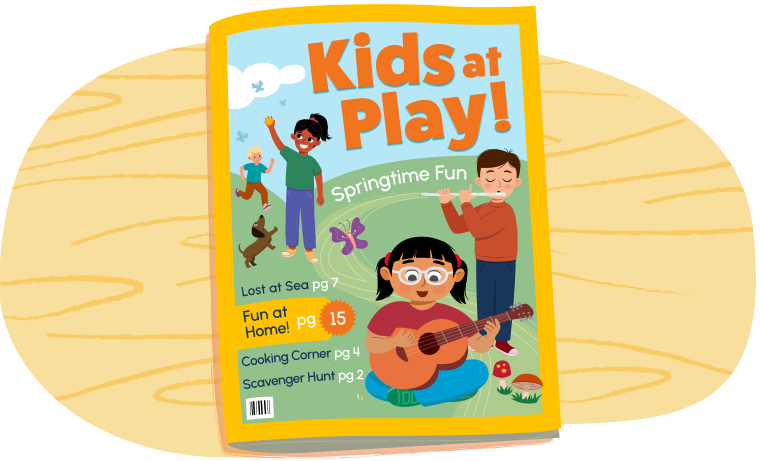
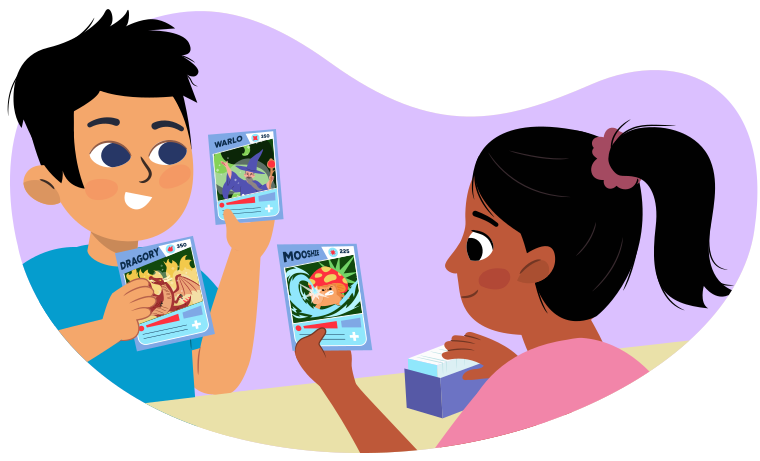
Image 5:
A magazine called “Kids at Play.” The cover shows four kids having fun: one kid is playing the flute, another is sitting on the grass playing the guitar, and two kids are playing catch with a dog.
Pause and Reflect
Pause and reflect
How much do you enjoy visual learning and graphic texts?
- A lot?
- A little?
- Not at all?
- Record an example of a graphic text in your graphic organizer.
- Think of a time when you created or learned from a graphic text. Record it in your graphic organizer.
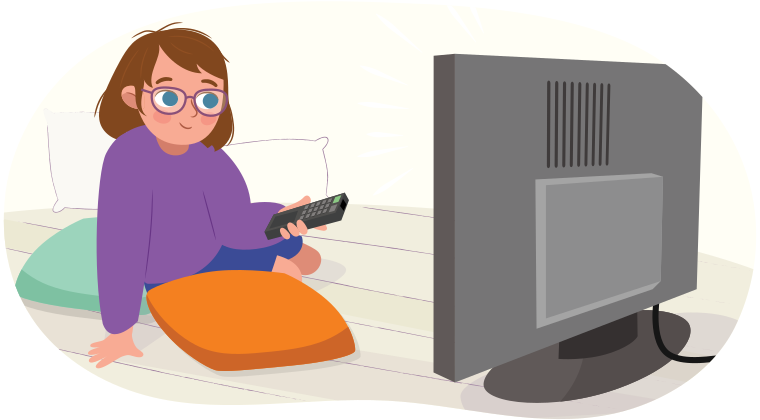
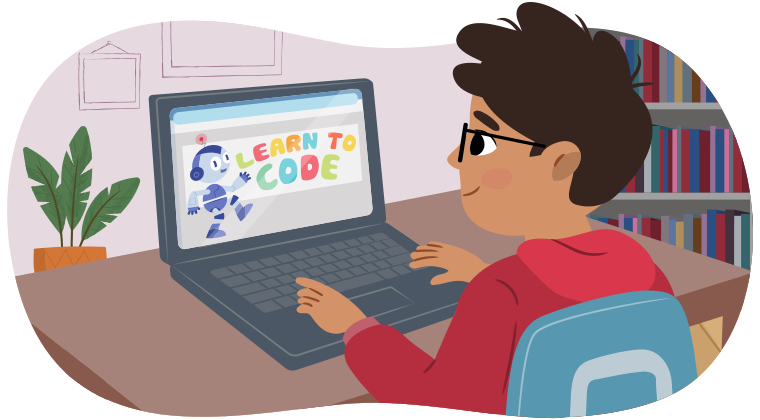
Digital texts
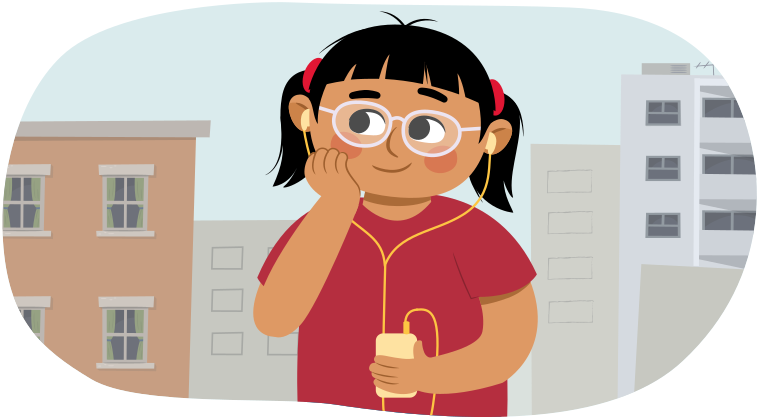
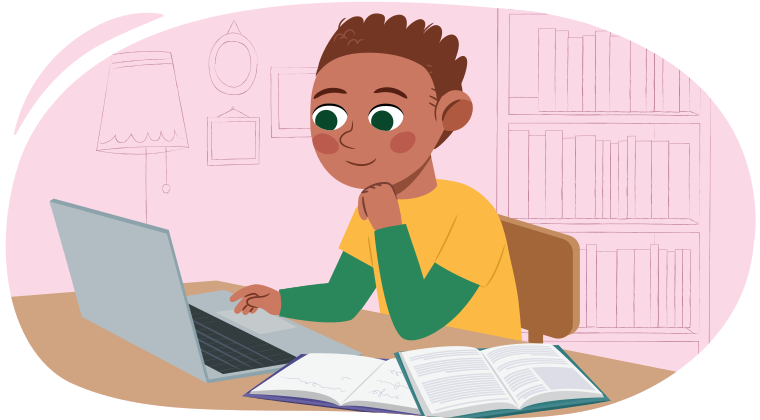
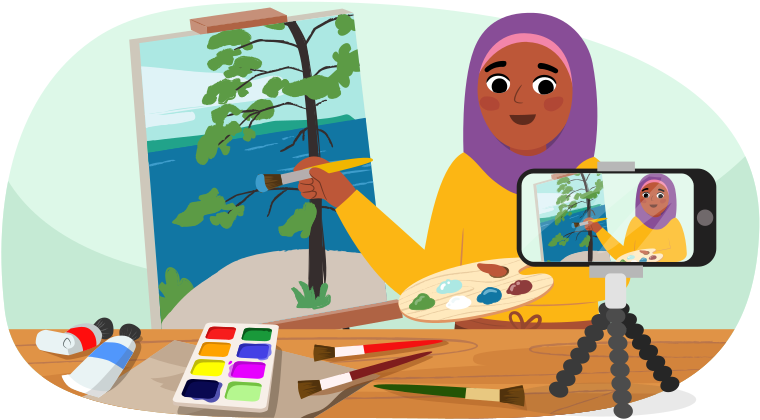
Is your favourite way of learning and communicating anything that involves technology? If you answered yes, chances are you are a digital learner. The ways that we communicate digitally are called digital texts. A digital text is anything created, stored, and shared in a digital form. Many digital texts combine multiple types of media into one: words, sounds, graphics, images, and more.
Here are some common examples of digital texts:
- digital slideshows
- reels, shorts, and videos
- emails
- computer graphics and games
Explore the following images that show digital texts. Which ones have you used? Are there any that you prefer?

Pause and Reflect
Pause and reflect
How much do you enjoy digital texts?
- A lot?
- A little?
- Not at all?
- Record an example of a digital text in your graphic organizer.
- Think of a time when you created or learned from a digital text. Record it in your graphic organizer.
Hands-on learning
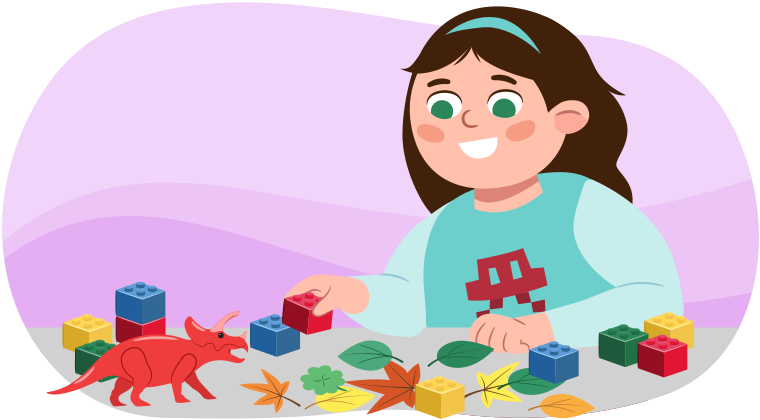
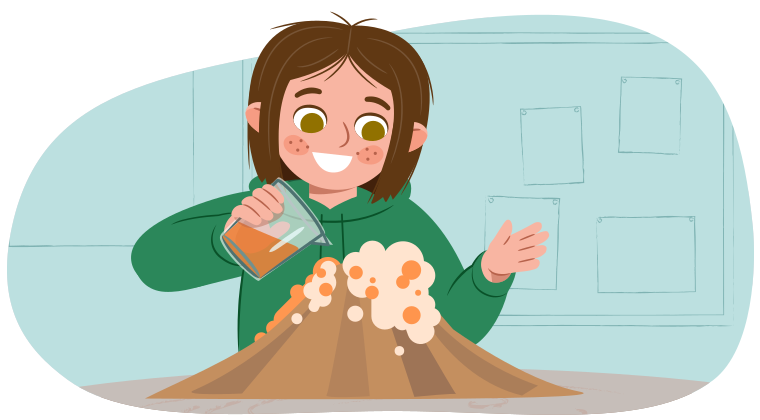
There is another important way of learning and showing our learning that is not a text form at all. That is hands-on learning. Sometimes this is called experiential learning because you learn through having the experience of doing things.
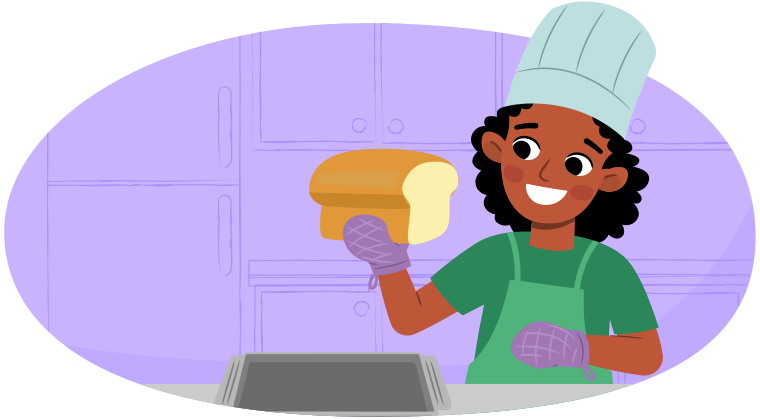
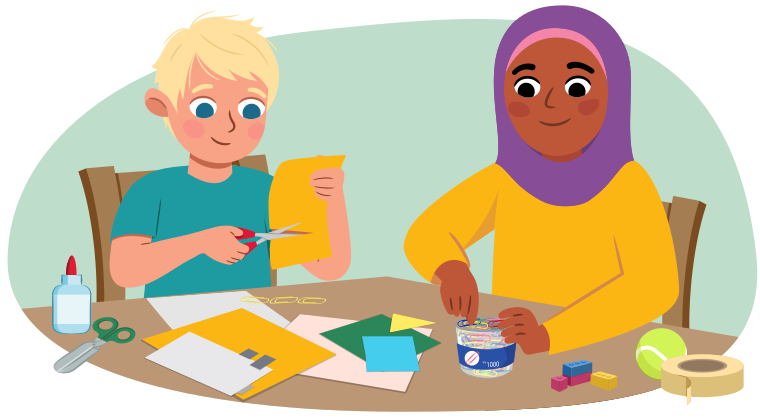
Would you prefer to do or make something rather than tell someone about it, draw about it, or write about it? Many of us are hands-on learners. We enjoy using materials with our hands to build, create, design, and make things.
Explore the following examples of hands-on learning. Which of these do you like? Can you think of other examples of hands-on learning?
Pause and Reflect
Pause and reflect
How much do you enjoy hands-on learning?
- A lot?
- A little?
- Not at all?
Record an example of hands-on learning in your graphic organizer.
Think of a time when you created something or learned from hands-on learning. Record it in your graphic organizer.
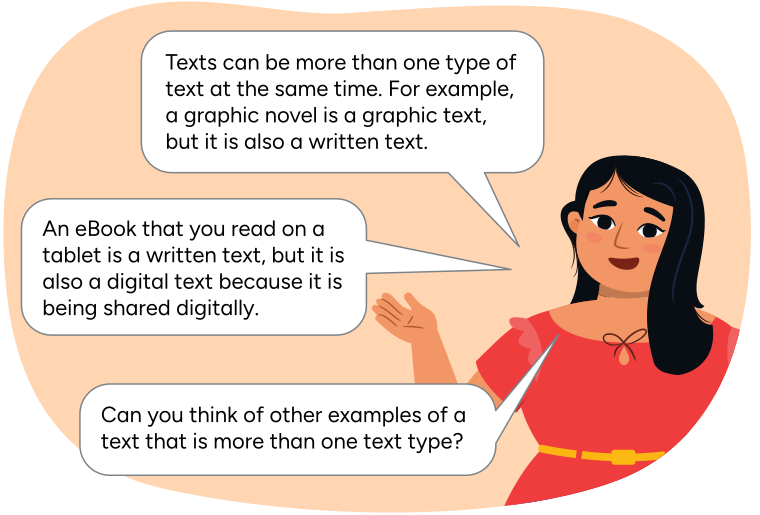
Sorting different types of texts
Sort the different ways of expressing information into the correct type of text.
Place the cards into categories that best match. Use the arrow buttons to navigate between cards.
Cursive practice
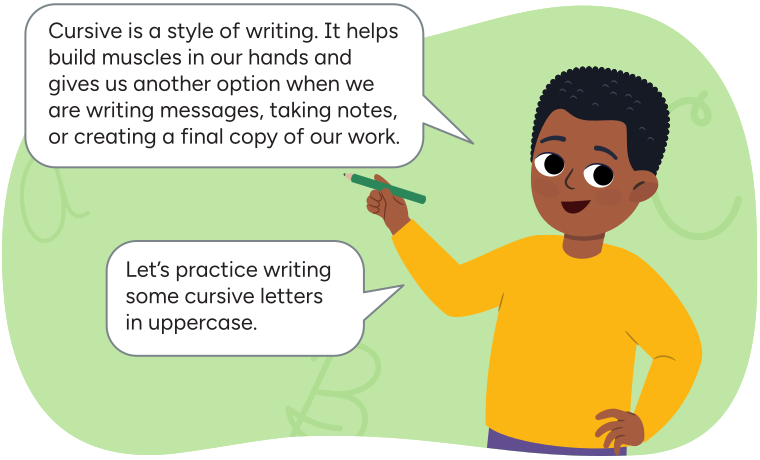
Arthur says: 'Cursive is a style of writing. It helps build muscles in our hands and gives us another option when we are writing messages, taking notes, or creating a final copy of our work. Let's practice writing some cursive letters in uppercase.'
Complete the fillable and printable Print and Cursive Table in your notebook or using the following document.
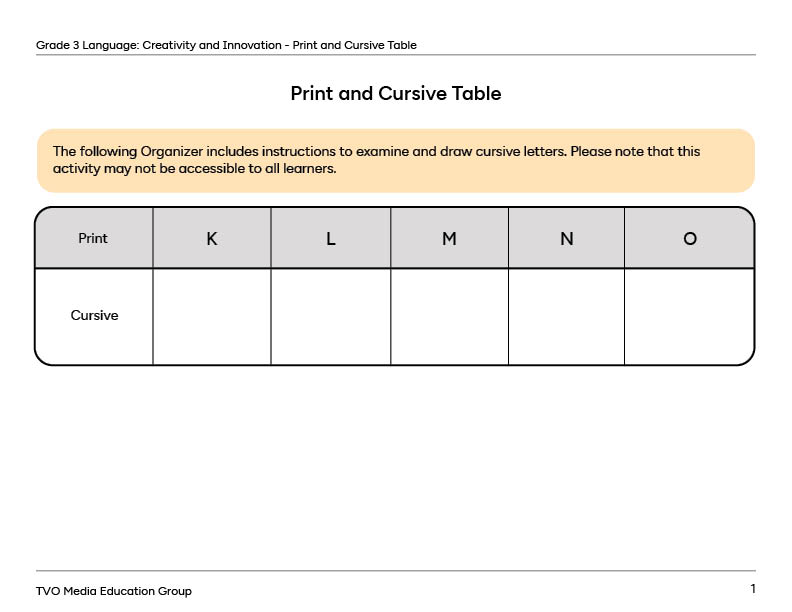
Before you begin, what do you notice about the shape of each cursive letter?
Press Possible Answer button to learn more.
Tips for cursive letters

- Follow the arrows, sometimes when we write in uppercase we can start from the top or the bottom.
- Try to keep the pencil on the page until you are done the letter.
- Create a finger space before you continue to the next letter.
- Try to press gently as you write so that your hand can move easily across the page.
Putting it all together
In this learning activity, you explored some of the many ways that you can learn and express yourself.
These skills are transferable skills, which means what we learn in school helps us to learn and express ourselves in situations outside of school too.
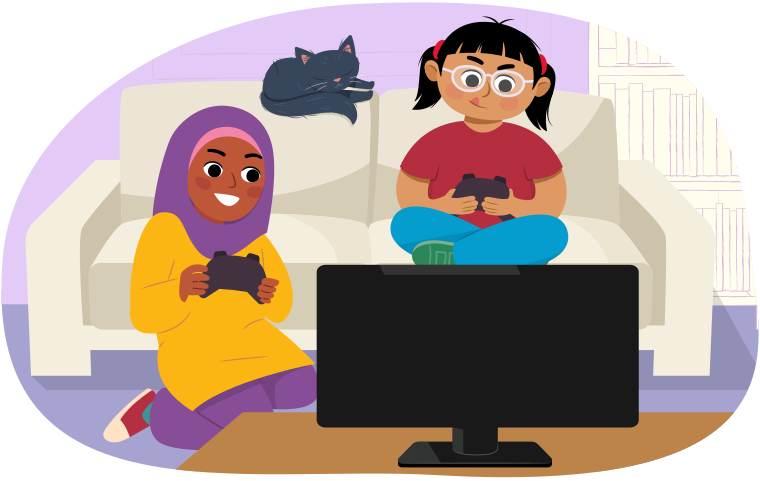
For example, if you are playing video games with your friends on the weekend, you might need to use your understanding of digital texts and written texts to figure out the rules of the game and how to play it. You would also need to use oral text skills to discuss taking turns and deciding which game to play.
Communication skills at the cinema
Read the following situation and identify the different communication skills you would use:
You are at the cinema with a friend, and you are trying to decide which movie to see. How would you choose the most appropriate film? Which communication skills would you use? When you have considered your answer, click to see a suggested answer.
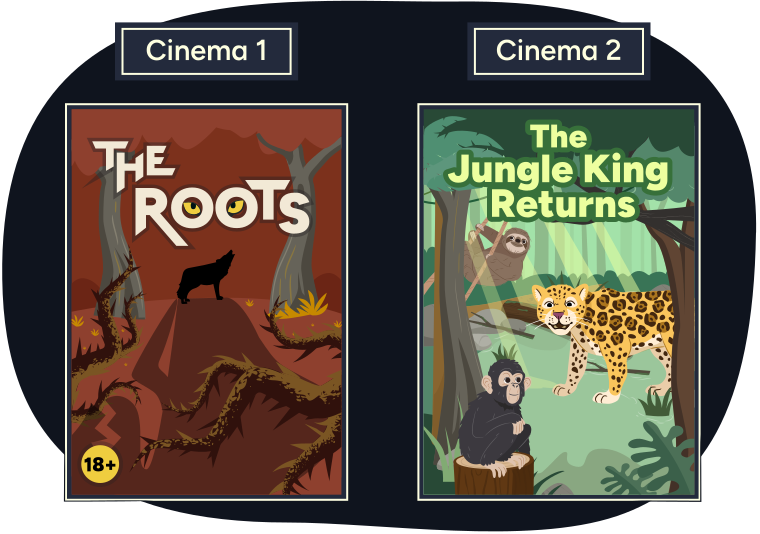
Two movie posters showing movies playing in cinema 1 and 2.
Cinema 1 has a poster for a movie called 'The Roots.' It shows a dark forest scene with trees and sharp roots, and a silhouette of a howling wolf. There is an '18+' label in the corner.
Cinema 2 has a poster for a movie called 'The Jungle King Returns.' It shows a vibrant jungle scene with a leopard, a sloth hanging from a tree, and a chimpanzee sitting on a stump.'
Communication skills I would use to choose the film with a friend (choose all that apply):
Press the Answer button to learn which options would be correct.
To choose a film with a friend, you might need to use and understand:
- Graphic texts to look at the images and text in the poster and understand what type of movie it is.
- Written texts to see that one movie is restricted to 18+ and not appropriate for you. You also need to know which cinema the movie is playing in.
- Oral texts (listening and speaking skills) to talk with your friend about which film you should see.
- Digital texts to look up the movies online to read what they are about.
Time to reflect
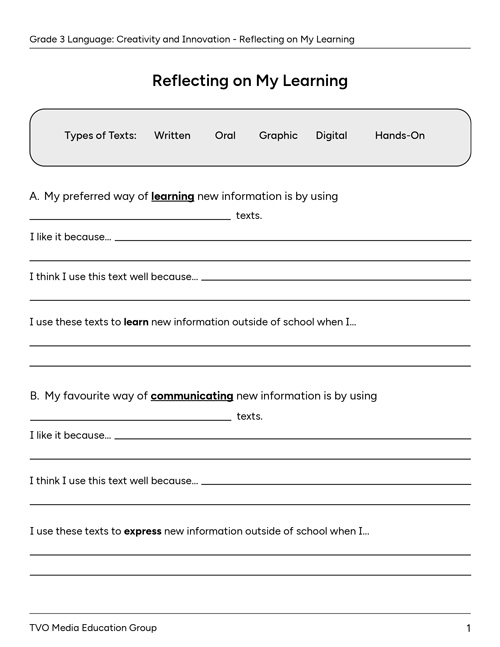
Record your responses in the following fillable document or copy it into a notebook of your choice. You can also discuss your responses to these questions with a learning partner, if possible.
Reflection
How do you feel about what you have learned in this activity? Which of the next four sentences best matches how you are feeling about your learning? Press the button that is beside this sentence.

I feel...
Now, record your ideas about your feelings using a voice recorder, speech-to-text, or writing tool.