Once upon a time there was a girl named Goldilocks. She went for a walk in the forest.
Learning goals
We are learning to…
- identify elements of a story (e.g., characters, setting, and plot)
- determine the perspective of the narrator of a story
- create and sequence new ideas into a fractured fairy tale
- use appropriate speaking strategies to communicate clearly to an audience and explain which strategies help us improve our presentations
Success criteria
I am able to…
- identify the main ideas, characters, setting, plot, and perspectives in fairy tales
- create a fractured fairy tale by changing at least one element of the original
- read aloud with expression and intonation
- explain how the tools I used helped me present a story in a new and creative way
Elements of fairy tales
Explore the following image to review the elements of fairy tales.
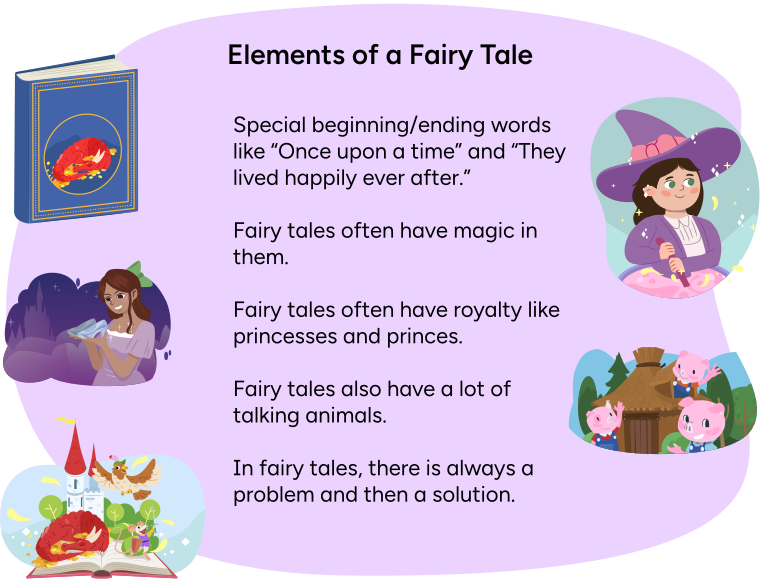
Elements of a Fairy Tale: Special beginning/ending
words like "Once upon a time" and "They lived happily ever after."Fairy Tales often
have magic in them. Fairy tales often have royalty like princesses and princes.Fairy
tales also have a lot of talking animals.In fairy tales, there is always a problem
and then a solution.

Try It
Intonation
While you listen, be aware of how the narrator lowers and raises her voice to bring attention to different parts of the text and to keep the audience interested in the story.
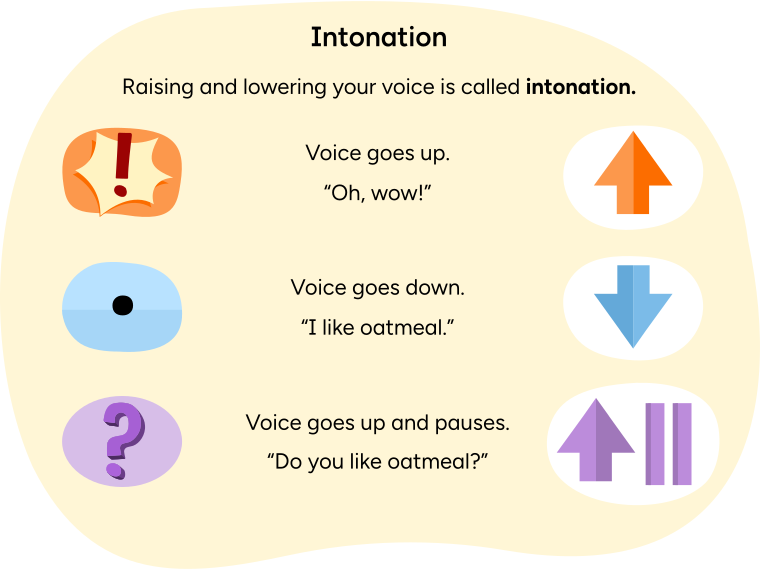
A diagram titled 'Intonation.' It says: 'Raising and lowering your voice is called intonation.' It lists three ways with examples of how a voice may change due to intonation:
There is an image of an exclamation mark and an arrow pointing upwards with the text 'Voice goes up. "Oh Wow!"
'There is an image of an period and an arrow pointing downwards with the text'
Voice goes down. "I like oatmeal."
'There is an image of a question mark and an arrow pointing upwards beside a pause symbol with the text'
Voice goes up and pauses. "Do you like oatmeal?"
Intonation
Goldilocks and the Three Bears
Identify the elements of a fairy tale while you read Goldilocks and the Three Bears.
Goldilocks and the Three Bears Goldilocks and the Three Bears
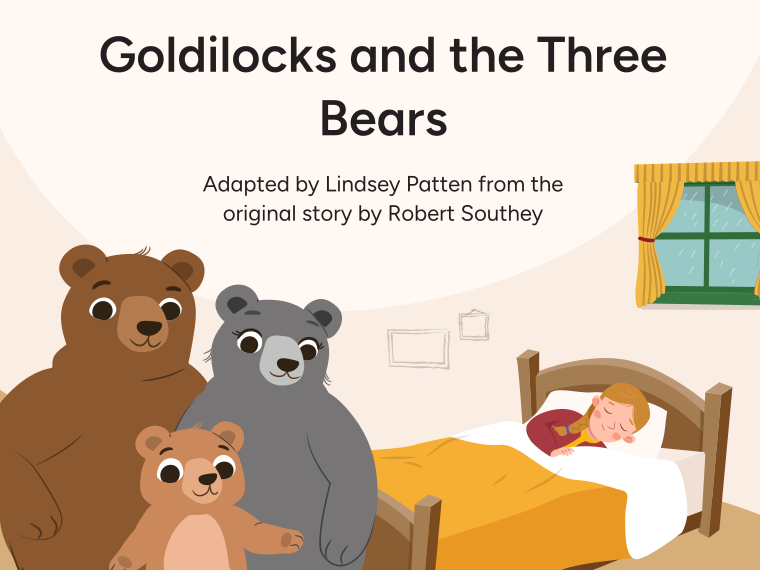
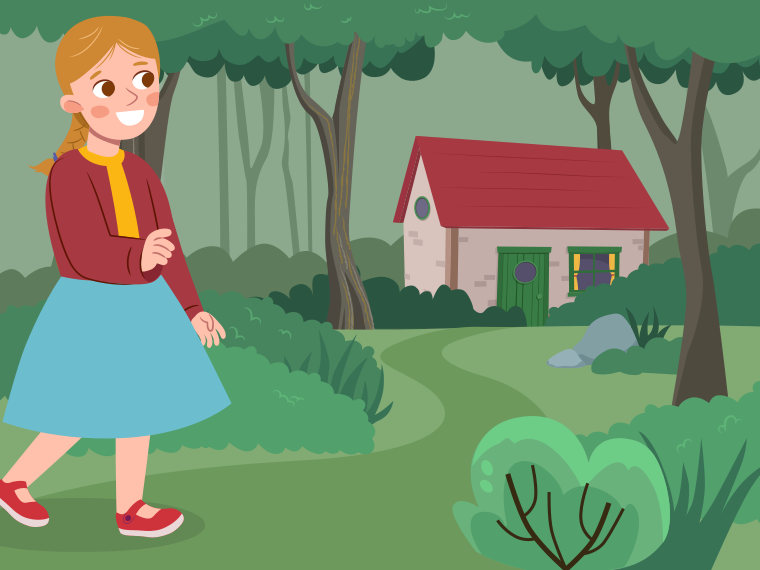
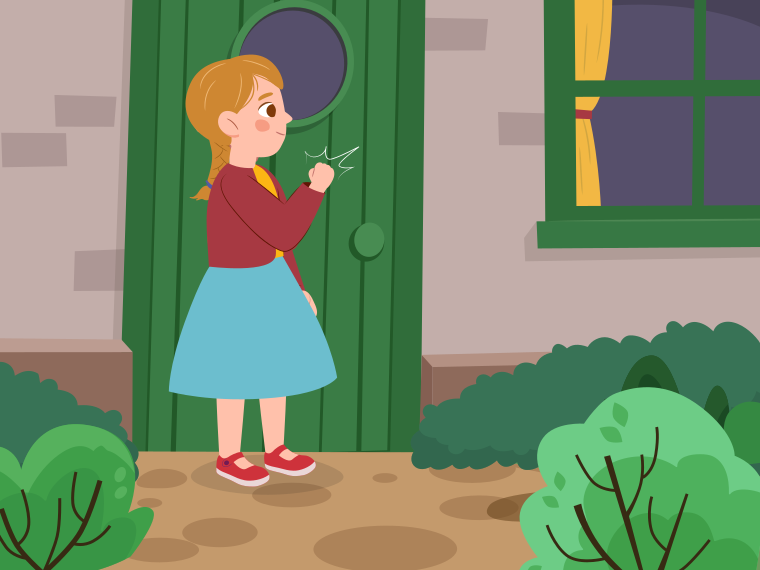
She saw a small house in a middle of the forest. She knocked on the door, but no one answered.
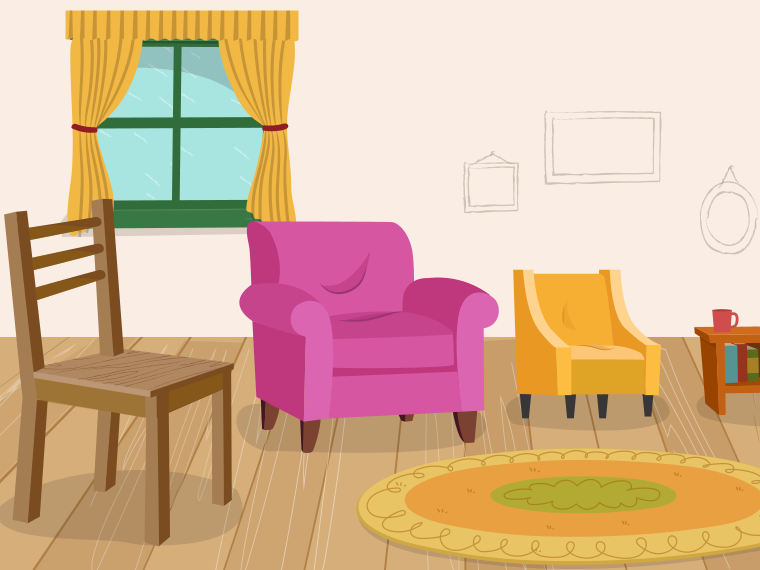
It was starting to rain so she went inside the house. She saw three comfy chairs. The first chair was too hard. The second chair was too soft. The third chair was just right.
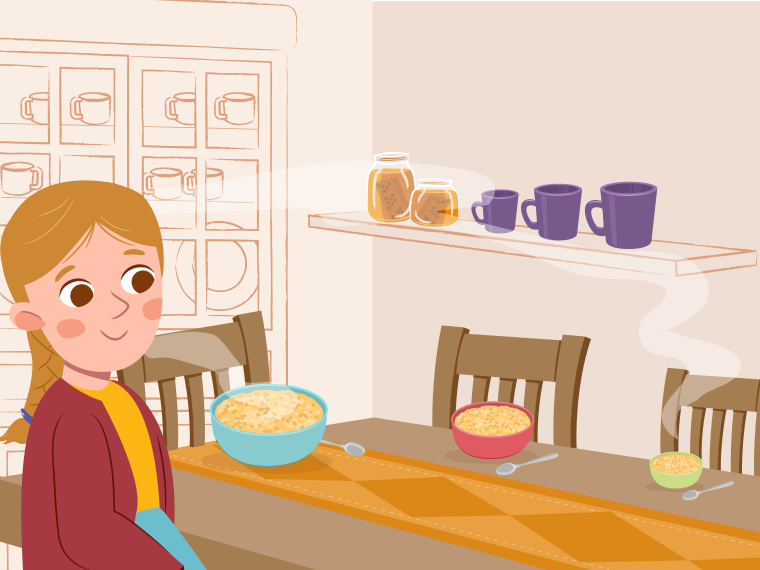
Goldilocks saw the kitchen table had three bowls of porridge. One was large, one was medium, and one was small.
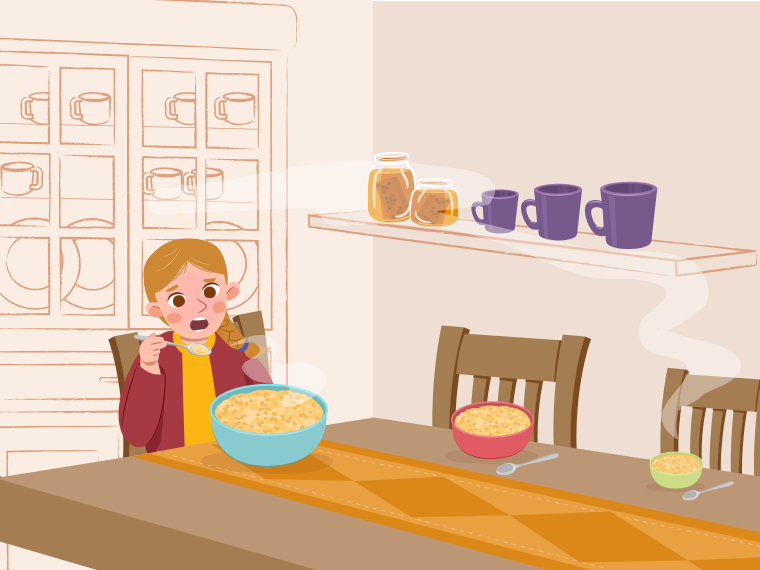
Goldilocks was so hungry. She went over to the table and grabbed a spoon. First, she tried the largest bowl. It was too hot!
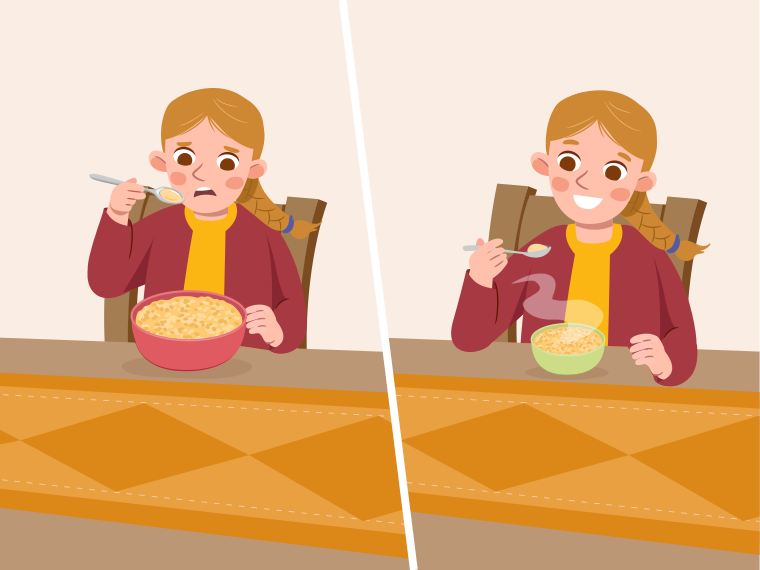
Then she tried the medium bowl. It was too cold! Then she tried the smallest bowl. It was just right. Goldilocks ate it all up.
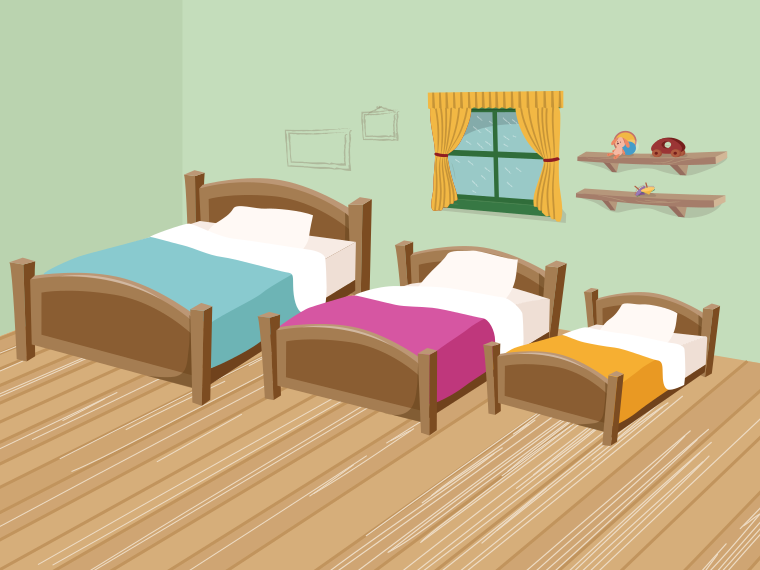
Goldilocks was tired. She went into the next room where there were three beds. One was large, one was medium, and one was small.
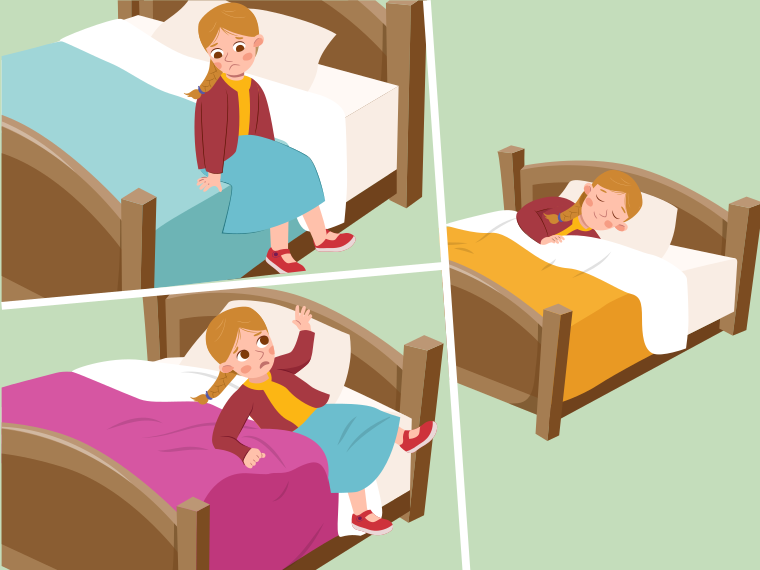
She got into the large bed but it was too hard. Then she got into the medium bed but it was too soft. The small bed was just right. She fell asleep.
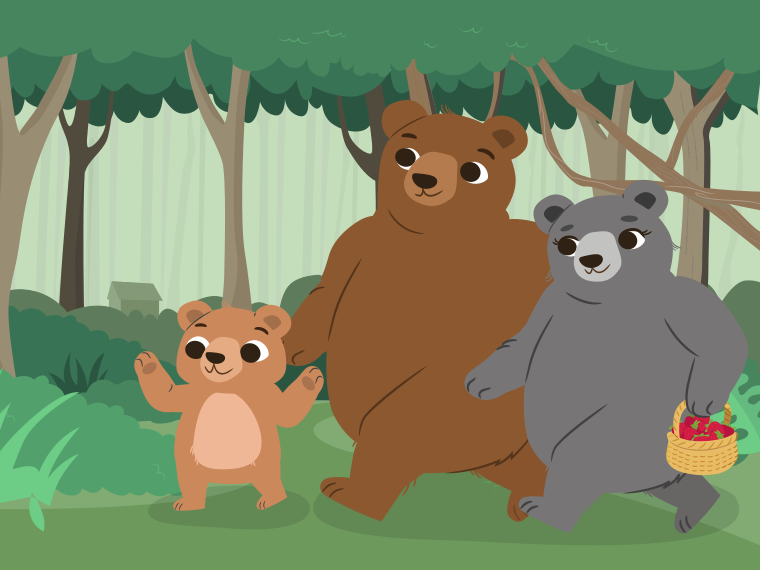
The house belonged to three bears: Mama Bear, Papa Bear, and Baby Bear. They had just come home from berry-picking.
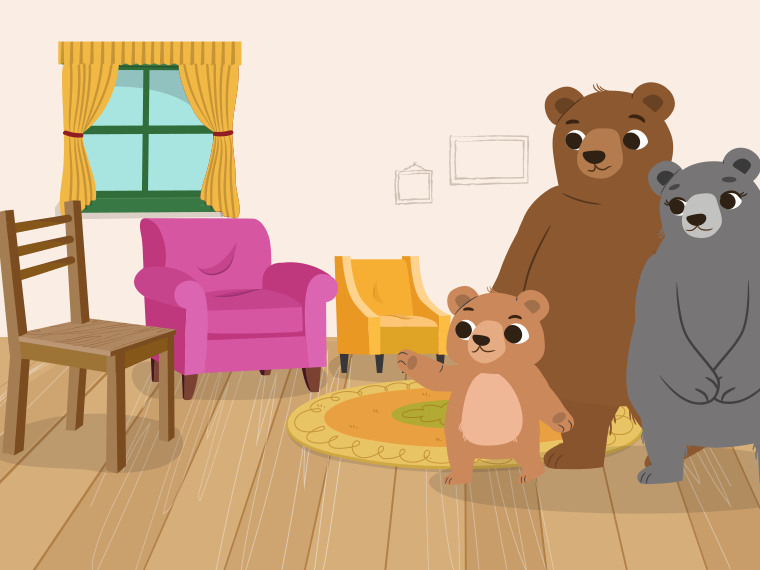
“Who’s been sitting in my chair?” said Papa Bear. “Someone sat in my chair too,” said Mama Bear. “Someone sat in my chair too,” said Baby Bear.
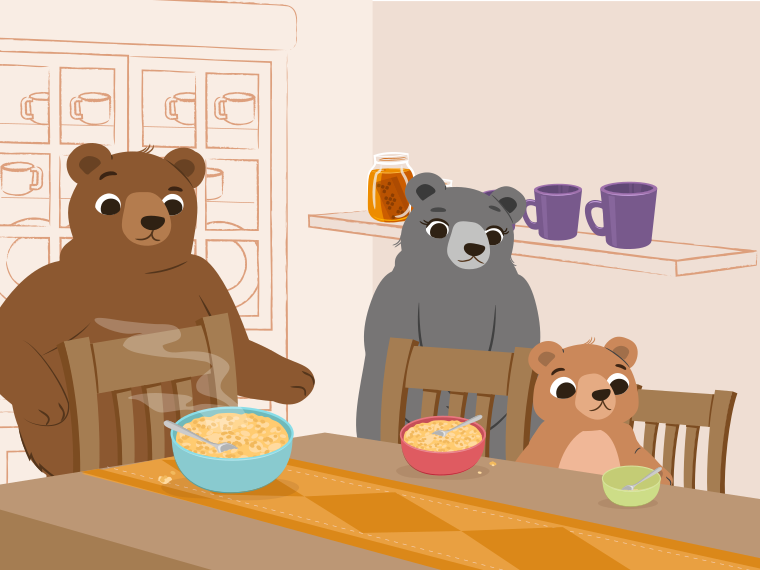
“Who’s been eating my porridge?” said Papa Bear. “Someone ate my porridge too,” said Mama Bear. “Someone ate ALL my porridge,” said Baby Bear sadly.
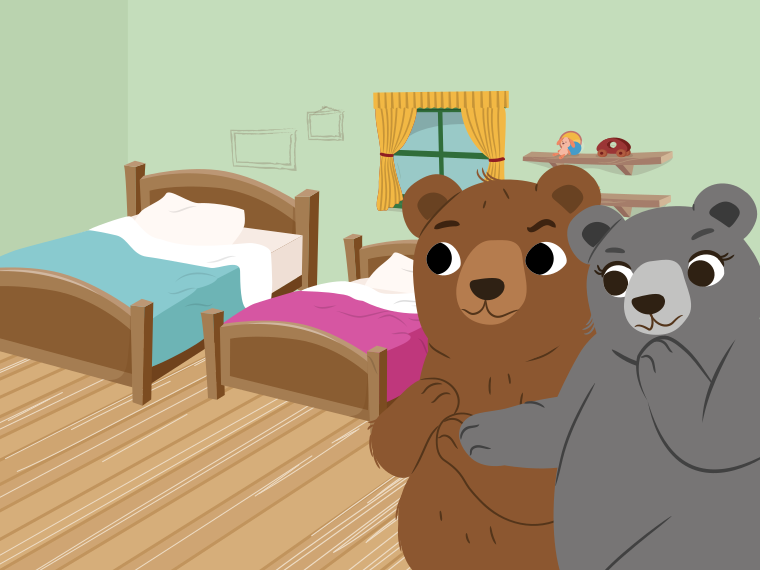
The Bears went into their bedroom. “Who’s been sleeping in my bed?” said Papa Bear. “Someone slept in my bed too,” said Mama Bear.
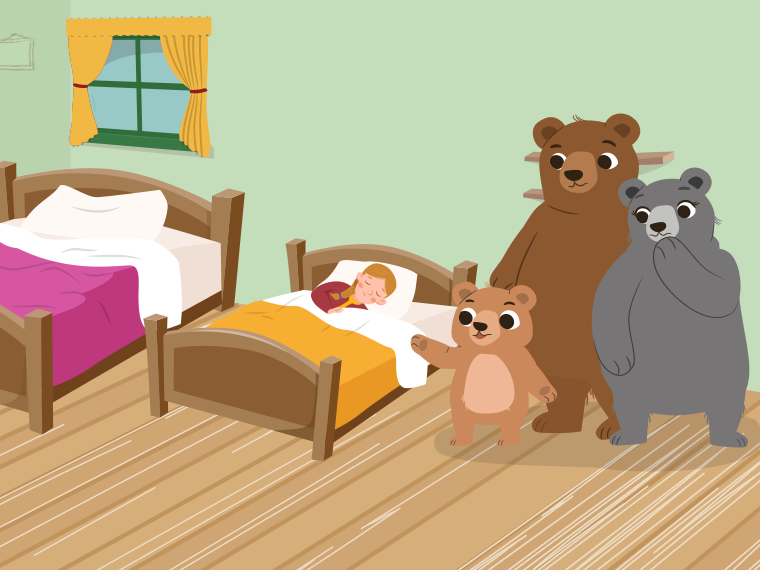
“Someone slept in my bed too!” said Baby Bear. “And there she is!”
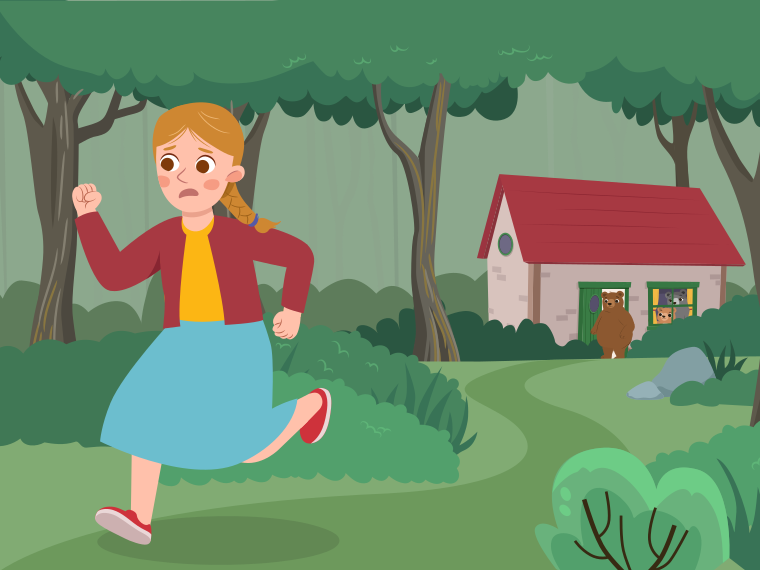
All of the noise woke up Goldilocks and she was scared. She immediately ran out of the house and ran home. Goldilocks never entered anyone’s house without permission ever again. The End.

Notice and wonder
Think about the following questions as you explore the following images.
- What do you notice about the images?
- What do you notice about the titles?
- How are the stories pictured different from the original Goldilocks and the Three Bears?
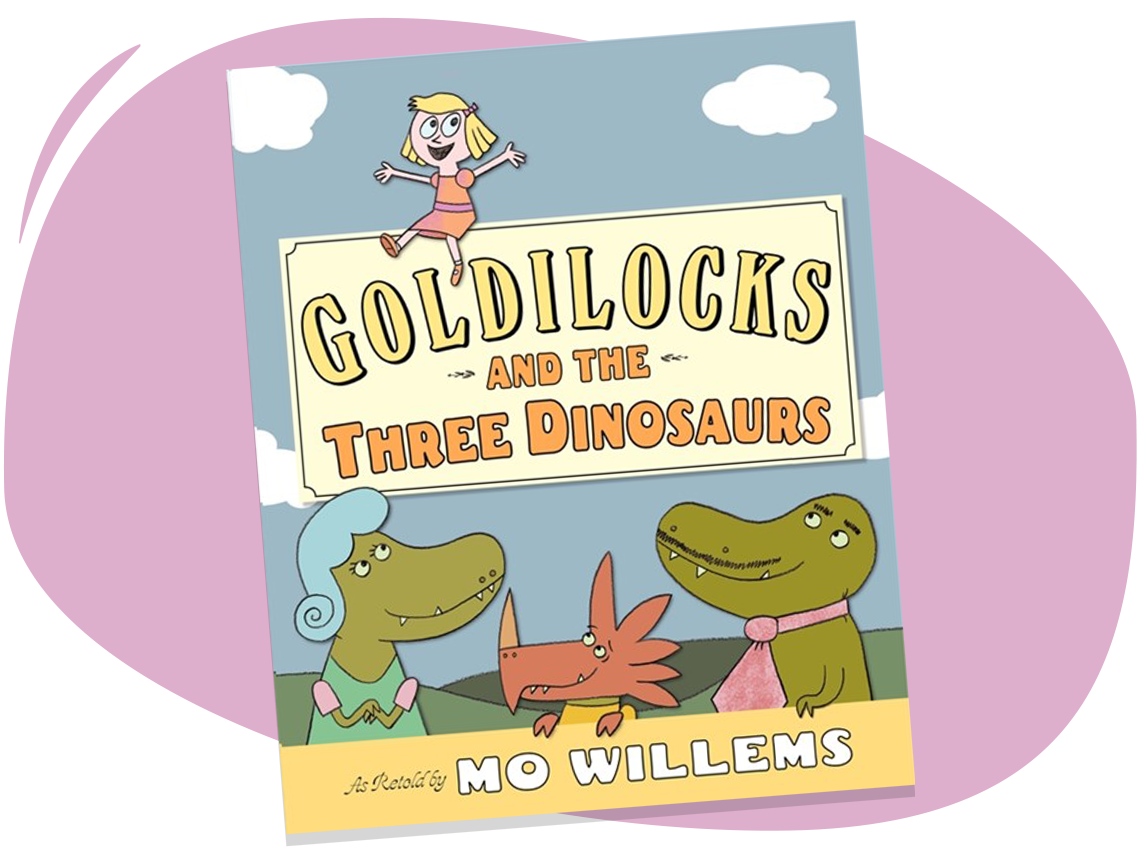
Goldilocks and the Three Dinosaurs
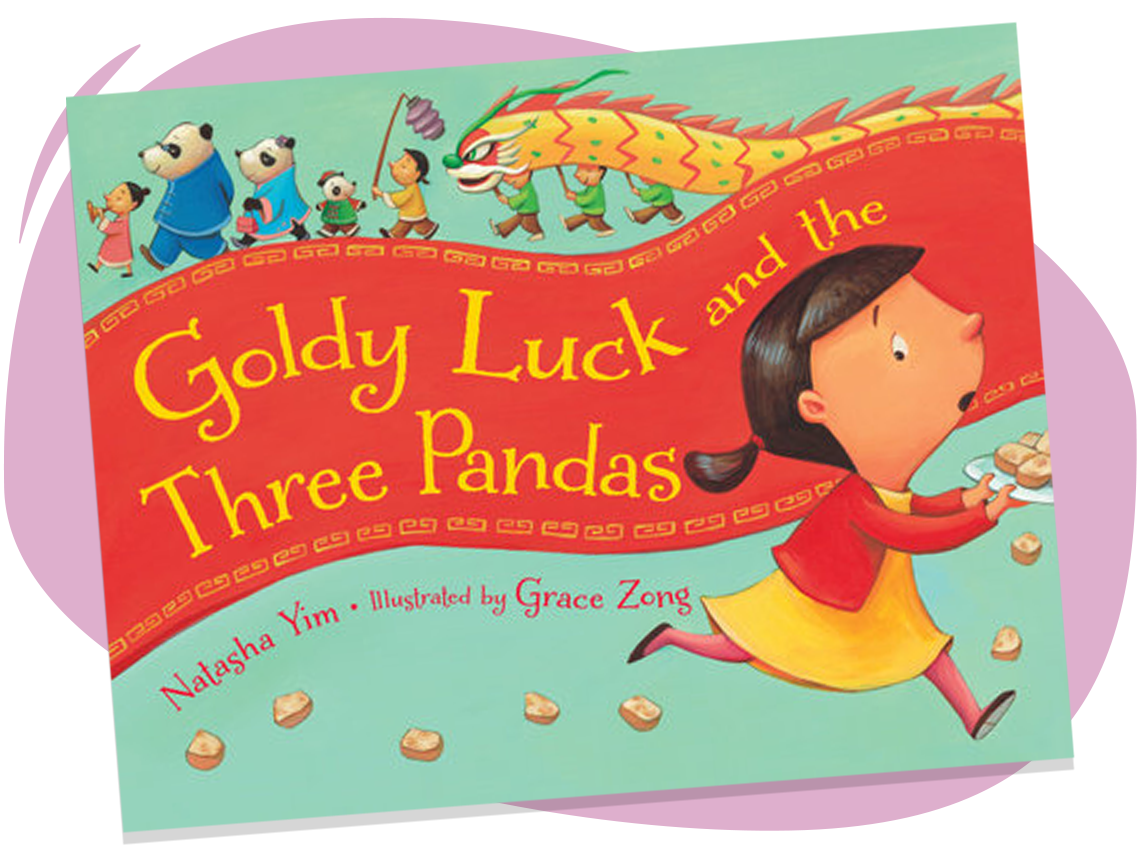
Goldilocks and the Three Pandas
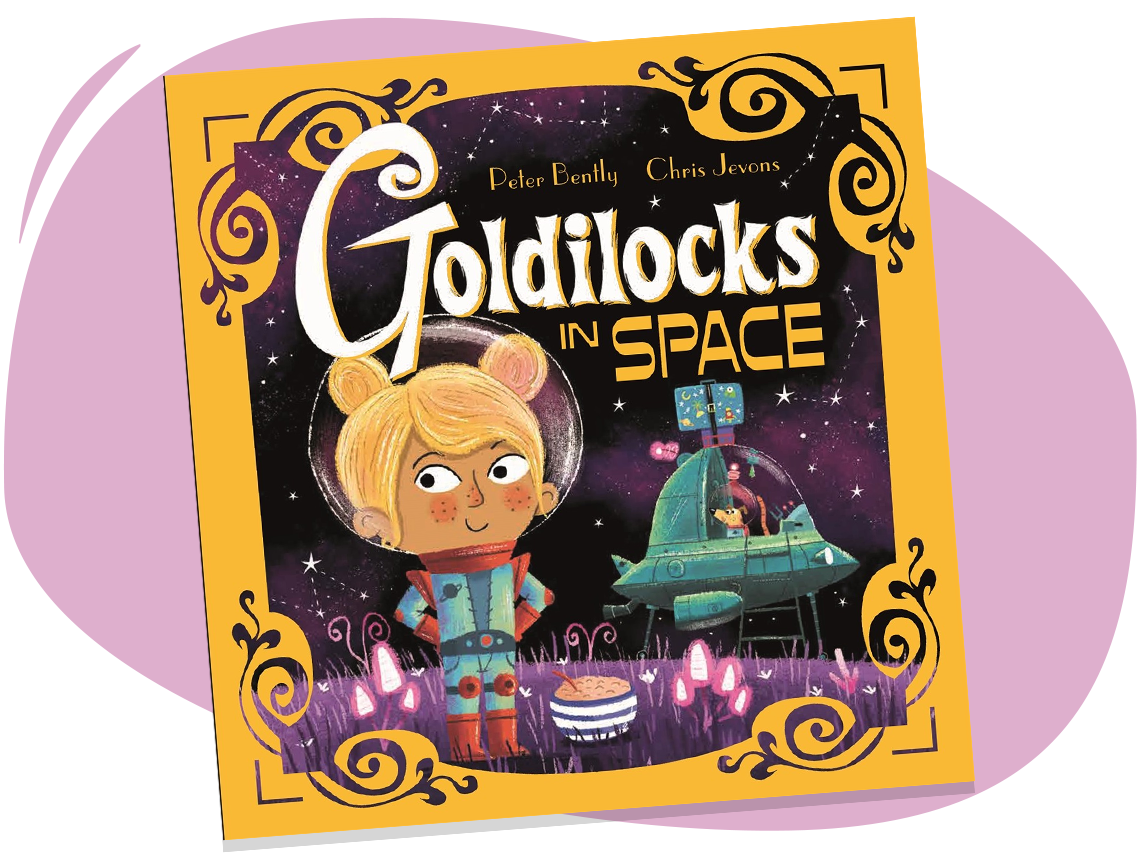
Goldilocks in Space
Story elements
Let’s review the parts of a story, these are called story elements.
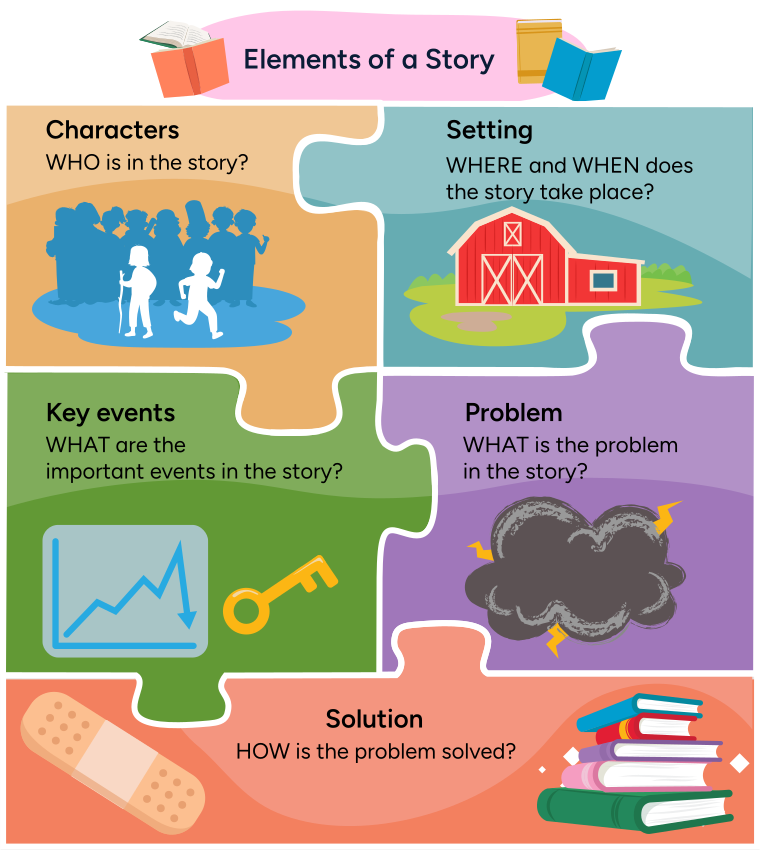
An infographic titled, 'Elements of a Story.' It has five sections: characters, setting, key events, problem, and solution.
Characters: Who is in the story?
Setting: Where and when does the story take place?
Key Events: The sequence of events or actions that take place in the story.
Problem: What is the problem in the story?
Solution: How is the problem solved?
How to create a fractured fairy tale
These book covers show a type of story called a fractured fairy tale.
If someone fractures a bone, the bone is broken – but not completely. Fractured fairy tales are similar. They are “broken” or changed – but not completely. By changing an element of the story, you can create a whole new story!
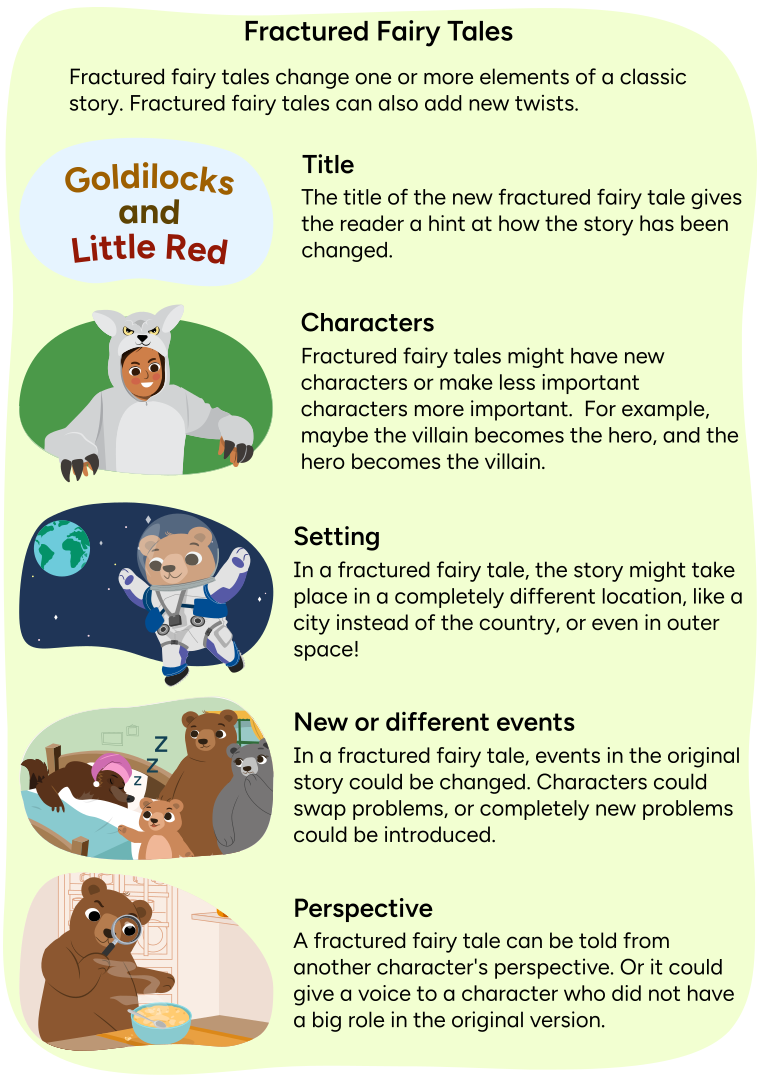
An infographic titled 'Fractured Fairy Tales' with the subheading 'Fractured fairy tales change one or more elements of a classic story. Fractured fairy tales can also add new twists.' The following elements are listed:
Title: The title of the new fractured fairy tale gives the reader a hint at how the story has been changed.
Characters: Fractured fairy tales might have new characters or make less important characters more important. For example, maybe the villain becomes the hero, and the hero becomes the villain.
Setting: In a fractured fairy tale, the story might take place in a completely different location, like a city instead of the country, or even in outer space!
New or different events: In a fractured fairy tale, events in the original story could be changed. Characters could swap problems, or completely new problems could be introduced.
Perspective: A fractured fairy tale can be told from another character's perspective. Or it could give a voice to a character who did not have a big role in the original version.
Press Definitions to learn more.
Villian: The “bad” person in a story or movie.
Perspective: A way of seeing something.
Version: An old or new form of something.
Press Student Tip to learn more.
Fractured fairy tales do not change every detail of the story because the reader needs to recognize the original fairy tale. The trick is to change enough of the story to make it “new” and keep enough of the original to make it “familiar.”
Fractured Fairy Tale

Student Tips
What is perspective?
Perspective is how different characters see things. It helps us understand the story from different points of view.
Check out the following types of perspective.
First-person perspective
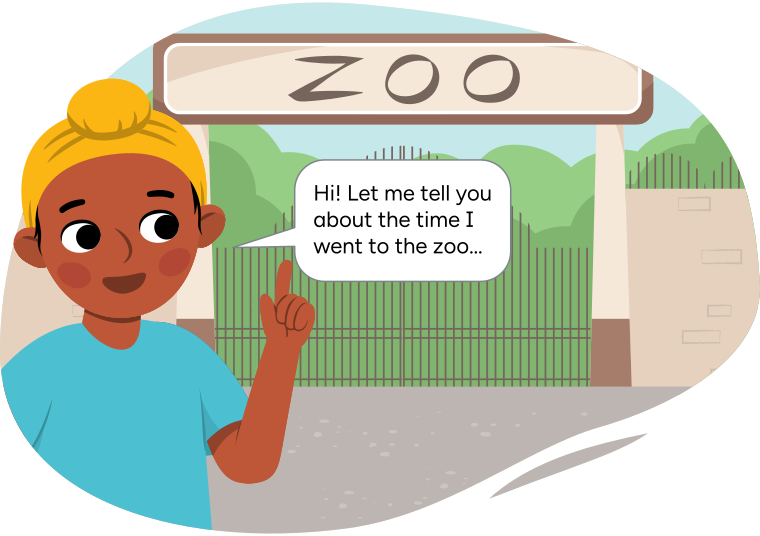
Press First Person Perspective to learn more.
- The narrator is a character in the story.
- The narrator tells the story from their perspective.
Word clues that signal a story is being told from the first-person perspective include the following:
- I
- me
- my
- we
- us
- our
Third-person perspective
Press Third-Person Perspective to learn more.
- The narrator is not a character in the story.
- The narrator tells the story about the characters and events.
Word clues that signal a story is being told from the third-person perspective include the following:
- they
- them
- theirs
- she
- her
- hers
- he
- him
- his
Fracturing Goldilocks and the Three Bears: Let's get creative!
Now that you understand fractured fairy tales, let's look at an example of how you could add a twist to the familiar story of Goldilocks and the Three Bears.
Changing the perspective or point of view
Let's flip the perspective! Instead of telling the story from Goldilocks' perspective, how would the story change if it was told from the baby bear’s point of view?
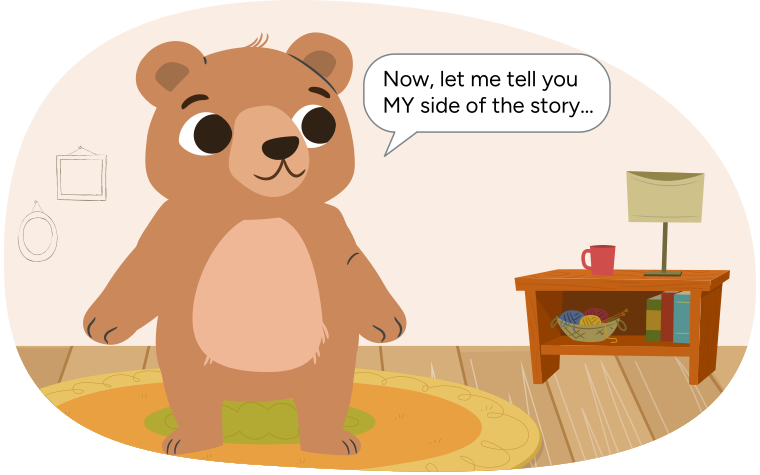
Access the following audio recording entitled “Baby Bear’s Perspective” to explore Baby Bear’s side of the story.
Baby Bear’s Perspective
How does hearing the story from Baby Bear’s perspective change the story?
Press Show Answer to learn more.
Hearing Baby Bear’s perspective reminds us that every story has two sides! It’s important to consider how other people might see the same story.
Your turn!
The possibilities for fracturing fairy tales are endless! What kind of creative twists you can you come up with!
Complete the fillable and printable Fracturing Goldilocks and the Three Bears in your notebook or using the following document. If you would like, you can use speech-to-text or audio recording tools to record your thoughts.
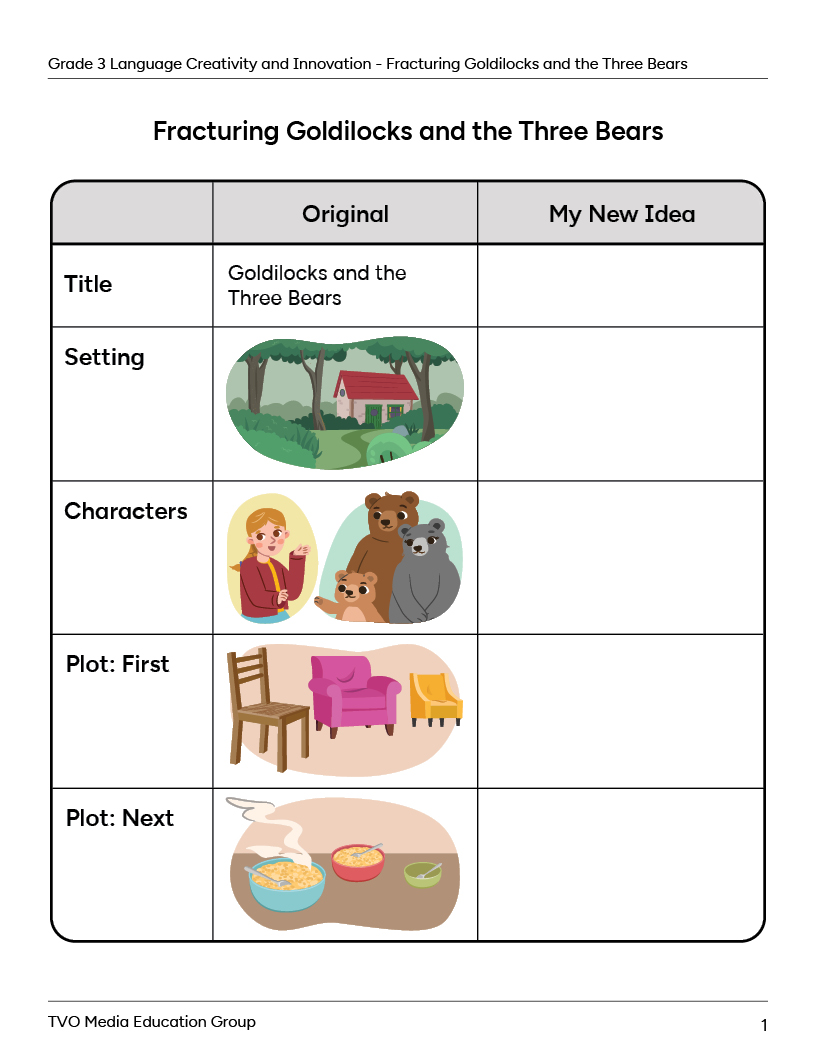
Press the Activity button to access the Fracturing Goldilocks and the Three Bears.
Activity(Opens in a new tab)Press Student Tip to learn more.
Remember, fractured fairy tales only change 1 or 2 elements of the original version. Don’t forget to keep some parts the same.
Sorting perspectives
Place the cards into categories that best match. Use the arrow buttons to navigate between cards.
Fairy tales and fractured fairy tales self-check
Select the correct answer, then press Check Answer to see how you did.
Select the correct answer, then press Check Answer to see how you did.
Select the correct answer, then press Check Answer to see how you did.
Cursive practice
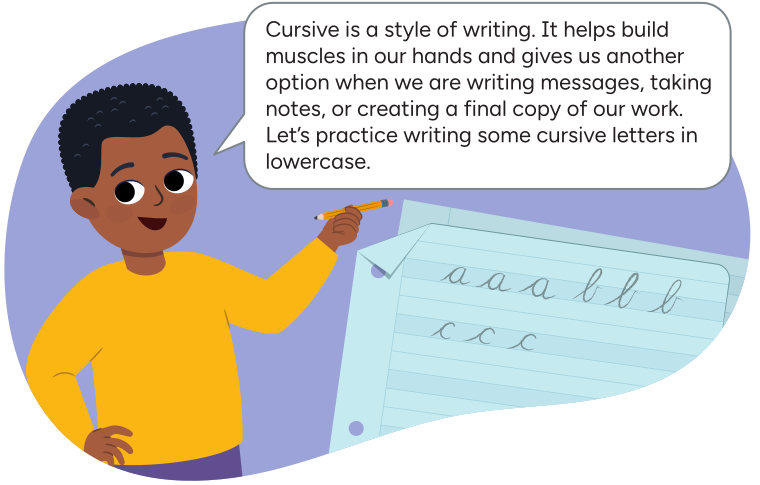
Arthur holding pencil with text bubble that says: Cursive is a style of writing. It helps build muscles in our hands and gives us another option when we are writing messages, taking notes, or creating a final copy of our work. Let's practice writing some cursive letters in lowercase.
| Cursive | |
|---|---|
|
p |
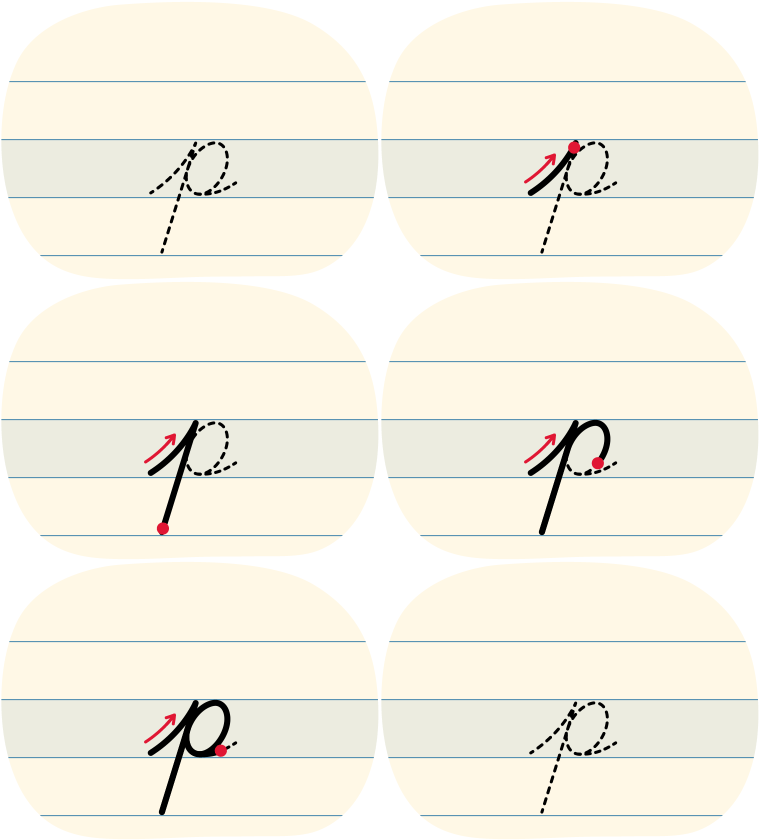
|
|
q |
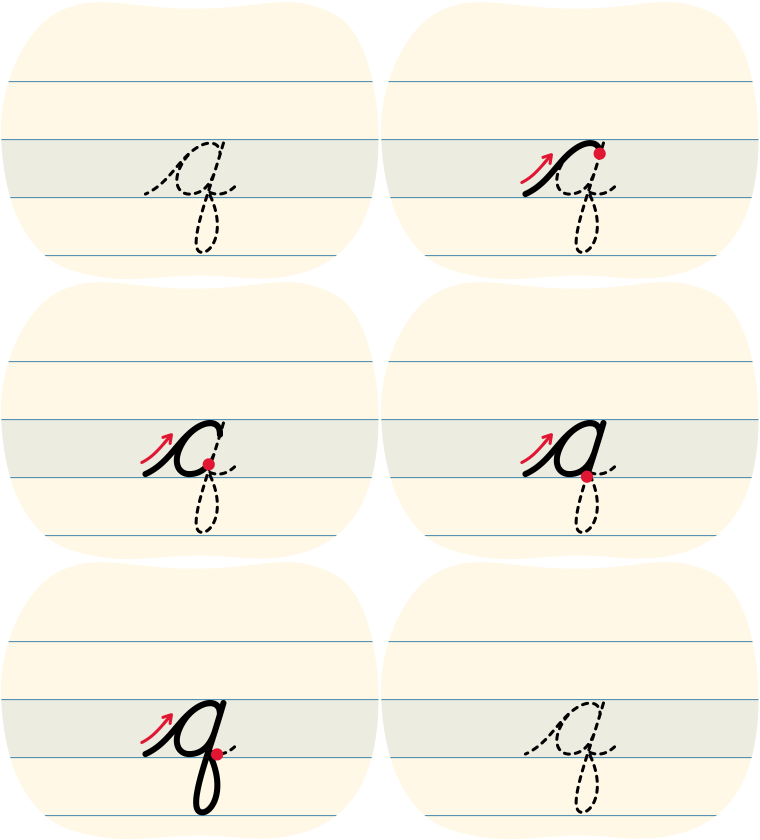
|
|
r |
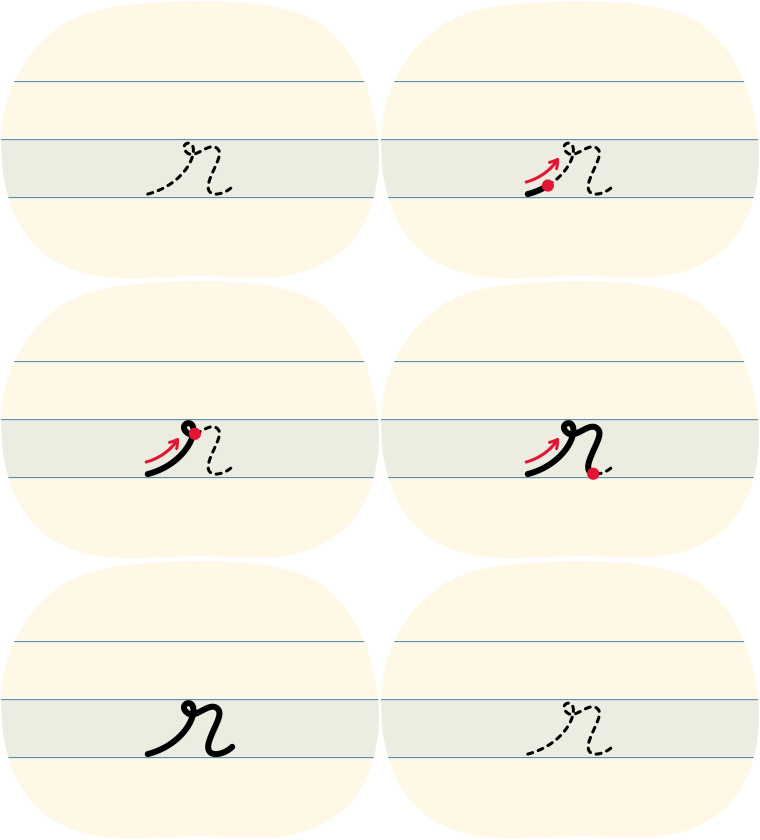
|
|
s |
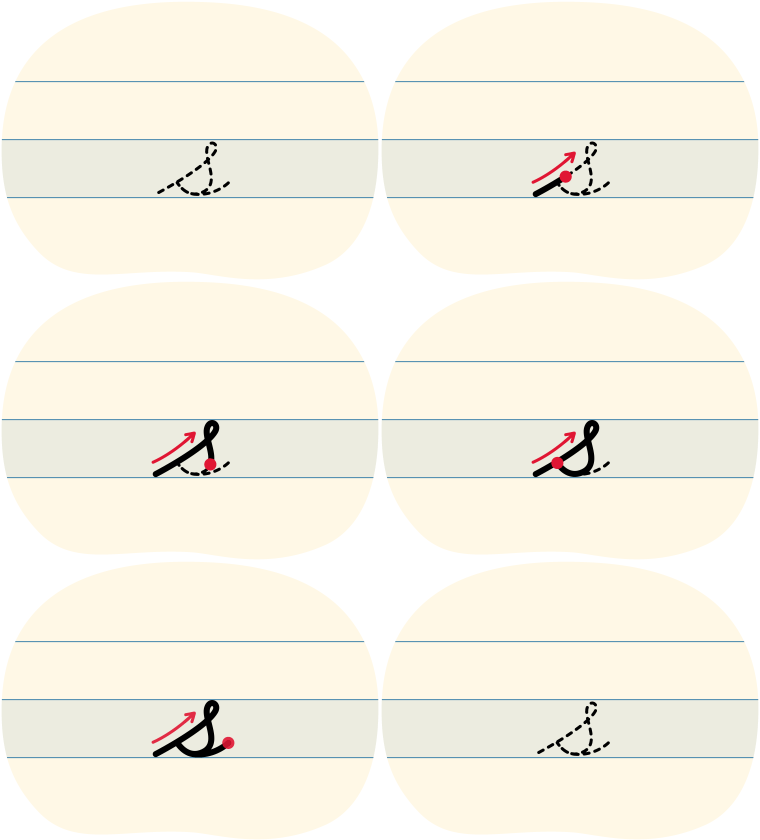
|
|
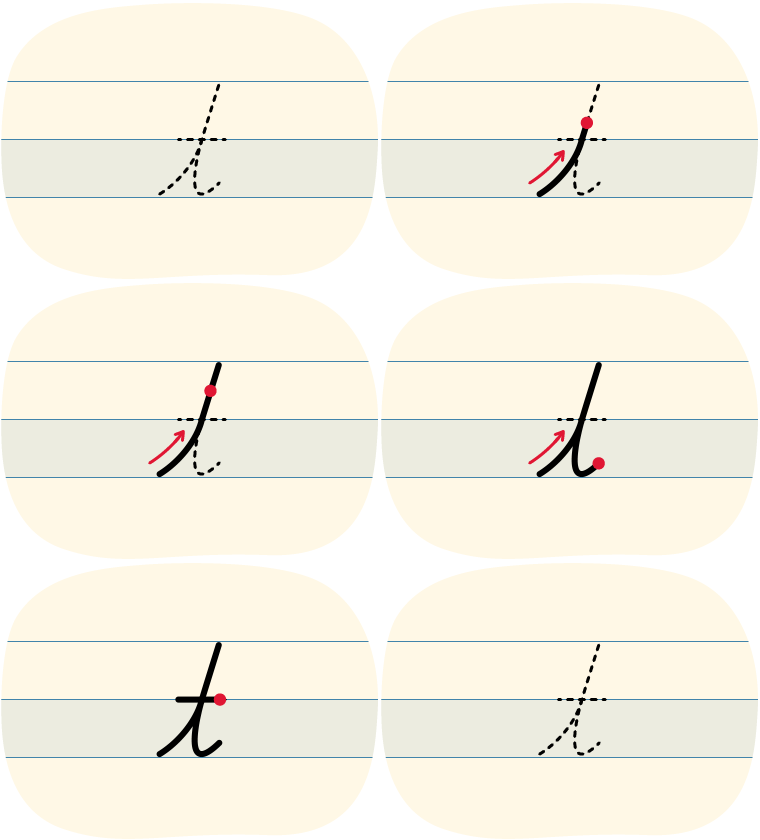
t |
|
Before you begin, what do you notice about the shape of each cursive letter?
All of the cursive letters start from the bottom. Some of the letters have loops and they each create a different shape.
Tips for cursive letters
- Start from the bottom of the letter.
- Try to keep the pencil on the page until you are done the letter.
- Create a finger space before you continue to the next letter.
- Try to press gently as you write so that your hand can move easily across the page.

Cursive writing can be hard at first. But don’t worry, you can do it. All it takes is some practice!
Press Left-Handed Tips button to access tips for left-handers.
Telling your fractured fairytale!
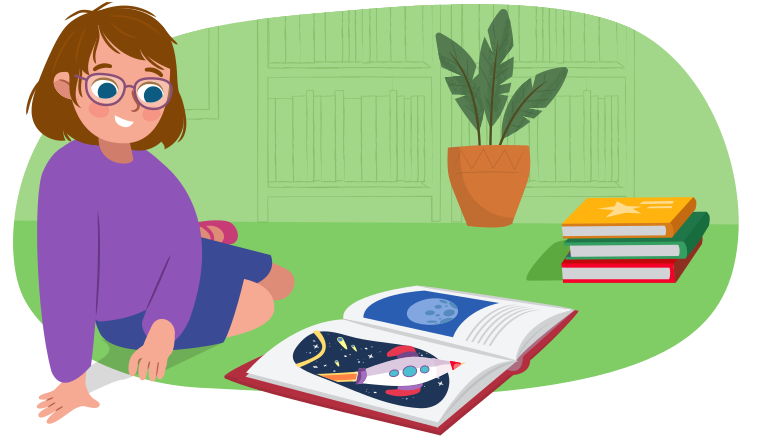
It's time for you to be a storyteller!
Using the ideas you brainstormed in your graphic organizer, you will create and share your own fractured fairy tale version of Goldilocks and the Three Bears.

Try It
Create your story
Make sure your Fractured Fairy Tale Graphic Organizer is completed with a twist on Goldilocks and the Three Bears, refer to story elements to guide your learning.
Press Story Elements to review the elements of a story.
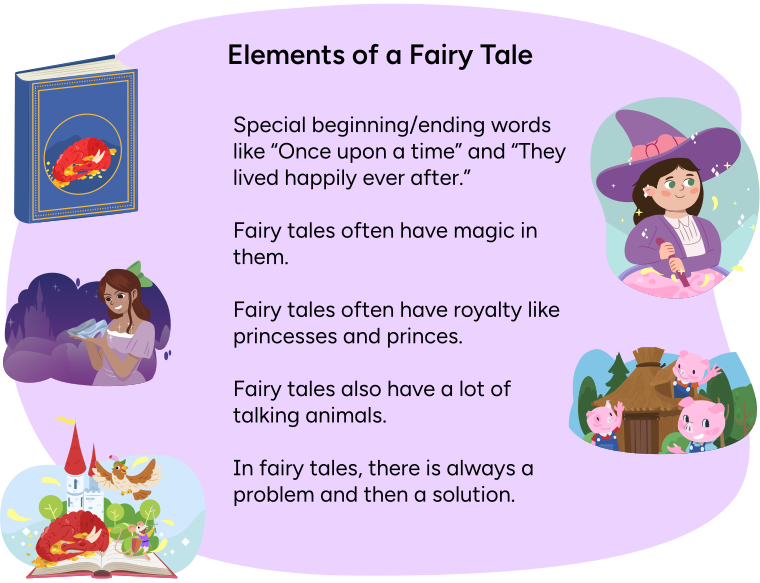
Elements of a Fairy Tale Special beginning/ending words like "Once upon a time" and "They lived happily ever after."
Fairy Tales often have magic in them. Fairy tales often have royalty like princesses and princes. Fairy tales also have a lot of talking animals. In fairy tales, there is always a problem and then a solution.
Plan the beginning, middle, and end of the story so it is told in order. It can be helpful to use certain words and phrases to organize your speaking and to help your audience follow along.
Press Transition Words to learn more.
For example, you may want to include these words and phrases to help organize your oral storytelling:
- once upon a time...
- first
- next
- finally
- and they all lived happily ever after
Practice telling the story out loud.
Editing and retelling
Use the following checklist to self-assess your oral retelling of a fractured fairy tale.
Fractured Fairytale Checklist

Pause and Reflect
Pause and reflect
How did using a graphic organizer help you plan a new and creative fractured fairy tale?
Record your answer in a method of your choice.
Reflection
How do you feel about what you have learned in this activity? Which of the next four sentences best matches how you are feeling about your learning? Press the button that is beside this sentence.
I feel...
Now, record your ideas about your feelings using a voice recorder, speech-to-text, or writing tool.