Learning goals
We are learning to…
- identify forms and conventions of different texts, considering the impacts on the audience
- understand sentence structure and grammar conventions
- develop ideas for writing
Success criteria
I am able to…
- compare two different text forms and describe differences and similarities in experiencing them
- identify and write complex sentences using commas to set off appositives
- create a detailed outline for a science fiction story
Exploring literary genres
All stories can be placed in a category called a genre.
Some examples of literary genres include:
- science fiction
- fantasy
- historical fiction
- mystery
- humour
- action/adventure
- fairy tale
Examine the following images.
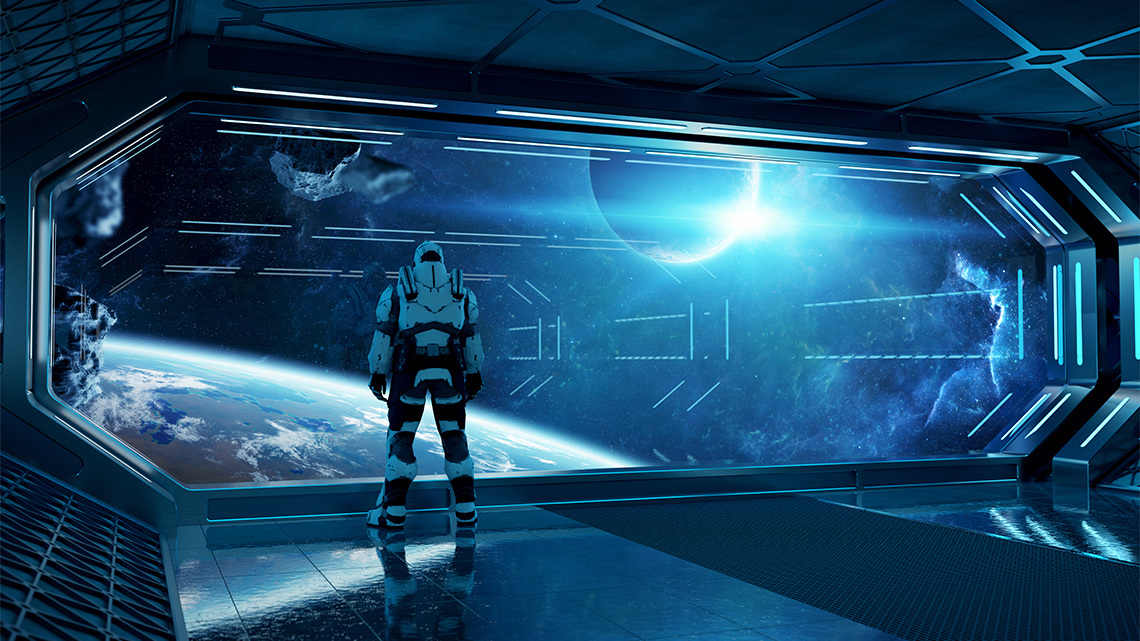
Astronaut in futuristic 3D space
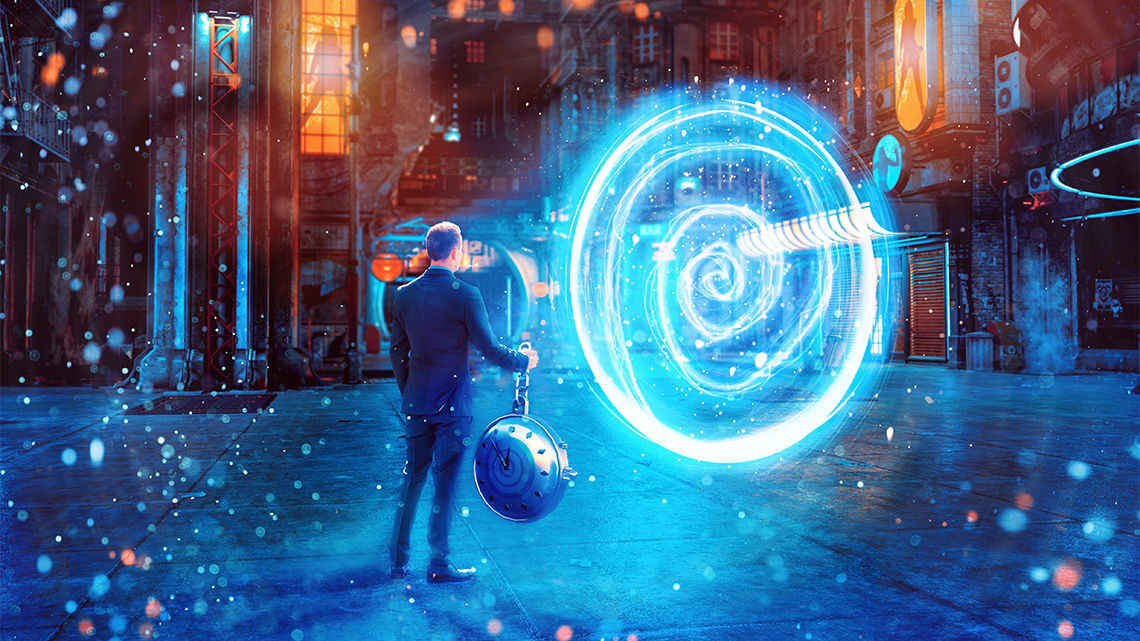
Time travel
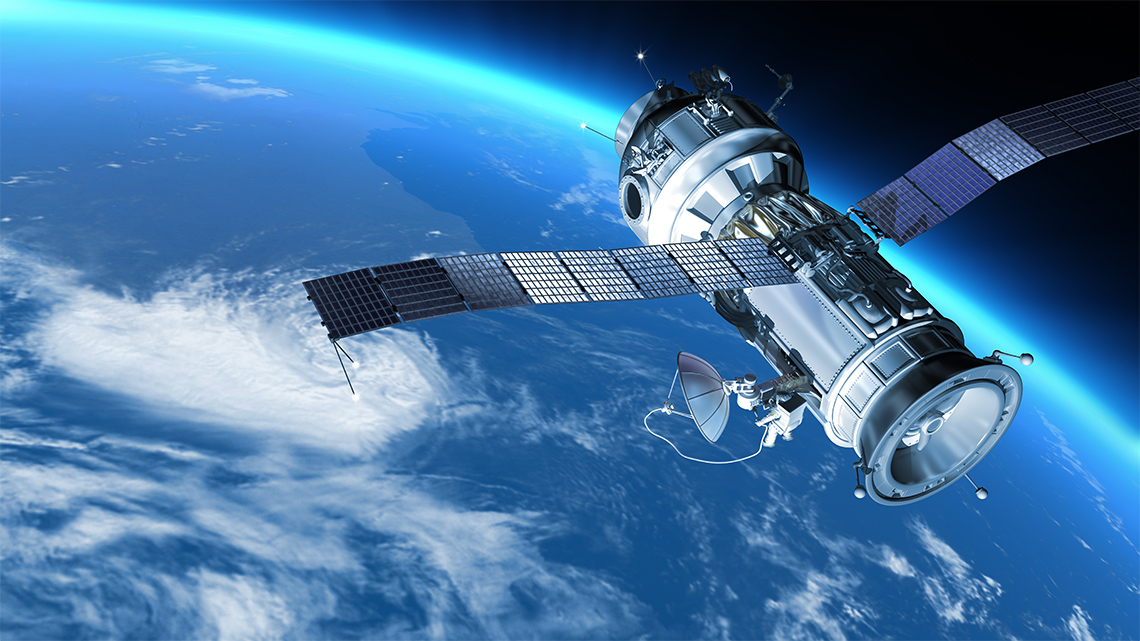
Space exploration
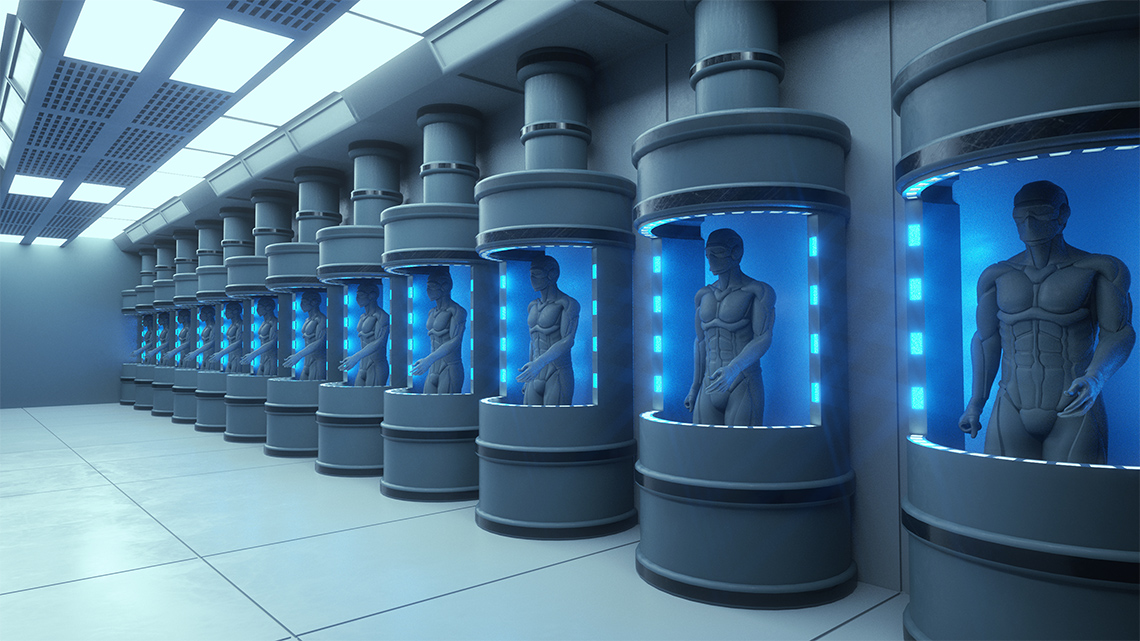
Cloning
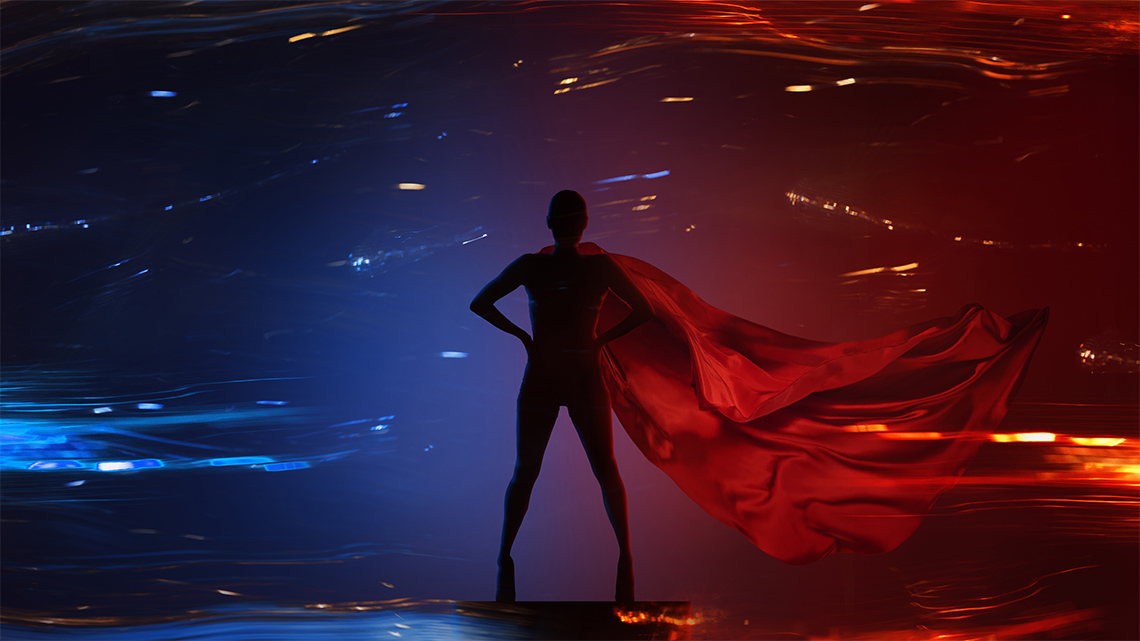
Supernatural abilities
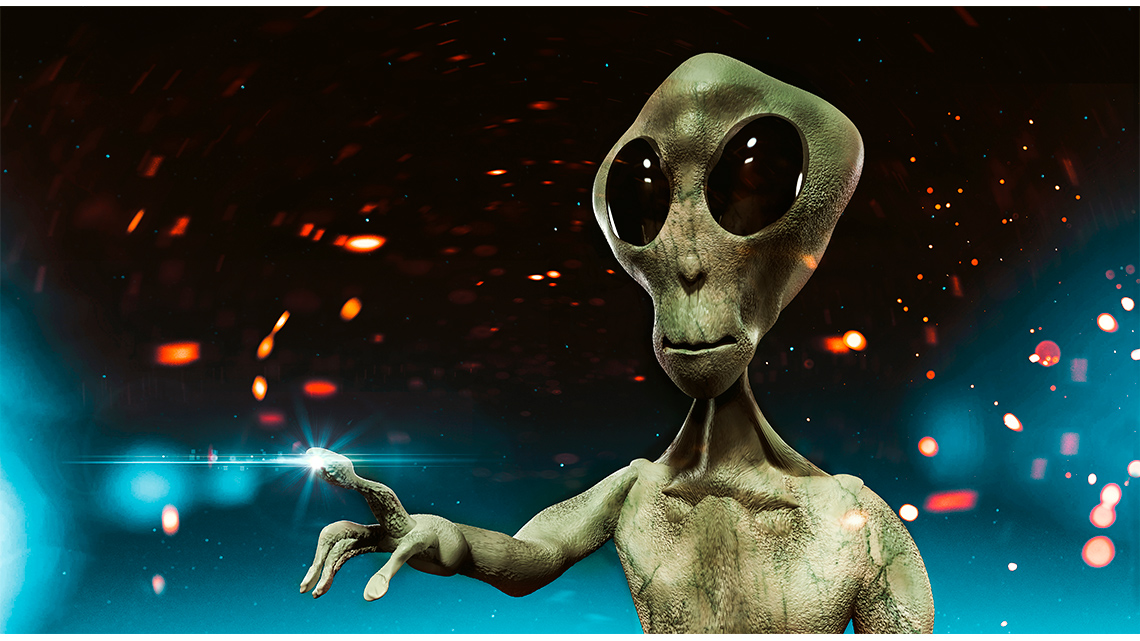
Alien

Pause and Reflect
Pause and reflect
Which one of the listed literary genres do you think the images could represent?
Record your thinking, including an explanation of why, in a notebook or using another method of your choice. If possible, share your thoughts with a partner.
In this learning activity, we will explore the literary genre of science fiction and explore different forms of science fiction texts to analyze the impacts each form has on the reader’s experience.

What is science fiction?
Science fiction (or sci-fi for short) is a genre, or type of fiction, that requires the author to invent and bring the reader into an alternative world or reality. It uses imaginative and sometimes futuristic concepts to tell a story. Like most fiction, it often includes common themes that readers can relate to–like jealousy, love, coming of age or good vs. evil, but set within a world that is different from the real world.
Science fiction often involves completely made up, or fictional, worlds or universes and one or more of the following elements:
- futuristic settings, with exaggerated ideal or exaggerated unfair societies
- multiple universes, wars between galaxies
- different rules of society, governments or lack of governing (anarchy)
- advanced technology: time travel, teleportation, space exploration/travel
- supernatural abilities: telepathy (mind reading), morphing (changing body forms), cloaking (invisibility)
- characters that are aliens, robots, genetically altered humans, multiple species of people, or life forms from other plants
What science fiction books, movies, television shows, or podcasts are you familiar with?
Record your thinking in a notebook or using another method of your choice. If possible, share your thoughts with a partner.
If you need some help to get you started, explore the following science fiction book covers. Are you familiar with any of them? If so, add them to your list!
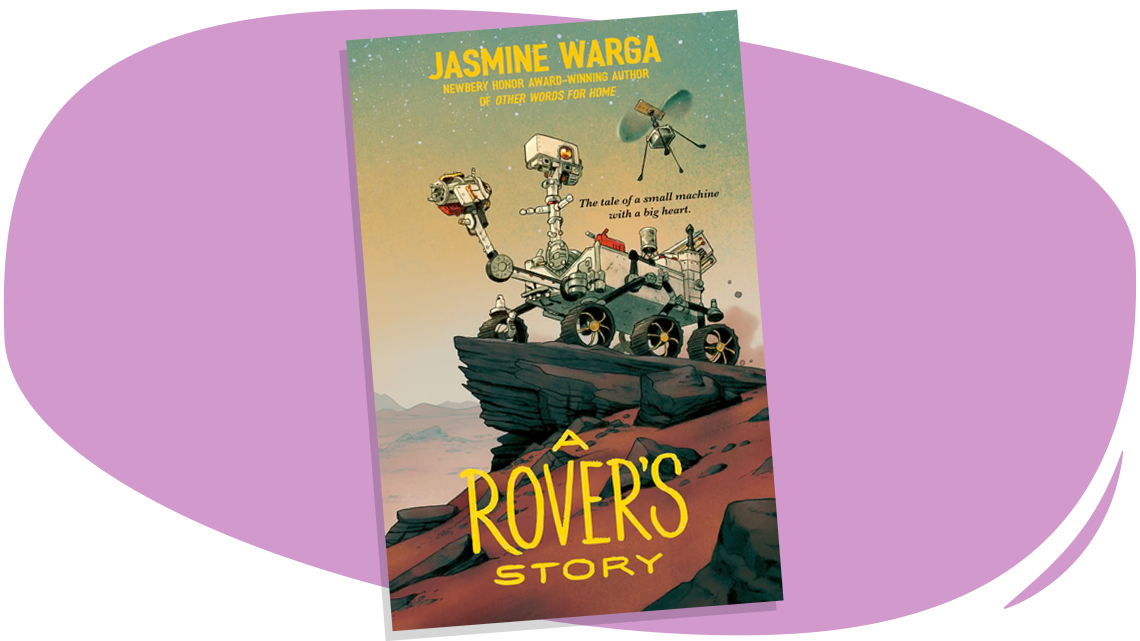
A Rover’s Story by Jasmine Warga is a book about a Mars rover named Resilience who starts to feel emotions like a human and goes on a tough journey across Mars, dealing with both the planet’s challenges and his own new feelings.
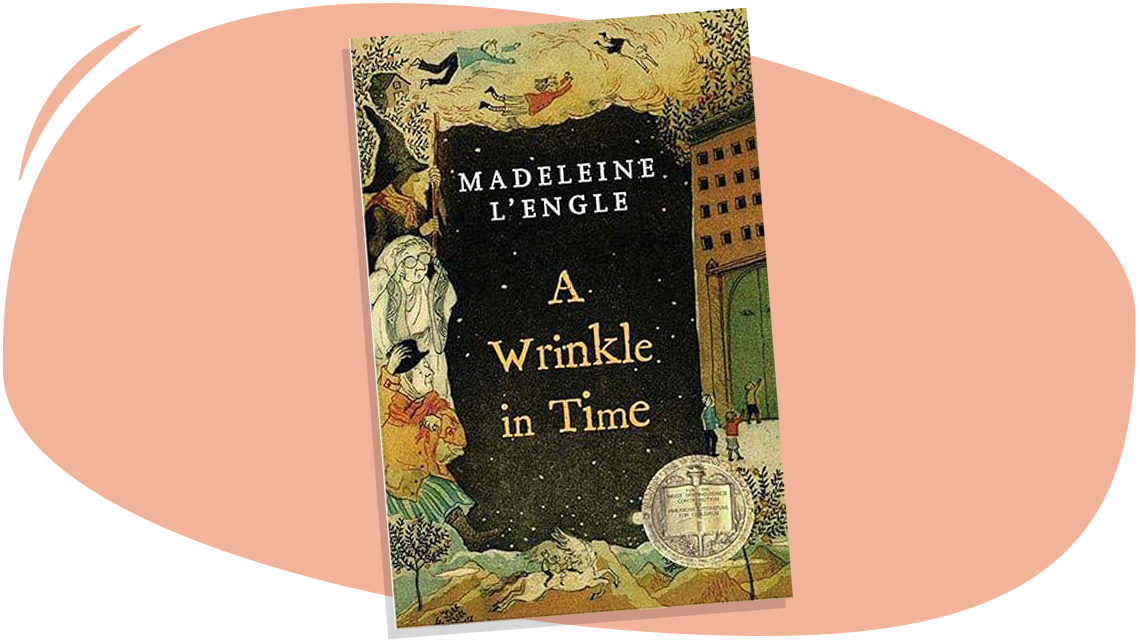
A Wrinkle in Time by Madeleine L’engle is about a girl, her kid brother and her friend who go on a cosmic adventure through time and space to rescue their father from an evil force threatening the universe.
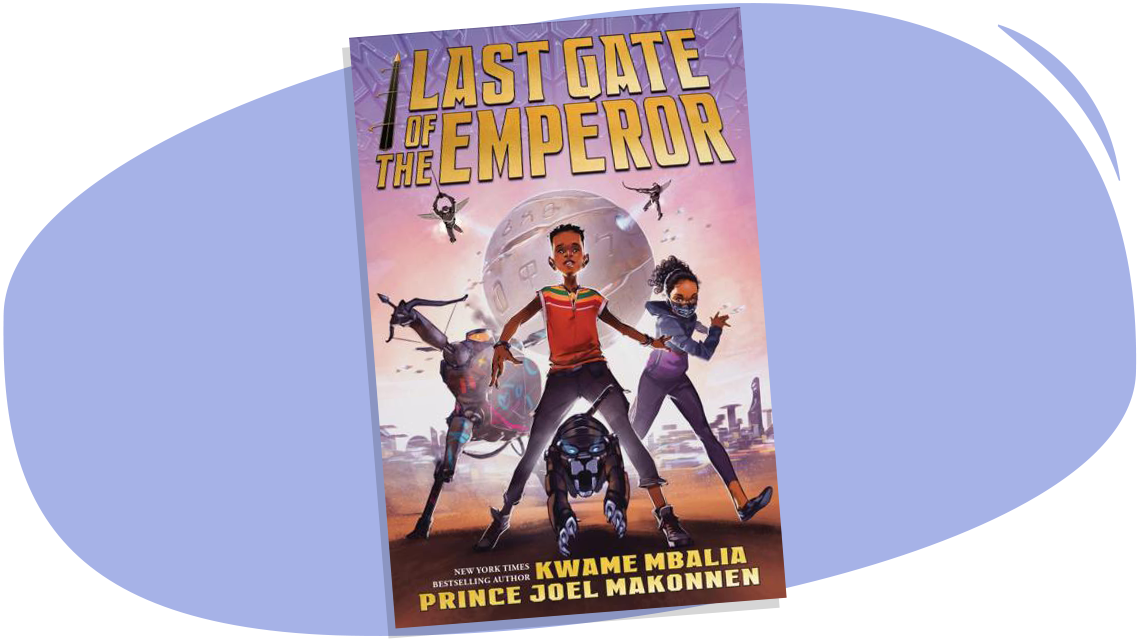
Last Gate of the Emperor by Kwame Mbalia and Prince Joel Makonnen is a book about a young boy and his robotic companion who go on an epic intergalactic adventure to uncover his mysterious past and save his world from danger.
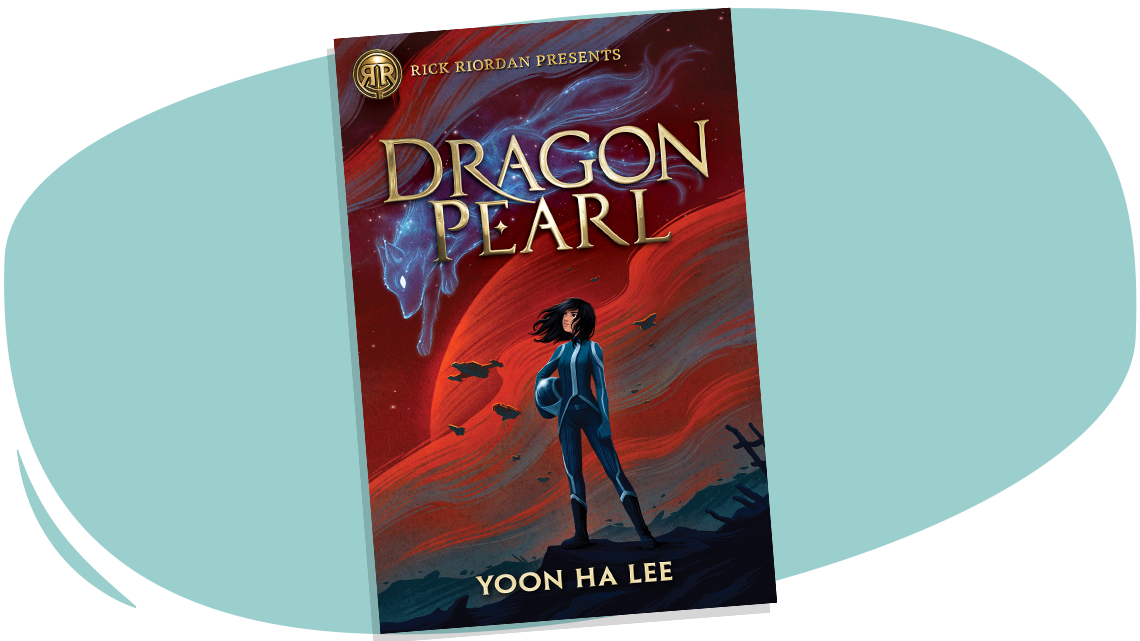
Dragon Pearl by Yoon Ha Lee is a book about a brave teenage girl named Min who sets off on a daring space adventure to find her missing brother and uncover the secrets of her family's magical dragon heritage.
Sometimes, science fiction can be mistaken for fantasy. The two genres have some similarities and differences:
|
Science Fiction |
Fantasy |
|---|---|
|
|

Listening to science fiction
The Unexplainable Disappearance of Mars Patel is a sci-fi mystery podcast about an eleven-year-old boy named Mars (Manu) Patel and his group of friends at H.G. Wells Middle School. In season one, Mars investigates the disappearance of his friends Aurora and Jonas, convinced it has something to do with tech billionaire Oliver Pruitt, and his school for geniuses, Pruitt Prep.
At the beginning of season two, Mars has decided to sacrifice himself to protect his friends, and he is traveling through space to the planet Mars.
Explore the following audio to the first clip from Season 2 Episode 1 of The Unexplainable Disappearance of Mars Patel. As you listen, take note of the elements that make this podcast a science fiction text.
Clip 1: The Unexplainable Disappearance of Mars Patel

Student Success
Post-listening
In a notebook or using another method of your choice, answer the following questions to check your understanding.
- What challenge is Mars struggling with at the beginning of this scene?
- What is Oliver planning on the planet Mars?
- Is Mars alone on the space shuttle?
- What has happened to the spaceship?
When you are done, press the Sample Answer button to check your work.
- Mars is floating and spinning inside the space shuttle and has motion sickness as a result.
- He is creating a colony of kids with special talents and open minds.
- Mars is not alone on the space shuttle - there two other young people there. Mars knows one of them and her name is Julia.
- Someone has intentionally attacked the spaceship and tried to wreck it.
The next clip is from season 2 episode 17, where six months have passed since Mars boarded the space shuttle.
What predictions can you make about what may have happened in the time that passed? Record your predictions in a notebook or using another method of your choice. If possible, share your thoughts with a partner.
Access the second clip from season 2 episode 1 of the podcast The Unexplainable Disappearance of Mars Patel. Were your predictions correct?
Clip 2: The Unexplainable Disappearance of Mars Patel
Student Success
Post-listening
In a notebook or using another method of your choice, answer the following questions to check your understanding.
- Who is the third person onboard the ship?
- How do Mars’ and Julia’s attitudes about their trip differ?
- What trouble is Mars getting himself into?
- Analyze: From the portion of the text you have listened to, what makes it science fiction?
- Extend: What other science fiction elements could the author add to future chapters of this story to add excitement to the plot?
When you are done, press the Sample Answers button to check your work.
- Orion is the captain of the ship. He is a few years older than Mars and Julia and is bossy.
- Mars is not happy to be on board the ship and he feels homesick. Julia is excited about the adventure they are on and about making history.
- He is trying to figure out what the secret contents of the cargo hold are
- The fact that they are traveling to Mars, and that children already live there makes it science fiction as that is not yet a scientific reality.
- Answers will vary.
Experiencing different forms of text
The same story can be communicated using different text forms to achieve different effects and to reach different audiences.
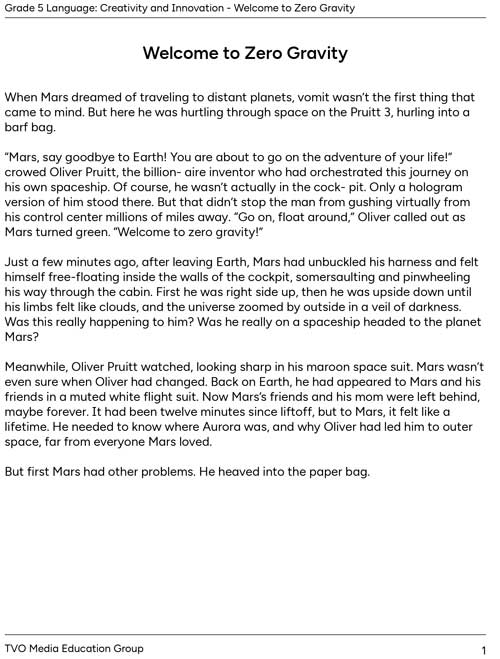
As you read the following chapter from the novel The Interplanetary Expedition of Mars Patel, notice how your experience as a reader is similar and different to your experience as a listener.
Pause and Reflect
Reflect
Now that you have experienced the same story as both a podcast and a novel, reflect on the following questions:
- Which text form do you prefer as a learner, and why?
- Which text form helps you to better understand and experience the action of the text?
- What advantages, disadvantages and preferences did you notice while interacting with each form of text?
Record your reflections in a journal entry, using another method of your choice or, if possible, share them with a partner.

Vocabulary review!
The chapter you just read contained some extraordinary vocabulary that is out of this world!
Check your understanding of some of the words by matching them with their meanings in the following activity.

Grammar routine
Examine the following text:
“Mars Patel is eleven. He is a boy. He is determined to find out where his friends are.”
The three short sentences in this text make the communication a bit choppy.
Now, examine a slightly different version of the same message:
“Mars Patel, an eleven-year-old boy, is determined to find out where his friends are.”
This second version of the text uses an appositive to help communicate the message more clearly, eliminate wordiness, and combine short simple sentences into more interesting ones.

An appositive is a word or phrase that gives extra information about a noun right next to it. It helps to explain or describe the noun more clearly.
We use commas to separate the appositive from its noun and the main message of the sentence.
Let’s break down our sample sentence:
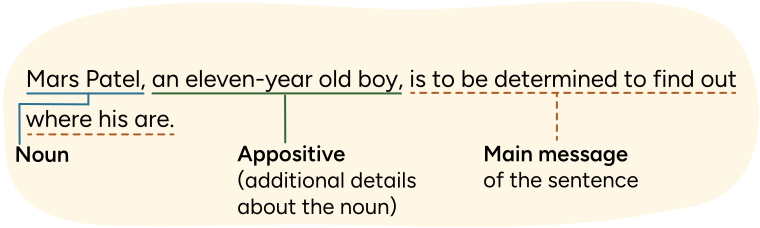
A sample sentence that uses an appositive, which is a phrase that gives additional details about the noun. The sentence reads, 'Mars Patel, and eleven-year old boy, is determined to find out where his friends are.
'The noun is 'Mars Patel.'
The appositive is, 'an eleven-year old boy.'
The main message is, 'is determined to find out where his friends are.'
Let’s explore another example:
“Oliver Pruitt, a tech billionaire, wants to create a colony of bright children on Mars.”
Learning check!
Complete the following matching activity to identify the different parts of the sentence.

Try it!
Try it!
In a notebook, or using another method of your choice, rework the following sentences to include appositives, separated by commas from the noun and the main message of the sentence.

Putting it all together
What is science fiction?
Sort each of the following examples and descriptors into the correct column.
Roll-a-story
Now that you are familiar with the elements of science fiction and have experienced sci-fi stories in a podcast and a novel format, let’s have some fun drafting an outline for a sci-fi story using the ideas in the activity chart provided!
Before you begin, press the following tabs to review different activity options.
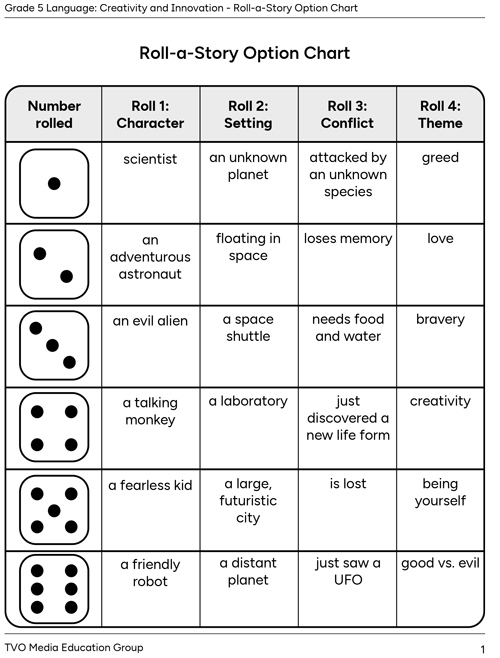
You can use the number generator to select one random option from each column OR use a 6-sided die if you have one. Alternately, you can simply select one option from each column.
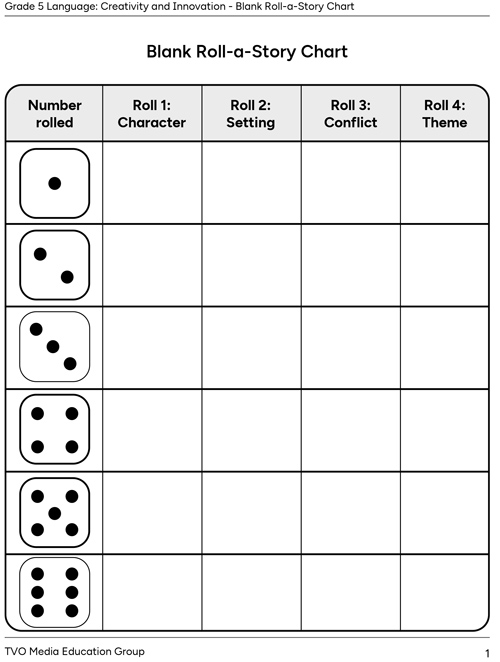
You can use the pre-filled option chart OR, you can have fun creating your own options using blank chart provided or another method of your choice.
You can create and share your story orally or draft your story in writing before sharing.
You may choose to add extra elements (like a special object or technology) to add more fun and creativity to your story!
How to use the activity chart:
- Start with the “Character” column.
- Press the random number generator or roll a 6-sided die. Match the number you roll to the number in the chart. The item in this row listed under “Character” will be the character in your story.
- Repeat steps 1 and 2 for the columns labelled “Setting”, “Conflict”, and “Theme” until you have one item selected from each column.
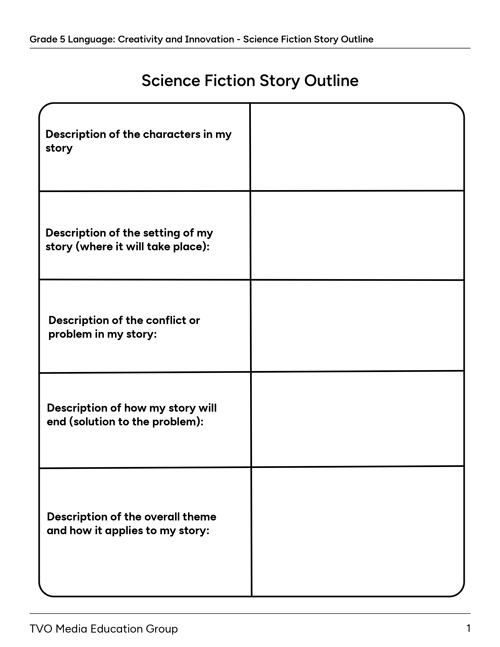
- Use the selected “Character”, “Setting”, “Conflict”, and “Theme” to draft an outline for your science fiction story in a notebook or using another method of your choice!
Access the following Roll-a-Story Option Chart to complete the activity.
Have fun creating your own options using the following Blank Roll-a-Story Chart.
You may wish to use the following graphic organizer to help you create the outline for your science fiction story.
Access the following Science Fiction Story Outline to complete the activity.
Wrap up
After you have finished drafting your Roll-A-Story, read it out loud and use the following checklist to self-assess your work.
Consider
Reflection
As you read through these descriptions, which sentence best describes how you are feeling about your understanding of this learning activity? Press the button that is beside this sentence.

I feel...
Now, record your ideas using a voice recorder, speech-to-text, or writing tool.