Learning goals
We are learning to…
- use critical thinking and problem-solving skills to learn and share our thoughts and opinions
- identify and explain how specific words, word patterns, and sentence structures help to convey meaning
- identify rhyme in texts and explain how it impacts meaning
- create specific types of texts using different tools and strategies
Success criteria
I am able to…
- explore information about animals and use my problem-solving skills to complete riddles about each type of animal by finding word clues
- identify and explain how adjectives, or describing words, and rhymes help convey meaning in riddles or poems
- use adjectives, or describing words, to make observations about an animal
Notice and wonder
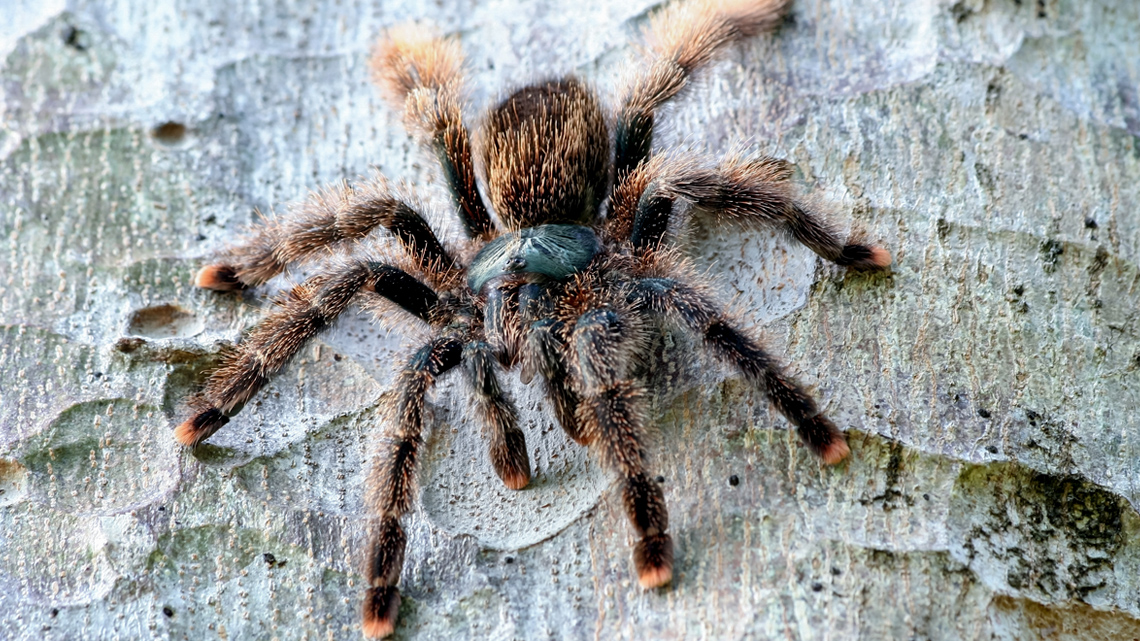
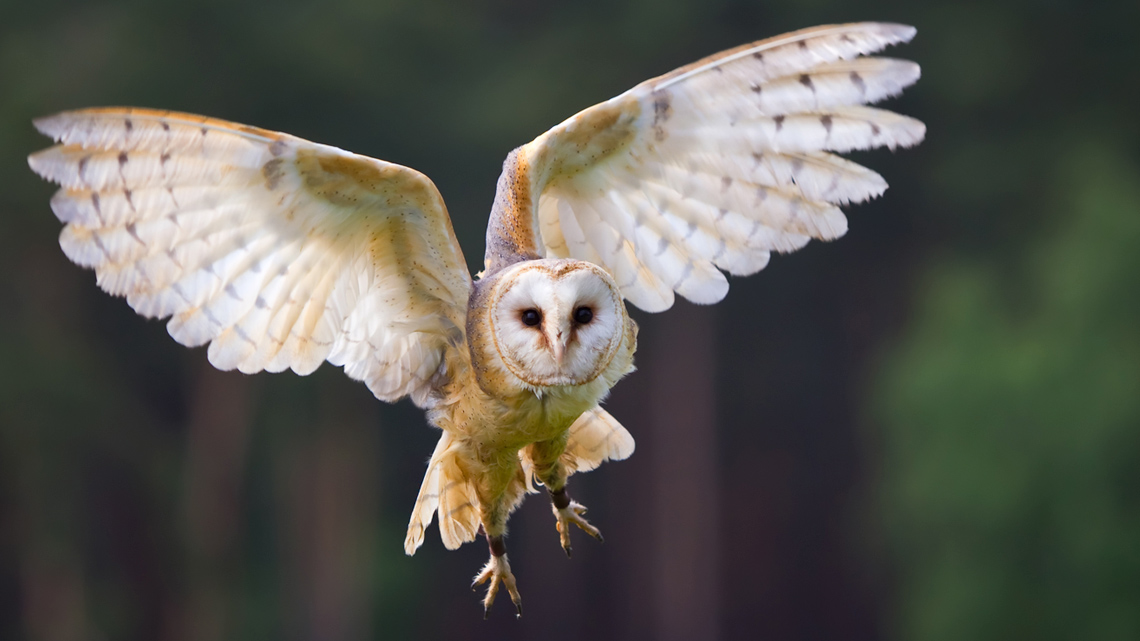
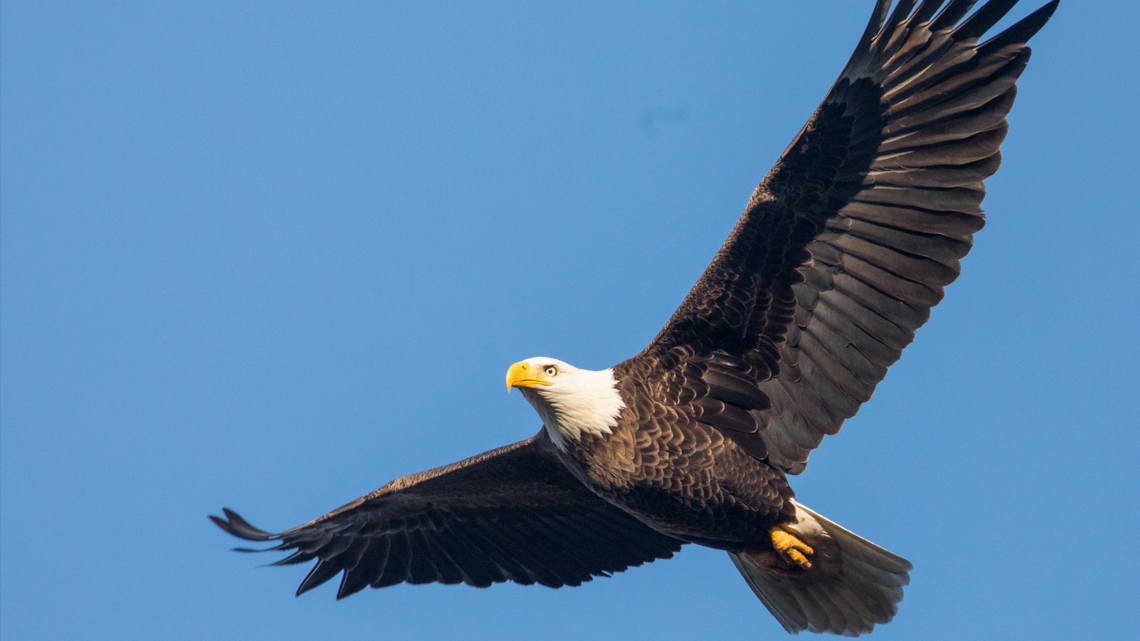
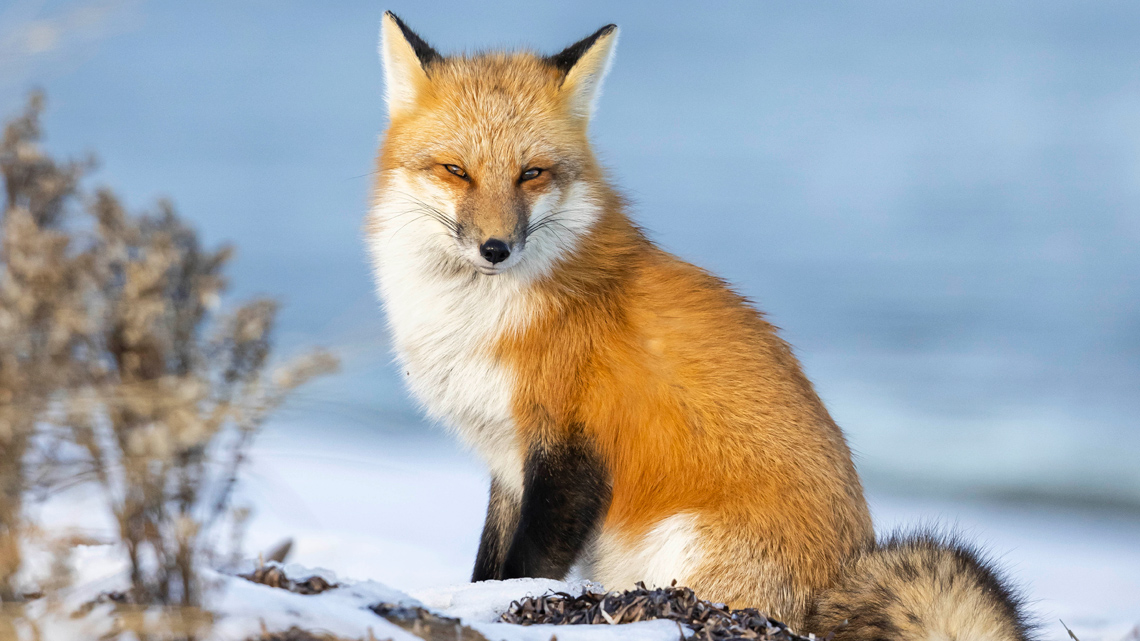
Explore the following images. What do you notice about each animal?
Describing words
We can use words, to describe a person, animal, place, or thing. These words are called adjectives.

Student Tips
Student tips
An adjective is a word that describes something by telling us more about it. It can describe how something looks, feels, sounds, tastes, or acts.
For example:
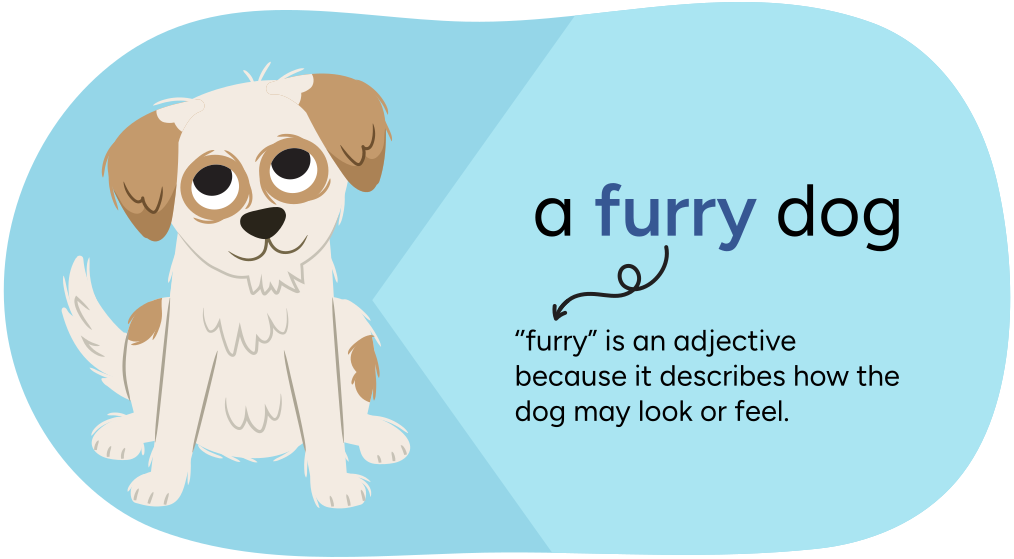
A small furry white dog with brown spots. The text next to the dog reads: 'a furry dog.' An arrow points to the word 'furry', followed by the definition: '"furry" is an adjective because it describes how the dog may look or feel.'
Let’s explore some facts about each of the animals and from the Minds On section.
Next, let's think of some adjectives to describe them.
When we are trying to find words to describe each animal, we can think about:
- their shape
- their size
- how their fur, feathers, skin, or scales might feel
- their colour(s)
- their sound
Explore the following animals and the different adjectives used to describe them.
Tarantulas
- come in many different shapes, sizes, and colours
- have eight legs
- are covered with hair
- usually dig holes and live underground
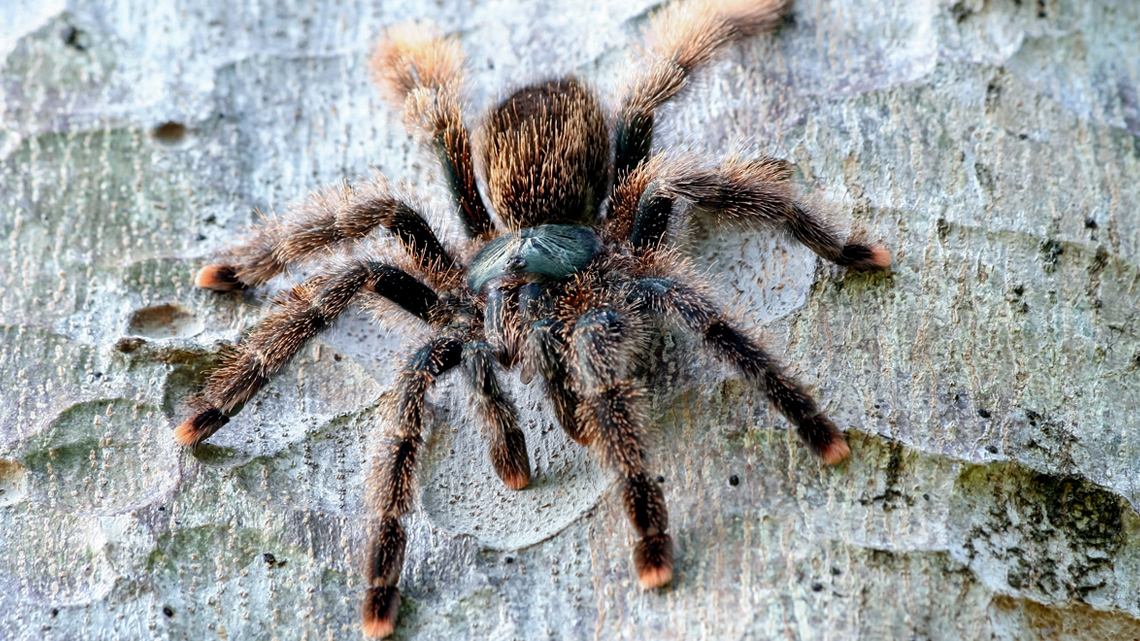
Tarantula
What describing words or adjectives could we use to describe a tarantula?
Press Reveal for a possible answer.
- eight legs
- furry body
- brown hair
Barn owls
- have very good hearing
- have very good eyesight
- have very soft feathers
- usually stay hidden during the day, and come out to fly at night
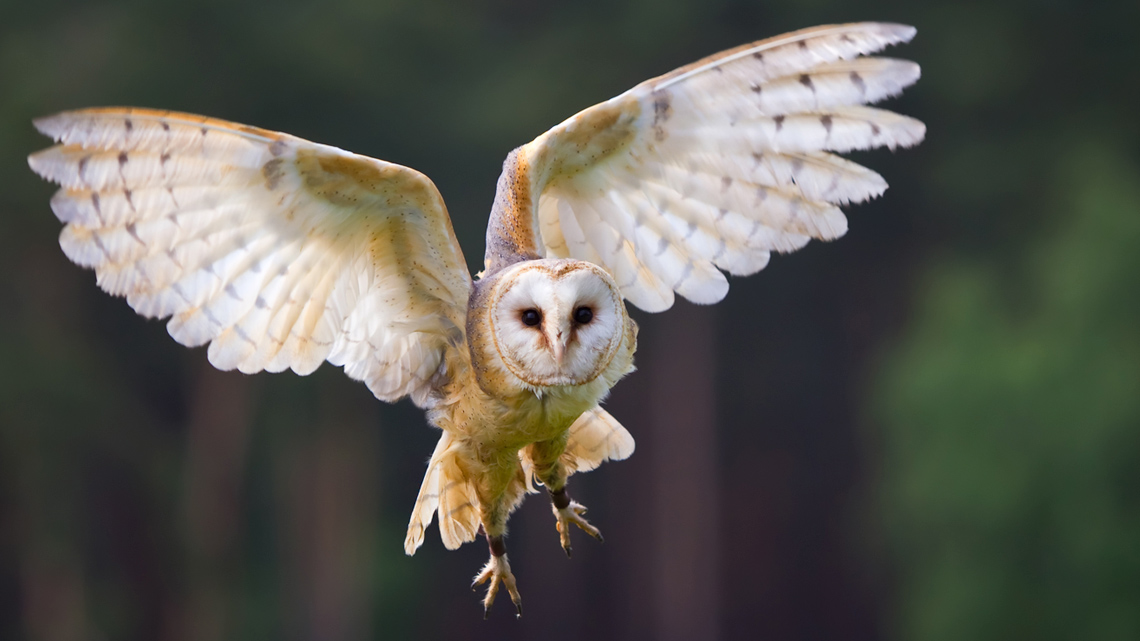
Barn owl
What describing words or adjectives could we use to describe a barn owl?
Press Reveal for a possible answer.
- soft feathers
- long wings
- sharp beak
- sharp claws
Bald eagle
- have very good eyesight
- build their nests in tall trees
- fly very high and can drop down low to the ground quickly
- have hooked beaks and sharp talons or claws
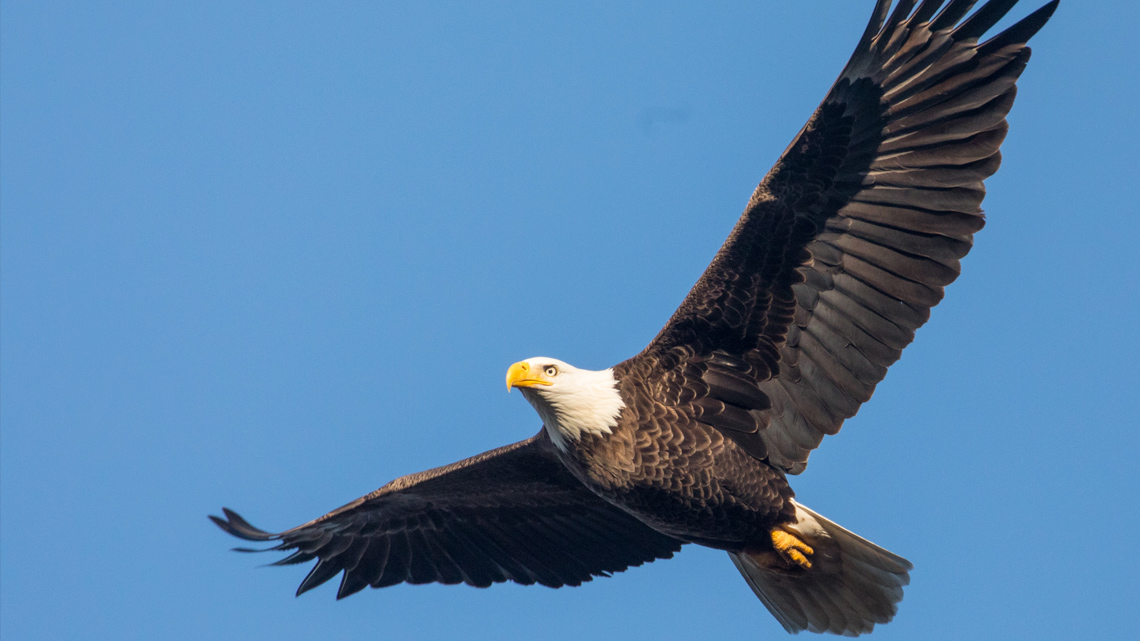
Bald eagle
What describing words or adjectives could we use to describe a bald eagle?
Press Reveal for a possible answer.
- black, yellow, and white feathers
- hooked beak
- sharp talons
Red foxes
- have very good hearing
- can make more than 20 different calls or sounds
- have long whiskers
- can see in the dark
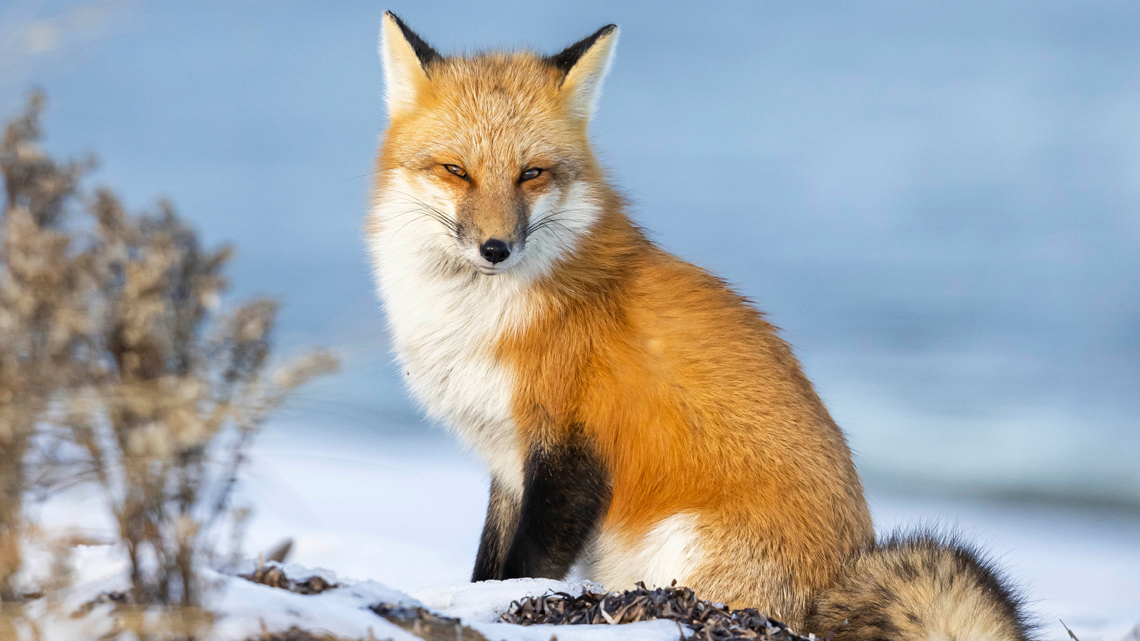
Red fox
What describing words or adjectives could we use to describe a red fox?
Press Reveal for a possible answer.
- red, black and white fur
- fluffy tail
- pointy ears

Did You Know?
Did you know?
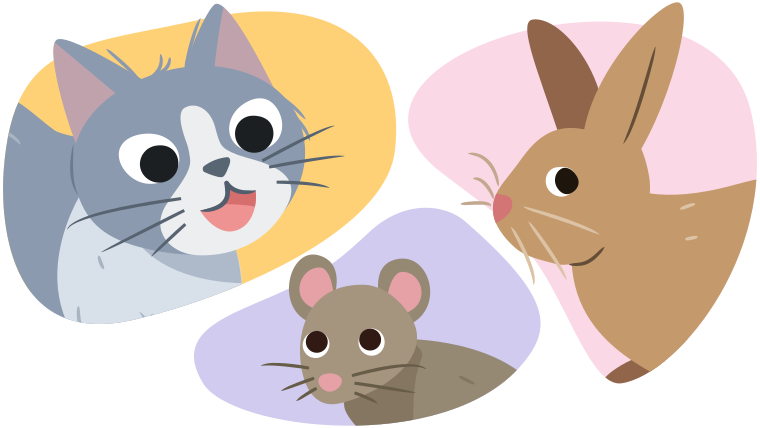
Mice, cats, and rabbits all use their whiskers, which are long, thin hairs on their faces, to help them feel and explore the world around them!
Rhyming
Rhyming words have the same ending sounds.
The ending of the word might be spelled with the same group of letters or with different letters.
For example, there are rhyming words that have the same ending spelling and sound.
cat and hat
sun and fun
There are also rhyming words that have different spelling but the same sound.
hair and there
slow and go
Riddles are word puzzles or questions that we solve using word clues.
Let’s explore some riddles together. Listen for any rhyming words and check if you can use the information you have learned about each animal to solve each riddle.
What do I notice?
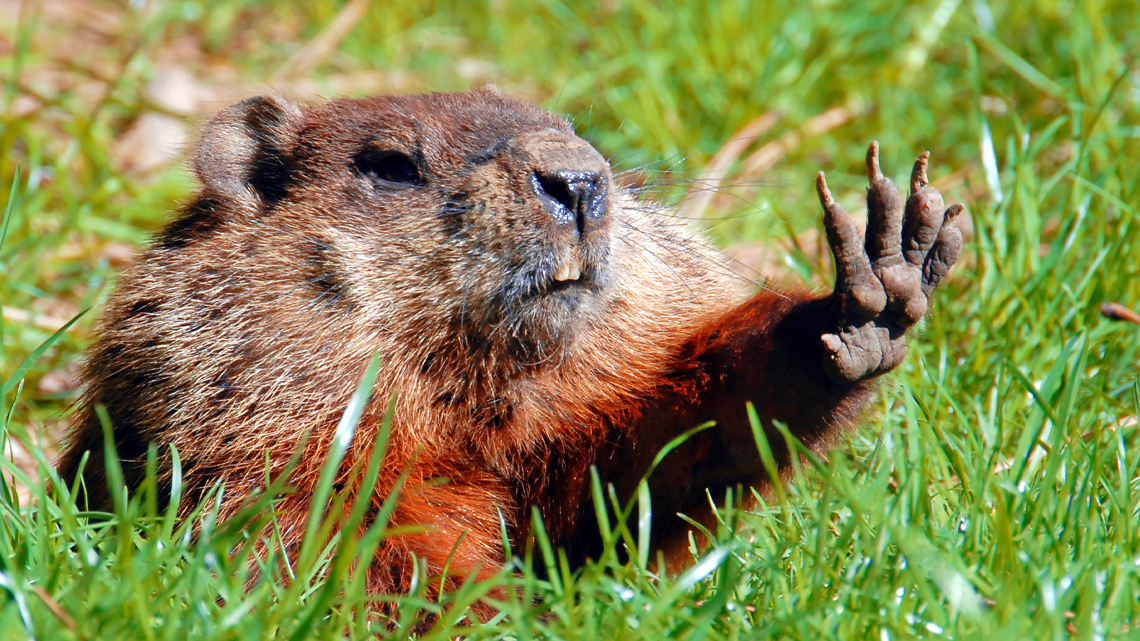
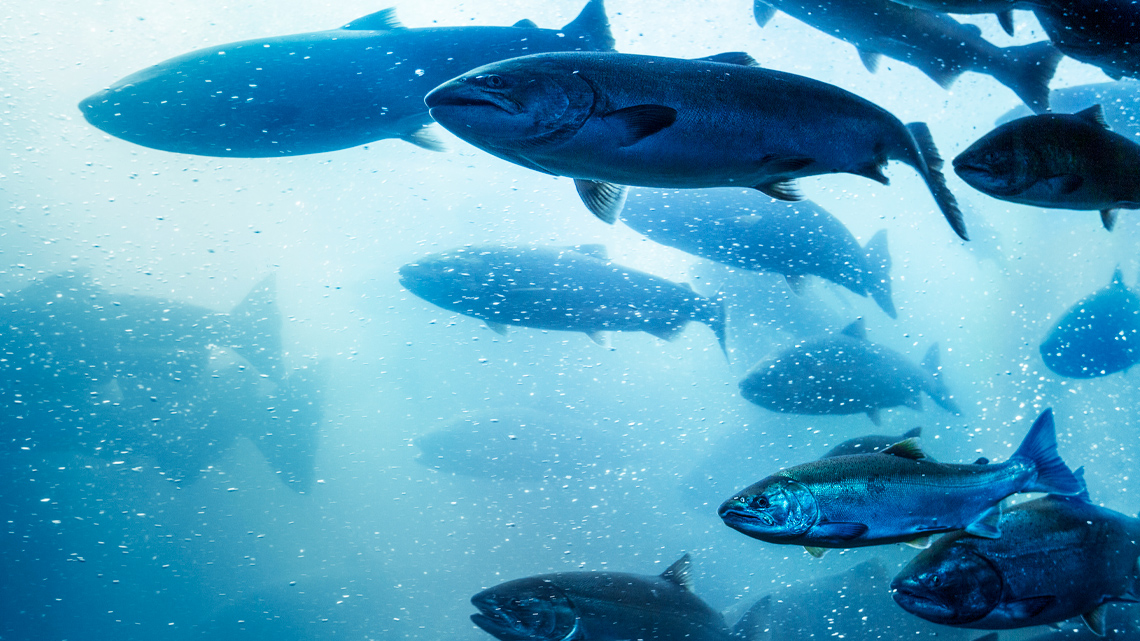
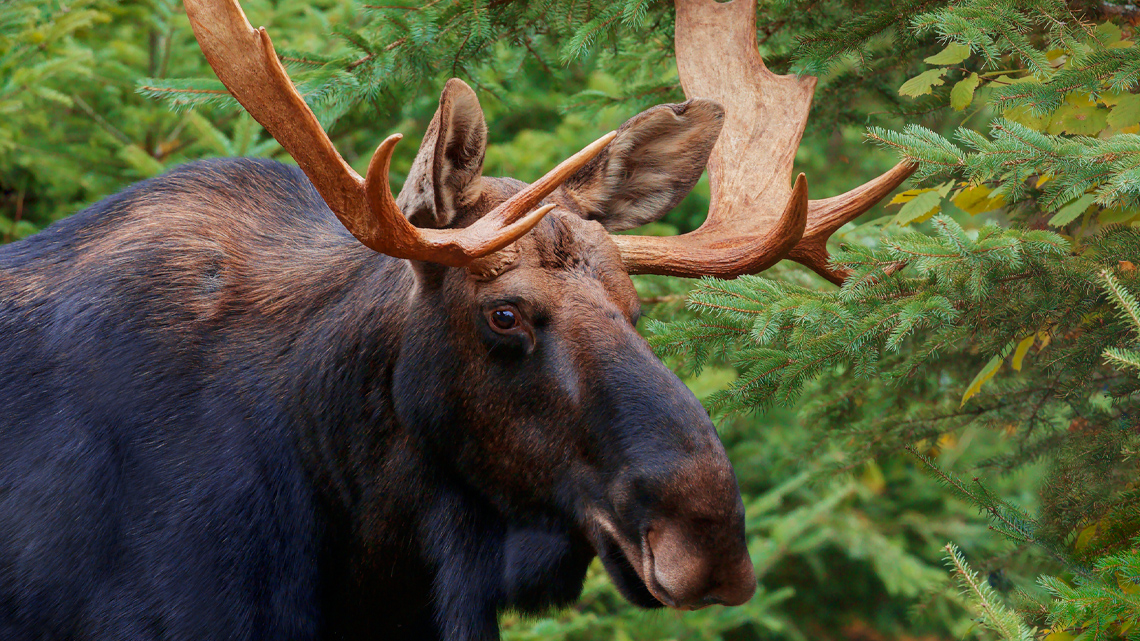
Explore the following images of animals. Select one and describe it using different adjectives.
You may also describe another animal of your choice.
You might think about:
- their shape
- their size
- how their fur, feathers, skin, or scales might feel
- their colour
- the sound it makes
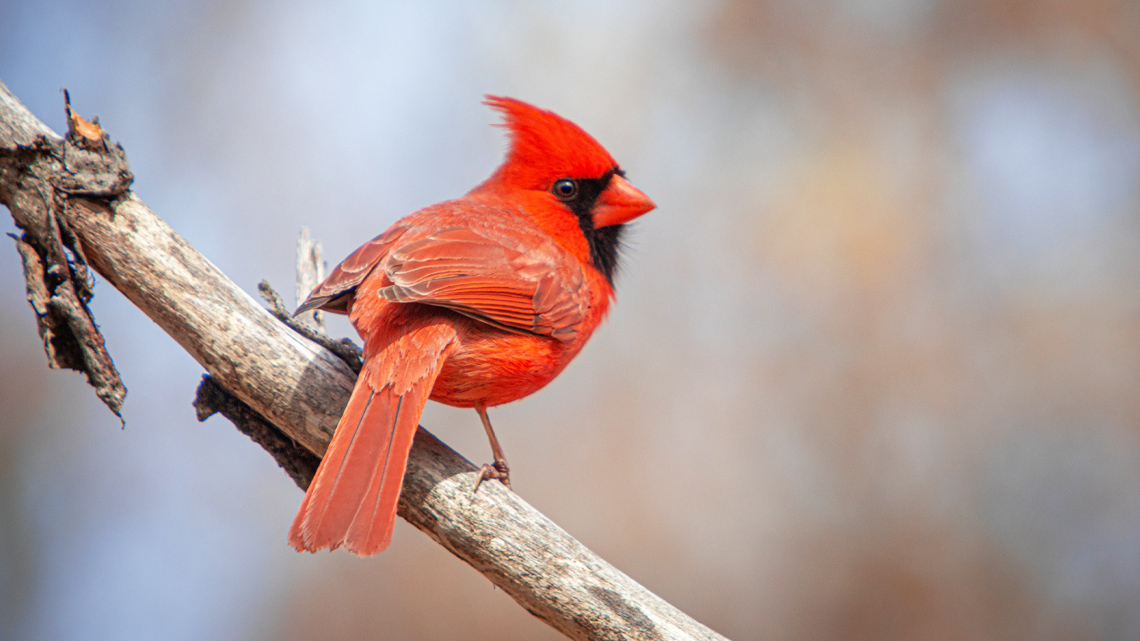
Describe your animal!
You will now describe the animal of your choice.
Complete the fillable and printable Animal Adjective Organizer in your notebook or using the following document. If you would like, you can use speech-to-text or audio recording tools to record your thoughts.
Add as many details as you would like to describe your animal. Once you are done, practice reading it aloud to check if everything makes sense.
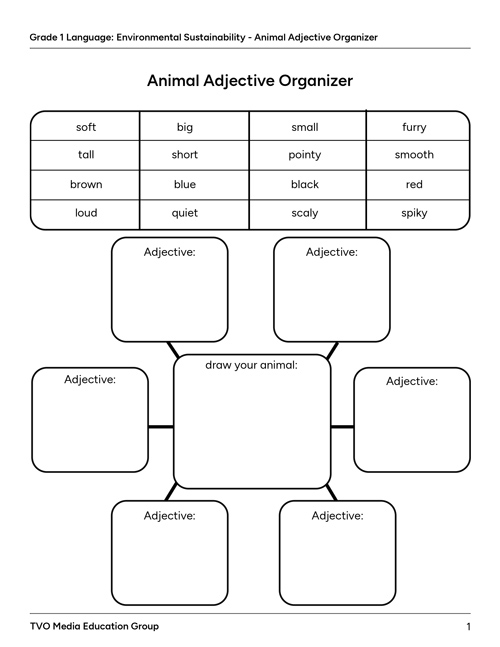

Try It
Create sentences!
Use the describing words or adjectives from your graphic organizer to create a few sentences about your animal using a method of your choice.
If you would like, try adding rhyming words to your description. Explore words that have the same ending sound!
Press Reveal to see describing sentences about a bald eagle.
“My animal is a bald eagle. Eagles have long wings and can see very far away. Eagles have smooth feathers that can be white, brown and black. Eagles fly high in the sky!”
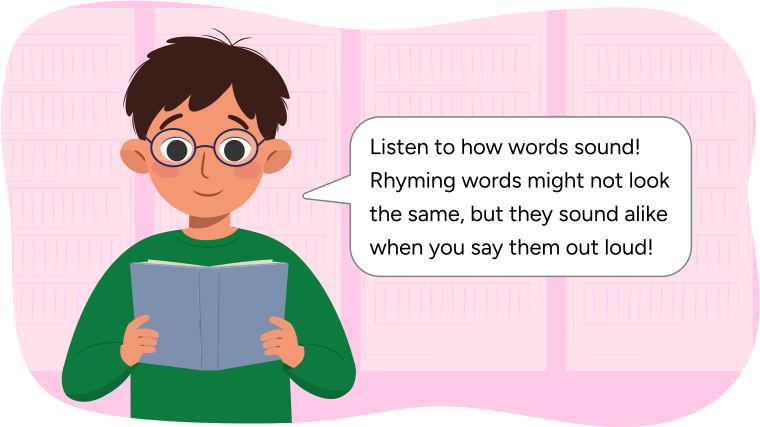
Oliver holding an open book. He says: 'Listen to how words sound! Rhyming world might not look the same, but they sound alike when you say them out loud!'
Present!
Practice reading your animal description until you are comfortable reading it aloud.
Use the following checklist to help you practice effective speaking skills.
Share your animal description with a partner, if possible.
Rhyming words review
Let’s review the rhyming words we explored! For each word, choose the word that rhymes with it.
Reflection
How do you feel about what you have learned in this activity? Which of the next four sentences best matches how you are feeling about your learning? Press the button that is beside this sentence.

I feel...
Now, record your ideas about your feelings using a voice recorder, speech-to-text, or writing tool.