Learning goals
We are learning to…
- identify themes explored in First Nations, Métis, and Inuit cultures to show understanding of the many identities and ways of knowing, being, and doing
- use effective listening skills by expressing interest, asking a variety of questions, and restating what we heard
- show an understanding of the relationship between images, graphics, and the text
- sort and sequence ideas and information
Success criteria
I am able to…
- explore a Raven’s Quest video featuring Hope, who is Ojibwe, as she shares her Three Sisters garden and answer questions about the video
- explore a diagram of the Three Sisters plants and use adjectives to describe each plant
- label a diagram of the Three Sisters plants

Notice and wonder
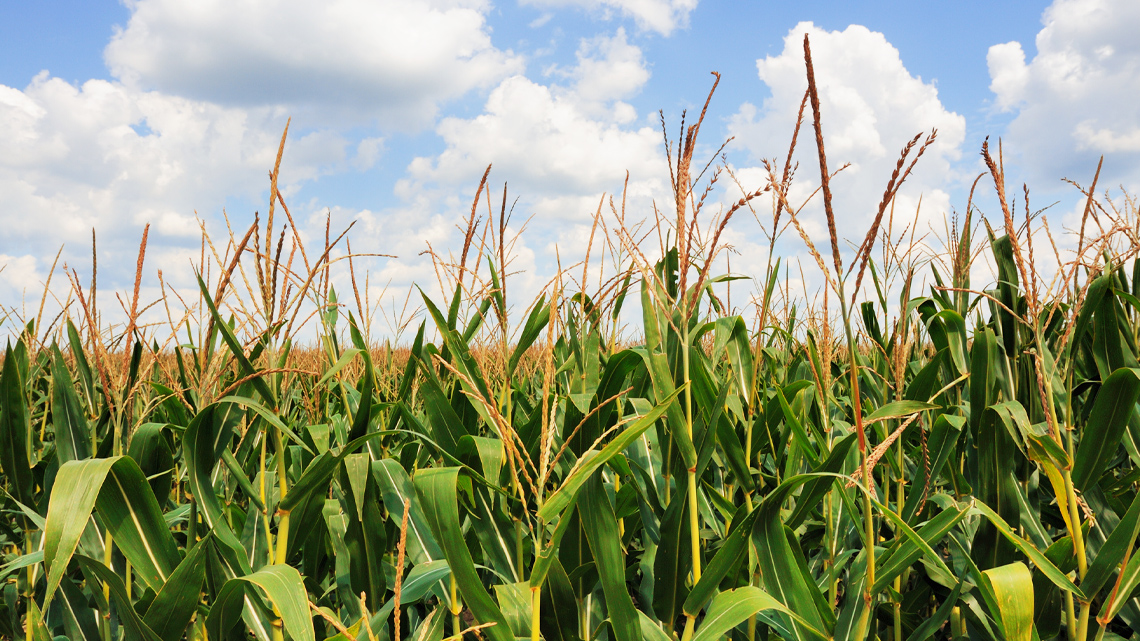
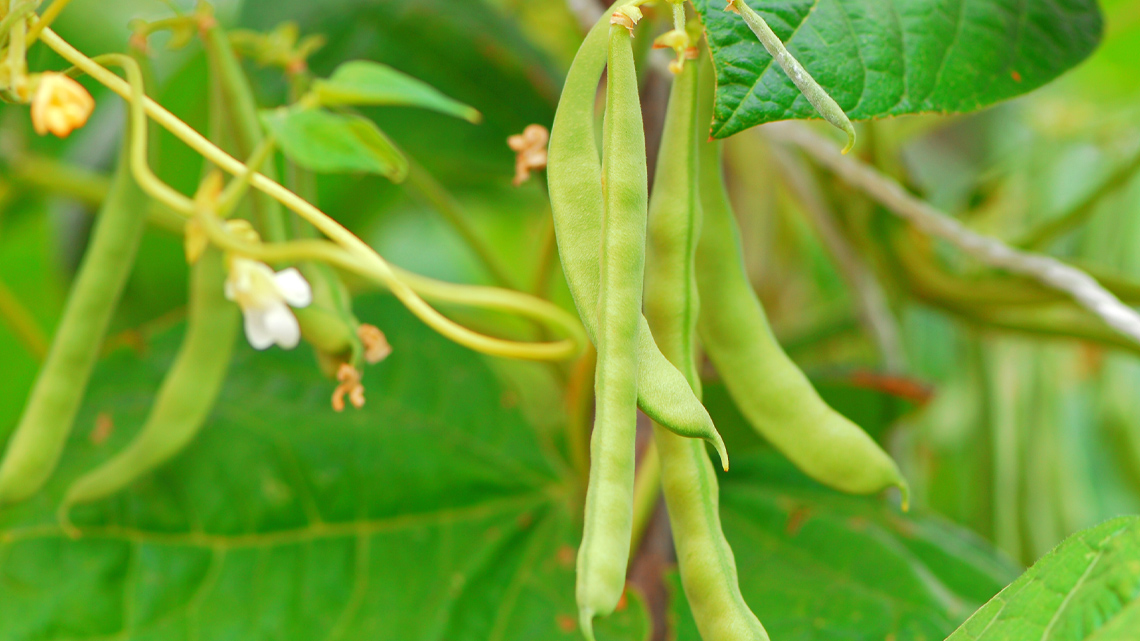
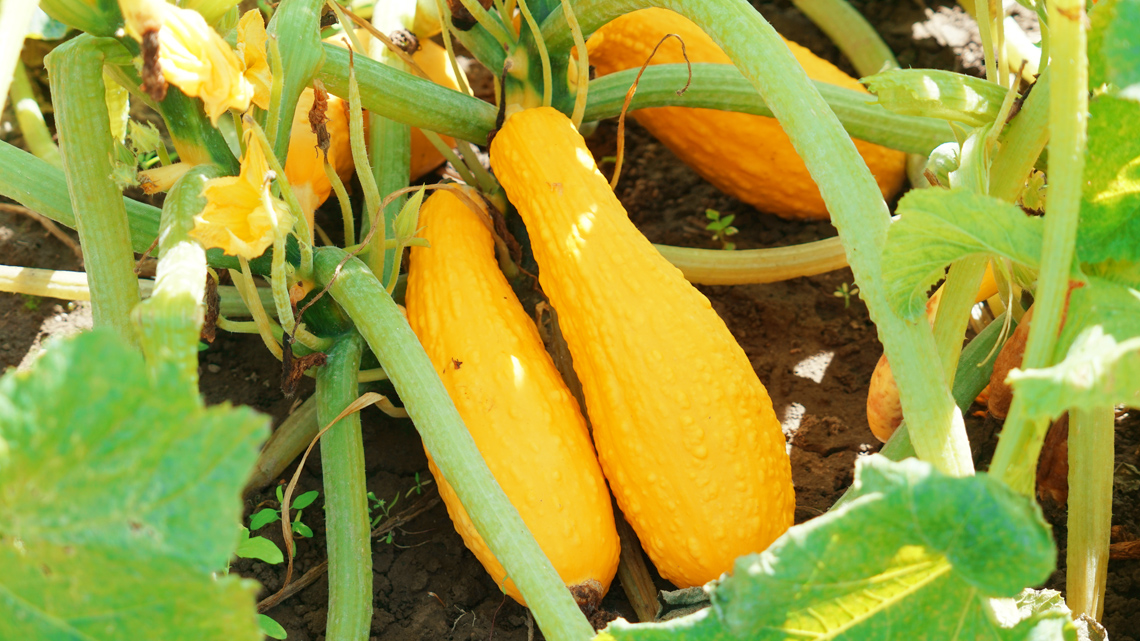
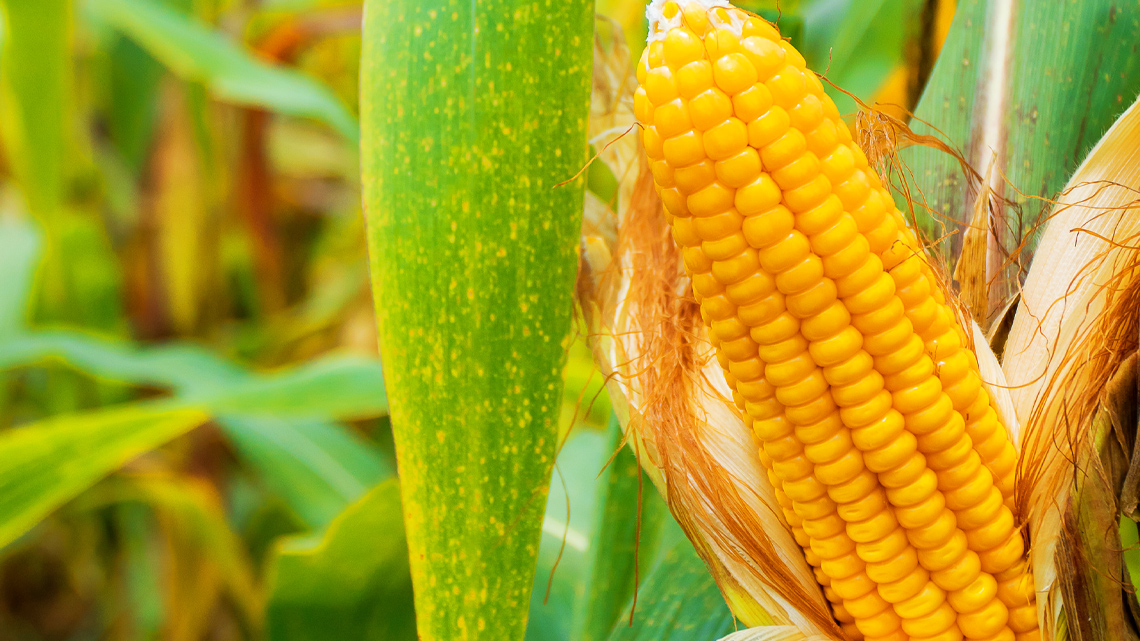
Explore the following images of different plants.

Pause and Reflect
Pause and reflect
What do you notice about the following types of plants?
Have you ever seen or tried any of these plants before?
What do you notice about the way that they each grow?
Share your thoughts with a partner, if possible.

What do plants need?
Plants need sunlight, water, and soil to grow.
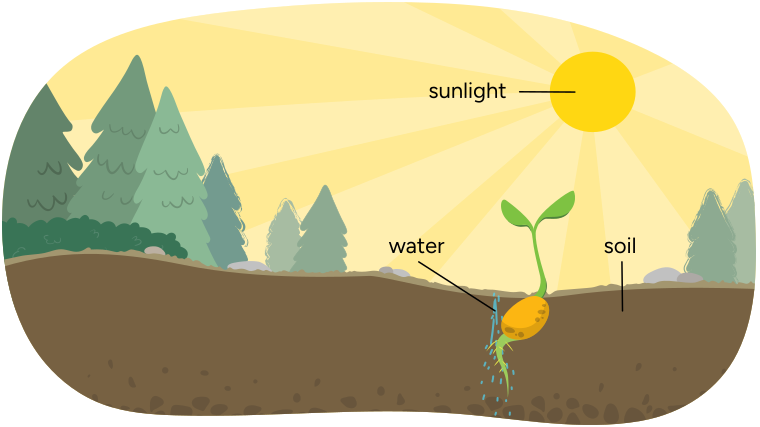
A diagram showing a sprouting seed planted in soil in a sunny field. It includes labels for sunlight (pointing to the sun), water (pointing to the water in the soil being absorbed by the plant's roots), and soil (pointing to the soil where the seed is planted).
In the Minds On section, we explored corn, beans, and squash plants.
What do you notice about how each plant grows and changes?
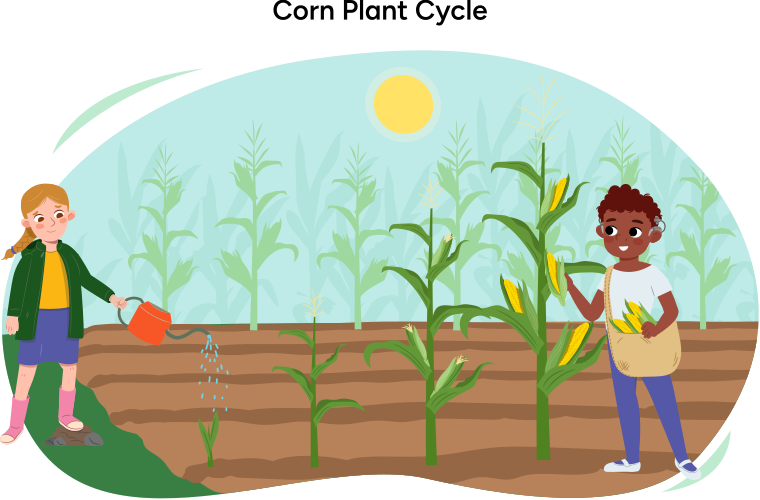
A diagram labeled 'Corn Plant Cycle.' It shows four stages of growth for corn:
A small sprouting corn plant that is growing upwards. It has just a few leaves visible.
A slightly taller corn plant with longer leaves.
An even taller corn plant with longer leaves and some corn beginning to grow.
A very tall corn plants with longer leaves and corn that is ready to be harvested.
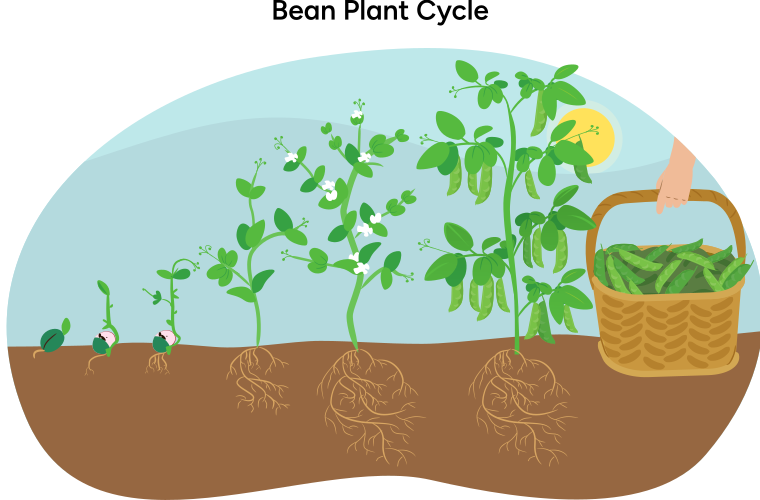
A diagram labeled 'Bean Plant Cycle.' It shows six stages of growth for the plant:
A small seed that has just begun to sprout with a single root.
The seed develops a stem that is growing straight upwards, and small leaves are beginning to unfold.
In the third stage, the plant grows taller with more leaves.
The plant continues to grow taller with more small leaves forming.
The plant is continuing to grow taller and is now sprouting small white flowers.
The bean plant produces beans, with pods hanging from the stems, ready for harvest.
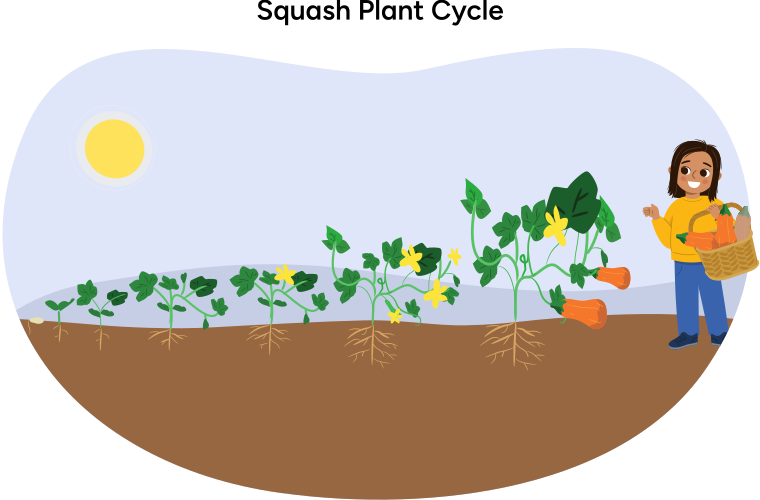
A diagram labeled 'Squash Plant Cycle.' It shows seven stages of growth for the plant:
A small seed that has just begun to sprout with a single root.
The seed develops a stem, and small leaves are beginning to unfold.
In the third stage, the plant grows taller with more leaves.
The plant continues to grow taller, and the vine starts to curl. It has more small leaves forming.
The plant is continuing to grow and is now sprouting small yellow flowers.
The plant gets bigger, with larger leaves and produces more flowers.
The squash plant produces squash, with the heavier squash laying on the soil.
What are some of the similarities and differences between each type of plant?
Press Reveal to check your answer.
The corn and bean plants grow straight up, but the squash plant starts to curl and make a loop.
The corn plant has long leaves, the bean plant has short leaves, and the squash plant has big, wide leaves.
All three plants grow in different ways to get the light, food, and water they need.
These plants can grow on their own, but what happens when they are planted close together?
The Three Sisters
Let’s watch the following Raven’s Quest clip to learn what happens when the corn, bean, and squash plants are grown together.
Many Indigenous communities have known about the importance of growing corn, beans, and squash together for as long as can be remembered.
Hope is Ojibwe from Wiikwemkoong Unceded Territory, a First Nations community on Manitoulin Island.
How does Hope describe the three types of plants?
Press Reveal to check your answer
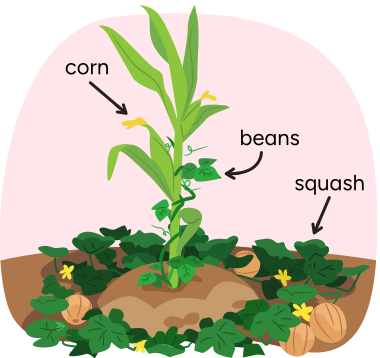
Hope shares that the corn, bean and squash are called the Three Sisters. When these plants are grown together, they take care of each other as sisters and people who care about each other do.
Did you notice that Hope uses the word harvest? To harvest means to gather the vegetables when they are ready to eat.
How do the three plants help each other?
Press Reveal to check your answer.
- The bean plant has bacteria that help the corn grow tall and strong. Bacteria are very small living things.
- The corn stalk gives the bean plant something to grow on.
- The squash has big leaves that protect the soil from too much sun and stops weeds from growing in the area.
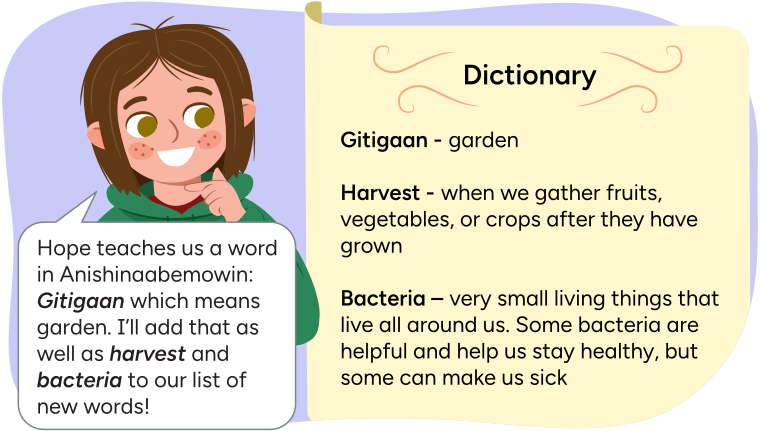
Clara stands beside a large poster and says: 'Hope teacher us a word in Anishinaabemowin: Gitigaan which means garden. I'll add that as well as harvest and bacteria to our list of new words!' The poster is titled 'Dictionary' and has three definitions:
Gitigaan - garden
Harvest - when we gather fruits, vegetables, or crops after they have grown
Bacteria - very small living things that live all around us. Some bacteria are helpful and help us stay healthy, but some can make us sick

Printing practice
Let’s explore the following words.
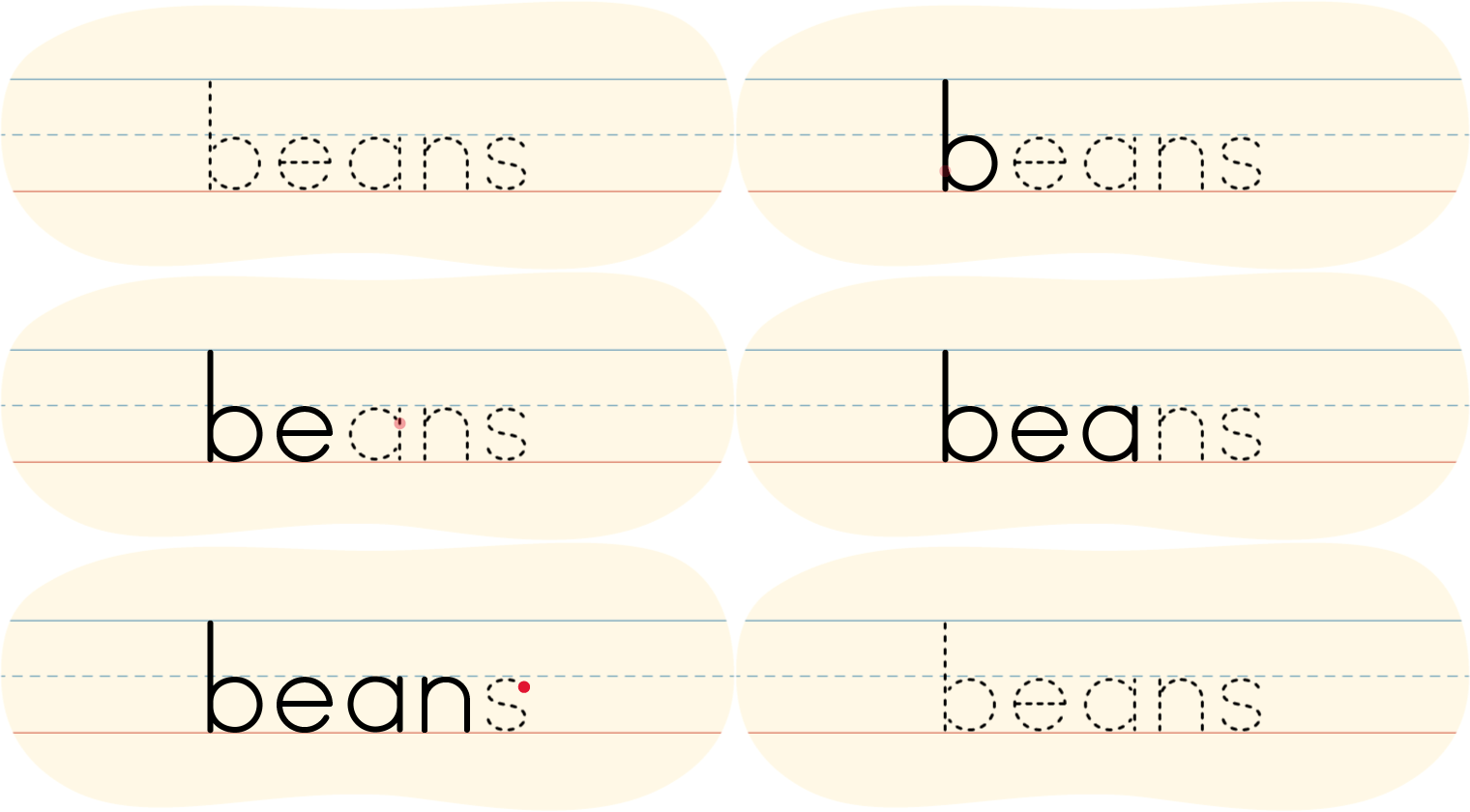
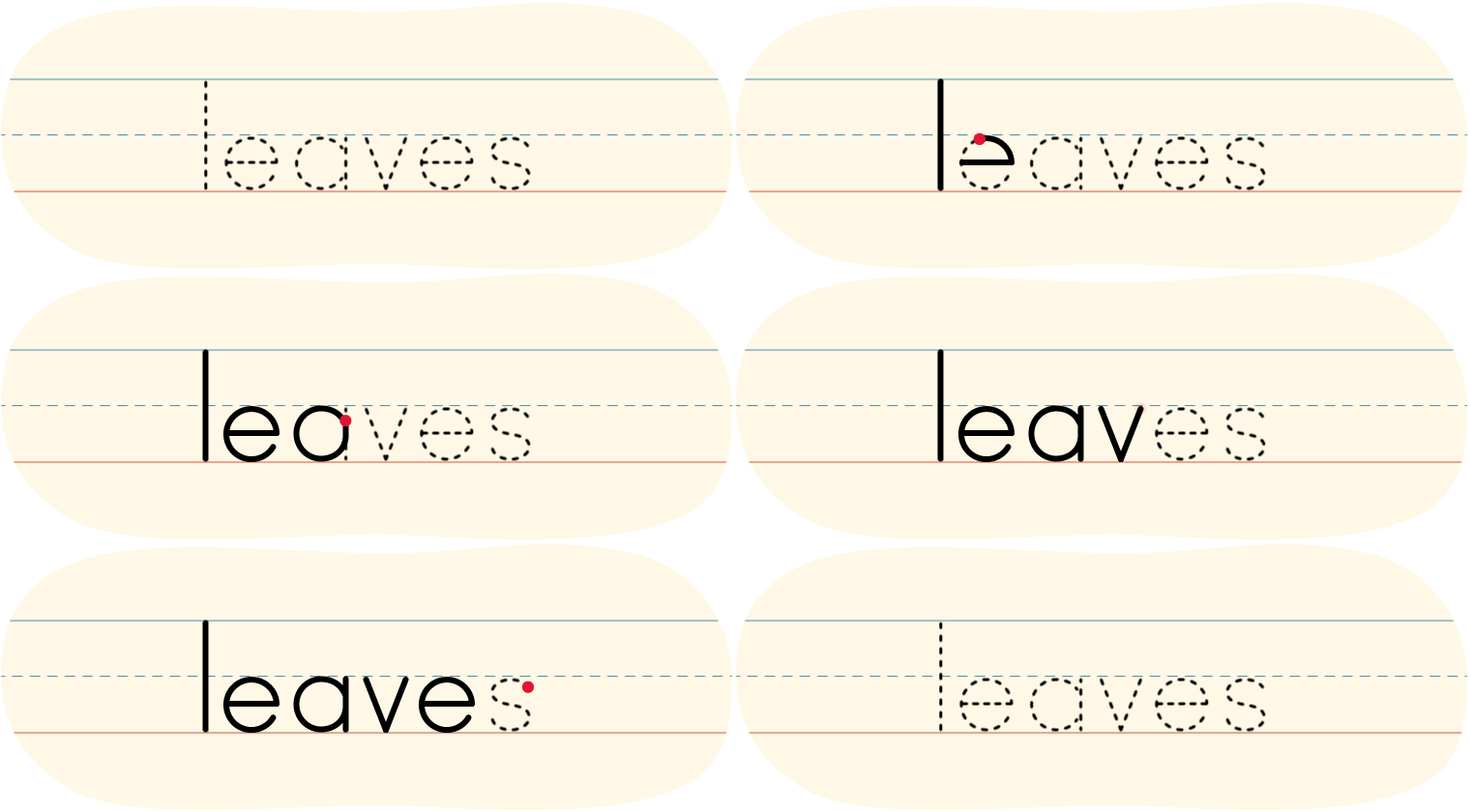
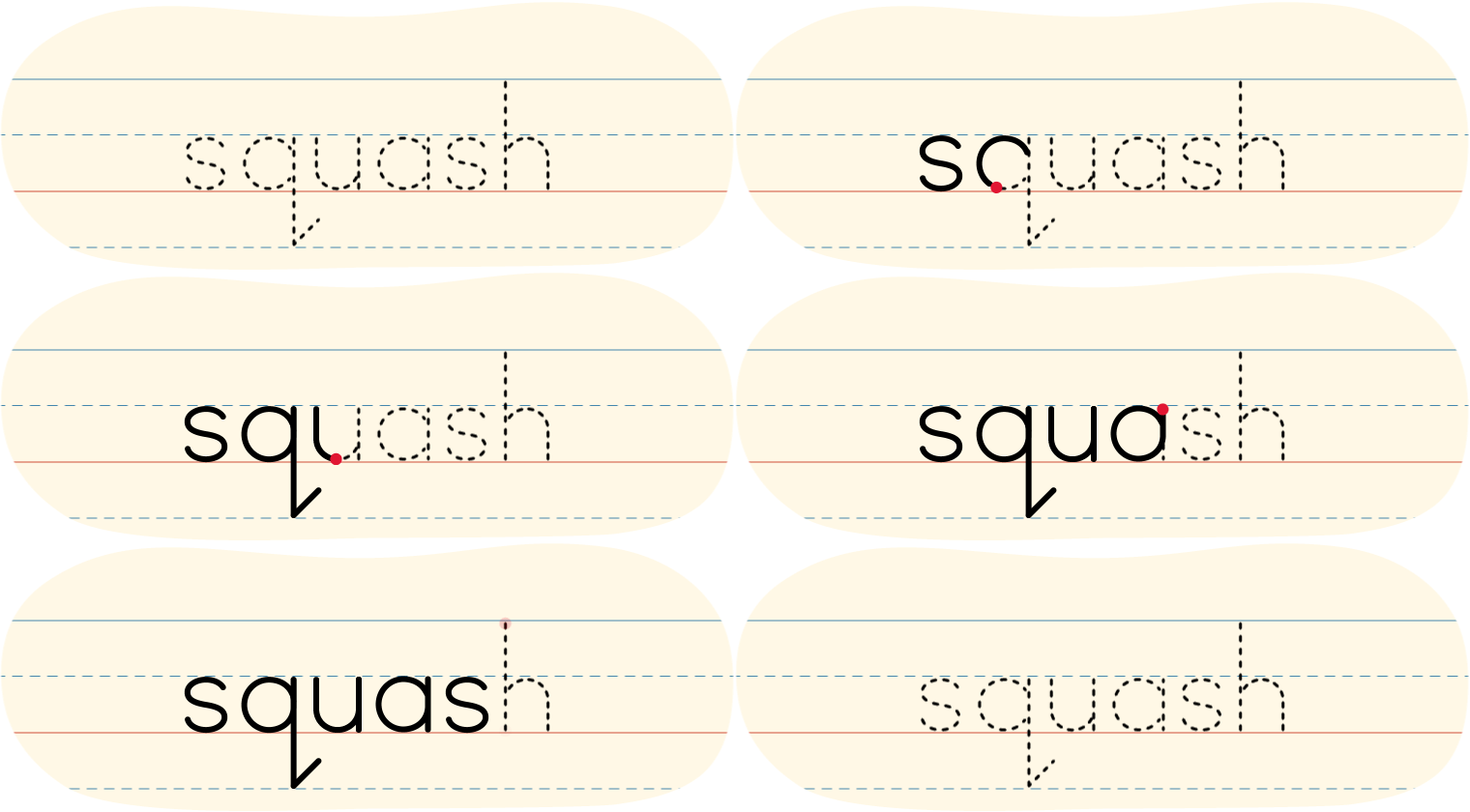
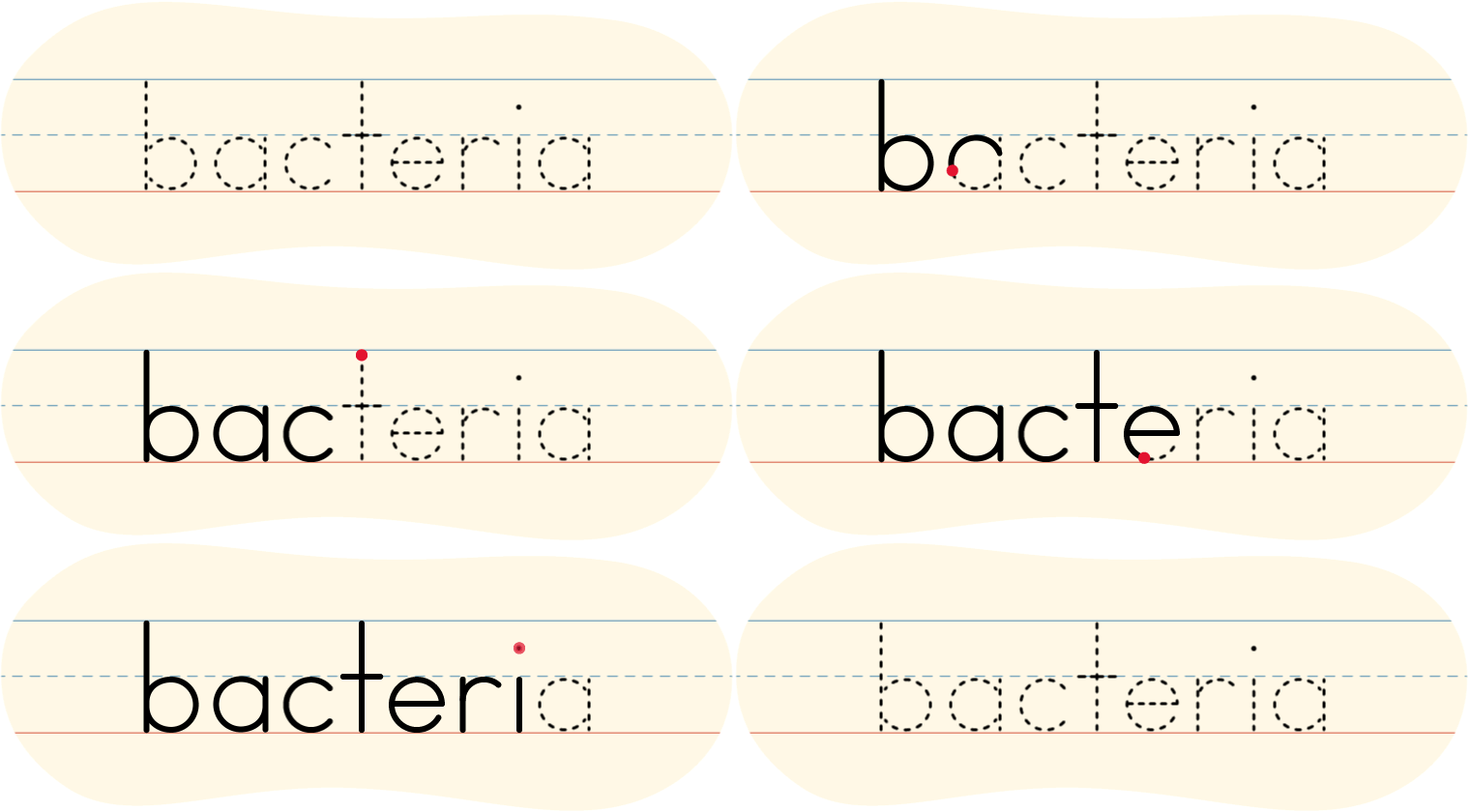
Which words begin with tall letters?
Press Reveal to find out!
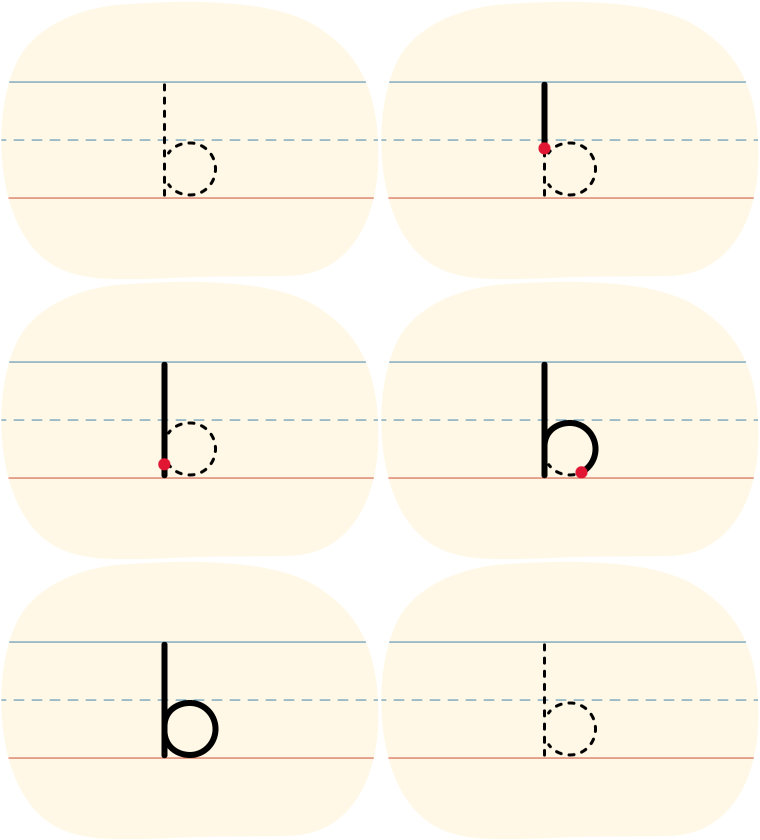
The words beans and bacteria both begin with a tall letter "b".
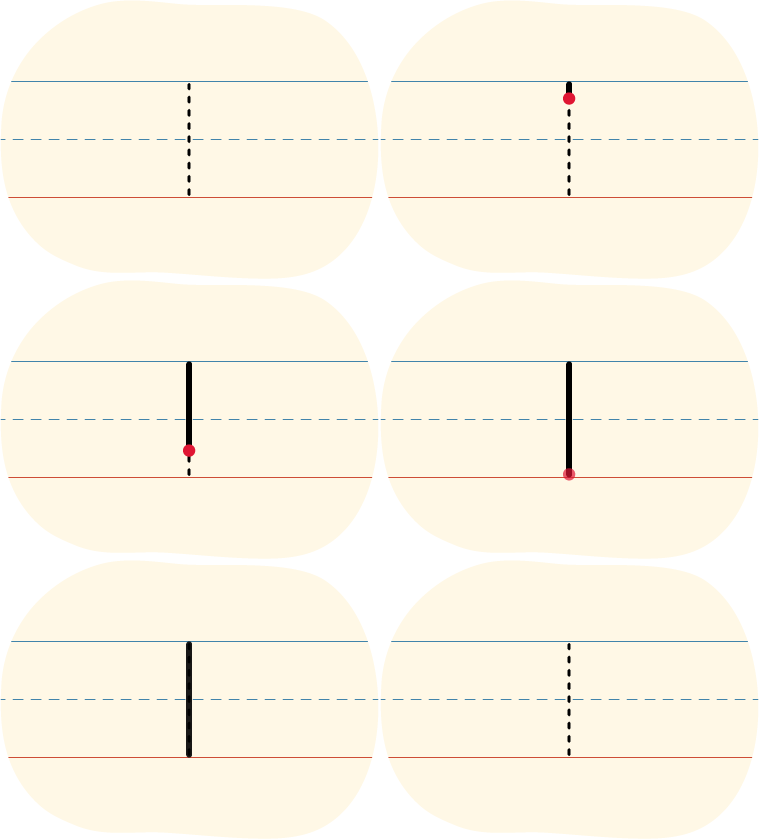
The word leaves begins with a tall letter "l".

Adjectives
Did you notice that Hope uses describing words or adjectives to describe her squash?
She makes sure they are nice, round, big and healthy before she harvests them!
An adjective is a word that describes something by telling us more about it. It can describe how something looks, feels, sounds, tastes, or acts.
For example:
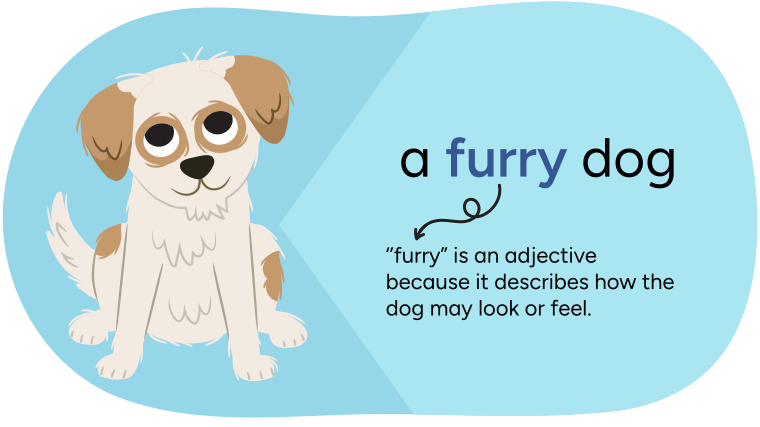
A small furry white dog with brown spots. The text next to the dog reads: 'a furry dog.' An arrow points to the word 'furry', followed by the definition: '"furry" is an adjective because it describes how the dog may look or feel.'
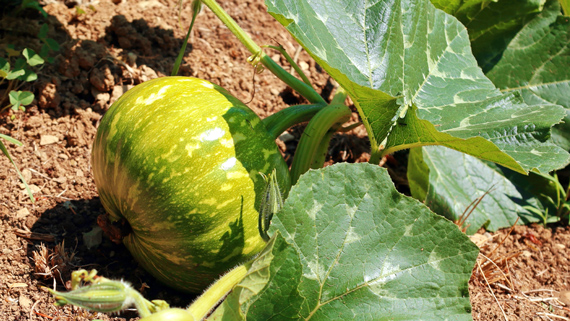
Let’s explore some different adjectives we can use to describe each plant!
For example:
The squash is green, big, and round.

Try It
You try!
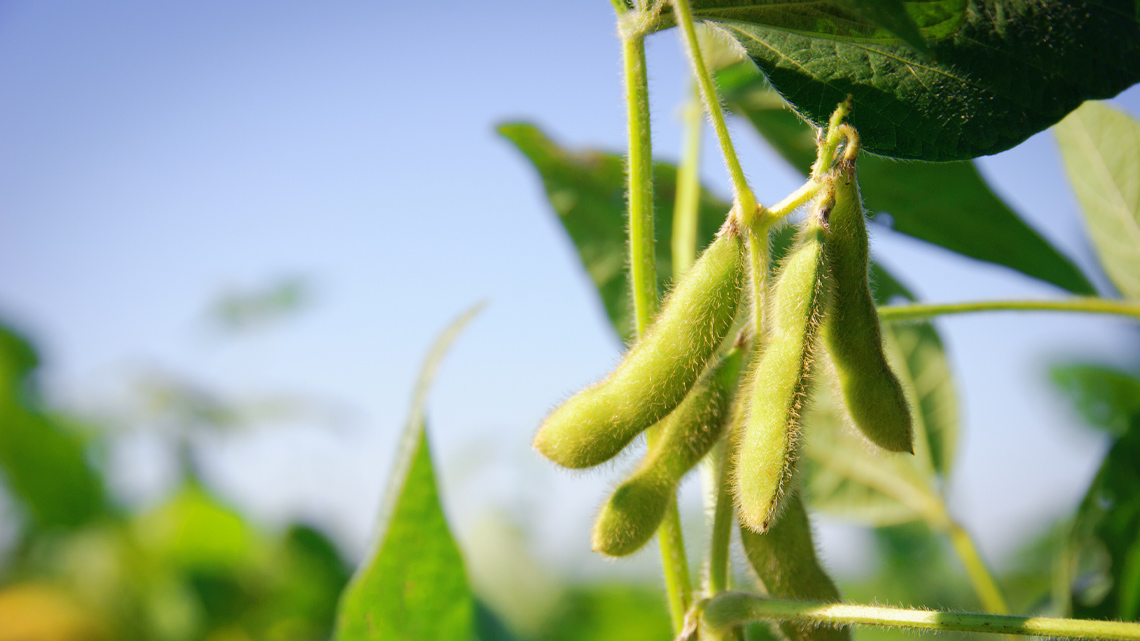
What describing words or adjectives would you use to describe beans and corn that are ready to harvest?
Create your own sentence with 2-3 adjectives that describe each plant. Record these sentences in your notebook or using another method of your choice.

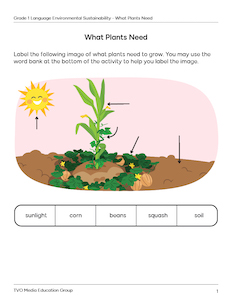
Let’s label!
Complete the fillable and printable What Plants Need activity in your notebook or using the following document.
Once you have completed labelling the image, press Reveal to check your work.
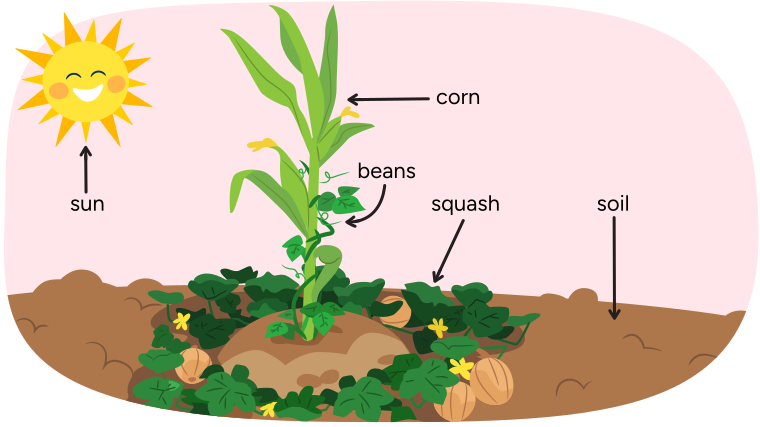
A diagram labeling the corn, beans, and squash plants growing together. The bean plant is wrapped around the corn plant and the squash plant is growing around them. There are also labels for the sun and the soil which the plants are growing in.
What did you learn from Hope?
How do the corn, beans and squash plants help each other?
Record your answers using a method of your choice.
Adjective review
Match each plant image to the correct adjectives that describe it.
Reflection
How do you feel about what you have learned in this activity? Which of the next four sentences best matches how you are feeling about your learning? Press the button that is beside this sentence.

I feel...
Now, record your ideas about your feelings using a voice recorder, speech-to-text, or writing tool.