Learning goals
We are learning to…
- use our critical thinking and problem-solving skills in everyday life
- read simple texts
- make simple inferences to understand simple texts
- create specific types of texts using different tools and strategies
- share our personal voice in our texts using words that express our thoughts and feelings
Success criteria
I am able to…
- read simple diagrams about animals
- use my critical thinking and problem-solving skills to figure out each animal’s needs
- create a poster sharing tips about how to keep animals safe and share my thoughts using pictures and words



The six basic needs
Just like humans, animals need specific things to live a safe and healthy life.
Press the following tabs to learn about the six basic needs of animals.
Animals need heat to live.
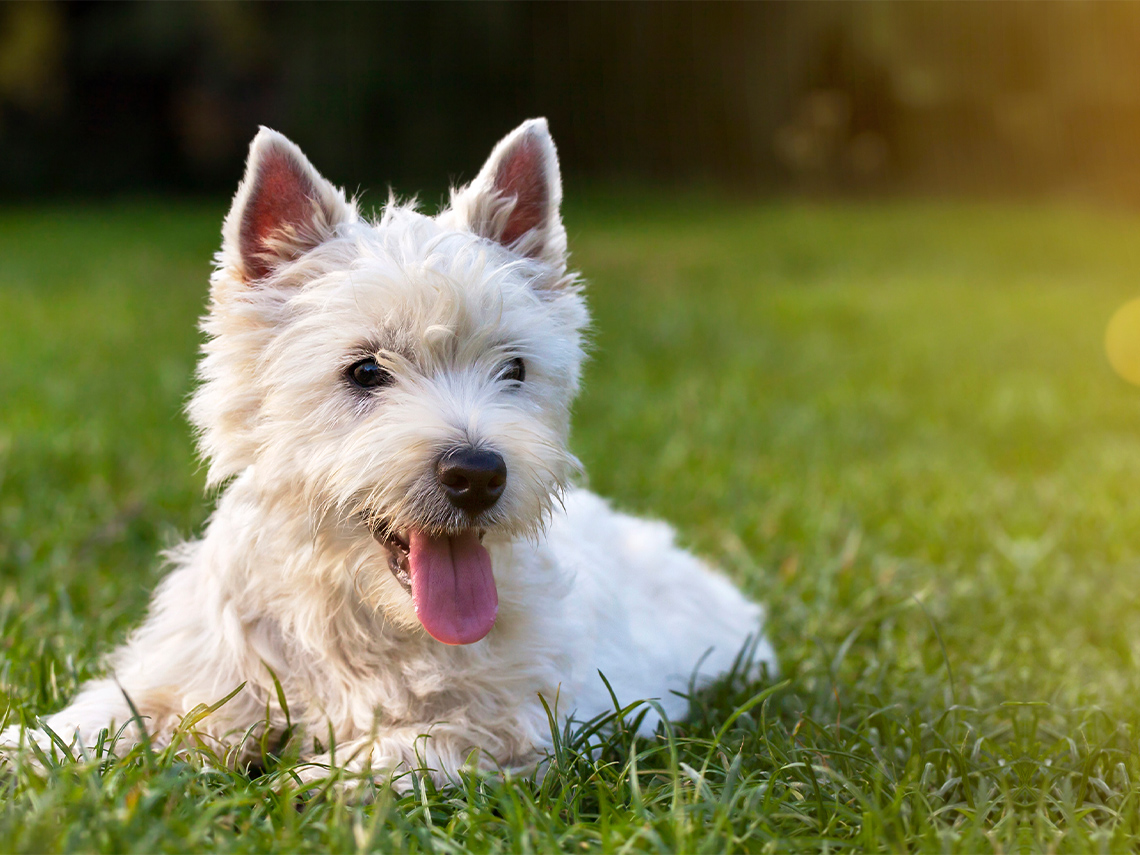
Animals need air to breathe. Some animals have lungs that help them breathe, others have gills.
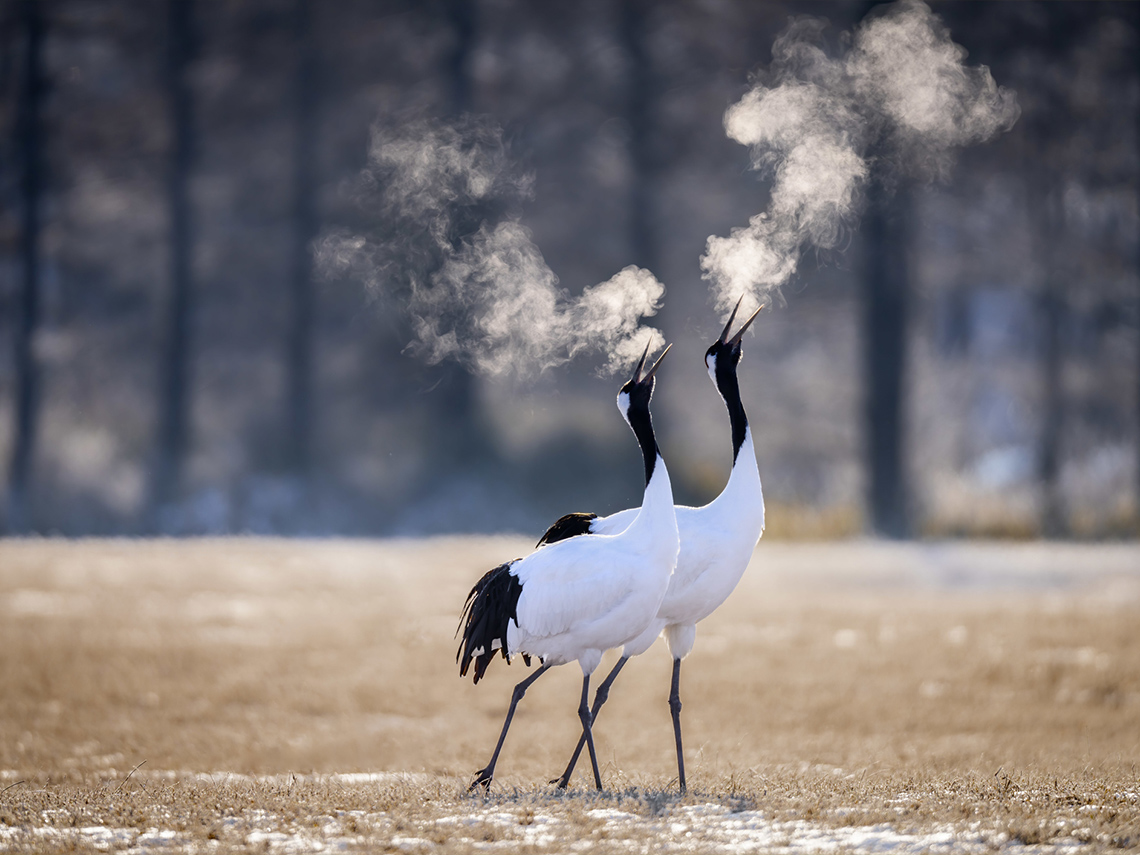
Animals need food to give them energy and help them grow strong and healthy.
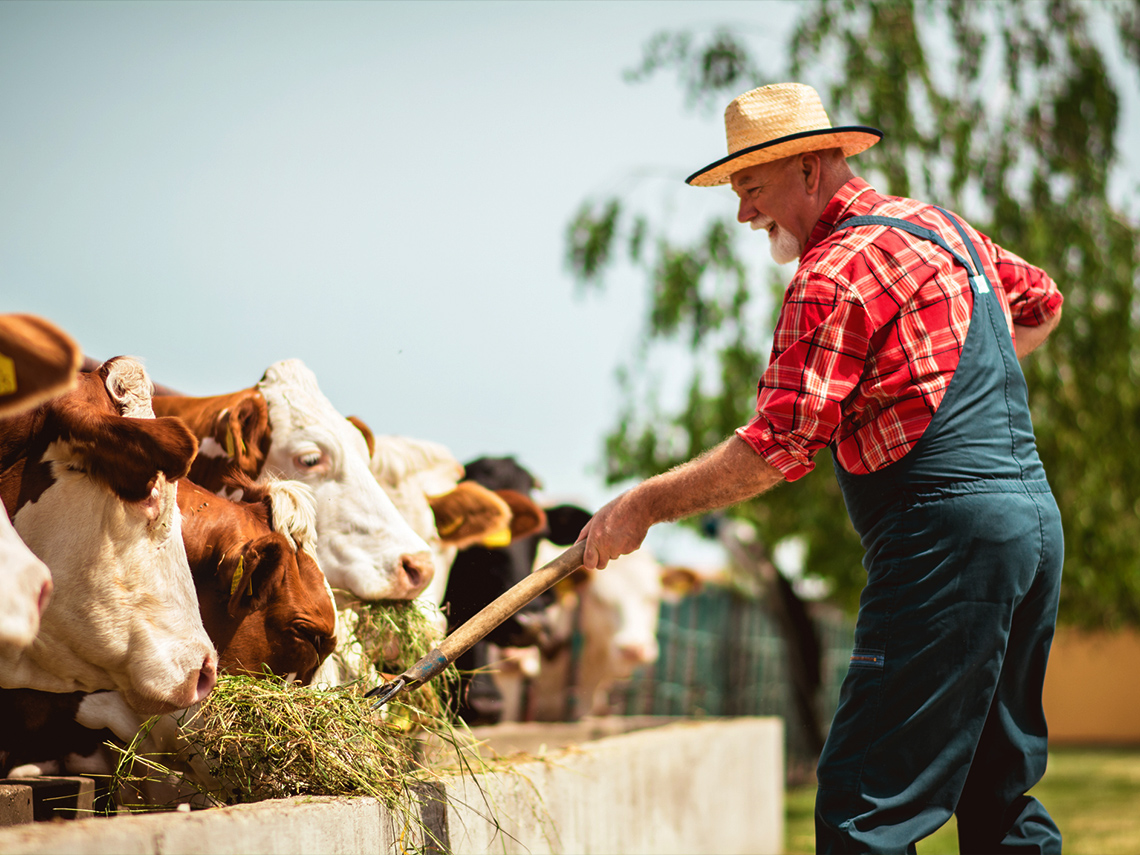
Animals need clean water to drink.
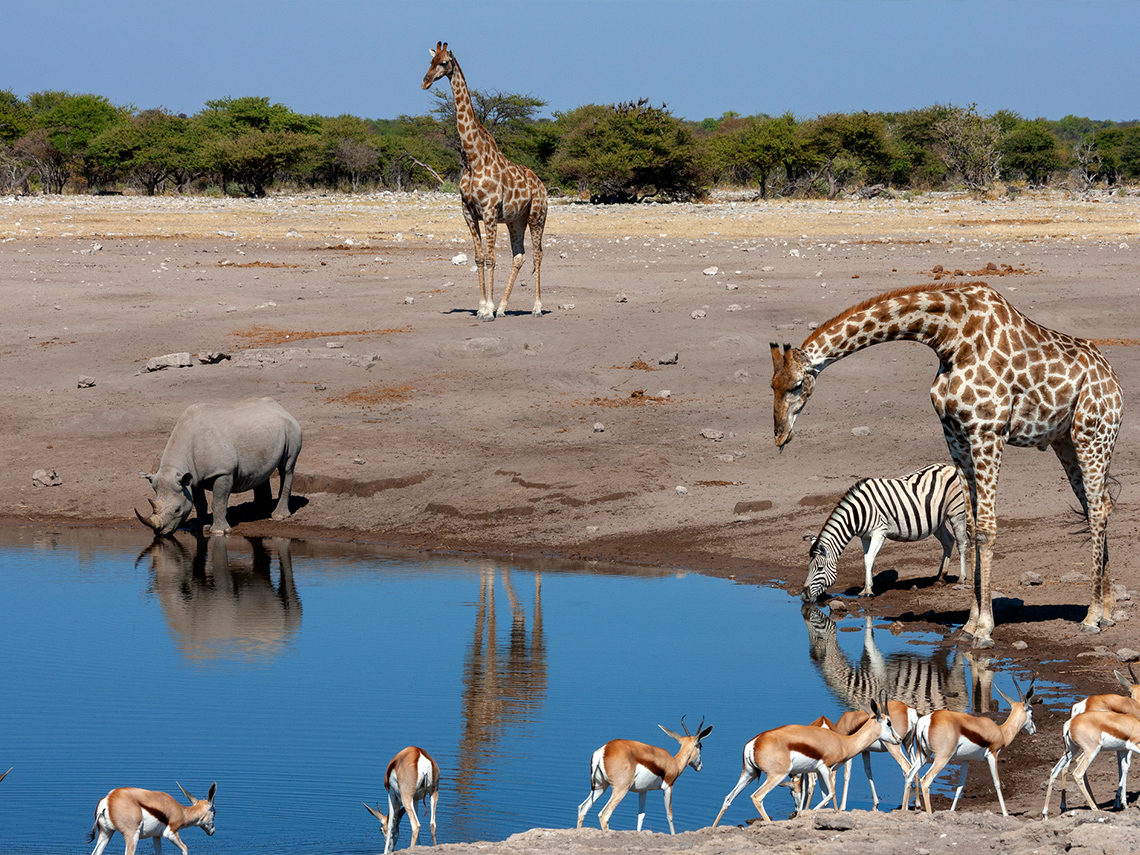
Animals need space to move.
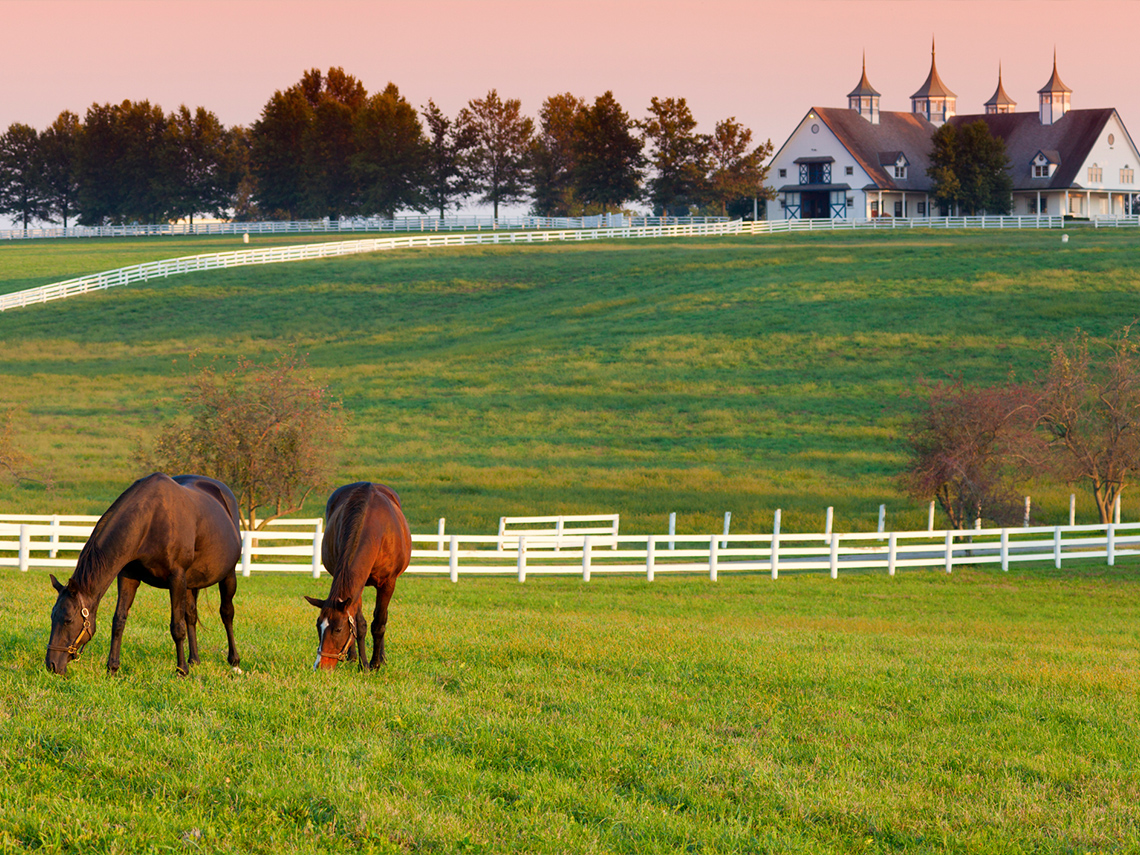
Animals need shelter or a safe place to rest.
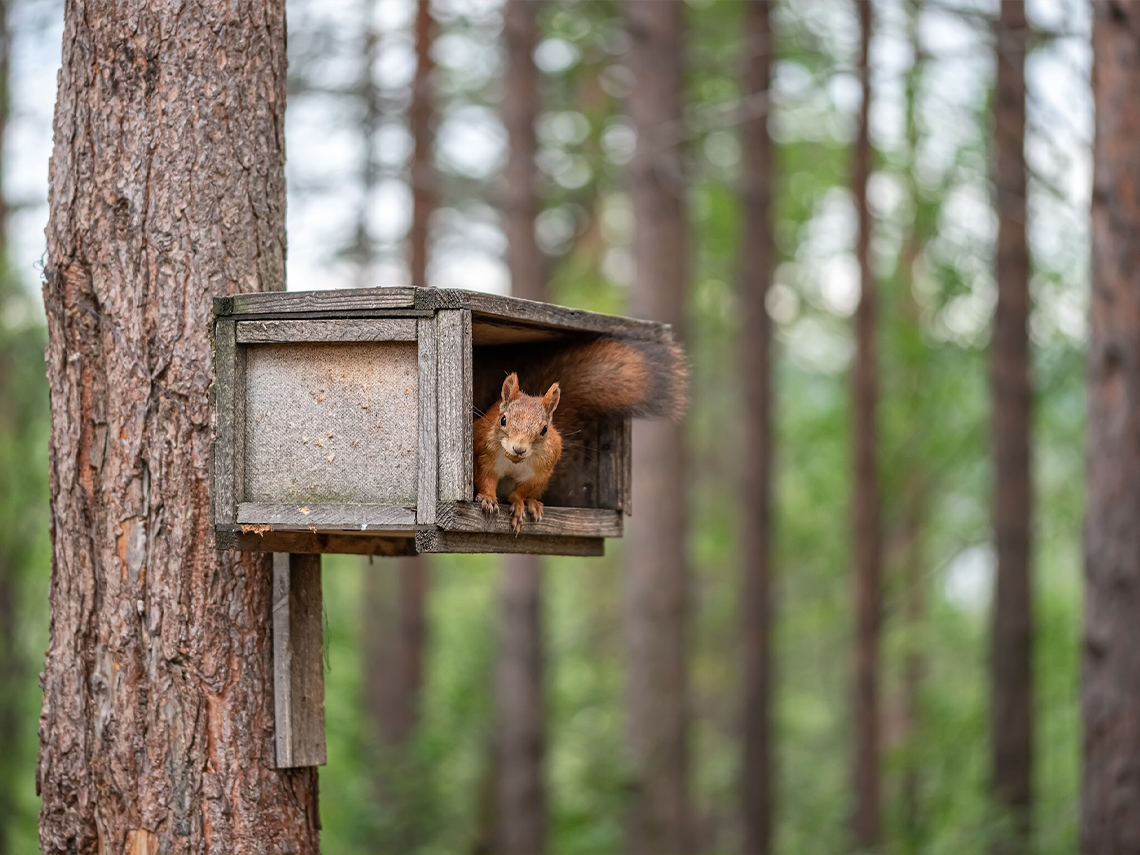

Did You Know?
Did you know?
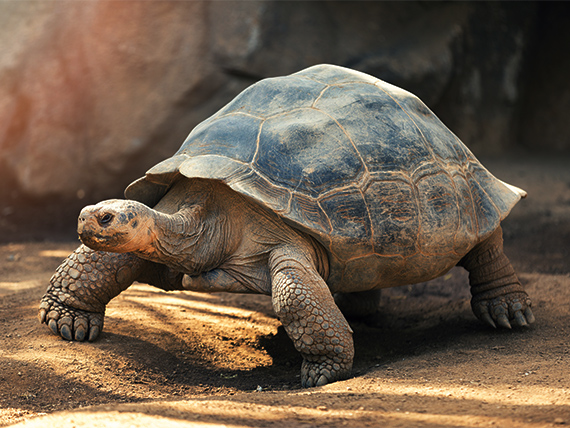
Did you know that some animals carry their homes with them? For example, tortoises carry their shelters on their backs!
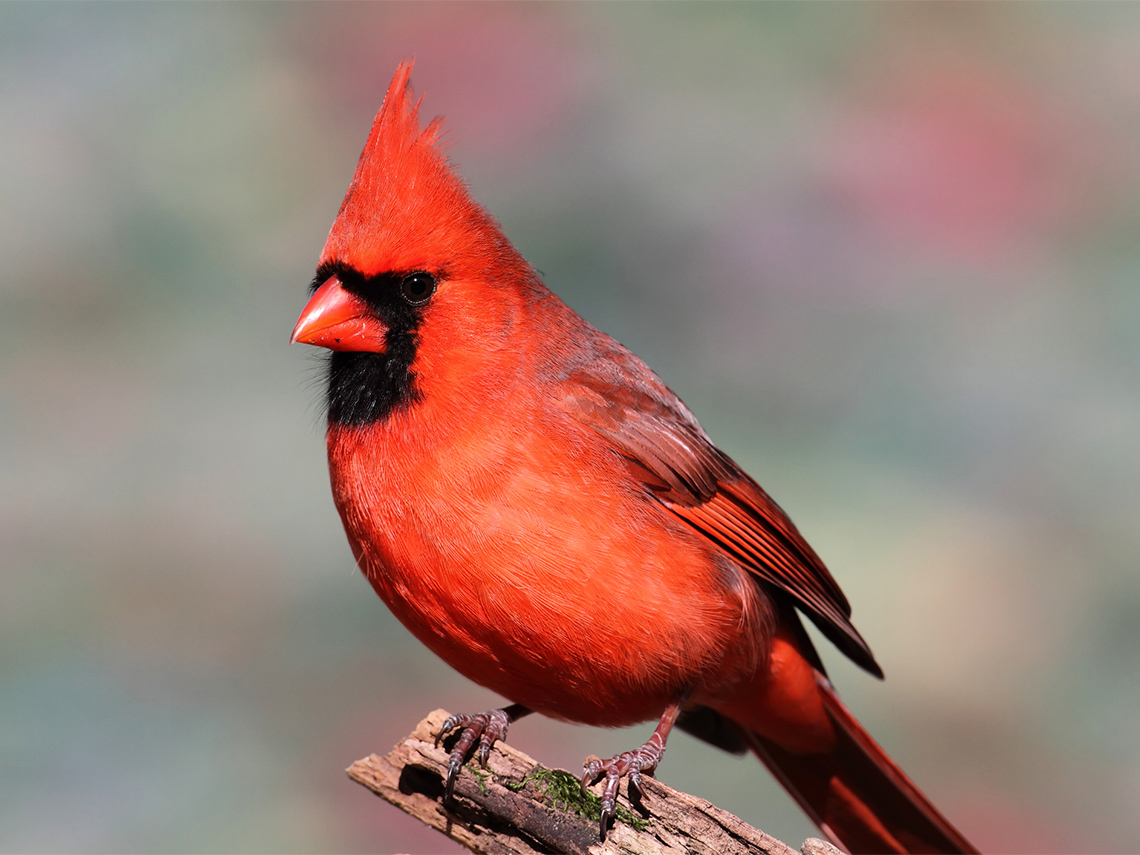
Cardinal
Let’s return to the animals in the Minds On section.
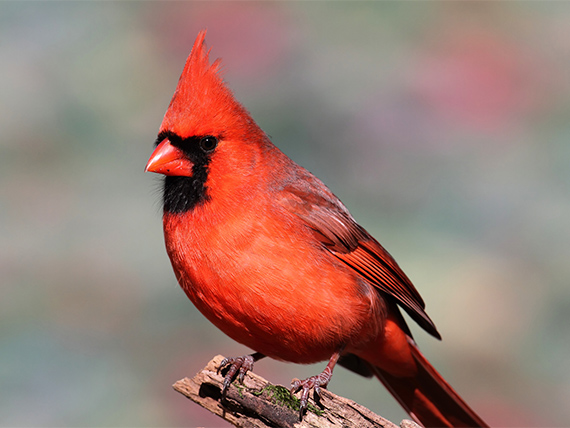
A cardinal is a type of bird. Cardinals create nests in tall trees or thick bushes. Cardinals eat seeds and berries.
Can you find the cardinal in the following image?
What do you notice in the cardinal’s environment?
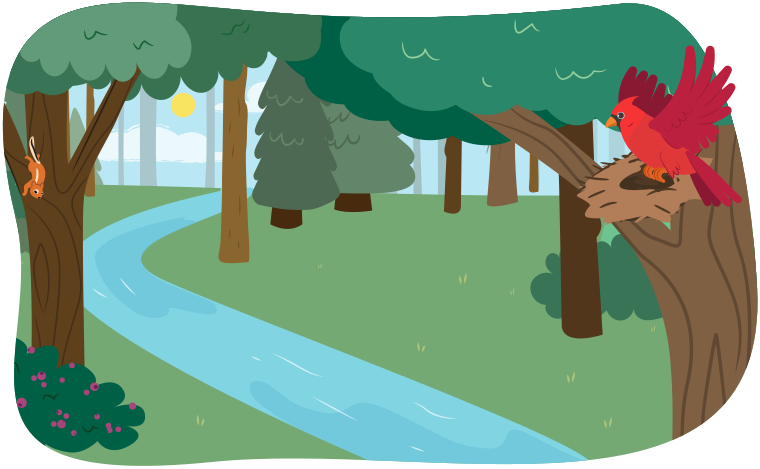
A sunny forest with a flowing river, large trees, and a bush with berries. There is a cardinal sitting in a nest, high up in one of the trees.
Next, let’s think about the six basic needs:
- Heat
- Air
- Food
- Water
- Space
- Shelter
Does the following environment meet the cardinal’s basic needs?
Use the following fillable and printable document to label the image with the cardinal’s basic needs.
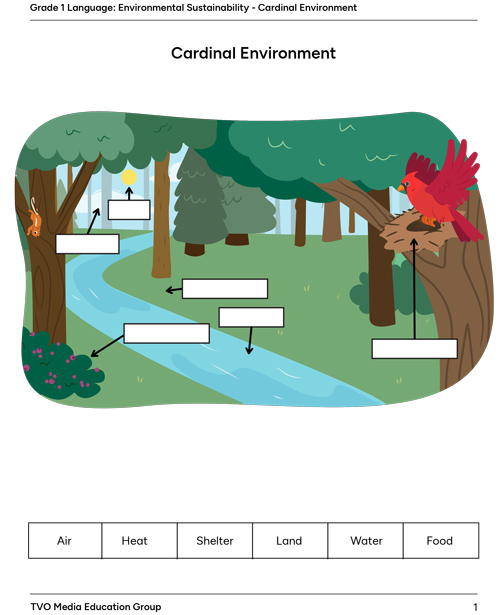
Press Sample Answer to reveal the images with labels.
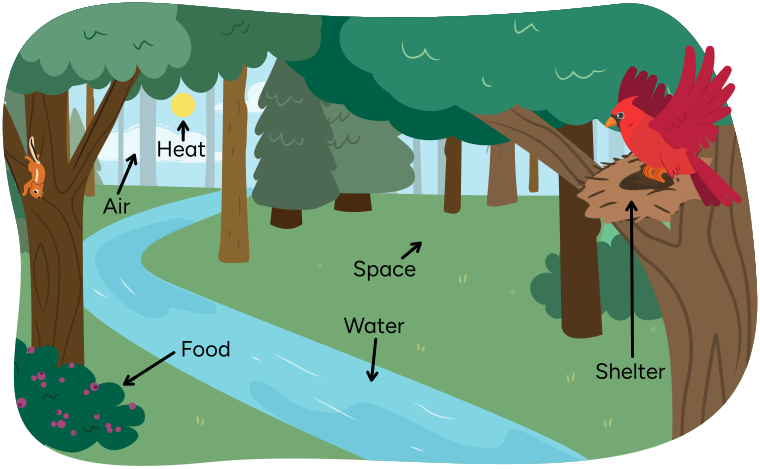
A sunny forest with a flowing river, large trees, and a bush with berries. There is a cardinal sitting in a nest, high up in one of the trees. Labels are placed throughout the image to show the six basic needs: 'Air pointing to the air, 'Food' pointing to the berries in the bush, 'Heat' pointing to the sun, 'Space' pointing to the area in the forest, 'Water' pointing to the river, and 'Shelter' pointing to the nest.
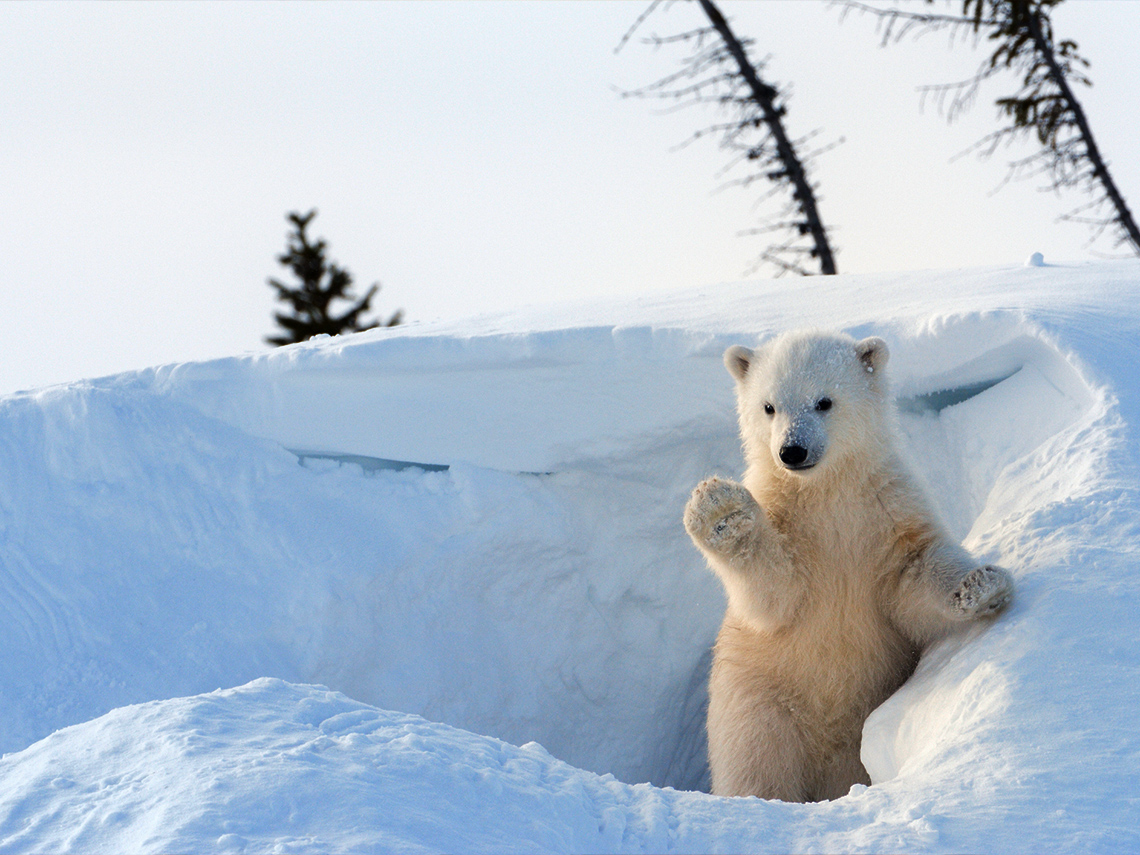
Polar bear
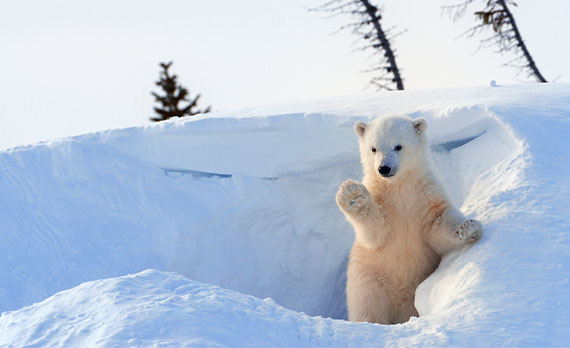
Next, let’s learn more about polar bears.
Polar bears have thick fur and live in cold, frozen areas. They eat fish and other animals.
Can you find the polar bear in the following image?
What do you notice in the polar bear’s environment?
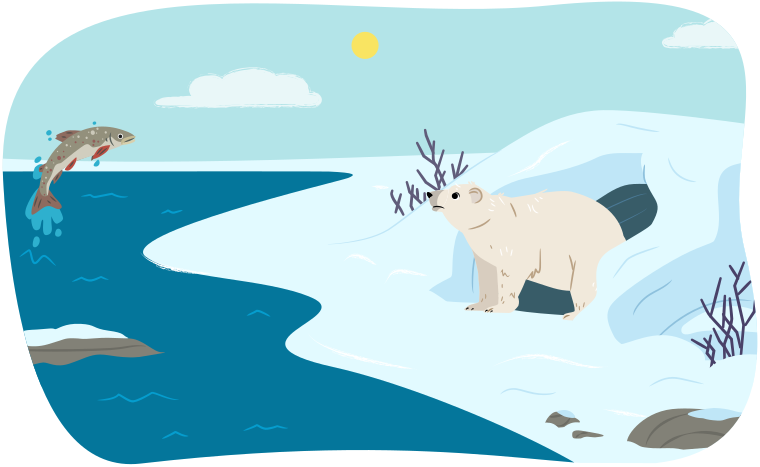
Next, let’s think about the six basic needs.
Does the following environment meet all the polar bear’s basic needs?
Use the following fillable and printable document to label the image with the polar bear’s basic needs.
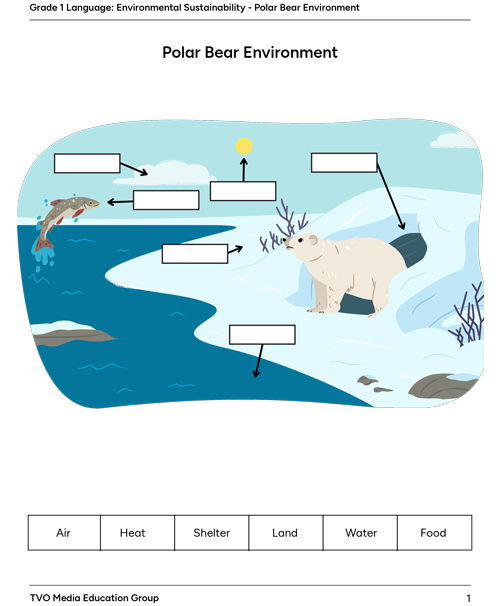
Press Sample Answer to reveal the images with labels.
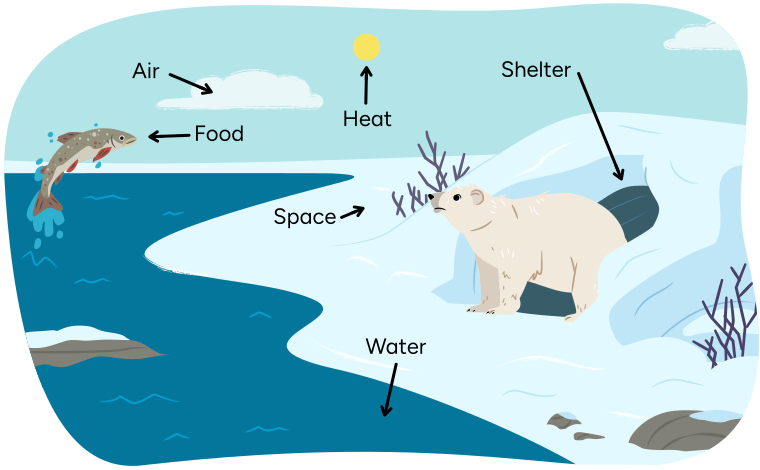
A sunny and snowy place with a polar bear coming out of its cave. There is some water nearby with a fish jumping out of it. Labels are placed throughout the image to show the six basic needs: 'Air pointing to the air, 'Food' pointing to the fish jumping out of the water, 'Heat' pointing to the sun, 'Space' pointing to the area around the cave, 'Water' pointing to the water, and 'Shelter' pointing to the cave.
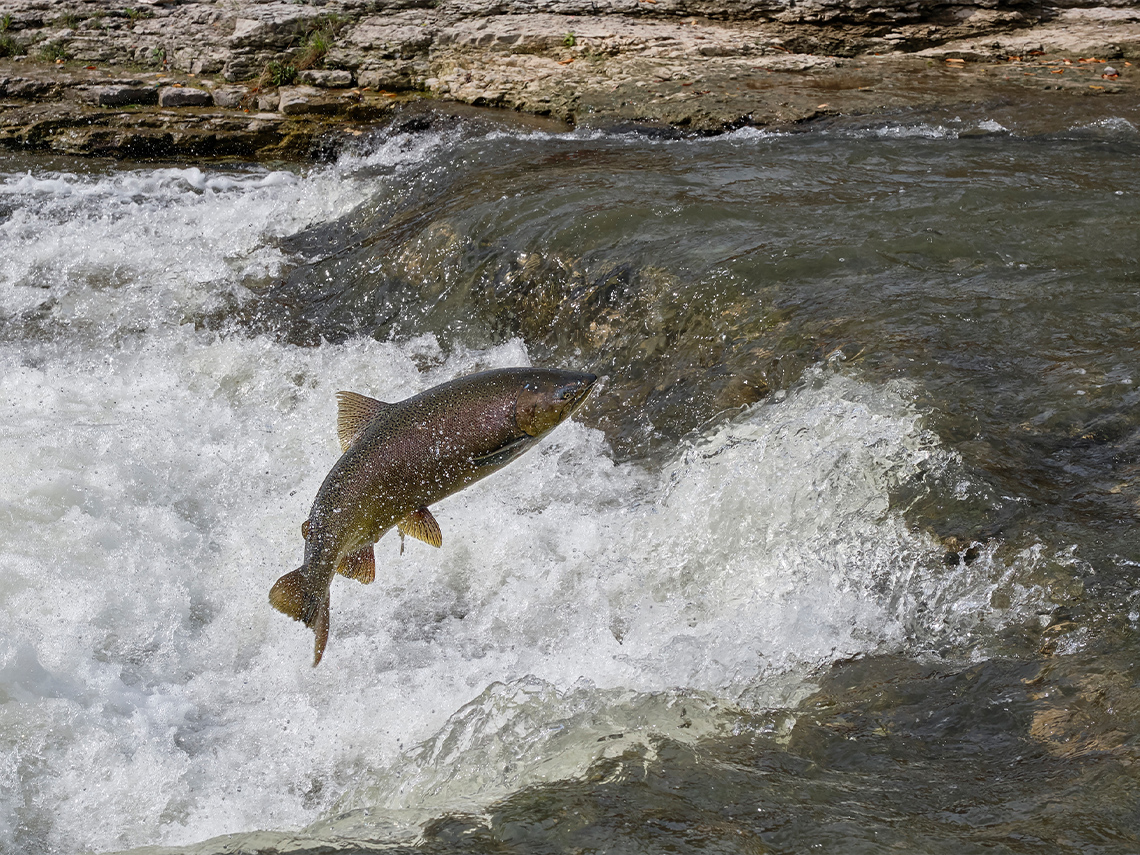
Salmon
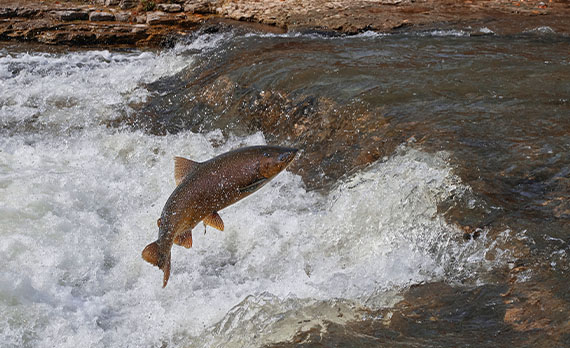
Finally, let’s learn more about salmon.
Some salmon live in lakes and rivers and eat different types of flies.
Can you find the salmon in the following image?
What do you notice in the salmon’s environment?
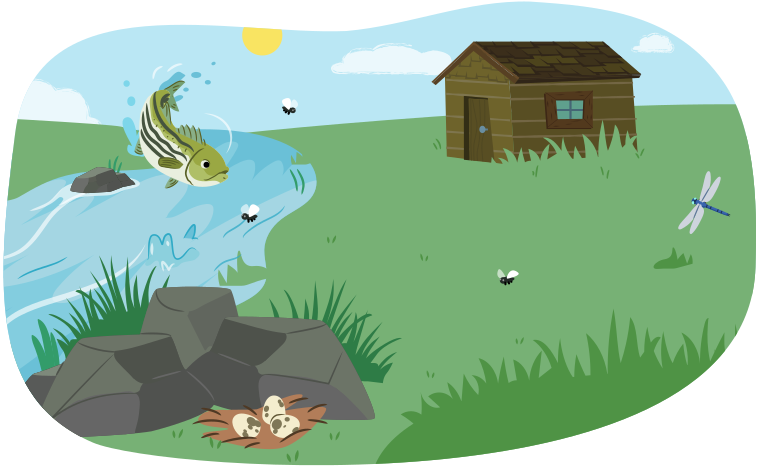
A sunny and grassy field with a flowing river where a salmon is jumping out of the water. There are flies and a dragonfly flying near the river.
Next, let’s think about the six basic needs.
Does the following environment meet all the salmon’s basic needs?
Use the following fillable and printable document to label the image with the salmon’s basic needs.
Press Hint to reveal a tip before you begin.
Shelter and water are the same thing for salmon!
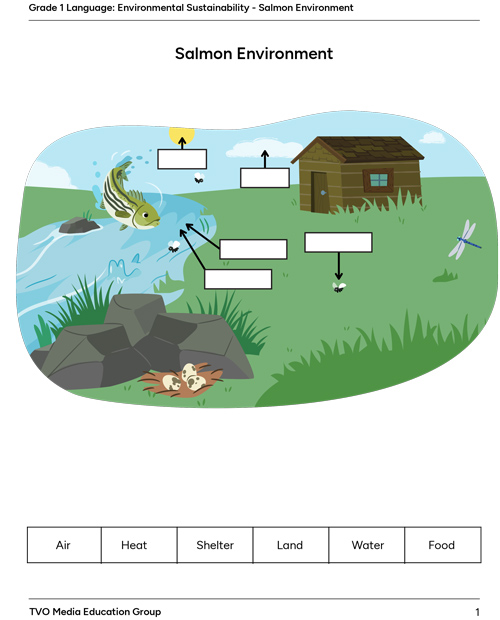
Press Sample Answer to reveal the images with labels.
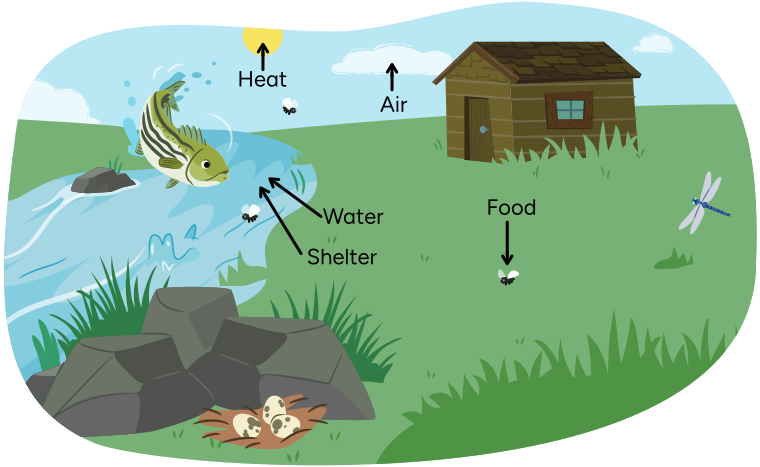
A sunny and grassy field with a flowing river where a salmon is jumping out of the water. There are flies and a dragonfly flying near the river. Labels are placed throughout the image to show the six basic needs: 'Air pointing to the air, 'Food' pointing to a fly, 'Heat' pointing to the sun, 'Water' pointing to the river, and 'Shelter' pointing to the river.
Did You Know?
Did you know?
Did you know that planting trees can help make the air cleaner? Some trees can live for over 100 years! These trees can keep the air clean for a long time.
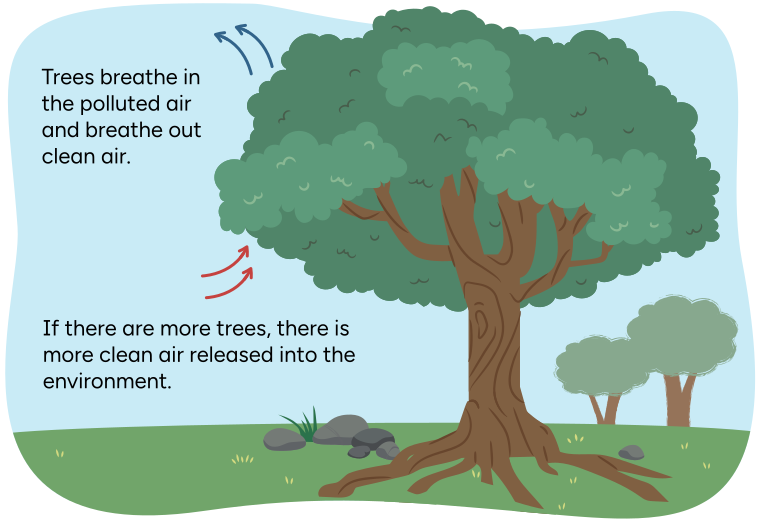
A large tree with arrows showing how trees help make the air cleaner. Blue arrows point away from the tree and red arrows point towards the tree. The text beside the tree reads: 'Trees breathe in the polluted air and breathe out clean air. If there are more trees, this is more clean air released into the environment.'
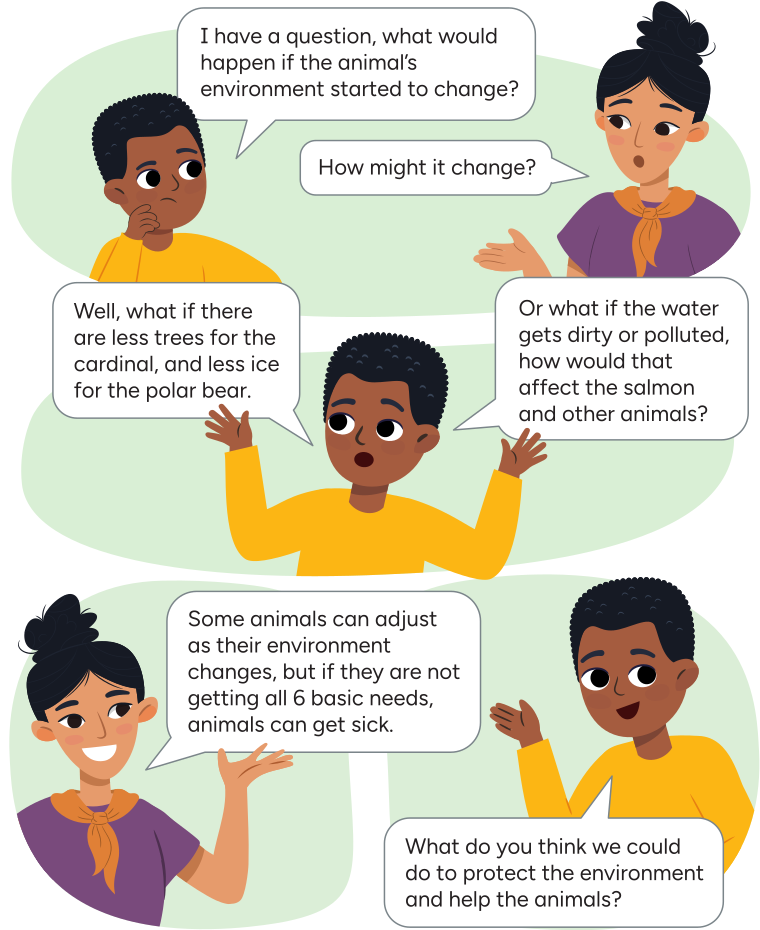
Arthur and teacher Chelsea having a conversation.
Arthur says: 'I have a question, what would happen if the animal's environment started to change?'
Teacher Chelsea says: 'How might it change?'
Arthur says: 'Well, what if there are less trees for the cardinal, and less ice for the polar bear. Or what if the water gets dirty or polluted, how would that affect the salmon and other animals?'
Teacher Chelsea says: 'Some animals can adjust as their environment changes, but if they are not getting all 6 basic needs, animals can get sick.'
Arthur asks: 'What do you think we could do to protect the environment and help the animals?'
Share your thoughts with a partner, if possible.
Small actions – big difference!
Can you think of any other tips you might share that helps keep animal environments clean and safe?
Record your ideas using a method of your choice.
Types of sentences
We have learned about different kinds of sentences as a group of words that tells a complete idea.
A declarative sentence tells us a fact or an idea. It starts with a capital or big letter and ends with a period.
An interrogative sentence asks a question. It starts with a capital or big letter and ends with a question mark.
An imperative sentence gives a command that we can follow. It starts with a capital or big letter and ends with a period.
There is another sentence we can use when we are expressing strong feelings or emotions or trying to stress something important.
This is called an exclamatory sentence. For example:
It’s important to respect animal homes!
Please throw your trash in the bin!
Did you notice that the sentence began with a capital or big letter?
What kind of mark was at the end?
Press Hint to reveal details about exclamatory sentences.

Exclamatory sentences start with a capital letter and end with an exclamation mark!

Putting it all together
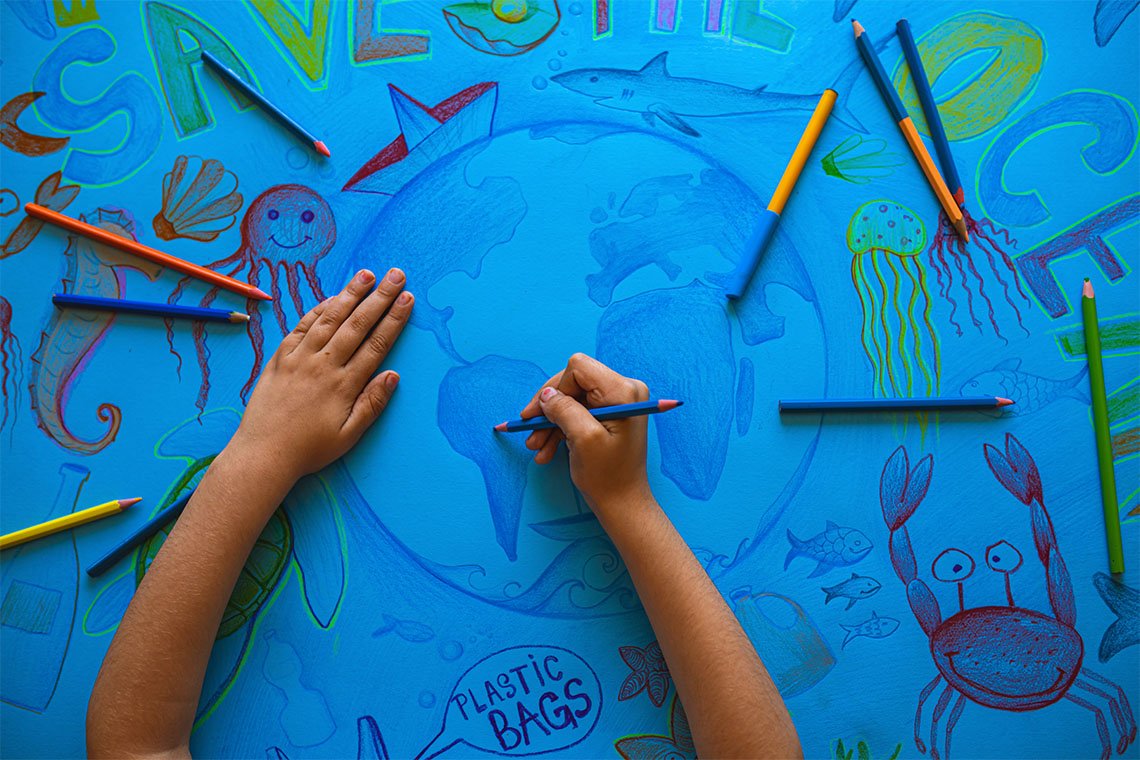
Let’s create a poster sharing one or two tips on how to keep animal environments healthy and safe.
- choose one or two tips to write using exclamatory sentences
- create a drawing to share your tip idea
In your notebook or using a method of your choice, create a poster that includes:
- words or sentences
- a clear message
- drawings
Press Hint to reveal an example of a poster to help you get started.
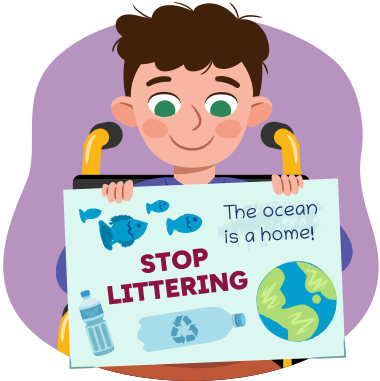
Hunter holding a poster titled 'STOP LITTERING.' It has images of fish, plastic bottles, and the Earth, as well as text that says: 'The ocean is a home!'
Notice how this poster has:
- a short, clear message
- eye-catching drawings
- bold colours
- big words
Look at your poster. Check all that apply:
Let’s review!
Let’s review the six basic needs of animals. For each sentence, select the missing word from the drop-down menu. Press Check Answer to see how you did.
Reflection
How do you feel about what you have learned in this activity? Which of the next four sentences best matches how you are feeling about your learning? Press the button that is beside this sentence.

I feel...
Now, record your ideas about your feelings using a voice recorder, speech-to-text, or writing tool.