Learning goals
We are learning to…
- show an understanding of the forms, conventions, and techniques of a variety of media texts
- identify and explain how specific words, word patterns, and sentence structures help to convey meaning
- identify consonance in texts and describe how it helps convey meaning
- create specific types of texts using different tools and strategies, and use descriptive words to express ourselves
- present our texts by reading aloud with expression and other strategies
- identify a few strategies we found helpful when presenting our texts
Success Criteria
I am able to…
- explore haikus and describe the specific rules of a haiku
- identify and explain how describing words, repeating consonant sounds, and a specific number of syllables help to convey meaning in haikus
- create my own haiku by following the rules of haiku writing and reflecting on my learning
- present my haiku by reading aloud with expression and/or using other strategies
- identify a few strategies I found helpful when I read my haiku aloud

Let’s get started!
Explore the following images.
What kinds of words would you use to describe each image?
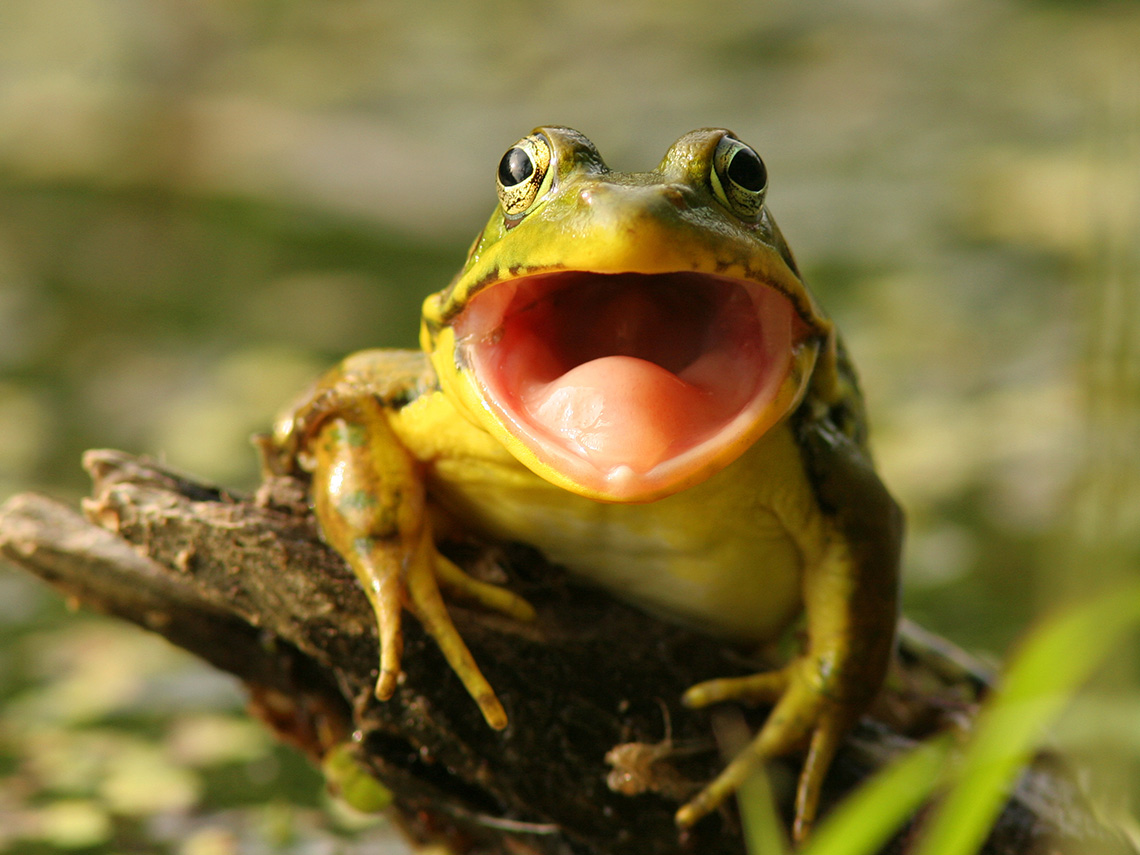
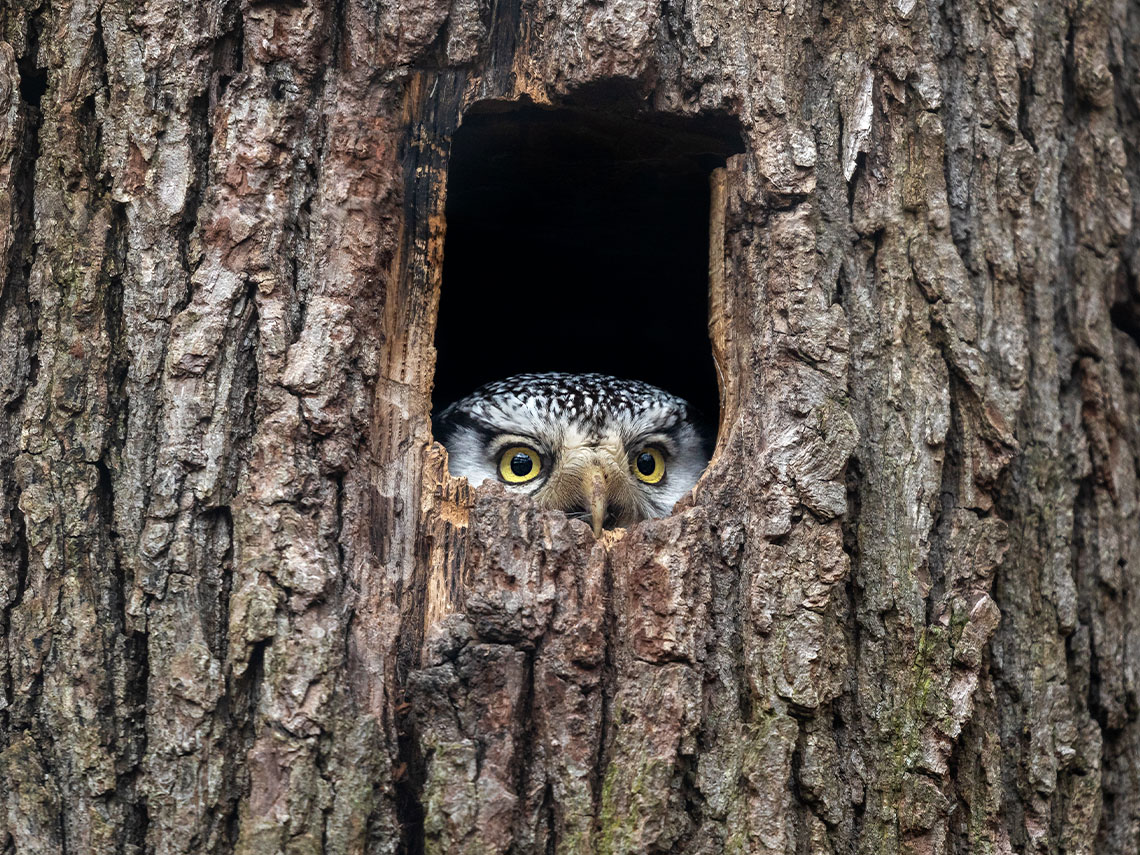




If possible, share your words with a partner. Are they the same or different?

Descriptive words
We can use descriptive words to describe a person, animal, place, or thing. These words are called adjectives.

Student Tips
Student tips
An adjective is a word that describes something by telling us more about it. It can describe how something looks, feels, sounds, tastes, or acts.
For example:
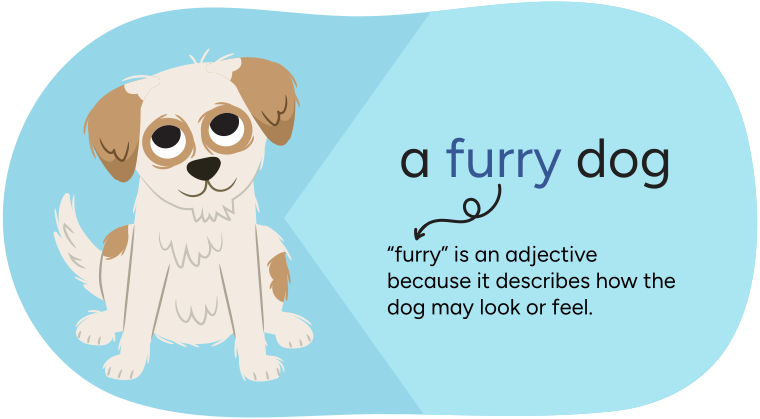
A small furry white dog with brown spots. The text next to the dog reads: 'a furry dog.' An arrow points to the word 'furry', followed by the definition: '"furry" is an adjective because it describes how the dog may look or feel.'
Let’s explore some different adjectives we can use to describe each animal!
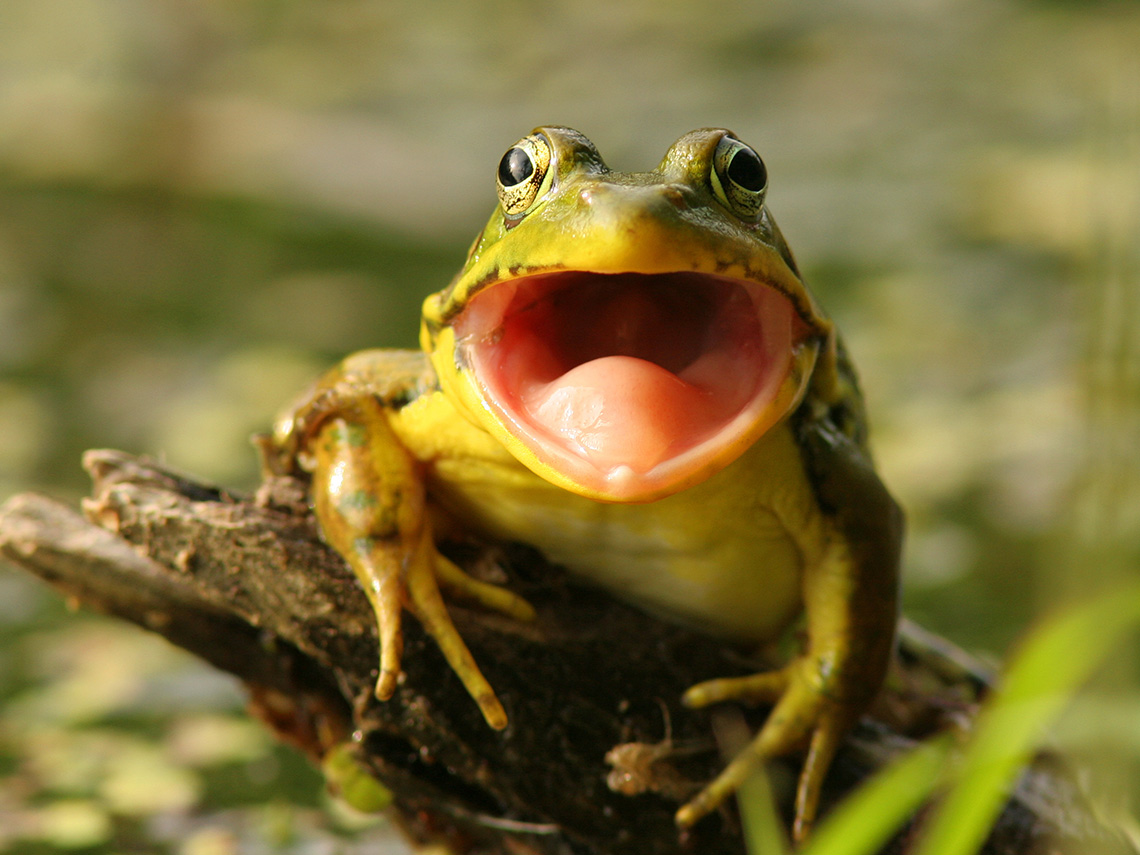
frog
- bumpy skin
- green skin
- loud voice
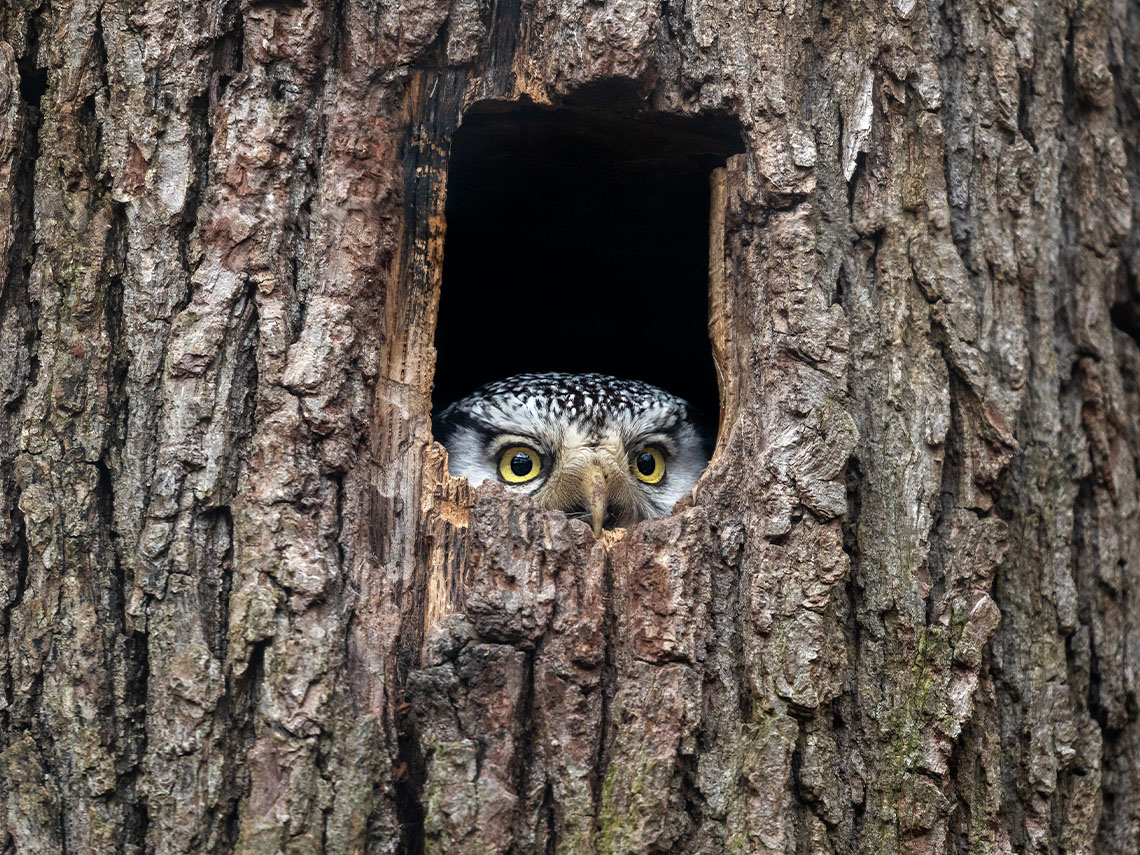
owl
- white and black feathers
- curved beak
- yellow eyes

geese
- long body
- feathery wings
- black, gray, and white bodies

reindeer
- furry bodies
- sharp horns
- big horns

otters
- slippery skin
- fuzzy bodies
- long whiskers

jellyfish
- colourful bodies
- long tentacles
- squishy feeling
When we use describing words or adjectives, we paint a word picture for the reader.
Are there any other words you would use to describe the animals in the carousel of images?
Poetry
Poems are a type of writing that describe thoughts, ideas, or emotions.
Poems use descriptive words or adjectives that can paint a picture in your mind when you read or hear them read aloud.
Some poems rhyme, others do not.
Different poems follow different rules.

Pause and Reflect
Pause and reflect
Have you explored poems before? If so, what do you remember about the poem?
Share your thoughts with a partner, if possible.
Randell Adjei
A person that writes a poem is called a poet.
Let’s learn from a real poet!
Randell Adjei is an author, speaker, arts educator, and community leader from Toronto, Ontario. In 2021, Randell was chosen to be Ontario’s first Poet Laureate.
His responsibilities as Poet Laureate include celebrating poetry by sharing and teaching it to others.

Check out the following clip where Randell Adjei shares tips on how to write a poem!
According to Randell Adjei, what are the three things we need to think about when we write a poem?
Press Reveal to check your answer!
- Be authentic (are you being true to yourself?)
- Know your why (why are you writing this poem?)
- Know your audience (how do you want others to feel when they read your poem?)
Let’s learn about haikus!
A haiku is a type of poem that started in Japan. Haikus are often written about nature.
A haiku has a special form. It is written in three lines and is 17 syllables long!
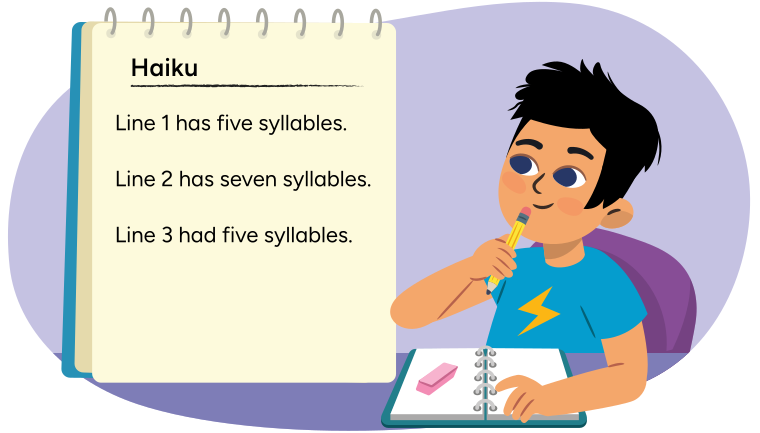
Tyler looking at a notebook page titled 'Haiku.' It reads: 'Line 1 has five syllables. Line 2 has seven syllables. Line 3 had five syllables.'
Press Reveal for more rules about haiku poems.
Haiku poems:
- do not rhyme (i.e. hat and cat are rhyming words)
- are often about nature
- do not have a title
Let’s explore four haikus about the four seasons: spring, summer, fall, and winter!
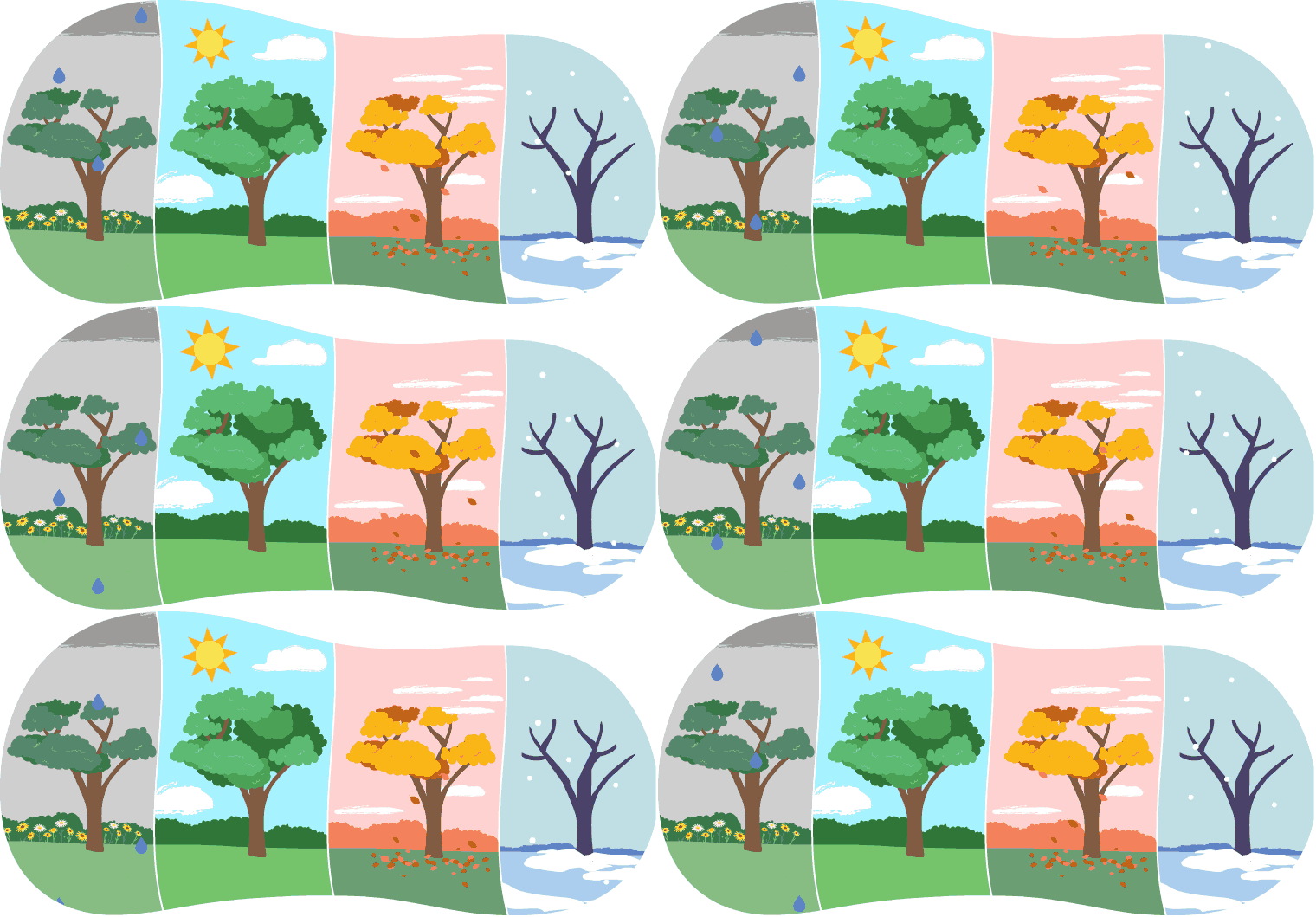
Read and/or listen to the following haiku poems. If you are listening, you may close your eyes.
Pause and Reflect
Pause and reflect
How did each haiku poem make you feel?
What word clues helped you figure out which season each haiku was about?
Press Hint to reveal word clues about one of the haiku poems.
In the haiku poem about summer, some word clues were:
- bright sun
- bees
- flower
These words can help us picture the warm and sunny days of the summer season!
Consonant sounds
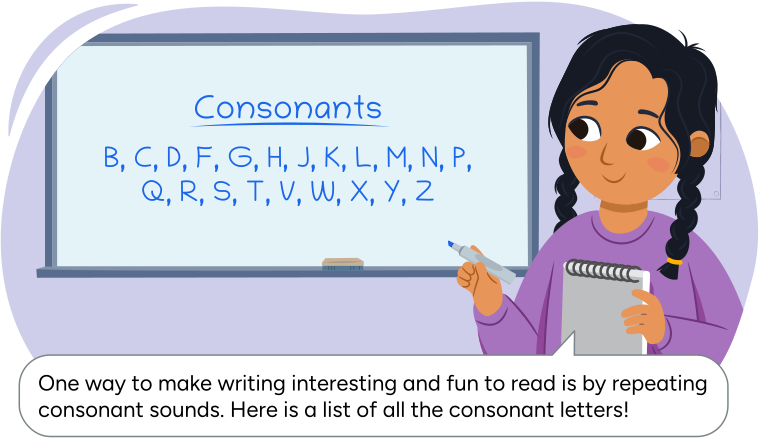
Sora points to a whiteboard and says: 'One way to make writing interesting and fun to read is by repeating consonant sounds. Here is a list of all the consonant letters!' The whiteboard displays the title 'Consonants' with the following letters: B, C, D, F, G, H, J, K, L, M, N, P, Q, R, S, T, V, W, X, Y, and Z.
Let’s explore some of the consonant sounds we hear in the haiku poems about the spring, fall, winter, and summer!
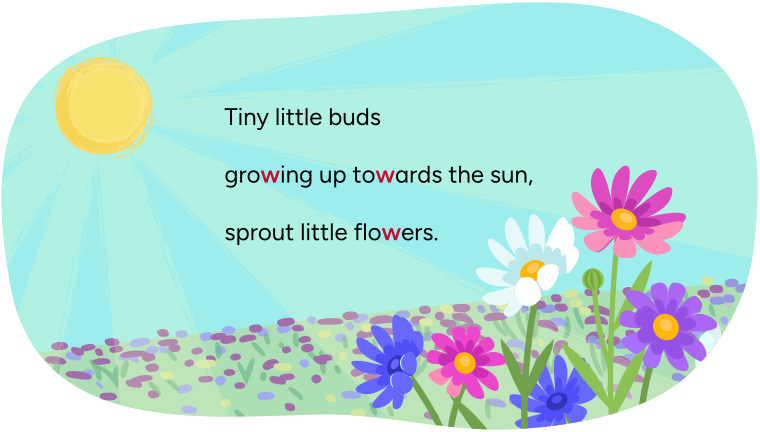
We can hear repeating /w/ sounds in the haiku about spring.
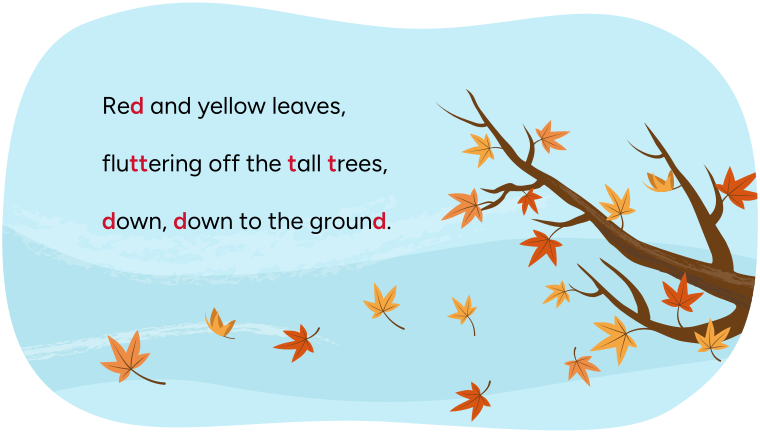
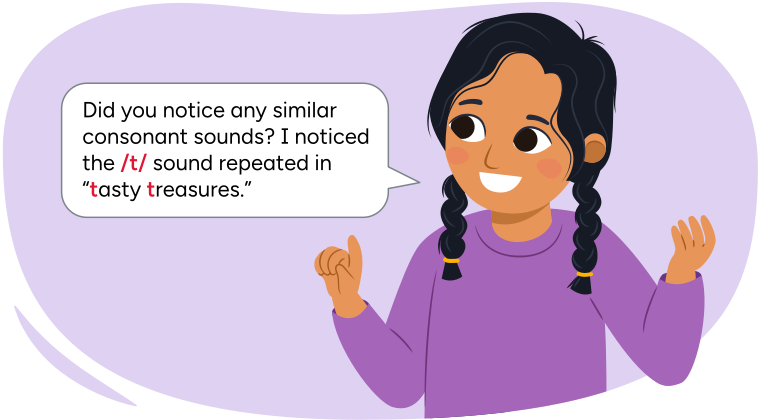
We can hear repeating /t/ and /d/ sounds in the haiku about fall.
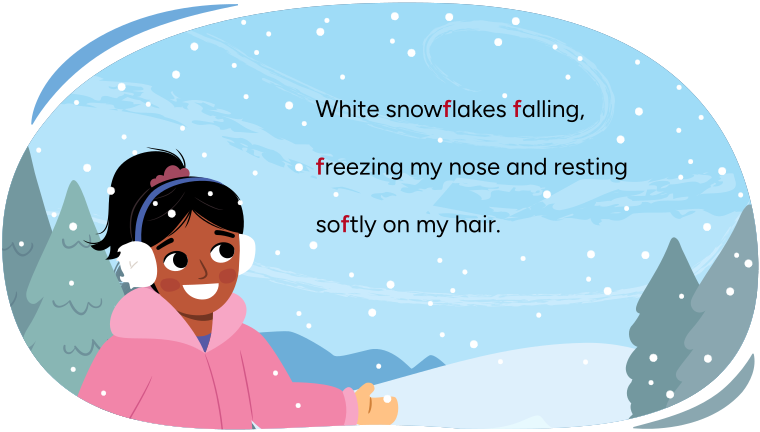
We can hear repeating /f/ sounds in the haiku about winter.
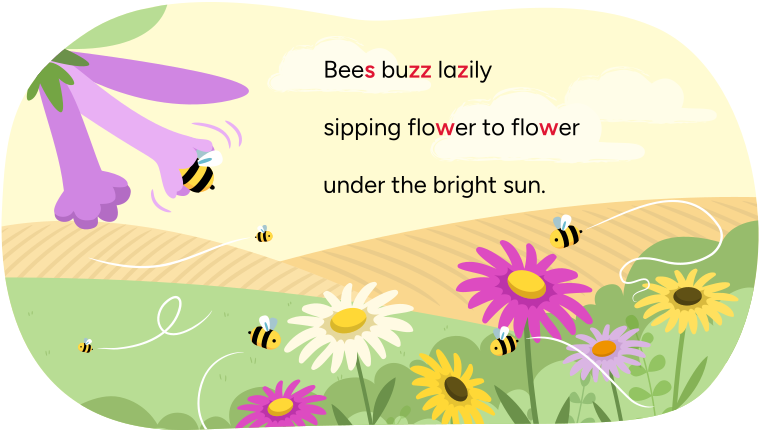
We can hear repeating /z/ and /w/ sounds in the haiku about summer.
What is it about?
Let’s read a haiku from the book Lion of the Sky: Haiku for All Seasons written by Laura Purdie Salas and illustrated by Merce Lopez.
This haiku is a riddle or a word puzzle.
Let’s practice using word clues to help us solve the riddle. You can also use the illustration to help you make your guess!
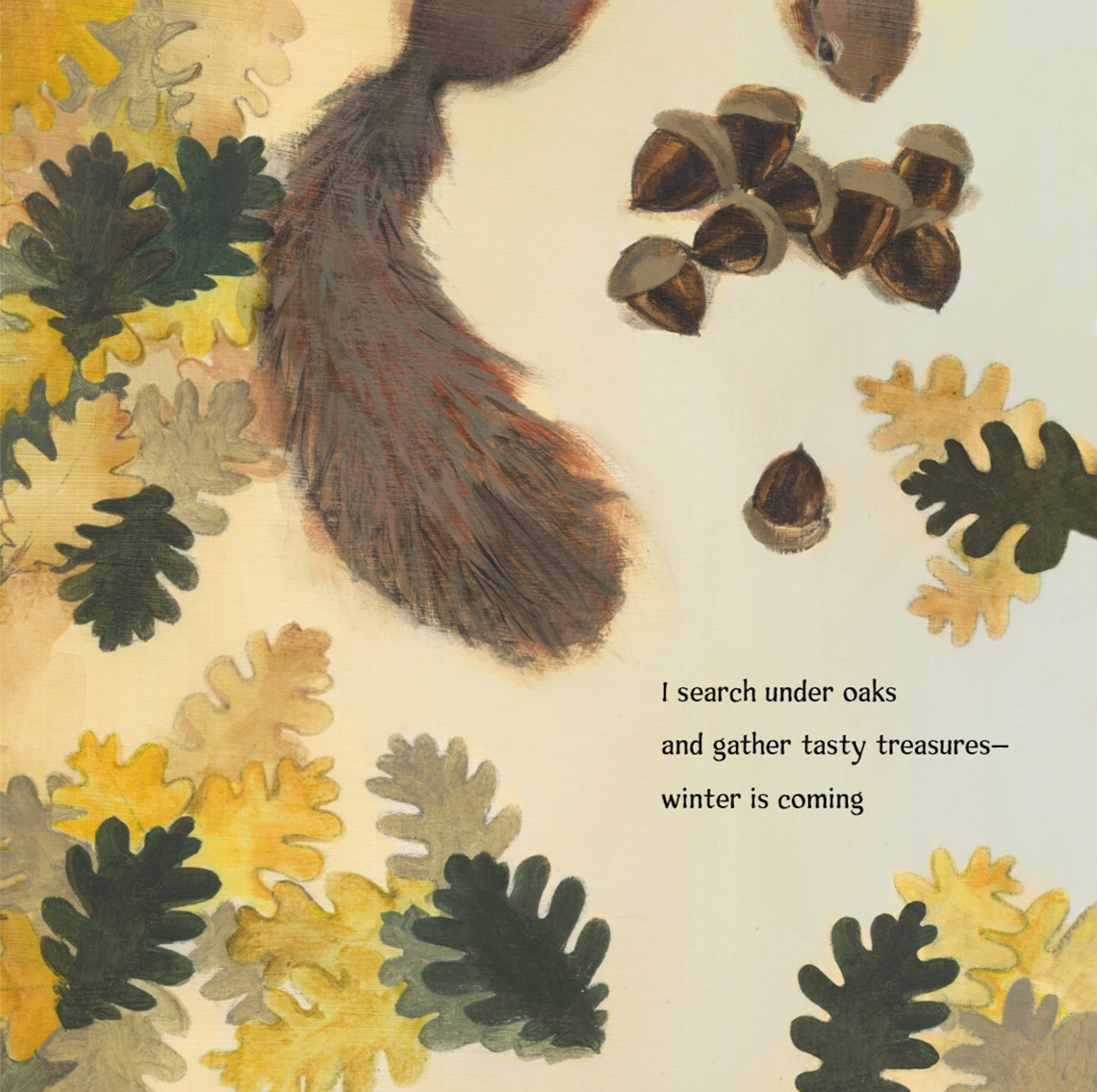
What word clues did the haiku give you to solve the riddle? What can you tell from the illustration?
Press Reveal for a possible answer.
The illustration shows me acorns, leaves, a tail, and part of a face.
The words I notice are:
- oaks
- tasty
- winter
What is the haiku about?
Press Reveal to check your answer.
The haiku is about a squirrel!
How does the haiku poem make you feel?
Grammar routine
A syllable is a part of a word or the "beats" of a word.
Check out the video "Chop it Up" from Wacky Word Songs to learn more about syllables!
How many syllables are in your name? Clap the beats in your name to find out!

Student Success
Reminder!
It’s important to only include 17 syllables in a haiku:
- Line 1 has five syllables.
- Line 2 has seven syllables.
- Line 3 has five syllables.
Let’s check the syllable count in the haiku from the book Lion of the Sky: Haiku for All Seasons.
You can clap or keep track with your fingers as you count each syllable.
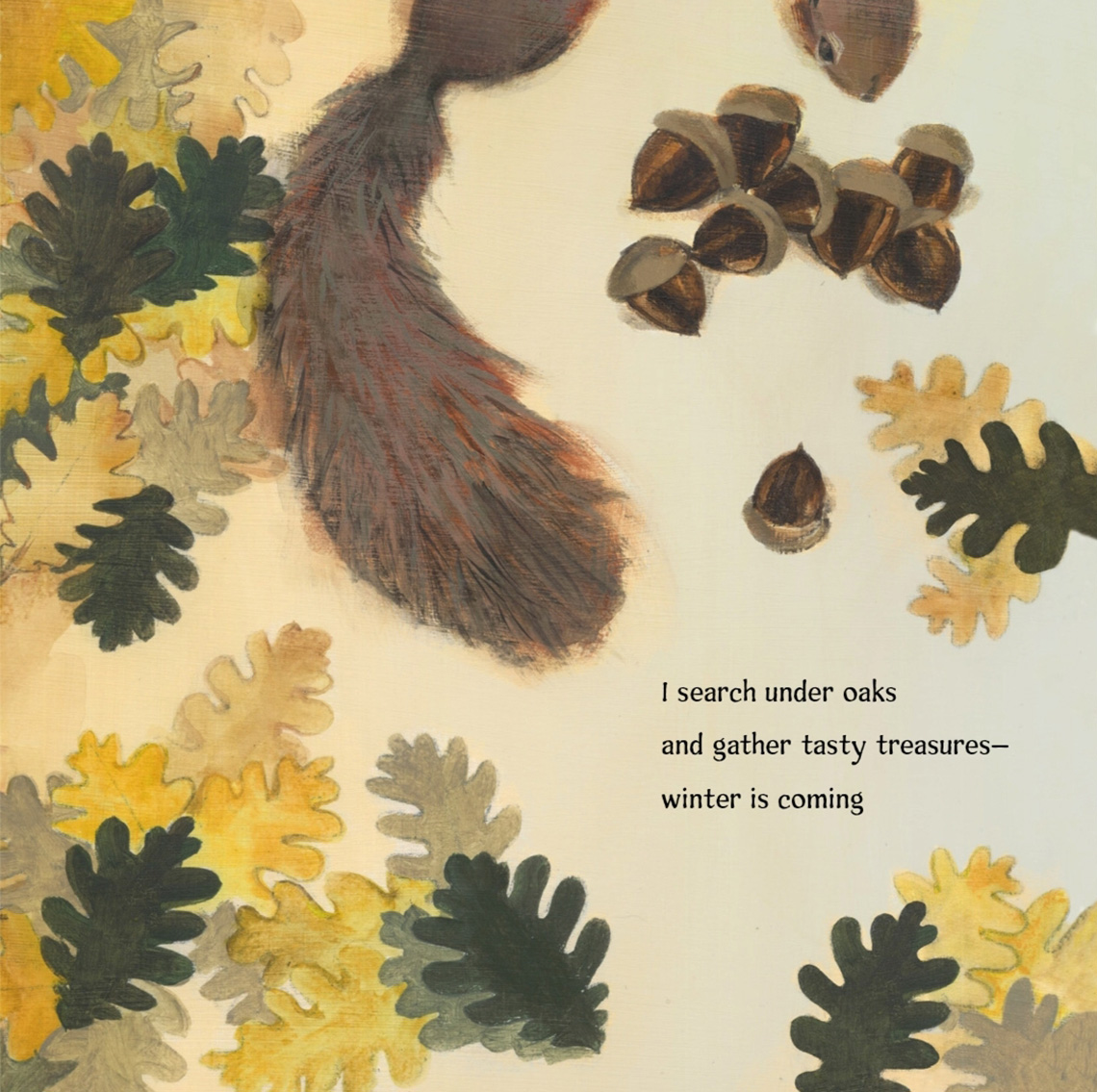
Press Reveal once you have counted the syllables to check your answer!
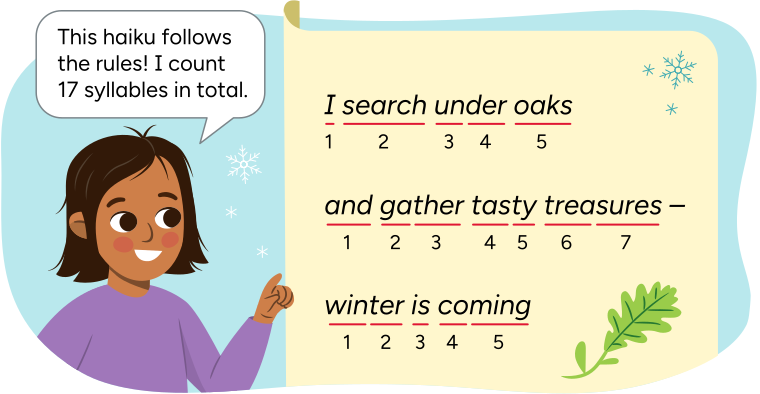
Neebin says: 'This haiku follows the rules! I count 17 syllables in total.'
A haiku is displayed next to her with numbers showing the syllable count for each word:
The haiku reads,
'I search under oaksand gather tasty treasures -
winter is coming'
The haiku with the syllable count reads,
'I (1) search (2) under (3, 4) oaks (5)
and (1) gather (2, 3) tasty (4, 5) treasures (6, 7) -
winter (1, 2) is (3) coming (4, 5)'

Putting it all together

Now it’s your turn to write a haiku!
You may use one of the animals that we explored or think of something you love in nature.
Step 1: Brainstorm!
To help you come up with an idea, try thinking of:
- something in nature you have a happy memory of
- something in nature you know a lot about
- the photos we explored in the Minds On section
- the haikus we explored in the Action section
Student Tips
Tips!
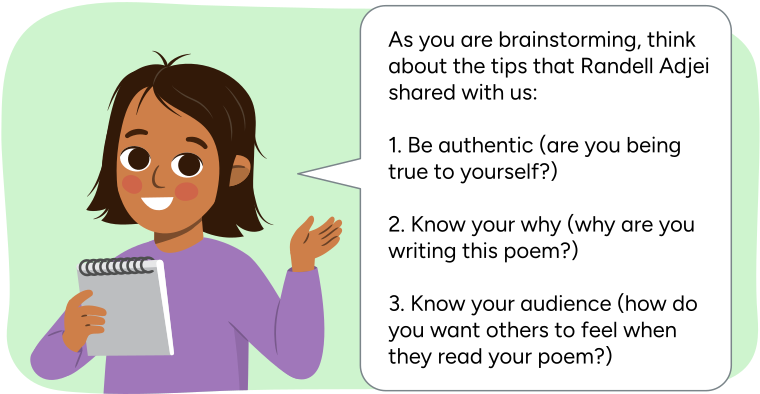
Neebin says:
'As you are brainstorming, think about the tips that Randell Adjei shared with us:
- Be authentic (are you being true to yourself?)
- Know your why (why are you writing this poem?)
- Know your audience (how do you want others to feel when they read your poem?)'
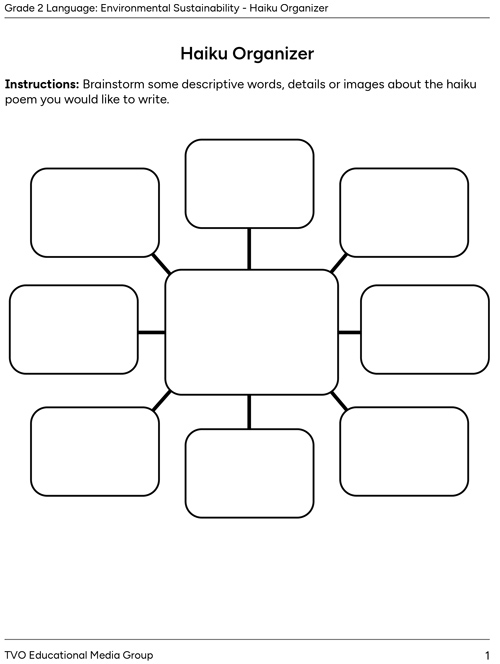
Complete the fillable and printable Haiku Organizer in your notebook or using the following document. Add your idea in the center and begin adding descriptive words or details in the outer boxes.
If you would like, you can use speech-to-text or audio recording tools to record your thoughts.
Step 2: Plan your haiku
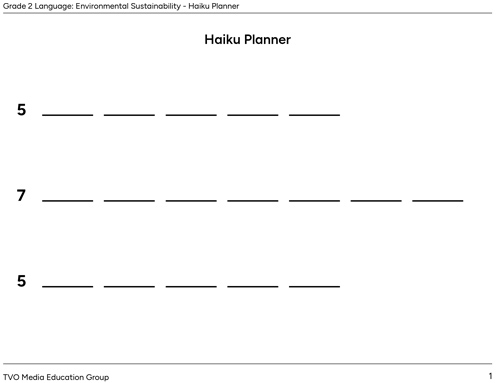
Time to put your ideas in a haiku planner!
Keep in mind, it is very important to include only 17 syllables in a haiku.
- Line 1 has five syllables.
- Line 2 has seven syllables.
- Line 3 has five syllables.
Complete the fillable and printable Haiku Planner in your notebook or using the following document. If you would like, you can use speech-to-text or audio recording tools to record your thoughts.
Step 3: Add a picture
Read over your haiku and make any change you need.
Student Tips
Student tips
Before you start your final draft, press Example to reveal a sample haiku we explored!
Bees buzz lazily
sipping flower to flower
under the bright sun.
Summer Haiku
Once you are happy with your haiku, you may create a final copy in your notebook and add a picture.
Step 4: Practice and share!
Time to share your haiku with others!
Practice reading your haiku until you are comfortable reading it aloud.
Use the following checklist to help you practice effective speaking skills.
Present your haiku!
Read your haiku aloud. If possible, share it with a partner and ask them if they can guess what your haiku is about!
Neebin asks:
'What helped you express yourself most when you read your haiku aloud? Is there anything else you might do next time you present your haiku in front of a partner?'
Let’s review!
Let’s review what we have learned. Read each question and choose the correct answer, then press Check Answer to see how you did.
Reflection
How do you feel about what you have learned in this activity? Which of the next four sentences best matches how you are feeling about your learning? Press the button that is beside this sentence.

I feel...
Now, record your ideas about your feelings using a voice recorder, speech-to-text, or writing tool.