Learning goals
We are learning to…
- identify themes explored in First Nations, Métis, and Inuit cultures to show an understanding of the many identities and ways of knowing, being, and doing
- use effective listening skills by expressing interest, asking a variety of questions, and restating what we heard
- identify ways that texts by First Nations, Métis, and Inuit individuals, communities, groups, or nations communicate information about events in history, specific experiences, and parts of culture and share how they connect these to their everyday lives
- sort and sequence ideas and information
Success criteria
I am able to…
- explore a Secrets of the Forest episode featuring Joe Pitawanakwat, who is an Anishinaabe plant medicine teacher from Wiikwemkoong Unceded Territory, and learn about his experience gathering knowledge from his Elders and studying plant medicine
- use effective listening skills while watching Secrets of the Forest, asking and answering questions, and restating what I have learned from the episode
- sort and sequence ideas and information I learned from Joe Pitawanakwat about types of plants, their names, and uses


Secrets of the forest
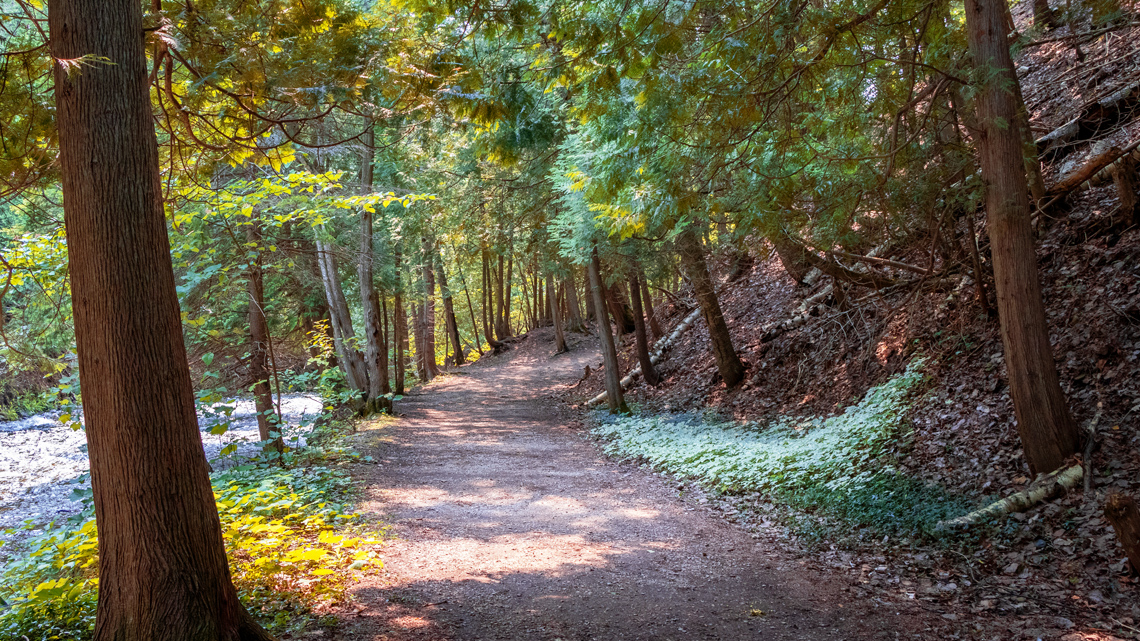
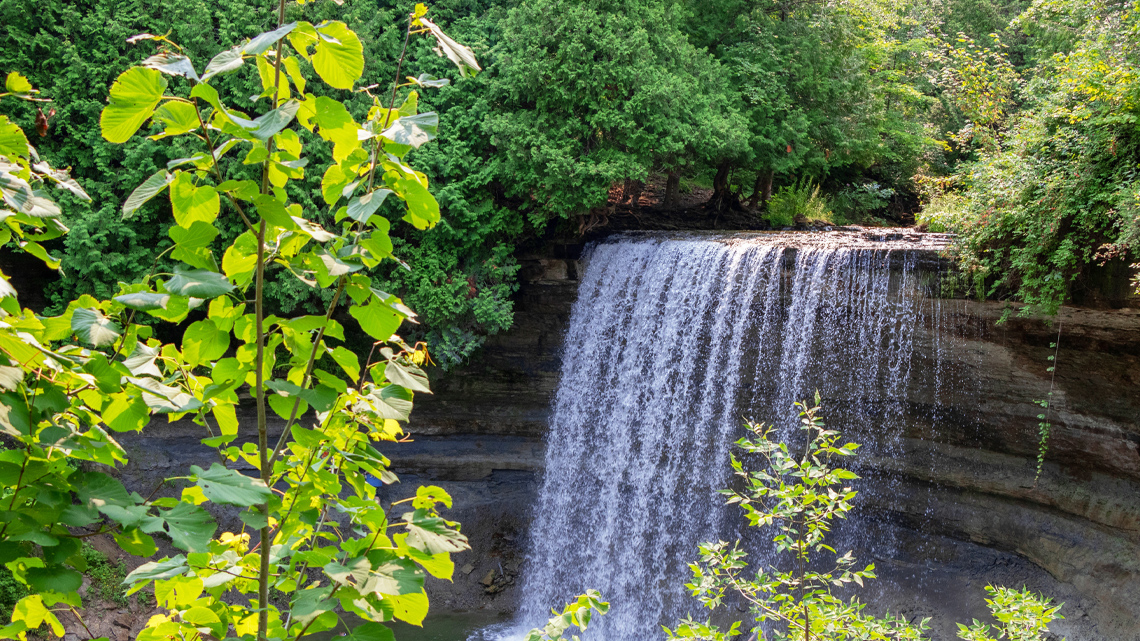
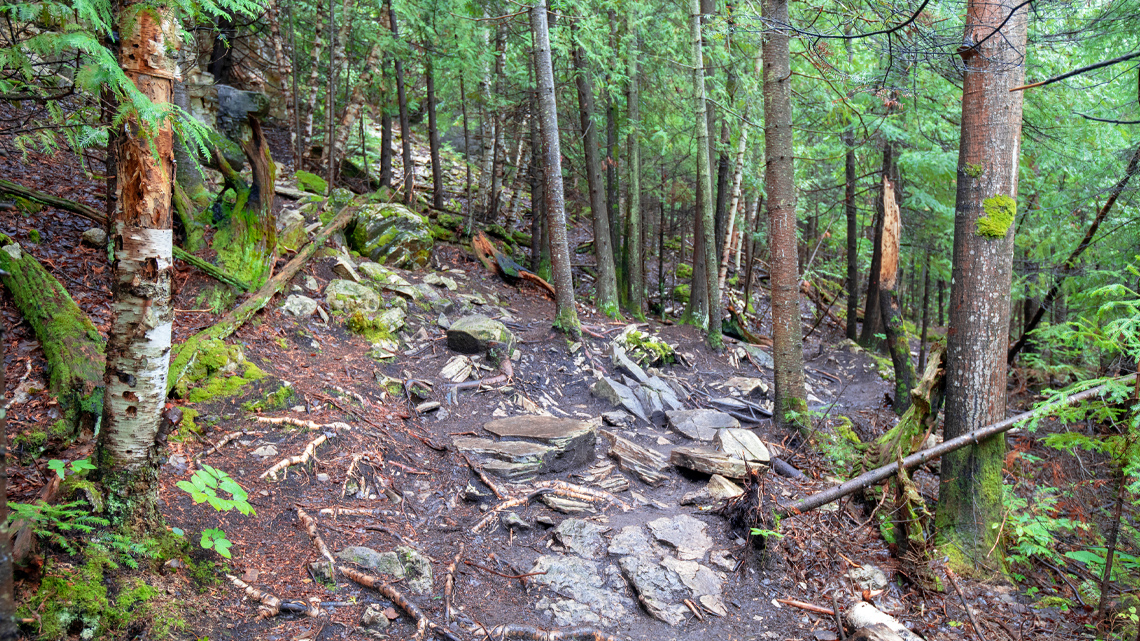
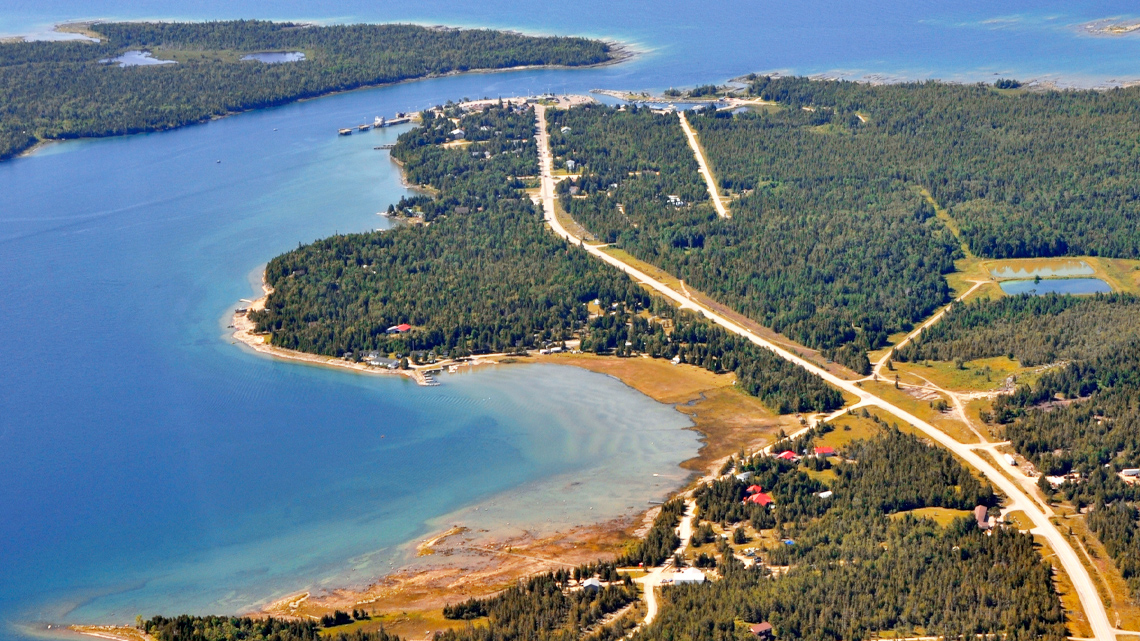
The images in the Minds On are of Manitoulin Island.
Joe Pitawanakwat is a plant medicine teacher from Wiikwemkoong Unceded Territory, a First Nations community on Manitoulin Island. Manitoulin Island is in Lake Huron, south of Sudbury, Ontario.
Joe learned about plant medicine from his Elders and at university.

Pause and Reflect
Pause and reflect
Who do you learn from in your everyday life? Where do you find new information?
Share your thoughts with a partner, if possible.
What does Joe want to help Taviss do as they explore different plants together?
Press Reveal to check your answer.
Joe wants to help Taviss learn how to listen to and learn from the plants themselves.
Interrogative sentences
As we watch the video, Taviss and Joe will ask each other lots of questions! These are also called interrogative sentences.
When Taviss meets Joe, she asks:
“Will I get to learn some stuff today?”
This is an example of a question! We start a question with a capital letter and end it with a question mark.
We can ask questions to:
- help us understand
- learn new information

Some words to start a question are:
| Who | What | When | Why | Where | How |
Let’s pay attention to the moments in the video where Taviss and Joe ask each other questions.
We will also answer some questions as we watch to help us learn!
What does Joe call this area of Manitoulin Island? Why?
Press Reveal to check your answer.
Joe calls this area "Medicine Island" because all the plants that grow there can be used as medicine.
What did Joe learn from his great grandma?
Press Reveal to check your answer.
Joe learned how to greet the plants and learned about what makes them special from his great grandma.

Did You Know?
Did you know?
Anishinaabe (Ah-nish-in-ah-bay) are a group of Indigenous Peoples that includes the Odawa, Chippewa, Ojibway and Saulteaux, Oji-Cree, Mississauga, Algonquin, Nipissing, and Potawatomi nations.
The plural of Ansihinaabe is Anishinaabeg and the language of the Anishinaabeg is Anishinaabemowin!
Did You Know?
How does Joe greet the plants?
Press Reveal to check your answer.
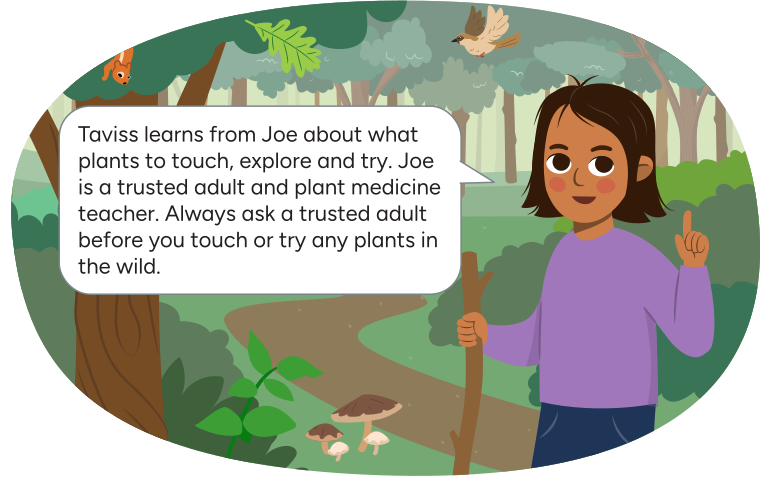
Joe teaches Taviss that after we say hello to the plants, we learn their name, just like we do when we meet new people.
Pause and Reflect
Pause and reflect
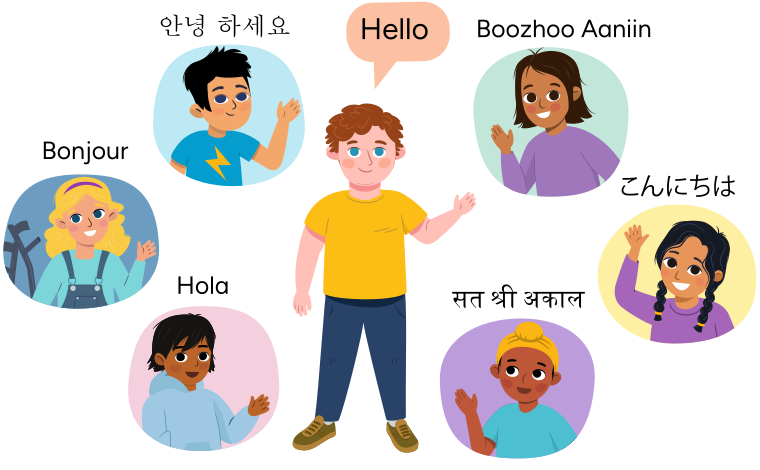
How do you say hello?
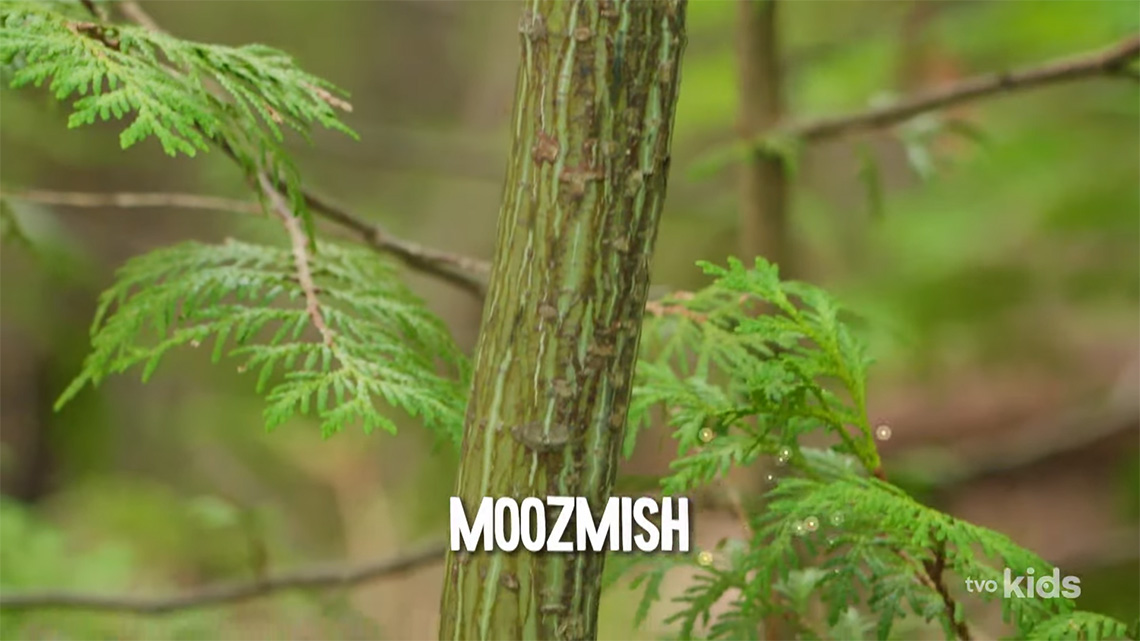
Moozmish
One plant that Joe shares with Taviss is a Moozmish tree.
What does Taviss notice about the way the name "Moozmish" sounds?
Press Reveal to check your answer.
Taviss notices that it sounds like “moose.”
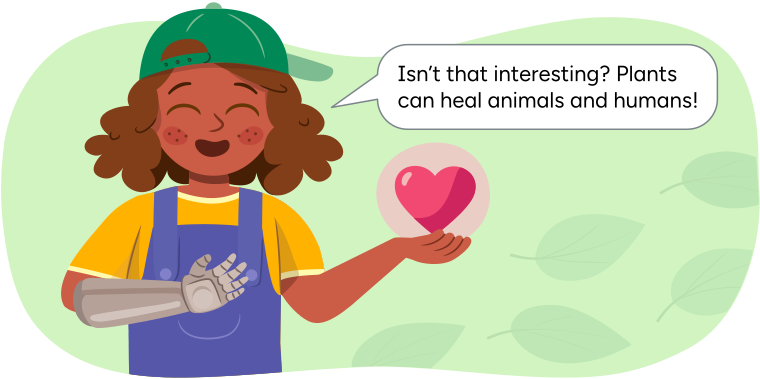
What does Joe teach Taviss about the plant?
Press Reveal to check your answer.
Joe teaches Taviss that the moose use this tree as medicine. They eat the tree when they get a bruise to help them heal.
What kind of body part does the plant look like?
Press Reveal to check your answer.
The plant looks like veins, which is how you can remember that is good for healing a bruise.
Makakiimdaas
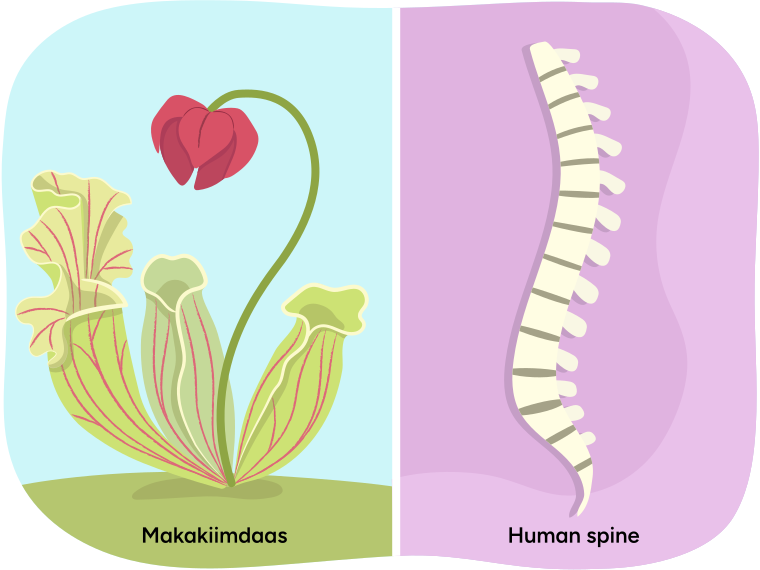
The next plant that Joe shares with Taviss is a Makakiimdaas.
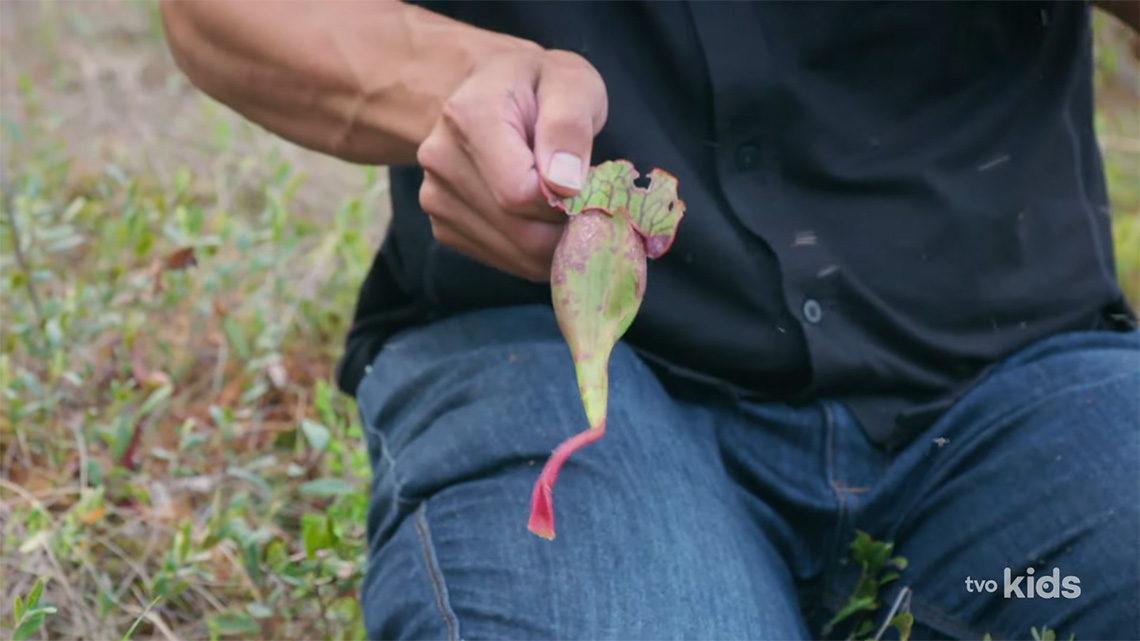
What does Makakiimdaas mean?
Press Reveal to check your answer.
makakiim – frog
daas – sock
The leaf looks like the frog can put it on as a sock!
What kind of body part does Makakiimdaas look like?
Press Reveal to check your answer.
Makakiimdaas is the same shape as the spine. Joe explains that this means it is good for back pain.
What can we do to take care of this plant?
Press Reveal to check your answer.
Joe shares that for Makakiimdaas, the best thing to do is to take some of the seeds in the fall and spread them in different areas to help the plant grow.
Each type of plant has their own needs.
Why is it important to think about what each type of plant needs and give back to the plants?
Why is it important to only take what you need and leave some for others?
Share your thoughts with a partner, if possible.
Gziibinashk
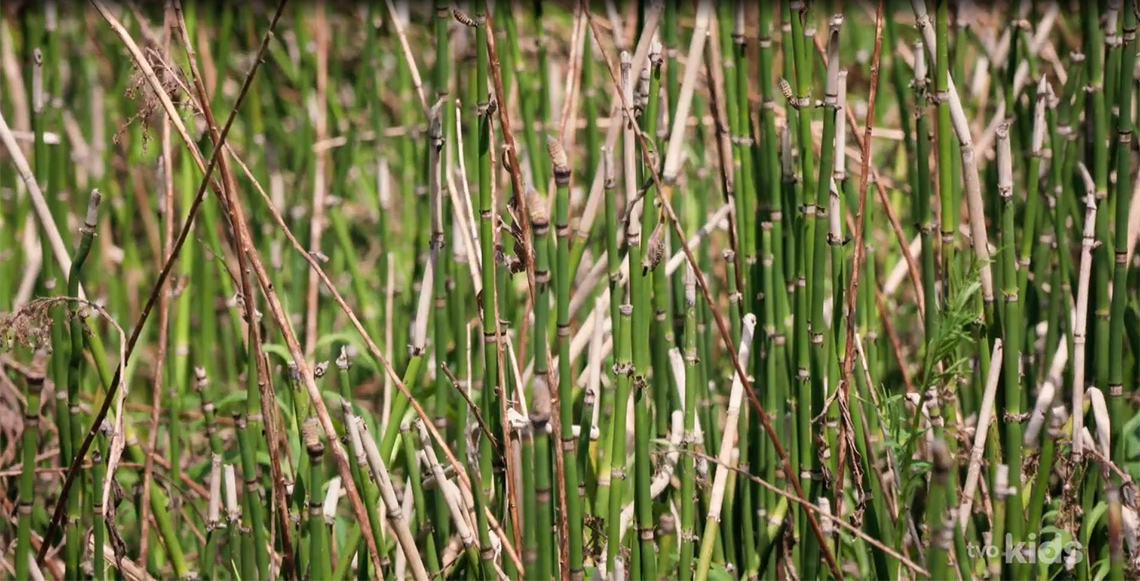
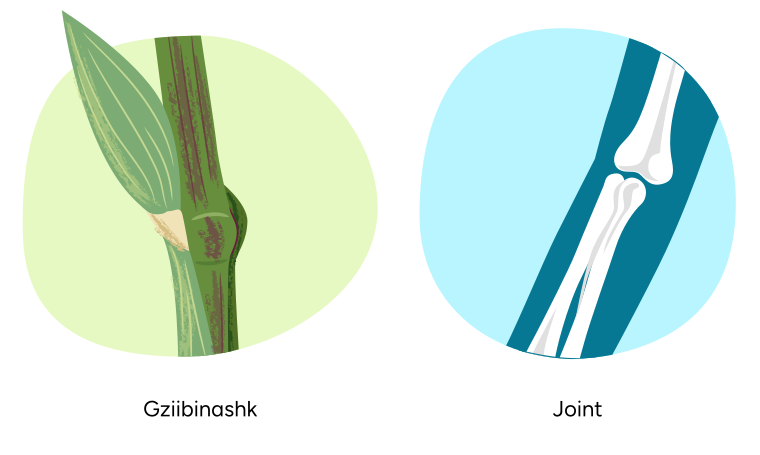
In the video, Joe shares a special plant with Taviss called Gziibinashk.
What does Gziibinashk mean?
Press Reveal to check your answer.
gziibi – river
nashk – plant
When we put those together, we have river plant!
What is special about the plant Gziibinashk?
Press Reveal for a possible answer.
This is the first plant that moved from the river and was able to live on land.
What part of your body does it resemble?
Press Reveal to check your answer.
Gziibinashk is also called “joint grass.” This plant helps your bones grow!
What can we do to take care of this plant?
Press Reveal to check your answer.
Joe shares that the more we pick and use this plant, the more it will grow! This plant is very giving.
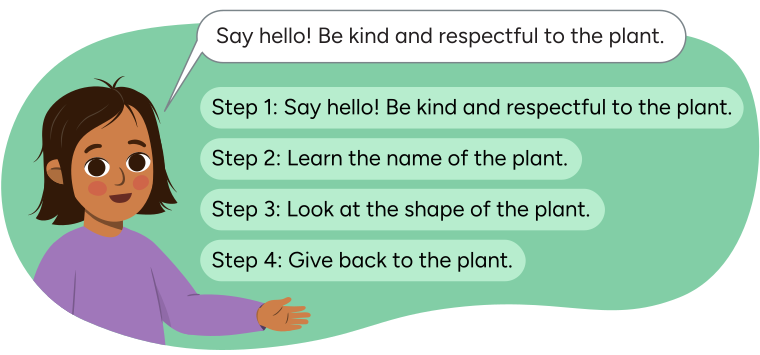
Check out the following clip where Taviss tries a medicine made of different plants!
What does Joe share with Taviss?
Press Reveal to check your answer.
Joe shares a medicine with Taviss that combines all of the different plants together into a paste.
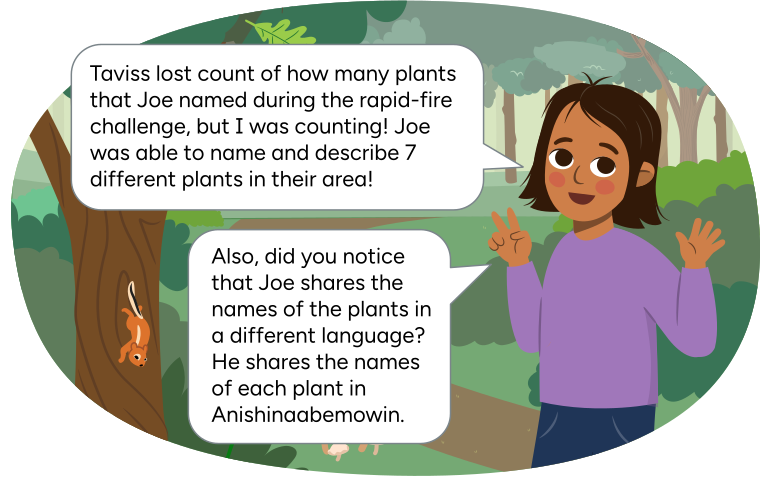
Taviss learns the word "Miigwetch,"" which means thank you in Ojibwe or Anishinaabemowin!
It is always important to show and give thanks to Indigenous Elders and Knowledge Keepers like Joe who share the important Knowledge they carry with others.
What is a way you could show or give thanks to Joe for the Knowledge he has shared?

Questions and answers

Throughout the video, Taviss asks Joe lots of different questions.
If you could ask Joe a question, what would you ask?
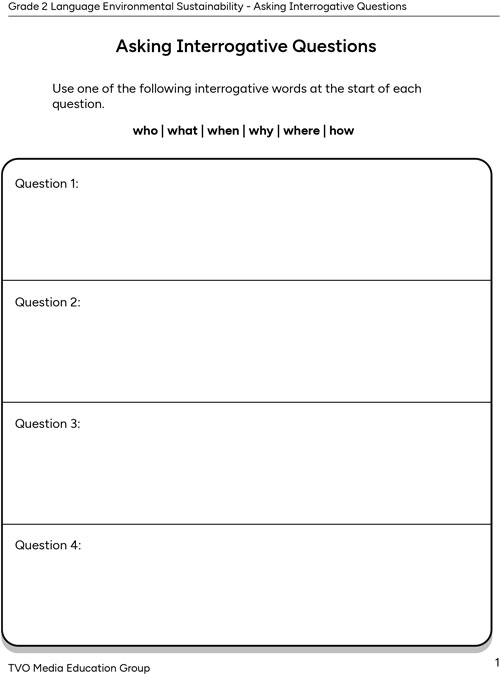
Record your questions using the fillable and printable Asking Interrogative Questions activity in your notebook or using the following document. If you would like, you can use speech-to-text or audio recording tools to record your thoughts.
Throughout the video, Joe Pitawanakwat shares lots of useful information about plant medicine and Knowledge.
Think about all of the learning you did in this video, then reflect on the following questions:
- Why are plants important?
- What kinds of plants would like to learn more about?
Record your answers to these questions in your notebook or using the following fillable and printable Answering Interrogative Questions document. If you would like, you can use speech-to-text or audio recording tools to record your thoughts.
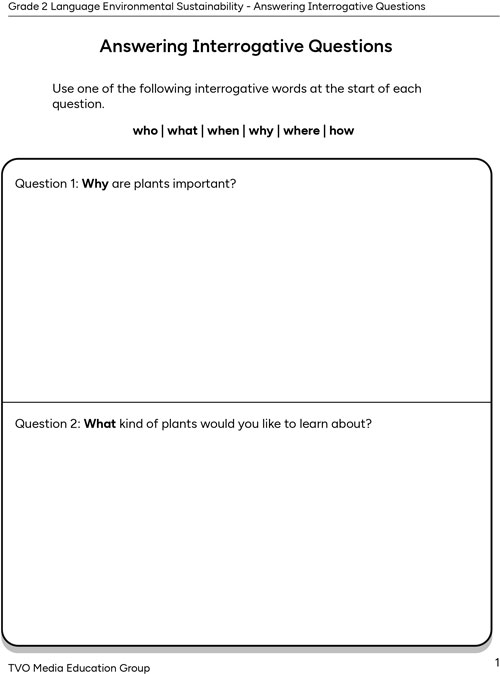
Press the Activity button to access the Answering Interrogative Questions.
Activity(Opens in a new tab)How can you apply what you learned in your everyday life?
Record your answers using a method of your choice.
Let’s review plants!
Match each plant to what it can do for our bodies!
Reflection
How do you feel about what you have learned in this activity? Which of the next four sentences best matches how you are feeling about your learning? Press the button that is beside this sentence.

I feel...
Now, record your ideas about your feelings using a voice recorder, speech-to-text, or writing tool.