Learning goals
We are learning to…
- gather, evaluate, and use information to identify the importance of plants and traditional harvesting methods
- use critical thinking skills like asking questions to better understand a text
- identify the main idea and key details of a text
- reflect on which strategies we find most helpful in analyzing text
- review our skills in identifying imperative, interrogative, declarative, and exclamatory sentences
Success criteria
I am able to…
- identify the importance of plants and share my learning about traditional harvesting methods
- ask questions before exploring a text as a strategy to better understand the text
- identify the main idea and key details of a text
- reflect on which strategy I found most helpful for analyzing text
- identify and create imperative, interrogative, and declarative sentences
Why are plants important?
Did you know plants have many important jobs and they play a big part in keeping living things and their environment healthy?
Explore the tabs below to learn more about some of the important jobs that plants have.
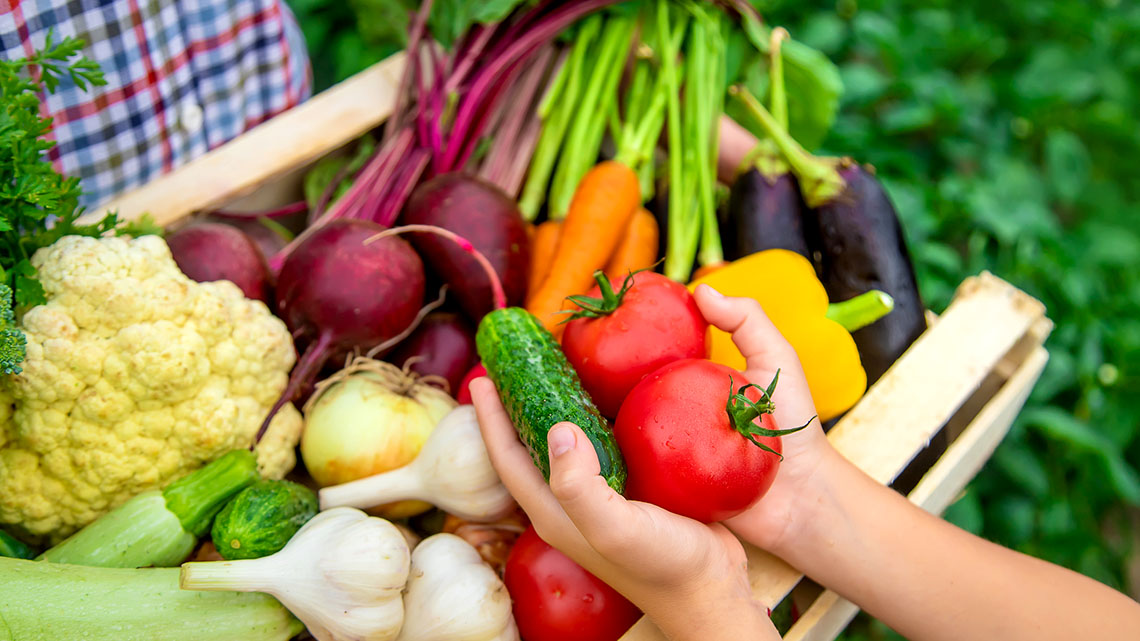
Living things – both humans and animals – depend on food from plants for survival. Plants that are safe to be eaten by humans are called “edible” plants. For example, trees and shrubs may grow edible fruits and berries. Even though some plants may not seem edible to humans, they are important for the diet of many insects and animals!
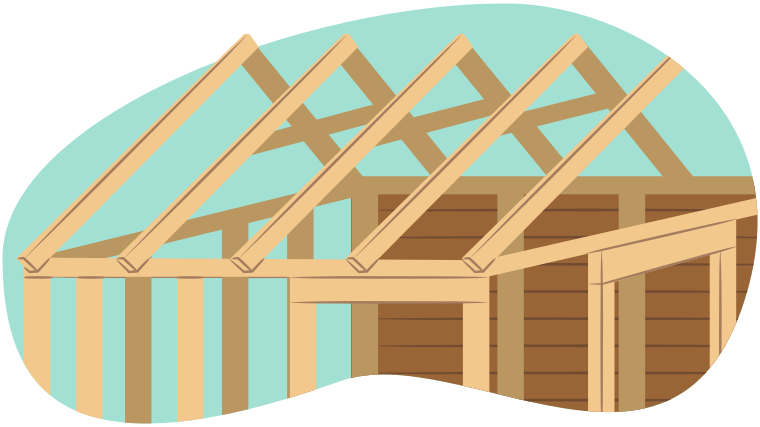
Wood is taken from trees to build shelters and the stalks of bamboo plants can also be used to build shelters.
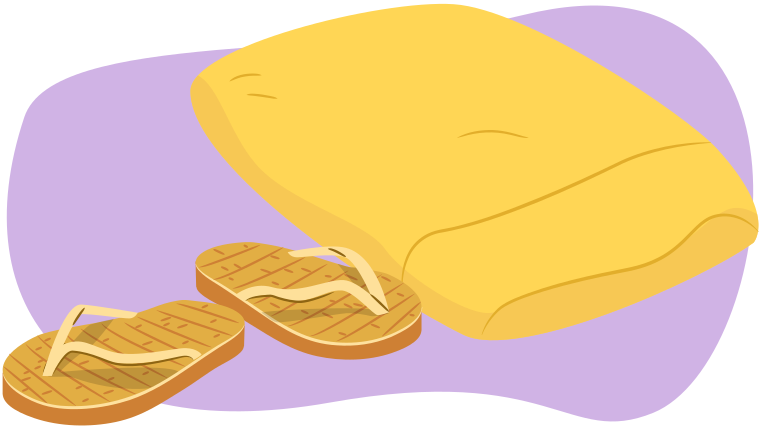
Plants, like the bamboo plant, can also be used to create fabrics for clothing and bed sheets.
Plants in my life
How do you think plants might be used in your life? Think about some of the daily items you might use and if they come from plants. Complete the How Plants Are Used in My Life Table in your notebook or use the fillable and printable document provided. You can also use any other method of your choice to record your thinking. If you would like, you can use speech-to-text or audio recording tools to record your thoughts.
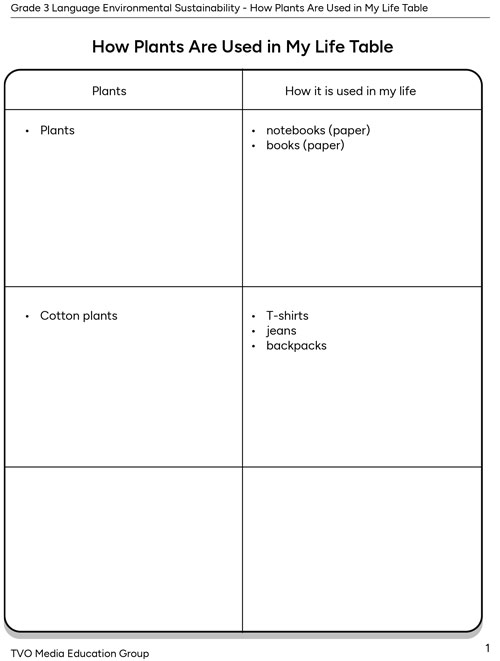
Press the Activity button to access the How Plants Are Used in My Life Table.
Activity(Opens in a new tab)
Today’s vocabulary
Let’s begin by exploring some vocabulary in the following flashcards.
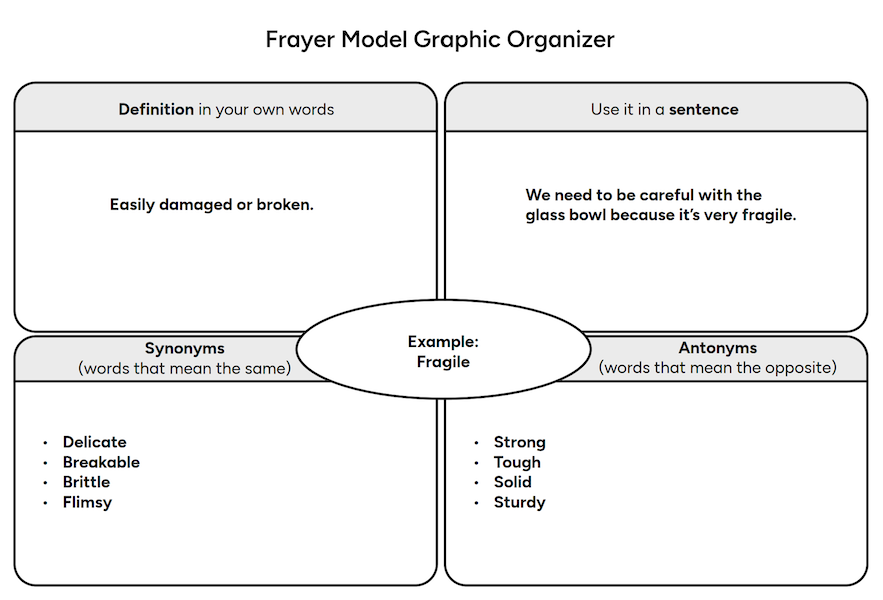
Next, choose one of the following graphic organizers, or another method of your choice, to record the vocabulary terms sustainable, harvesting, and traditional, and explore more about their meanings.
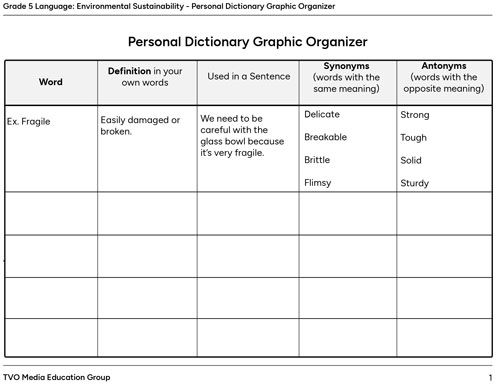
Press the Activity button to access the Personal Dictionary Graphic Organizer.
Activity(Opens in a new tab)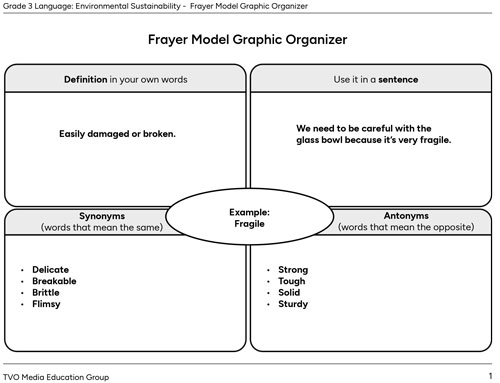
Press Frayer Model to reveal an example of this graphic organizer style.
Traditional harvesting
In the Minds On section, you learned about the many different jobs that plants have. They provide shelter and food for both animals and people. We can even use plants to make clothes! Plants provide so much for us and the environment around us, so it is important to think about how we can also give back to plants.
When we collect and use plants, this is called harvesting. How can we do this in a safe and responsible way? In many cultures around the world, traditional harvesting methods are often less wasteful and harmful to the environment. This makes traditional harvesting an important part of sustainability.

Did You Know?
Did you know?
Sustainability is making sure there are enough natural resources (like water, plants, and animals) in nature to last a very long time.
Asking questions

In the next part of this activity, we are going to explore a traditional harvesting method by watching a video.
Before watching the video, let’s think about what we can do to get ready to explore new information. One way is by asking questions. Asking questions before we explore a text helps us to better understand what the text is about.
Let’s begin with reading a description of the video.
In Curve Lake First Nation near Peterborough, Ontario, Marissa’s Ojibwe family grows and harvests wild rice. They use traditional harvesting practices that help protect and take care of the environment for future generations.
What questions do you have so far? For example, after reading the description for Marissa’s video, we might consider the following questions:
- What is wild rice?
- What does it mean to harvest wild rice?
- How does Marissa’s community harvest wild rice?
- How does traditional harvesting help the environment?
Are there any other questions you have? Record your questions and answers in a method of your choice.
As you watch the video, you may want to pause or revisit the video to find specific answers. This helps you understand what the video is about and what might be important information.
Now it’s time to check out the video!
Were you able to answer all the questions using the video? Explore some possible answers by pressing the following tabs.
Marissa’s community uses a canoe that is quiet and moves gently. This means the environment is not disrupted or harmed too much.
They collect the rice by shaking the stalks but don’t damage or remove them so they can continue to grow more seeds.

Student Wellness
Student wellness
Let’s get creative! Take a few minutes to freestyle draw, write, or colour.

Types of sentences
You have been learning about the strategy of asking questions to learn new information. A question can also be a type of sentence, and sentences can be used in many different ways. They help us communicate the thoughts we want to share. Explore the table below to review the three types of sentences.
Let’s practice!
Read each sentence below and decide if it is interrogative, imperative, or declarative. Match the words “interrogative”, "imperative", or “declarative” with the correct sentence.
Hint: an interrogative sentence ends with a question mark.

Try It
Try it
Think of each type of sentence and record your own example of each in a method of your choice.
Main idea and key details
Another way to understand a text is by finding the main idea and important or key details.
How do we find the main idea?
The main idea is what the story or text is mostly about. It tells you the most important thing you need to know.
Explore some of the strategies below that you can use to find the main idea.
Press the following tabs to find out more.
How do we find the key details?

Key details are the important pieces of information in a story or text that help you understand the main idea. They support and explain the main idea.
To find key details, we can use a simple strategy called the "5Ws and H."" These are questions that help us focus on the most important parts of what we are reading. Let’s go over these questions together.
Who: Who is the text about?
What: What is happening in the text?
When: When does the text take place?
Where: Where does the text take place?
Why: Why is this happening? Why is it
important?
How: How does this happen?
Each text is different and may not answer all these questions. You can choose the questions that help guide you in finding the key details.
Let’s explore this strategy of “Finding the Main Idea and Key Details” further by learning about another community that practices traditional harvesting methods.
Sustainable harvesting in Southern Iraq
In Southern Iraq, farming communities work together to use the natural environment and traditional harvesting practices to keep their community and environment healthy.
Farmers travel in canoes to harvest reeds that grow along the edge of the river. Unlike large boats with motors, canoes move gently across the water without hurting the environment. The farmers use these reeds to feed their cows and buffalo, and to build their seasonal houses.
By working together in a sustainable way, they help protect their environment and support their way of life.
Check out the following audio clip to listen to the article about sustainable harvesting in Southern Iraq.
Sustainable harvesting in Southern Iraq
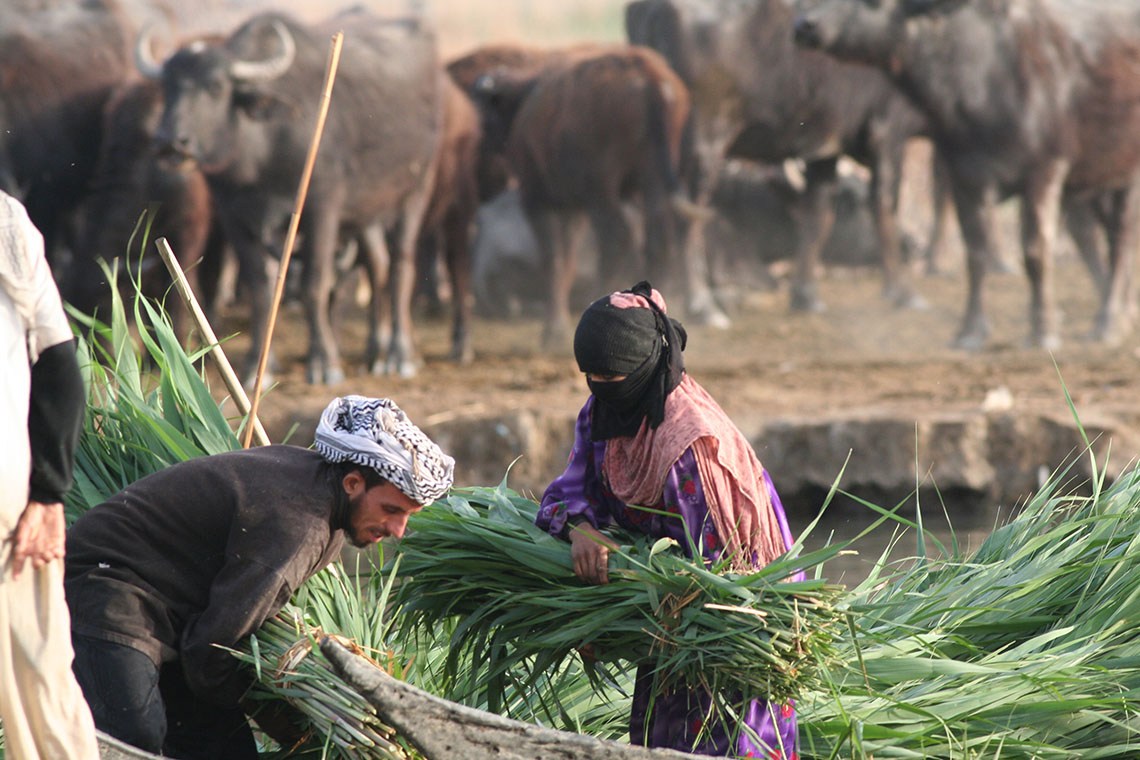
Farmer harvesting reeds
A farmer harvests reeds in the marshlands of Dhi Qar, Southern Iraq.
Photo credit: UNDP Iraq
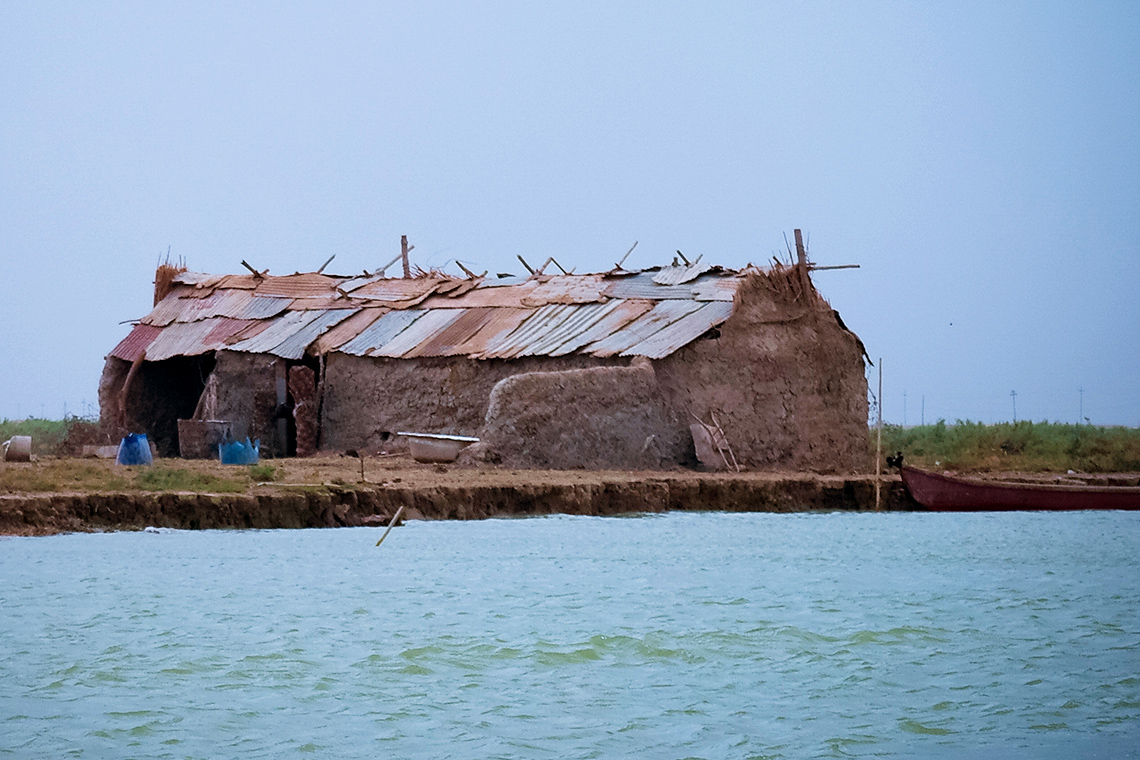
Traditional guest home in Iraq
Craftspeople construct a traditional guest home out of dried reeds near Basra, Southern Iraq.
What do you think is the main idea and key details of the text you just explored?
Complete the Main Idea and Key Details Table using the following fillable and printable document or record the main idea and key details using a method of your choice. If you would like, you can use speech-to-text or audio recording tools to record your thoughts.
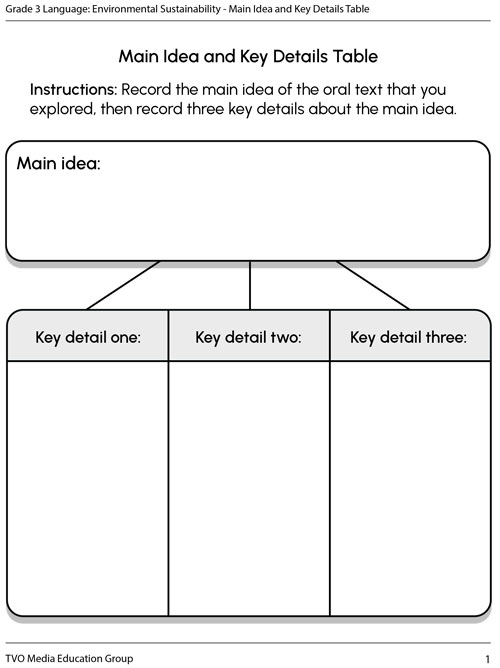
Press the Activity button to access the Main Idea and Key Details Table.
Activity(Opens in a new tab)Press the Main Idea and Key Details button to compare with your own answers. Think about how finding the main idea and key details might have helped you understand this text better.
Main Idea: Farming communities in Iraq use traditional harvesting practices to take care of their community and environment.
Key detail 1: Farmers travel in canoes to harvest reeds that grow along the edge of the river.
Key detail 2: Canoes move gently through the waters without hurting the environment.
Key detail 3: The farmers use the reeds to feed their animals and build houses. This helps take care of the environment and live in a sustainable way.

Cursive practice
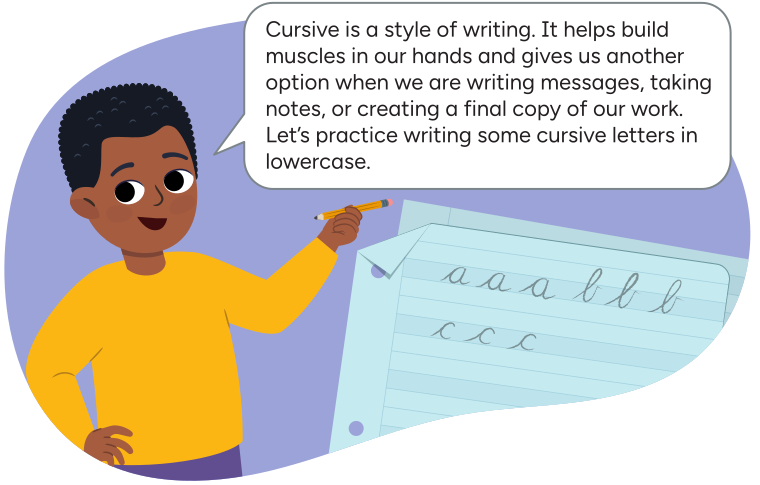
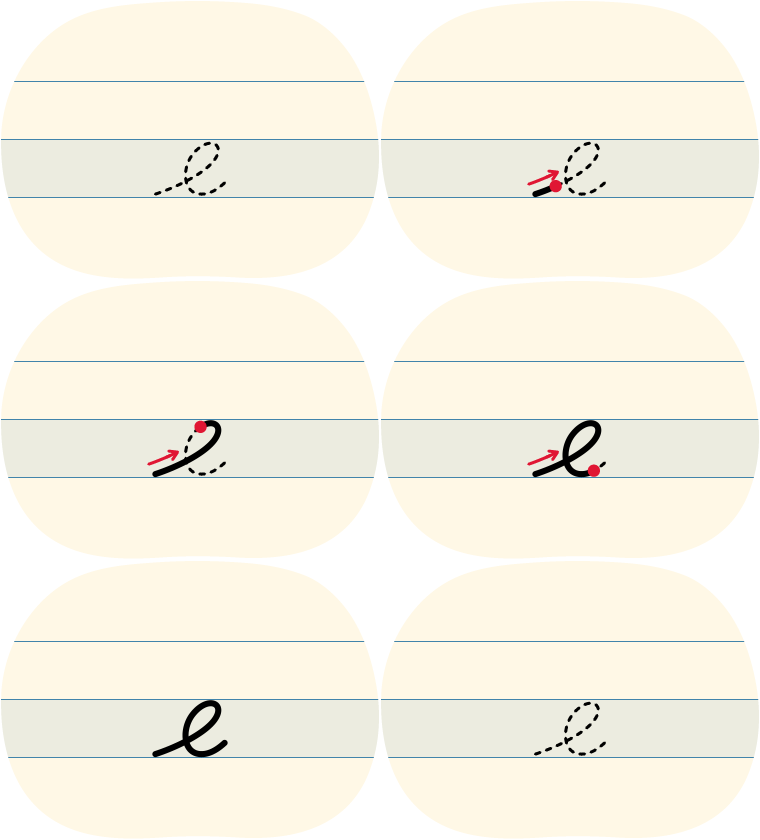
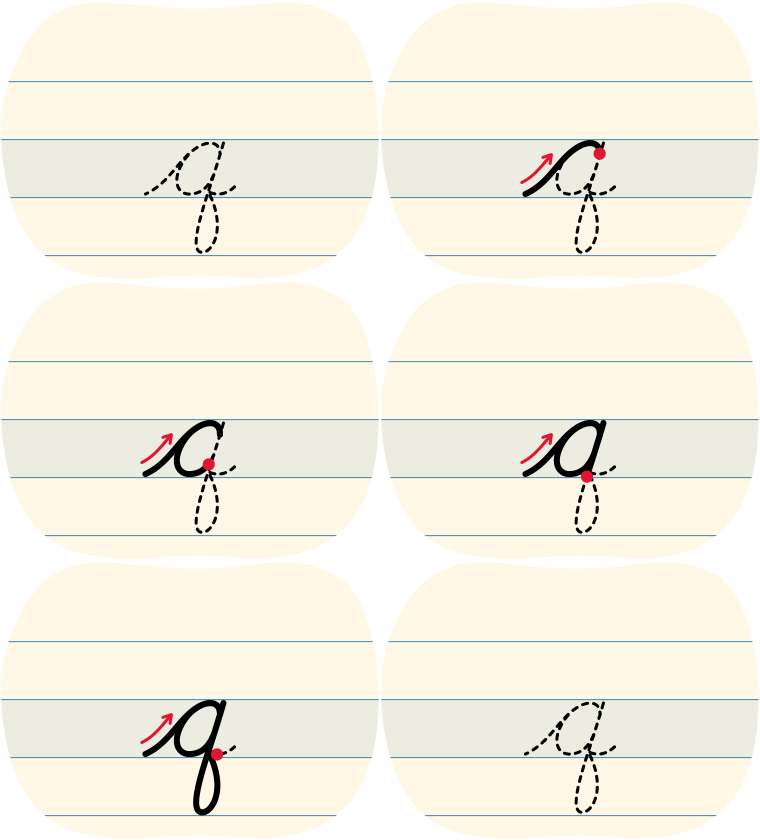
Arthur says: 'Cursive is a style of writing. It helps build muscles in our hands and gives us another option when we are writing messages, taking notes, or creating a final copy of our work. Let's practice writing some cursive letters in lowercase.
| Cursive | |
|---|---|
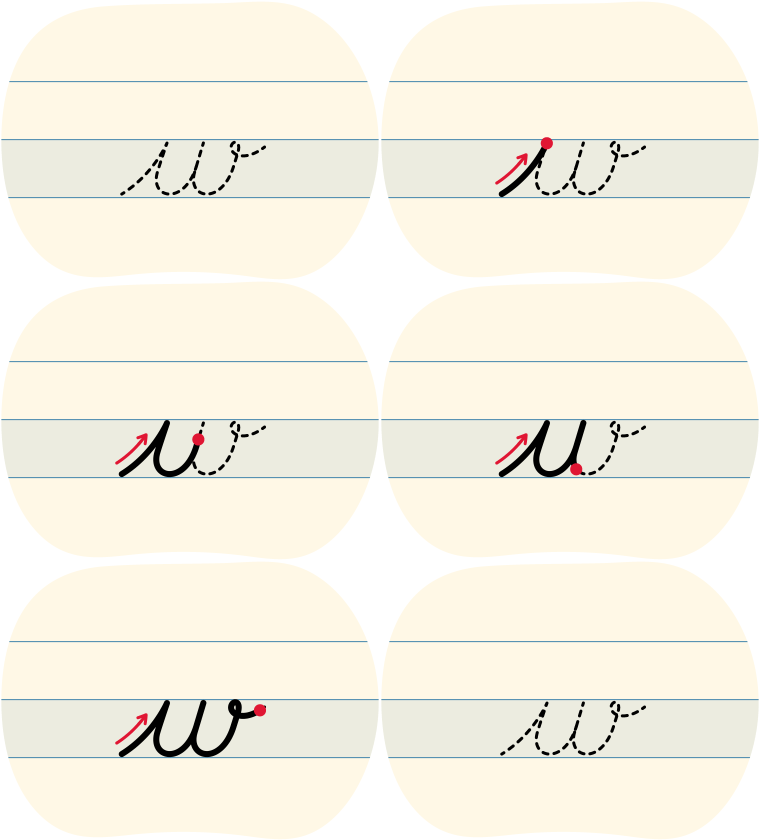
| w |
|
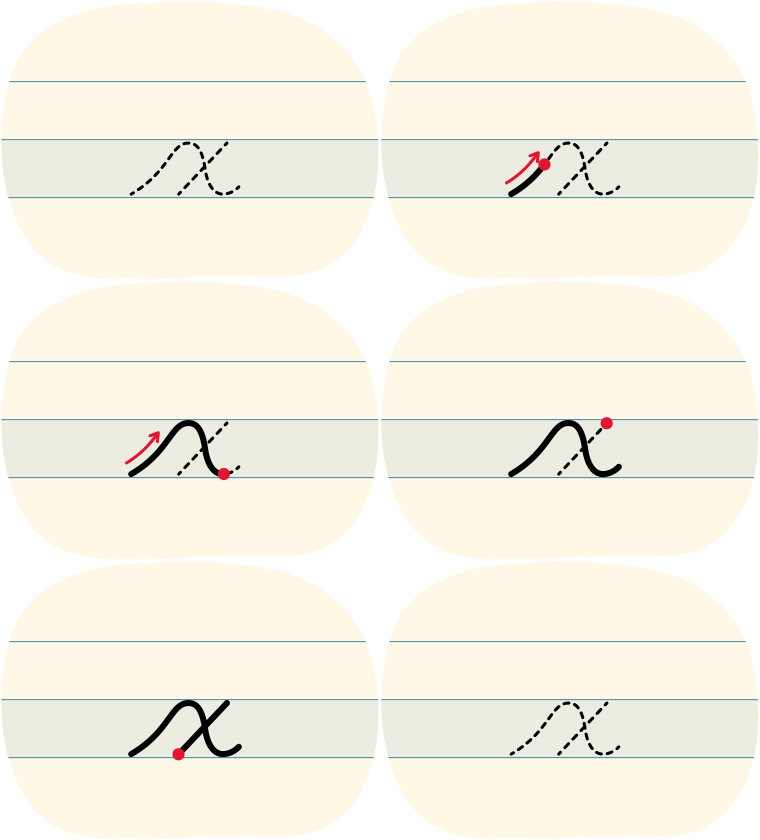
| x |
|
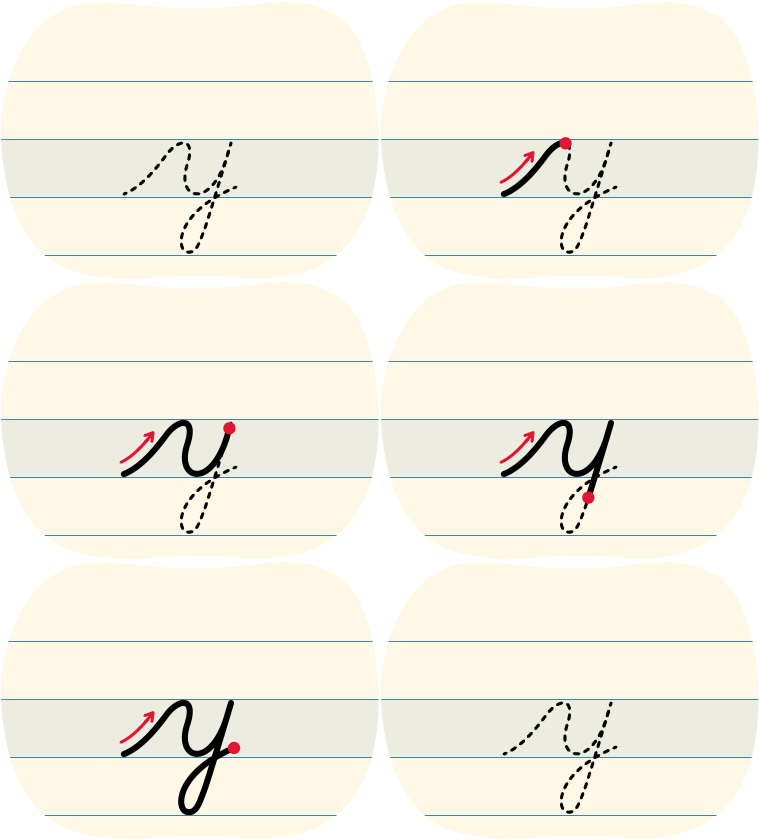
| y |
|
| e |
|
| q |
|
Before you begin, what do you notice about the shape of each cursive letter?
Press Possible Answer button to learn more.

Tips for cursive letters
- Start from the bottom of the letter
- Try to keep the pencil on the page until you are done the letter
- Create a finger space before you continue to the next letter
- Try to press gently as you write so that your hand can move easily across the page
Cursive writing can be hard at first. But don’t worry, you can do it. All it takes is some practice!
Press Left-handed Tips button to access tips for left-handers.
Putting it all together
We have learned about two communities and their traditional harvesting practices – Marissa’s community in Curve Lake First Nation near Peterborough, Ontario, and Southern Iraq.
- Are there any other traditional harvesting practices you might know about from other communities around the world?
- Why do you think traditional harvesting practices might be important?
Record your answers in a method of your choice.
Reflecting on your learning
In the Action section, you used two different strategies that help you learn and understand the text you are exploring:
- asking questions
- finding the main idea and key details
Which strategy do you find most helpful? Explain your thinking.
Records your thoughts in your notebook or another method of your choice.
Reflection
How do you feel about what you have learned in this activity? Which of the next four sentences best matches how you are feeling about your learning? Press the button that is beside this sentence.

I feel...
Now, record your ideas about your feelings using a voice recorder, speech-to-text, or writing tool.