Learning goals
We are learning to …
- understand environmental sustainability
- understand what is a paragraph, the parts of a paragraph, and how to write a paragraph
- edit and revise our writing
- produce final drafts of our writing
Success criteria
I am able to …
- share what I've learned about environmental sustainability
- identify the parts of a paragraph
- write a topic sentence and supporting details
- reflect on what I have learned
- use the new vocabulary from this activity in my writing
What is environmental sustainability?

Today’s vocabulary!
Explore the following vocabulary to learn more about environmental sustainability.
For each term select the corresponding definition.
Sustainable practices
Environmental sustainability means taking care of our planet so that people, animals, and plants can live well now and in the future. It is about using the Earth's resources, like water, trees, and clean air, in a way that does not use them up or harm the environment.
We all have a responsibility to work together to try to take care of and protect our environment. When we talk about taking care of the environment or making good choices today, it's because we want to make sure that future generations have a healthy and happy place to live, just like we do now.
Check out some examples of sustainable practices.
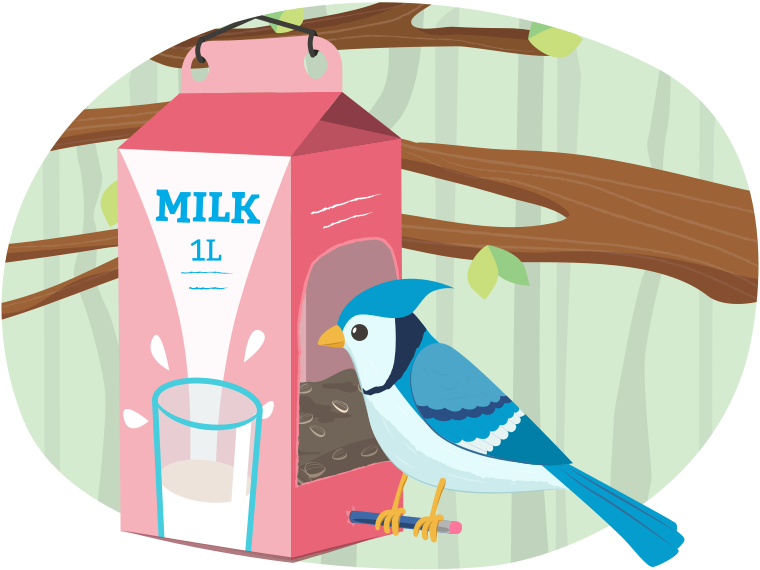
Recycling: Using old materials to make new things so we don't waste resources.
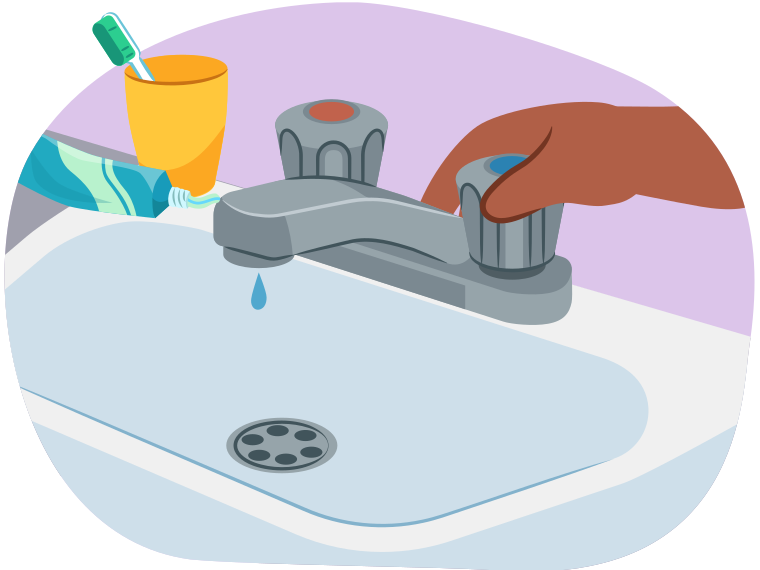
Saving water: Turn off the tap when brushing your teeth to save water.
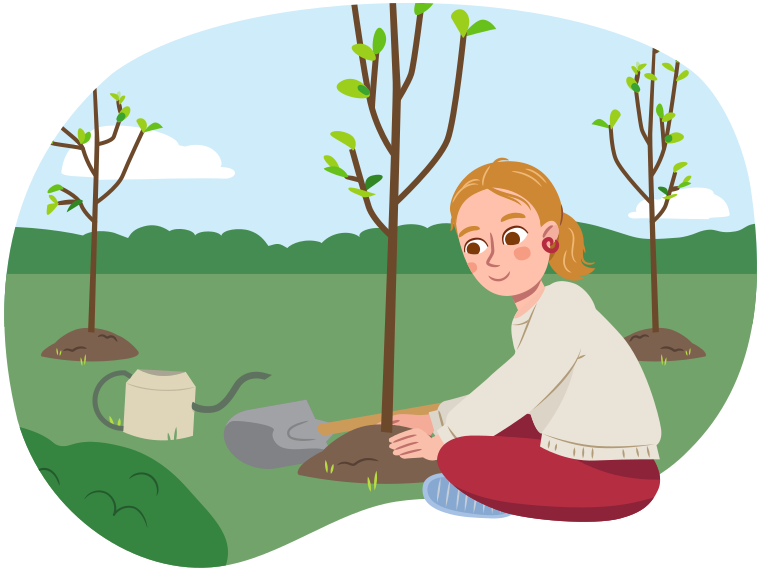
Planting trees: Planting trees to replace those that have been cut down.
Explore the following video where Parks Canada biologist Julia talks to us about a species recovery program for Blanding’s turtles and how this helps with environmental sustainability.
Learning check
Select the correct answer, then press Check Answer to see how you did.
Listen as Parks Canada Biologist, Julia, explains how Turtle Radio can help Blanding’s turtles.
Learning check
Select the correct answer, then press Check Answer to see how you did.
Select the correct answer, then press Check Answer to see how you did.
Why do you think tracking the Blanding’s turtle is a positive way to sustain the environment?
Press Possible Answer to learn more.
Tracking the Blanding’s turtle can positively help sustain the environment by:
- learning where they like to live.
- learning what they like to eat.
- discovering other species that might like the same habitat.
- helping people create more wetland habitats for Blanding’s turtles and other species.
Writing about sustainability
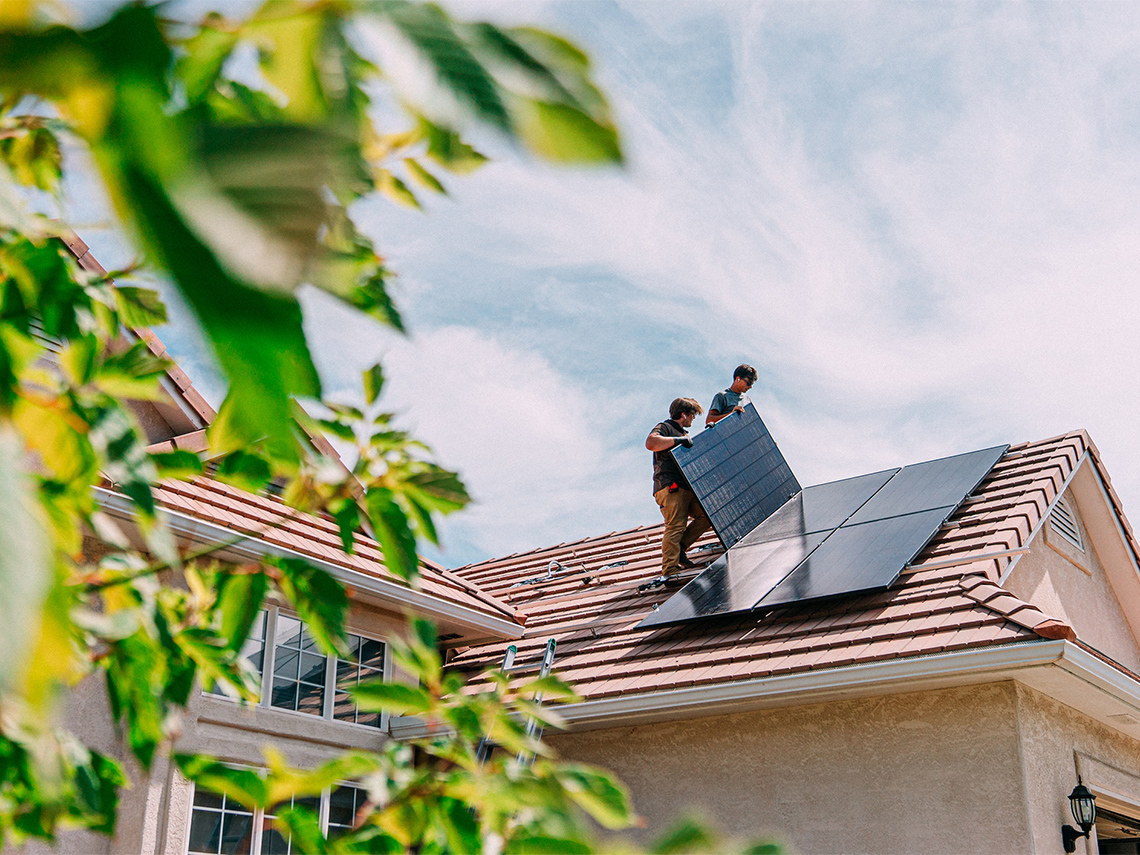
Sustainable practices are important in both big and small ways. One way to support sustainable practices is by sharing what you have learned with the people around you.
In this activity, we will learn how to share what we have learned with others through writing. Think about things you have written before. Was it a story, a song, a poem, or a paragraph?
A paragraph is one way to share what you know or what you think. Like all types of writing, every paragraph has special rules.
A paragraph has
- more than three sentences
- a topic sentence: This is a sentence that talks about the main idea of your paragraph.
- supporting details: A few sentences that explain more about your topic and give more details about the main idea of your paragraph.
- closing sentence: This is a sentence that tells the reader you’ve finished sharing your main idea.
Let’s practice creating paragraphs. Sort the following sentence strips in the correct order to create a paragraph with the following parts.

Reading fluency!
Now that you have put all the sentences in order and made a paragraph, read the paragraph again to better understand what it means to be a global citizen.
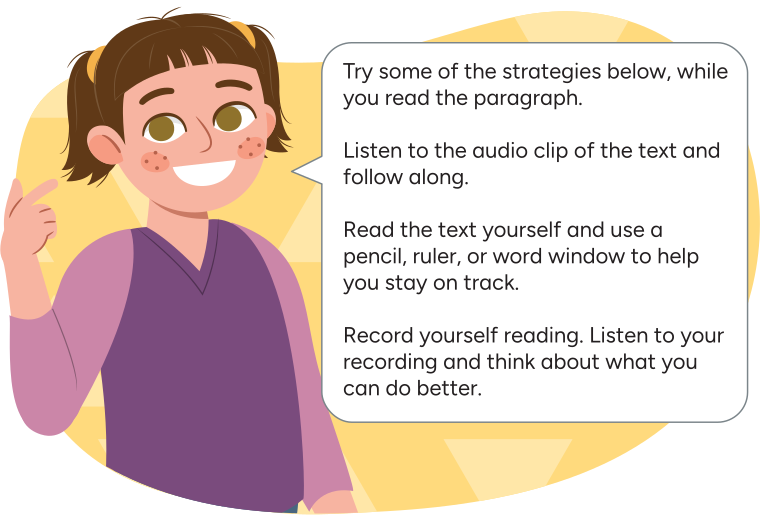
Clara shares, 'Try some of the strategies below, while you read the paragraph.
Listen to the audio clip of the text and follow along.Read the text yourself and use a pencil, ruler, or word window to help you stay on track.
Record yourself reading. Listen to your recording and think about what you can do better.'
Sustainable practices are ways we can help take care of our planet, so it stays healthy for a long time.
One way to be sustainable is by recycling things like paper, plastic, and glass, so they can be used again instead of being thrown away.
Another way is by saving water, like turning off the tap when we brush our teeth.
A third way is to use reusable bags instead of plastic ones to reduce the amount of plastic on the planet.
By doing these things, we can help make sure there are enough resources for everyone, now and in future generations.
Explore the following audio clip to find out more.
Sustainability

Student Wellness
Take a break!
Let’s take a few minutes to relax, clear our minds, and refocus our attention.
Paragraph writing
Next, you are going to be drafting your own paragraph! For more help on how to write a paragraph, explore the video below.
Think about what you have learned so far about environmental sustainability and why it is important. You are going to be writing a paragraph that explains how you can practice environmental sustainability in your own life.

Brainstorm
Brainstorm
Think about all the different things you might already be doing to support environmental sustainability.
Press Example to learn more.
For example:
- recycling
- conserving water
- planting trees
- community gardening
- using reusable bags
- saving electricity
- composting
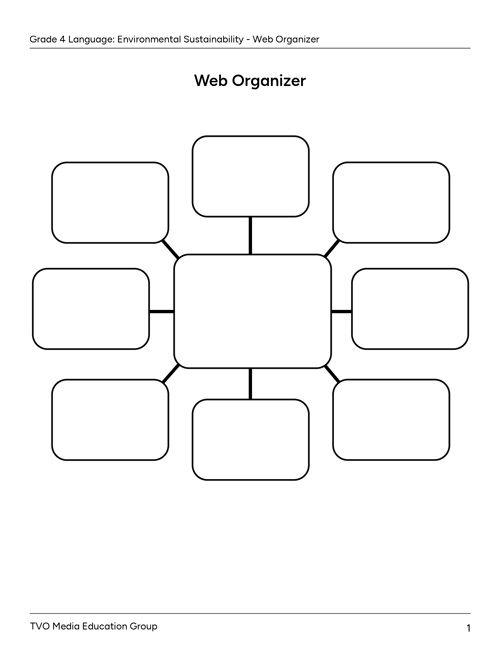
Complete the fillable and printable Web Organizer in your notebook or using the following document. If you would like, you can use speech-to-text or audio recording tools to record your thoughts.
Planning
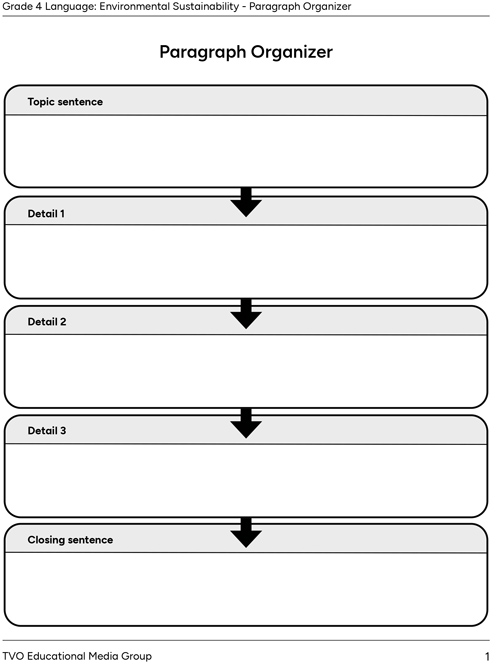
Complete the fillable and printable Paragraph Organizer in your notebook or using the following document. If you would like, you can use speech-to-text or audio recording tools to record your thoughts.

Student Tips
Student tips
Refer to today’s vocabulary to support your understanding of sustainability.
Here are a few sentence starters to get you started on your topic sentence.
- I can practice sustainability by….
- Some sustainable practices I can do in my own life are…
Drafting
One reason for writing is to tell others about what we know, what we think, or how we feel. Use what you have recorded in your paragraph planner to help you write the first draft of your paragraph. You can choose to type, write, or record an audio clip.
Revising
Reviewing your draft over again can be one way to make your paragraph even more exciting! If you are all done with your draft, think about places to make your paragraph even better. Maybe you want to change a word or change the order of your sentences? If possible, have a peer or trusted adult review your paragraph to give you some suggestions.
Editing
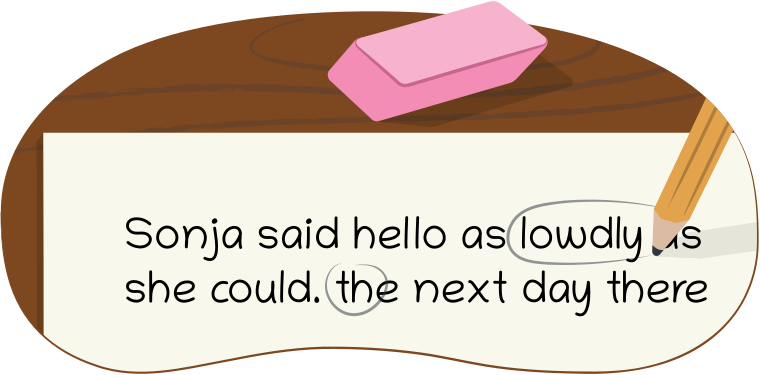
The next important part is to check and edit what you have created.
Use the following checklist to help edit your work.
Self-editing checklist
Putting it together
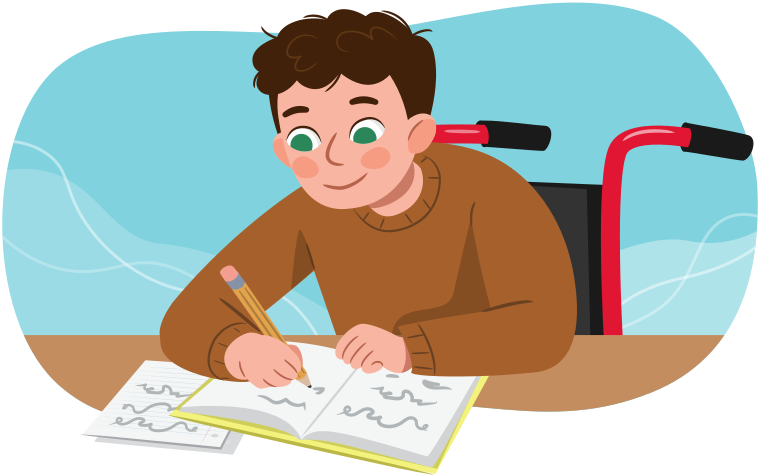
So far you have
- planned and organized your writing
- created the first draft
- revised and edited your draft
Next, you are going to create your final draft! In your notebook, or method of choice, create a final draft of your work. If possible, share this final draft with a peer or trusted adult.

Student Success
Think
Think about your paragraph.
- What did you like about it?
- Is there something you wish you did differently?
- What is one thing your paragraph makes you wonder about?
Reflection
How do you feel about what you have learned in this activity? Which of the next four sentences best matches how you are feeling about your learning? Press the button that is beside this sentence.

I feel...
Now, record your ideas about your feelings using a voice recorder, speech-to-text, or writing tool.