Learning goals
We are learning to…
- conduct research, considering accuracy, credibility, and perspectives
- identify and explain prior knowledge from various sources, including personal experiences and learning in other subject areas, that we can use to make connections and understand new texts
- analyze complex texts, including literary and informational texts, by evaluating, synthesizing, and sequencing relevant information and formulating conclusions
- gather and synthesize information and content relevant to a topic, using a variety of textual sources and appropriate strategies
Success criteria
I am able to…
- conduct research using information provided on biodiversity, and organize that information by overarching themes or categories for a research report
- read complex texts about biodiversity and respond to comprehension questions
- highlight the prior knowledge I have about biodiversity and identify how this helped me understand and connect with new material
- create a presentation for students in a younger grade on biodiversity

What is biodiversity?
Explore the following images. As you explore, notice similarities and differences within the pictures. You can record your ideas in a method of your choice.
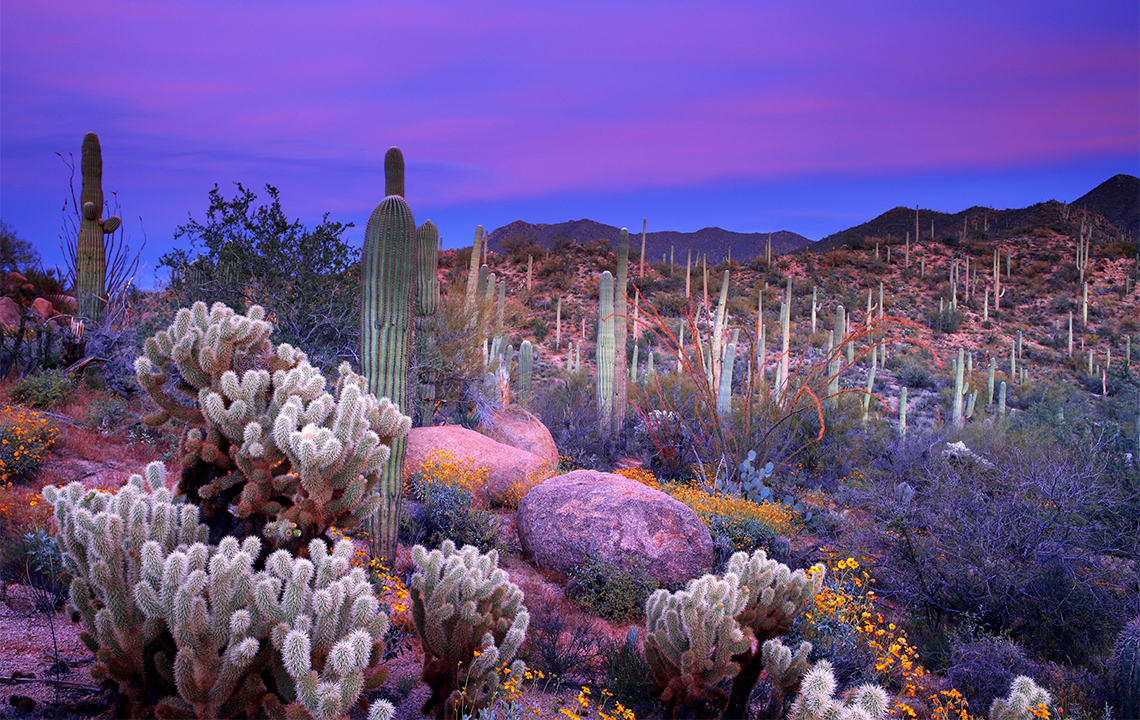
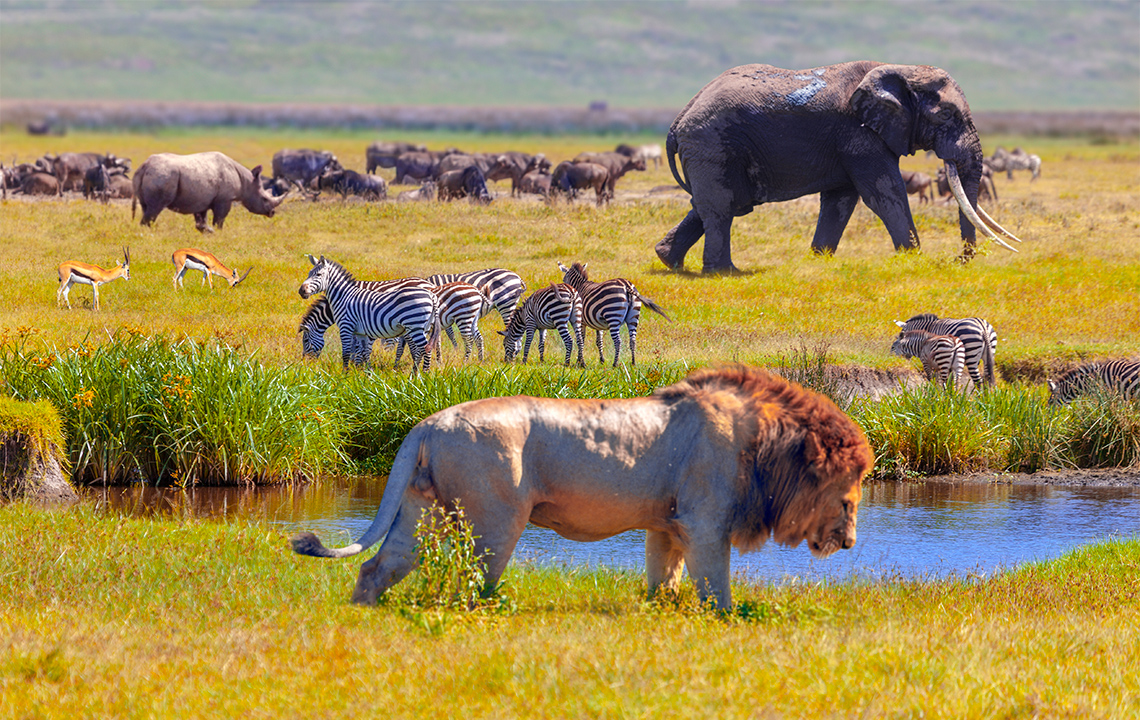
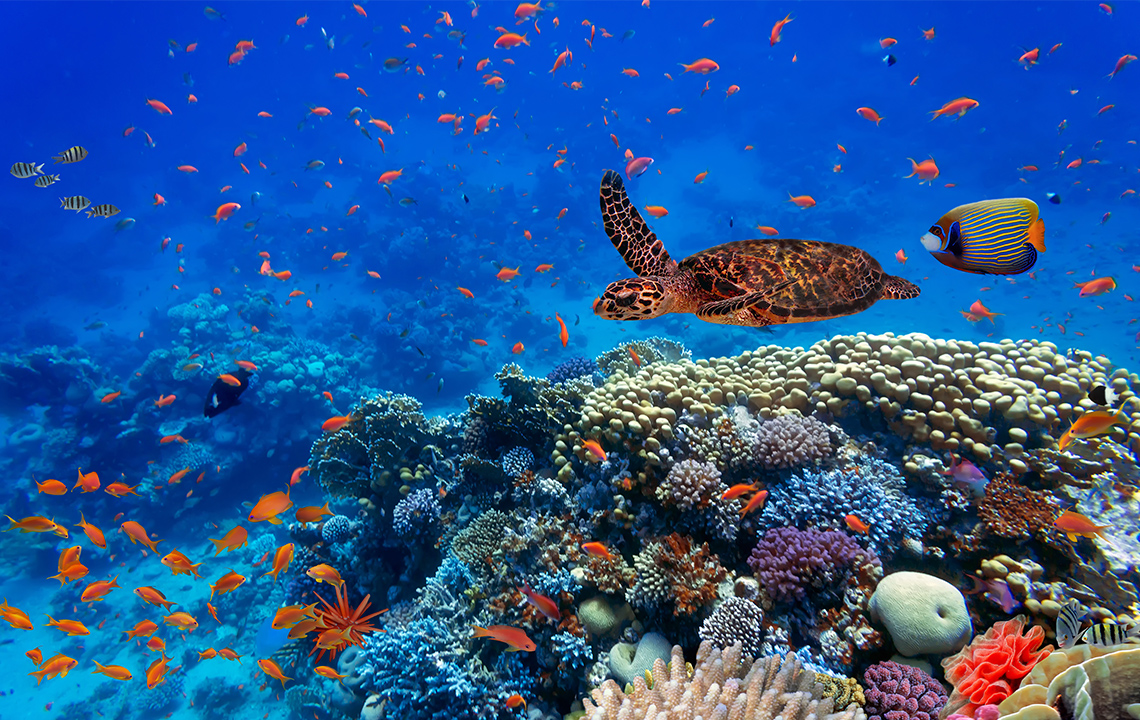
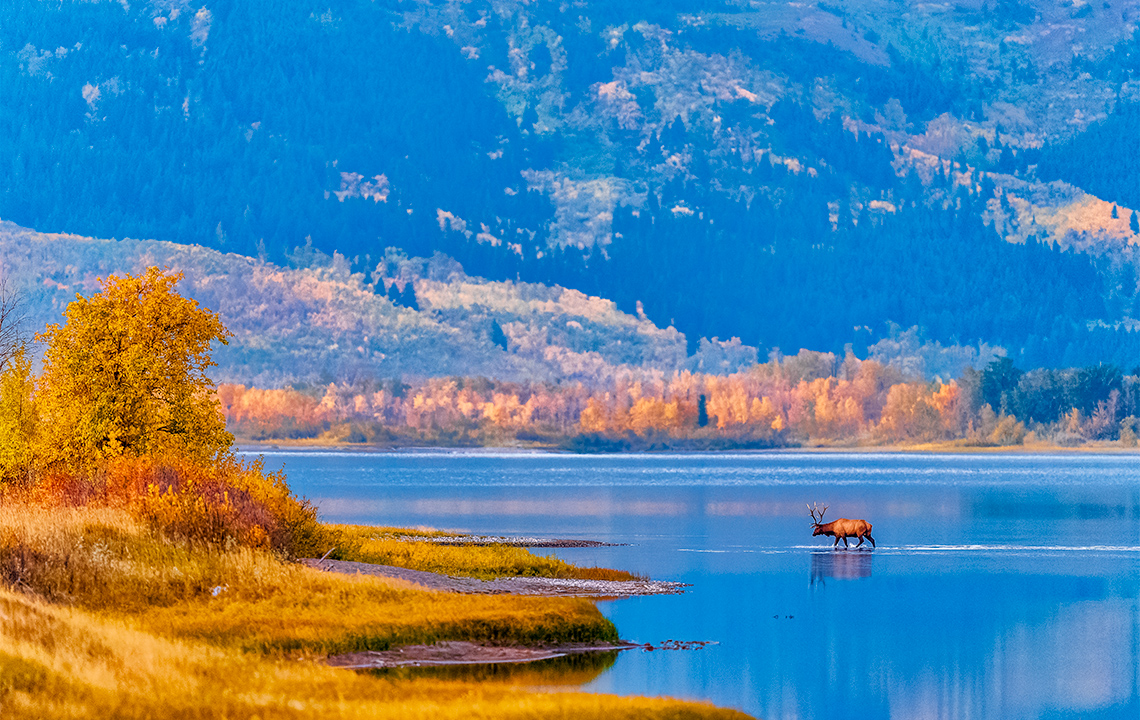
You may have noticed that all the images contain plants and animals, or that they showcase a habitat or ecosystem in some way. You may have noticed a variety of life. This is called biodiversity.

Pause and Reflect
Let’s think!
Take a moment to reflect on what you might already know about biodiversity. Consider what you may have learned in the past or your own personal experiences. Record your prior knowledge in a method of your choice.
Biodiversity is a term that describes the variety of life on Earth. It includes living organisms, from tiny bacteria to small plants to full grown animals, as well as the environment they live in, like forests, oceans, or grasslands. Biodiversity is important because it helps ecosystems function properly and allows all living things to thrive together on the planet.
Biodiversity vocabulary
Before you begin this learning activity, let’s explore some of the vocabulary you might encounter!

Morphemes
Did you know that all words are made up of morphemes? A morpheme is the smallest unit of meaning within words. It can either be a prefix, suffix, or a base word. All words have at least one morpheme, but more complex words have more than one.
- A base word is a structural element that forms the foundation of a written word; any unit of a word to which a prefix or suffix can be added
- A prefix is a morpheme that precedes a base to form a different word (e.g., "trans-" before "form" or "act").
- A suffix is a morpheme that is added to the end of a base to create a different word.
Take a closer look at the following vocabulary words you will encounter in this learning activity. Explore the meaning of the base, prefix, and/or suffix. Based on this information, formulate your own definition of the word, and write it in a sentence. Record your ideas in a method of your choice.
Check the actual definitions below.
Press Definitions button to learn more.
- Biodiversity: a term that describes the variety of life on Earth
- Ecosystem: a community of organisms in an environment
- Conservation: preventing the waste of resources; protecting natural resources
Researching to report
Part of the writing process is to gather and synthesize information throughout the process of researching a topic. As you research you will follow the research process to collect valuable and reliable information.
For this learning activity, you will be focusing on steps three through five as you explore the information provided.
Explore the following steps of the research process.
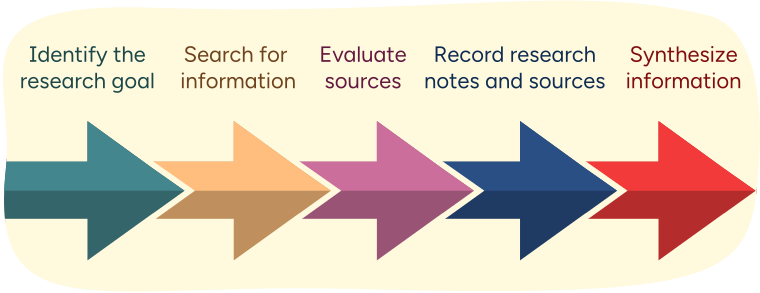
There are five arrows pointing to the right. Each arrow outlines the steps to the research process.
The first step says to identify the research goal.
The second step says to search for information.
The third step says to evaluate sources.
The fourth step says to record research notes and sources.
The fifth step says to synthesize information.
In this part of the learning activity, you will gather information about biodiversity for a research report. In this report you will be researching biodiversity and its benefits, what is impacting biodiversity, and what humans can do to help.
Explore the information provided in this learning activity and collect research notes along the way, evaluate sources, and record the information in the graphic organizer provided or in another method of your choice.
Press the Evaluating Sources button to learn more about how to assess the credibility of sources before you begin.
An important step in researching is to evaluate the sources you plan to use. It is important that the information you are collecting is reliable and accurate, and you should consider any possible bias.
Credible sources are usually published by reputable publishers, academic institutions, or experts in the field.
Use the following checklist to evaluate the sources you’re exploring.
Evaluating Sources
As you explore the following informational texts, complete the fillable and printable Researching Biodiversity using the following document, or using another method of your choice. If you would like, you can use speech-to-text or audio recording tools to record your thoughts.
Exploring informational texts
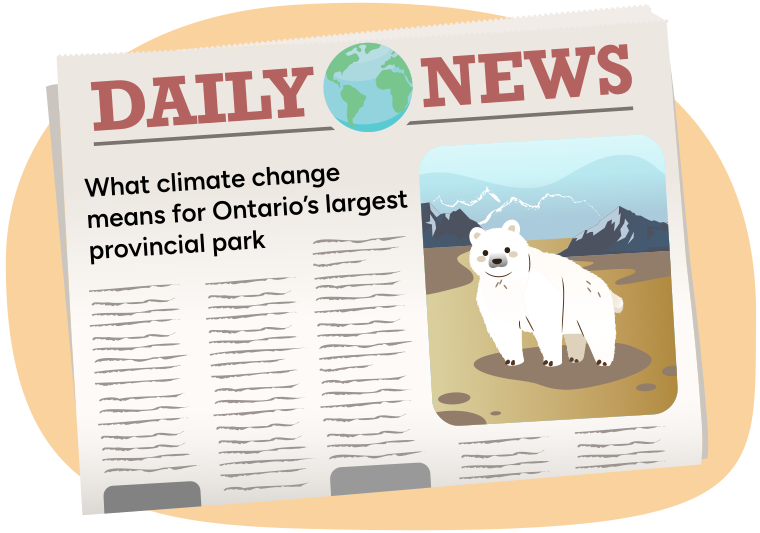
An informational text is a non-fiction text that provides information about a specific topic. These texts are designed to inform, explain, or instruct the reader about real-world subjects.
Source 1: Biodiversity video by Bill Nye the Science Guy
Let’s begin by exploring a video clip about biodiversity. As you explore the video clip, don’t forget to record key information in your research organizer.
Check your understanding of the video in the following true or false comprehension tasks.
Before moving on to Source 2, be sure to complete your graphic organizer with research notes.
Source 2: “The Greenbelt” by Kathryn Loog
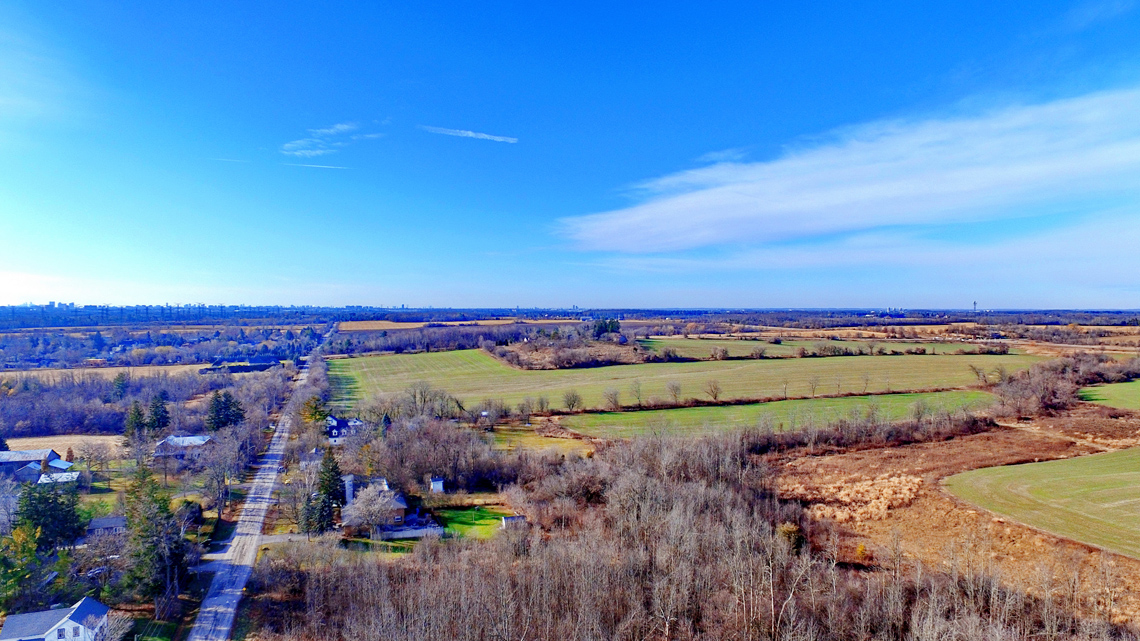
Duffins Rouge Agricultural Preserve in Pickering, Ontario
DescriptionAn aerial view of the Duffins Rouge Agricultural Preserve, protected Greenbelt land. There is a road and an open field with trees and bushes.
In 2023, Kathryn Loog, a PhD candidate in industrial engineering at Polytechnique Montréal, wrote two different articles about the Greenbelt in Ontario and its biodiversity.
Begin by exploring the following short video about the Greenbelt.
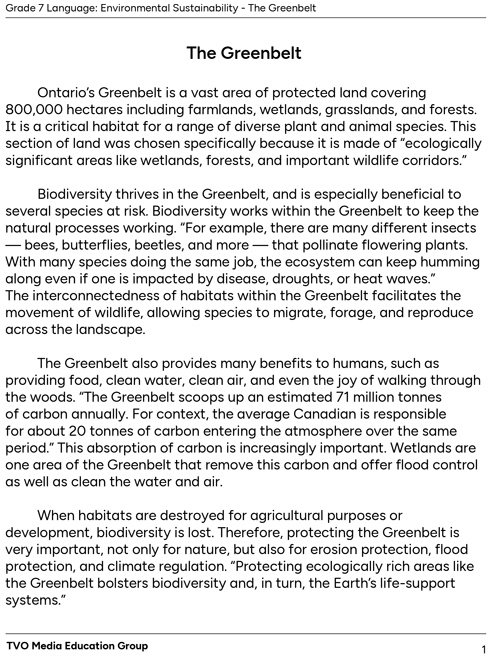
Read the following article entitled The Greenbelt to find out more.
Select the correct answer, then press Check Answer to see how you did.
Before moving on to Source 3, be sure to complete your graphic organizer with research notes.
Source 3: “Keepers of the Land”
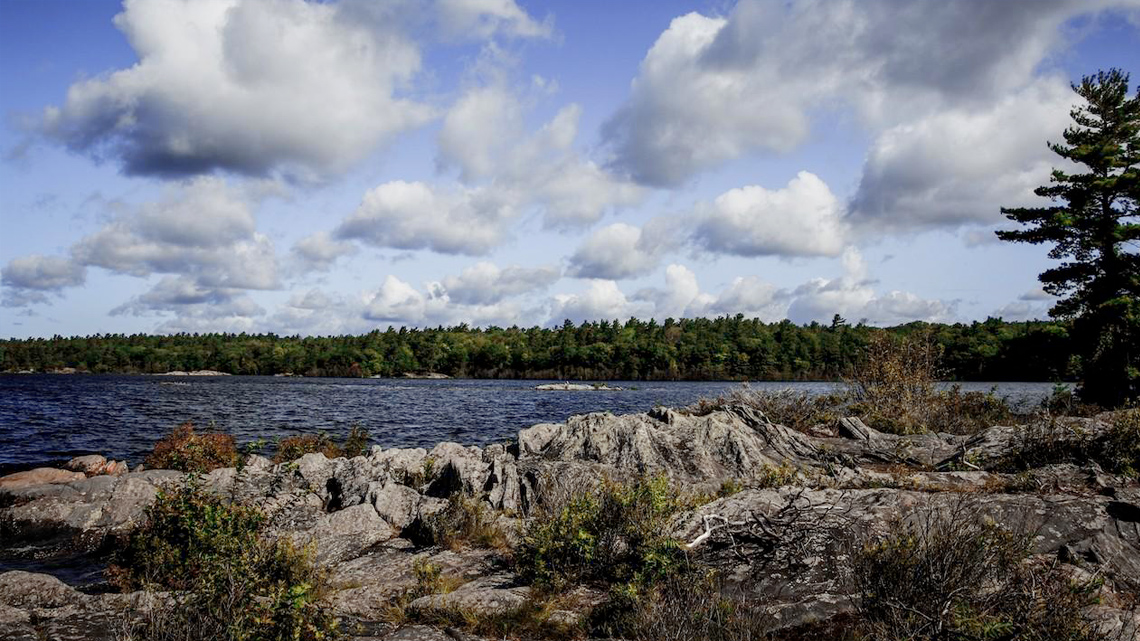
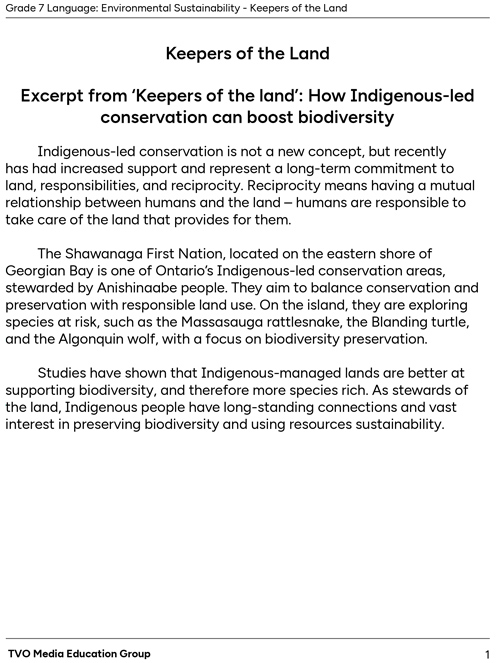
Read the following excerpt from the article "‘Keepers of the land’: How Indigenous-led conservation can boost biodiversity" to find out more.
Check your understanding of this text in the following true or false activity.
Select the correct answer, then press Check Answer to see how you did.
Evaluate, synthesize, sequence
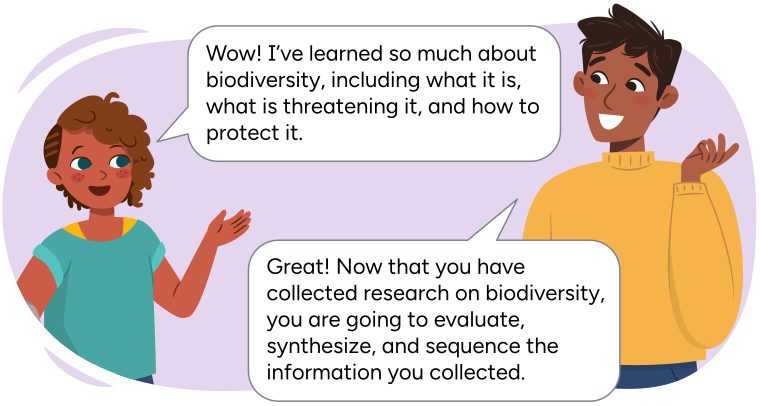
This is a conversation between student and teacher.
Student Gabby's speech bubble says:
Wow! I've learned so much about biodiversity, including what it is, what is threatening it, and how to protect it.
Teacher Ravi's speech bubble says:
Great! Now that you have collected research on biodiversity, you are going to evaluate, synthesize, and sequence the information you collected.
Let’s take a look at the following definitions in the flashcards below.
To evaluate, synthesize, and sequence the information you’ve collected for your research report, you should consider overarching themes or categories of information that you can sort your research into. This would help you to build the body of your research report.
Identify themes or categories that you want to include in your research report and organize your information.
Press Hint button to learn more.
For example, you might use the following categories:
- What is biodiversity and why is it important to plants, animals, and humans?
- What is threatening biodiversity or putting it at risk?
- What is being done around the world to protect biodiversity?
- What can I do personally to help?
Based on the information that you’ve sequenced and organized, respond to the following reflection questions in a method of your choice.
- Do you think the information you collected is accurate and of good quality? How do you know?
- Do you think there are further questions you’d like answered about biodiversity? Or ideas you’d like to investigate further? If so, what are they?
- Are there any perspectives missing from your research? If so, what are they? Why are they important to your research?

Social Emotional Learning
Social emotional
Great work! Take a break before continuing onto the next part!

Fluency
Fluency is the ability to identify words correctly and read a text at an appropriate rate with ease, pace, automaticity, and expression. With proper phrasing and a focus on punctuation the reader will gain more meaning from the text.
One strategy to increase reading fluency is to re-read the same passage several times. Each time you read it, you will increase your reading rate, accuracy, and be able to add expression.
Explore the following passage on biodiversity or use another passage of your choice. Practise re-reading the passage several times, using the criteria below to guide you. Each time you re-read, make an effort to improve the number of words you read correctly (accuracy), the tone of voice you use (expression), and reading it more quickly (rate/pace).
Biodiversity is the variety of life on Earth. It encompasses all living organisms, from tiny microbes to towering trees, and the complex ecosystems they inhabit. Biodiversity is crucial for maintaining the health and balance of our planet’s ecosystems, providing essential services such as clean air, fresh water, and fertile soil. However, biodiversity is facing unprecedented threats from human activities, such as pollution and climate change. Preserving biodiversity is essential for ensuring the well-being of both present and future generations. By understanding the importance of biodiversity and taking action to conserve it, we can help safeguard the life that sustains us all.
Use the checklist provided to self-assess your own fluency. If possible, share with someone else and ask them to provide feedback on your fluency.
Fluency checklist
Based on the checklist, choose one area of fluency to focus on and set a goal for yourself. What strategies could you use to help you achieve this goal?
Pause and Reflect
Pause and reflect
At the beginning of this learning activity, you recorded what you already know about biodiversity, including what you may have learned in the past or your own personal experiences. While you learned further, do you think your prior knowledge helped you to understand the new information you learned or make connections? If so, how? Record your ideas in a method of your choice.
Press Possible Answer button to learn more.
Let’s check!
Check your overall understanding of biodiversity through the following fill-in-the-blank activity.
For each sentence, select the missing word from the drop-down menu. Press Check Answer to see how you did.
Putting it all together
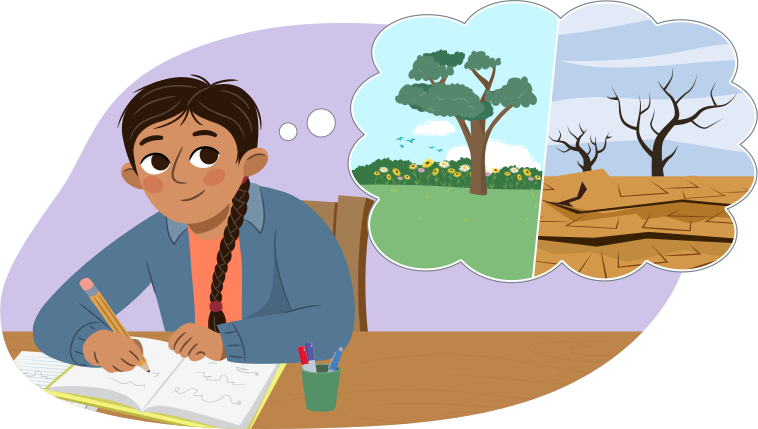
As a final task, you’ve been asked to share the knowledge you have collected researching biodiversity with students in Grade 6 as they learn about this unit in science. In a method of your choice, create a short five-minute presentation about biodiversity.
You may wish to create a short video, an informative website, a speech, a poster, or another method of your choice.
Use the following interactive checklist to ensure you’ve covered the essential information.
Biodiversity checklist
Reflection
As you read the following descriptions, select the one that best describes your current understanding of the learning in this activity. Press the corresponding button once you have made your choice.

I feel...
Now, expand on your ideas by recording your thoughts using a voice recorder, speech-to-text, or writing tool.
When you review your notes on this learning activity later, reflect on whether you would select a different description based on your further review of the material in this learning activity.