Learning goals
We are learning to…
- analyze and explain how the knowledge and skills developed in this grade support learning in various subject areas and in everyday life
- summarize and record the main idea and supporting details in various texts, and draw well-supported conclusions
- draft complex texts of various forms and genres
Success criteria
I am able to…
- identify and analyze the impact that natural resource extraction has on humans and the environment (logging, mining, petroleum)
- explore organizations or methods to conservation of and sustainable use of natural resources
- write a persuasive essay about the importance of conserving natural resources
- apply my knowledge to new scenarios and identify personal ways I can conserve natural resources and encourage others to do the same

What are resources?
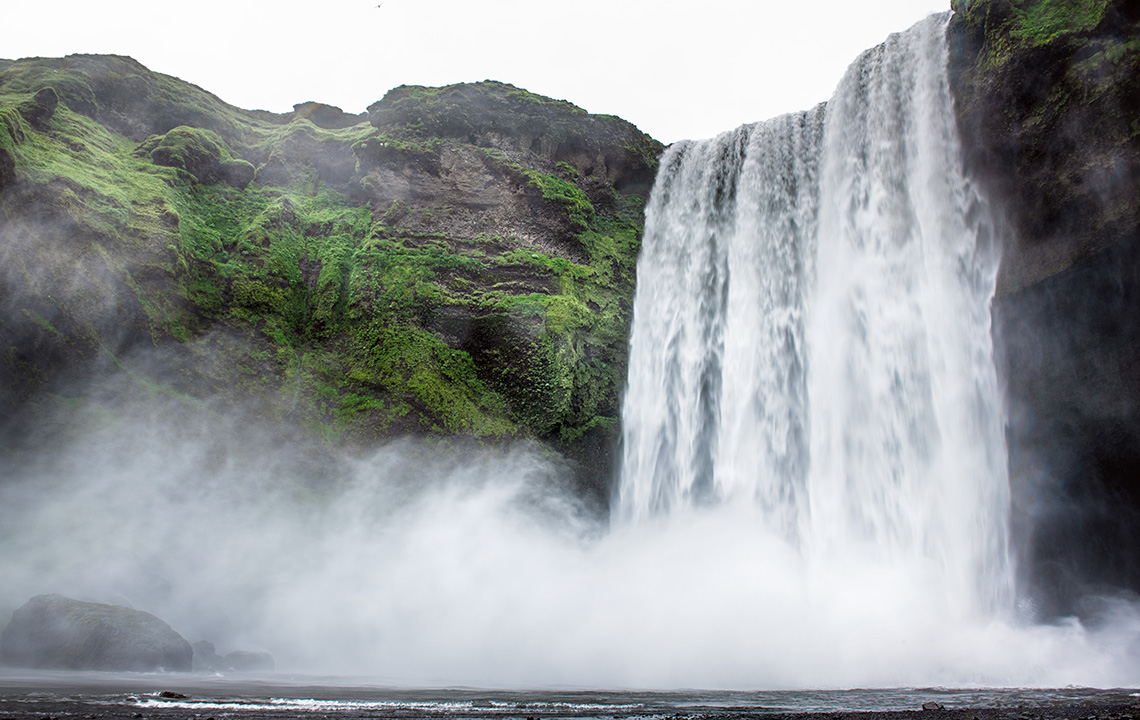
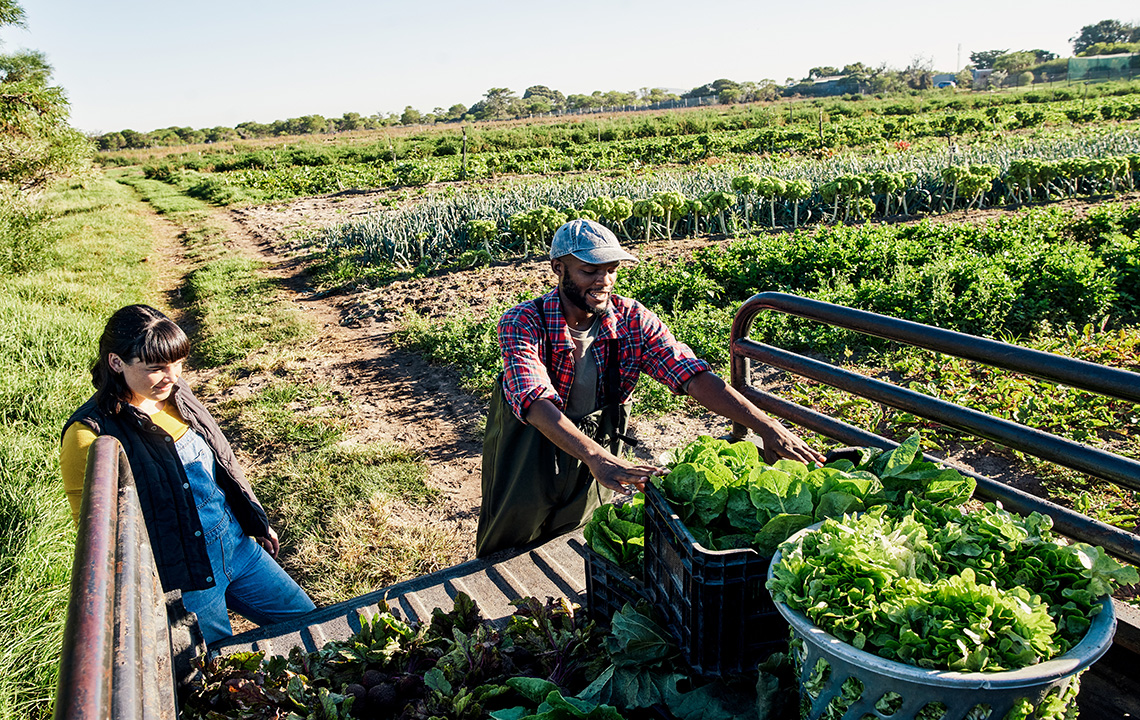
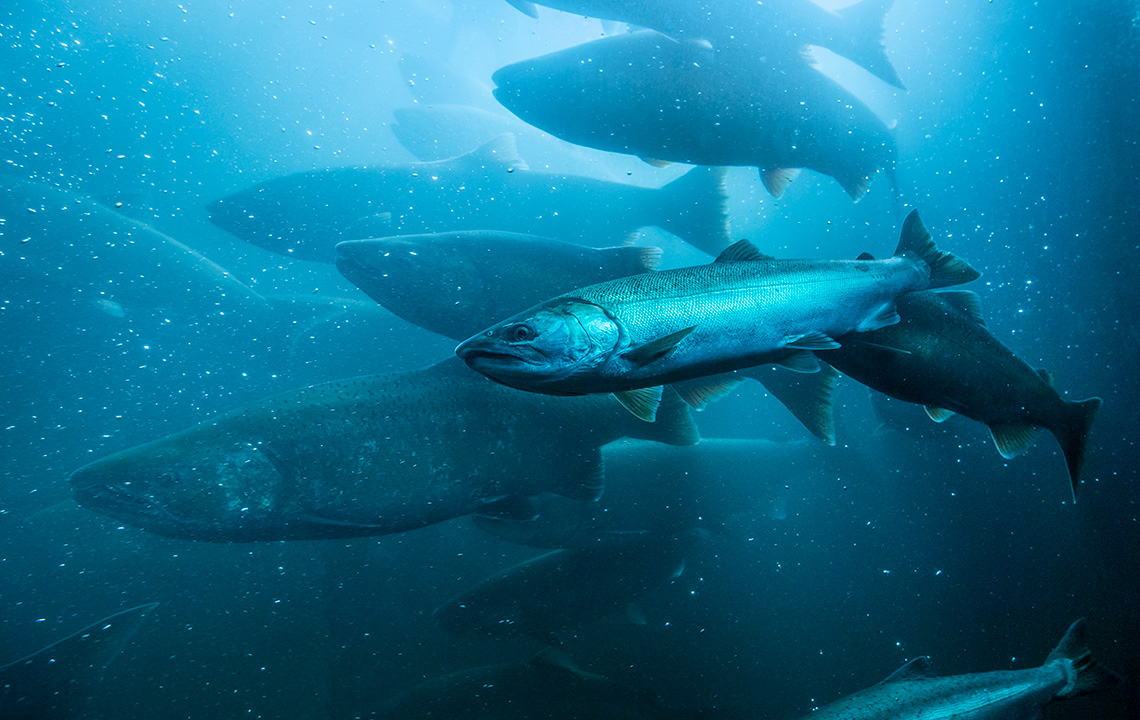
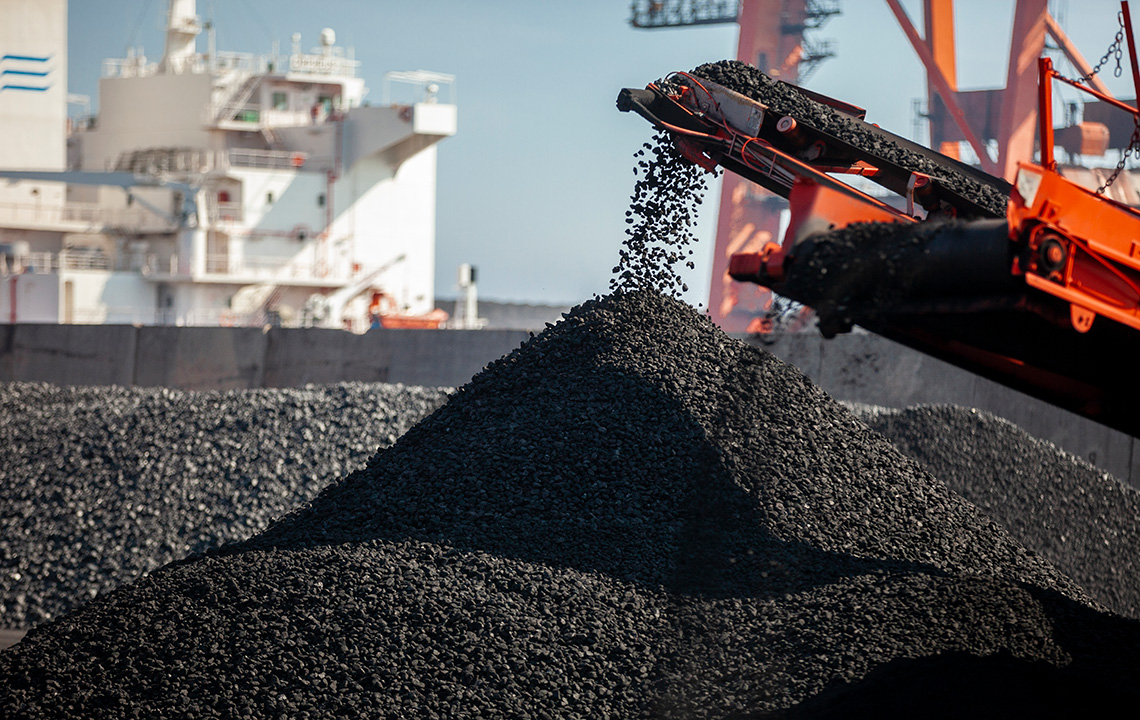
You may have noticed that all these images are a type of resource.
A natural resource is a material or substance that is found naturally on Earth and is created through natural processes in the environment.
Earth has three types of resources: renewable, non-renewable, and flow resources.
Let’s explore the definitions of these words.
- A renewable resource is a resource that can be regenerated if used carefully (e.g., trees, fish, soil, plants).
- A non-renewable resource is a resource that is limited and cannot be replaced once it is used up (e.g., coal, natural gas, oil).
- A flow resource is a resource that is neither renewable or non-renewable; it is replaced by natural actions but must be used when and where it occurs (e.g., running water, wind, sunlight).
Can you think of any other resources that fall into these categories? Record them in a method of your choice.

The importance of resources
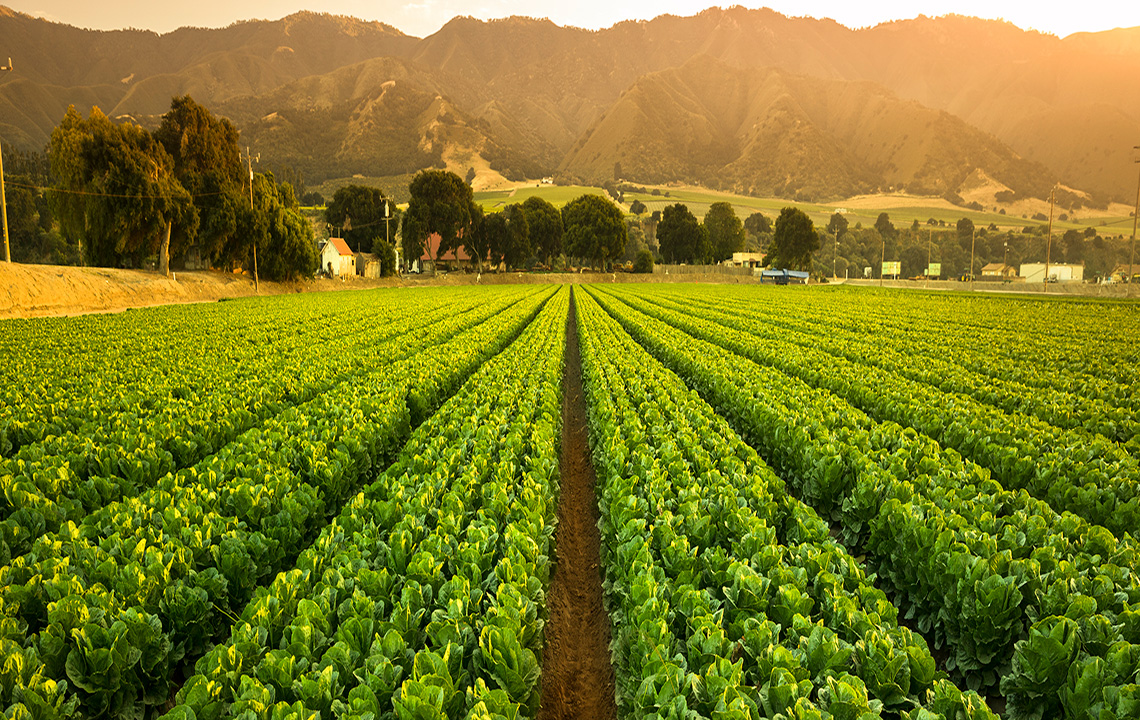
So why are these resources so important? Natural resources are crucial for several reasons. Begin by exploring the following tabs that highlight the importance of natural resources.
As you explore, you may wish to record key ideas in your notebook or another method of your choice.
Press the following tabs to find out more.
Natural resources, such as air, water, and food are essential for sustaining life on Earth – the human population needs them to survive. Additionally, natural resources are needed in all ecosystems to thrive and they provide services such as pollination, oxygen production, and waste decomposition.
Many economies around the world rely on natural resources for industries such as farming, forestry, mining, and manufacturing. These resources drive economic growth and provide people with jobs.
Natural resources are the primary source of energy, including both non-renewable (i.e., coal, oil, natural gas) and renewable or flow (i.e., sunlight, wind, water). These resources provide energy to power homes, businesses, transportations, and industrial processes.
Natural resources can be intertwined with cultural beliefs, traditions, and ways of knowing and being. They provide material for clothing, shelter, and other artifacts, as well as spiritual connections and recreational opportunities.
Natural resources, particularly oceans and forests, play a critical role in regulating the Earth’s climate. They absorb carbon dioxide from the atmosphere, helping to mitigate climate change, and provide habitats for species that contribute to the carbon cycle.
Extracting and harvesting natural resources
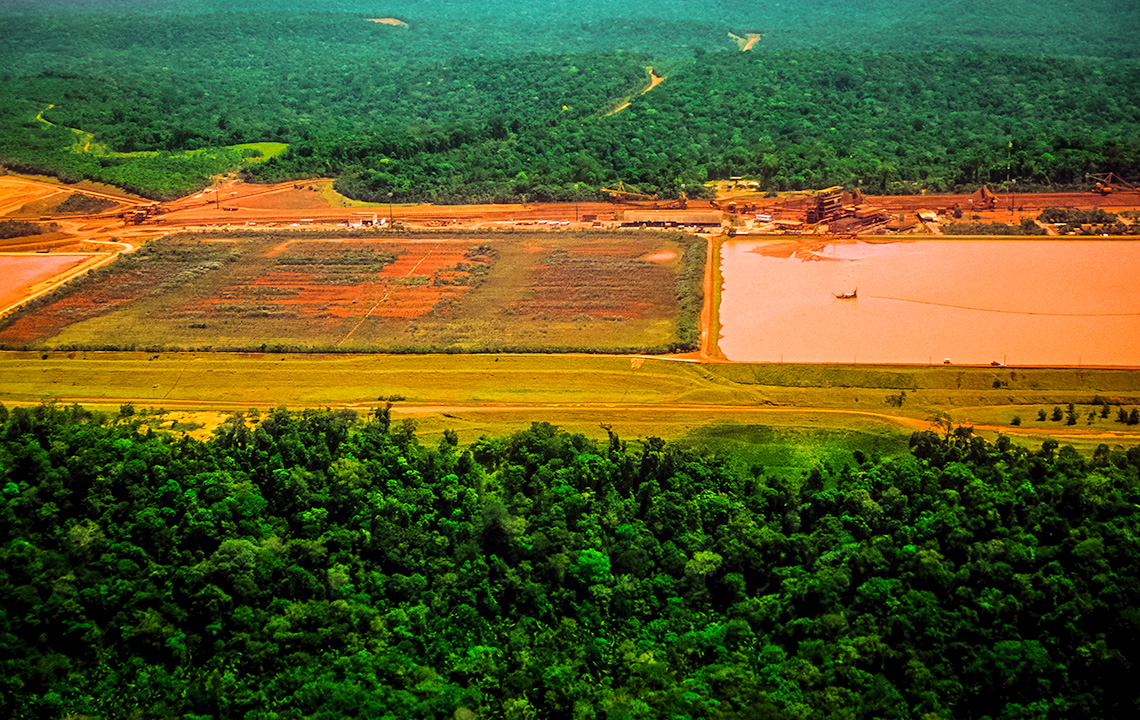
Natural resources are extracted and harvested, which refers to any activity in which the natural resource is withdrawn from nature, by activities such as hunting, trapping, mining, forestry, oil drilling, and much more.
In this section of the learning activity, you are going to be exploring two extraction methods of natural resources: logging and mining. As you explore the following information, identify the impact each extraction method has on humans, the environment, and what the overall main idea of the article is.
Complete the fillable and printable Extraction Methods Graphic Organizer in your notebook or using the following document. If you would like, use speech-to-text or audio recording tools to record your thoughts.
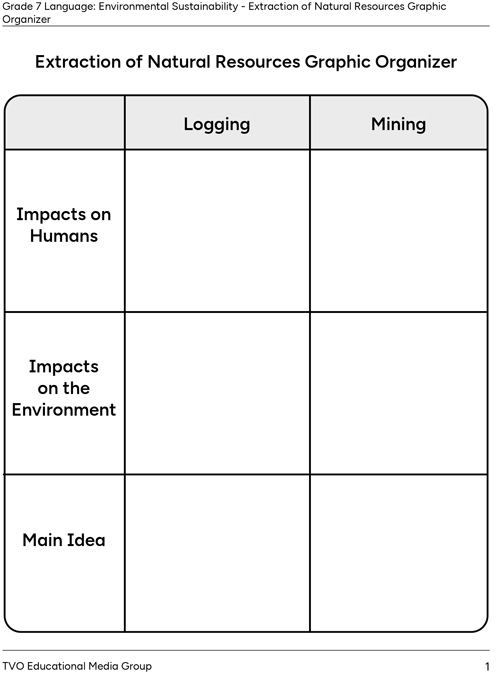
Press the Activity button to access the Extraction of Natural Resources Graphic Organizer.
Activity(Opens in a new tab)Extraction method 1: Logging
Logging is the cutting, processing, and loading of trees or logs onto trucks. Trees from logging are sold to make products like paper and furniture, build homes, and develop land.
When trees are cut down, complex habitats for plants and animals get completely destroyed. For example, an owl prefers an older tree with a larger diameter for nest cavities and would be forced to relocate if their home was cut down.
Check out the following video to learn more.
Logging contributes to other forms of environmental damage. Press the following tabs to explore more examples of environmental damage caused by logging.
Logging can also impact climate change by increasing the amount of carbon dioxide in the atmosphere. As trees grow, they absorb carbon from the atmosphere through photosynthesis, which becomes deposited in the trunks, branches, roots, and leaves, in dead organic matter, and in soils. However, when trees are cut down, this carbon cannot be properly absorbed and remains within the atmosphere.
Logging also influences soil health. The roots of trees stabilize soil (helping to keep it in place), so when trees and their roots are destroyed, the soil re-loosens and becomes exposed to damaging rains and winds, which results in erosion and soil damage. Tree roots also help to control floods because they absorb the rainwater, so deforestation contributes to higher rates of flooding.
Along with the changes to the environment, logging can also impact human health. As animals are displaced from their habitats, they are often forced to relocate to areas heavily populated by humans. Logging can also create food insecurities for those who harvest food and medicines directly from plants. As carbon is released into the atmosphere, this contributes to climate change, which also has an immensely negative impact on humans.
Now that you have explored extraction methods for logging, record the impact on humans and the environment in your graphic organizer or in another method of your choice.
Case study: The Amazon rainforest
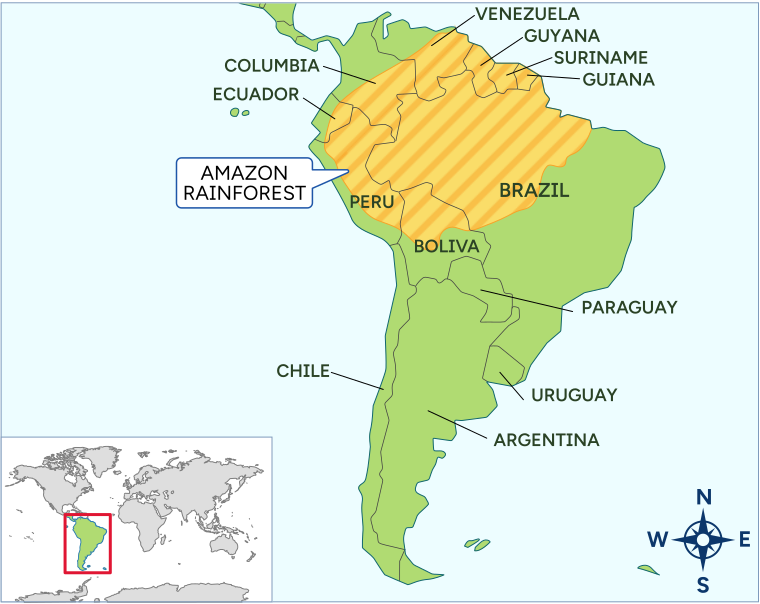
A map of South America with the map of the world at the bottom left corner indicating where it is on a globe. It locates the Amazon Rainforest spanning across nine counties on the South American continent. There is a compass at the bottom right corner.
Let’s explore the Amazon rainforest as an example. The Amazon rainforest is the largest tropical rainforest in the world, covering approximately 5.5 million square kilometres across nine countries in South America. Logging in the Amazon rainforest has had significant impacts on both the ecosystem and the people who depend on it.
Rainforests are home to more than half the world’s known species and absorbs billions of tons of carbon. Rainforests can sustain themselves by “self-watering.” The hot and humid climate of the rainforest leads to frequent and intense rainfalls. Plants soak up that rainwater and release it back into the atmosphere. So, what happens if the rainforest gets cut down?
Explore the following video to learn more about how logging is impacting the Amazon rainforest.
Let’s check!
Check your understanding of logging in the following true or false questions. Select the correct answer, then press Check Answer to see how you did.

Pause and Reflect
Pause and reflect
Take a moment to reflect on the video and what you read about logging. Using the following questions as a guide, fill in your graphic organizer, or record your ideas in another method of your choice.
- What did the video explain were the negative impacts of logging in the Amazon rainforest? Record the impacts of logging on humans and the environment.
- What is the main idea of the section on logging? Record the main idea and three supporting details.
Press Answer button to learn more.
- The Amazon rainforest could begin to dry out because as tree cover is cut down the forest won’t be able to create as much rain. This would release a huge amount of carbon dioxide into the atmosphere, contributing to climate change. Lastly, it would mean a loss in biodiversity, and ecosystem services.
- The main idea of this section is about the impact of logging on both humans and the environment. Logging can impact humans negatively by increasing carbon in the atmosphere. Logging impacts the environment negatively because it destroys habitats, decreases soil health, and increases erosion. One example of this is the Amazon rainforest – the increased logging will eventually lead to the forest drying out and it being unable to sustain the biodiversity it currently does.
Extraction method 2: Mining
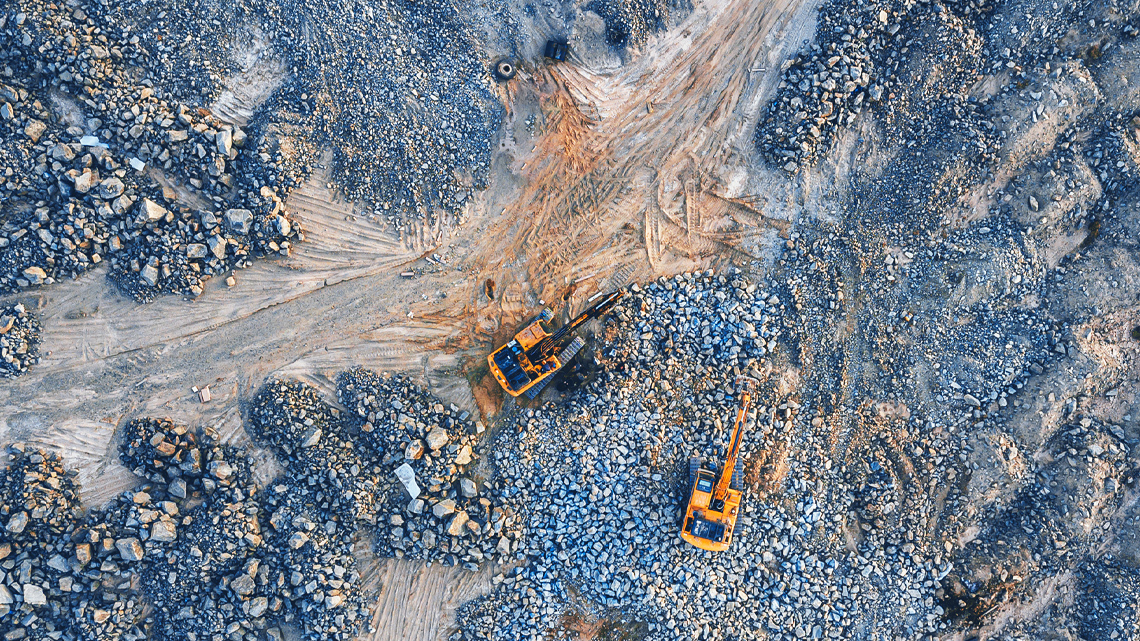
Mining is the process of extracting materials and minerals from the Earth’s surface. The processing of minerals provides humans with much of what they need in modern society.
There are two types of mining:
- Surface mining: Done by removing surface vegetation (like trees, shrubs, and other plants), dirt, and layers of bedrock to reach the materials buried just beneath the surface.
- Subsurface mining: Includes digging deep underground to reach resources, leaving the landscape above the mine intact.
So how can mining impact the environment? Press the following tabs to learn more.
Let’s check!
Check your understanding of mining using the following true or false questions.
Select the correct answer, then press Check Answer to see how you did.
Pause and Reflect
Pause and reflect
Take a moment to reflect on what you read about mining. Using the following questions as a guide, fill in your graphic organizer, or record your ideas in another method of your choice.
- What is the main idea of the section on mining? Record the main idea and three supporting details in your graphic organizer or in another method of your choice.
- What did the readings explain were the negative impacts of mining on humans and the environment?
Press the Possible Answer button to learn more.
- The main idea of this section is about the impact of mining on both humans and the environment. Mining can lead to pollution in the air and water, which negatively impacts both humans and the environment. It can also destroy ecosystems and create conflict.
- The article explained that mining can lead to contaminated water and air pollution. This not only destroys the natural environment, but it also poses health risks to humans living nearby. Large-scale mining projects can also require entire communities to relocate so that the land they live on can be developed, which also destroys those natural ecosystems.
Writing a persuasive essay
Now that you explored the impacts of logging and mining, you will be writing a persuasive essay about the harms of extracting resources on people and the environment.
Using the notes you have collected in your graphic organizer, you will choose to discuss either:
- The harms of logging on both humans and the environment.
OR
- The harms of mining on both humans and the environment.
Teacher Wilfred is speaking. In a speech he is saying:
A persuasive essay is a type of writing where you present an argument and attempt to convince the reader to take your viewpoint and/or take action!
Explore the following interactive image to learn more about the parts of a persuasive essay.
Preparing notes for your essay
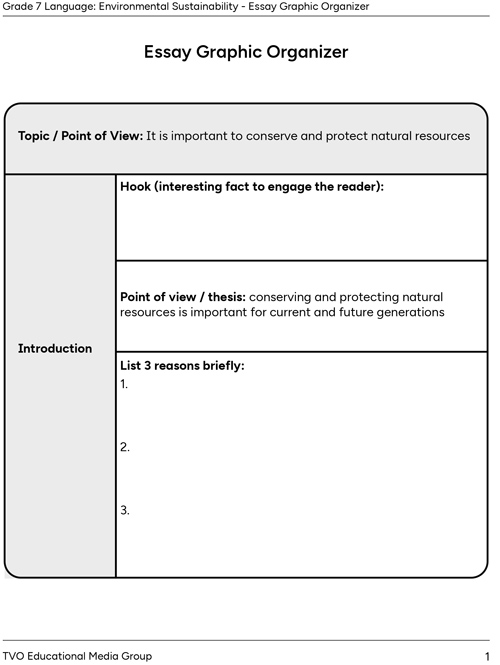
Begin by completing the following graphic organizer for your essay. Your organizer should be in point form notes and draw on examples that you learned in this learning activity, or other ideas you may have.
Complete the fillable and printable Essay Graphic Organizer in your notebook or using the following document. If you would like, you can use speech-to-text or audio recording tools to record your thoughts.

Social Emotional Learning
Social emotional

Great work! Take a short break before exploring the proper usage of commas and transition words!

Commas and transition words
Commas have so many different purposes, including falling after transitional words or phrases. What are transition words again?
Transition words or phrases give writers the opportunity to prepare the reader for a new idea. They can introduce new or contrasting ideas, show relationships, or form connections.
Explore the following reasons for transition words and examples in the following flashcards.
When using transition words and phrases in your writing, it is important to remember one rule. A comma always comes after a transition word or phrase. Explore the following examples.
Description
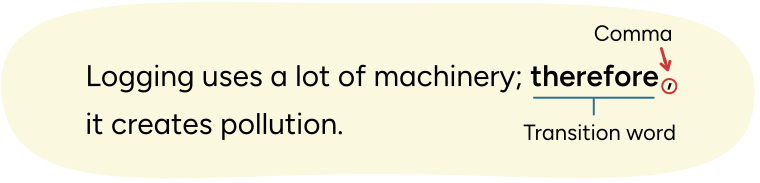
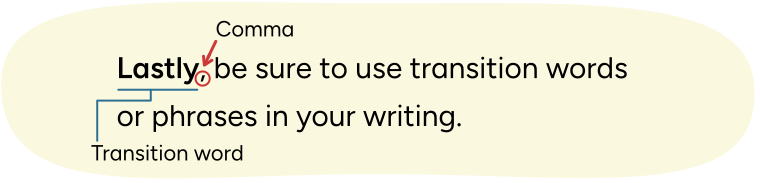
Image 1: A sentence that says in conclusion, these are all the different types of transition words. The word in conclusion is underlined and is the transition phrase. There is a comma right after which is circled.
Image 2: A sentence that says logging uses a lot of machinery; therefore, it creates pollution. The word therefore is underlined and is the transition word. There is a comma right after which is circled.
Image 3: A sentence that says lastly, be sure to use transition words or phrases in your writing. The word lastly is underlined and is the transition word. There is a comma right after which is circled.
As you work on your persuasive essay, look for opportunities to include transitional words and phrases and appropriately follow them with a comma.
Writing your rough draft
Persuasive essay success criteria
Now that you’ve completed your graphic organizer and explored the proper use of commas with transition words, take your ideas and turn them into full paragraphs.
When completing your persuasive essay, use the following checklist for success.
Let’s try to write it out in cursive or type it out! See the following tips.

Cursive practice
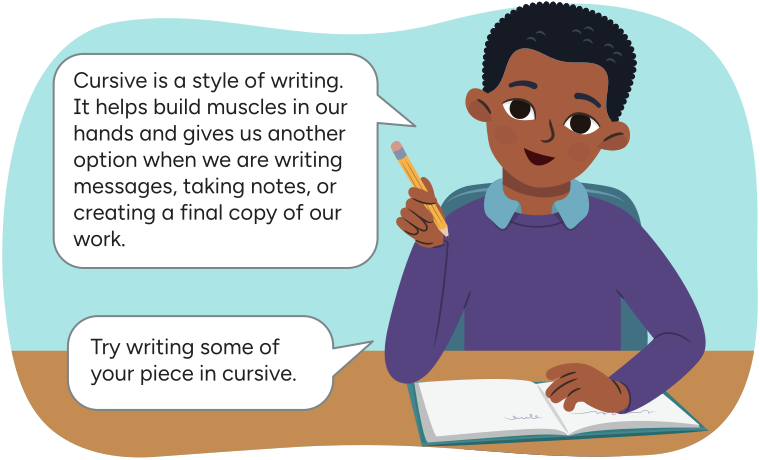
Student is speaking. In a speech bubble he is saying:
Cursive is a style of writing. It helps build muscles in our hands and gives us another option when we are writing message, taking notes, or creating a final copy of our work. Try writing some of your piece in cursive.
Let’s review cursive writing!
Check out the following animation of how the word resource is written in cursive, then review the tips for cursive writing provided.

Tips for cursive letters
- When we write in lowercase, we always begin at the bottom.
- When we write in uppercase we can start from the top or the bottom.
- Try to keep the pencil on the page until you are done the word.
- Try to press gently as you write so that your hand can move easily across the page.
- Take your time to make sure that you are writing clearly and evenly.
Left-handed tips for cursive writing

Explore the video on Left-Handed Tips to learn more.

Typing practice
Typing is a great skill to develop! When we need to use a computer or tablet keyboard, knowing how to type helps us:
- take notes
- respond to messages
- create final drafts of our work
Explore the following image to see what fingers are used to type each letter or number.

A keyboard and hands showing which fingers are used to press each key when typing.
The left pinky finger presses the keys 1, Q, A, and Z.
The left ring finger presses the keys 2, W, S, and X.
The left middle finger presses the keys 3, E, D, and C.
The left index finger presses the keys 4, 5, R, T, F, G, V, and B.
The left or right thumb presses the space bar.
The right index finger presses the keys 6, 7, Y, U, H, J, N, and M.
The right middle finger presses the keys 8, I, K, and comma.
The right ring finger presses the keys 9, O, L, and period.
The right pinky finger presses the keys 0, minus, equal, P, open bracket, closed bracket, backslash, semicolon, apostrophe, and forward slash.
We use specific muscles in our hands to type! It’s important to practice so that it becomes easier to type correctly without putting too much pressure on our hands and our wrist.

Putting it all together

Check your understanding of natural resources in the following multiple choice activity.
Select the correct answer, then press Check Answer to see how you did.
Reflecting on conservation
Now that you have explored some information about natural resources, as well as how the methods used to extract them can harm the environment and people, take a moment to reflect:
- How might you help to conserve natural resources?
- How could you encourage others to do the same?
Record your ideas in a method of your choice.
Press Hint button to learn more.
Because most things that people use in their everyday lives come from natural resources, it is possible to take individual steps to help protect these important materials!
Actions like proper recycling, using reusable goods, eating less meat, and avoiding single-use plastics whenever possible, are all examples of ways to help conserve natural resources.
Reflection
As you read the following descriptions, select the one that best describes your current understanding of the learning in this activity. Press the corresponding button once you have made your choice.

I feel...
Now, expand on your ideas by recording your thoughts using a voice recorder, speech-to-text, or writing tool.
When you review your notes on this learning activity later, reflect on whether you would select a different description based on your further review of the material in this learning activity.