Learning goals
We are learning to…
- analyze and explain how the knowledge and skills developed in this grade support learning in various subject areas and in everyday life, and describe how they enhance understanding and communication
- summarize and synthesize the important ideas and supporting details in complex texts, and draw effective conclusions
- gather and synthesize information and content relevant to a topic, using a variety of textual sources and appropriate strategies; evaluate the currency, quality, bias, and accuracy of information; verify the reliability of sources; and cite the sources of all content created by others
Success criteria
I am able to…
- identify sustainable solutions and the benefits they offer cities
- summarize key ideas from a case study about a sustainable city
- research and gather information about a sustainable solution or sustainable city of my choice
- set a personal goal towards sustainability, as well as identify community needs

The environmental impact of cities

Cities and rural communities are often viewed as separate and very different. Cities are populated by more people and have more developed land, while rural communities tend to be less populated and have more undeveloped land. This often means that the issues that are important to cities are different from the priorities that rural areas have.
However, when it comes to environmental sustainability, climate change, and conservation efforts, cities and rural communities are more connected than people might think. Cities are a major driver of environmental change. The expansion of cities, called urban sprawl, changes landscapes. This affects ecosystems and biodiversity in both cities and rural communities.

Did You Know?
Did you know?
Cities are responsible for around 75% of global greenhouse gas emissions, making them a major contributor to climate change.
Let’s explore!
Begin by exploring the following video clip and responding to the question “what problems do cities face?” Record your ideas in a method of your choice.
Check out the following video to learn more.
Press the Possible Answer button to learn more.
You may have brainstormed ideas like:
- a lack of nature
- high temperatures
- poor air quality
- health risks
- flooding
- pollution in waterways

What makes a sustainable city?

Sustainability means living within the limits of available resources. These resources may include Earth’s natural resources and/or the economic and human resources of a society. Sustainability also implies equitable distribution of resources and benefits, which requires an understanding of the interrelationships between natural environments, societies, and economies.
In our world today, cities are growing quickly, but some people worry about how this growth affects nature. Sustainable cities are one option that allows humans and nature to work together. They are all about taking care of the planet and each other. Sustainable cities make policies (or rules) and get help from communities to reduce pollution and promote biodiversity. For example, they design better working public transit systems and rely on renewable energy.
Let’s begin by exploring a few sustainable options for cities. Press the following tabs to find out more.
A renewable resource is a resource that gradually reproduces itself over time, if used carefully. Renewable energy systems are technologies that use natural sources of energy (i.e., wind, solar, water, biofuel) to make electricity or heat. These energy options are clean and reliable compared to fossil fuels, which contribute to greenhouse gas emissions.
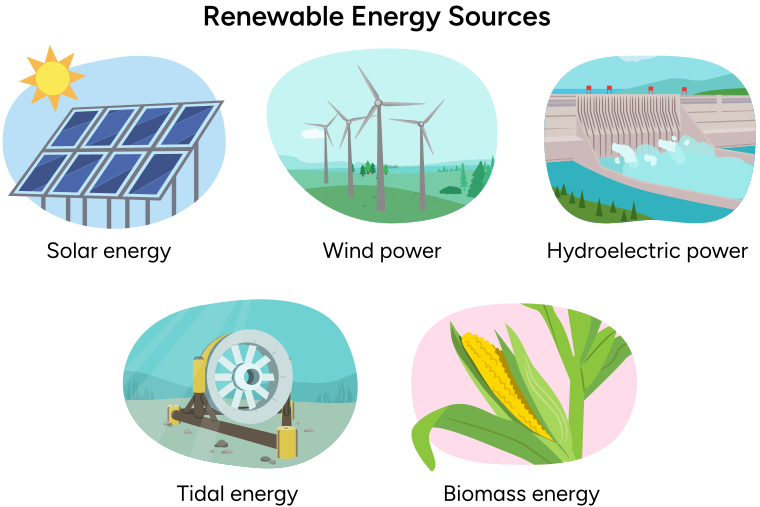
A poster titled "Renewable Energy Sources". There are five sources. The first source has a sun, and solar panels titled "Solar energy". The second source has wind turbines in an open land of grass titled "Wind power". The third source has a waterfall in a body of water titled "Hydroelectric power". The fourth source is under water and has large round fan on a base titled "Tidal energy". The fifth source is a corn on the cobb titled "Biomass energy".
There are also technologies that help people monitor how much energy they use to reduce waste and promote sustainability. Two examples are: energy management systems and smart grids.
- Energy management systems store extra energy from renewable sources.
- Smart grids record how much energy is used in real-time to help users conserve energy.
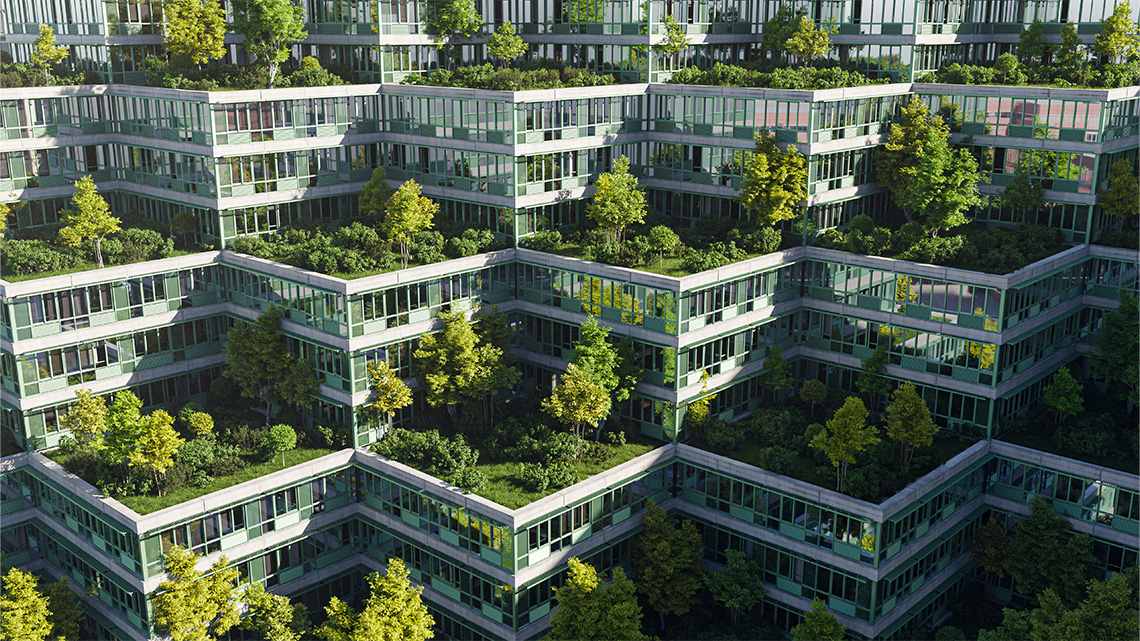
When designing buildings in a city, whether commercial businesses or housing, it is important to consider energy efficient solutions.
These include:
- features such as insulation, energy-efficient appliances, and LED lighting
- designs that use natural light and ventilation to minimize the need for heating, cooling, and artificial lighting
- green roofs to reduce heat absorption, improve air quality, and provide a habitat for wildlife
- green spaces like rooftop gardens, community gardens, parks, and green corridors so residents can grow their own food locally and improve wildlife habitats to improve biodiversity
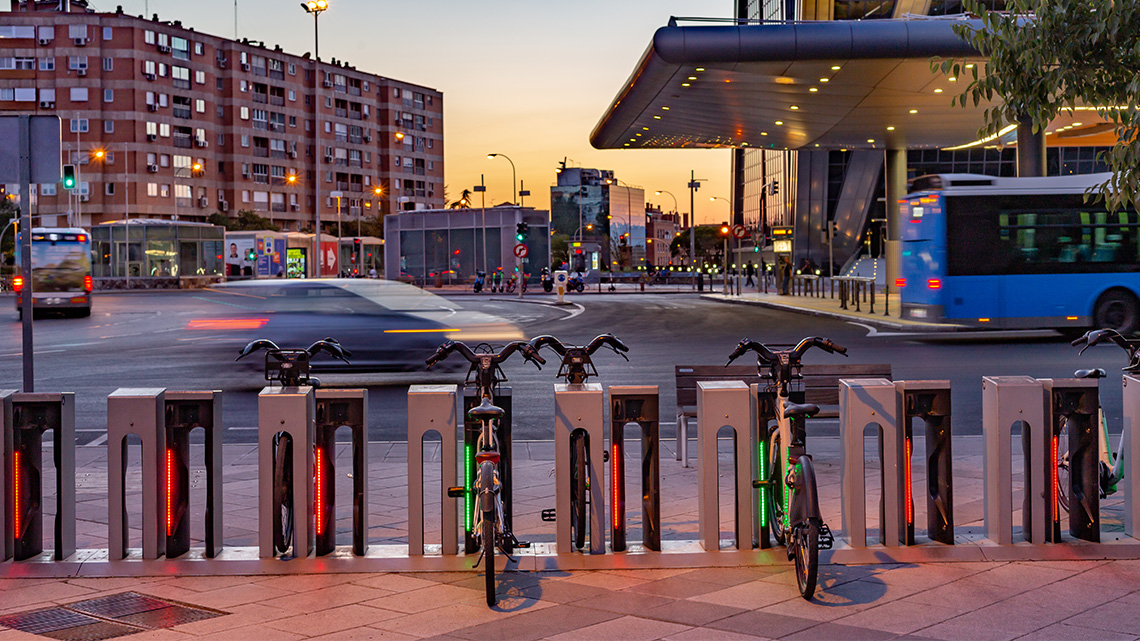
Transportation systems that work well and are sustainable are important when developing a sustainable city.
This could include:
- providing public transit networks, including buses, trains, and light rail, to reduce the use of single vehicles
- promoting electric vehicles, including cars, bikes, and scooters to reduce greenhouse gas emissions and air pollution
- bike lanes and walking paths that are safe and accessible for people to encourage active transportation
Proper waste management prevents pollution of air, land, and water. Sustainable cities may have:
- recycling and composting facilities that use waste separation and recycling programs to reduce landfill waste
- “waste-to-energy” plants, which turn organic waste (e.g., compost) into renewable energy
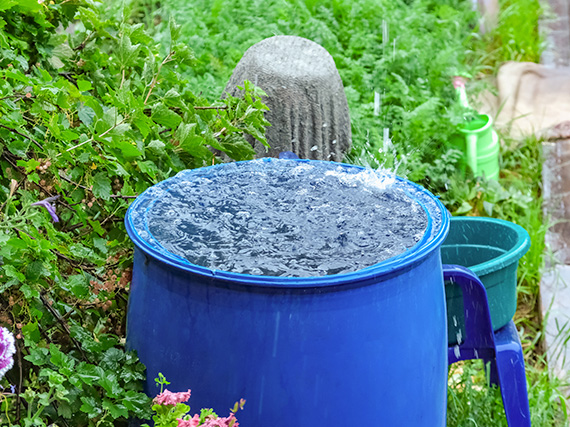
Wastewater, also known as “greywater,” is the leftover water from household activities, such as bathing, laundry, dishwashing, etc. Unlike sewage, or “blackwater”, which contains contaminants from toilets and kitchen sinks, after being treated, greywater can be reused for some purposes, such as putting water on crops, toilet flushing, and outdoor cleaning. This practice helps to conserve freshwater resources. Additionally, rainwater harvesting (collecting rainwater) for use in landscaping, toilet flushing, and other applications is also a sustainable method of conserving fresh water.
Let’s check!
Check your understanding of sustainable options through the following fill-in-the-blanks activity.
For each sentence, select the missing word from the drop-down menu. Press Check Answer to see how you did.

Social Emotional Learning
Take a break!
You’ve just explored sustainable cities. Take a break before continuing onto the next part!
Case study: Copenhagen, Denmark
Now that you have explored some sustainable options, let’s explore a case study that highlights a sustainable city.
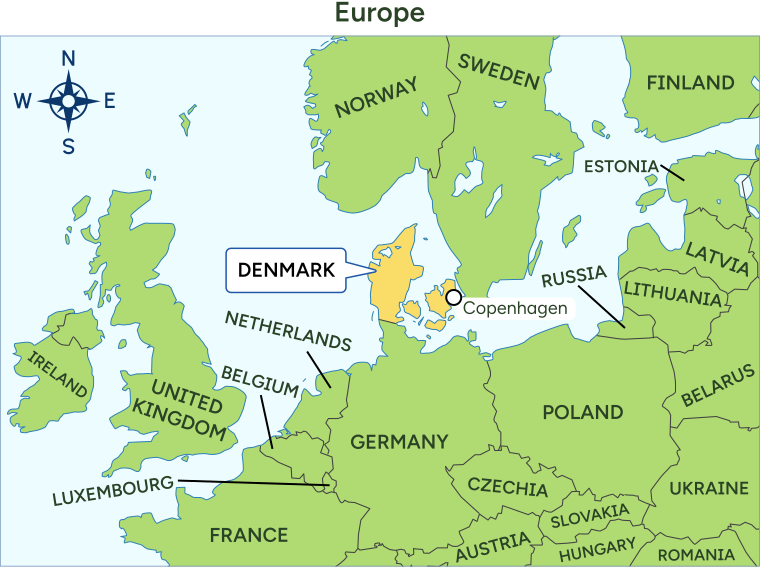
This is a map of the continent Europe. There is a compass at the top left. There is a small circle on the city Copenhagen with a line titled Denmark. The neighboring countries north of Denmark are Sweden and Norway. The neighboring countries south of Denmark are Germany and Netherlands.
Copenhagen, Denmark is one of the most sustainable cities in the world. Copenhagen has made a pledge to be carbon-neutral by 2025.
Did You Know?
Did you know?
The term carbon-neutral refers to making sure that the amount of CO2 emissions being released into the atmosphere is balanced with the amount that is being removed. This is an essential step in reducing the effects of climate change.
So, how is Copenhagen doing it? Copenhagen’s success as a sustainable city is because of its approach to urban planning, environmental stewardship, and social equity. For starters, Copenhagen has a strong commitment to renewable energy. 74% of Copenhagen’s electricity is sourced sustainably, most commonly in the form of wind, solar, and geothermal energy. Additionally, the largest power plant has replaced coal with wood pellets. Around 98% of the city is heated by waste heat from electricity production.
Check out the following video to learn more about how Copenhagen sustainably deals with trash.

Pause and Reflect
Pause and reflect
Why is this method sustainable? What would happen to the trash if it wasn’t turned into energy?
Press the Answer button to learn more.
If the trash wasn’t burned and turned into energy, it would sit in landfills and release methane gas, which contributes to global warming.
Another reason Copenhagen is considered one of the most sustainable cities is the transportation methods it provides. It is named one of the best biking cities in the world because of the system of cycling paths provided by the city. Their system allows people to get where they need to faster if they bike. This encourages more than 60% of residents to bike rather than drive for their commute. For those who use public transit, the buses are electric! This removes the use of fossil fuels entirely.
One-quarter of Copenhagen’s space is used for green spaces and urban gardens. There are many urban farms throughout the city, which supports community initiatives and biodiversity. Commercial buildings are being fitted with green roofs to create more space for gardens, trees, and plants. This provides fresh oxygen and absorbs carbon emissions.
Copenhagen is even leading the way in sustainable fashion. Brands are asked to meet minimum sustainability standards by using recycled materials or leftover materials. Along with this, initiatives let customers sell their clothes back to (and buy from) the brand through a second-hand shop.
All these reasons combined – renewable energy, transportation methods, green spaces, and fashion – are some of the main reasons that Copenhagen, Denmark is considered one of the most sustainable cities in the world.
Explore Copenhagen, Denmark in the following carousel of images.
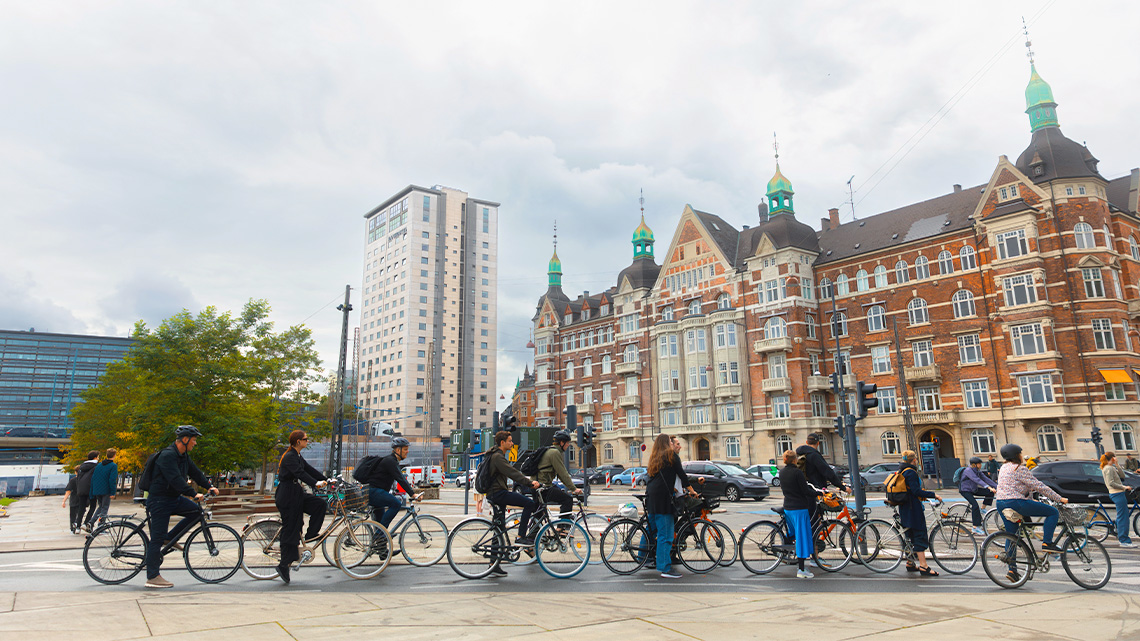
Cyclists in Copenhagen, Denmark
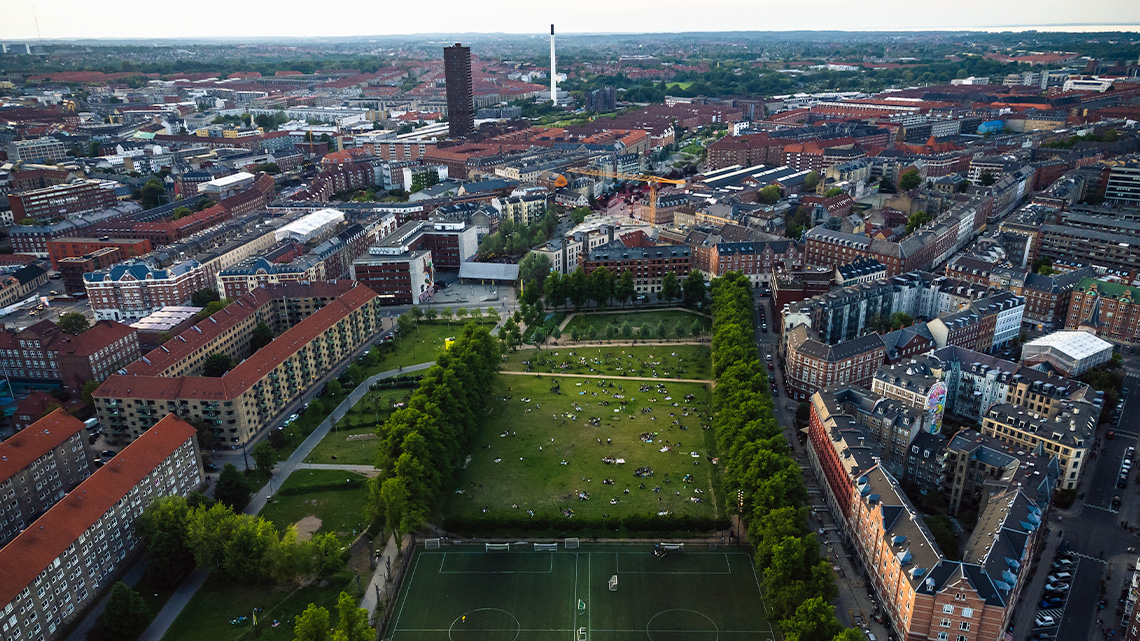
Public park in Copenhagen, Denmark
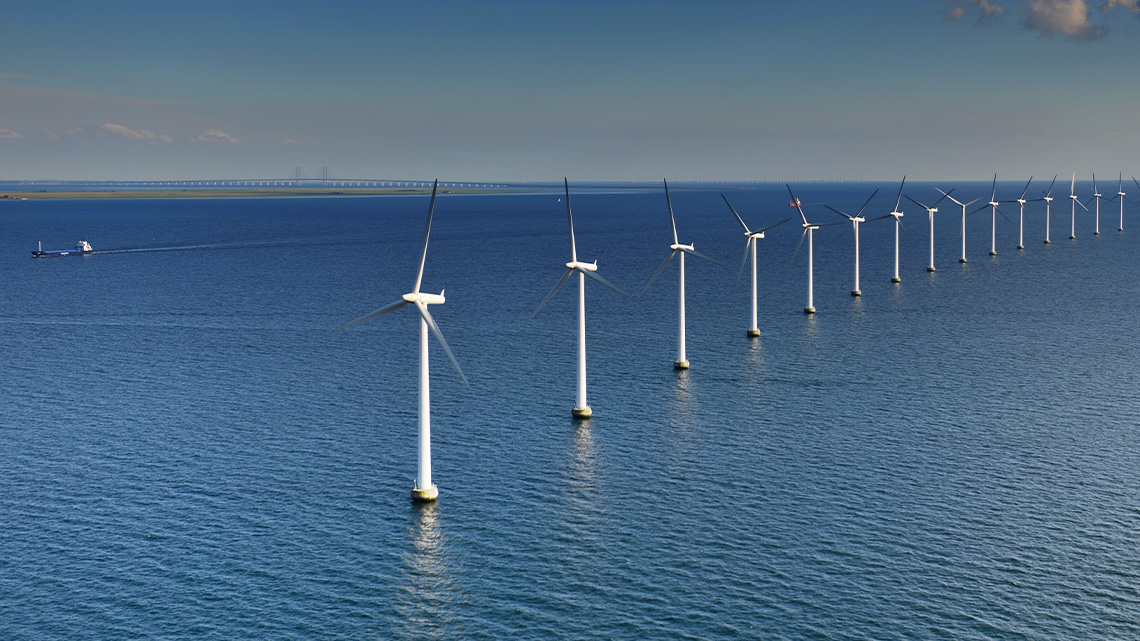
Offshore wind turbines in Copenhagen, Denmark

Quotation marks

Before you move on to writing a summary, let’s review how to properly cite evidence from a text using quotation marks.
Quotation marks are a type of punctuation used to show direct quotes, dialogue, and certain titles of short works. When you are using direct, word-for-word information from a text, you need to use double quotation marks. If you are using the same word, sentence, or phrase as another author or what someone else has said, those exact words are put in between quotation marks.
Let’s check!
Test your learning in the following multiple choice question. Select the correct answer, then press Check Answer to see how you did.
Next, read the following paragraph about sustainable cities.
Sustainable cities are urban areas designed and developed with a focus on environmental, social, and economic sustainability. These cities prioritize renewable energy, efficient public transportation, green spaces, waste management, and sustainable building practices. By including these elements, sustainable cities try to reduce carbon emissions, minimize pollution, conserve resources, promote biodiversity, and improve the quality of life for residents. For example, Copenhagen, Denmark, is often used as a model sustainable city because of its commitment to renewable energy, efficient public transportation, and many green spaces.
Respond to the following question about sustainable cities. Be sure to cite text evidence using quotation marks. Double check your response with the answer key below.
What are some key initiatives that sustainable cities prioritize to promote environmental sustainability and improve residents’ quality of life?
Press the Answer button to learn more.
Sustainable cities prioritize initiatives such as "renewable energy, efficient public transportation, green spaces, waste management, and sustainable building practices" to promote environmental sustainability and improve the quality of life for residents.
Writing a summary

Next, you will be writing a summary using what you’ve learned about the proper usage of quotations to cite evidence from texts.
A summary is a condensed or shorter, simplified version of the original text or passage. A summary briefly states the author’s main idea and relevant points, shortened into your own words.
A summary should:
- be in your own words, unless quoting directly from the text (using quotation marks when citing the text directly)
- begin with a topic sentence that identifies the main idea of the text
-
contain at least three relevant details that support the topic sentence
- provide one sentence for each detail
- have a concluding sentence that restates the main idea in different words
- use transitions words (also, next, then, additionally, etc.)
Your task is to write a summary paragraph about the case study you explored on Copenhagen, Denmark. You may complete your summary orally, digitally, in your notebook, or in another method of your choice.
Use the following checklist to self-assess your summary.
Summary self - assessment
My summary paragraph:
Compare your summary with the one below.
Press the Summary Example button to compare your summary.
The article explored how Copenhagen, Denmark was one of the most sustainable cities in the world and has a goal to be carbon-neutral by 2025. One way Copenhagen is being sustainable is through renewable energy. The use of wind turbines, solar panels, and waste-energy reduces the need for fossil fuels which contributes to climate change, therefore promoting sustainability. Another way Copenhagen is sustainable is through green spaces in the city. Green spaces include parks, rooftop gardens, and urban farms. These green spaces contribute to sustainability by supporting “community initiatives and biodiversity.” Lastly, Copenhagen provides cycling infrastructure that “allows people to get where they need to faster if they bike” and “encourages more than 60% of residents to bike rather than drive for their commute.” This removes the need for fossil fuels entirely, which contribute to global warming. Overall, renewable energy, green spaces, and bike infrastructure are three of the main reasons that Copenhagen is considered one of the most sustainable cities in the world.
Researching sustainable solutions
In this section of the learning activity, you will be conducting research on a choice of given topics and sharing it with an audience in a method of your choice.
You have been asked to educate others about either:
- a sustainable city around the world
- a sustainable solution for cities in greater detail
Press the Hint button for possible topics.
| Sustainable Cities | Sustainable Solutions |
|---|---|
|
|
Once you have chosen your topic, consider your audience and format. Who will you share this information with and how?
Press the Example button to learn more.
Audience: my peers
Format: a poster
Audience: my community
Format: a slideshow
Now that you’ve chosen your topic, audience, and format, it’s time to begin researching!
The research process
Let’s begin by reviewing the writing process.
Researching follows a certain process. By following this process, you will be able to collect valuable and reliable information that you can use. Although you are following a series of steps, you may need to circle back to certain parts of the process as you go. Review the following image outlining the steps of the research process.
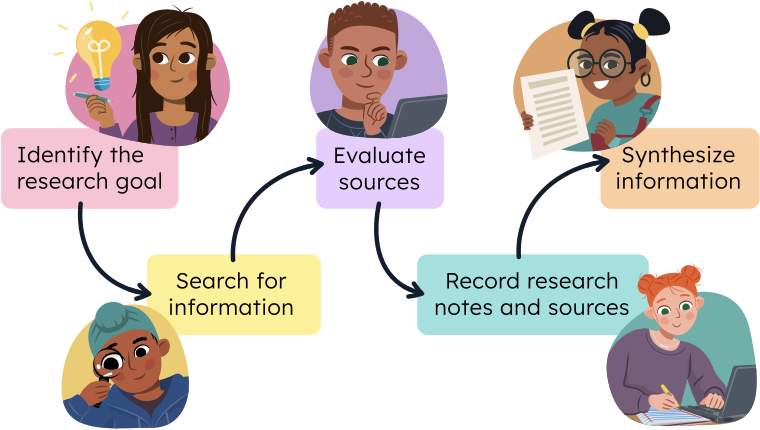
There are five students each which tells us the steps of the research process. There is an arrow that points to the right from one student to the next.
The first step says to identify the research goal.
The second step says to search for information.
The third step says to evaluate sources.
The fourth step says to record research notes and sources.
The fifth step says to synthesize information.
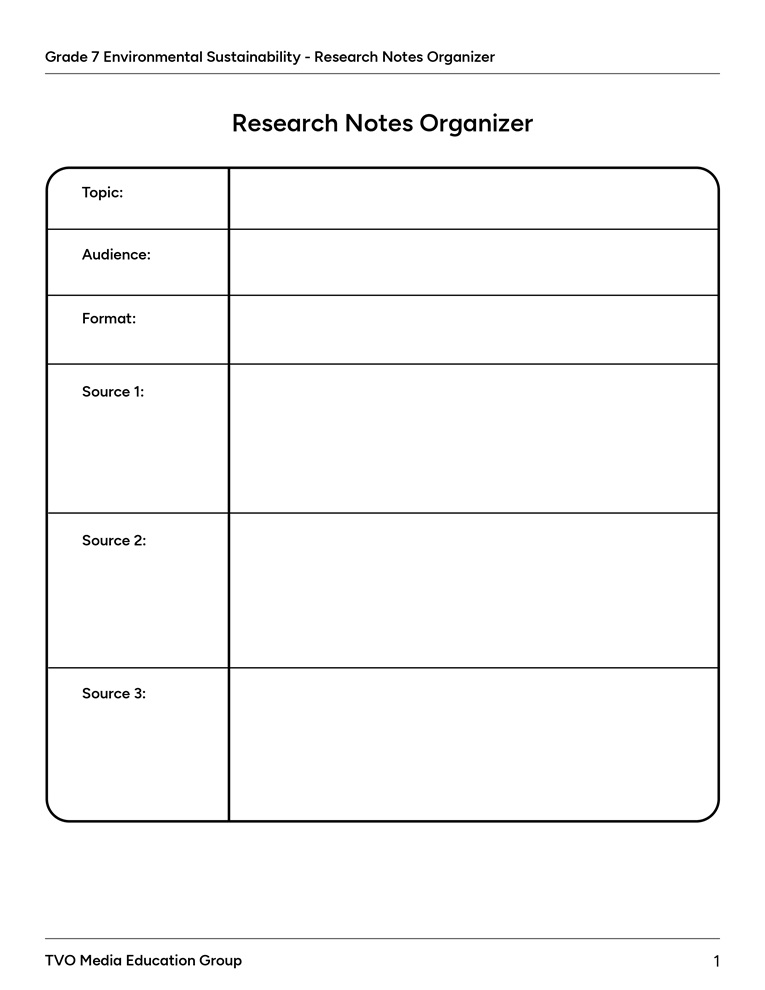
Let’s focus on steps two, three and four! Complete the fillable and printable Research Notes Organizer in your notebook or using the following document to record your research notes as you work through the steps of the research process. If you would like, you can use speech-to-text or audio recording tools to record your thoughts.
Searching for information
Brainstorm keywords that you might want to use when you are searching for information. Record these ideas on your fillable organizer, or in another method of your choice.
Press the Possible Keywords button to learn more.
Possible keywords based on the previously identified topic of environmental sustainability are:
- environment
- sustainable
- renewable
- non-renewable
- resources
- climate change
- sustainable citizens
Before you begin searching for information, explore the following flashcards that highlight research tips you can use for more effective researching.
Using these tips and tricks, try searching for information about your topic. Find a few sources that you can evaluate in the next step.
Evaluate sources
An important step in researching is to evaluate the sources you plan to use. It is important that you can trust the information you are collecting is reliable and accurate, and you should consider any possible bias.
Credible sources are usually published by reputable publishers, academic institutions, or experts in the field. Use the following questions to evaluate the sources you’ve found:
- Find a date. Was this information published recently?
- Is the information relevant to my research goal?
- Who published this information? Are they credible?
- Who was the intended audience? Is this fact or opinion?
- Does the author use evidence to support their claims? Is the evidence convincing?
- Are other sources or author cited? Are they credible?
- Does this compare with other sources you’re using?
Record research notes
Once you’ve found several sources that you feel are of good quality, reliable, accurate, and you’ve considered the bias, it’s time to record information.
It is important when recording information that you use point form notes and convert ideas into your own words. This will avoid plagiarism.
Plagiarism is when someone uses another person’s words, ideas, or work without giving them proper credit. Plagiarism can occur in many forms, such as copying text directly, paraphrasing without sourcing the information, or using someone else's ideas without acknowledgement.
As you take notes in your Research Notes document, you should summarize key points, record relevant quotes, and cite sources properly.

Vocabulary review
You may have come across new vocabulary words throughout this learning activity, such as:
- sustainable
- renewable
- biodiversity
- greywater
- carbon-neutral
Check your understanding of these words in the following fill-in-the-blanks activity. For each sentence, select the missing word or phrase from the drop-down menu. Press Check Answer to see how you did.

Putting it all together

A new city is being developed and you’ve been asked to help advise the planning team on sustainable options for the city. They’ve asked you to select two sustainable options that they should focus on when designing and building the city.
In a method of your choice, choose two sustainable city features and explain why they are important and what benefits they offer to the city.
Let’s reflect!
Answer the following reflection questions in a method of your choice.
- Think about where you live. Do you think the city or town you are in or near is considered sustainable? Why or why not?
- What goals could you set to work towards a more sustainable future for yourself and for the city or town you live in?
Press the Hint button to learn more.
Personal goals: pack a litterless lunch, walk, bike, or carpool, limit the use of single-use plastics, pick up litter, plant a garden, turn off technology, reduce water use, etc.
City goals: educate others on sustainable options, write a letter to your local government explaining your ideas, promote the use of renewable energy, etc.
Reflection
As you read the following descriptions, select the one that best describes your current understanding of the learning in this activity. Press the corresponding button once you have made your choice.

I feel...
Now, expand on your ideas by recording your thoughts using a voice recorder, speech-to-text, or writing tool.
When you review your notes on this learning activity later, reflect on whether you would select a different description based on your further review of the material in this learning activity.