Learning goals
We are learning to…
- analyze themes explored in First Nations, Métis, and Inuit cultures to demonstrate an understanding of the varied identities, perspectives, relationships, legacies, truths, and ways of knowing, being, and doing
- select suitable strategies, such as rereading, using the glossary, asking questions, and consulting references and other resources, to monitor and confirm their understanding of complex texts and solve comprehension problems
- identify the topic, purpose, and audience for various texts they plan to create; choose a text form, genre, and medium to suit the purpose and audience, and justify our choices
- draft complex texts of various forms and genres, including narrative, persuasive, expository, and informational texts, citing sources, and use a variety of appropriate media, tools, and strategies to transform information and communicate ideas
Success criteria
I am able to…
- use a variety of reading strategies (asking questions, summarizing, re-reading) to help me comprehend a text, and identify which strategies helped me the most
- understand how Indigenous-led conservation techniques are helping to protect the environment and improve biodiversity and sustainability
- choose an appropriate text form, genre, and medium, justify my choices, to teach others about Indigenous-led conservation
- reflect on my own personal views of conservation and how Indigenous-led methods have affected my view of natural and/or resource management
- develop a series of interview questions for an Indigenous person about conservation techniques

Explore
Check out the following video clip to learn more about Indigenous protected and conserved areas. Be sure to notice what the video is emphasizing, and why is it important.
What is this video clip emphasizing? Why do you think this is important?
Press Let’s Check! to learn more.
It emphasizes that every species was created equally, and one species is not better or higher than another.
Land connections
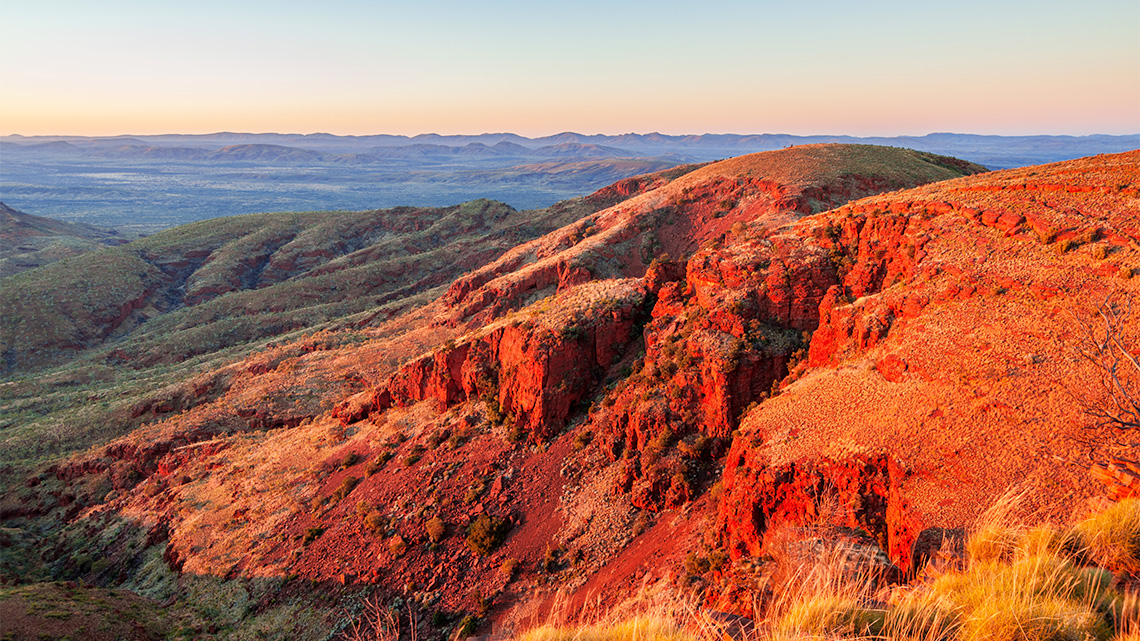
Relationships and connections to the land is critical in Indigenous ways of knowing, being, and doing. Connecting with the natural world deepens the relationship to it, and also deepens the understanding of the responsibilities all humans have towards the land.
Indigenous knowledge systems explain the importance of showing gratitude and reciprocity to the land for what it provides, and how taking care of natural resources (trees, water, plants, animals, and much more) is crucial for current and future generations.

Brainstorm
Brainstorm
Let’s brainstorm about the following:
- In what ways do you connect with the land?
- Why do you think it is important to connect with the land?
- Why do you think it is important to protect the land?
Record your ideas in your notebook, or in another method of your choice.
Strategies
As you explore excerpts of different texts, you will use reading comprehension strategies to monitor your understanding.


Read & comprehend
Reading comprehension strategies can be used before, during, and after reading to understand and make meaning from texts. They encourage you to think more critically about a text, extract key information, and construct meaning.
Let’s explore the strategies in the following flashcards.
If you’d like to, you may note the strategies in a notebook, or another method of your choice for later reference.
Press the following tabs to find out more.
When: before reading
How: examine the text (cover, title, subheadings, images, etc.)
Why: to active prior knowledge, make predictions, and set a purpose for reading
When: before, during, and after
How:ask questions about what your expect to learn, about specific details you encounter, why and how questions
Why:stimulates critical thinking and encourages active engagement
When: make predictions before, and monitor the predictions during and after
How: use clues to make a guess about what the text will about and what will happen next; revise your prediction when needed
Why: actives prior knowledge, builds anticipation and curiosity, ensures comprehension
When: after reading
How: re-state the main idea and key details into a concise summary
Why: reinforces comprehension, ensure understanding of key details
When: during
How: create a mental image or picture in your mind
Why: enhance understanding and connect with the text
When: during
How: go back and read the same sentence, paragraph, or chapter over, especially if something doesn’t make sense
Why: confirms understand, allows opportunity to understand new details you missed the first time
When: before, during, after
How: talk about important ideas or themes that you notice, ask questions that others can help answer
Why: deepen understanding, clarifies questions, and to see multiple perspectives
Throughout this learning activity, you will use a few of these strategies!
Land conservation
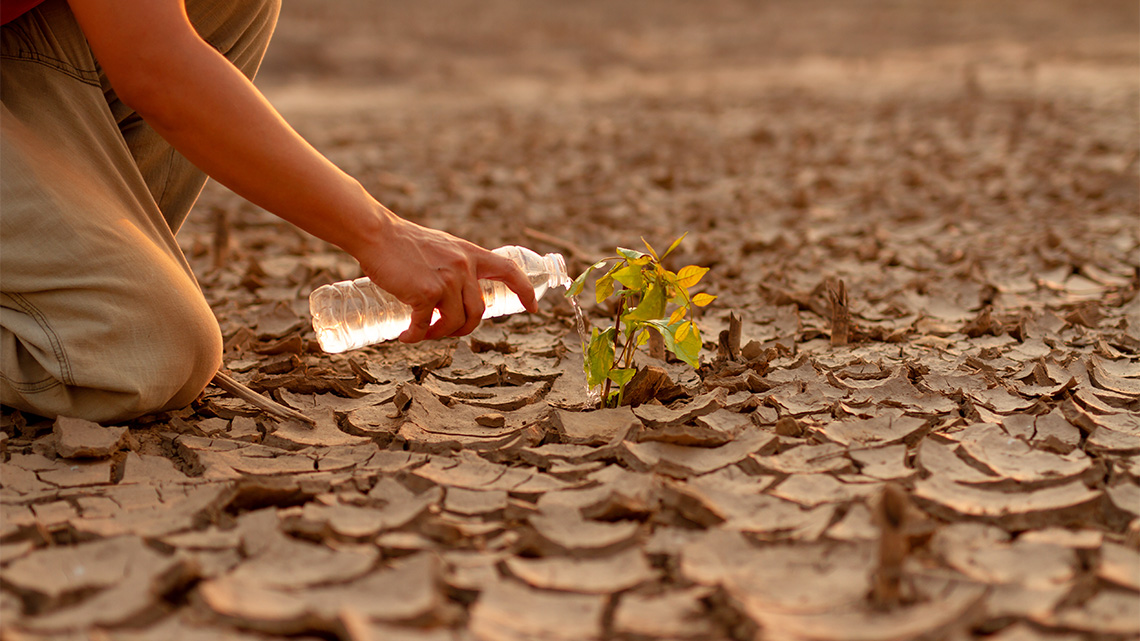
Land conservation refers to the protection and preservation of natural landscapes, ecosystems, and cultural heritage for the benefit of current and future generations. It involves various strategies and practices that are aimed at safeguarding land from disrespect, development, and other forms of unsustainable use.
Land conservation efforts typically focus on maintaining biodiversity, promoting sustainable land use, protecting critical habitats, preserving cultural and historical sites, and ensuring access to recreational opportunities.
Press the following tabs to learn more about key aspects of land conservation.
Protected areas are established and maintained, like national parks, wildlife reserves, and nature preserves to safeguard ecosystems and habitats.
Land trusts are organizations that work to acquire and protect lands through voluntary agreements, and often create conservation easements that limit future development or use of protected lands.
Land use planning sets guidelines for land development in ways that minimize environmental impact, preserve natural resources, and maintain ecosystems.
Community engagement is engaging with local communities, Indigenous Peoples, stakeholders, and landowners in land conservation efforts through education, outreach, and collaborative decision making.
Overall, land conservation plays a critical role in protecting natural landscapes and ensuring land and resources will be sustained for future generations.

Connections
Connections
Indigenous Peoples have been stewards and caretakers of the lands, waters, and ice in what is now known as Canada since time immemorial.
First Nations, Inuit, and Métis are key partners in conserving and protecting nature and monitoring climate change. They have unique perspectives, knowledge, rights, roles, and responsibilities to teach, inspire, and help improve natural balance.
Why is it important that Indigenous Peoples lead the way in conservation?
Indigenous knowledge
Let’s explore the following video about Indigenous conservation with Curtis Scurr from Mohawks of the Bay of Quinte First Nation.
After checking out the video, how might you define Indigenous conservation?
Press Let’s Check! to learn more.
Indigenous conservation is a way of knowing and doing and living in harmony with the environment.
Ask questions
One comprehension strategy you can use to confirm your understanding is to ask questions.
- What questions do you have about Indigenous land conservation so far?
- What do you want to learn more about? What are you wondering about?
Record your ideas in your notebook or in another method of your choice.
When you’re ready, press Possible Questions to learn more.
A few possible questions are:
- How are we ensuring Indigenous voices are being heard regarding land conservation? How are they leading the way?
- What initiatives are taking place in Canada based on Indigenous land conservation?
- What can I do to help?
Conservation methods
Choose one of the following case studies to learn more about Indigenous conservation methods in Canada:
- Indigenous clam gardens
- Indigenous fire stewardship
You may move onto the corresponding section for your chosen Indigenous conservation method.
Strategies
Before you read the chosen case study, be sure to practise your reading and comprehension strategies.
Indigenous clam gardens
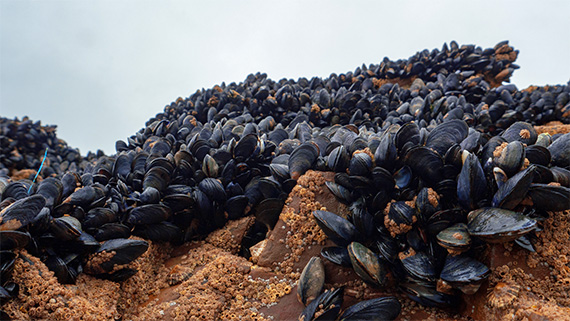
The W̱ SÁNEĆ territory is located on southern Vancouver Island in British Columbia.
From 2014 to 2019, the W̱ SÁNEĆ people entered a partnership with Parks Canada to rebuild two clam gardens in the W̱ SÁNEĆ territory and Gulf Islands National Park Reserve through a clam garden restoration project.
Note: Only creation stories that have been shared with permission will be included in TVO content.
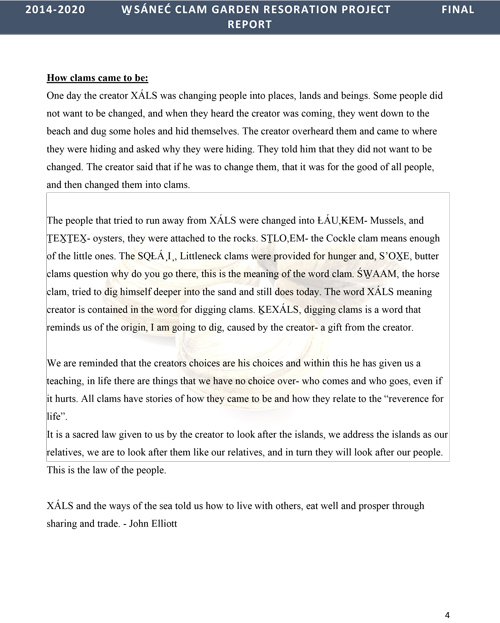
Explore the following story shared by Elder John Elliott from the W̱JOȽEȽP Tsartlip First Nation.
Read How Clams Came to Be or download a copy for reference.

Did You Know?
Did you know?
Traditional ecological knowledge
Indigenous clam gardens are an example of traditional ecological knowledge and resource management that have been used by Indigenous communities for thousands of years. This knowledge is contained within and passed down from their creation story.
Clam gardens have been tended for thousands of years by Indigenous communities with a goal of enhancing the production of clams and related sea creatures. Elders and Knowledge Keepers from the W̱ SÁNEĆ communities contributed essential knowledge regarding their responsibilities and relationship with clam gardens and species that live within these areas.
Check out the following images to learn more about clam gardens.
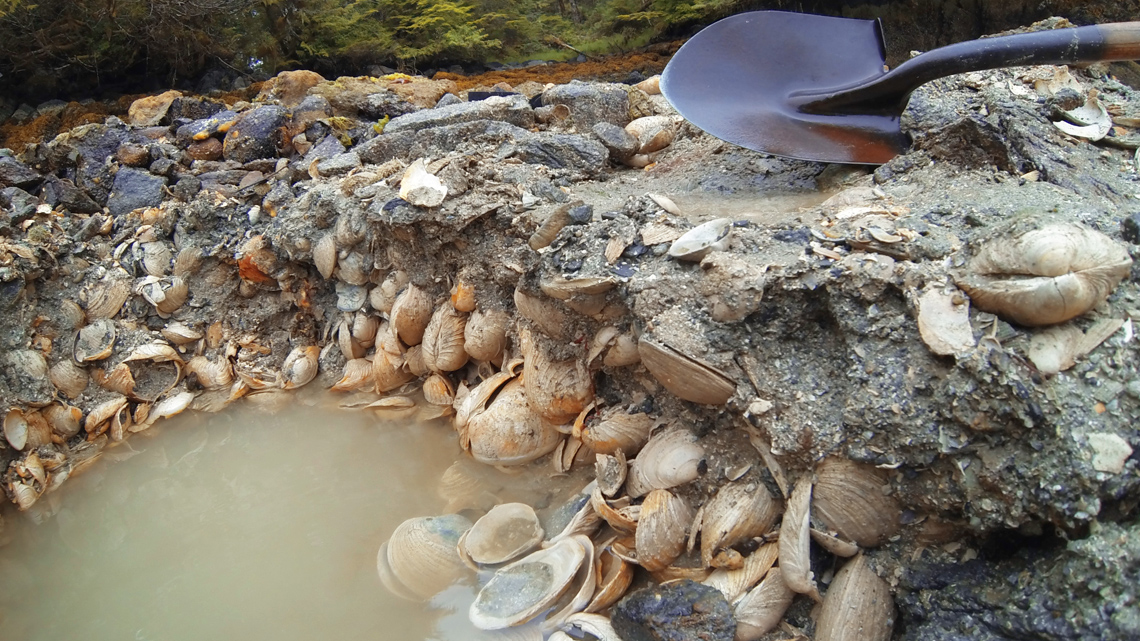
Indigenous clam gardens with large clams.
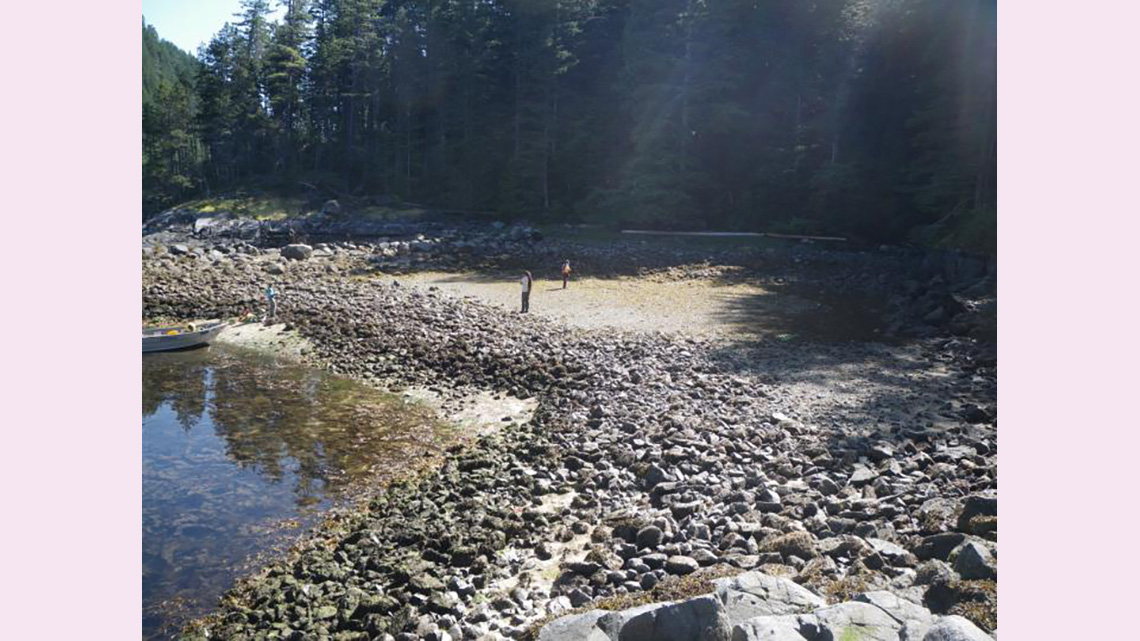
Indigenous clam gardens at Quadra Island, British Columbia, Northwest Coast.
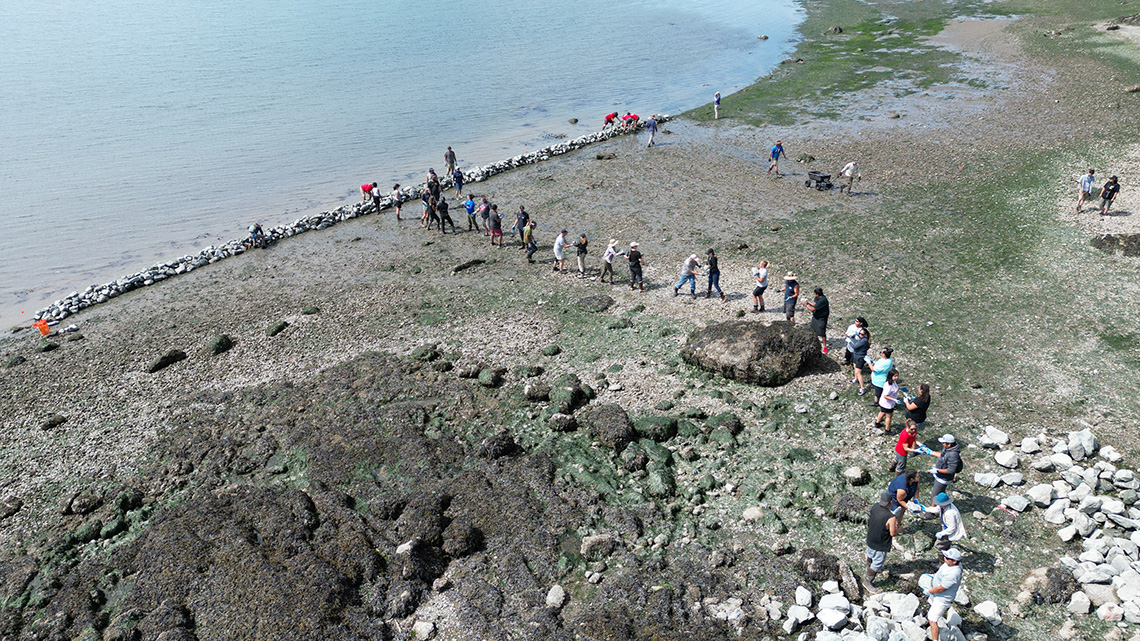
Many people passing rocks to lay the foundation for the Swinomish Tribe’s clam garden, United States. Photo credit: The Northwest Indian Fisheries Commission
So, how do clam gardens work?
Let’s learn more about the Indigenous practice of creating a clam garden from Ken Thomas in the following audio clip from the podcast, “What on Earth.”
Ancient Indigenous 'clam gardens' could be modern-day climate solution
In the W̱ SÁNEĆ community, families built these clam garden walls to create an optimal habitat for clam production and other sea creatures. They moved large rocks and boulders into a line at low tide. After a few years, the area where clams can be found will widen and deepen, providing more space for them to be harvested. The wall not only increases clam harvesting, but it also traps sediments that are rich in nutrients, enhancing the habitat for a variety of marine organisms, such as algae, crabs, fish, and other shellfish, thus increasing marine biodiversity. This increase in biodiversity is crucial for land conservation.
What do you think?
Let’s think about the following questions:
- What does it mean when Elders say, “When the tide's out, the table's set”?
- How does the clam garden wall work?
Record your ideas in a notebook or another method of your choice.
If possible, share your thoughts and ideas with a peer.
When you’re ready, press Let’s Check! to learn more.
- This phrase refers to the food that is available when the tide recedes from the shoreline. At this time, clams, mussels, crabs, and seaweed are accessible for harvesting.
- The wall causes the ocean water to recede slowly as the tide goes out which maintains a cool, wet environment until the tide comes back in, which provides shelter for all sorts of shellfish.
“The clam garden is a great lesson in relationship with the Earth. We have a responsibility to care for these places. The more we care for them, the more it produces. There’s a direct correlation. The more you put into something, the more you get out of it. It’s a great way to
learn the values of care of the Earth.”
– Joni Olsen, third generation harvester
As Joni Olsen indicates, the creation and maintenance of clam gardens are deeply embedded in the cultural traditions of Indigenous Peoples, involving community participation and knowledge and techniques passed down from one generation to the next. This practice conserves biological diversity and cultural diversity, ensuring the ecosystem is healthy.
Indigenous fire stewardship
Indigenous fire stewardship is another Indigenous-led conservation method that promotes the use of cultural burning practices led by Indigenous Peoples in Canada.
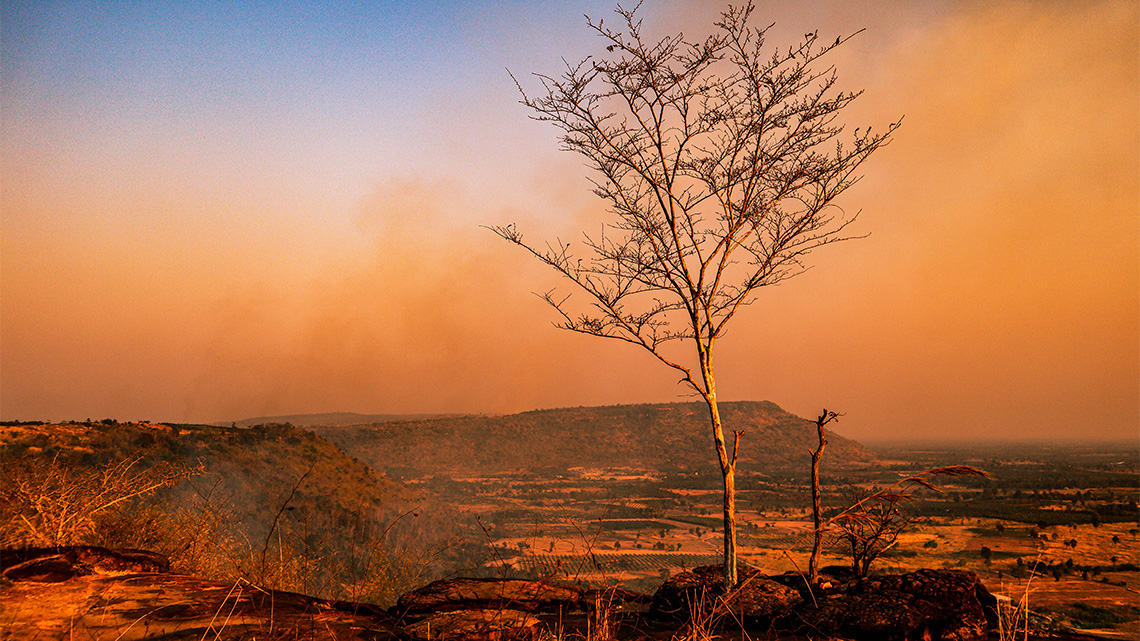
Cultural burning uses specific timing and techniques to effectively and responsibly spread fire, enhancing ecosystem biodiversity, promoting the growth of vegetation, and reducing the risk of wildfires effectively and responsibly. Indigenous communities have used fire as a tool for resource management and conservation since time immemorial to rebalance ecosystems.
Cultural burns have many benefits for both humans and ecosystems.
Press the following tabs to find out more.
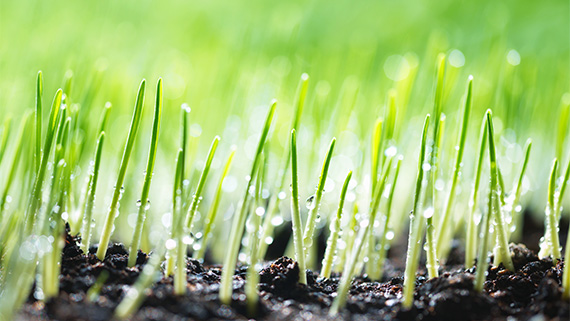
For many communities, they stimulate the growth of native vegetation, maintain diverse habitats for wildlife, and promote biodiversity. For example, they promote carbon storage by burning off smaller trees and allowing bigger trees, which pull in more carbon from the atmosphere, to continue to grow bigger. Small fires can recycle nutrients into the soil and support the growth of plant species used for food and medicine. By burning off dead grass, they’re encouraging new growth and protecting healthy vegetation which benefits both ecosystems and communities. Many plants, particularly in fire-adapted ecosystems, depend on fire to germinate (begin to grow) seeds and rejuvenate growth.
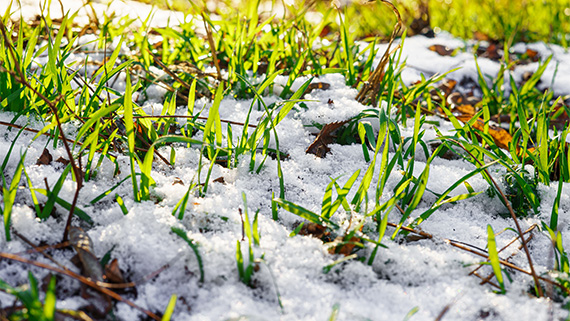
Fire stewardship can also protect communities. For example, cultural fires are typically only used during certain times of the year, spring and fall, when the grounds are more wet or snow is melting, which reduces the risk of spread, and also reduces the risk of lighting fires in the summer months.
When choosing the right time for a cultural burn, Indigenous communities also consider weather conditions, the life cycle of plants, and animal breeding seasons to minimize ecological disruption. This knowledge about where, when, and how to burn is often passed down through generations, reflecting a deeper understanding of the land and its ecosystems. This traditional knowledge is critical to sustainable land conservation.
Summarize

After reading, one strategy you can use to ensure you understood the text is to write a summary paragraph about the text. A summary is a general overview of the main points and key supporting details.
Check out the following interactive to learn more about summaries.
Complete your summary in a notebook or another method of your choice.
If possible, share your summary with a peer/partner.

Social Emotional Learning
Social emotional learning
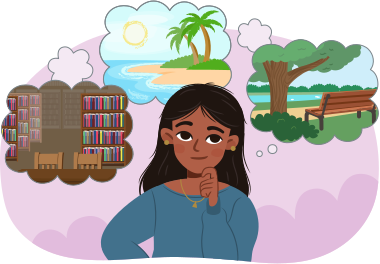
Imagine yourself in a peaceful and relaxing space. Think about how your space would look like, and how you feel.

Grammar glimpses: quotes and sources
Quotation marks are a type of punctuation used to show direct quotes, dialogue, and certain titles of short works. When you are using direct, word-for-word information from a text, you need to use double quotation marks. If you are using the same word, sentence, or phrase as another author or what someone else has said, those exact words are put in between quotation marks.
For example, if citing the evidence from the texts you just explored, it might look something like this: In the quotation by Joni Olsen, she explained how “The clam garden is a great lesson in relationship with the Earth.”
The words inside of the quotations were taken exactly from the speaker, therefore, they must be cited using quotations.
Along with quotations, the source will need to be cited at the end of a response.
Begin by finding the following information of sources:
- author
- title of source
- publisher
- publication date
- city of publication
There are different formats based on the type of text being cited.
Press the following tabs to find out more.
| Author’s last name, first name. | Title of book. | Publisher. | Year published. |
| “Title of section/chapter.” | Title of book. | Edition. | Publisher. | Year published. |
| Author last name, first name. | “Title of article” | Name of periodical. | Day month year published. | Page number(s). |
| Author last name, first name. | “Name of section.” | Website Name. | Day month year published. | Website/URL. |
As your work through the next task, remember to cite quotations and sources appropriately.
Vocab goals!

Throughout this learning activity, we have come across some complex vocabulary words that may or may not have been new to you.
Check your understanding of these words by using them correctly in the following activity.
For each sentence, select the missing word from the drop-down menu.
Press Check Answer to see how you did.

Learning check!
Select the correct answer, then press Check Answer to see how you did.

Try it
Try it!
Throughout this learning activity, you have learned about the importance of Indigenous-led conservation methods. It’s now your turn to educate others about what you’ve learned.
- Topic: Indigenous-led conservation
- Purpose: educate others
Step 1
You will begin by choosing an audience, text form, genre, and medium to suit the purpose and audience.
Press Let’s Check! to explore a list of ideas to help you get started.
| Audience | Text form | Text genre | Text medium |
|---|---|---|---|
|
Peers Younger students Older students Adults Community members |
Narrative Expository Descriptive Persuasive Argumentative Report Essay |
Fiction Non-fiction Science fiction Fantasy Educational |
Article Book Magazine article Online blog News article Website Video |
Step 2
Now, let’s create the text that you’ve chosen using information and examples from what you’ve learned.
You may use the following checklist to guide your writing process.
Did you …?
Step 3
Great work! After reviewing your written piece, gather your final thoughts on the completed task:
- Why did you choose this specific form, genre, and medium?
- How does it suit your audience and purpose?
Record your ideas in a notebook or another method of your choice.
Wrap up
Let’s think about what we’ve learnt throughout this learning activity.
Choose one of the following questions to reflect on:
- Explain and compare how various strategies (asking questions, summarizing, re-reading) help you better understand the text and/or video you were exploring. Be sure to use specific examples.
- Moving forward, what goals do you have to improve your comprehension of a text? What strategy are you likely to use in the future?
- Write a personal reflection on how Indigenous-led conservation practices affect your view of nature and resource management? What new insights did you gain from this learning activity and/or how has your perspective on land conservation changed?
Record your ideas in a notebook or another method of your choice. If possible, share your ideas with a peer.
Reflection
As you read the following descriptions, select the one that best describes your current understanding of the learning in this activity. Press the corresponding button once you have made your choice.

I feel...
Now, expand on your ideas by recording your thoughts using a voice recorder, speech-to-text, or writing tool.
When you review your notes on this learning activity later, reflect on whether you would select a different description based on your further review of the material in this learning activity.
Discover MoreYou have been asked to conduct an interview, either in person or virtually, with an Indigenous community member about Indigenous conservation practices.
- What questions would you ask this person?
- Why are these questions important for you to ask?
- What do you want to learn more about?
Record your ideas in a notebook or another method of your choice.