
What does it feel like?
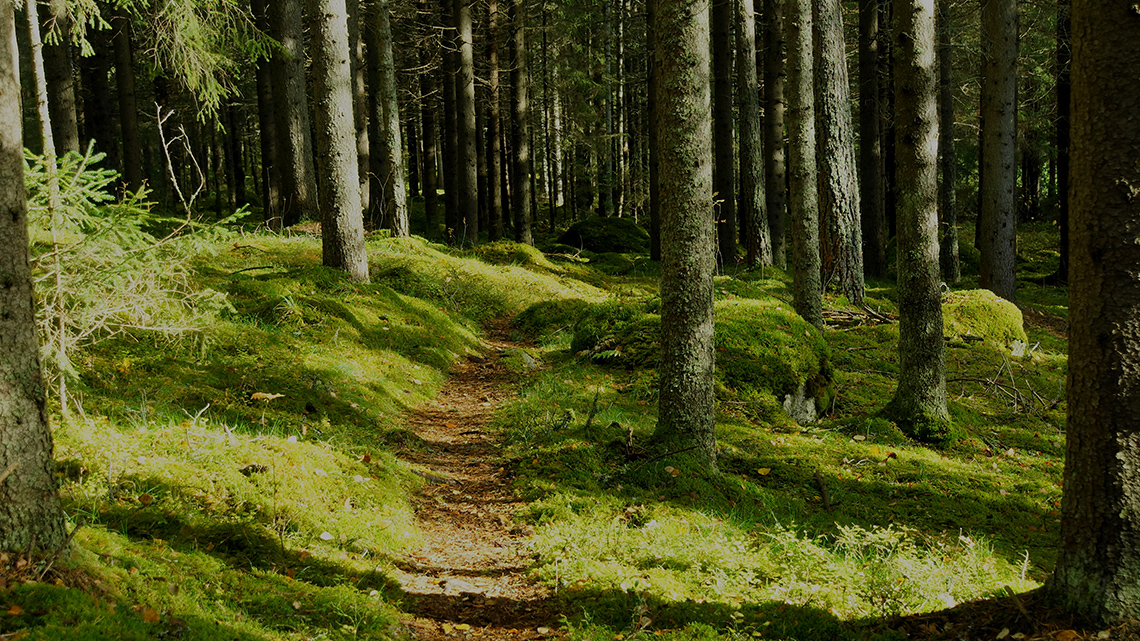
Imagine a long a path in a forest filled with tall trees.
Your feet sink into the ground. The trees are filled with leaves.
Birds chirp, and the wind blows softly.
Listen to the following audio clip called Nature Sounds to help you picture this!
Nature Sounds
What do you notice, what do you wonder?
Share your thoughts with a partner, if possible.

Forests
Let’s watch this clip from When I Grow Up with Mickaela.
In this clip, Mikeala learns about trees from Kerry, a Forest Manager.

Before you watch the video
Think about the following questions:
- Why do we need trees to be healthy?
- What do trees need to be healthy?
Mikaela says that trees help:
- clean the air and give us oxygen to breathe
- give homes to different animals
- make the outdoors lots of fun
Let’s see what she will learn when she meets Kerry!
What does Kerry like about being a Forest Manager?
Press Reveal to check your answer.
She likes that she gets lots of exercise and fresh air.
Are all forests the same?
Press Reveal to check your answer.
No, forests are different.
Deciduous trees
Kerry and Mikaela walk through a deciduous forest filled with trees.
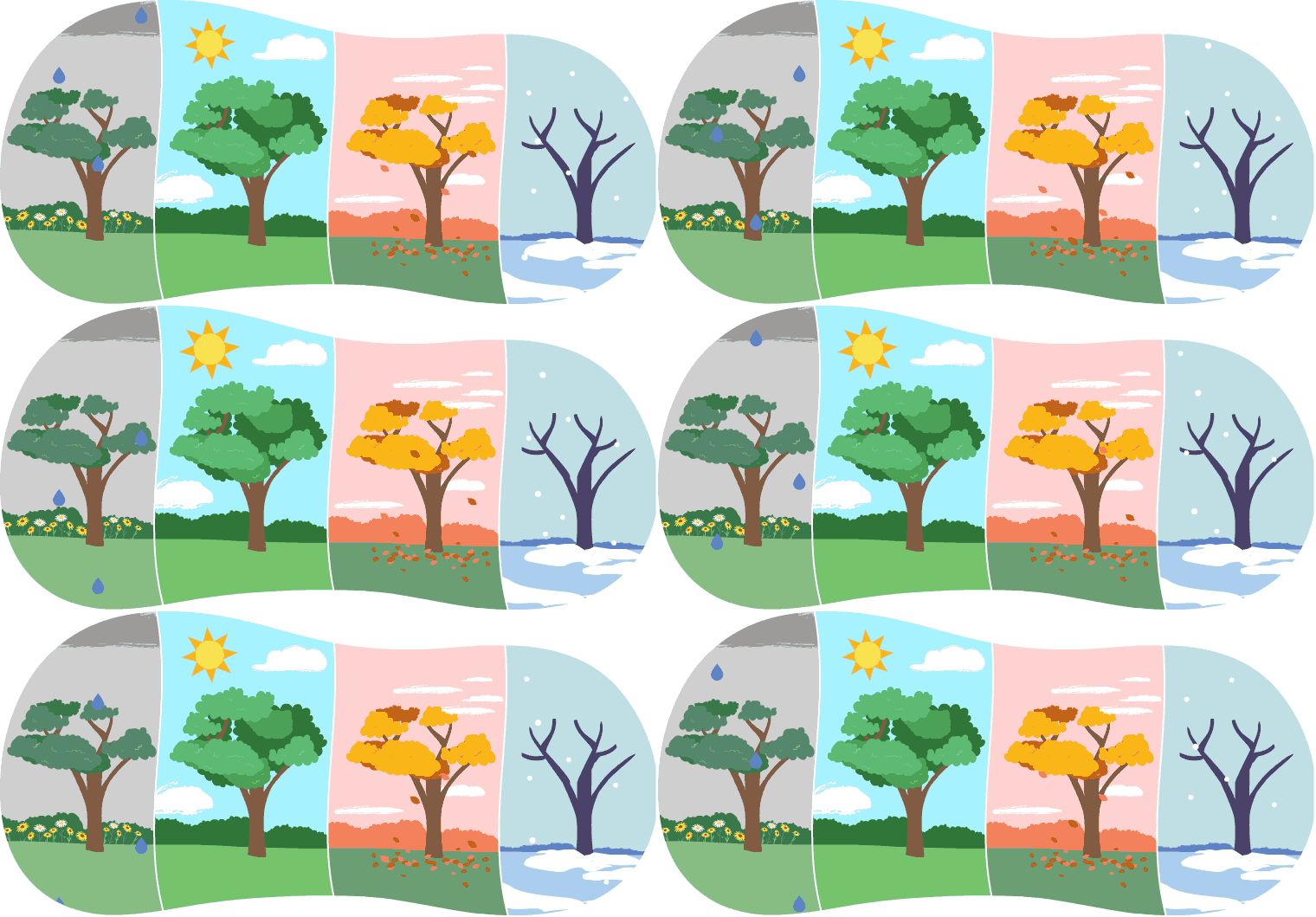 Description
A tree in the four seasons. The first tree is beginning to grow and there is rain falling. The second tree is in full bloom, and it is sunny. The third tree has yellow leaves which are beginning to fall to the ground. The fourth tree is bare and there is snow falling and covering the ground.
Deciduous trees lose their leaves each year when the season changes from fall to winter. Then, in the spring, their leaves grow back.
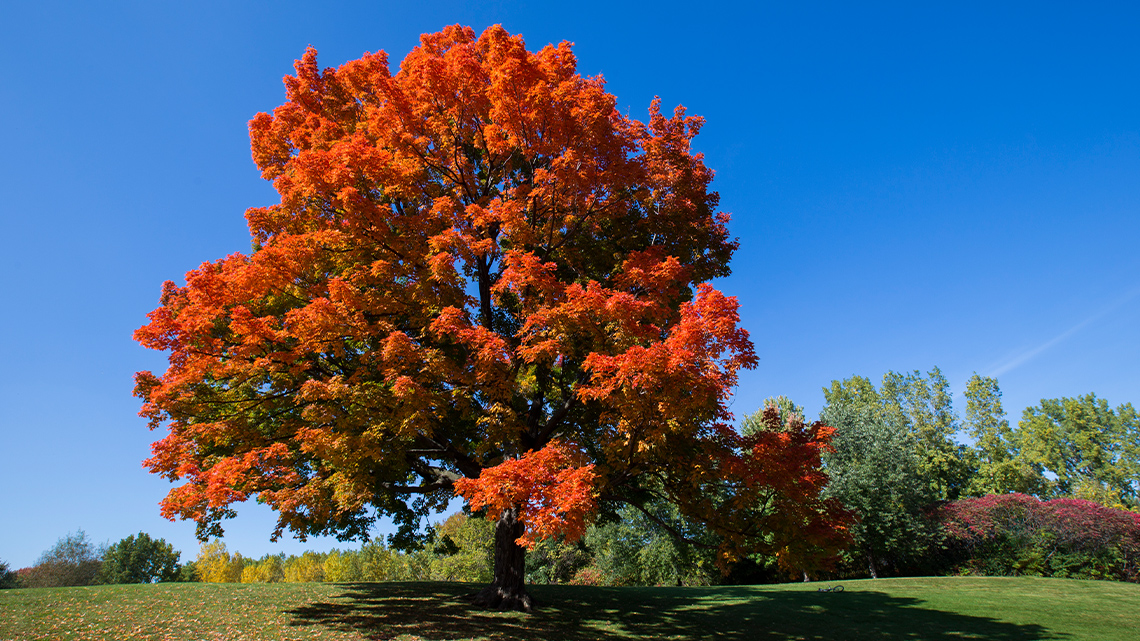
When the season changes from summer to fall, the leaves of these trees change colour and fall to the ground (that’s why that season is called fall!).
Some examples of deciduous trees are:
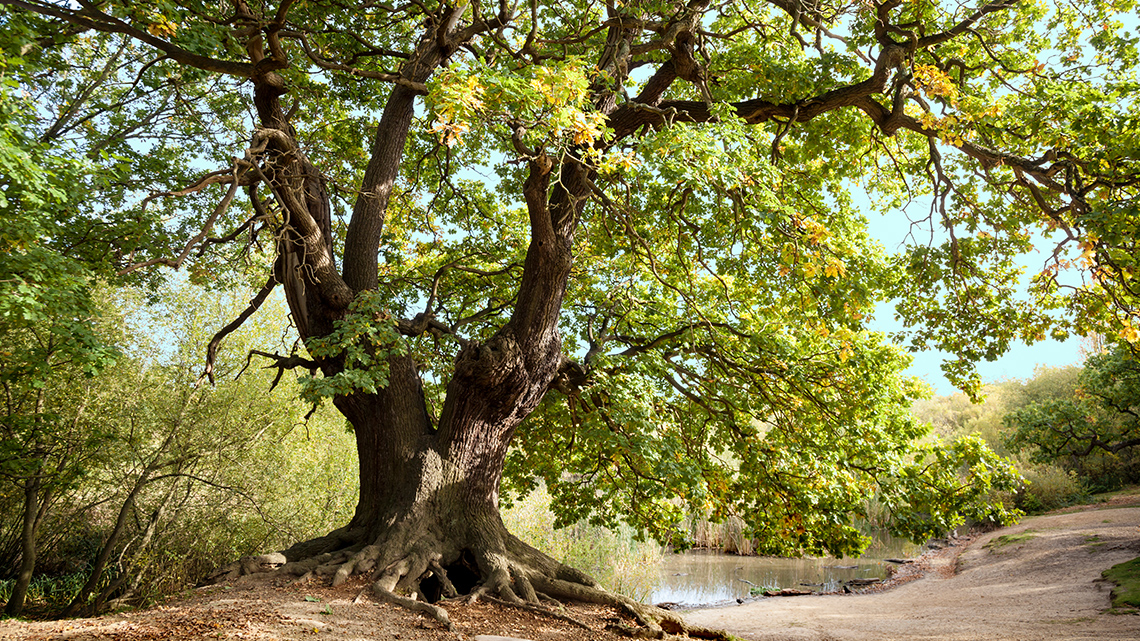
When Kerry says that the trees in the forest are native trees, she means the trees in that forest have always grown there.
Kerry learned about the environment and how to take care of the planet. She learned how important trees are for humans, animals, and the environment.
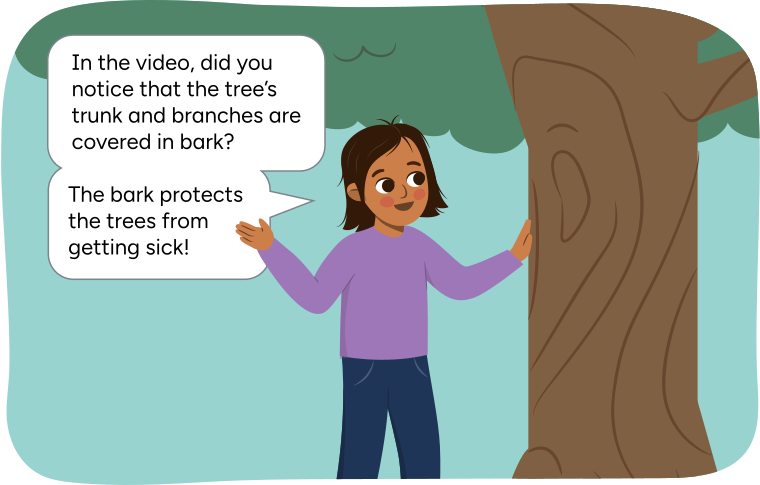
Neebin says, "In the video did you notice that the trees' trunk and branches are covered in bark? The bark protects the trees from getting sick!"
What is something that we could all do to help protect the trees?
Share your thoughts with a partner, if possible.
How trees grow
Check out this clip where Kerry talks about how trees grow!
In the clip, Kerry talks about how to plant and grow the trees we see in the forest. One kind of tree she talks about is white pine trees.
Let’s sort a pine tree cycle!
What kind of tree grows from those pinecones?
Press Reveal to check your answer.
A white pine tree.
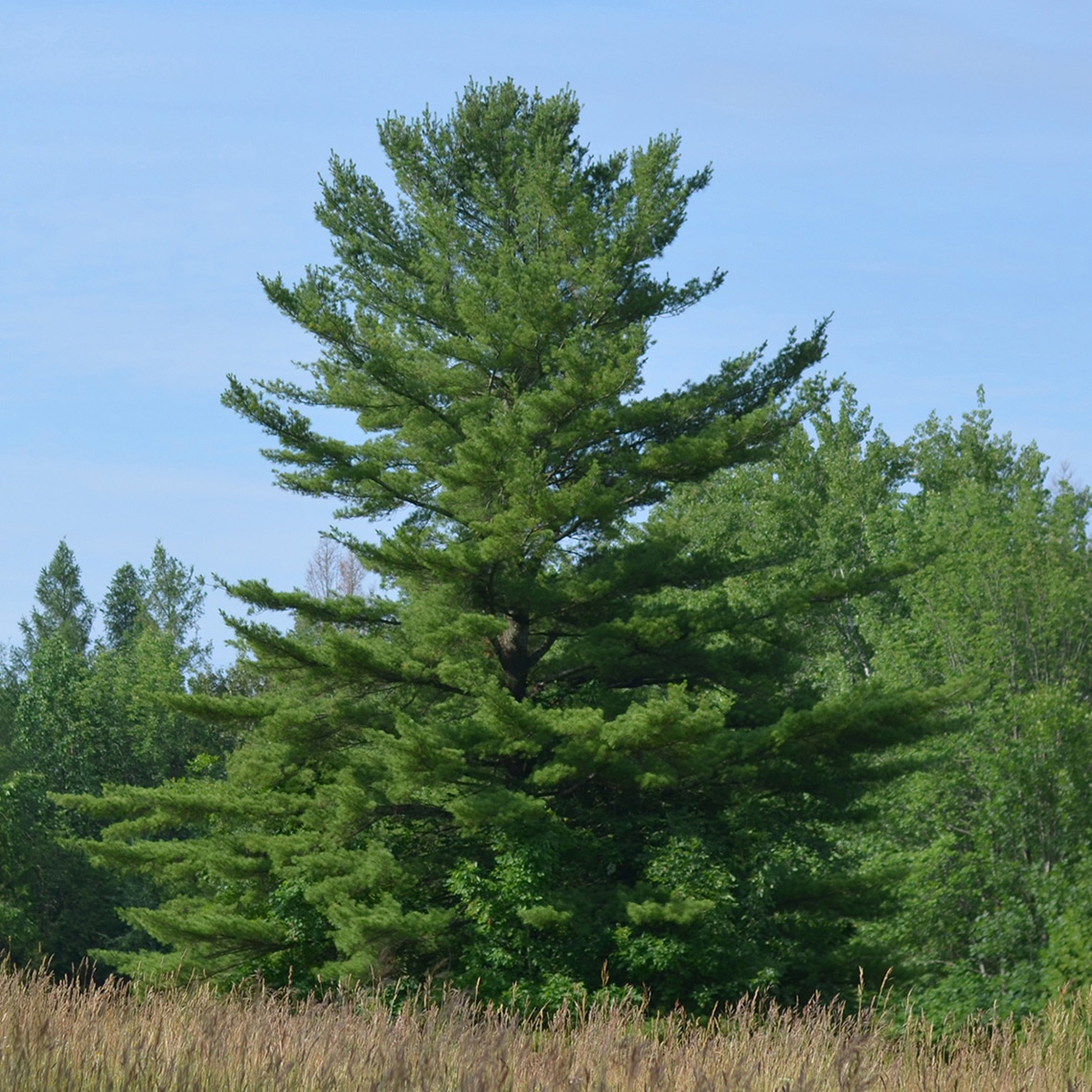
How long can a white pine tree grow?
Press Reveal to check your answer.
They can grow up to 100 years old.
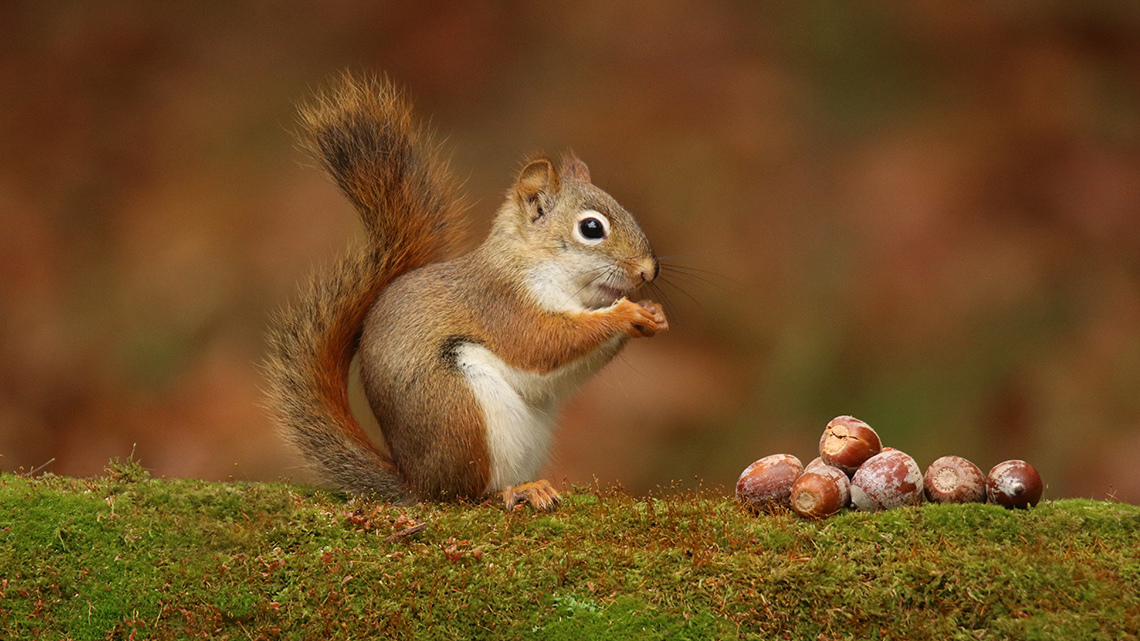
Who does Kerry say puts the acorns in piles?
Press Reveal to check your answer.
Squirrels sort and hide acorns for food. When finding the acorns, Kerry and Mikaela always leave some for the squirrels.

Student Wellness
Let’s take a break!
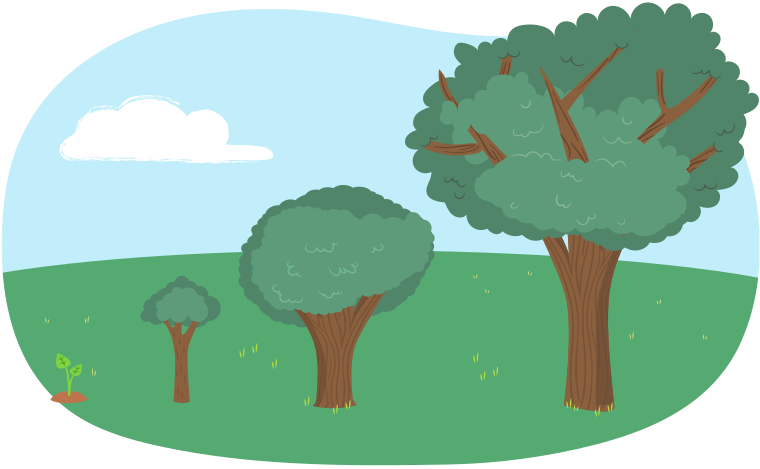
Imagine that you are a tree, beginning its life as a seed pod.
Listen to this audio called Life of an Apple Seed to explore the process of growing through the seasons in your own way.
Life of an Apple Seed
- How did it feel to grow from a small seed to a big, strong tree?
- How did it make you feel?
How trees survive
Check out this clip where Kerry shares what trees need to survive!
What do trees need to survive?
Press Reveal to check your answer.
Trees need sunlight, water, and soil to survive.
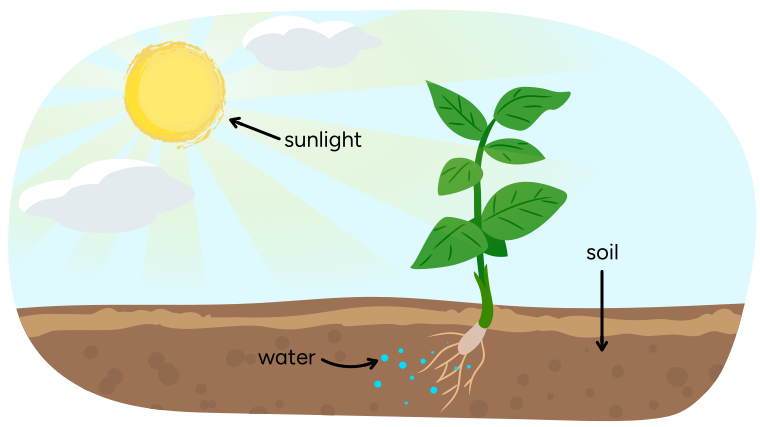
A labelled diagram of the things a tree needs to survive: sunlight, soil, and water. A small tree is planted in soil, with water in the soil near its roots, and sun shining on its leaves.
When Kerry and Mikaela use the soil auger, what do they find?
Press Reveal to check your answer.
As Kerry and Mikaela go deeper, they find that the colour and feel of the soil is different.
As we dig deeper, there are more layers of soil. Each layer is important.
Check out the following interactive called Layers of Soil to learn more about the different layers of soil.
Underneath the ground, there are different layers of soil and rocks. The top layer is called humus, where grass mostly grows. Next is topsoil, which has soil, a few rocks, and plant roots. Below that is subsoil, with bigger rocks, soil, and larger roots. After subsoil, there are weathered rock fragments, which are bigger than the rocks in subsoil. The very bottom layer is called bedrock, which has solid and heavy rock pieces.
Mikaela and Kerry noticed the dark soil at the top, and the sandy soil in the second and third layer. This was enough to tell Kerry that the soil was a healthy place to plant pine trees.
Planting a tree
Check out this clip where Kerry and Mikaela plant trees together!
Why does Kerry stomp in the dirt when tree planting to make the soil tight?
Press Reveal to check your answer.
It’s important to make sure there isn’t a lot of air around the roots. If there is a lot of air, it’s hard for the roots to drink water!
How long will it take for Mikaela’s tree to grow up?
Press Reveal to check your answer.
It would take the tree around 80 years to grow to full size!

Did You Know?
Did you know?
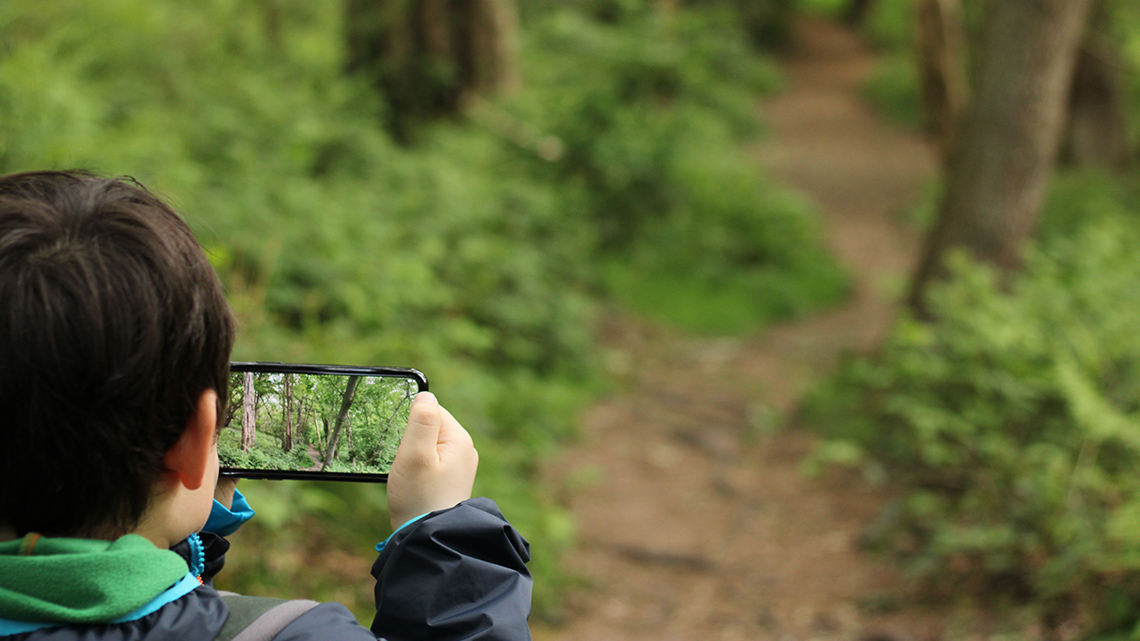
There is a way to learn the names of the trees that are in the world around us.
We can learn how to identify trees by using special nature programs on our devices. These programs can tell us a tree's name and explain the different parts of a tree. With the help of these cool nature programs, we can all become tree experts!
Protecting our trees
Now that Mikaela and Kerry have taught us all about trees, let’s think of ways we can help protect them and keep our environment healthy!
Ava shares, ‘Sometimes, we read to enjoy stories and other times we read for new information. These tips are information we can use the next time we are in an area with trees!’
Let’s explore some tips we can use when we are around trees!
What else could you do to protect the trees?
Share your thoughts with a partner, if possible.

Printing Practice
Check out the following video to warm up your hands for printing!
Let’s practice printing a few words!
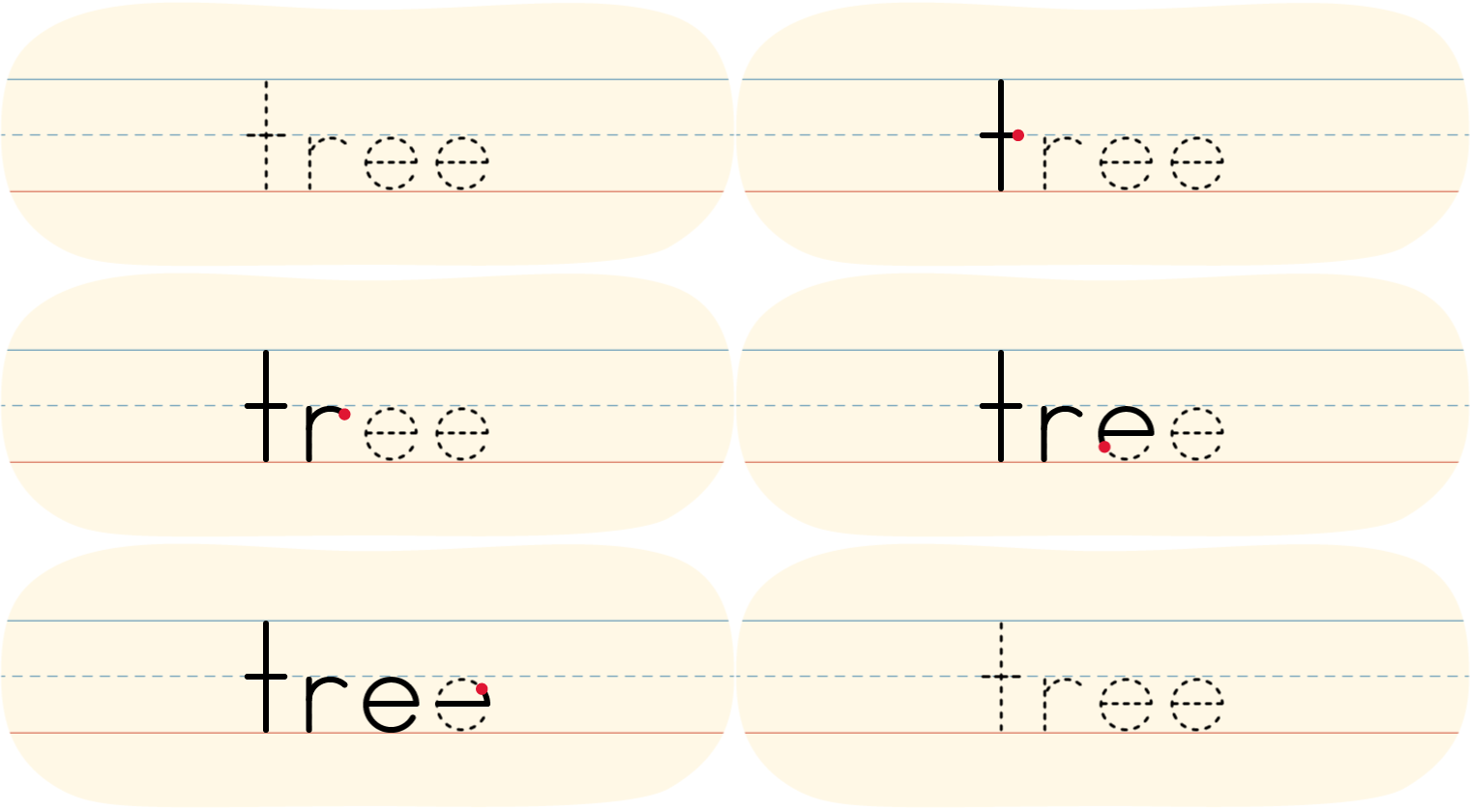
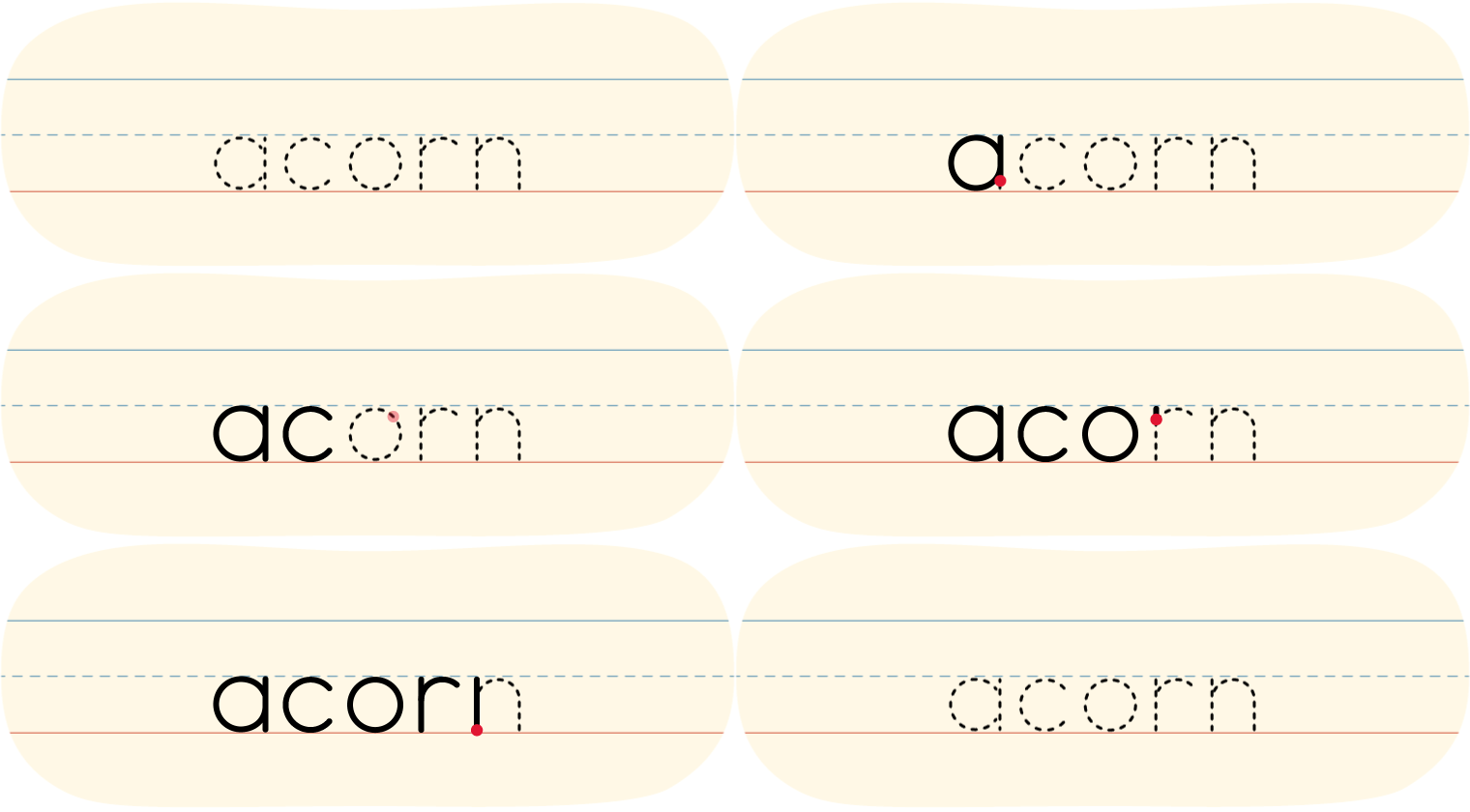
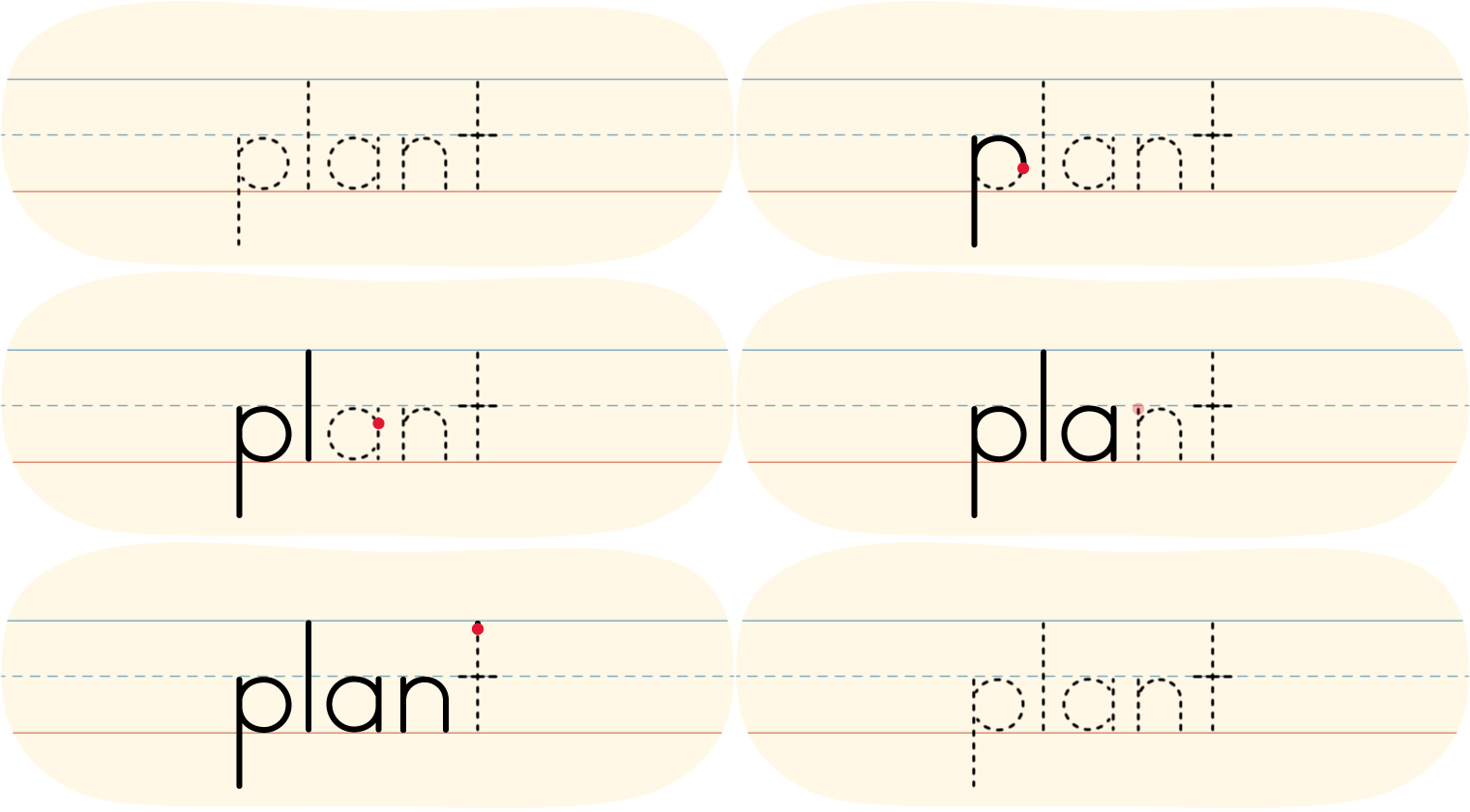

Now, you try!
Practice printing these words in your notebook or using a method of your choice.
Press Tips to reveal some printing tips before you begin.
- think about where the letter belongs on the lines (i.e. small, tall, hanging)
- take your time to write each letter clearly
- create a finger space before you continue to the next letter
- try to press gently as you write so that your hand can move easily across the page

Creating a poster!
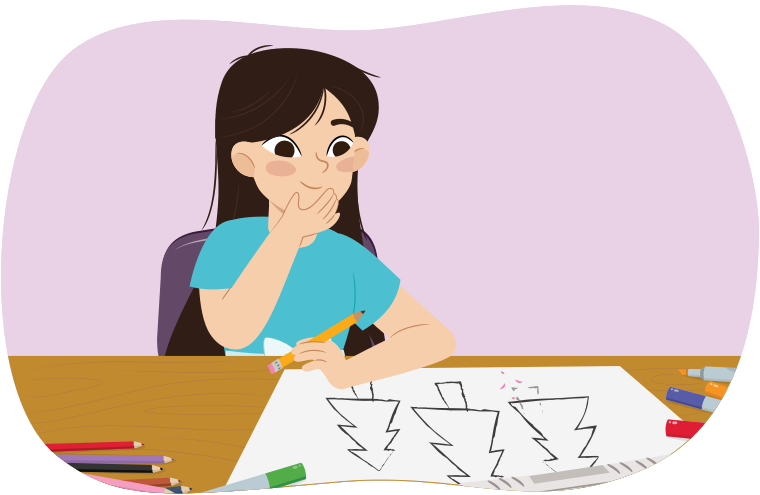
Imagine you need to share one of the following with a friend:
- what trees need to be healthy
- 1-2 tips on how we can help protect trees
In your notebook or using a method of your choice, create a poster that includes:
- words or sentences
- a clear message
- drawings
Press Poster Sample to see an example of a poster before you begin!
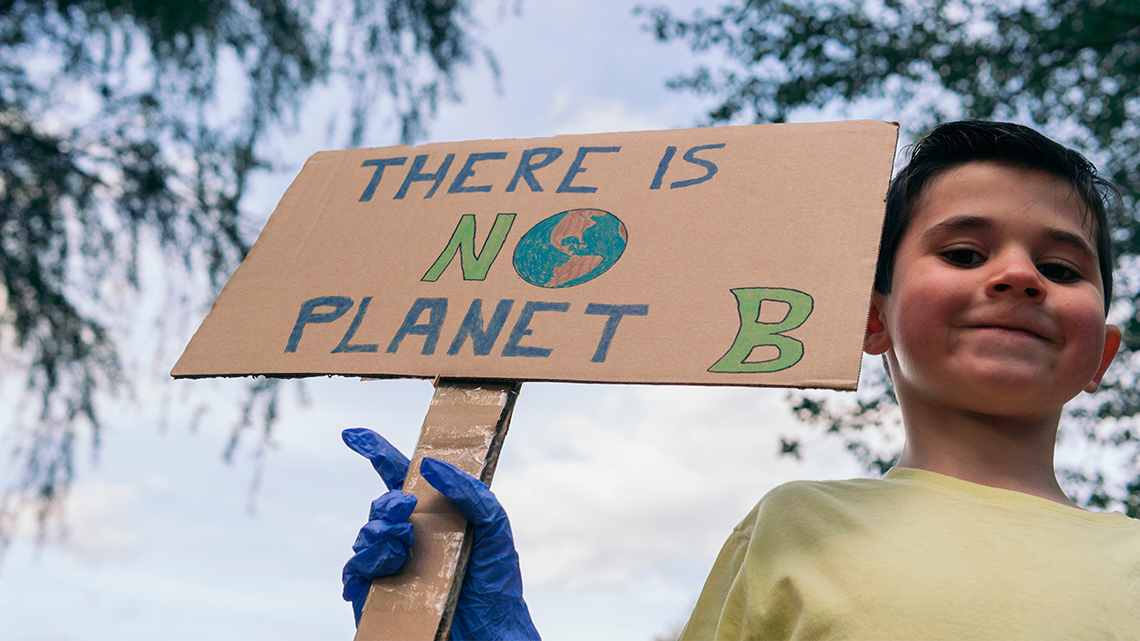
A learner holds a larger cardboard sign with the words, ‘There is no planet B.’ The ‘o’ letter in ‘no’ has been replaced by a colourful drawing of planet Earth. The letters are bright blue and bright green colours.
Notice how this poster has:
- a short, clear message
- eye-catching drawings
- bold colours
- big words
Self-Assessment:
Look at your poster. Check all that apply:
Reflection
If you could ask Kerry a question about trees, what would you ask?
Record your thoughts using a method of your choice.
Reflection
How do you feel about what you have learned in this activity? Which of the next four sentences best matches how you are feeling about your learning? Press the button that is beside this sentence.

I feel...
Now, record your ideas about your feelings using a voice recorder, speech-to-text, or writing tool.