
Meeting new friends
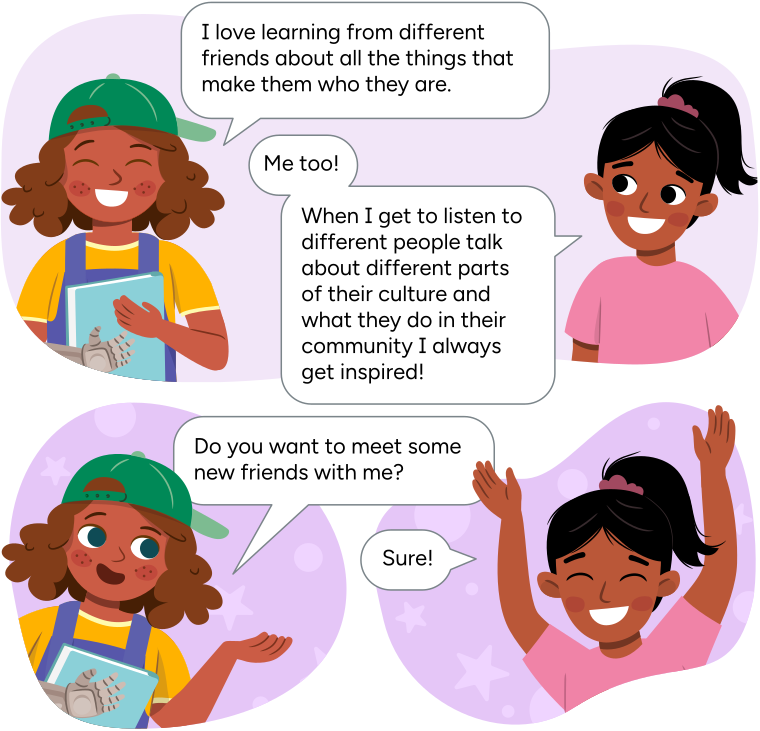
Gabby and Mehar are talking.
Gabby says, 'I love learning from different friends about all the things that make them who they are.'
Mehar says, 'Me too! When I get to listen to different people talk about different parts of their culture and what they do in their community I always get inspired!'
Gabby asks, 'Do you want to meet some new friends with me?'
Mehar says, 'Sure!'
What is your favourite question to ask a new friend?
Record your answer using a method of your choice.

Let’s meet Lulu!
Check out this clip from Sunny’s Quest where Lulu shares parts of her culture and community and talks about what she likes to do in her spare time.
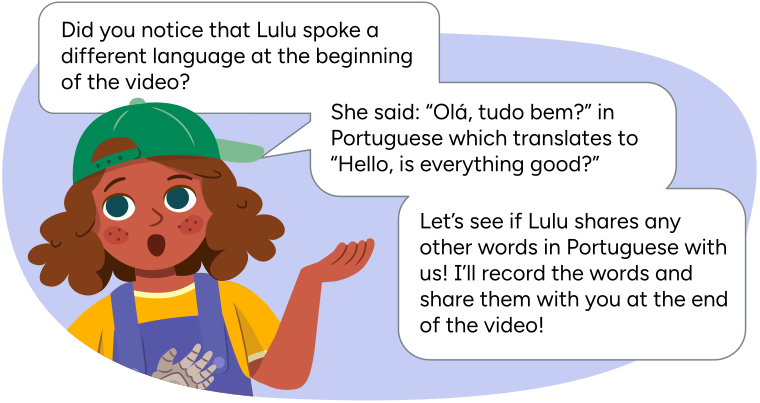
Gabby asks, 'Did you notice that Lulu spoke a different language at the beginning of the video? She said: 'Olá, tudo bem?' in Portuguese which translates to 'Hello, is everything good?' Let's see if Lulu shares any other words in Portuguese with us! I'll record the words and share them with you at the end of the video!'
Where does Lulu live?
Press Reveal to check your answer.
Lulu lives in Mississauga, Ontario.
Where is Lulu’s family from?
Press Reveal to check your answer.
She shares that she is a proud Afro-Brazilian Canadian. Her family is originally from Brazil and then moved to Canada. Lulu shares both flags to represent both countries.
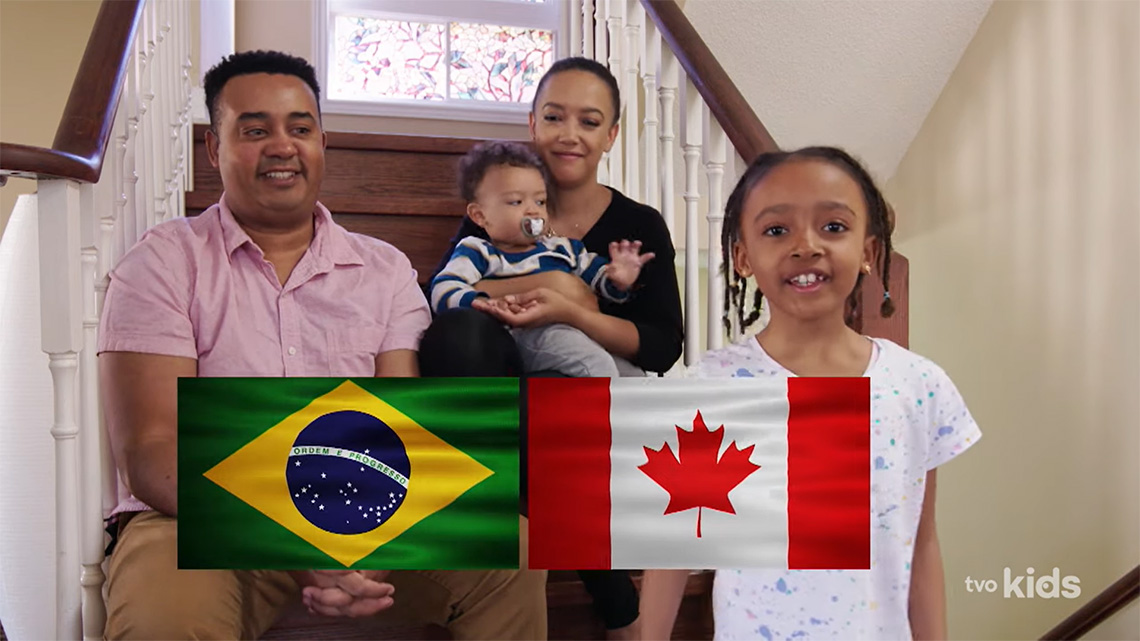
Where are you and your family from?
Check out this clip from Sunny’s Quest where Lulu shares where she and her family are from.
Where is Brazil located?
Press Let’s Check! to check your answer.
Brazil is a country in South America. Lulu and her family moved from Brazil to Canada.
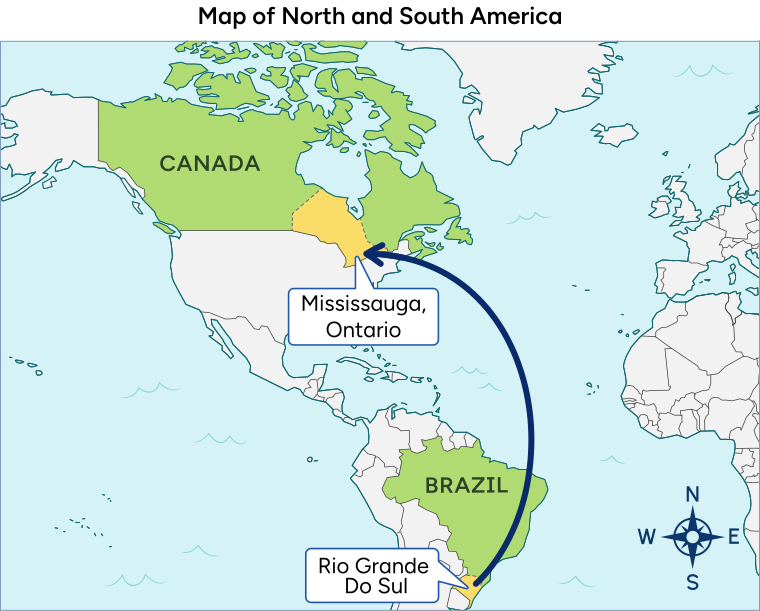
A map of North America and South America.
In South America, the country Brazil is shown on the northeast side. At the most southern part of Brazil, the city Rio Grande Do Sul is labelled and highlighted. An arrow is going from the city Rio Grande Do Sul to Mississauga, Ontario.
In North American, the country Canada is shown. The province Ontario is highlighted. On the southern part of Ontario, the city Mississauga is labelled and highlighted. This is where the arrow is pointing.
Lulu shares that she speaks and reads in Portuguese and English. She uses the word bilingual to describe herself. This means she can communicate in two languages.

Pause and Reflect
Pause and reflect
What language(s) do you use to speak, read, and write?
Check out this clip from Sunny’s Quest where Lulu shares where she and her family are from.
Lulu goes for a samba lesson with her teacher Albena.
How does Lulu explain samba? Have you explored a type of dance?
Press Let’s Check! to find out.
Lulu says that samba is a dance from Brazil with quick footwork.
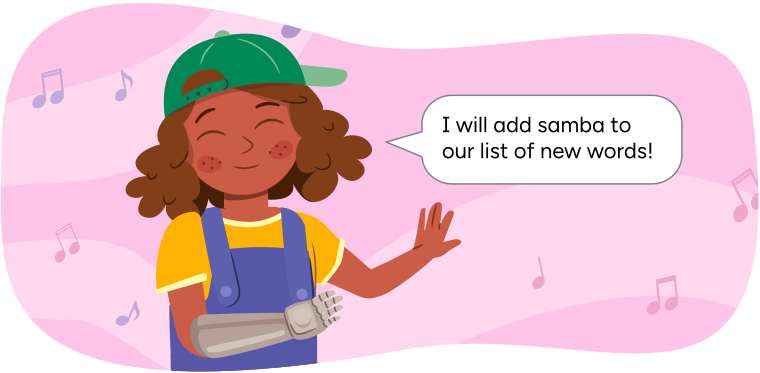
What do you notice about the outfits that Lulu and Albena wear?
Press Reveal to check your answer.
Lulu and her teacher wear colourful outfits with sequins. They also wear jewelry. Lulu wears jewels on her face and a feather head piece.
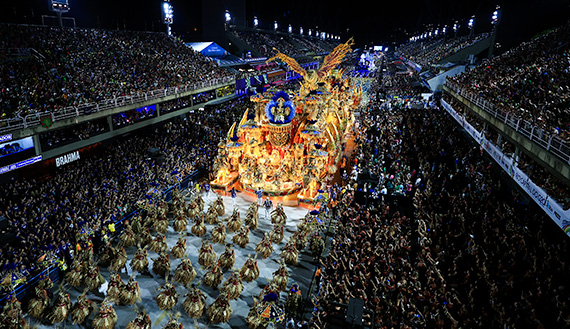
What is carnival?
Press Let’s Check! to find out.
Carnival is a festival that happens every year! It is full of music, parades, dancing, and beautiful costumes.

Did You Know?
Did you know?
The idea of carnival was brought to Brazil by the Portuguese immigrants. Immigrants are people who move to a new country. Lulu says that Brazil has the biggest carnival!
In the clip, Lulu shares that the cuica is a type of drum often used in samba music.
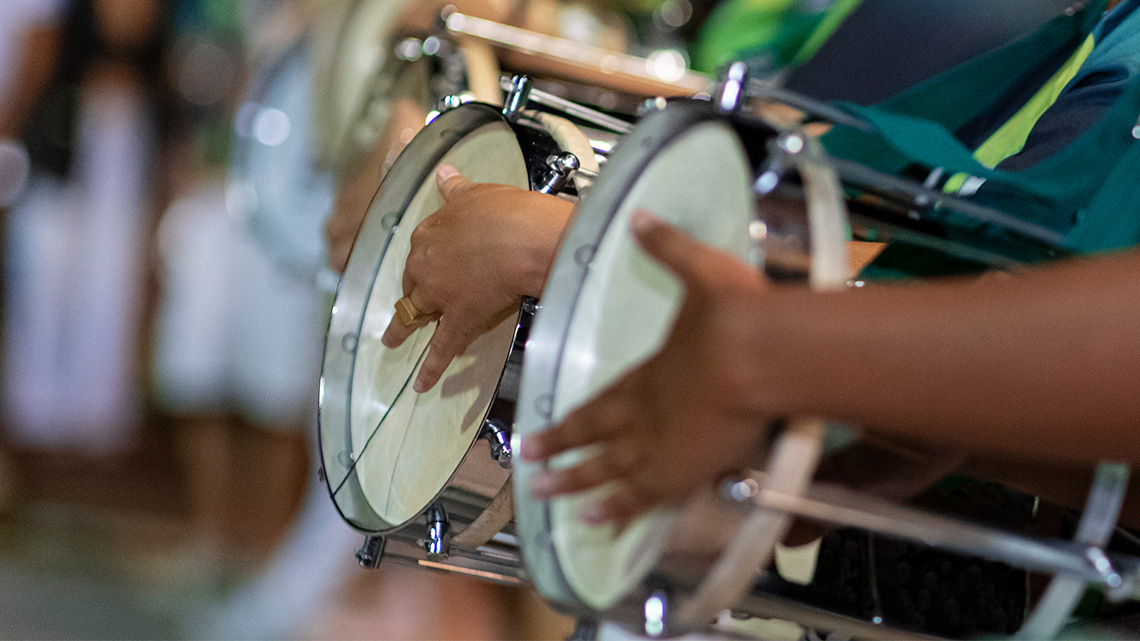
How does Lulu describe the cuica drum?
Press Reveal to check your answer.
The cuica is also called a monkey drum, because the sound it makes can remind people of the sounds a monkey makes.
Next, Lulu shows us how to play Peteca with her friends Luca and Oliva.
How do they play the game?
Press Reveal to find out more about Peteca.
To play Peteca, you hit the bottom of the Peteca with your hand and send it flying up! Peteca can be played with a net, or you just try to keep it up as long as possible.
Did You Know?
Did you know?
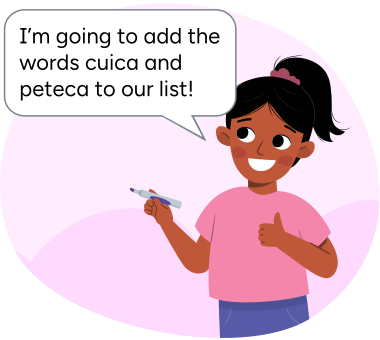
Peteca was invented by the Indigenous peoples of Brazil. Indigenous peoples around the world are the original peoples who lived on that land.
Before the end of the video, Lulu shares the tradition of sharing the chimarrão drink with friends. Chimarrão is the name of a drink made from dried and crushed leaves of the Erva Mate plant. It was invented by the Indigenous Gurani Peoples of Brazil.
What do you serve the chimarrão drink in?
Press Let’s Check! to find out.
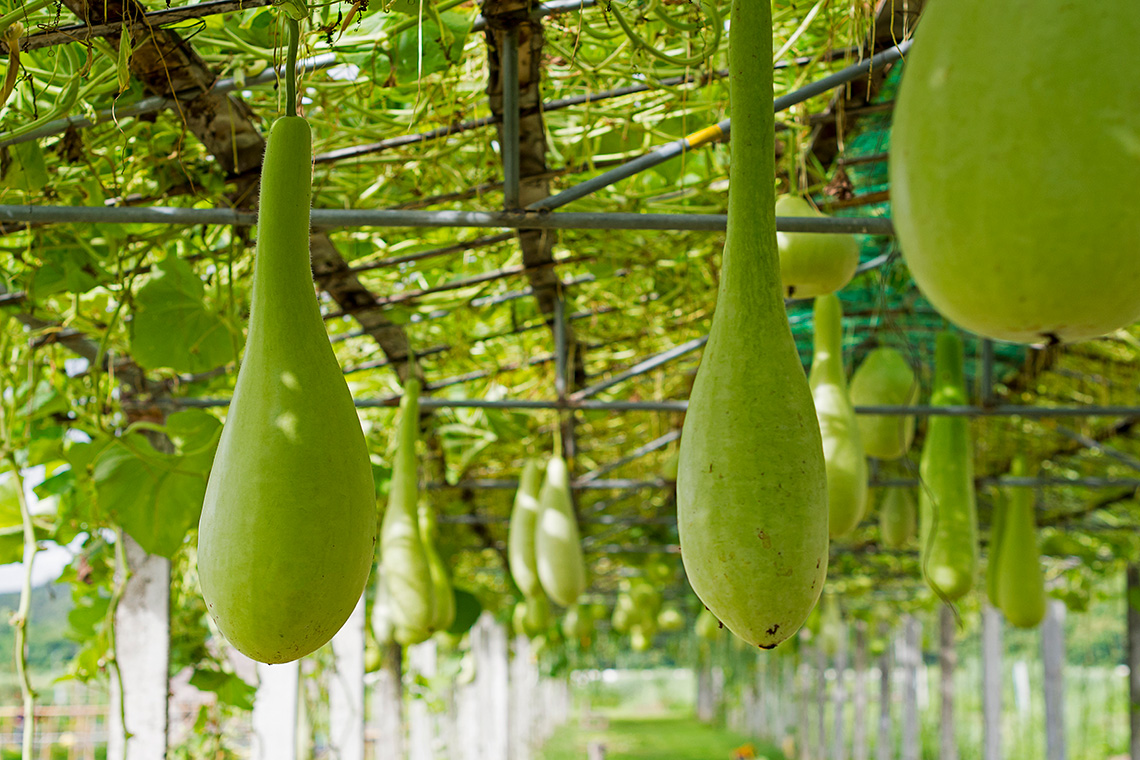
The drink is served in a cuia, a special cup made from the calabash fruit.

Discover words in other languages!
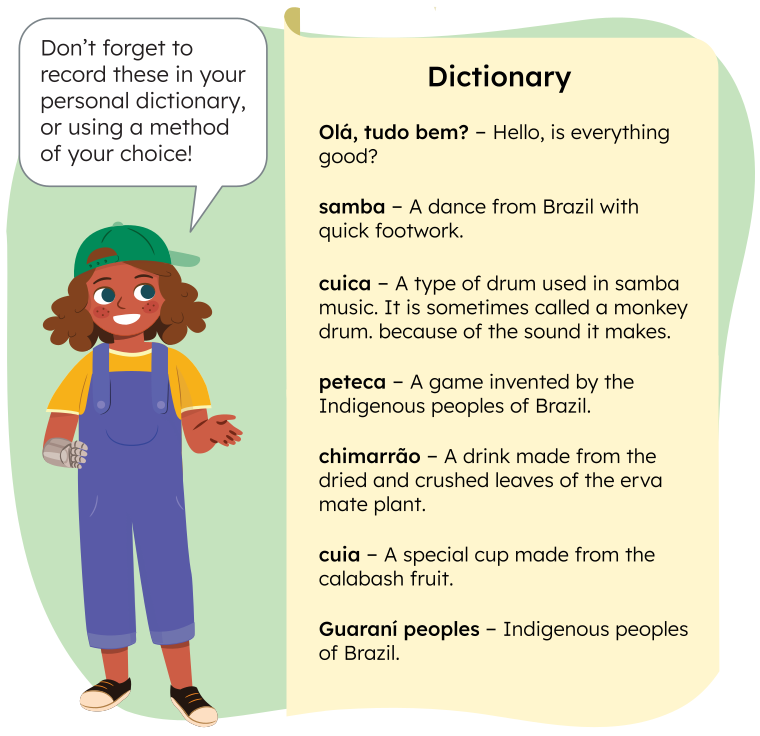
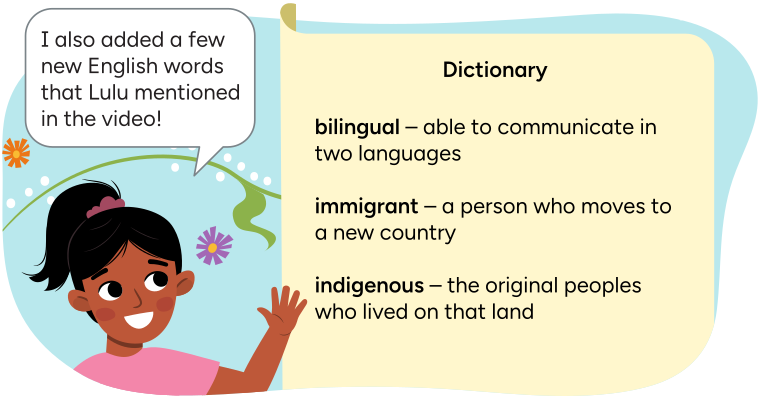
Mehar says, 'I also added a few new English words that Lulu mentioned in the video!'
She is looking at the list labelled, 'Dictionary.' The words on her dictionary are:
- Bilingual - able to communicate in two languages
- Immigrant - a person who moves to a new country
- Indigenous - the original peoples who lived on that land
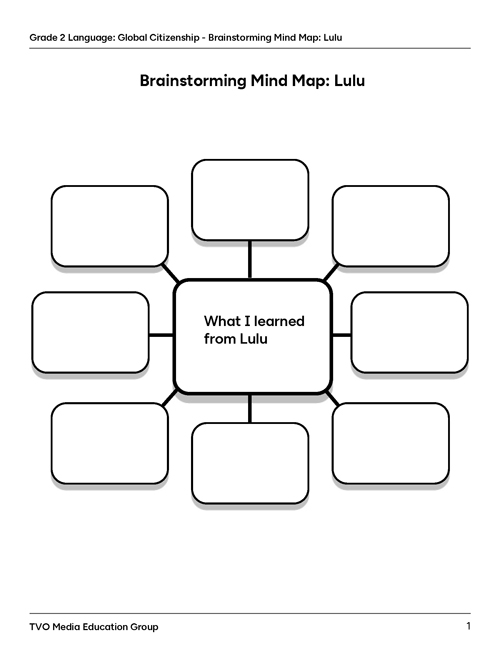
Think about all the great information that Lulu shared. What stood out most to you?
Use the following Brainstorming Map: Lulu to record your ideas. You may also use another method of your choice.

Social Emotional Learning
Social emotional learning
Find a comfortable position. It’s time to breathe like a dragon. Take a deep breath in, and when you breathe out through your mouth, pretend that you are breathing out fire. Breathe out fast, letting the air swish.
Access this audio recording called Dragon Breathing for a quick break.
Dragon Breathing
Let’s meet Emily!
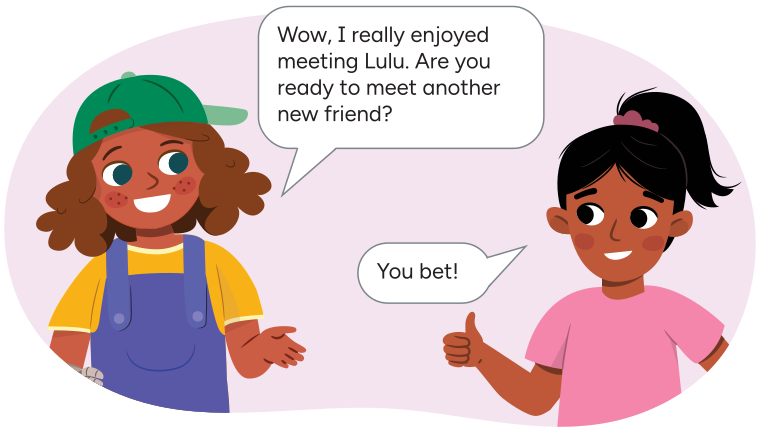
Gabby and Mehar are talking.
Gabby says, 'Wow, I really enjoyed meeting Lulu. Are you ready to meet another new friend?'
Mehar says, 'You bet!'
Check out this clip from Sunny’s Quest where Emily shares where she is from and parts of her culture.
Where does Emily live?
Press Reveal to check your answer.
Emily lives in Finlay Creek, Ontario with her mom and brother.
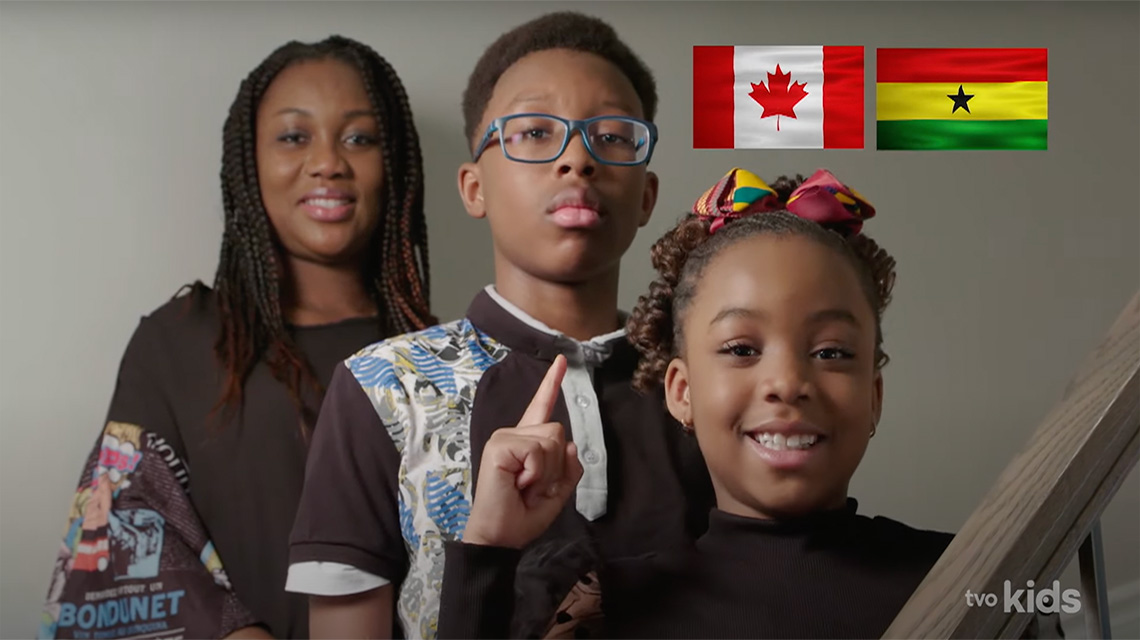
Where is Emily’s family from?
Press Reveal to check your answer.
Emily’s family is from Ghana. She is a proud Canadian-Ghanaian.
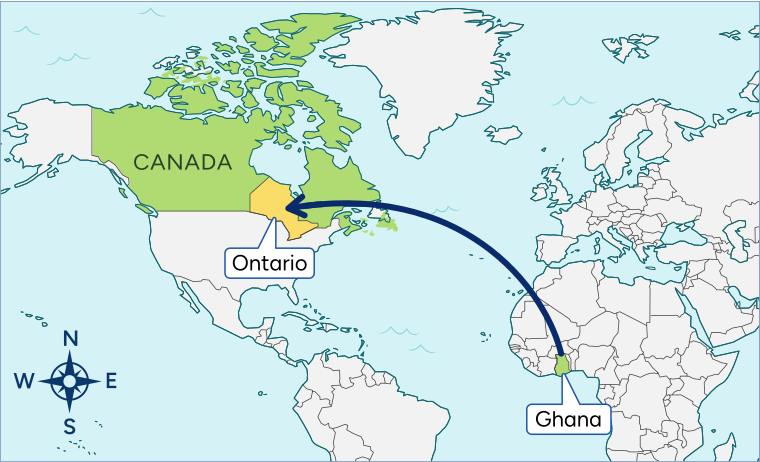
A map of North America and of Africa. The country Ghana on the northwest side of West Africa is labelled. An arrow is going from Ghana to Ontario, Canada.
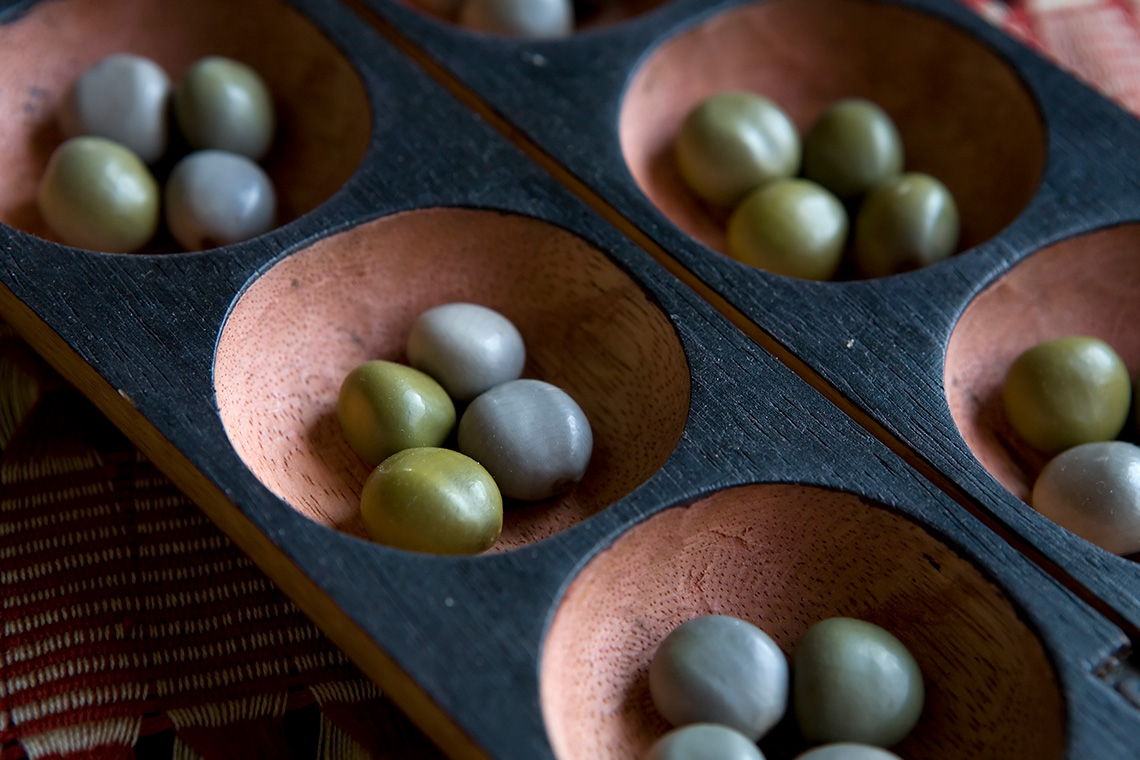
In the video, Emily and her brother play a game called Oware. Oware is a word in the Akan language, which is one of the languages spoken in Ghana.
How is Oware played?
Press Possible Answer to find out.
Oware is played using a board and pebbles. It has been played in West Africa for hundreds of years.
Emily tells us the rules of the game. Can you record the goal and steps of the game in order?
Press Let’s Check! to reveal a possible answer.
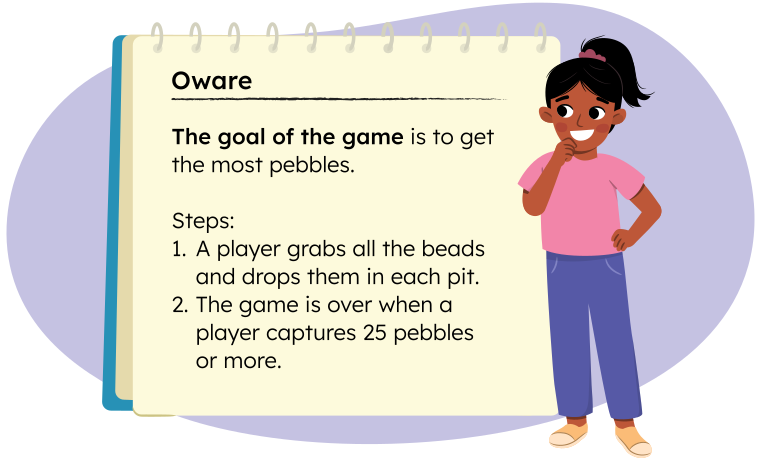
A description of the goal and the rules of the game Oware. The goal of the game is to get the most pebbles. Steps: A player grabs all the beads and drops them in each pit. The game is over when a player captures 25 pebbles or more.
What other types of instructions might you need to play the game?
Emily shares that in Ghana, there are many languages. In Twi (one of the Ghanaian languages) she shares the words for dog and cat:
Kraman – dog
Okra – cat
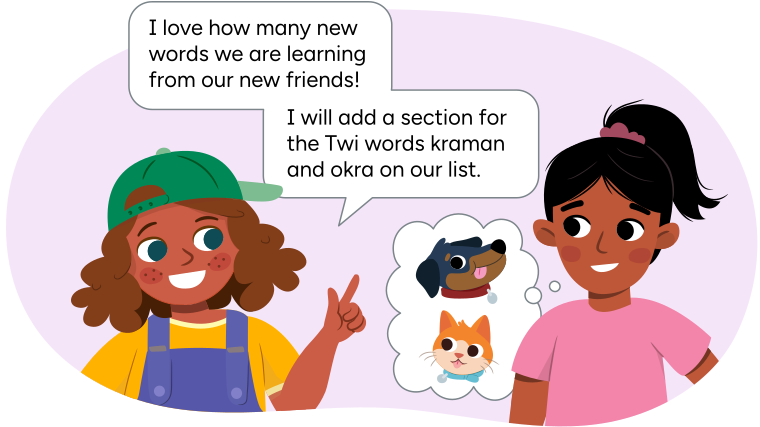
Gabby says, "I love how many new words we are learning from our new friends! I will add a section for the Twi words kraman and okra on our list."
As Gabby says 'kramen' and 'okra', Mehar imagines a dog and a cat.
Why does Emily love painting?
Press Reveal to check your answer.
Because it’s like an experiment every time!
Emily wants to be a science teacher when she grows up. She loves doing experiments with friends!
What are the materials needed for Emily’s bubble vapour experiment?
Press Reveal to check your answer.
- food colouring
- water
- soap
- dry ice
- tongs
What are the steps to Emily’s experiment?
Put the steps in the right order by dropping the cards into each box one after the other.
Emily shared each step to the experiment in order and we recorded each step with words. Can you think of any other types of writing that shares steps or instructions in a specific order?
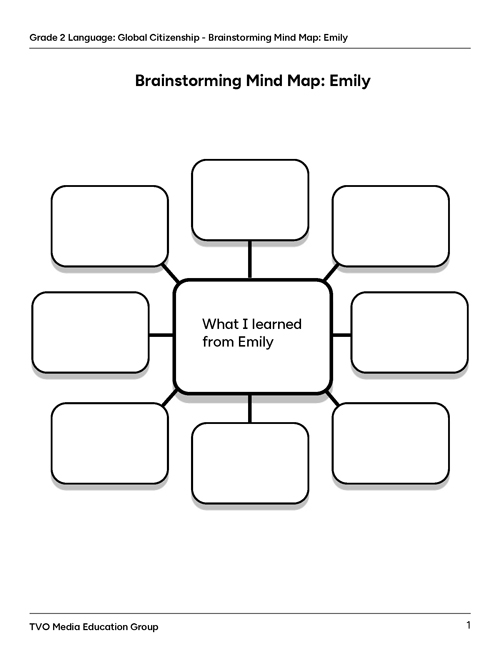
Think about all the great information that Emily shared. What stood out most to you?
Use the following Brainstorming Mind Map to record your ideas. You may also use another method of your choice.

Let’s reflect!
Why might it be important to learn about each other, our background, and communities?
If you could ask Lulu a question, what would you ask her?
If you could ask Emily a question, what would you ask her?
Share your thoughts with a partner, if possible.
Let’s review!
Match each new word we explored in Portuguese, Twi, Akan, and English to its definition.
Can you choose two of these words and use them in a sentence? Record your sentences using a method of your choice.
Share your sentences with your partner, if possible.
Reflection
How do you feel about what you have learned in this activity? Which of the next four sentences best matches how you are feeling about your learning? Press the button that is beside this sentence.

I feel...
Now, record your ideas about your feelings using a voice recorder, speech-to-text, or writing tool.