Let’s build our skills!

Today’s vocabulary
Connections to the land
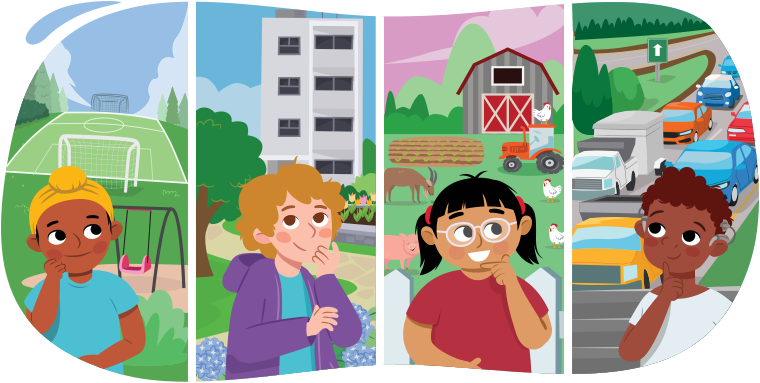
What comes to your mind when you think about the land that you live and play on?
What do you see? Do you see a forest, lakes, rivers, mountains, a playground, a field, a garden, a farm, or a city?
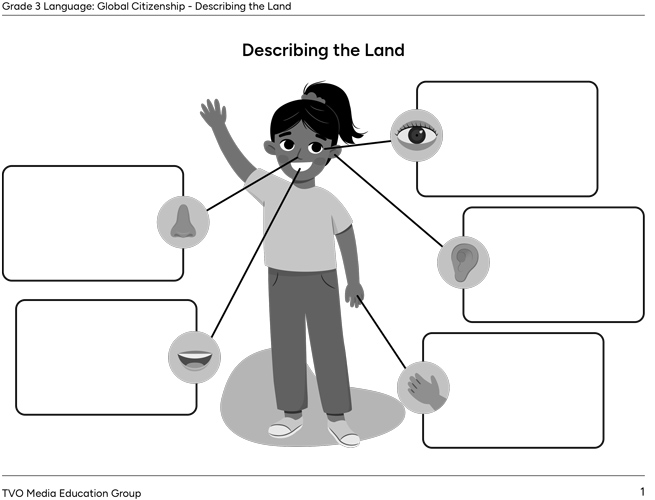
Complete the fillable and printable Describing the Land document in your notebook or using the following document. If you would like, you can use speech-to-text or audio recording tools to record your thoughts.
Land use in Ontario
The land that we are a part of has stories, information, and knowledge to share with us.
Explore the following carousel of images representing the most common ways that land is used in Ontario.
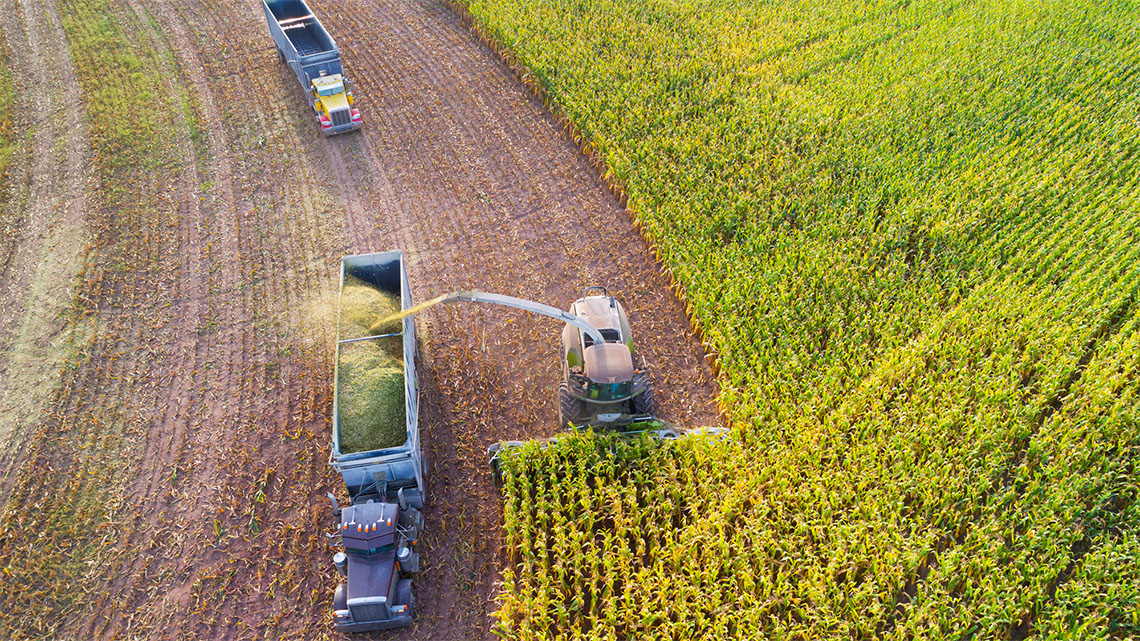
Farming
Land used for farming is called agricultural land. Growing food, medicine, and clothing materials are all examples of agricultural land use.
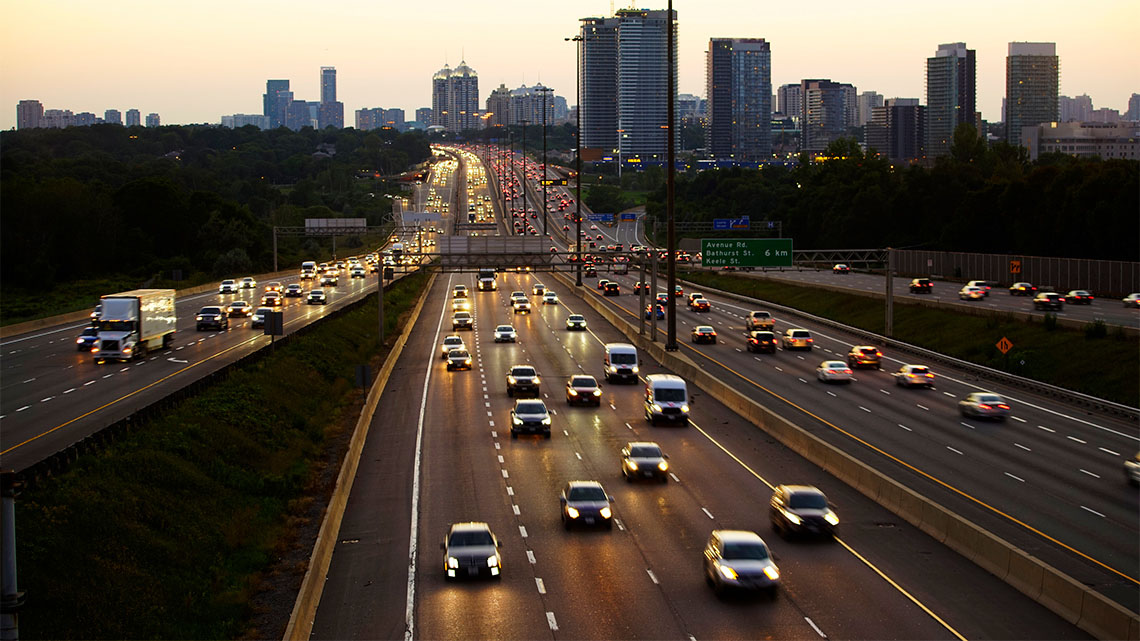
Transport
Land that is used by vehicles is called transportational land. Roads, parking lots, and airports are all examples of transportational land use.
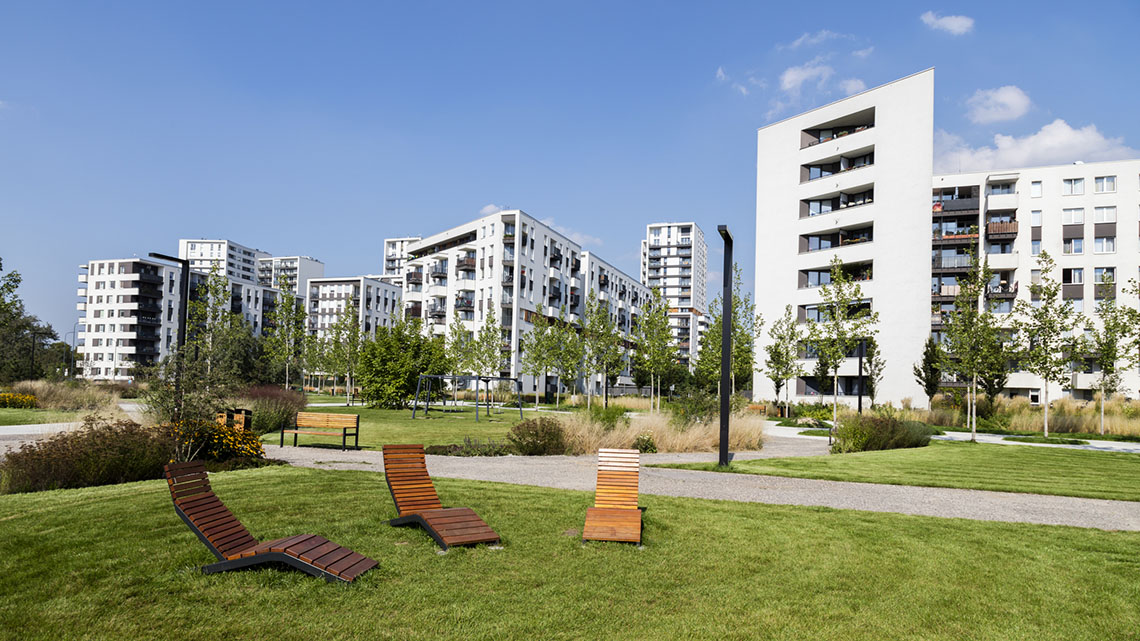
Apartments
Land used for housing is called residential land. Apartments, townhouses, and houses are all examples of residential land use.
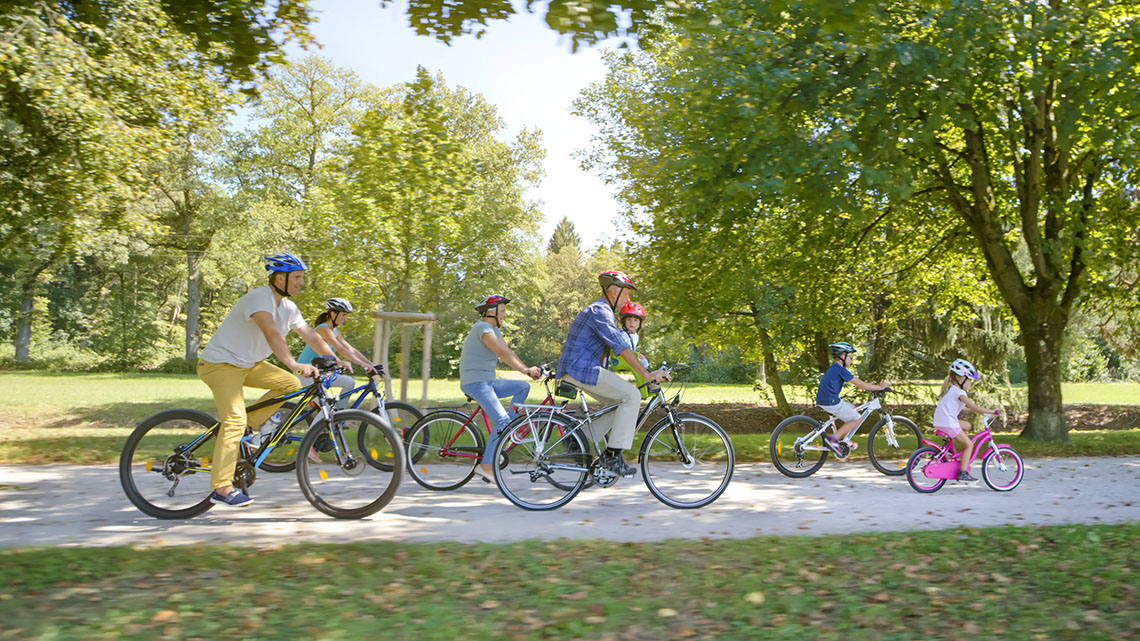
Recreational land
Land used for playing and relaxing is called recreational land. Parks, sports fields, and trails are all examples of recreational land use.
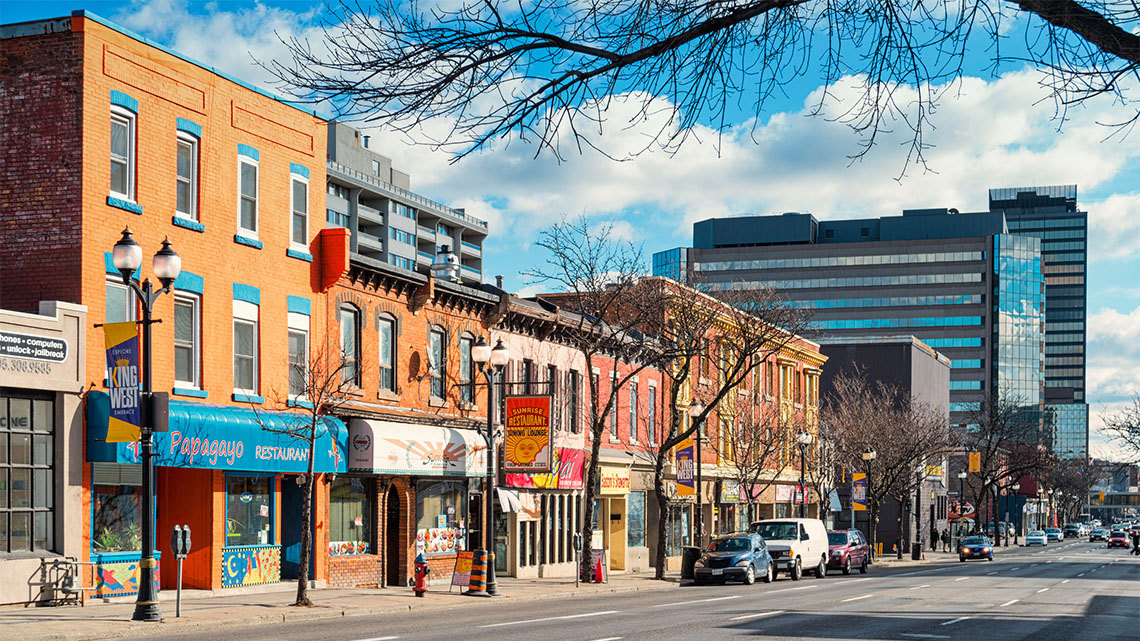
Commercial
Land used for businesses is called commercial land. Shops, restaurants, and offices are all examples of commercial land use.
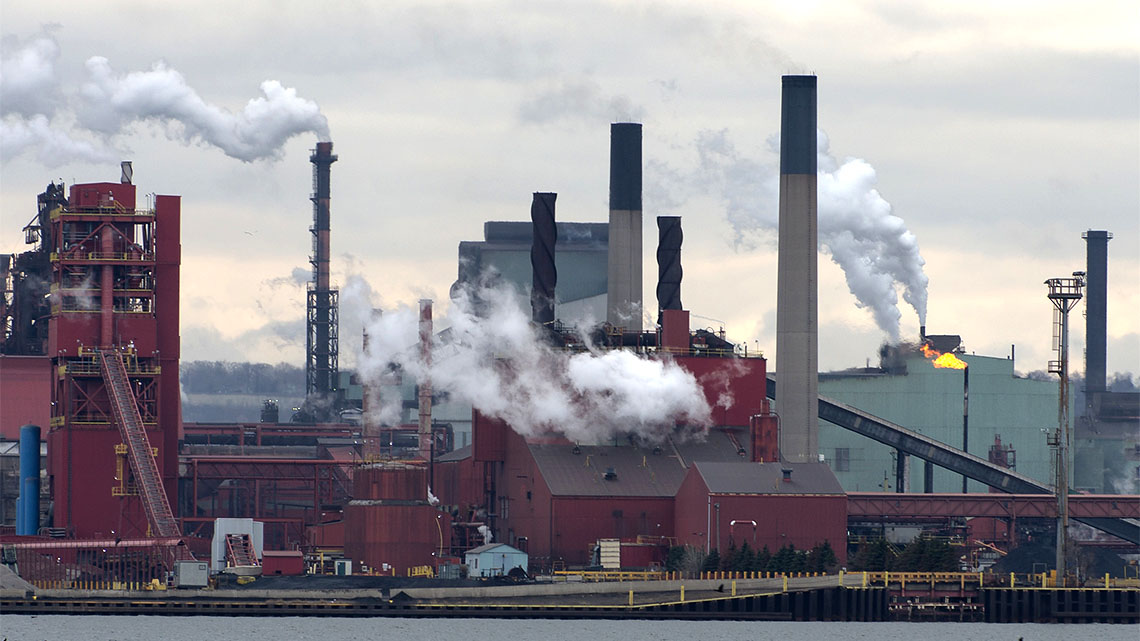
Industrial
Land used for manufacturing is called industrial land. Factories, mines, and warehouses are all examples of industrial land use.
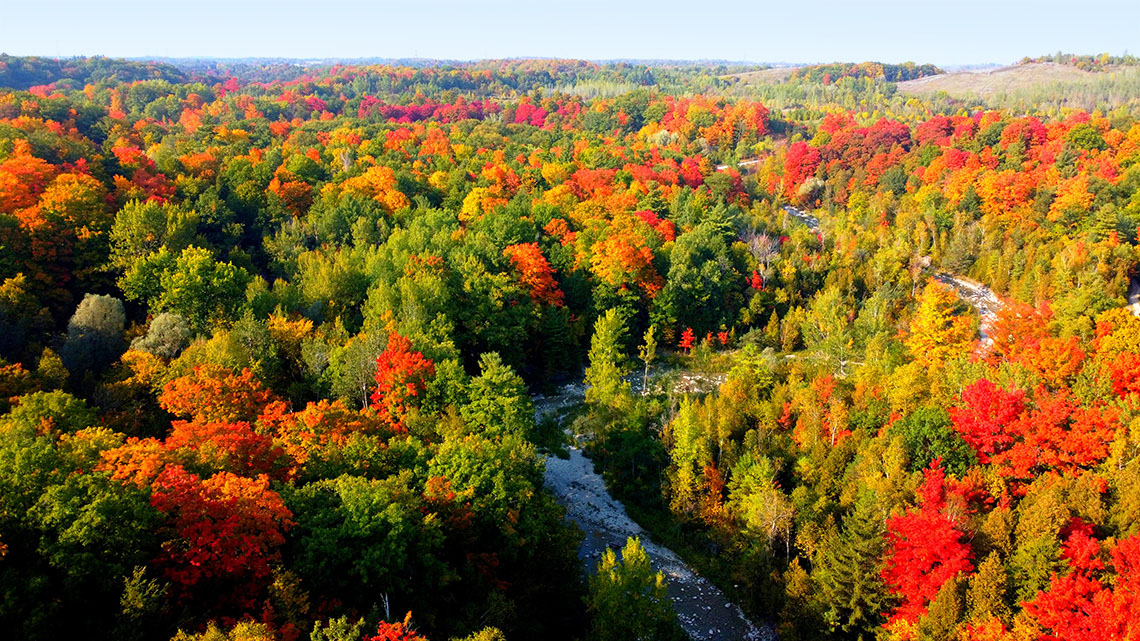
Nature
Land that is protected to preserve the natural environment is called conservational land. Provincial parks, conservation reserves, and wilderness areas are all examples of conservational land use.
- What stories do you think are being told by the land in these pictures?
- What changes do you think the land has gone through over time? How might these changes also change the stories being told?
Analyzing quotes
Read the following quotes:
Quote 1:
“The Land provides everything. The Land is life.”
— Qauyisaq “Kowesa” Etitiq (Inuit from Iqaluit, Nunavut)
Quote 2:
“I am the Land, and the Land is me! Mother Earth is our mother, so we take care and look after our Mother just as she looks after us by providing everything we need to be alive.”
— Deb St. Amant (Henvey Inlet First Nation and Métis from Penetanguishene)
Elementary Teachers’ Federation of Ontario INDIGENOUS LAND-BASED LEARNING. (n.d.). Retrieved April 29, 2024, from https://etfofnmi.ca/wp-content/uploads/2023/12/Book_Land-Acknowledgement.pdf
How are these quotes the same?
How are these quotes different?
First Nations, Métis, and Inuit communities
Indigenous Peoples are the original people on this land, that we now call Canada, there are three different groups of Indigenous Peoples – First Nations, Métis, and Inuit. Each of these three groups have many different communities across Canada.
Press each title to learn more about these communities.
What is a treaty?
A treaty is an important agreement between First Nations communities and the Crown.
Press the Crown button to learn more.
- Treaties are a special agreement, between two Nations. Every treaty holds both promises and responsibilities.
- First Nations communities made treaties between each other to work together and help each other.
- The treaties that we talk about today are made between First Nations communities and the Crown.
- Treaties allowed the Crown to use the lands of Indigenous Peoples to build settlements. Treaties were made so that the Crown and Indigenous communities had something to follow to make sure everyone continued to work together and help each other.
- The promises made to Indigenous Peoples were often not kept and this hurt, and continues to impact, the relationship. Treaties, in most parts of Canada, are the way settlers came to live on the land today and are important part of history.
- All Canadians are treaty people.
Explore the following audio clip to find out more.
Treaty
Learning check
For each sentence, select true or false from the drop-down menu. Press Check Answer to see how you did.
Land acknowledgement

Did You Know?
Land acknowledgment
Did you know that Indigenous Peoples have always given thanks for land in their own way and depending on which community they come from. It is a way to honor and respect the land for everything that it provides.
One way to respect and honor treaties is through land acknowledgements.
You may have experienced a land or territory acknowledgement before an assembly, during your morning announcements, on the news, or at an event.
A land acknowledgement usually includes a statement that begins like this: “We want to acknowledge that we are on the traditional territory of (Blank) .
Press Hint to access what finishes the sentence.
The blank represents the specific Indigenous communities that have lived on the land for thousands of years.
Example: Treaty 9 or the Williams Treaties
Do you know the land acknowledgement for your school or where you live? If you don’t, how can you find out?
Share your thoughts in a method of your choice.
Acknowledging the land
Today, land acknowledgements are a way that non-Indigenous people in Canada can acknowledge the traditional territories they are on and keep the promises that were made through treaties. Promises to share, work together, and help each other for a better future between Indigenous and non-Indigenous peoples.
In this video, Ariana Roundpoint from Akwesasne, a Kanien’kehá:ka (Mohawk) community, shares some of the history and relationships of the land. As she thinks about what the land means to her as an Indigenous person.
Explore the following audio clip to find out more.
Ariana Roundpoint
Explore the following video of Ariana Roundpoint.
Select the correct answer, then press Check Answer to see how you did.
How do you think Ariana honours the land in this video?
Putting it all together
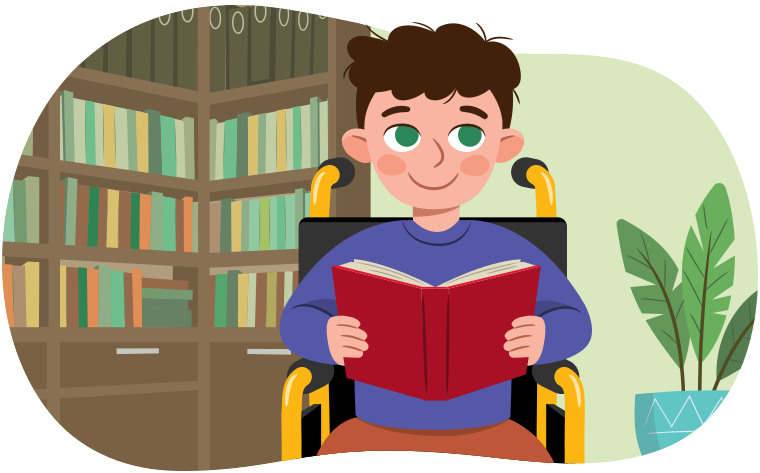
We learned about the land we live on and its connections to Indigenous Peoples, treaties, and relationships.
Each person’s connection to the land around us will be different, but we all have a shared responsibility to be respectful of the land and protect it for the future. This helps us be citizens, treaty people, and citizens to the world.
Why do you think land acknowledgements are important for non-Indigenous people?
What is one action you can do that honors and respects the land you live on?
Think of the questions and answer them using 1-2 vocabulary words from today’s activity.
Word bank
- Community
- Land acknowledgment
- Indigenous Peoples
- Acknowledge
- Treaty
You can use the following sentence starters to help you get started!
- Land acknowledgements are important because they...
- I can respect and honor this land by...
Record your thoughts in a method of your choice.
Reflection
How do you feel about what you have learned in this activity? Which of the next four sentences best matches how you are feeling about your learning? Press the button that is beside this sentence.
I feel...
Now, record your ideas using a voice recorder, speech-to-text, or writing tool.