Learning goals
We are learning to…
- explore the concepts of identity, self, and sense of belonging in texts and demonstrate an understanding of the contributions, lived experiences, and perspectives of many different people, including those in Canada
- share our experiences that connect with ideas and topics in new texts
- identify connections between ideas expressed in texts and their knowledges and lived experiences, the ideas in other texts, and the world around them
- sort and sequence ideas and information, using different strategies and tools
Success criteria
I am able to…
- watch a Sunny’s Quest episodes and learn about Nicole who shares her background, culture and traditions
- think about our experiences that connect with Nicole’s story
- identify self-to-text, text-to-text and text-to-world connections
- sort and sequence our own connections to Nicole’s story
New friends
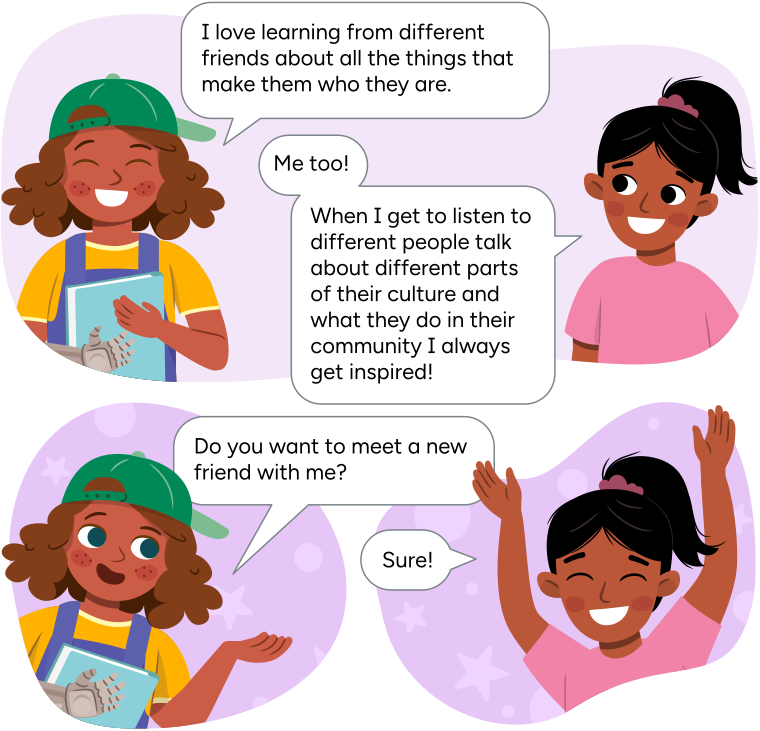
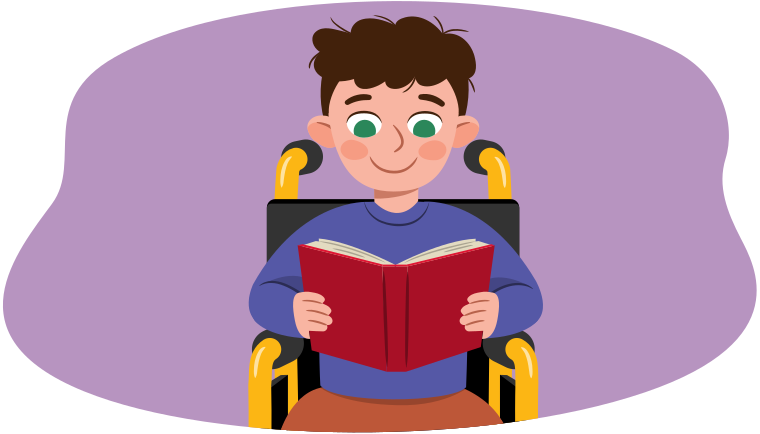
Two learners talking about meeting a new friend.
Gabby: I love learning from different friends about all the things that make them who they are.
Mehar: Me too! When I get to listen to different people talk about different parts of their culture and what they do in their community I always get inspired!
Gabby: Do you want to meet a new friend with me?
Mehar: Sure!
When you meet someone new, how do you introduce yourself?
What kinds of questions do you like to ask them?
How do you feel when you share something in common?
Share your thoughts with a partner, if possible
Let’s meet Nicole!
Let’s explore a video where we meet Nicole.
Nicole is Canadian, Burundian, and Chilean. She has many hobbies and shares her culture and traditions that are specific to her family and background.
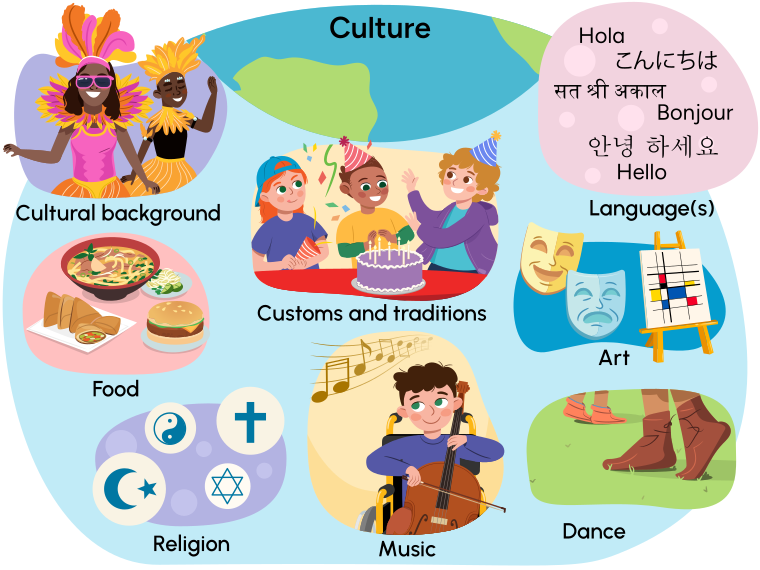
Culture may include:
- cultural background
- language(s)
- customs and traditions
- food
- art
- music
- dance
- religion
You might share a culture or cultures with your family members or friends. Everyone experiences culture in different ways.
As you enjoy the video think about are parts of Nicole’s identity and record your notes using a method of your choice.

Student Success
Think
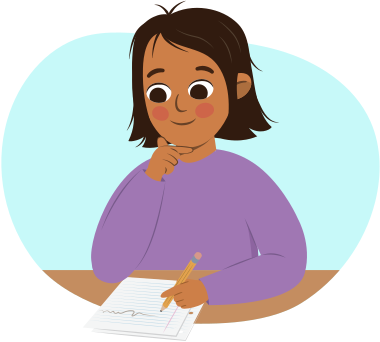
When we explore new information, we can take notes to help us remember different facts and ideas.
- We can take notes to help us record new information.
- We can use words, drawings, or short sentences when we take notes.
- We should try and use our own words while taking notes.
- We can record questions in our notes.
Check out the following video to learn more about Nicole!
Making text connections
Now that you have learned about Nicole, think about whether you made any connection to her or her story.
A connection is something that you might have in common or something that connects, joins or relates to something else.
When we are meeting someone new, reading a book or watching a video or seeing something in person, we might make connections.
There are different ways to make a connection to a text. When we make connections, it can help us understand what we are reading, watching or listening in more specific ways.
Text-to-self
We can make text-to-self connections when we connect what we explore (read or view) to our life or personal experiences.
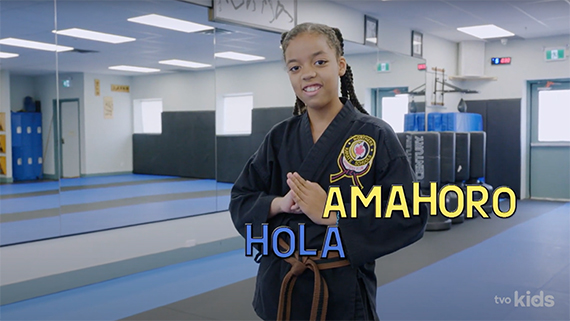
Nicole shares that she speaks English, Spanish and Kirundi.
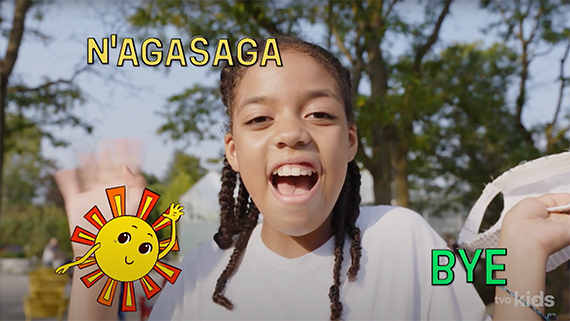
At the beginning of the video, Nicole says “hello, hola and amahoro”. At the end of the video, she says “N’agasaga!” which is bye in Kirundi.
Nicole shared lots of information that other people may connect with!
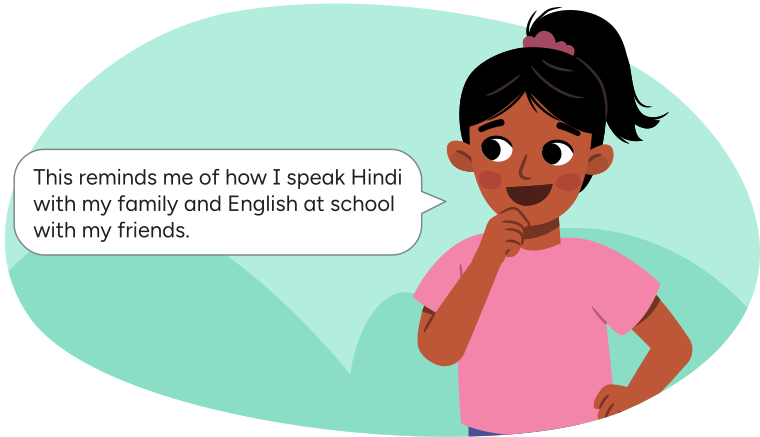
When making text-to-self connections, you can use the following sentence starters to help you share your thoughts:
- “This reminds me of the time that I…”
- “This part reminds me of…”
- “If this happened to me, I would…”
Text-to-text
In the video, Nicole says. “Karate isn’t just about fighting and beating your opponent. It teaches you how to calm your mind, believe in yourself, and find the strength that’s in you.”
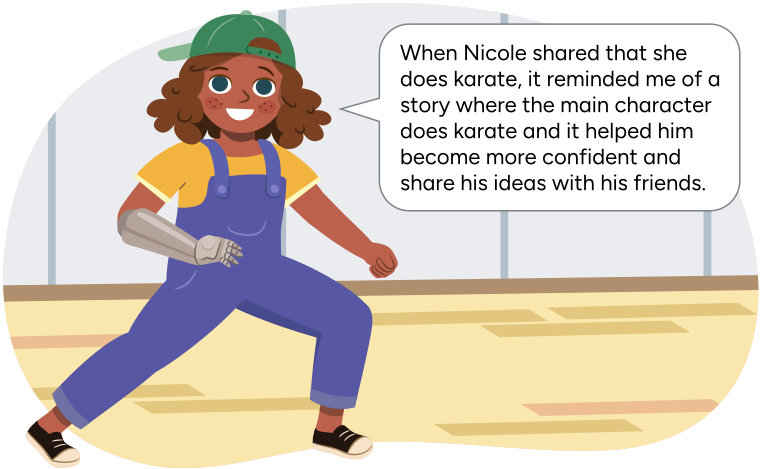 Description
Gabby says, ‘When Nicole shared that she does karate, it reminded me of a story where the main character does karate and it helped him become more confident and share his ideas with his friends.’
When making text-to-text connections, you can use the following sentence starters to help you share your thoughts:
- “This reminds me of another story I know, called…”
- “This is different from the other books I have read because…”
- “This is similar to the other books I have read because…”
Text-to-world
We can make text-to-world connections with something that has happened or is happening now in the world around us.
Nicole is learning Burundian dance to connect to her culture. When performing Burundian dance, she wears a traditional Burundian outfit called Imvutano.
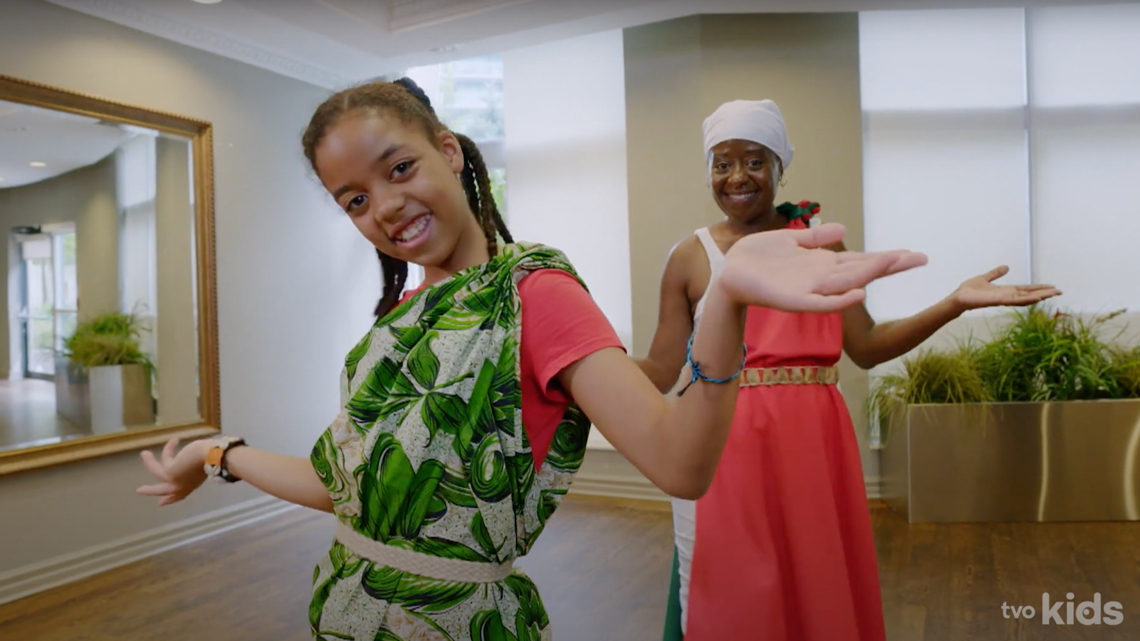
Nicole dancing
Nicole and her teacher, Miss Coco Murray, wear bells and shells on their ankles to add to the beat. Burundi is famous for their traditional drumming.
To do the dance, you need permission from the Burundian government since it is such an important and special part of Burundian tradition.
 Description
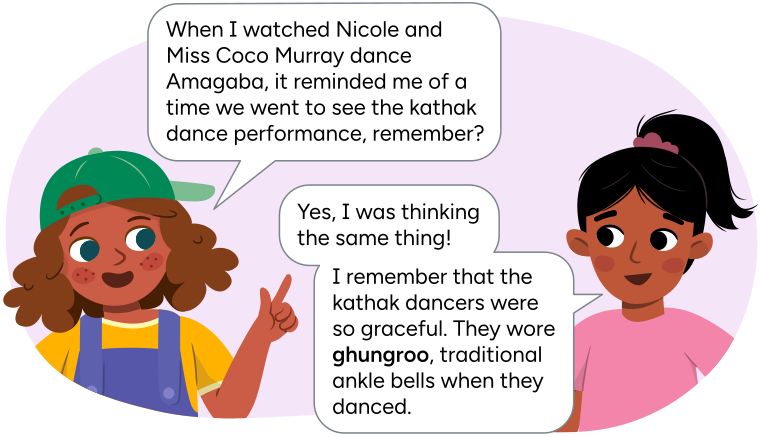
Gabby: When I watched Nicole and Miss Coco Murray dance Amagaba, it reminded me of a time we went to see the kathak dance performance, remember?
Mehar: Yes, I was thinking the same thing! I remember that the kathak dancers were so graceful. They wore ghungroo, traditional ankle bells when they danced.
When making text-to-world connections, you can use the following sentence starters to help you share your thoughts:
- “This is similar to what is happening in the world right now because…”
- “This is different from the things that are happening in the real world because…
- “This part of the story makes me think of something I have experienced in real life/in the world around me…”
Making connections
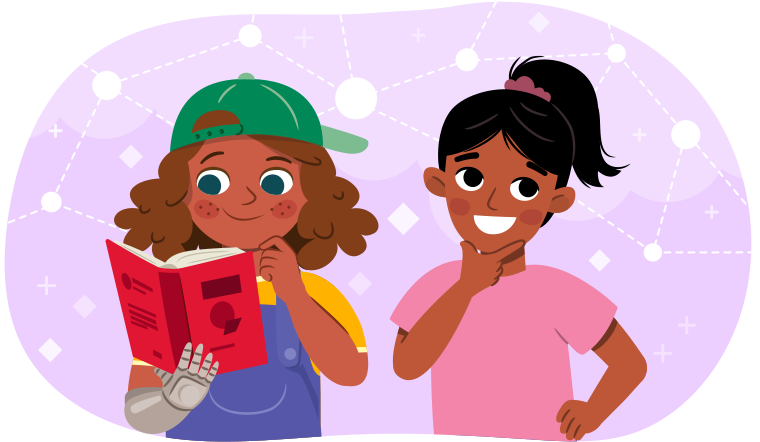
Making connections can help you better understand the text.
What connections did you make with Nicole?
You may watch the video again or use your notes to complete your connections.
Complete the fillable and printable Text Connections and Reflection Activity in your notebook or using the following document. If you would like, you can use speech-to-text or audio recording tools to record your thoughts.
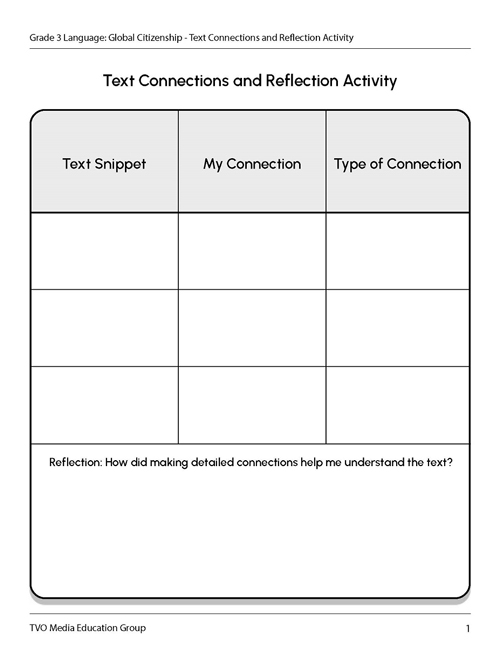
Press the Activity button to access the Text Connections and Reflection Activity.
Activity(Opens in a new tab)Reflection
How do you feel about what you have learned in this activity? Which of the next four sentences best matches how you are feeling about your learning? Press the button that is beside this sentence.
I feel...
Now, record your ideas about your feelings using a voice recorder, speech-to-text, or writing tool.