Learning goals
We are learning to…
- analyze themes explored in Indigenous cultures to demonstrate an understanding of the varied relationships and ways of knowing, being, and doing
- evaluate how visual design elements create, communicate, and contribute to meaning in texts.
Success criteria
I am able to…
- analyze the theme of reciprocity in Indigenous cultures to demonstrate an understanding of the Indigenous way of knowing, being, and doing
- recognize visual design elements used in creating texts.
- evaluate the effect that visual design elements have on communicating the message in a piece of writing.

Exploring effective messages
You must be the change you wish to see in the world.
– Mahatma Gandhi

Global citizenship is all about building awareness of others and making a change in the world.
When we learn about global citizenship and what it means to be an active participant in the modern world, we might feel prompted to think of faraway locations where we could inspire change. After all, the term “global” refers to anything that is understood to be “worldwide” or universal.
Description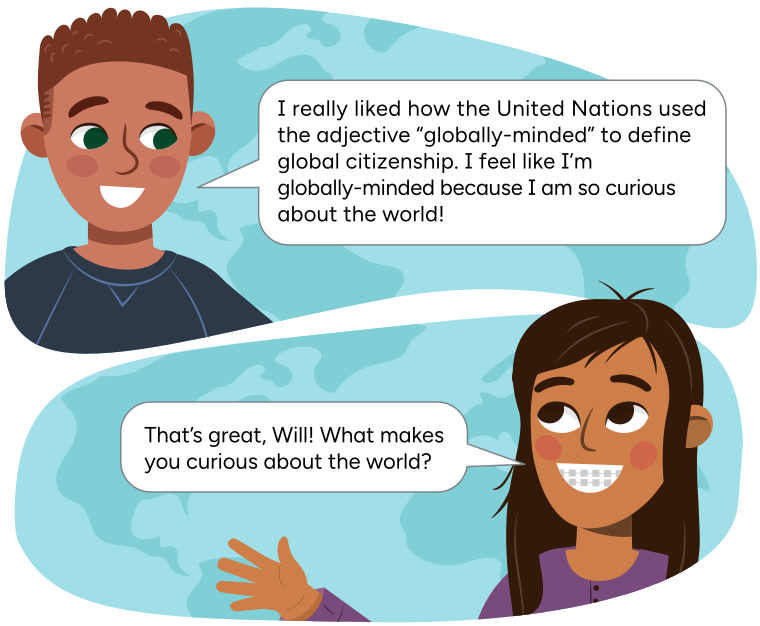
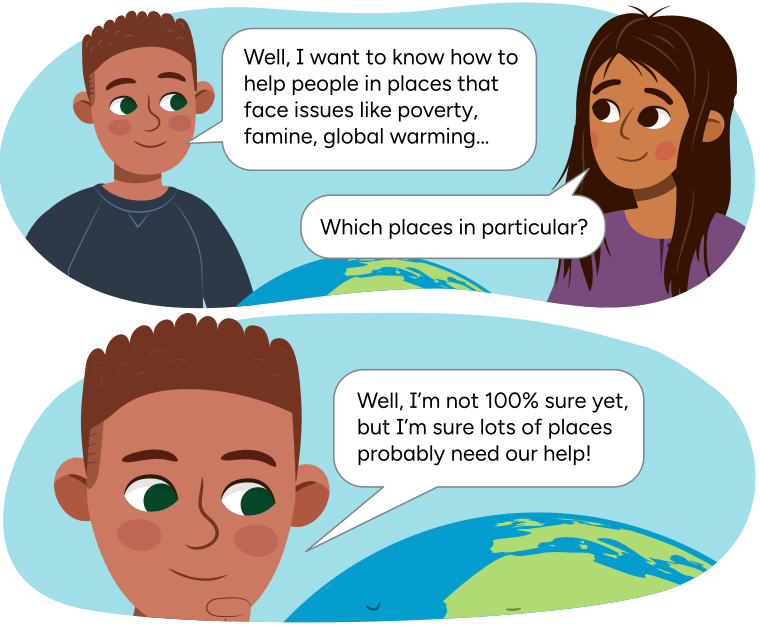
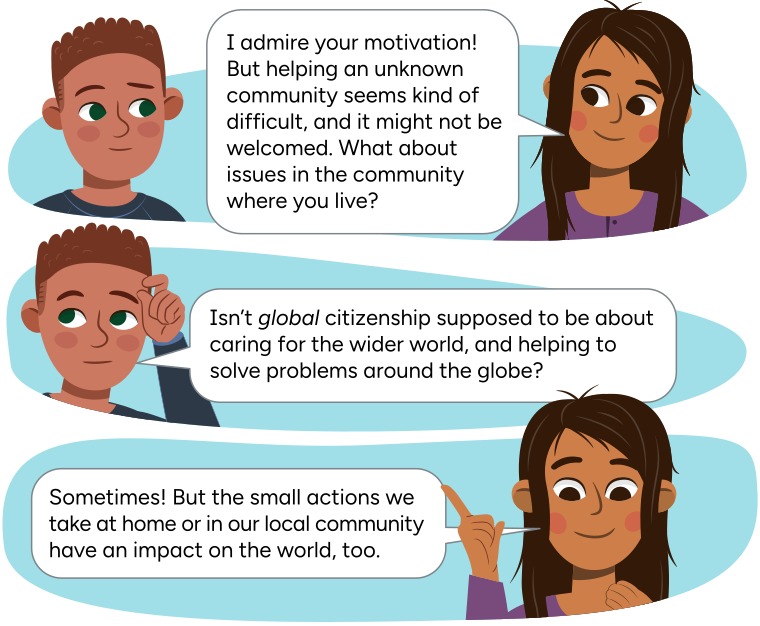
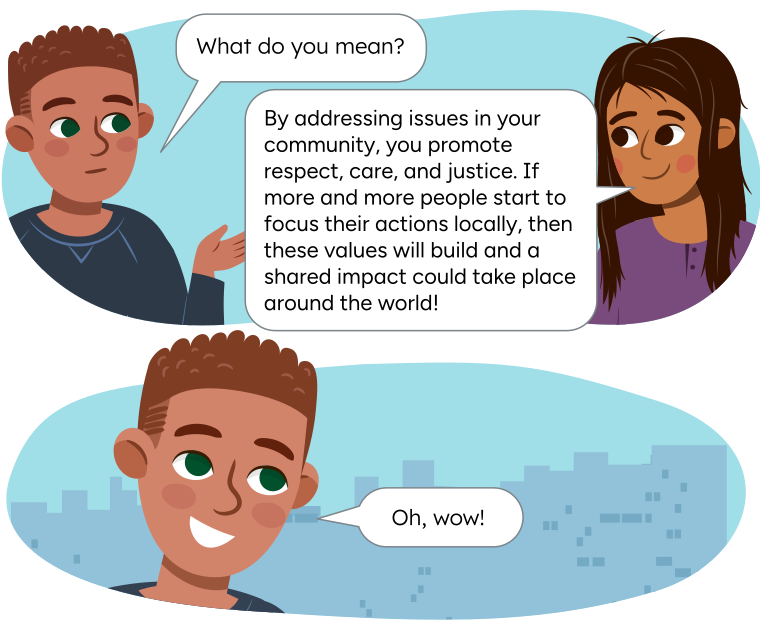
Image 1:
This is a conversation between two students.
Student William says, "I really liked how the United Nations used the adjective 'globally-minded' to define global citizenship. I feel like I’m globally-minded because I am so curious about the world!"
Student Neebin says, "That’s great, Will! What makes you curious about the world?"
Image 2:
This is a conversation between two students.
Student William says, "Well, I want to know how to help people in places that face issues like poverty, famine, global warming… *trails off*."
Student Neebin says, "Which places in particular?"
Student William says, "Well, I’m not 100% sure yet, but I’m sure lots of places probably need our help!"
Image 3:
This is a conversation between two students.
Student Neebin says, "I admire your motivation! But helping an unknown community seems kind of difficult, and it might not be welcomed. What about issues in the community where you live?"
Student William is scratching his head. He says, "Isn’t global citizenship supposed to be about caring for the wider world, and helping to solve problems around the globe?"
Student Neebin’s speech bubble says, "Sometimes! But the small actions we take at home or in our local community have an impact on the world, too."
Image 4:
This is a conversation between two students.
Student William says, "What do you mean?"
Student Neebin says, "By addressing issues in your community, you promote respect, care, and justice. If more and more people start to focus their actions locally, then these values will build and a shared impact could take place around the world!"
Student William says, "Oh, wow!"
By becoming aware of the important issues around where you live, and advocating for change where it’s needed, and then helping to build possible solutions at the local or community level, you are making a meaningful contribution to the world.
Consider the famous quotation from Indian peace activist Mahatma Gandhi presented at the beginning of this section: “Be the change you wish to see in the world.”
Taking action to support sustainability in your personal life is a responsible way of embracing the values of global citizenship. Everyday actions like recycling certain types of waste or walking to school may feel simple or small, but they are important steps towards achieving global sustainability.

The “native plants” movement
There are many proactive, locally-focused approaches that people can take to promote responsible, sustainable citizenship. Native plants, according to Ontario-based research institute Carolinian Canada, are “plants that existed in our region prior to European settlement; they have evolved alongside our native insect, bird and other animal species.”
In Canada, there has been a growing interest in planting “native plants” in gardens and pots rather than importing and growing foreign or exotic plants. Check out the following images of some native plants from Ontario:
Nolan, T. (2023, June 5). The case for growing native plants in your gardens and pots | CBC life. CBCnews. https://www.cbc.ca/life/home/growing-native-plants-in-gardens-1.6862140
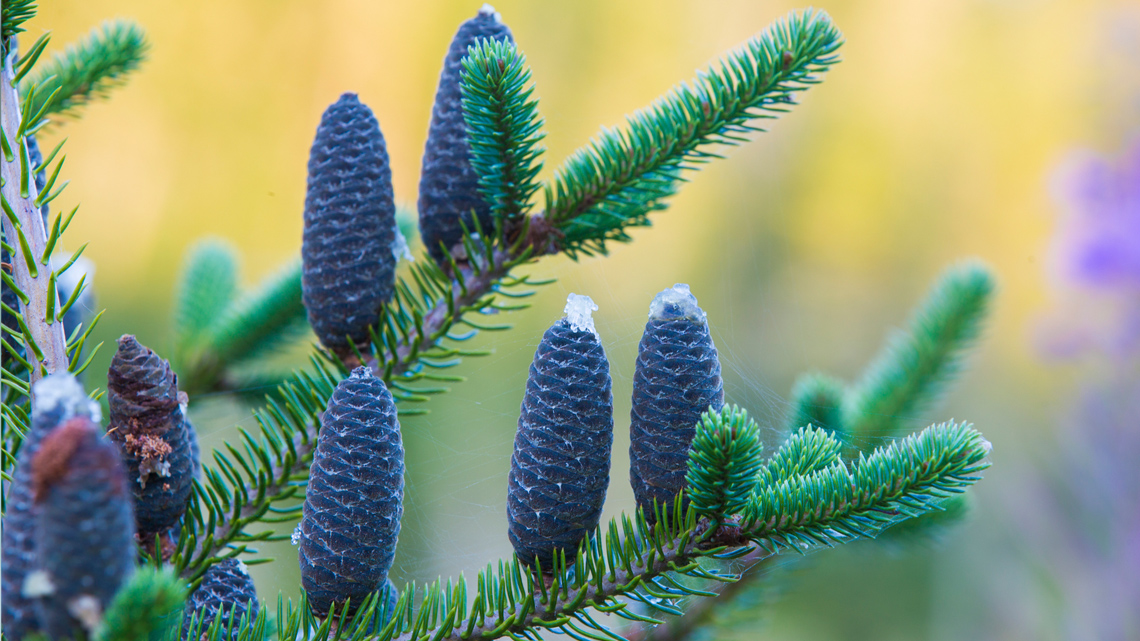
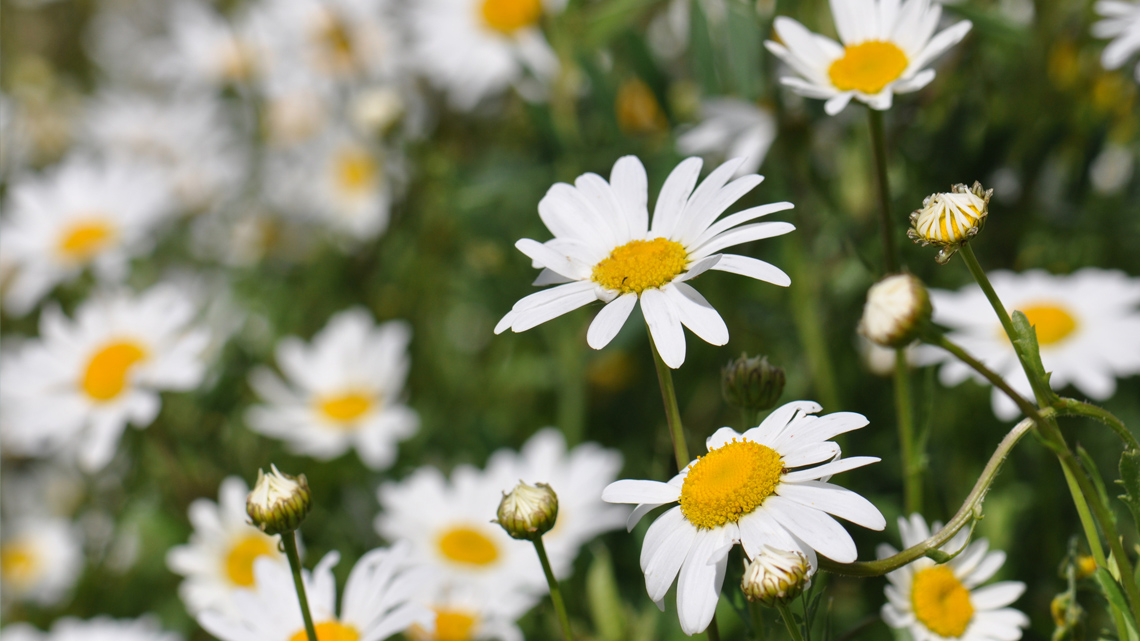
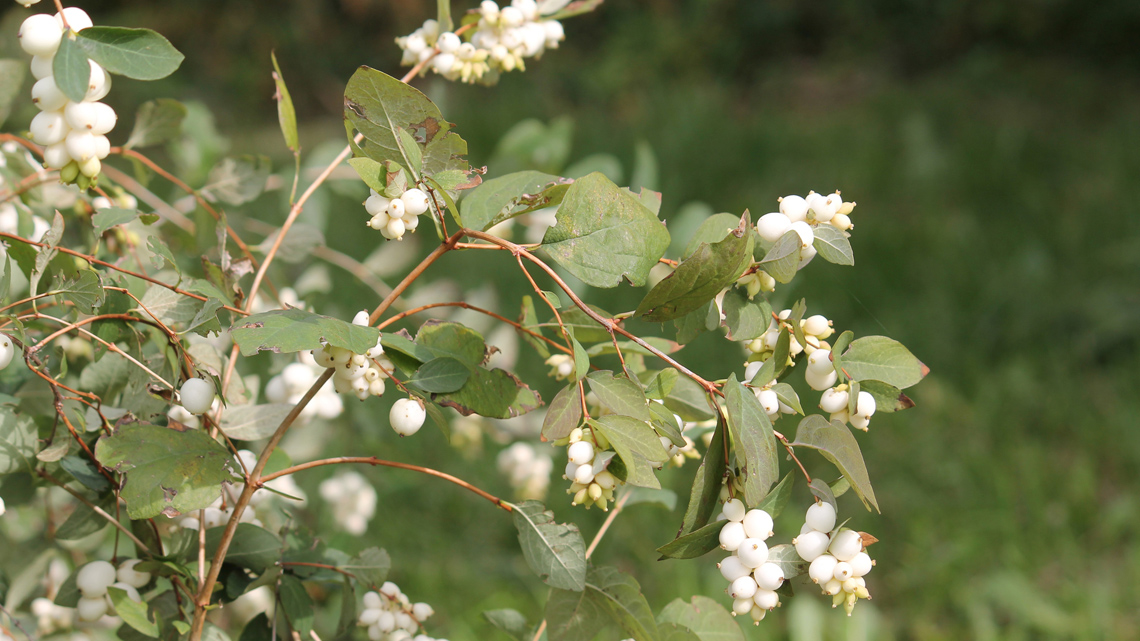
Types of Native Plant Species in Ontario
There are a wide variety of different native species of trees, flowers, shrubbery, and more across the province of Ontario. The following list offers a variety of examples of these native plants:
- Trees: Black spruce, sugar maple, white pine, poplar, balsam fir, white spruce, hemlock, oak, and white birch.
- Flowers: Mayflowers, oxeye, trillium, thimbleweed, cinquefoil, butterwort, blazing star, and trailing wind bean.
- Shrubbery: Bush honeysuckle, snowberry, St. John’s Wort, smooth rose, meadowsweet, and fragrant sumac.
Because these plant species are designed to thrive in their natural environment, they don’t require as much careful maintenance and attention. They are also more resilient to changes in climate – including periods of drought or major heat.
In addition to requiring minimal care, planting native plants is a prime example of sustainability as it has a deep, restorative benefit to the environment. Native plant species have deep, biological connections to both the habitat and specific other plants species. You will learn about native plants species that are typically planted and grown together later in this learning activity!
According to the World Wildlife Fund Canada, native plants are at the heart of healthy ecosystems and provide the best food and habitat for the wildlife and pollinators that are also native to the area.

Student Success
Let’s think!
Revisit the list of species from the Types of Native Plant Species in Ontario section. Once you have examined the list, respond to the following questions in your notebook, or in another method of your choice.
- Was there anything that surprised you?
- What do you notice about how that information is presented
Press the Possible Answer button to learn more.
I was surprised by how many native plants there are! The list only had a few examples of each category, so I know there must be way more. I was surprised to know that people import and grow non-native plant species here when we have so many local plants that we could be growing!
I noticed that the information was presented in a list format, and the different types of plants were sorted into different categories.
The visual design elements of writing
No matter whether they are presenting a factual list of native plants, telling a fictional story, or making a persuasive argument, writers use different tricks and methods to get their message across. Writers can use various visual elements and aspects of page design to hook the interest of the audience, and even draw the reader’s gaze to certain points.
In the Types of Native Plant Species in Ontario section, you examined a list of some native plant species found in Ontario. “Bulleted lists” – which are unordered lists where every item has a small bullet-like icon, like the one you saw – are an effective way to present factual information that doesn’t need to be put in a specific order (for that, you would use numbers or letters). Lists are just one example of the types of visual elements available to authors.

Pause and Reflect
Pause and reflect
Imagine if the different native plant species had not been organized in a list format?
As the reader, how would you feel if you received this information in the form of one long, single paragraph?
Presenting information in the form of a bulleted list is a feature of writing that helps the reader to focus on specific information that the author wants to emphasize.
What other possible “features” did you notice about the list of native plant species in the Types of Native Plant Species in Ontario section? Explore the following accordion tabs for some examples:
Press the following tabs to find out more.
Bolding, or using bold type face, is used on the introductory words in the list (i.e trees, flowers, and shrubbery). This is used for emphasis and to attract the eye’s focus to the theme of each bullet.
Since the heading was “Types of Native Plant Species in Ontario,” then the bolded term in each bullet is treated like a subheading. That subheading represents the unifying theme of all the examples that follow the colon. For example, different tree species are listed after the subheading “trees:”
This bit of punctuation separates the subheading (i.e. the bolded introductory word) from the list of example terms on each line. In this instance, the colon indicates that a list of examples will follow the subheading term.
This is standard with most bulleted lists, but it is useful to note that indenting creates more "white space" around the written text, which naturally draws the eye towards the content (i.e. the text to be read).

Social Emotional Learning
Social emotional learning

You’ve just explored text features. Take a break before exploring the use of colons in more depth.

Colons
Colons introduce whatever text comes next. The text that follows a colon could be a list (as we observed in the Types of Native Plant Species in Ontario list), the beginning of a quotation after a complete sentence, a new speaker in a script dialogue, or even after the salutation in a formal letter.
The colon almost functions like a warning to inform the reader that relevant information is going to follow. You are familiar with how colons can be used to introduce a list of examples (as seen in the Types of Native Plant Species in Ontario list). Press the following tabs to learn more about the different ways that colons can be used to introduce other kinds of new information.
A colon always following the salutation or “greeting” in a formal letter or business communication. For example, “Dear Sir:” or “Dear Ms. Chekhov:”
Play scripts and screenplays use commas to indicate when a new or different character is beginning to speak, which helps when characters are engaged in a back-and-forth dialogue.
For example:
Gardener: Do you sell any wildflowers that are native to Ontario?
Store owner: We absolutely do! My favourite species is the trillium.
A colon can be used to introduce a quotation or a statement if it follows an independent clause (which means a section of the sentence that can function as a complete sentence on its own).
For example:
My teacher always says the same thing about our community garden of native species: “Global citizenship starts here at home!”
Community gardens: doing the work at home
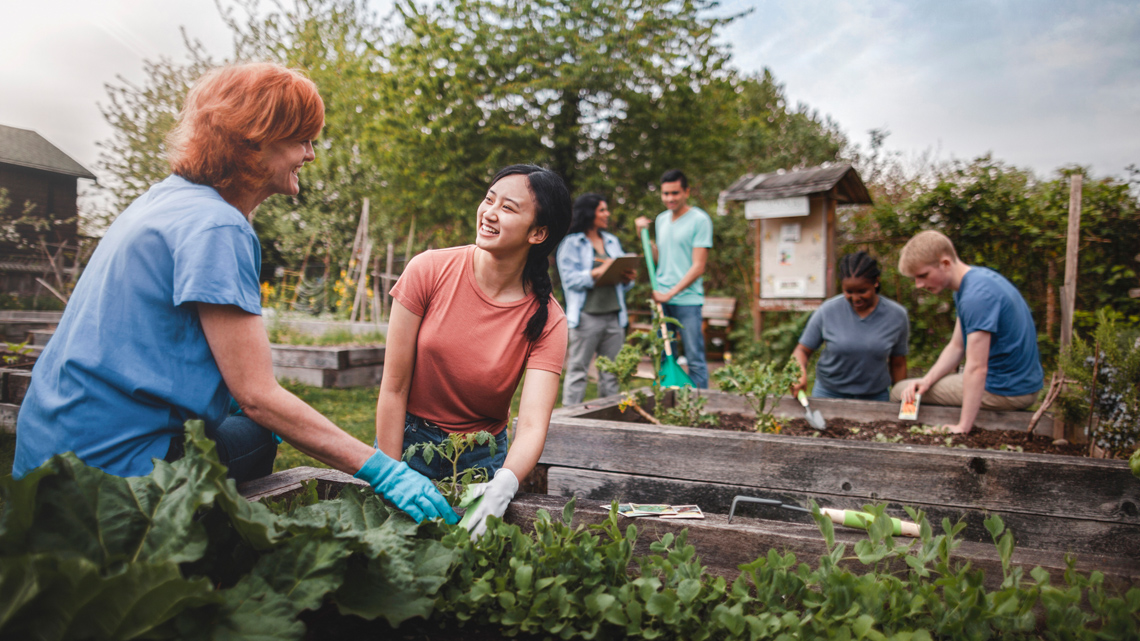
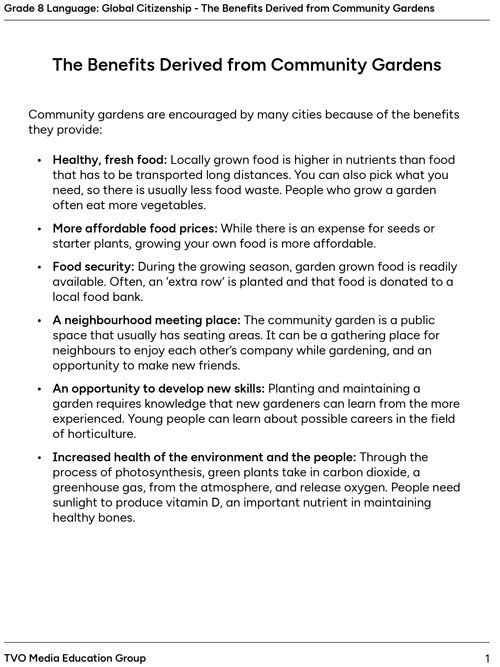
Many communities, both in Canada and around the world, offer a communal garden space where people can access a plot of public land to grow plants. One important advantage is that it helps secure a supply of healthy food.
Regular, consistent access to healthy food is a concern in Canada and worldwide. The establishment of a community garden, however, can help build sustainability by increasing local access to healthy food, reduce environmental risks by providing access to pollinators like bees, and even help to improve air quality.
Since community gardens are popular, much information can be found for people interested in joining or in starting one in their area. Examine the following benefits derived from community gardens.
Read the following article "The Benefits Derived from Community Gardens" to learn more.
Press the Activity button to access the The Benefits Derived from Community Gardens.
Activity(Opens in a new tab)
Fluency
Re-examine "The Benefits Derived from Community Gardens" and try reading it out loud. If possible, record yourself using an audio recorder. Then, listen to the audio clip of the same passage.
Check out the following audio clip entitled "The Benefits Derived from Community Gardens", then complete the checklist.
The Benefits Derived from Community Gardens Audio
Use the following checklist to check how you did!
Fluency checklist
Let’s check your understanding!
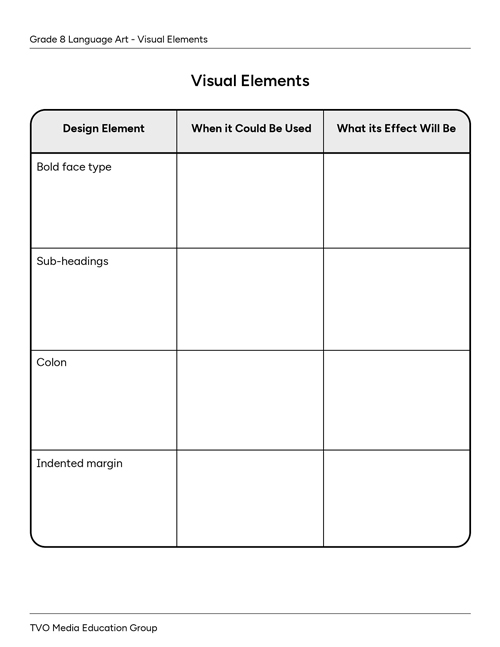
The following is a representation of some of the visual design elements available to a writer. For each element identified, consider how it might help get a message across. Explain when it could be used and what effect it may have on getting the message across to the reader.
Task 1: visual elements
Complete the fillable and printable Visual Elements in your notebook or using the following document.
Press the Possible Answer button to to learn more.
| Design Element | When it Could Be Used | What its Effect Will Be |
|---|---|---|
|
Bold face type |
|
This is used for emphasis and to attract the eye’s focus to the theme of each bullet. |
|
Sub-headings |
|
That subheading represents the unifying theme of all the examples. |
|
Colon |
|
The colon separates the subheading from the list of example terms on each line. |
|
Indented margin |
|
Indenting creates more "white space" around the written text, which naturally draws the eye towards the content (i.e. the text to be read). |
Task 2: community gardens
Examine the following excerpts from the article "The Benefits Derived from Community Gardens" and indicate if the statement is true or false. Select the correct answer, then press Check Answer to see how you did.
Indigenous knowledge and science: a “Three Sisters” garden
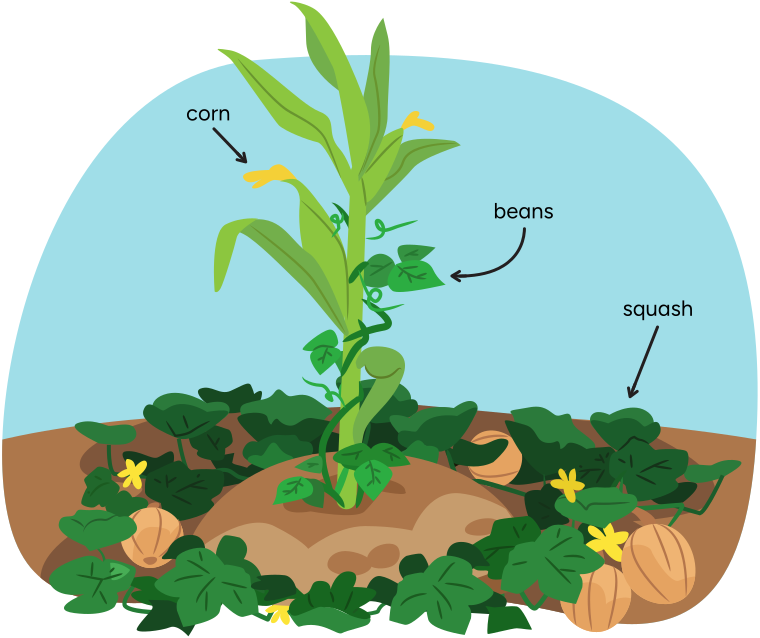
The Haudenosaunee, along with many other Indigenous communities, have a deep knowledge of agriculture that centres reciprocity . Through the planting of three seeds: corn, bean, and squash, commonly referred to as the Three Sisters, the Haudenosaunee understood the importance of mound planting and planting these particular vegetables together. In the spring, when the ground is wet and rainfall is dependable, all three seeds are planted together in a hilled area of soil.
Explore the following video entitled Food Security & Three Sisters Sustainability with Knowledge Keeper Rick Hill from Six Nations of the Grand River to learn more about the Three Sisters.
As Rick mentions, corn is a gift to the Haudenosaunee. After planting, corn is the first to burst through the soil. The bean comes next, and by that time the corn can already be 15 cm tall. The squash is the last to germinate and show itself above ground.
As the corn grows into a sturdy stalk, the bean becomes a vine searching for something to grasp for support. While the bean stalk is twining around the corn stalk, its roots are busy developing nodules that produce the nutrient nitrogen for the Three Sisters.
Meanwhile, the squash spreads out horizontally. Its vines and leaves provide protection in the form of sharp, short projections, called prickles, which discourage insects and animals from eating the sisters while they are growing and maturing. The large squash leaves lie on the soil, minimizing weed growth and helping to keep the soil moist.
In a Three Sisters garden, the yield of food is higher than if the three seeds were grown separately, providing an example of reciprocity: “respect one another, support one another.”
Kimmerer, Robin Wall. Braiding Sweetgrass. Milkweed Editions, 2015, p. 132.

Vocabulary
So far in this learning activity, you have likely come across a variety of new terms – both in connection to community gardens, as well as forms of traditional Indigenous Ecological Knowledge.
Let’s take some time to practice identifying these terms and using them in context!
For each sentence, select the best possible vocabulary word or phrase to complete the following sentences. Press Check Answer to see how you did.

Putting it all together
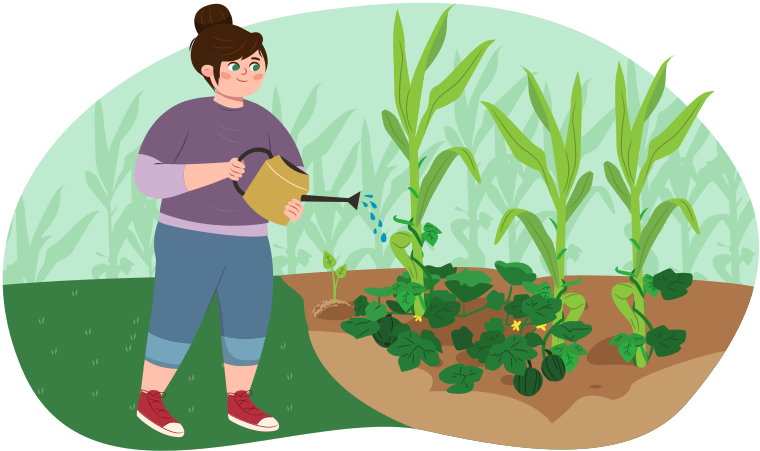
Reciprocity is an important way of life in many Indigenous cultures. To the Haudenosaunee, reciprocity is shown within the Three Sisters garden between the corn, bean, and squash plants and through how the garden is taken care of by the community. Respond to the following questions in your notebook, or in another method of your choice.
- Describe the benefits each plant derives from each other.
- How would this Indigenous way of knowing about agriculture benefit all communities?
- In what ways is Indigenous knowledge also science? What examples can you think of?
Reflection
As you read the following descriptions, select the one that best describes your current understanding of the learning in this activity. Press the corresponding button once you have made your choice.

I feel...
Now, expand on your ideas by recording your thoughts using a voice recorder, speech-to-text, or writing tool.
When you review your notes on this learning activity later, reflect on whether you would select a different description based on your further review of the material in this learning activity.