Learning goals
We are learning to…
- analyze themes explored in First Nations, Métis, and Inuit cultures to demonstrate an understanding of the varied identities, perspectives, relationships, legacies, truths, and ways of knowing, being, and doing
- analyze a variety of text forms, including cultural text forms, and explain how their characteristics help communicate meaning
- read, listen to, and view various forms of texts by diverse First Nations, Métis, and Inuit creators to make meaning about histories, cultures, relationships, communities, groups, nations, and lived experiences
- classify and sequence ideas and information and identify and organize relevant content, taking into account the chosen text form, genre, and medium
Success criteria
I am able to…
- analyze themes explored in some Indigenous works and respond to reflection questions, drawing conclusions about cultures, relationships, and ways of knowing, being, and doing
- reflect on my knowledge of my own culture and create a cultural iceberg
- make connections between myself, other texts, and the world and Indigenous Peoples and their ways of knowing, doing, and being
- organize and sequence information learned in preparation for a presentation about cross-cultural awareness
What is culture?
Let’s explore the word “culture”.
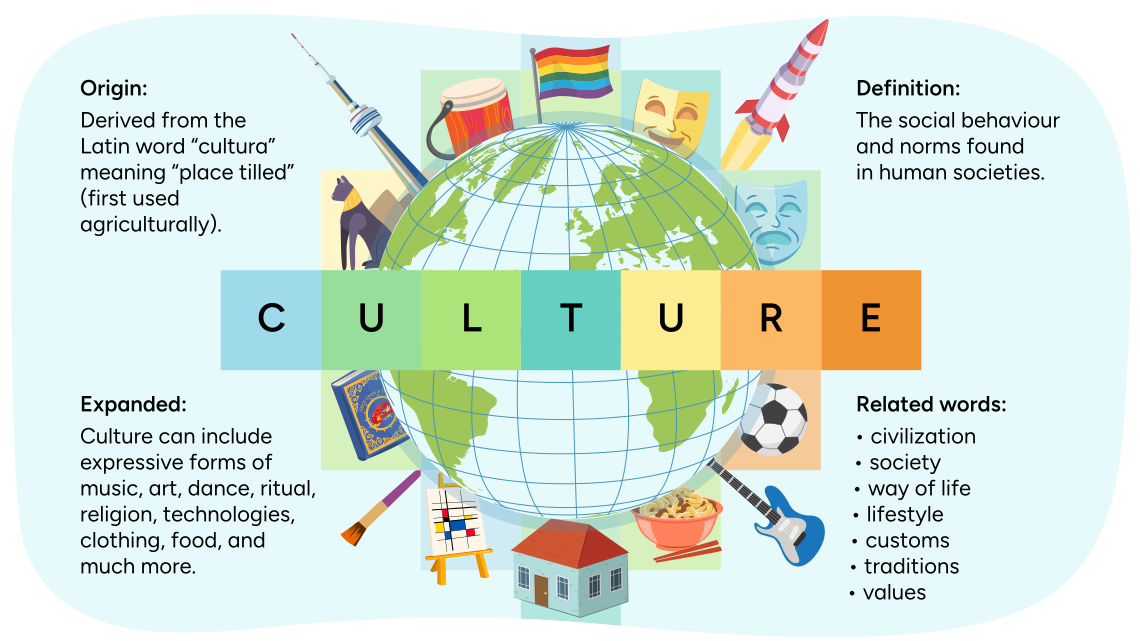 Description
The word "culture" in front of a globe surrounded by a sculpture, buildings, musical instruments, a flag, masks, a rocket, a sports ball, a bowl of food, a painting, a book, and the following text:
Origin: Derived from the Latin word "cultura" meaning "place tilled" (first used agriculturally).
Definition: The social behaviour and norms found in human societies.
Expanded: Culture can include expressive forms of music, art, dance, ritual, religion, technologies, clothing, food, and much more.
Related words: civilization, society, way of life, lifestyle, customs, traditions, and values.
The term “cross-cultural awareness” refers to the awareness of our own personal cultural identity, values, traditions, and beliefs, as well as the learning of other cultures outside of our own around the world.

Brainstorm
Brainstorm
Why do you think it is important to learn about diverse cultures, including traditions, customs, beliefs, and ways of knowing?
Press the Answer button to learn more.
It is important to learn about, understand, and appreciate various cultures, including their traditions, customs, beliefs, languages, and ways of life because it encourages humans to be respectful towards each other, understand, appreciate, and celebrate differences and what makes every culture unique. It also fosters a sense of belonging, inclusion, and empathy.
In this learning activity you will be exploring resources that have been created by Indigenous authors and represent components of Indigenous Peoples and ways of knowing, being, and doing.
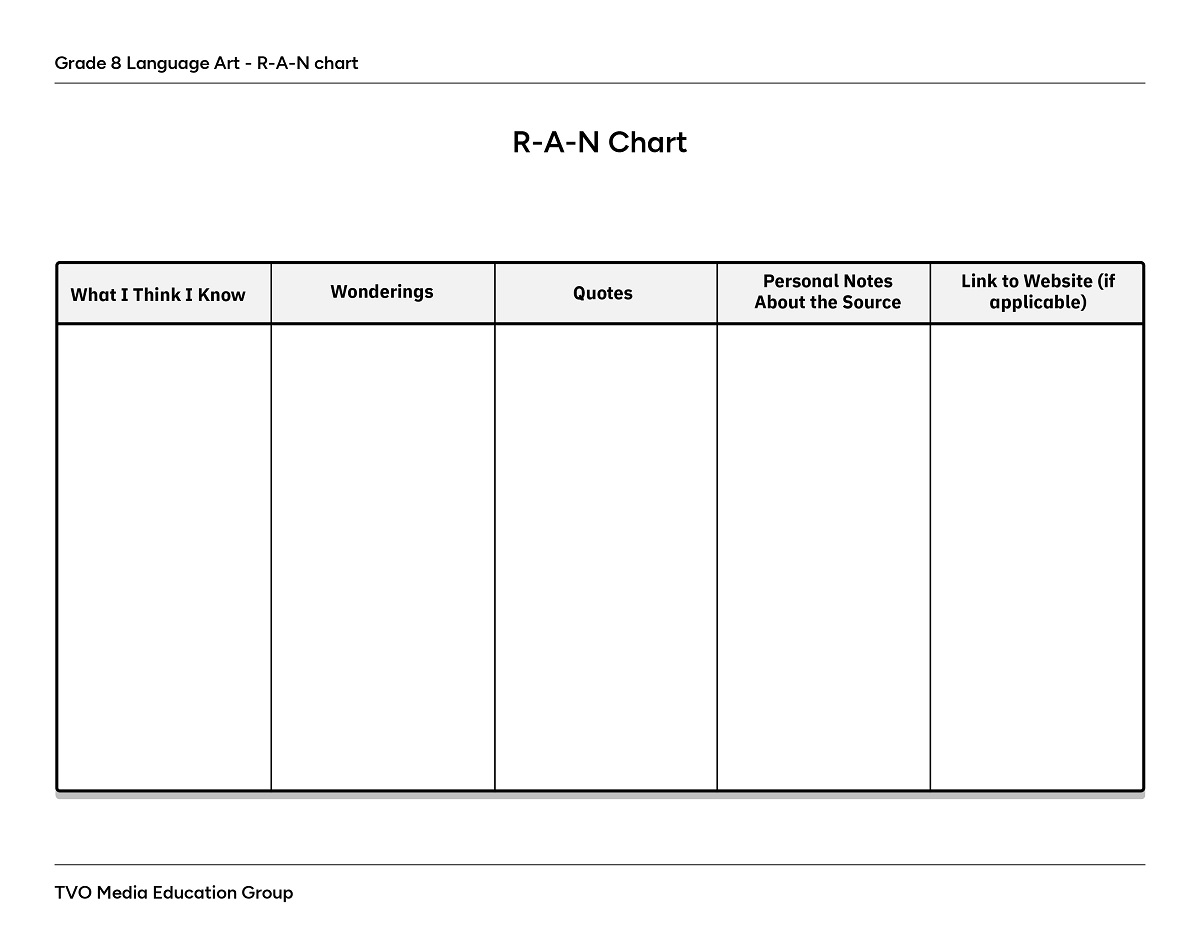
Before you begin, complete the R-A-N (Read and Analyze Non-Fiction) chart about what you think you know or have learned about Indigenous Peoples and ways of knowing, being, and doing. For now, only complete the first two columns of the chart, “What I Think I Know” and “Wonderings”. You will revisit this chart at the end of the learning activity to address misconceptions and highlight new information you’ve learned.
Complete the fillable and printable R-A-N Chart in your notebook or using the following document. If you would like, you can use speech-to-text or audio recording tools to record your thoughts.
Indigenous ways of knowing, being, and doing
There is great diversity among Indigenous Peoples. There are over 630 First Nations communities, 4 Inuit regions, 8 Métis settlement areas and many historic Métis communities across what is commonly referred to as Canada today. These communities, as well as the ways in which they form relationships with and view the world around them are also quite diverse. In this learning activity, you will explore content from specific Indigenous communities that reflect their distinct perspectives and ways of knowing, being, and doing. It is important to note that this information does not encompass all Indigenous Peoples or their distinct ways of knowing, being, and doing.
“A Dish with One Spoon”
First you are going to explore a poem called A Dish with One Spoon written by Elder Duke Redbird Duke Redbird is an Anishinaabe Elder from the Saugeen Ojibway Nation located on the shores of Lake Huron.
 Description
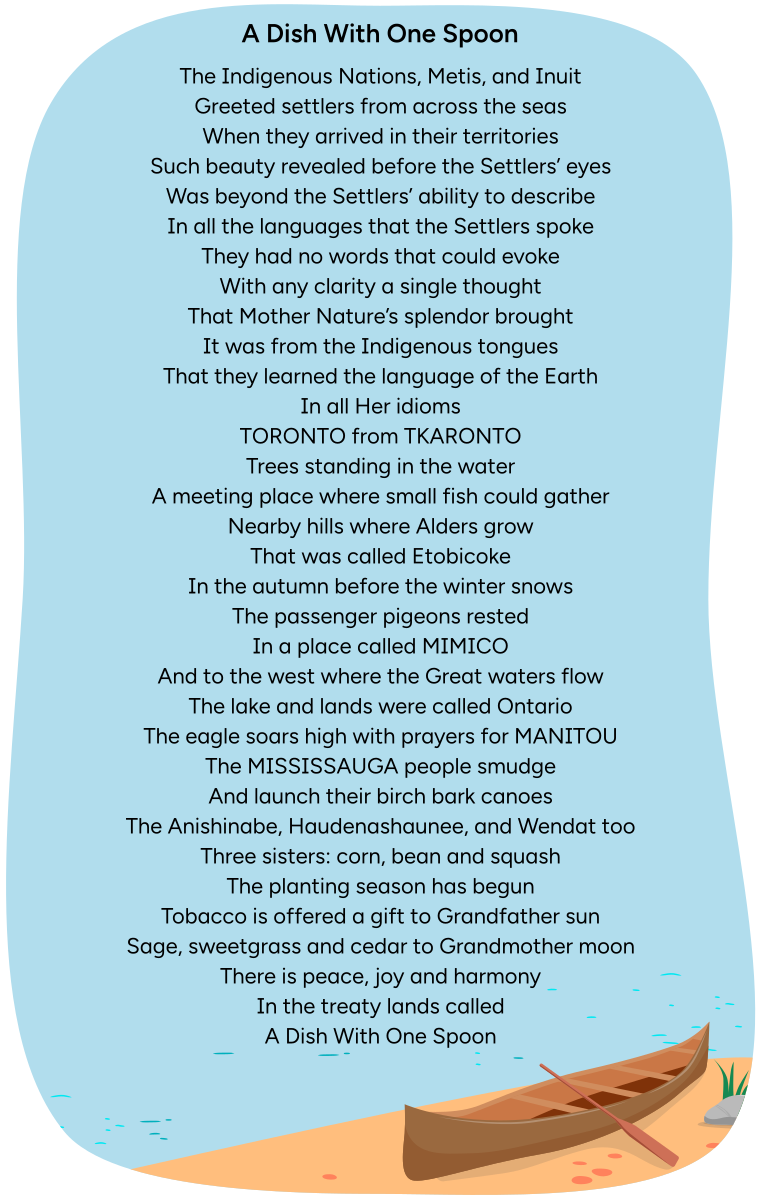
A DISH WITH ONE SPOON
The Indigenous Nations, Metis, and Inuit
Greeted settlers from across the seas
When they arrived in their territories
Such beauty revealed before the Settlers' eyes
Was beyond the Settlers' ability to describe
In all the languages that the Settlers spoke
They had no words that could evoke
With any clarity a single thought
That Mother Nature's splendor brought
It was from the Indigenous tongues
That they learned the language of the Earth
In all Her idioms
TORONTO from TKARONTO
Trees standing in the water
A meeting place where small fish could gather
Nearby hills where Alders grow
That was called Etobicoke
In the autumn before the winter snows
The passenger pigeons rested
In a place called MIMICO
And to the west where the Great waters flow
The lake and lands were called Ontario
The eagle soars high with prayers for MANITOU
The MISSISSAUGA people smudge
And launch their birch bark canoes
The Anishinabe, Haudenashaunee, and Wendat too
Three sisters: corn, bean and squash
The planting season has begun
Tobacco is offered a gift to Grandfather sun
Sage, sweetgrass and cedar to Grandmother moon
There is peace, joy and harmony
In the treaty lands called
A Dish With One Spoon
Explore the following video entitled “A Dish with One Spoon” to hear Duke Redbird reading his poem.

Pause and Reflect
Pause and reflect
- What do you think the theme or message of the poem is? What does A Dish with One Spoon represent?
- Why do you think the words in the poem are in capital letters? How might Indigenous knowledges be connected to these words?
- What concepts does the author reference throughout the poem? Why do you think this is important?
Press the Answer button to learn more.
Duke Redbird’s poem speaks to the responsibility that all creatures, including humans, have to take care of the land. In the poem, there are many references made to the environment, highlighting what Mother Earth provides for everyone on Earth.
Let’s explore this poem to learn more about Indigenous Peoples, specifically the Haudenosaunee and Anishinaabe, and ways to knowing, being, and doing. A Dish with One Spoon references an historical agreement, called a treaty, between two communities or nations - the Anishinaabe and the Haudenosaunee. It established guidelines for how to share the land responsibly. Their agreement was outlined and recorded in the Dish with One Spoon Wampum Belt.
The Dish with One Spoon
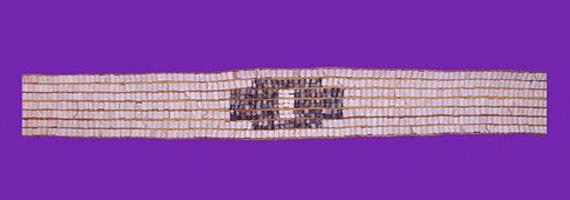
In the following video, Haudenosaunee Knowledge Keeper Rick Hill from Six Nations of the Grand River located between Hamilton, Brantford, and Simcoe, ON.
In the video, Rick discusses the meaning and story held within the Dish with One Spoon wampum belt.
Check your understanding of the video by completing the following multiple-choice questions.
Select the correct answer, then press Check Answer to see how you did.
Indigenous traditions
Along with this overarching theme of taking care of Mother Earth, Duke Redbird’s poem also makes references to other Indigenous traditions, history, perspectives, and knowledges. Let’s explore some of these in more detail using the flashcards below. Press the flip button to reveal the other side of the card. Use the arrow keys to navigate between cards.
Select the correct answer, then press Check Answer to see how you did.
Cultural iceberg
Now that you have spent time exploring some of the distinct ways of knowing, being, and doing, of some specific Indigenous communities, take time to reflect on your own culture and way of being.
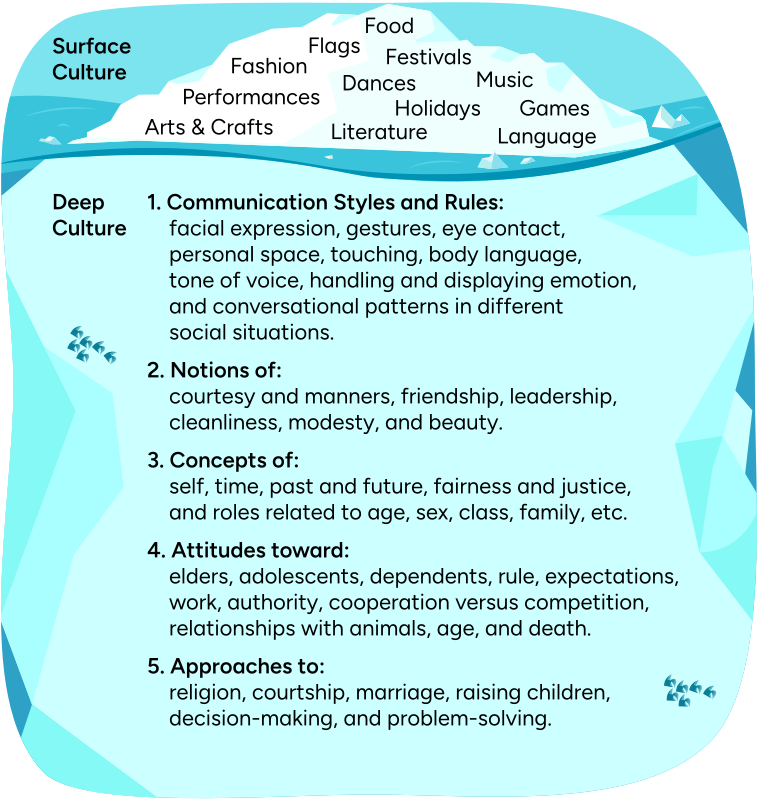
Explore the Cultural Iceberg image that shows visible and non-visible components of someone’s culture and identity.
 Description
An iceberg representing culture. The small portion of the iceberg above the water surface represents "Surface Culture," and the much larger portion of the iceberg underwater represents "Deep Culture."
Surface Culture includes food, flags, festivals, fashion, holidays, music, performances, dances, games, arts and crafts, literature, and language.
Deep Culture has the following 5 sections:
- Communication styles and rules, which includes facial expression, gestures, eye contact, personal space, touching, body language, tone of voice, handling and displaying emotion, and conversational patterns in different social situations.
- Notions of: courtesy and manners, friendship, leadership, cleanliness, modesty, and beauty.
- Concepts of: self, time, past and future, fairness and justice, and roles related to age, sex, class, family, and other identities.
- Attitudes toward: elders, adolescents, dependents, rule, expectations, work, authority, cooperation versus competition, relationships with animals, age, and death.
- Approaches to: religion, courtship, marriage, raising children, decision-making, and problem-solving.
Pause and Reflect
Pause and reflect
After exploring the image of the Cultural Iceberg, reflect on the five categories in Deep Culture.
- Are there any examples that are missing?
- Are there any examples that made you wonder?
Making connections
“Making Connections” is a comprehension strategy that allows you to better understand the text you are exploring. When making connections, it is important to draw on your prior knowledge and experiences to better understand what you are reading and viewing.
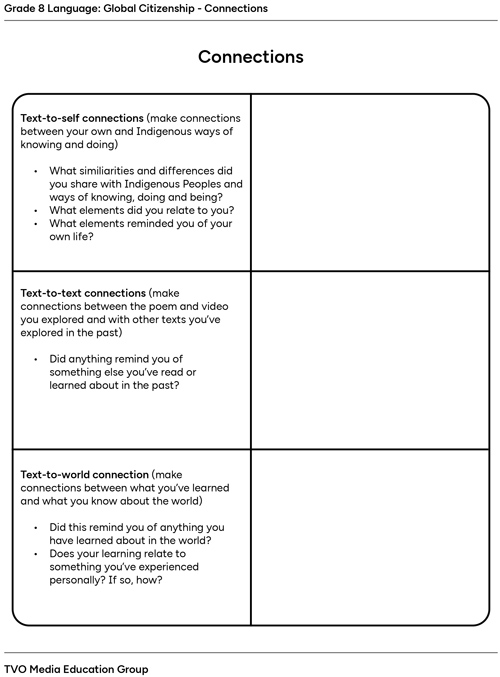
In this activity, you are going to make connections between what you have learned, yourself, and the world around you. Use the prompts below to help you make connections. You can use the graphic organizer or another method of your choice to record your ideas.
Press the following tabs to find out more.
Make connections between your own and Indigenous ways of knowing and doing.
- Can you relate to anything that you learned about?
- Did you learn about anything that reminded you of your own life?
Make connections between the poem and video you explored and with other texts you’ve explored in the past.
- Did anything remind you of something else you’ve read or learned about in the past?
Make connections between what you’ve learned and what you know about the world.
- Did this remind you of anything you have learned about in the world?
- Does your learning relate to something you’ve experienced personally? If so, how?
Complete the fillable and printable Connections organizer in your notebook or using the following document. If you would like, you can use speech-to-text or audio recording tools to record your thoughts.

Reading fluency
Fluency is the ability to identify words correctly and read a text at an appropriate rate with ease, pace, automaticity, and expression. With proper phrasing and a focus on punctuation the reader will gain more meaning from the text.
In this learning activity, you have learned about cross-cultural awareness and the importance of learning about diverse cultures and their ways of knowing, being, and doing. Write a short paragraph about cross-cultural awareness and focus on reading it with fluency. Alternatively, use the paragraph provided below.
Press the Fluency Paragraph button to practice your fluency.
In the interconnected world of today, understanding and appreciating different cultures is more important than ever. Cultural awareness means recognizing, learning about, and respecting the beliefs, traditions, and ways of knowing, being, and doing of people from diverse backgrounds. By embracing cultural awareness, we open our minds to new perspectives and experiences, and foster empathy and acceptance.
Use the following checklist to self-assess your own fluency on the previous paragraph.
Fluency checklist
Pause and Reflect
Pause and reflect
Based on the checklist, choose one area of fluency to focus on and set a goal for yourself. What strategies could you use to help you achieve this goal?

Proper nouns and proper adjectives
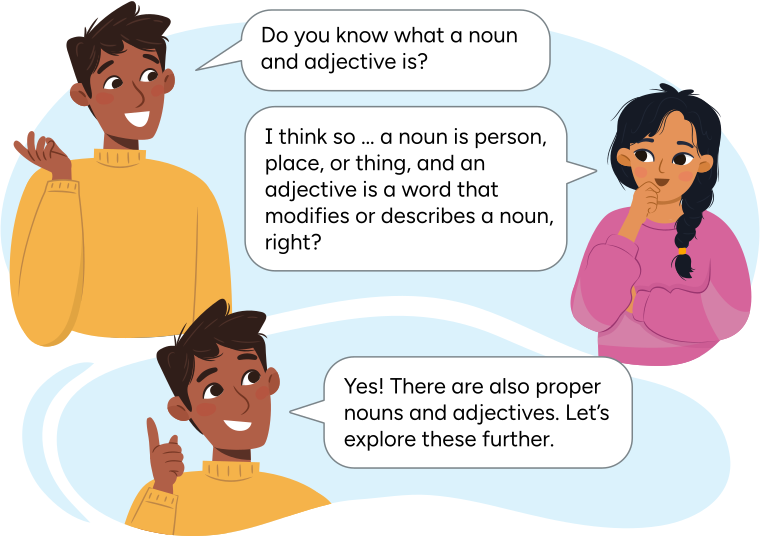 Description
Teacher Ravi and learner Sora talking.
Teacher Ravi asks: Do you know what a noun and adjective is?
Sora responds: I think so…a noun is person, place, or thing, and an adjective is a word that modifies or describes a noun, right?
Teacher Ravi replies: Yes! There are also proper nouns and adjectives. Let's explore these further.
A proper noun is a name used for an individual or specific person, place, or thing.
For example:
- Person: Elder Duke Redbird, Rick Hill
- Place: Toronto, Australia
- Thing: A Dish with One Spoon (poem), Daisy (flower)
A proper adjective is formed from a proper noun and is capitalized.
For example, Canada is the proper noun, Canadian is the proper adjective.
Check your overall understanding of proper nouns and proper adjectives by completing the multiple choice activity.
Select the correct answer, then press Check Answer to see how you did.
Revisiting the R-A-N chart
It's time to revisit the R-A-N chart from the Minds On portion of this learning activity. Fill in the other three columns:
- Confirmed – what could you confirm was accurate or true from the knowledge you already had?
- Misconceptions – what did you think you knew but learned was not true throughout your learning?
- New Information – what new information did you learn?
Let’s check!

Check your understanding of the content in this learning activity though the multiple-choice activity below.
Select the correct answer, then press Check Answer to see how you did.
Putting it all together
In a written reflection of 3-5 sentences, respond to the following prompts.
- Why might it be important for everyone to learn about Indigenous Peoples and their distinct ways of knowing, doing and being? Use examples from the learning activity, and be sure to capitalize any proper nouns and proper adjectives.
- How can this kind of cross-cultural awareness contribute to an inclusive society?
Reflection
As you read the following descriptions, select the one that best describes your current understanding of the learning in this activity. Press the corresponding button once you have made your choice.

I feel...
Now, expand on your ideas by recording your thoughts using a voice recorder, speech-to-text, or writing tool.
When you review your notes on this learning activity later, reflect on whether you would select a different description based on your further review of the material in this learning activity.
Press ‘Discover More’ to extend your skills.
Discover MoreCan you find any other proper adjectives in this learning activity?