Learning goals
We are learning to…
- explore the idea of identity and belonging in texts and show an understanding of the ideas, experiences, and points of view of many different people, including those in Canada
- use effective listening skills by expressing interest, asking a variety of questions and restating what we heard
- create specific types of texts using different tools and strategies
Success criteria
I am able to…
- watch clips from a Sunny’s Quest video about Lulu, who shares different parts of her culture in the episode
- use effective listening skills while watching the Sunny’s Quest clips, asking a variety of questions and restating what I have learned from the episode
- record facts about my own culture
Meeting new friends
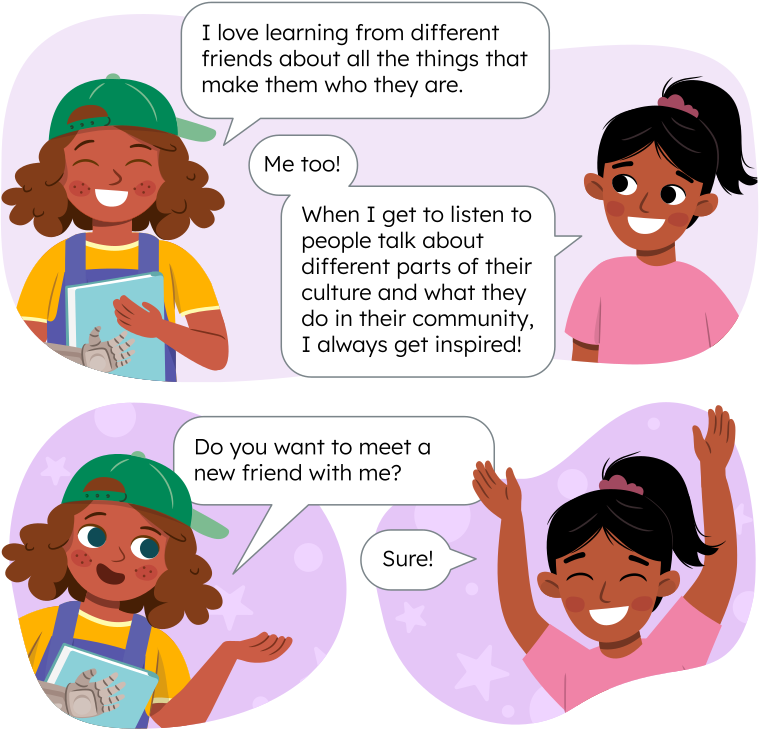
Two learners talking about meeting a new friend.
Gabby: I love learning from different friends about all the things that make them who they are.
Mehar: Me too! When I get to listen to different people talk about different parts of their culture and what they do in their community I always get inspired!
Gabby: Do you want to meet a new friend with me?
Mehar: Sure!
When you meet someone new, what kinds of questions do you ask them?
Share your thoughts with a partner, if possible.

Let’s explore culture!
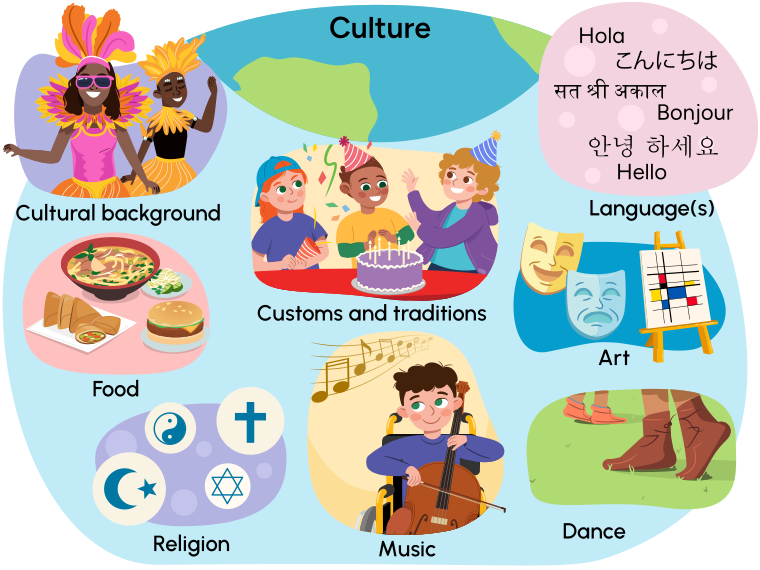
Everyone experiences culture in different ways.
Culture may include:
- cultural background
- language(s)
- customs and traditions
- food
- art
- music
- dance
- religion
You might share a culture or cultures with your family members or friends.
Check out the following clip from Sunny’s Quest where we meet Lulu and her family!
How did Lulu introduce herself?
Press Reveal to check your answer.
Lulu is 8 years old and lives in Mississauga, Ontario with her family.
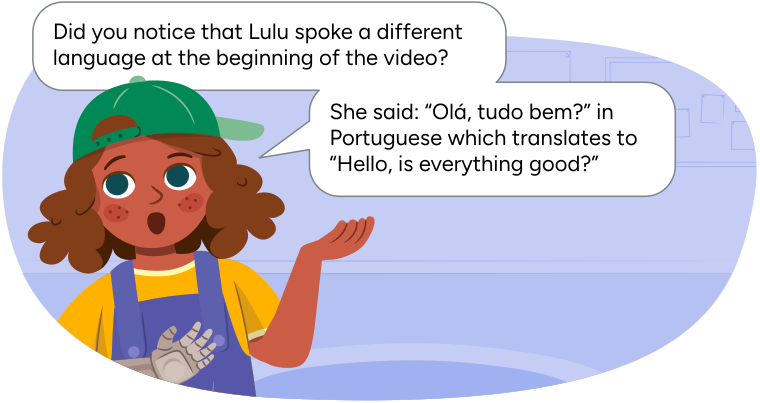
Learner saying: Did you notice that Lulu spoke a different language at the beginning of the video? She said: "Olá, tudo bem?" in Portuguese which translated to "Hello, is everything good?"
(Cultural) Background
Where our family is originally from in the world, and where we live can be part of our culture.
Check out the following clip from Sunny’s Quest where Lulu shares her cultural background!
Where is Lulu’s family from?
Press Reveal to check your answer.
Lulu’s family is originally from Brazil and then moved to Canada.
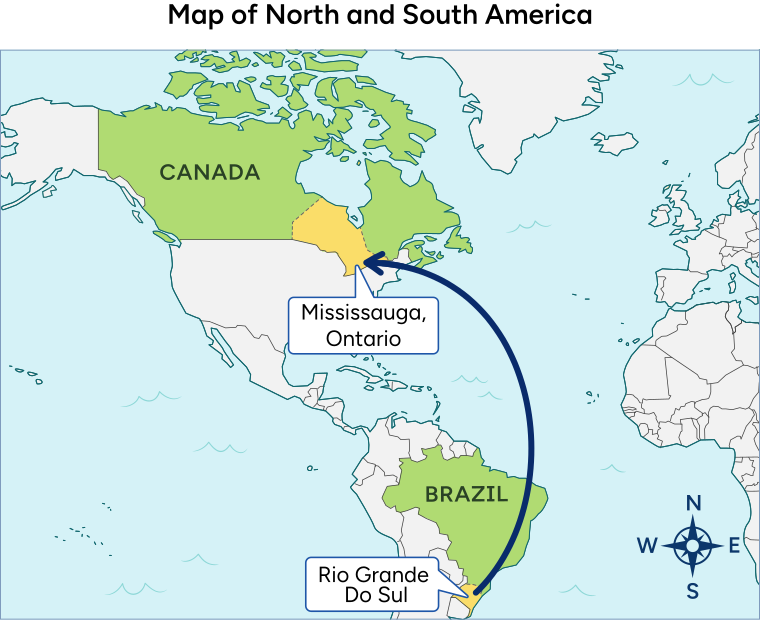
Map of North and South America highlighting Canada and Brazil. Labels indicate "Mississauga, Ontario" in Canada and "Rio Grande Do Sul" in Brazil. The areas corresponding to Ontario and Rio Grande Do Sul are also highlighted in each country respectively. An arrow points from Rio Grande Do Sul to Mississauga.
Brazil is a country in South America.
Lulu and her family moved from Rio Grande Do Sul, Brazil to Mississauga, Ontario, Canada.
Language
The language(s) we speak with our family and friends can be part of our culture.
Lulu speaks and reads in Portuguese and English. She is bilingual. This means she can speak and share her thoughts in two languages.

Pause and Reflect
Pause and reflect
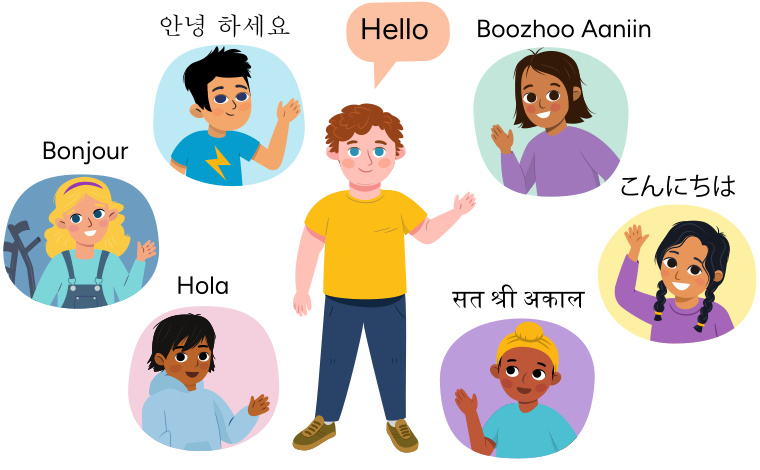
What language(s) do you use to speak, read, and write?
Music and dance
Music and dance can be part of our culture.
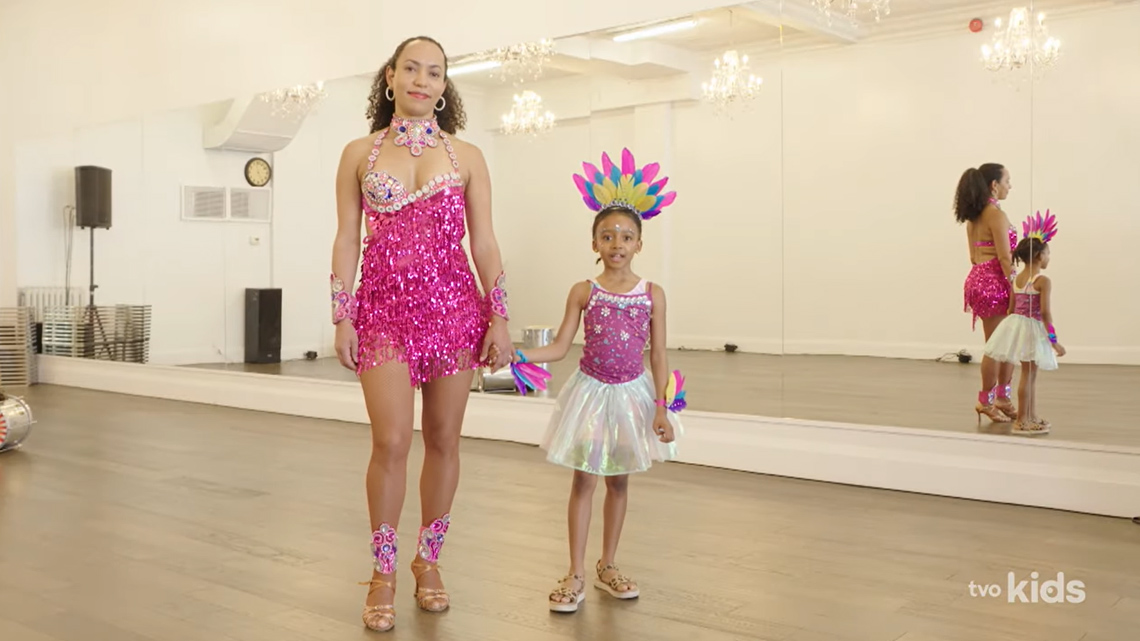
What kind of dance do you think Lulu will be doing?
Press Reveal for a possible answer.
Lulu might be doing a samba dance lesson with her teacher Albena.
What did you notice about the outfits that Lulu and Albena wear?
Press Reveal for a possible answer.
Lulu and her teacher wear colourful outfits with sequins. They also wear jewelry. Lulu wears jewels on her face, and a feather head piece.
Check out the following video where Lulu shares music and dance as part of her culture!
What do you notice about the samba dance?
Press Reveal for a possible answer.
Lulu and Albena move their feet quickly forward and backwards. They also move their arms and hips.
Why does Lulu want to learn samba?
Press Reveal for a possible answer.
Lulu wants to learn samba because she wants to learn more about her culture, and pass on the dance in the future.

Did You Know?
Did you know?
The cuica is also called a monkey drum, because the sound it makes can remind people of the sounds a monkey makes.
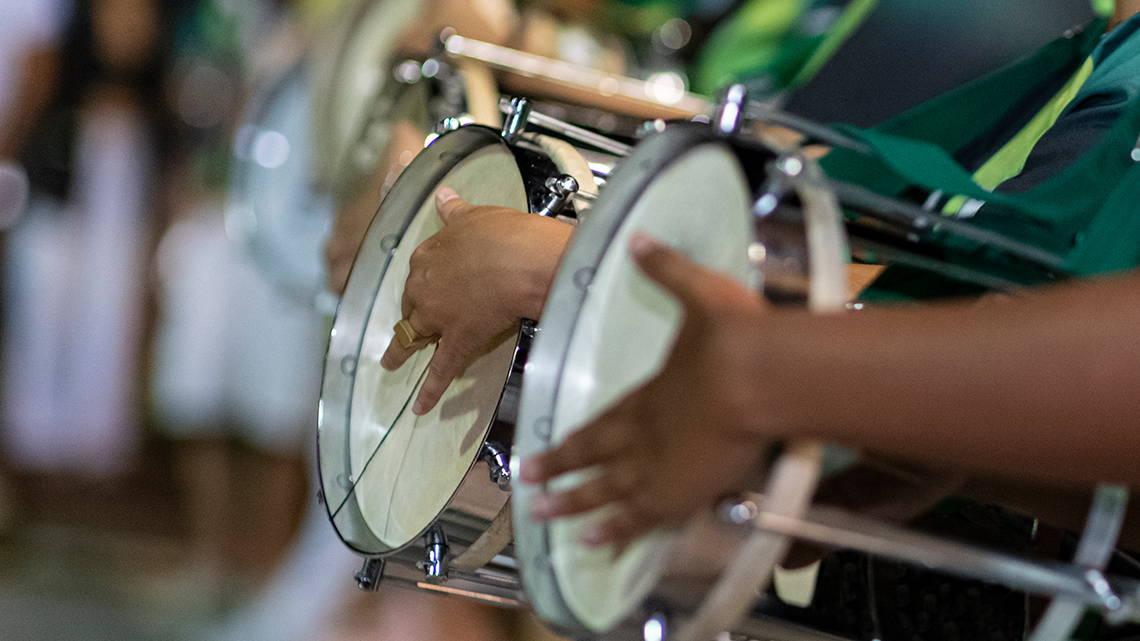
Have you explored or heard any other type of drum? If so, was it similar or different from the cuica?
Celebrations
Celebrations can be part of our culture.
Celebrations may include:
- food
- music
- dancing
- art and decorations
- special clothing
- religious ceremonies
Carnival is a celebration that happens every year all over the world!
It is a festival full of music, parades, dancing and beautiful costumes.
Lulu shares that the idea of carnival was brought to Brazil by the Portuguese immigrants.
Immigrants are people who move to a new country.
Lulu says that Brazil has the biggest carnival!
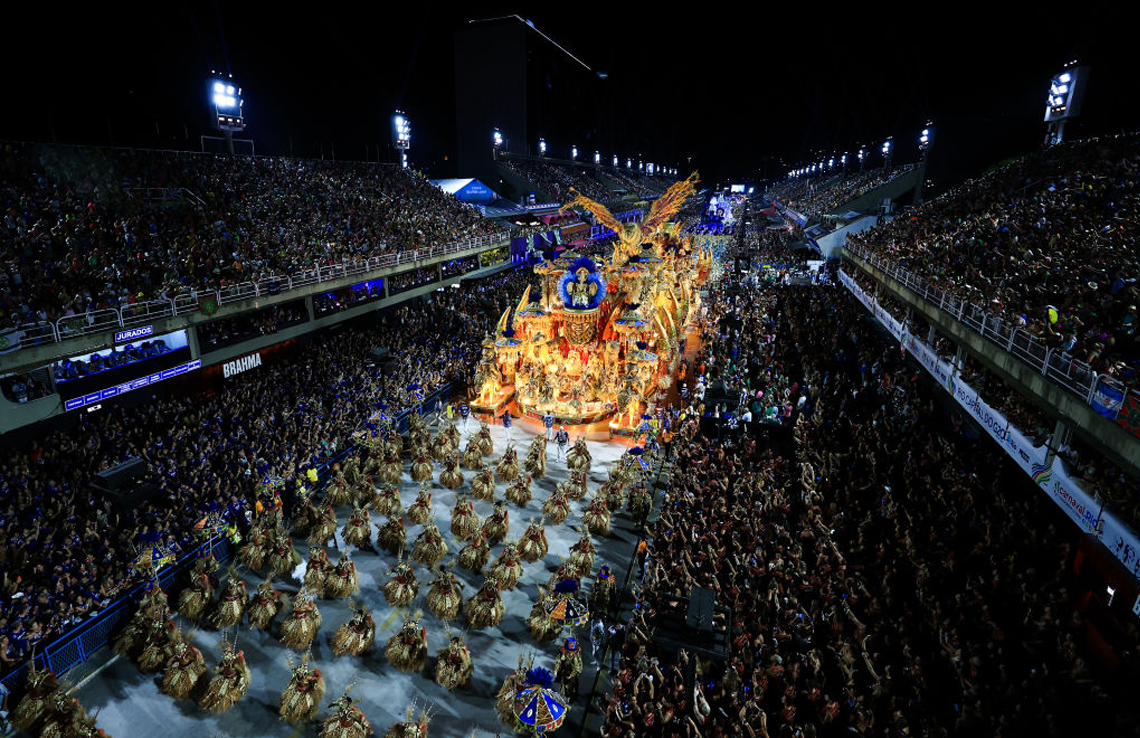
Have you experienced a type of celebration?

Social emotional learning
Let’s take a break!
You’re doing great! Check in with yourself and take a short break before moving on to the next section.
Traditions
Traditions can be part our culture. A tradition is information, beliefs or customs that are passed from one generation to another.
Check out the following clip where Lulu shares a tradition from her own culture!
Lulu shares the tradition of sharing the chimarrão drink with friends. Chimarrão is the name of a drink made from dried and crushed leaves of the Erva Mate plant.
It was invented by the Indigenous Gurani Peoples of Brazil.
Indigenous peoples around the world are the original peoples who lived on that land.
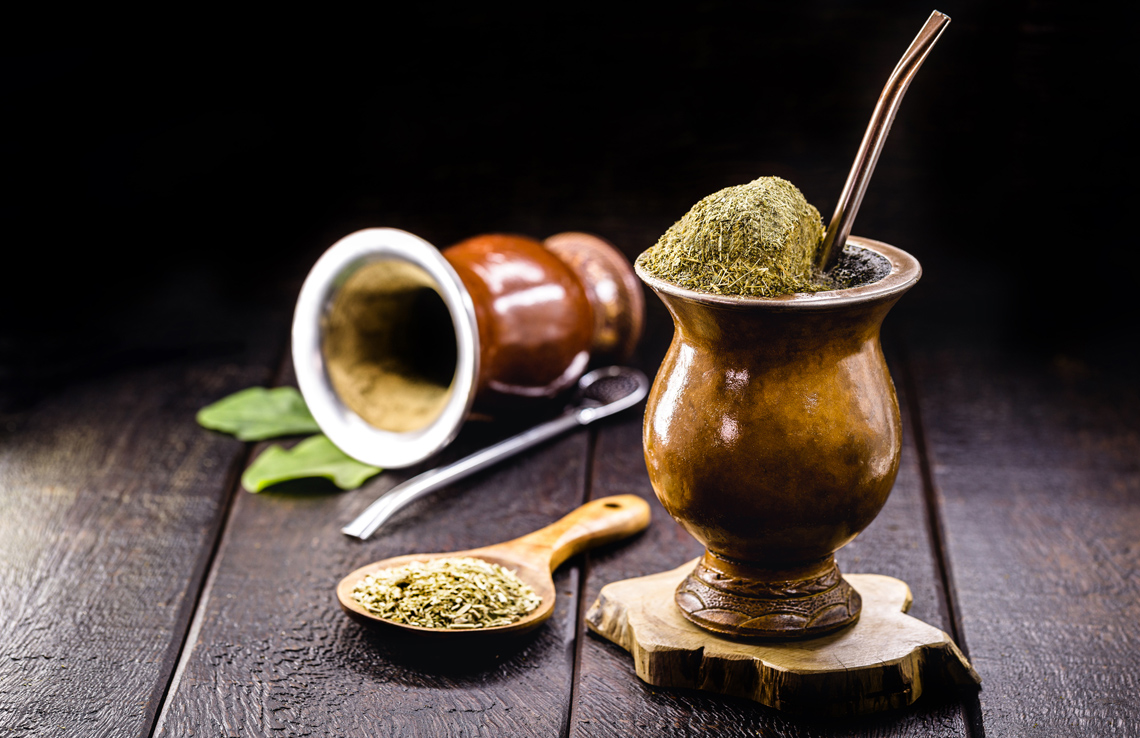
Lulu shares that chimarrão is served in a cuia, a special cup made from the calabash fruit.
The following image is what the calabash fruit looks like when it’s growing on a vine!
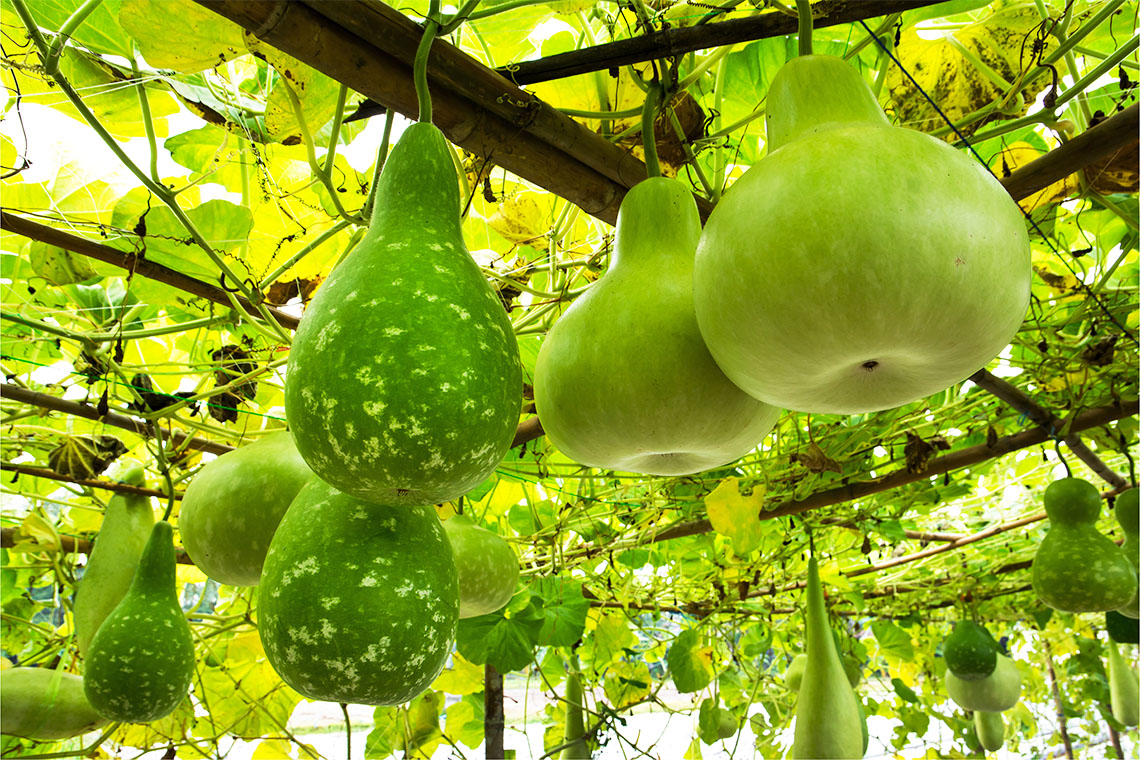
Have you ever seen any kind of fruit or vegetables that grow like this?

Printing Practice
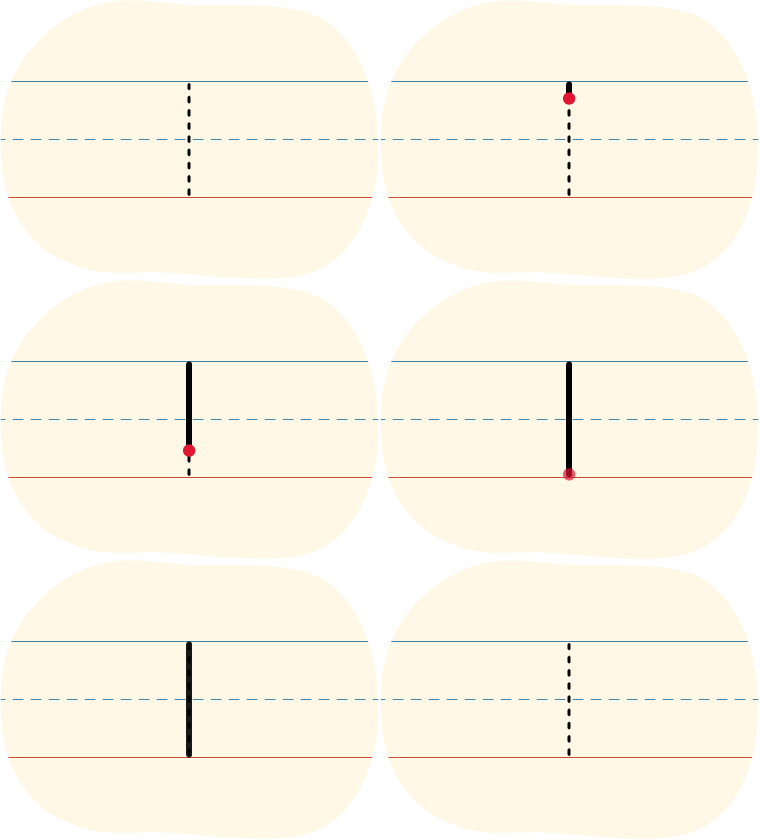
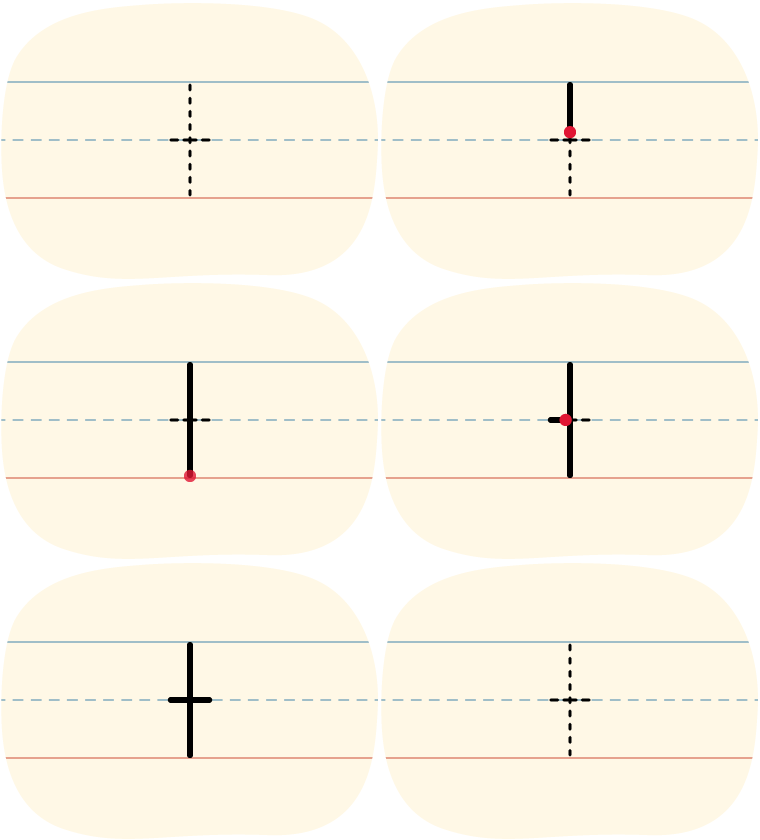
Check out the following video to warm up your hands for printing!
Let’s practice writing out a few words we explored!
Use your notebook or a method of your choice to practice printing each word.
Press Left-Handed Tips to access writing tips for left-handers.
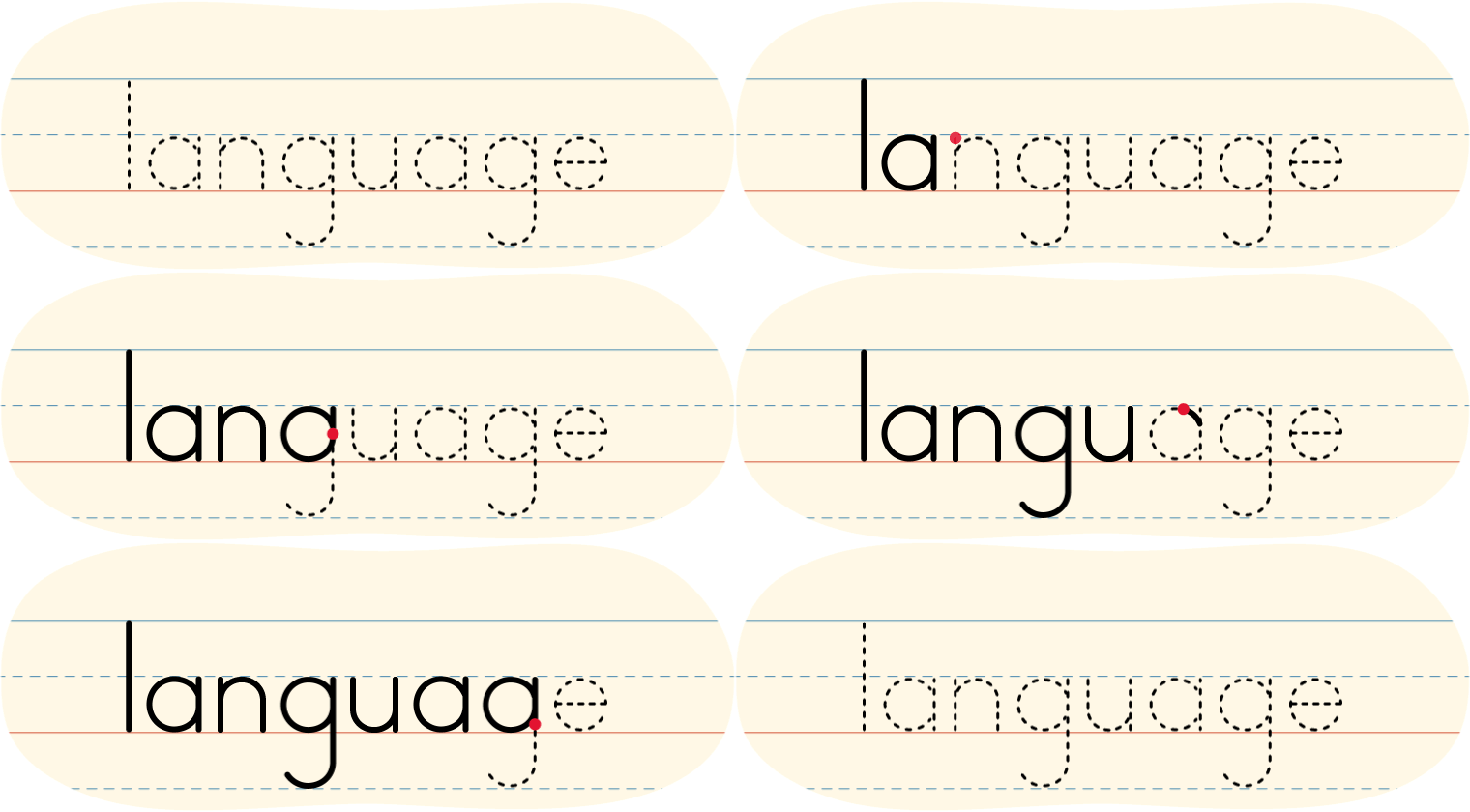
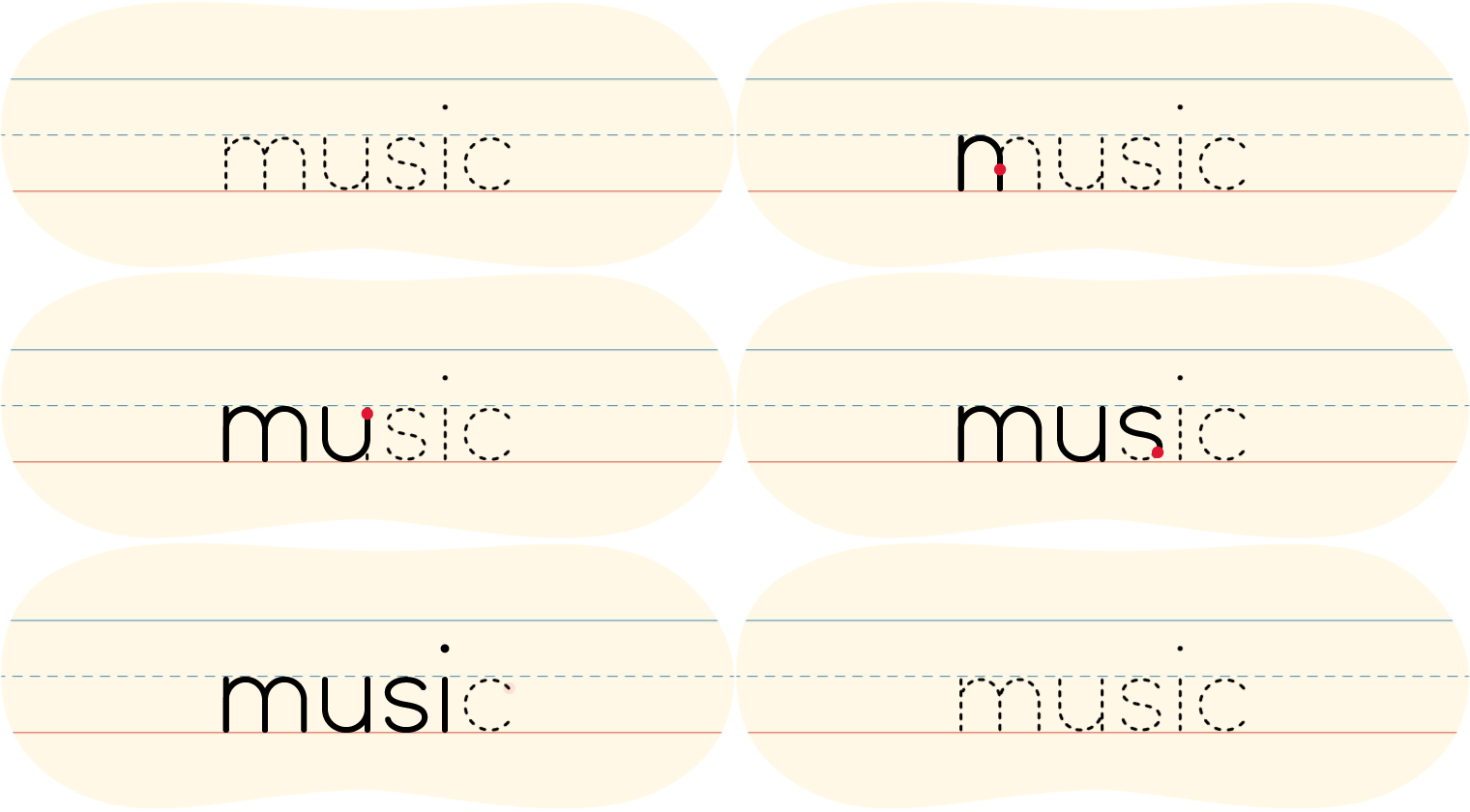

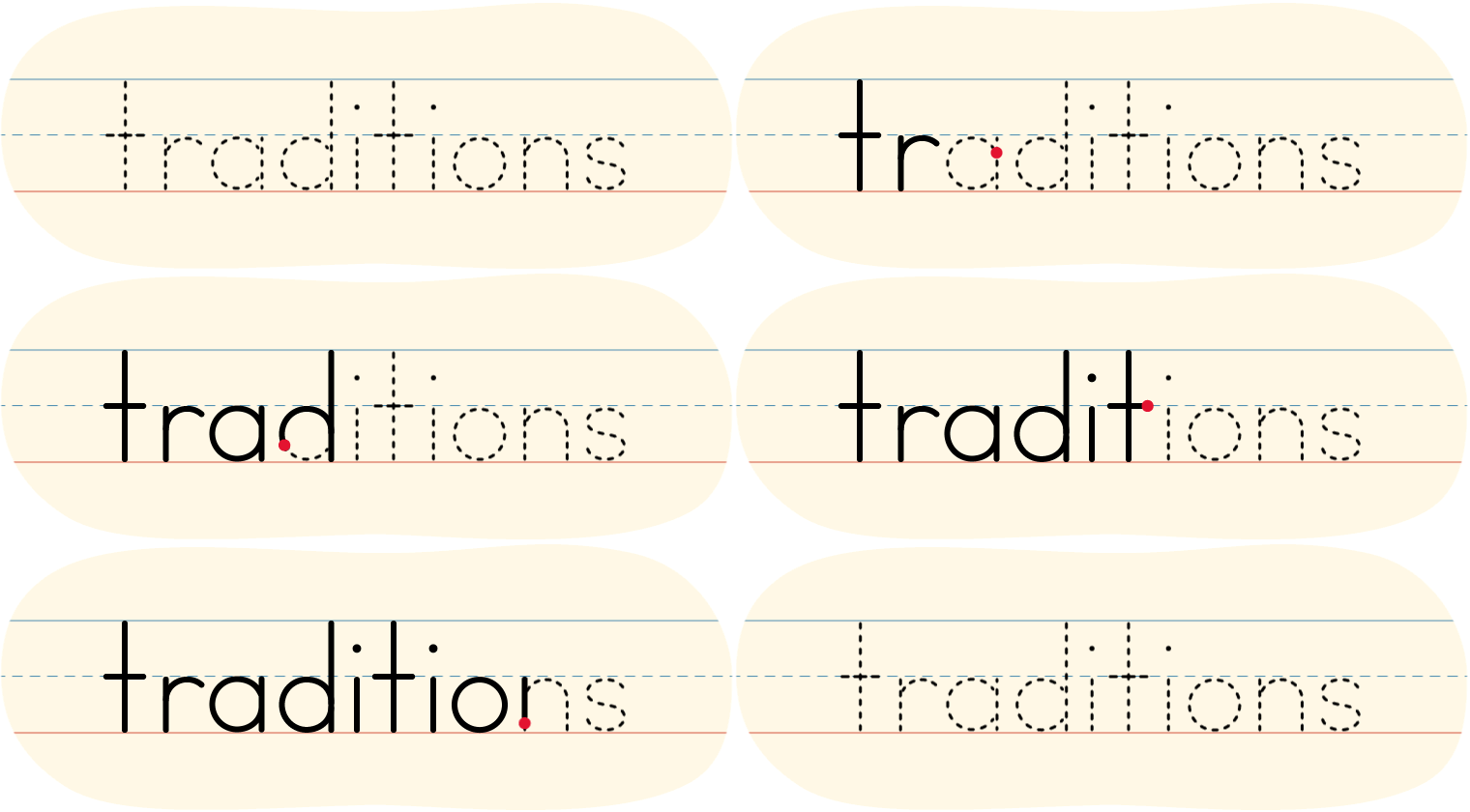
Which of these words begin with a tall letter?
Press Reveal to check your answer.
The word “language” begins with a tall letter “l”.
The word “traditions” begins with a tall letter “t”.
What about you?
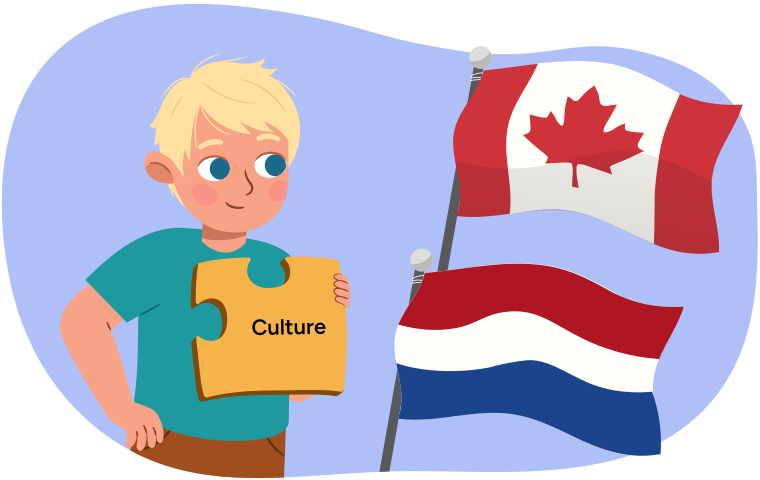
Some people have a lot to share, and others have a few things they can share about their culture.
No matter what you choose to share, everyone’s culture is important and special to them.
Think about your own experiences!
Is there anything you feel represents your own culture? It might be connected to you and your families, like:
- cultural background
- language(s)
- customs and traditions
- food
- art
- music
- dance
- religion
Record your ideas using a method of your choice. If possible, share with partner once you are done.
Reflection
How do you feel about what you have learned in this activity? Which of the next four sentences best matches how you are feeling about your learning? Press the button that is beside this sentence.
I feel...
Now, record your ideas about your feelings using a voice recorder, speech-to-text, or writing tool.