Learning goals
We are learning to…
- explore the idea of identity and belonging in texts and show an understanding of the ideas, experiences, and points of view of many different people, including those in Canada
- share our experiences that connect with ideas and topics in new texts
- identify specific ideas in texts and make self-to-text, text-to-text, and self-to-world connections
- brainstorm and develop ideas about different topics using simple strategies, sources, our own learning and our own experiences
- identify the point of view in our texts and make simple edits to our drafts
- present our texts by reading aloud with expression and other strategies
- identify a few strategies we found helpful when our presenting texts
- identify a strategy we found helpful when presenting texts
Success criteria
I am able to…
- explore a Sunny’s Quest video featuring Leah, who is Eritrean Canadian and identify different facts that she shares about her background, community, culture and interests
- reflect and brainstorm on the different parts of my own identity
- create sentences sharing parts of my identity and make simple edits to create a final version
- present my identity puzzle by using different strategies
- reflect on which strategy helped me present my identity puzzle
Notice and wonder
Explore the following art. What do you notice? What do you wonder?
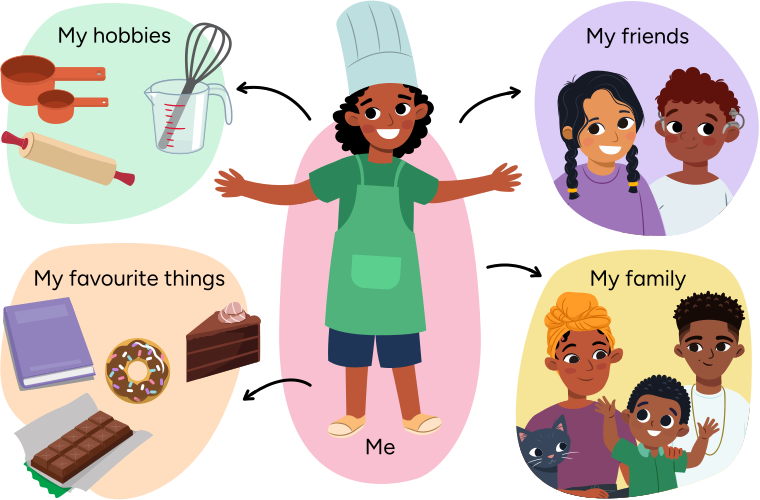
Illustration showing five elements. In the centre of the illustration, we have the "Me" section with a child. There are four arrows going from the middle section to the other four. In the "My hobbies" section there is a rolling pin, a whisk, a measuring cup, and nesting measuring spoons. In the "My friends" section there are two children. In the "My family" section there is an adult and a cat. In the "My favourite things" section there is a notebook, a donut, a slice of chocolate cake, and a chocolate bar.
What is identity?
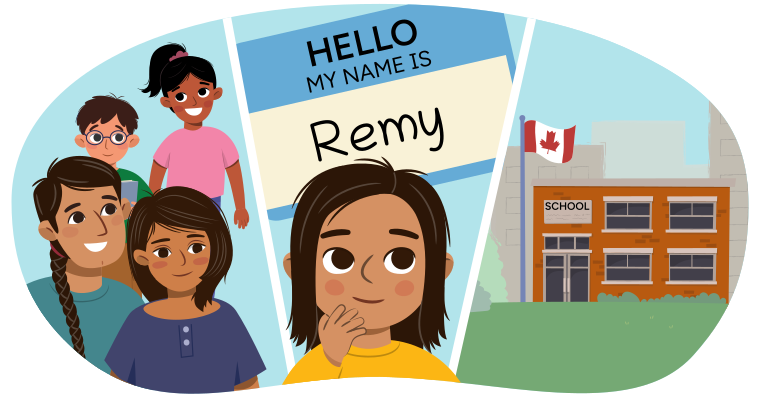
Identity is all the things that describe who you are. Each person is unique and special and has their own way of describing themselves.
Identity can be shaped by many things.
Press the following tabs to learn more about different parts of identity.
Your name is a part of your identity. We use our names to introduce ourselves to others. Your name is an important part of how you see yourself and how others know you. Names might give clues about other parts of your identity.
Because names are so special, it is important to call others by the name they share with you and make sure to say their name correctly.
A community is a group of people that live, play, and work together.
A community can include many different places where people live, play, and work.
This might be:
- homes
- schools
- parks
- swimming pools
- outdoor sports areas
- cultural centres
- art centres
- sports centres
- community gardens
- libraries
- firehalls
- hospitals
What are some of the places in your community?
Your family is made up of the people who take care of each other. Families can be related to each other or have a strong emotional connection to each other.
Family can be the people in our community or in another country. Family can be all the people who are important in our lives.
Your friends are people that you share common interests with, like to spend time with, and trust with your feelings.
Who is in your family? Who are your friends?
Your personality describes your qualities that make you different from others.
Words that might describe someone’s personality might include friendly, funny, calm, adventurous, active, cheerful, caring.
What are some adjectives that describe your personality?
Your interests include hobbies, activities and things you enjoy doing or learning about. What are your interests and hobbies? How do your interests make you feel?
Culture may include:
- cultural background
- language(s)
- customs and traditions
- food
- art
- music
- dance
- religion
Let’s meet Leah
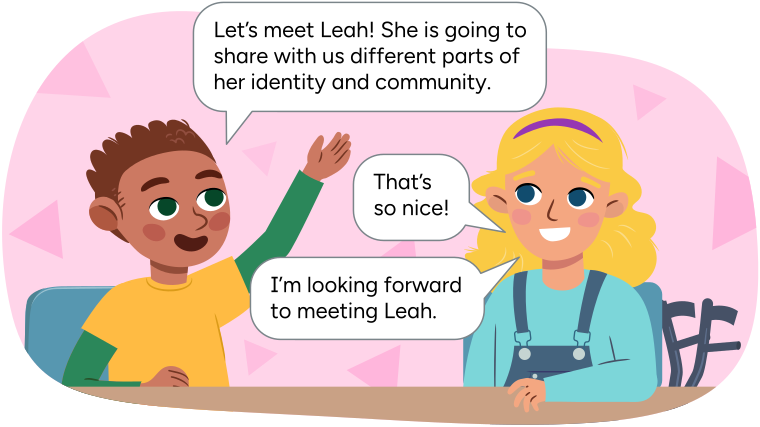
Two learners talk about meeting Leah.
William: Let's meet Leah! She is going to share with us different parts of her identity and community.
Danielle: That's so nice! I'm looking forward to meeting Leah.
Let’s check out this video about Leah.
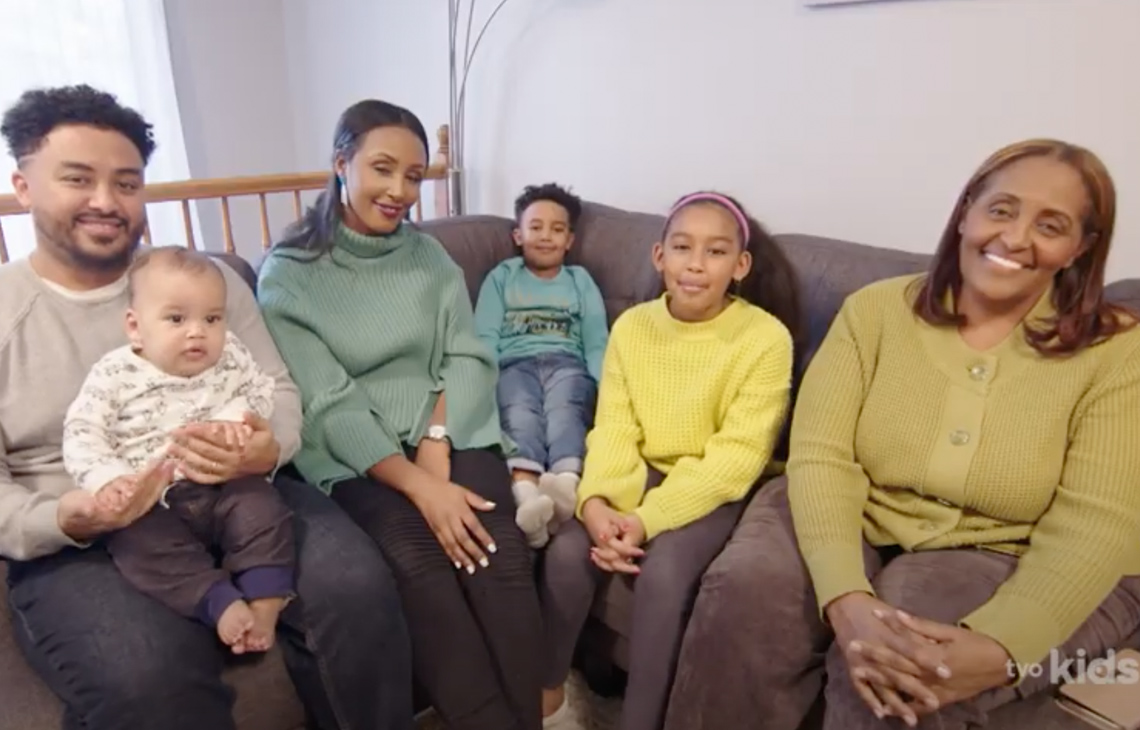
Leah has important people in her life like her mom, her dad, her grandmother, and her brothers.
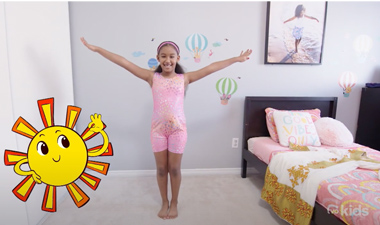
Let’s learn about what Leah likes to do!
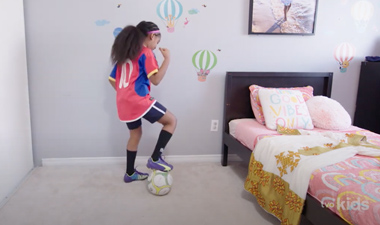
One of Leah’s important places is her room. She has lots of books! Leah likes lots of things that interest her like gymnastics, soccer, and Scouts.
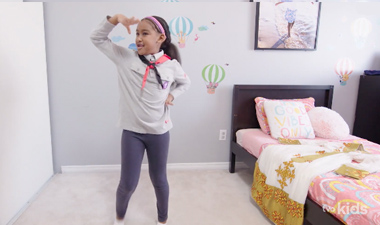
Let’s learn about Leah’s culture!
Leah is Eritrean Canadian and lives in Ottawa, Ontario, Canada. She helps her grandmother make coffee on special occasions. She and her family dress up. The boys wear Habesha Kidan and the girls wear Zuria.
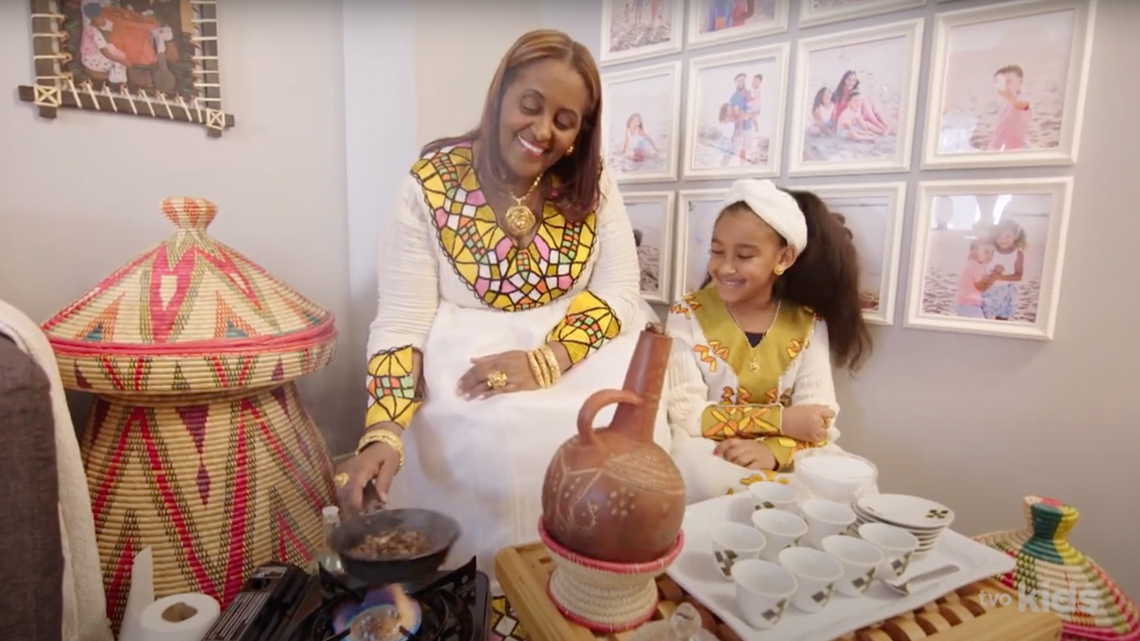
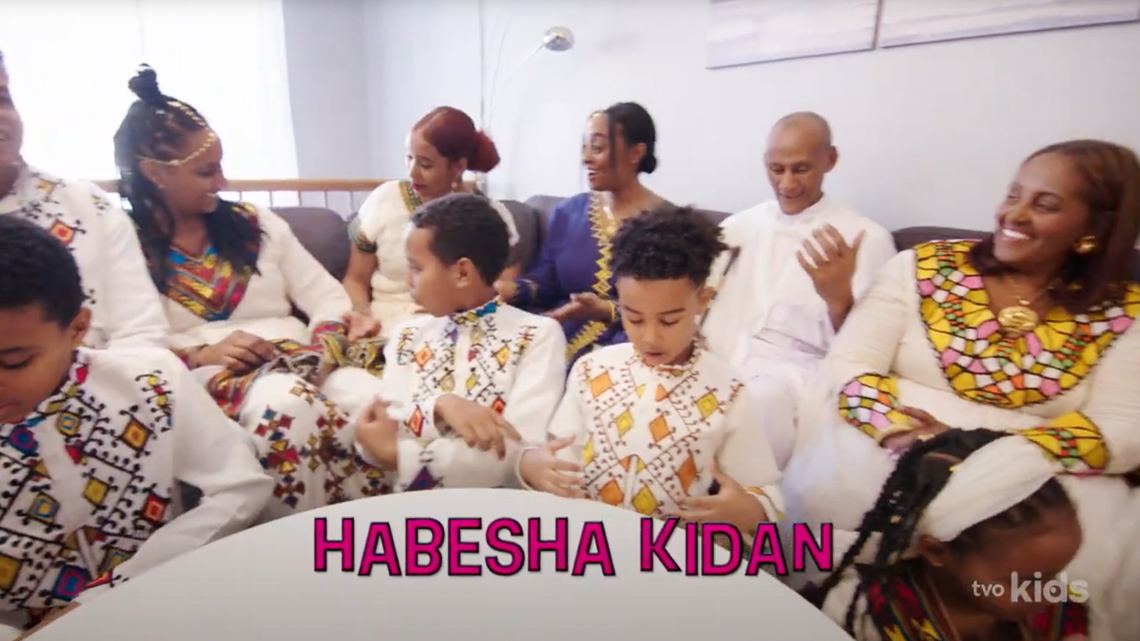
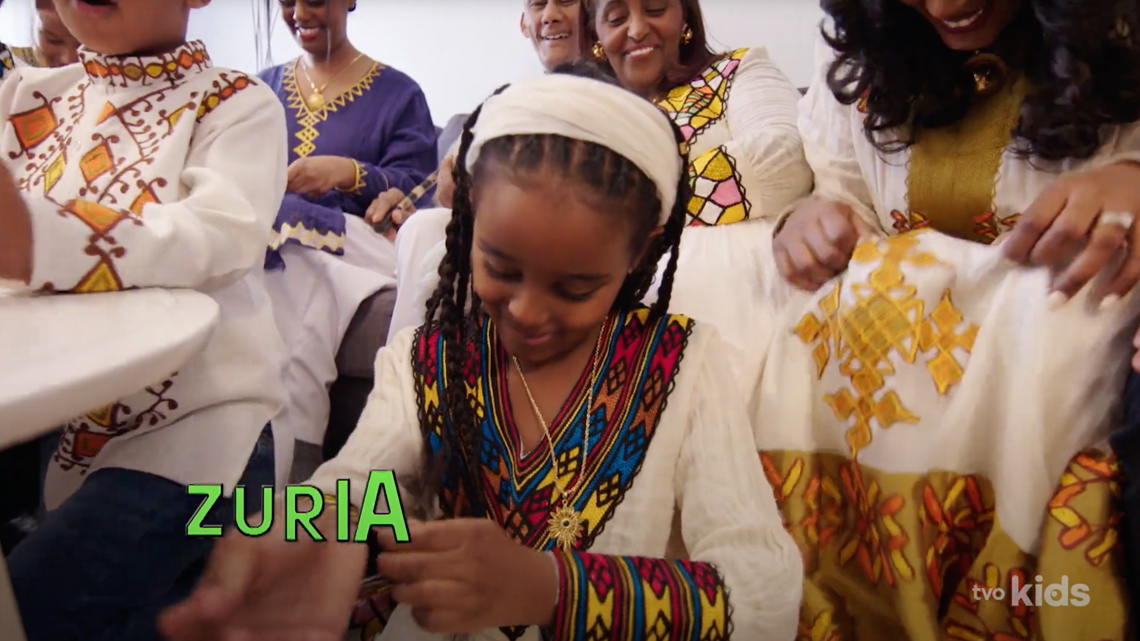
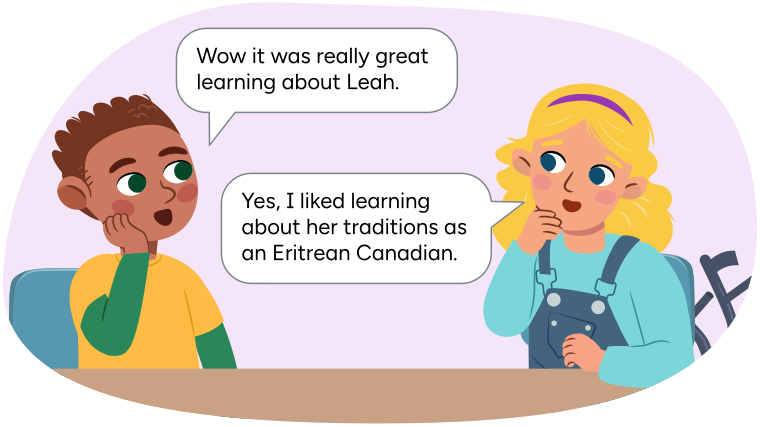
Two learners talk about what they have learned about Leah.
William: Wow it was really great learning about Leah.
Danielle: Yes, I liked learning about her traditions as an Eritrean Canadian.
What did Leah share about her identity?
Match the sentence to the piece of Leah’s identity.

Pause and reflect
Pause and reflect
Do you have anything in common with Leah? How are you and Leah different?
Who am I?
Time for you to think about your own identity!
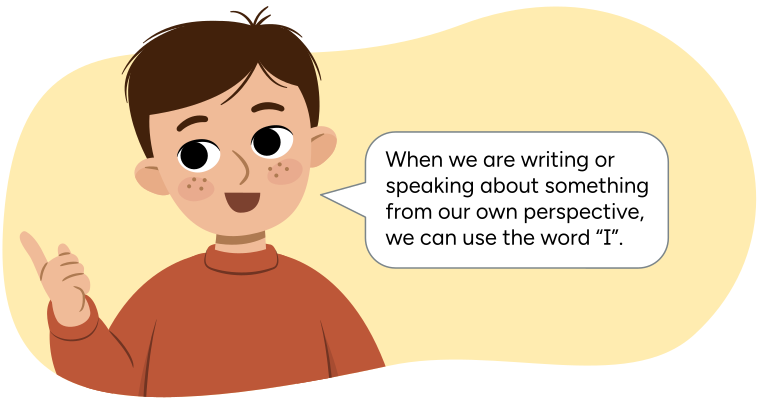
Student character:
Press the following tabs to learn more about different parts of identity.
Your name is a part of your identity. We use our names to introduce ourselves to others. Your name is an important part of how you see yourself and how others know you. Names might give clues about other parts of your identity.
Because names are so special, it is important to call others by the name they share with you and make sure to say their name correctly.
A community is a group of people that live, play, and work together.
A community can include many different places where people live, play, and work.
This might be:
- homes
- schools
- parks
- swimming pools
- outdoor sports areas
- cultural centres
- art centres
- sports centres
- community gardens
- libraries
- firehalls
- hospitals
What are some of the places in your community?
Your family is made up of the people who take care of each other. Families can be related to each other or have a strong emotional connection to each other.
Family can be the people in our community or in another country. Family can be all the people who are important in our lives.
Your friends are people that you share common interests with, like to spend time with, and trust with your feelings.
Who is in your family? Who are your friends?
Your personality describes your qualities that make you different from others.
Words that might describe someone’s personality might include friendly, funny, calm, adventurous, active, cheerful, caring.
What are some adjectives that describe your personality?
Your interests include hobbies, activities and things you enjoy doing or learning about. What are your interests and hobbies? How do your interests make you feel?
Culture may include:
- cultural background
- language(s)
- customs and traditions
- food
- art
- music
- dance
- religion
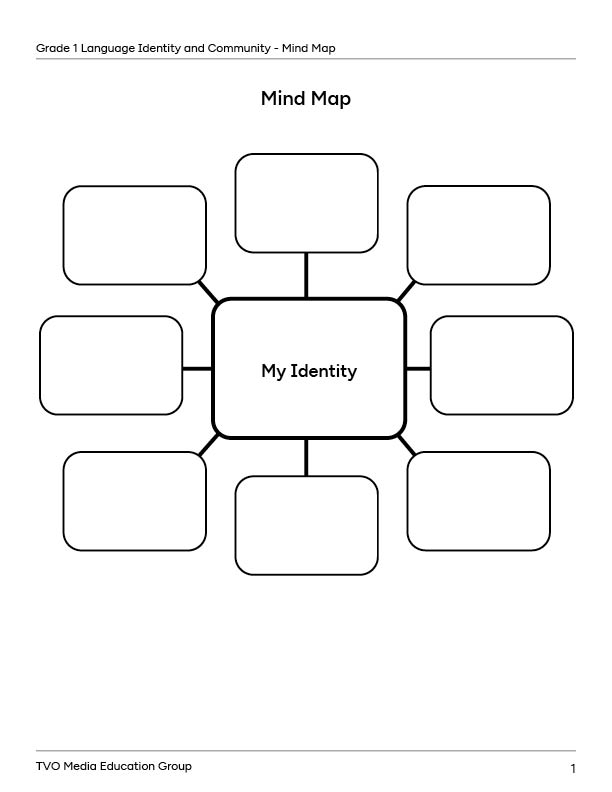
Complete the fillable and printable Mind Map in your notebook or using the following document. If you would like, you can use speech-to-text or audio recording tools to record your thoughts.
Putting it all together
Your identity is like a set of puzzle pieces. Each piece comes together to show who you are.
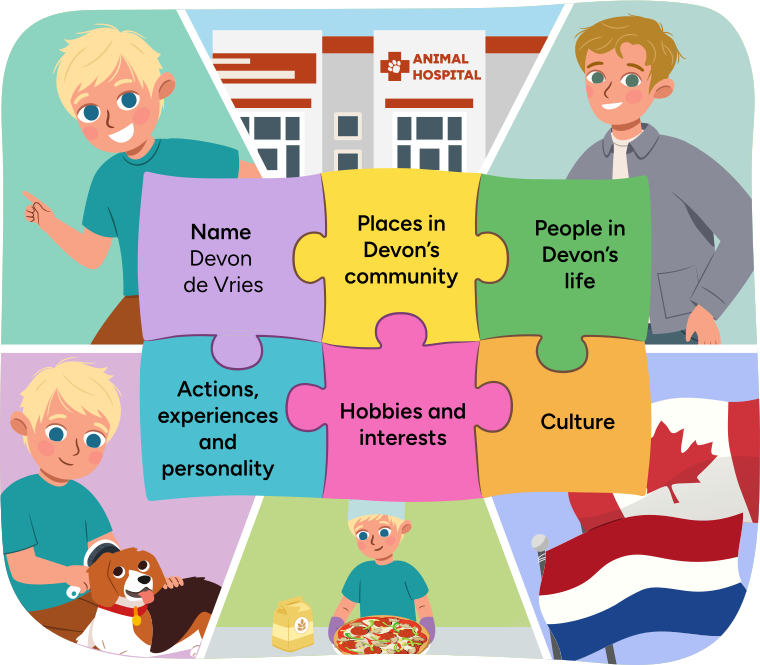
Your task
You are going to create a puzzle that describes the different parts of your identity.
Look back at the graphic organizer you filled in the ‘Action’ section. Use this information to create an identity puzzle.
Step 1: Review your graphic organizer.
Step 2: Create simple sentences to share the parts of your identity. You can use any types of sentences you would like to include. (i.e. declarative, interrogative, exclamatory etc.)
Step 3: Review your sentences.
- Make sure each new sentence starts with a capital letter.
- Use capital letters when using proper nouns.
- Make sure to use a period, question mark, or exclamation mark depending on the sentence you create.
- Check your spelling using a dictionary.
- Read your sentences out loud to make sure it makes sense (if possible, share with a partner for feedback).
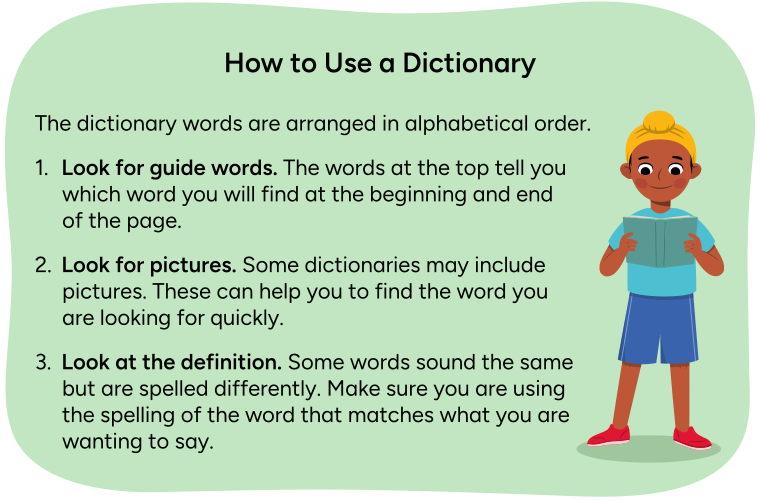
Guidelines on how to use a dictionary and online dictionary. The text with the guidelines reads:
The dictionary words are arranged in alphabetical order.
- Look for Guide Words. The words at the top tell you which word you will find at the beginning and end of the page.
- Look for pictures. Some dictionaries may include pictures. These can help you find the word you are looking for quickly.
Look at the definition. Some words sound the same but are spelled differently. Make sure you are using the spelling of the word that matches what you want to say.
Step 4: Complete each puzzle piece by drawing pictures and using labels that describe that part of your identity.
Complete the fillable and printable Puzzle Piece in your notebook or using the following document. If you would like, you can use speech-to-text or audio recording tools to record your thoughts.
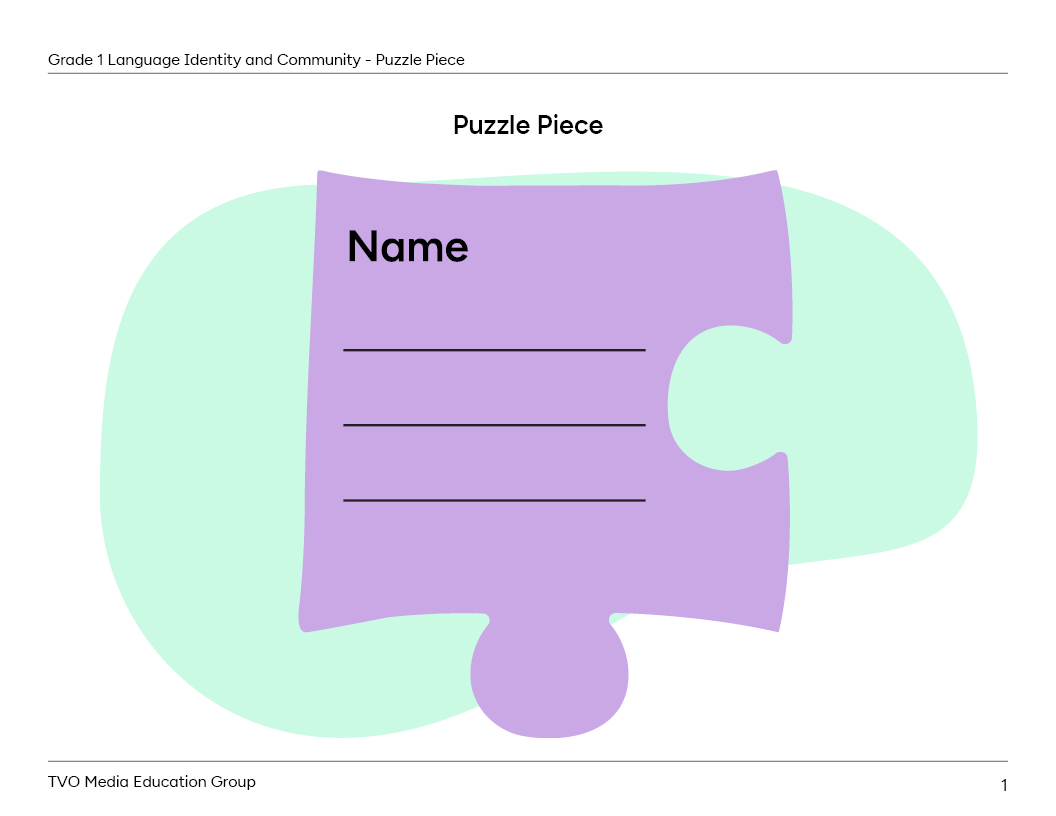
Step 5: If possible, present your identity puzzle.
Consider how you might use facial expressions and gestures to help you share.
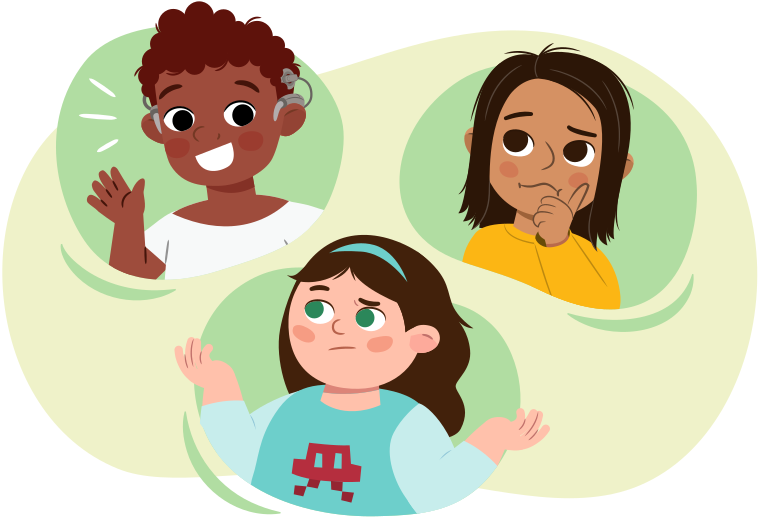
Illustration of three learners showing different facial expressions and gestures. The expressions of the learners represent: happiness, reflection, and confusion.
Practice reading your presentation until you are comfortable reading it aloud.
Use the following checklist to help your practice effective speaking skills:
- Speak in a strong voice.
- Speak with expression.
- Speak at a speed that feels just right (not too fast or too slow).
What strategies did you find helped you most to present your work?
Record your strategy using a method of your choice.
Reflection
How do you feel about what you have learned in this activity? Which of the next four sentences best matches how you are feeling about your learning? Press the button that is beside this sentence.
I feel…
Now, record your ideas about your feelings using a voice recorder, speech-to-text, or writing tool.