Learning goals
We are learning to…
- explore the concepts of identity, self, and sense of belonging in texts and demonstrate an understanding of the contributions, lived experiences, and perspectives of many different people, including those in Canada
- use effective listening skills by expressing interest, asking a variety of questions and restating what we heard
- share our experiences that connect with ideas and topics in new texts
- brainstorm and develop ideas about various topics using simple strategies and resources, our own learning and our own experiences
Success criteria
I am able to…
- explore different examples of culture through images and video clips and ask and answers questions about each
- share our experiences that connect with elements of culture
- brainstorm and develop ideas about elements of culture in my own life


Exploring elements of culture!
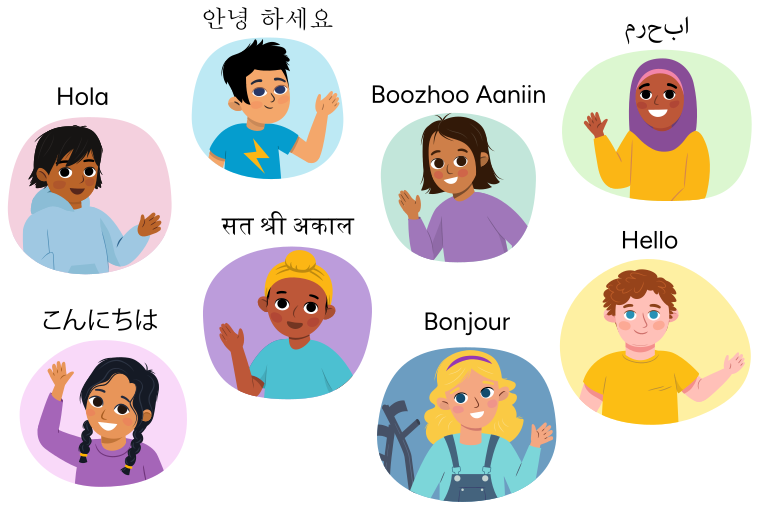
All of the images in the Minds On included examples of parts of culture.
Culture is the way of life for a group of people.
Culture may include different elements:
- language(s)
- customs and traditions
- special clothing
- celebrations
- food
- art
- music
- dance
- religion
Culture shapes how people live, how they communicate and share with each other, and how they understand the world around them.
Let’s revisit the examples from Minds On to learn more about different elements of culture.
Press the following tabs to learn more about some of the elements!
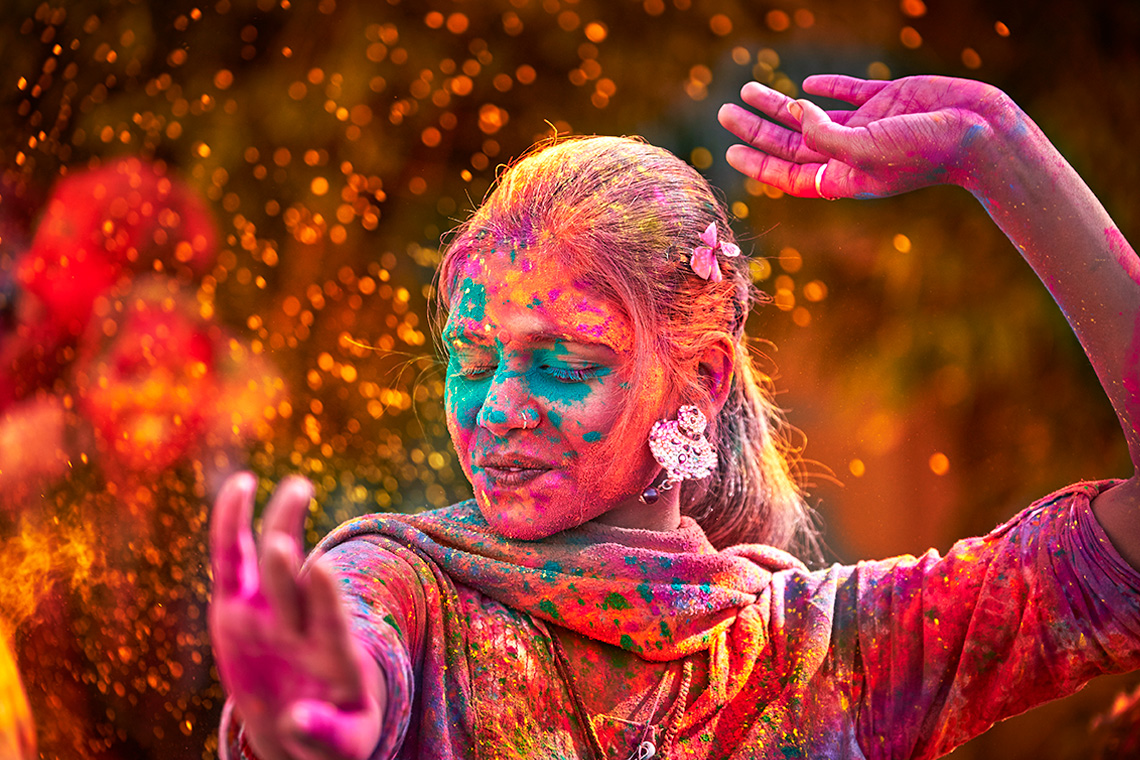
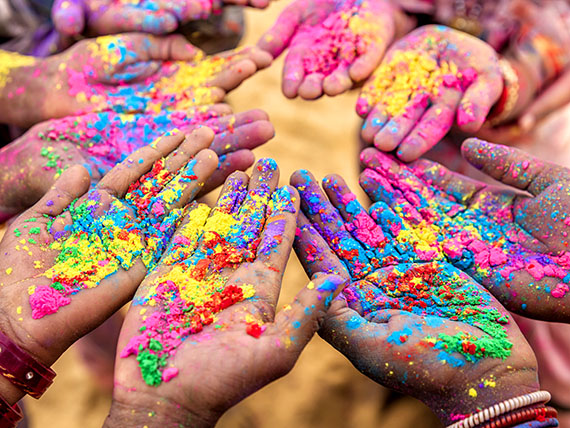
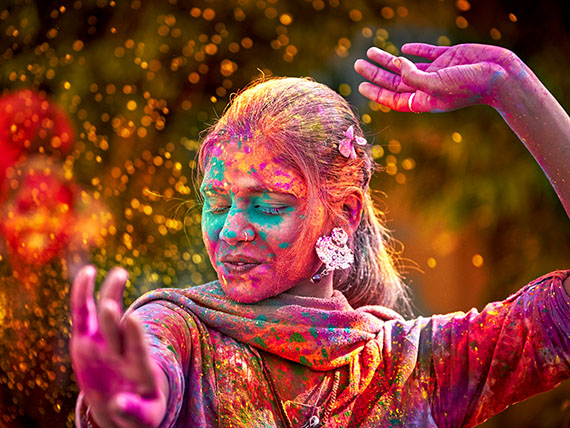
Celebrations are a part of many different cultures. Celebrations are important for different reasons.
Holi is a Hindu celebration that is known as the festival of colours. People have bonfires, throw colourful powder called gulal, dance to traditional music and eat sweet foods.
Source: National Geographic Kids. (n.d.). Holi: The festival of colors. National Geographic. Retrieved September 16, 2024, from https://kids.nationalgeographic.com/pages/article/holi
Celebrations
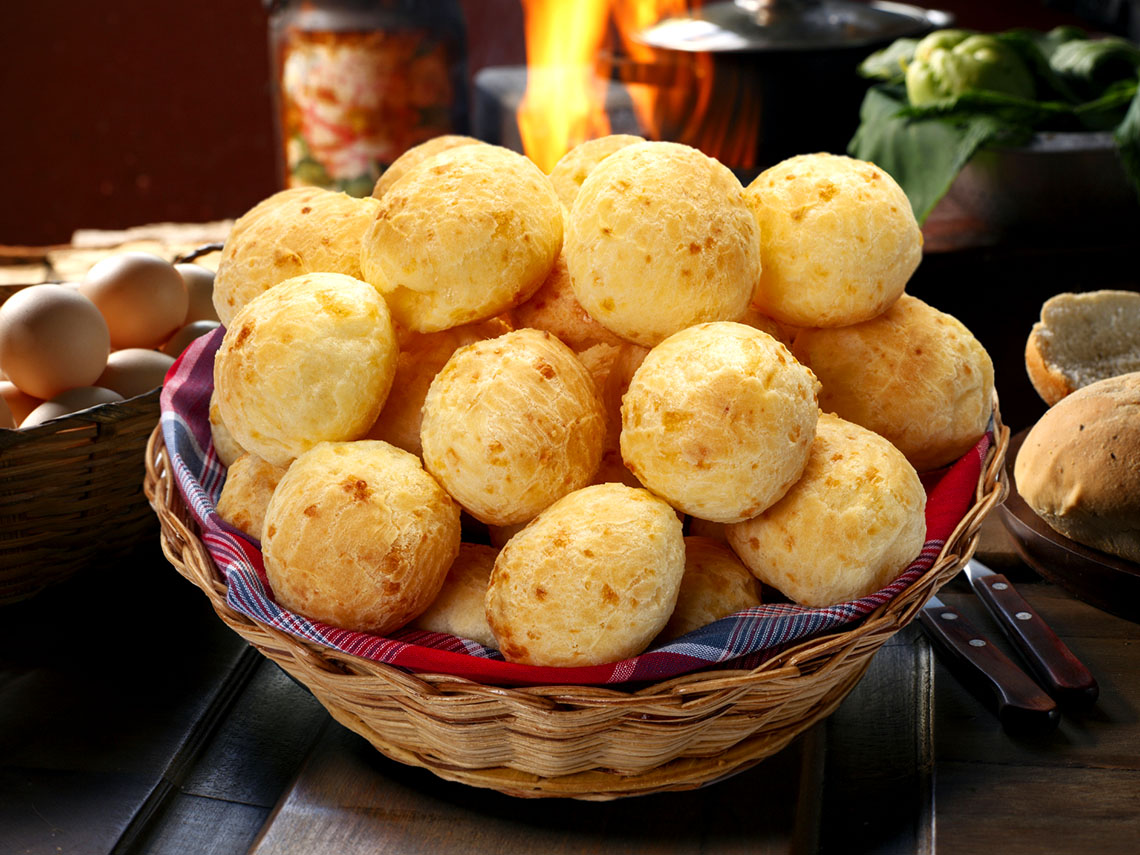
Food is a big part of many cultures.
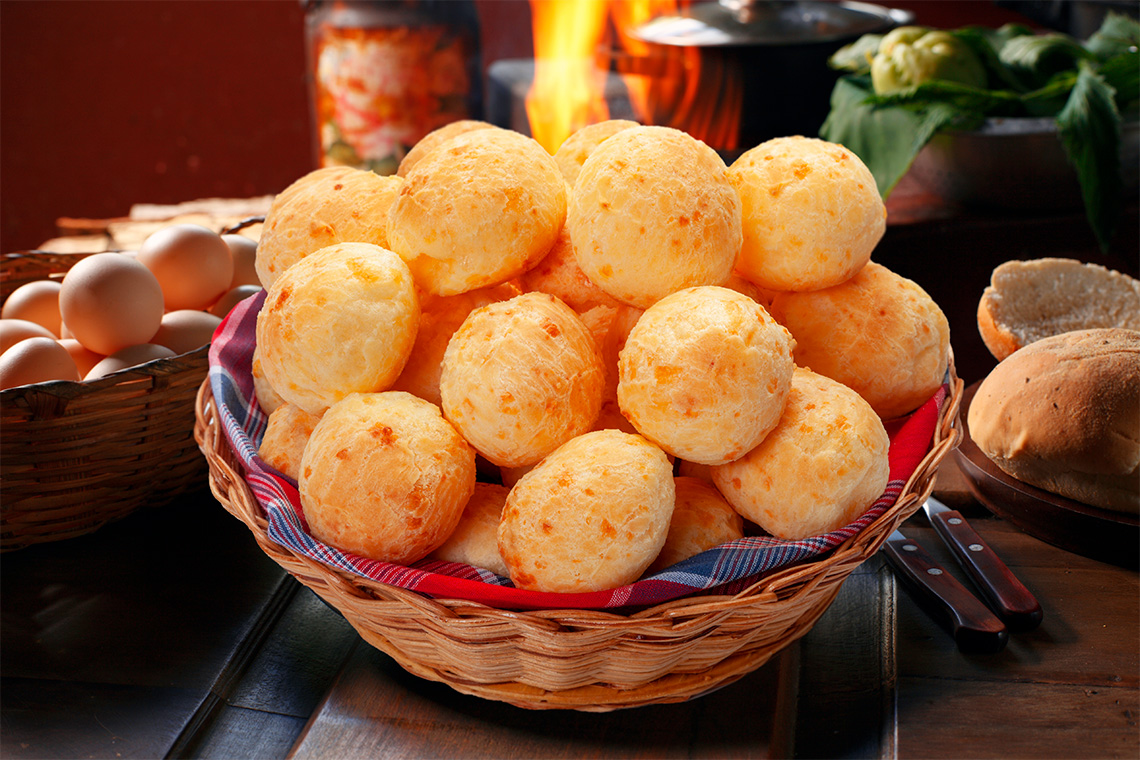
The following image shows pão de queijo, a traditional snack or breakfast food in Brazil. Pão de queijo are small, cheesy bread balls. Some are made with fillings like spiced sauce or dulce de leche (a type of caramel).
Food
Did you know that there are thousands of different languages spoken around the world?
There are around 25 countries around the world that speak Arabic.
The following image shows a phrase in Arabic.
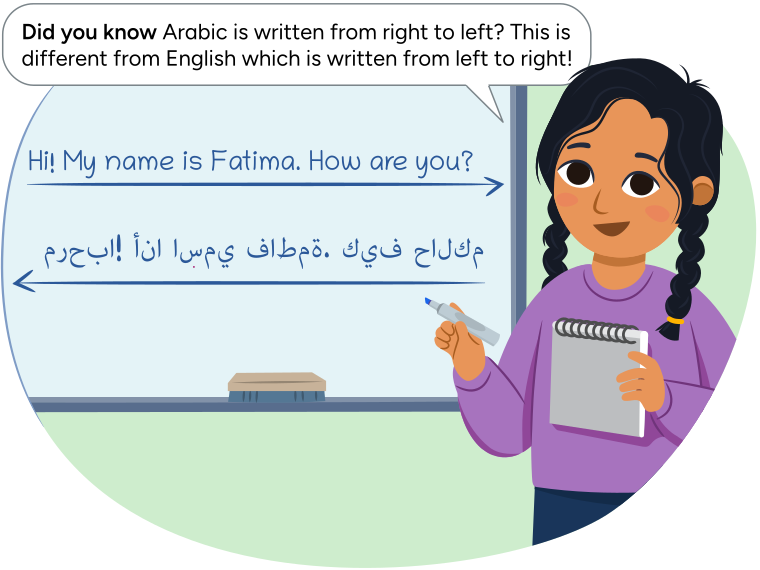
A student saying, "Did you know Arabic is written from right to left? This is different from English which is written from left to right."
On a whiteboard, this student has written, "Hi! My name is Fatima. How are you?" An arrow indicates that this English message is read from left to right. Underneath is the same message written in Arabic, with an arrow indicating that it is read from right to left.
Check out the following clip to hear the Arabic phrases spoken!
Arabic Phrases
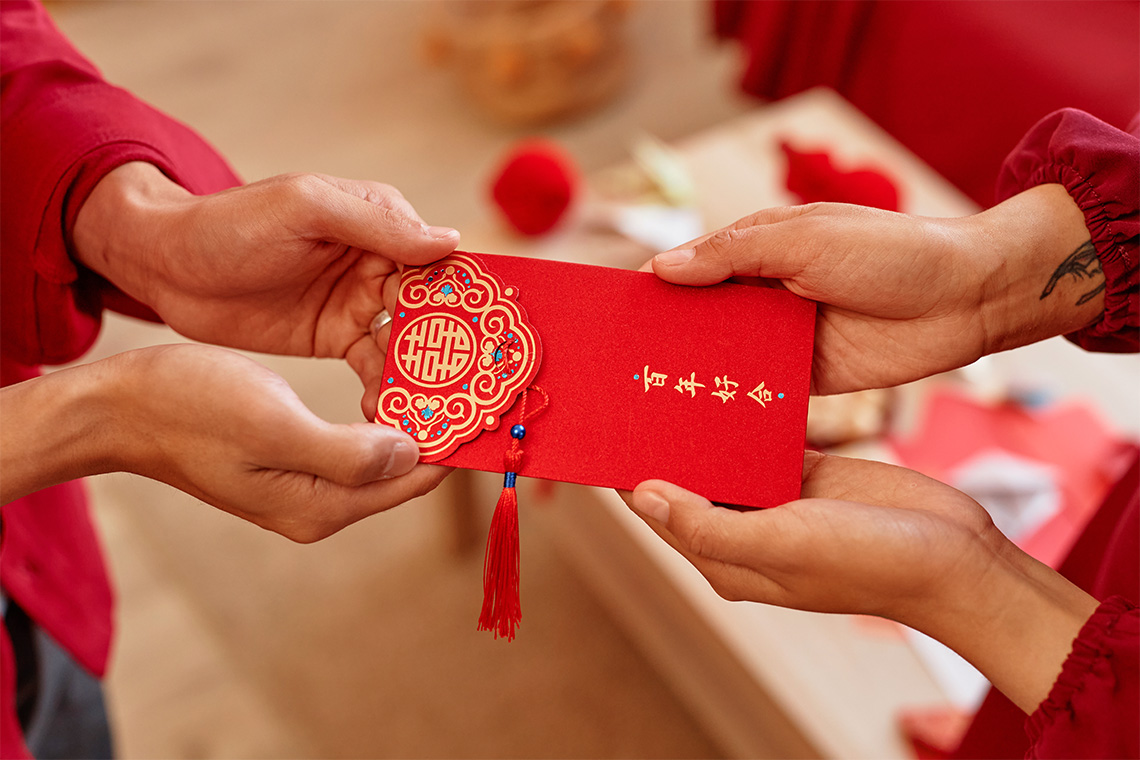
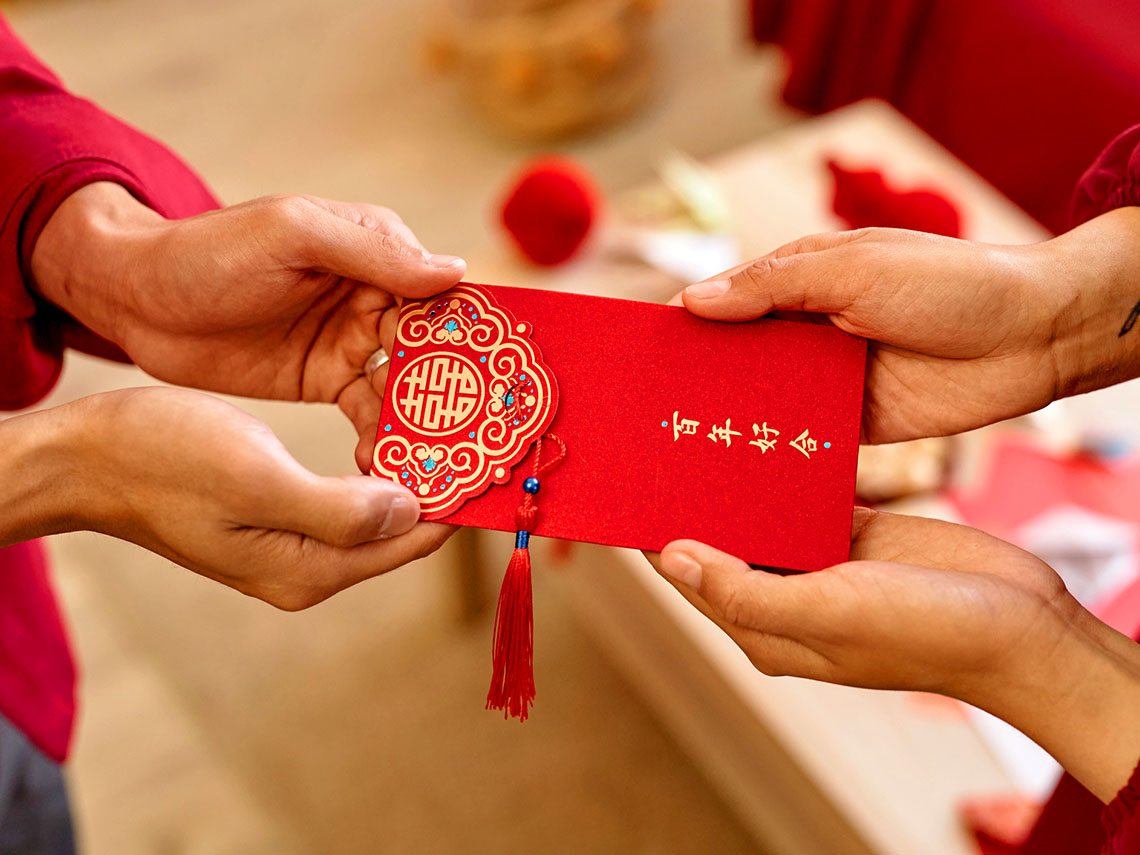
The following image shows someone passing a red envelope to another. In Chinese culture, there is a tradition of giving some money during holidays or special occasions like weddings, birthdays and more.
The money is given in a red envelope, which is a symbol of good luck or good wishes.
Traditions
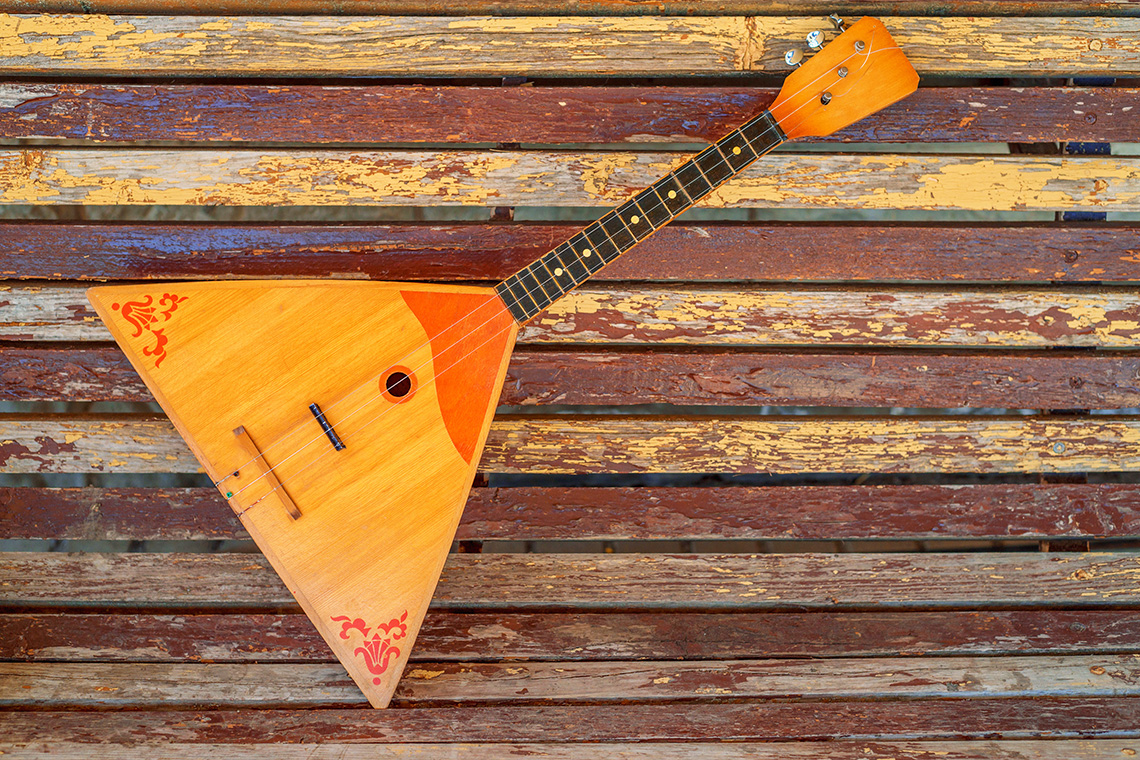
Have you seen an instrument like this before? The following image shows a balalaika!
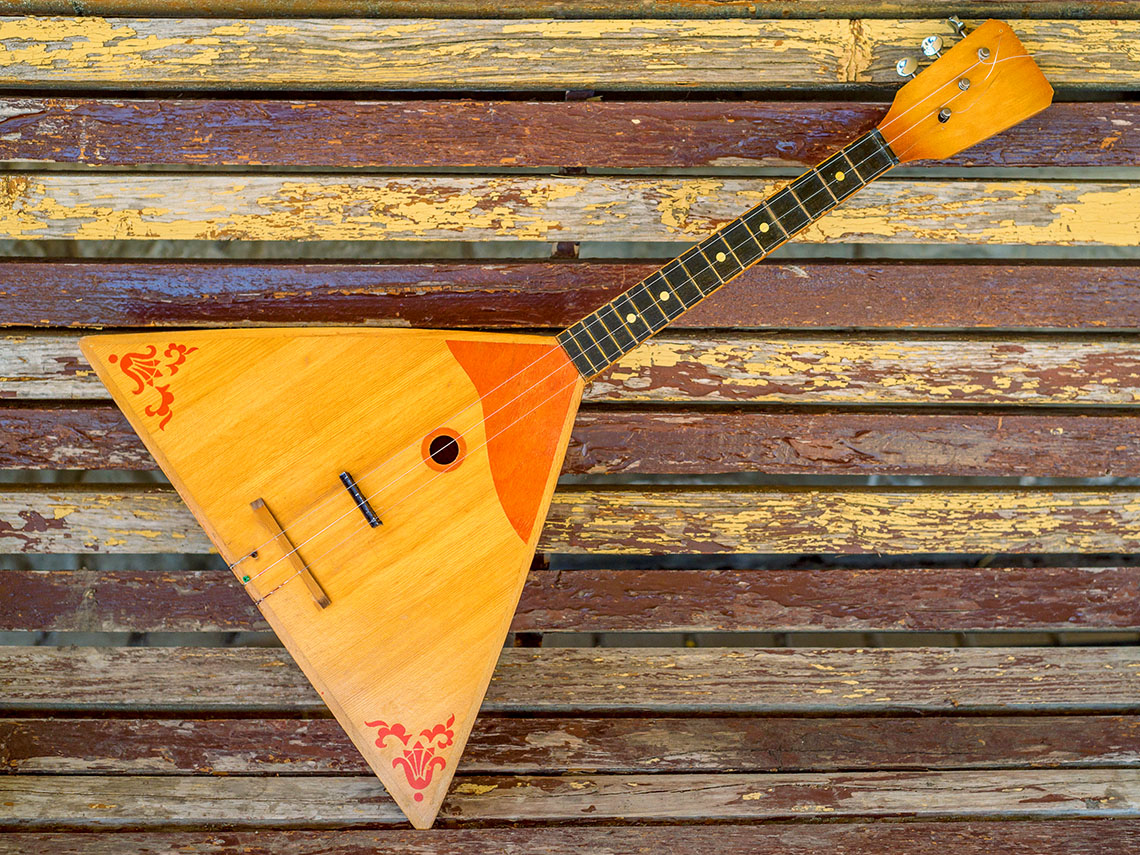
A balalaika is an instrument from Russia used to play traditional music.
Everyone experiences culture in different ways.
You might share a culture or cultures with your family members, friends and/or community.
Let’s explore some video clips that feature different cultures!

Student Tips
Student tips
As you explore, think about the following questions:
What element(s) of culture does each example share?
- language(s)
- customs and traditions
- special clothing
- celebrations
- food
- art
- music
- dance
- religion
What did you learn from each example?
Afro-Caribbean Drumming
Micah is Canadian, Jamaican, and German and lives in Montreal, Quebec. He is 10 years old.
Let’s learn a bit about Afro-Caribbean drumming from Micah.
What element(s) of culture does Micah share?
Press Reveal to check your answer.
Micah shares music!
What special information did you learn from Micah?
Inuit Throat Singing
Papatsie is Inuk and lives in Ottawa, Ontario. She is 9 years old.
Let’s learn a bit about Inuit throat singing from Papatsie and her friend Kendal!
What element(s) of culture does Papatsie and Kendal share?
Press Reveal to check your answer.
Papatsie and Kendal share tradition and music!
What special information did you learn from Papatsie?
Midsummers Eve
Anna is Swedish. She celebrates Midsummers Eve with her family.
Let’s learn more about Midsummers Eve from Anna!
What element(s) of culture does Anna share?
Press Reveal to check your answer.
Anna shares tradition and celebration!
What special information did you learn from Anna?
Powwow
Quill is Algonquin from Kitigan Zibi, Quebec. She is 11 years old.
Let’s learn a bit about powwows from Quill!
What element(s) of culture does Quill share?
Press Reveal to check your answer.
Quill shares music, tradition and dance!
What special information did you learn from Quill?
Vegetable Garden and Potlucks
Howenadae is Mohawk from Six Nations of the Grand River in Ontario. He is 8 years old.
Let’s learn a bit about vegetable gardens and potlucks from Howenadae!
What element(s) of culture does Howenadae share?
Press Reveal to check your answer.
Howenadae shares food!
What special information did you learn from Howendae?
Abstract nouns
Abstract nouns are nouns that we cannot experience with our five senses. Abstract nouns might describe ideas, feelings, or emotions.
This is different from concrete nouns. Those are nouns we can touch or experience with our senses.
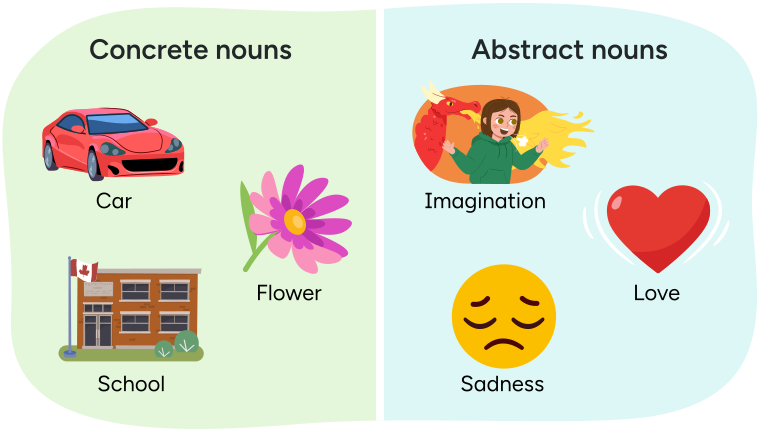
We have already used an abstract noun. The word culture is an abstract noun!
Many different things make up the word culture. We can’t experience the word culture with our five senses. So that makes it an abstract noun.
Papatsie talks about throat singing. She uses the word: fun.
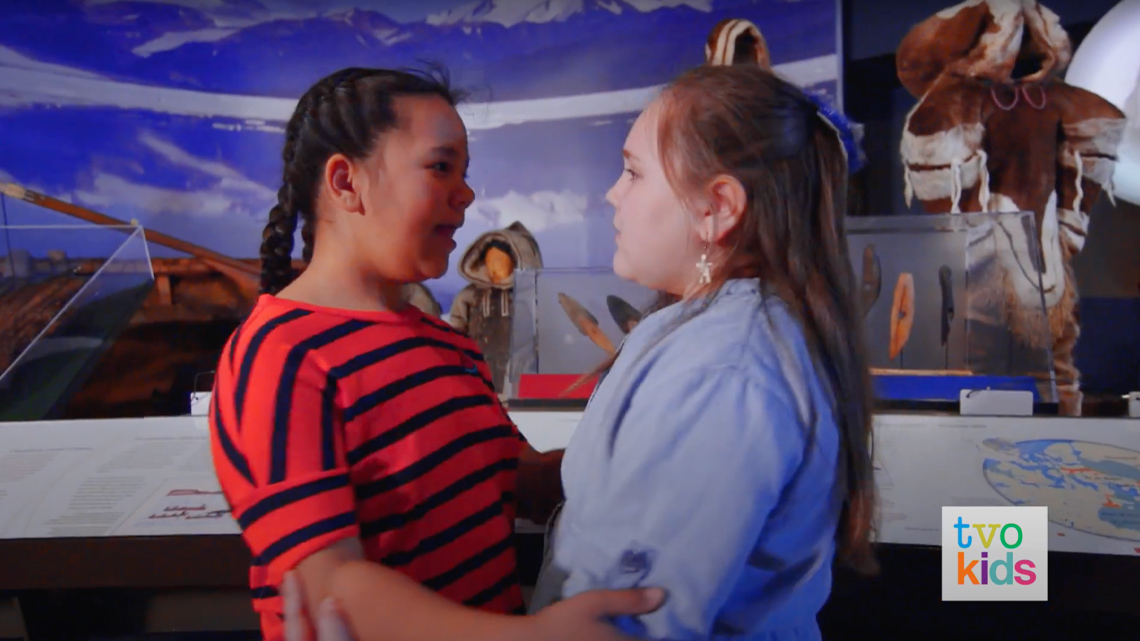
Do you think the word fun is an abstract noun?
Select the correct answer, then press Check Answer to see how you did.
Printing practice
Let’s practice printing a few abstract nouns!
Use your notebook or a method of your choice to practice printing each word.
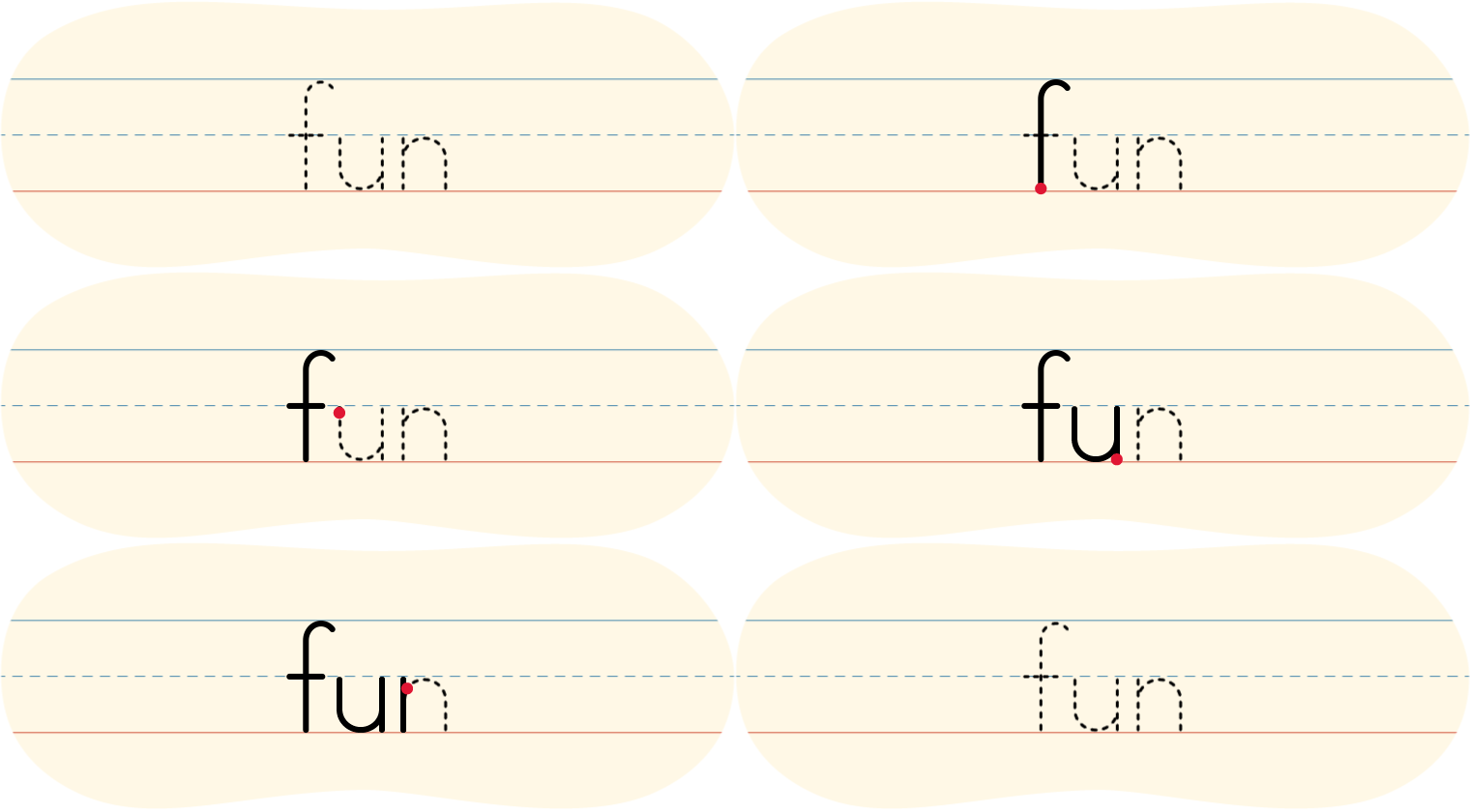
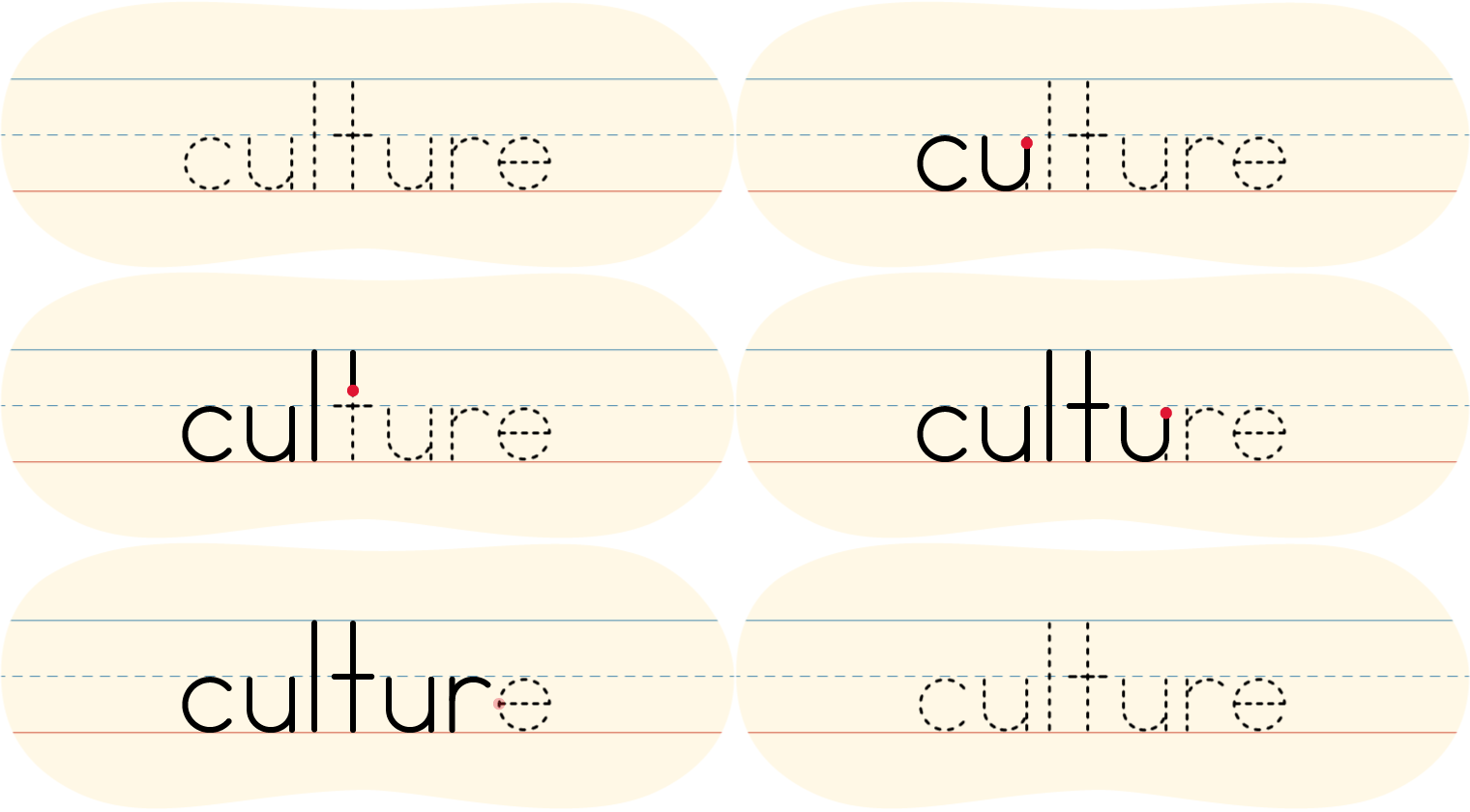
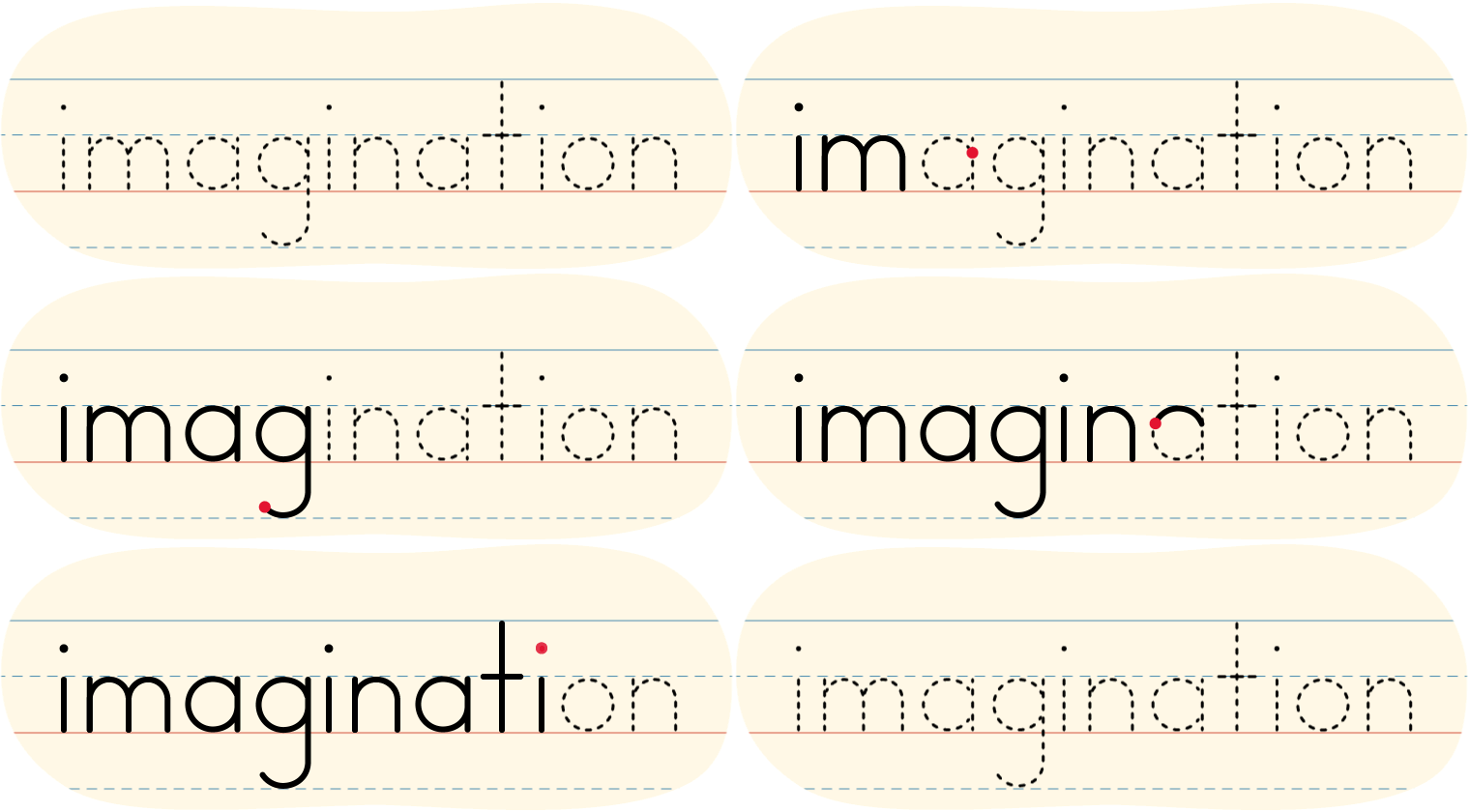
What kind of letter do each of these words end with?
Press Reveal to check your answer.
Each word ends with a small letter.
Elements of culture in our lives!
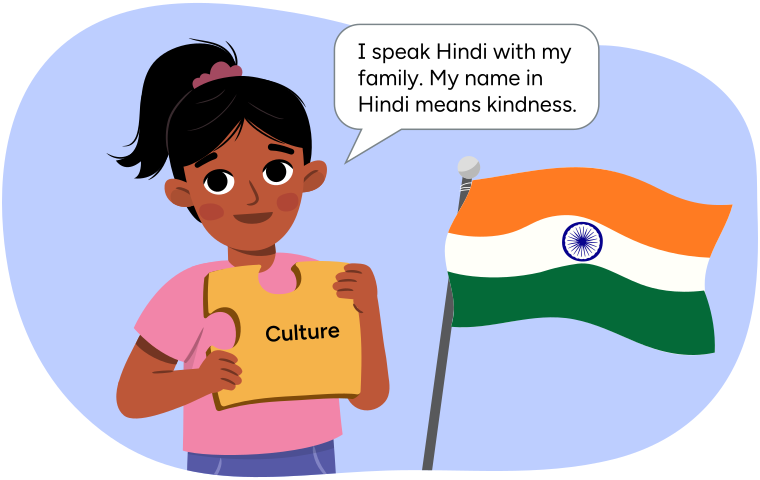
What are some examples of elements of culture in your own life?
Record your thoughts using pictures, words and/or phrases.
Press Elements of Culture to reveal a hint.
Remember, some elements of culture include:
- language(s) that you speak
- customs and traditions that you follow
- things you might celebrate/ celebrations you might attend
- special foods
- art, music or dances
Complete the fillable and printable Elements of My Culture Organizer in your notebook or using the following document.
If you would like, you can use speech-to-text or audio recording tools to record your thoughts.
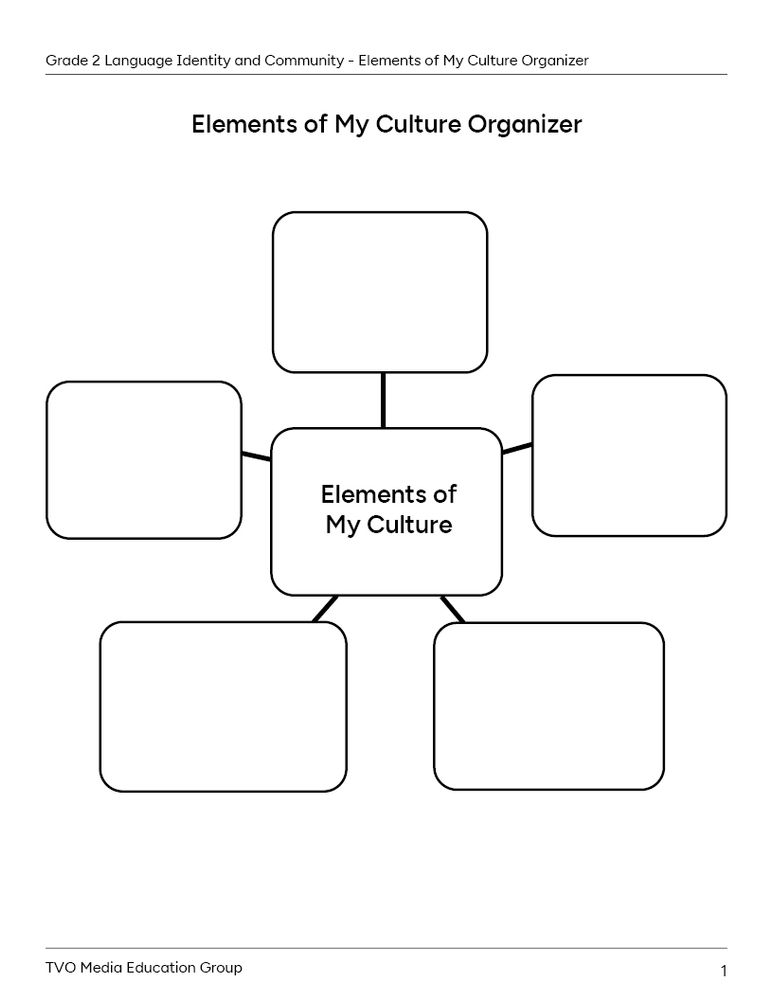
Press the Activity button to access the Elements of My Culture Organizer.
Activity (Open PDF in a new tab)Let’s check!
Remember, abstract nouns are nouns that we cannot experience with our five senses. Abstract nouns might describe ideas, feelings, or emotions.
This is different from concrete nouns, which are nouns we can touch or experience with our senses.
Let’s review concrete and abstract nouns!
Place the cards into categories that best match. Use the arrow buttons to navigate between cards.
Reflection
How do you feel about what you have learned in this activity? Which of the next four sentences best matches how you are feeling about your learning? Press the button that is beside this sentence.

I feel...
Now, record your ideas about your feelings using a voice recorder, speech-to-text, or writing tool.