Learning goals
We are learning to…
- understand the historical contexts, contributions, lived experiences, and perspectives of a diversity of individuals and communities
- summarize the main idea and supporting details in texts and draw well-supported conclusions
- investigate the meaning of cultural elements of texts by making local and global inferences
- generate and develop ideas that express our own lived experiences
Success criteria
I am able to…
- summarize the storytelling traditions of different global cultural communities
- analyze and identify examples of cultural aspects and elements of texts
- gather, record, and share a story that represents my lived experiences or the experiences or traditions of my family or culture

What’s the story?
Examine the following images. What is happening in each of them? What do they have in common?
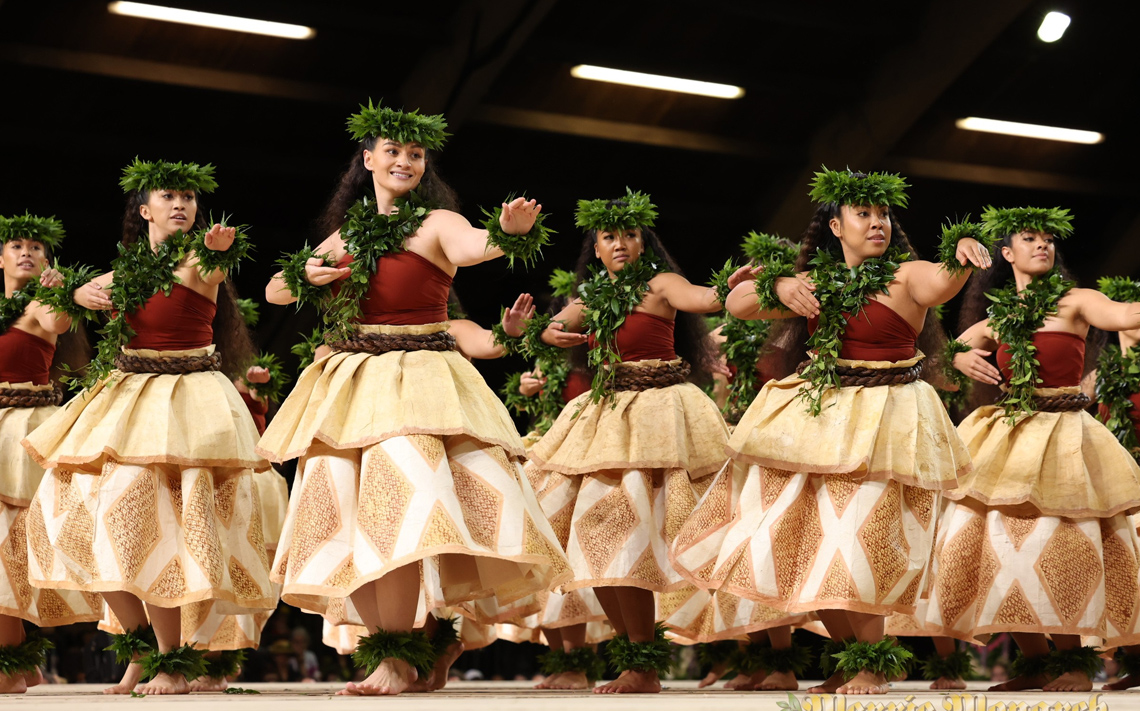
Hula kahiko dancers from Hālau o Kekuhi on stage at the Merrie Monarch Festival.
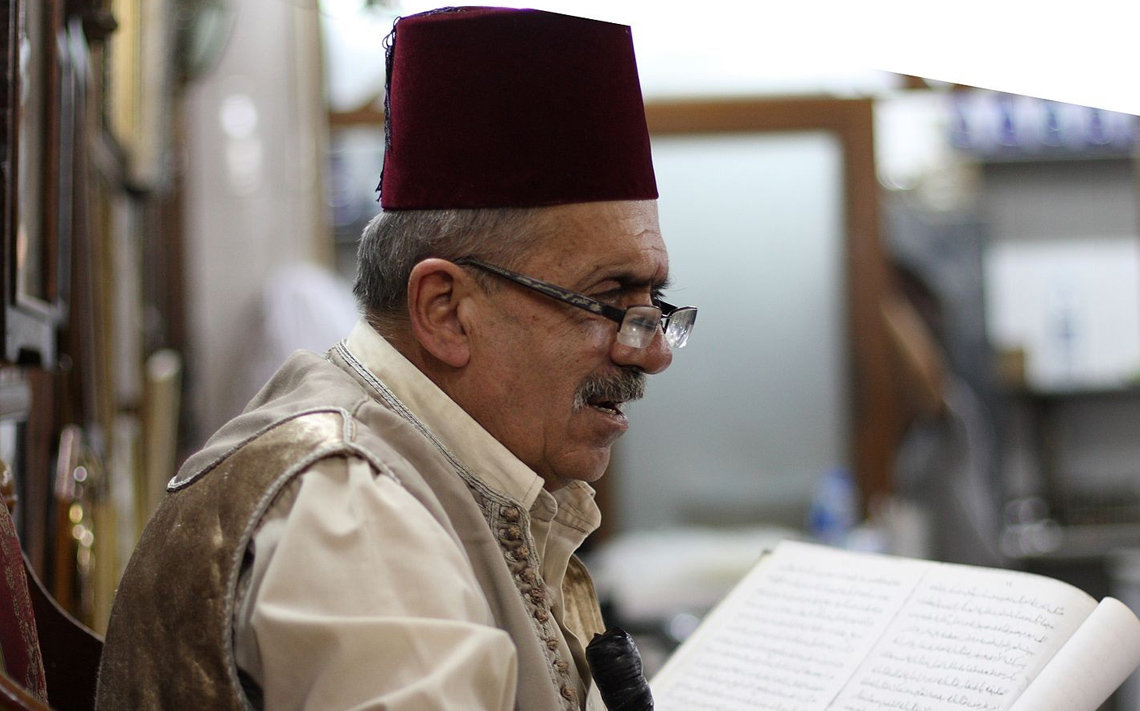
Abu Shady is the last professional hakawati, or traditional storyteller, in Syria. He tell stories from his thousands of memorized stories every night at Al Nawfara café.
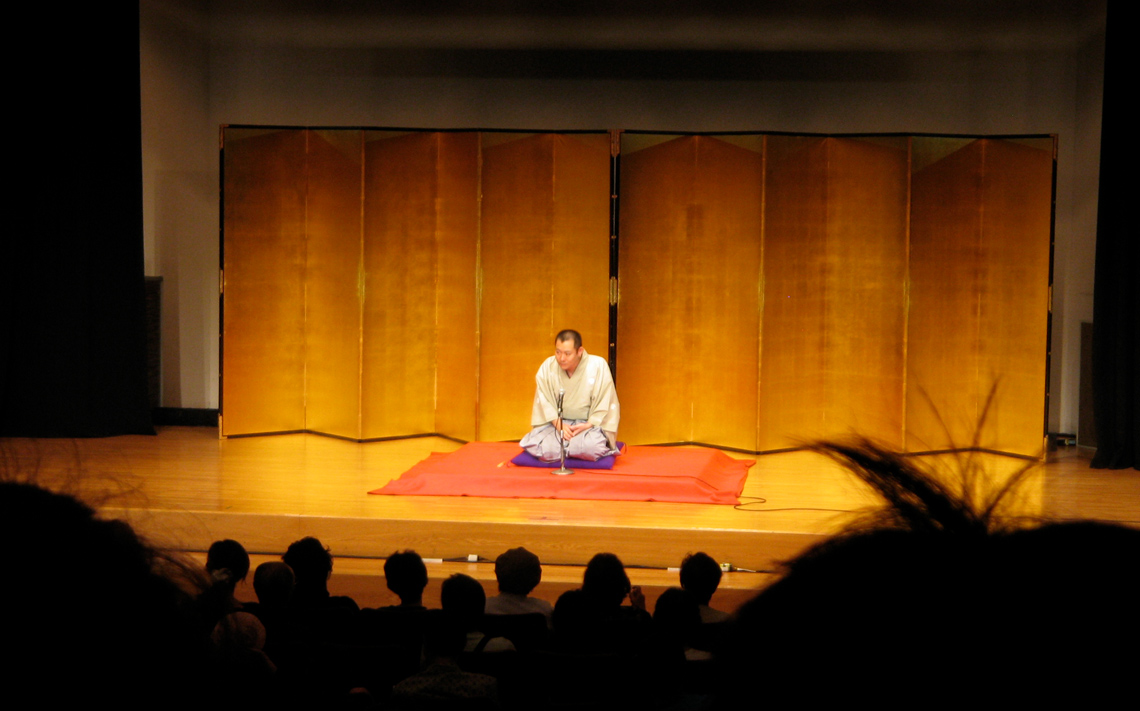
A Japanese Rakugoka, performs Rakugo
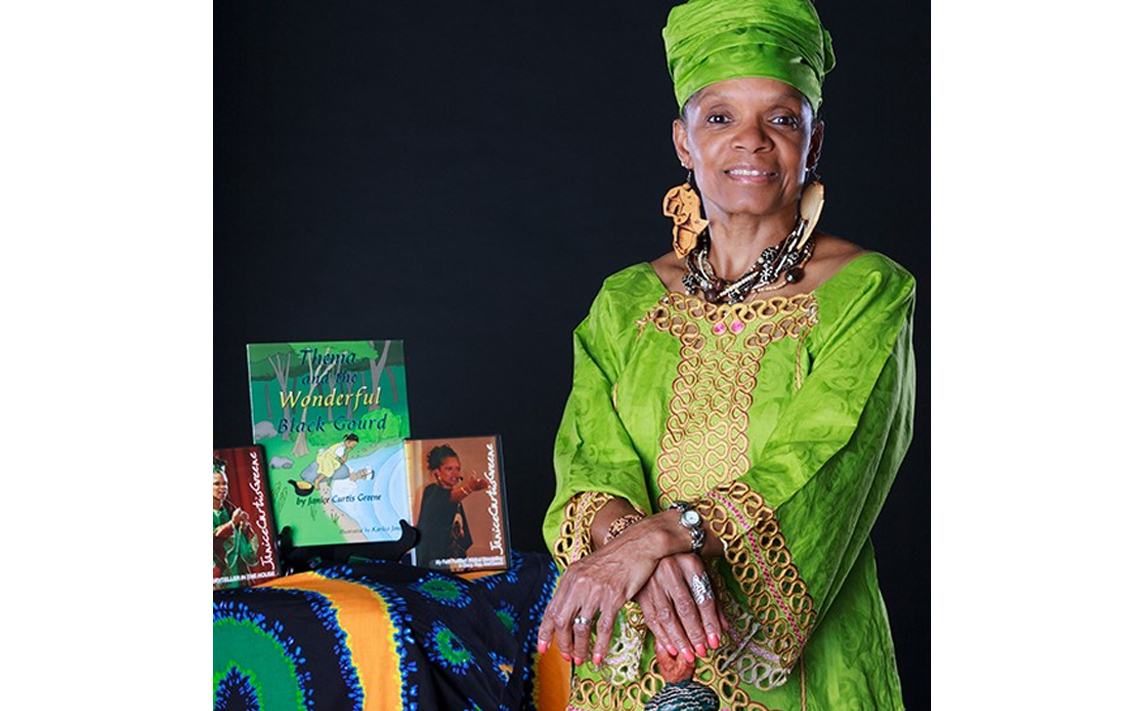
Janice Curtis Greene, a American Griot, who has been telling traditional stories for over 25 years.
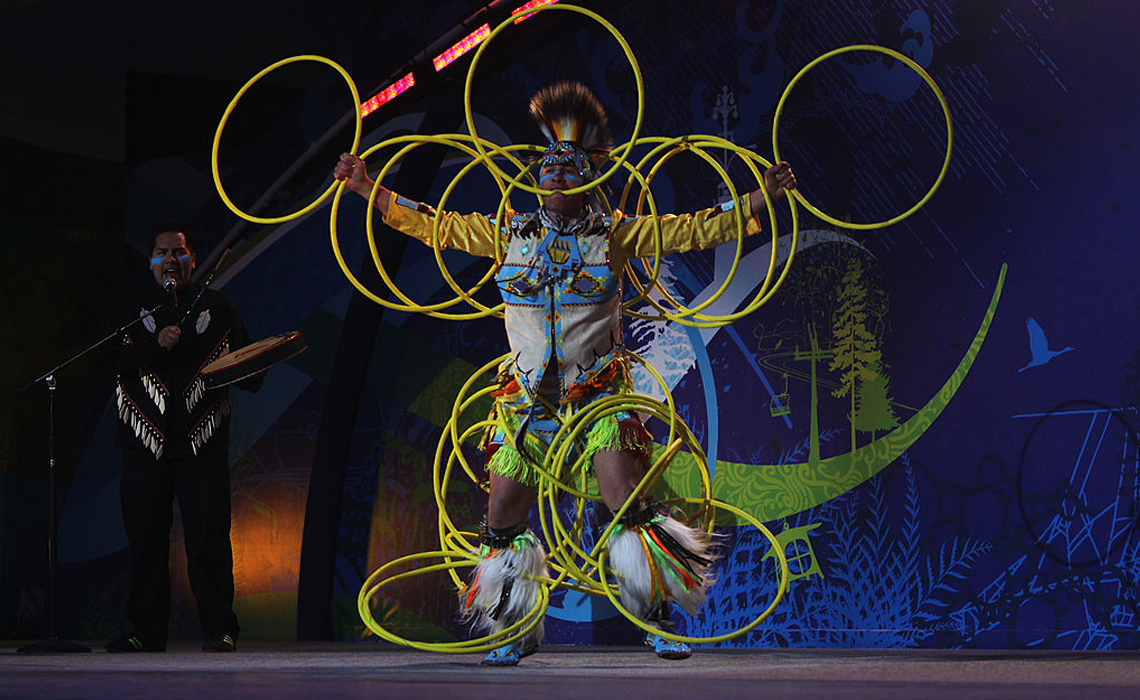
A Lil'wat Nation hoop dancer performs during the Closing Ceremony of the 2010 Vancouver Winter Paralympics.
Each of the images shows a type of storytelling.
Storytelling has existed in all over the world since time immemorial. Before humans could write, they told stories. Storytelling informs, entertains, and shares traditions, values, knowledge, and learning across generations.
Ways of telling stories vary around the world from culture to culture and community to community.
In this learning activity, you will explore different examples of traditional ways of storytelling from cultures worldwide, and consider what stories are special to you and your community.

Ways of sharing stories around the world

There are many cultures and communities that have traditional ways of sharing stories. Let’s explore some examples of traditional storytelling from a few different cultures and communities from around the world.
As you read about each one, use the following graphic organizer, or another method of your choice, to summarize the main points including any cultural elements that you observe.
Press the Activity button to access the Summarizing Traditional Forms of Storytelling From Around the World.
Activity (Open PDF in a new tab)Mo’olelo
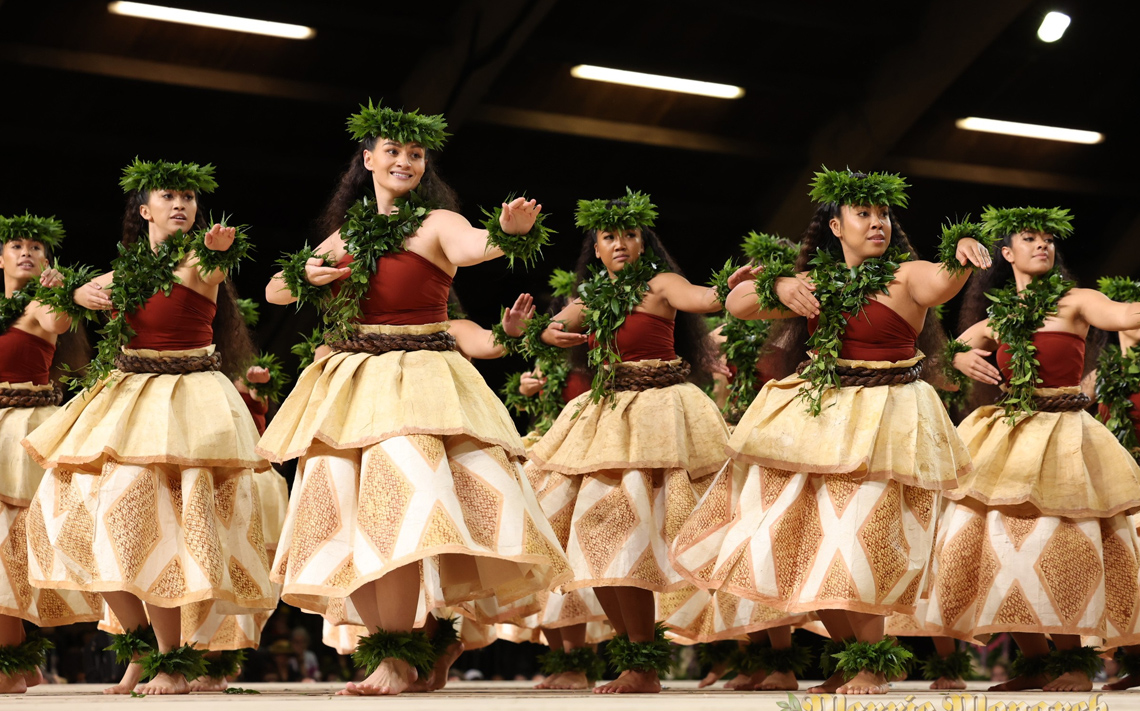
The Indigenous people of Hawaii are known by many for their traditional dance called “ hula.” “Hula” is one part of “mo'olelo”, which is traditional Hawaiian storytelling.
“Mo'olelo” can mean history, legend, or tradition. It uses “mele” (song), “oli” (chant), and “hula” (dance) to tell the history of Polynesian people, their traditional stories of the creation of the earth, legends, and myths, as well as lessons about values and behaviour.
“Moʻolelo [stories] are central to Native Hawaiian culture and identity. Moʻolelo connects Kanaka [Hawaiians] to their genealogy, to place, to one another, to community, and to the natural and spiritual world.”
Claiming our Mo’olelo: First-generation Narratives from UH Mānoa. (n.d.). https://firstgen.naspa.org/blog/claiming-our-mo-olelo-first-generation-narratives-from-uh-m-noa
In Hawaiian culture, storytellers are highly respected members of society who learn genealogy and storytelling from their elders.
Explore the following clip of part of a mo’olelo performance from the 2015 Merrie Monarch Festival. As you explore the video, notice how the performers use voice and movement to tell a story.

Brainstorm
Post-viewing
What elements do they use to tell the story? Record your thinking in a notebook or using another method of your choice. If possible, share you thinking with a partner.
When you are done, press the Possible Answers button to check your understanding.
Hakawati
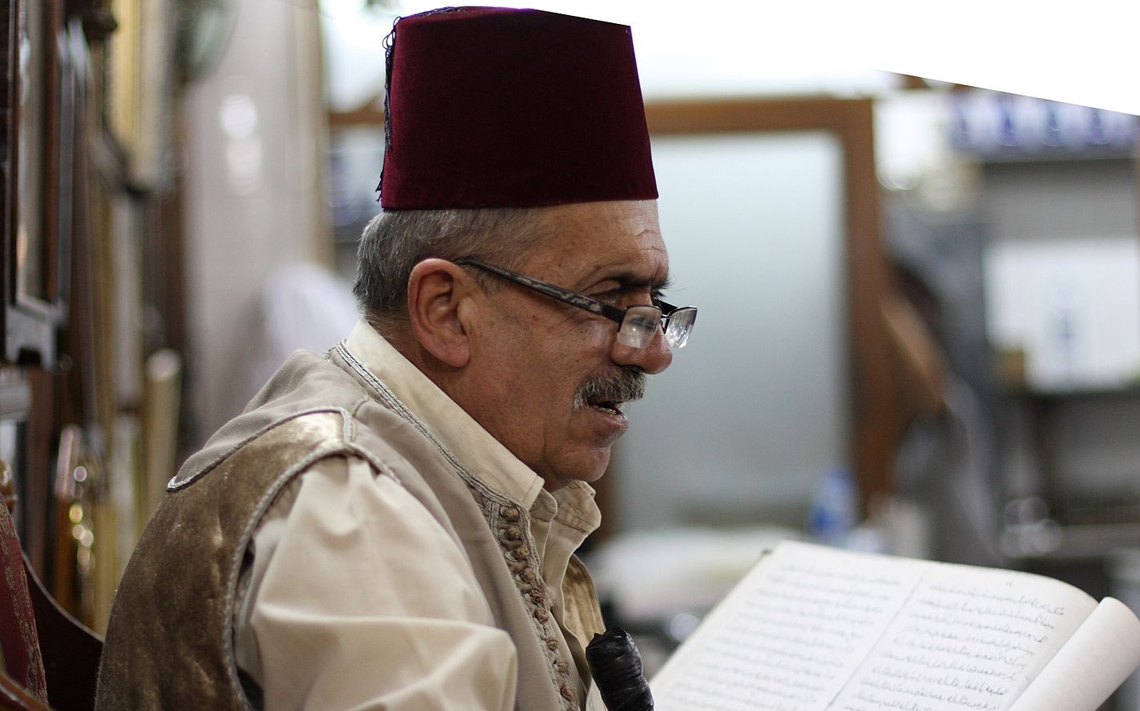
In areas of the Middle East such as Lebanon and Syria, hakawati are both storytellers and entertainers. The word hakawati comes from two Arabic words: hekaye meaning “the story” and haki meaning “to talk.”
Most villages had their own hakawati, but the most talented traveled from village to village as their job, sharing traditional Arabic tales, myths, and fables or stories from the Quran, the Islamic holy book. Audiences gathered in public spaces to enjoy stories full of poetry, metaphor, rhyme, and exaggeration. They were entertained, informed about recent news and history, and educated with moral lessons. Hakawati were said to be the second most important people in the region, next to the king.
Traveling storytellers still exist today in some parts of the Middle East. The tradition of oral storytelling can be seen particularly during Ramadan when families and communities gather to share stories and discuss life after iftar, the breaking of the fast.
Rakugo
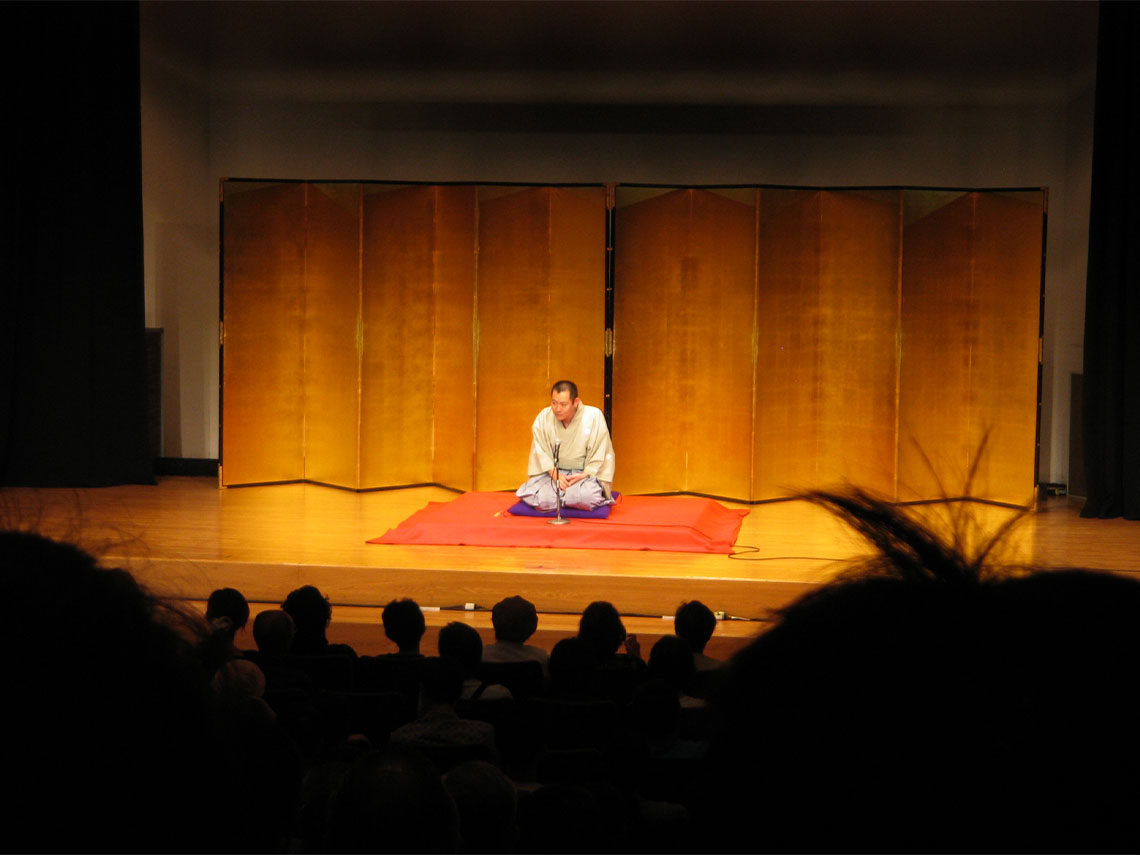
Rakugo is an ancient Japanese form of comedic storytelling dating back to the 1600s.
Rakugo translates to “a story with a punchline” and rakugoka is the storyteller.
It is traditionally performed by a man, seated on a cushion. The storyteller acts out the role of various characters using only his voice, a paper fan, and a hand towel as props. Rakugo are typically humorous but can involve history and moral lessons.
Griot
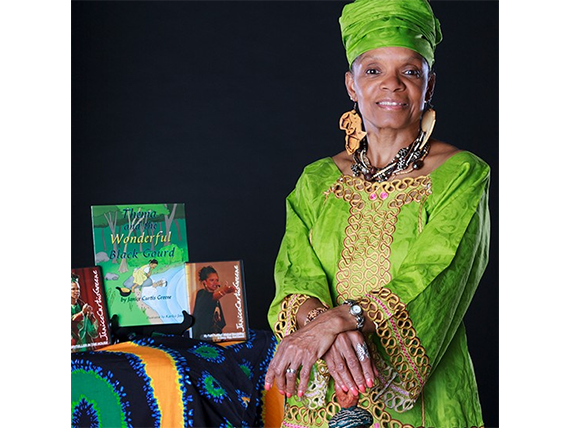
Griots are the traditional historians, storytellers, praise singers, and poets in West African cultures. Griots originated in the 1200s in Mali, West Africa. They have preserved many countries' stories, traditions, and beliefs through music and storytelling for over 900 years. Because they served royalty and nobility, they are seen as leaders and believed to have deep spiritual connections.
Note: this should probably be 800 years, if it originated in the 1200s
The knowledge to become a griot is passed down through family generations, and children begin training at a young age. They practice listening and memorizing the stories of their elders and building instruments. After years of training and learning hundreds of songs, they get their own instrument.
Griots play on traditional instruments such as the kora, a long-necked instrument with 21 strings, as well as the xalam or the ngoni which have fewer strings.
Watch the following video clip of a modern griot from Guinea named Sibo Bangoura performing a traditional West African song about the importance of the Griot people using the kora.
Brainstorm
Post-viewing
What elements are used in the storytelling? Record your thinking in a notebook or using another method of your choice. If possible, share you thinking with a partner.
When you are done, press the Possible Answers button to check your understanding.
The elements or music, voice, and traditional instrument (the kora) are used to tell the story.
Hoop dancing
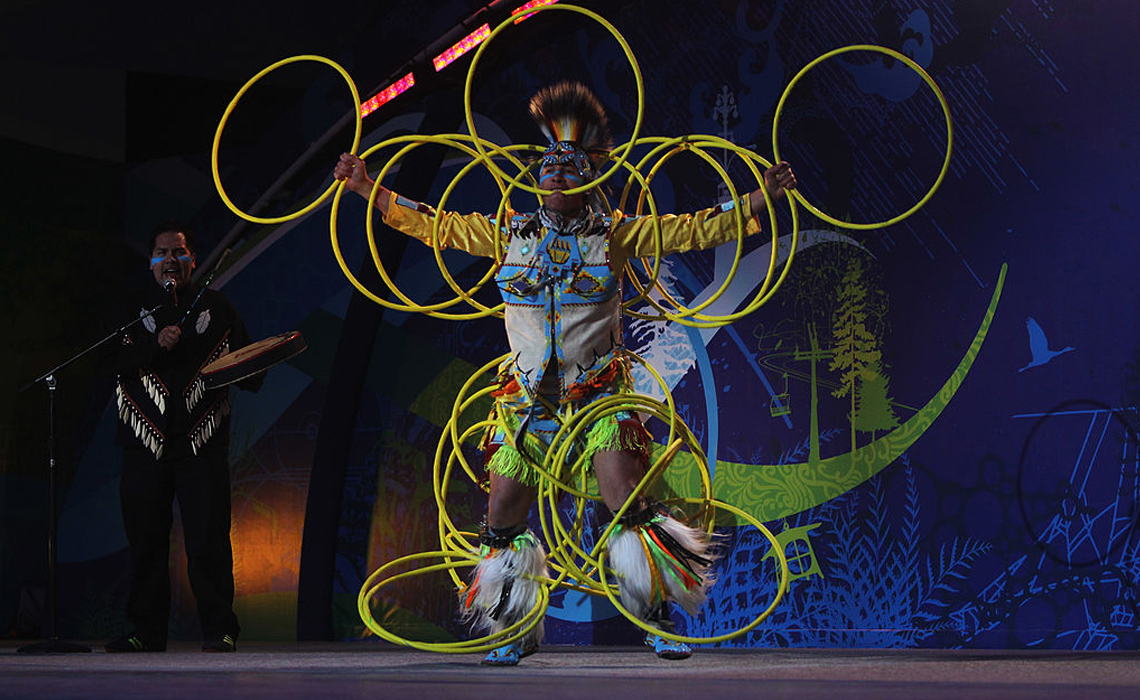
Hoop dancing is an Indigenous form of storytelling that has been passed down through generations of different First Nations people across North America.
Check out the following clip from the show Raven’s Quest where Emily, a 12-year-old Mohawk girl of Kahnawá:ke, shares a performance of traditional hoop dancing.
Take a minute now to complete your summary of each of the five different examples of traditional storytelling. In your summaries, don’t forget to include examples of the cultural elements included in each form of traditional storytelling.
Did summarizing the information on the different traditional storytelling examples help you better understand what you read? How did it help? What other strategy did you use to help you understand the content?
Vocabulary routine
Match each of the examples of cultural storytelling with the geographical location that they originated from.
Techniques in storytelling
When telling stories, prepositions are words that help us show place and time.
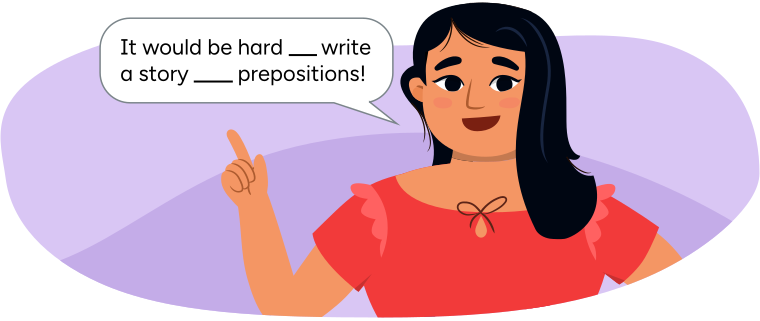
Explore the following list of some common English prepositions.
| across | about | above |
| below | by | down |
| in | on | inside |
| over | under | through |
| around | from | of |
| off | onto | to |
For more examples of common prepositions press the Examples button.
| after | before | along |
| up | during | for |
| out | into | near |
| until | with | without |
| outside | at | beneath |
| past | away | beside |
In a notebook, or using another method of your choice, use some of the prepositions to complete the story that follows. Before you begin, there are a few guidelines:
- You may use a preposition more than once.
- There are more prepositions than you need.
- There may be more than one correct option for some of the blanks.
One day, we went (Blank) the provincial park (Blank) a picnic. We brought our dog Freddy (Blank) us. We never go (Blank) him. He would be so upset if we left him (Blank) home!
(Blank) we parked the car, we gathered our picnic basket and clipped the leash (Blank) Freddy’s collar. He was jumping (Blank) and (Blank), he was so excited!
We walked (Blank) the lake and stopped (Blank) the bridge where we could look (Blank) the fish and ducks. We also saw some Canada geese waddling (Blank)(Blank) the lake (Blank) the grass.
We walked (Blank) the trails (Blank) we felt thirsty and tired. We sat (Blank)(Blank) a tree in the shade and enjoyed our lunch (Blank) home.
When we finished eating, we packed our picnic basket and put our trash (Blank) the garbage can. We headed (Blank) the car tired and happy.
When you are finished, press the Sample Answer button to check your understanding with some possible answers.
One day, we went to the provincial park for a picnic. We brought our dog Freddy with us. We never go without him. He would be so upset if we left him at home!
After we parked the car, we gathered our picnic basket and clipped the leash to Freddy’s collar. He was jumping up and down he was so excited!
We walked to the lake and stopped at the bridge where we could look at the fish and ducks. We also saw some geese waddling from the lake to the grass.
We walked along the trails until we felt thirsty and tired. We sat under a tree in the shade and enjoyed our lunch from home.
When we finished eating, we packed our picnic basket and put our trash in the garbage can. We headed to the car tired and happy.
Your turn!
In a notebook or using another method of your choice, write a few lines of the beginning of an original story. Identify the prepositions that you included in your work. Consider completing this task by writing it in cursive to practice your cursive writing skills!

Putting it all together
In this learning activity, you have explored five different storytelling traditions from around the world.
Which storytelling traditions would you like to learn more about?
Select one of the storytelling traditions we explored throughout this learning activity and one of the following options.
Research the following information about your selected storytelling tradition:
- What is the history of this storytelling tradition?
- What are the cultural elements featured in this storytelling tradition?
- Why might this storytelling tradition be important to the community or culture?
- Do you have a storytelling tradition in your own culture or community?
- If so, do you know the history of the storytelling tradition? Explore the history of your storytelling tradition.
- Identify which cultural elements are featured in your storytelling tradition.
- Why is this storytelling tradition important to your cultural community?
Share your learning by presenting it orally either in front of an audience, by creating a recording, or using another method of your choice.
Reflect on your learning
Reflect on the following questions:
- What were some of your key learnings about storytelling traditions around the world?
- What are some of the main similarities and differences you noticed in storytelling traditions explored in this learning activity?
- Why would storytelling be an important part of a culture or community?
Record your thinking in a notebook or using another method of your choice.
Reflection
As you read through these descriptions, which sentence best describes how you are feeling about your understanding of this learning activity? Press the button that is beside this sentence.

I feel...
Now, record your ideas using a voice recorder, speech-to-text, or writing tool.