Learning goals
We are learning to…
- evaluate and explain rights and responsibilities when interacting online with appropriate permission, and make decisions that contribute positively to the development of digital identity and that of the community
- communicate and collaborate with various communities in a safe, respectful, responsible, and inclusive manner when using online platforms and environments, including digital and media tools, and demonstrate and model cultural awareness with members of the community
- explain how the ideas expressed in texts connect to knowledges and lived experiences, the ideas in other texts, and the world
- produce and publish final texts, selecting a variety of suitable techniques and tools, including digital design and production tools, to achieve the intended effect
Success criteria
I am able to…
- explore texts and videos about digital identity and communicating online, responding to reflection questions
- make connections between the content explored and my own life, the world, and other texts
- create and publish and digital design about maintaining a positive digital identity and communicating online with respect, inclusivity, and responsibility
- create a short presentation about maintaining a positive digital identity, practicing for fluency
Your digital identity
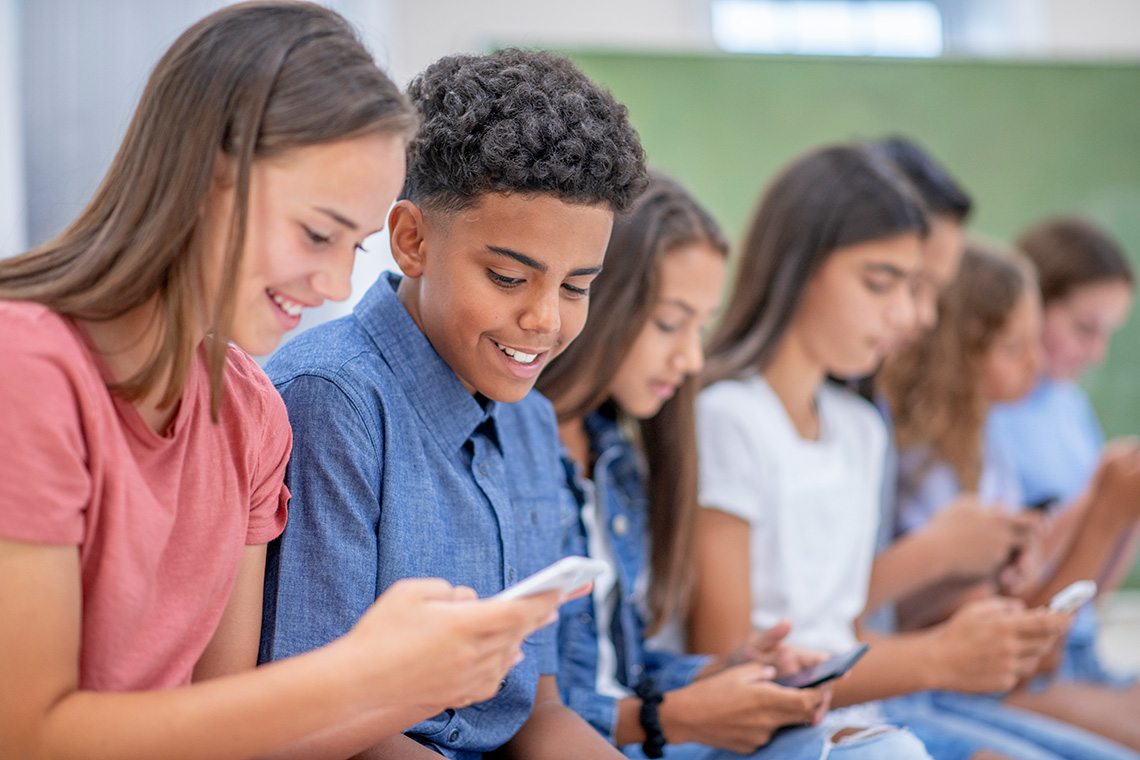
Consider the various ways that you interact online. In a method of your choice, brainstorm the following:
- Record any words, images, ideas, or concepts that you associate with the words ‘digital identity’.
- How might digital identities can impact personal, academic, and professional lives?
- How you can manage and protect your digital identity? Consider aspects of security, privacy, and the implications of certain content.
Digital identity and online communication
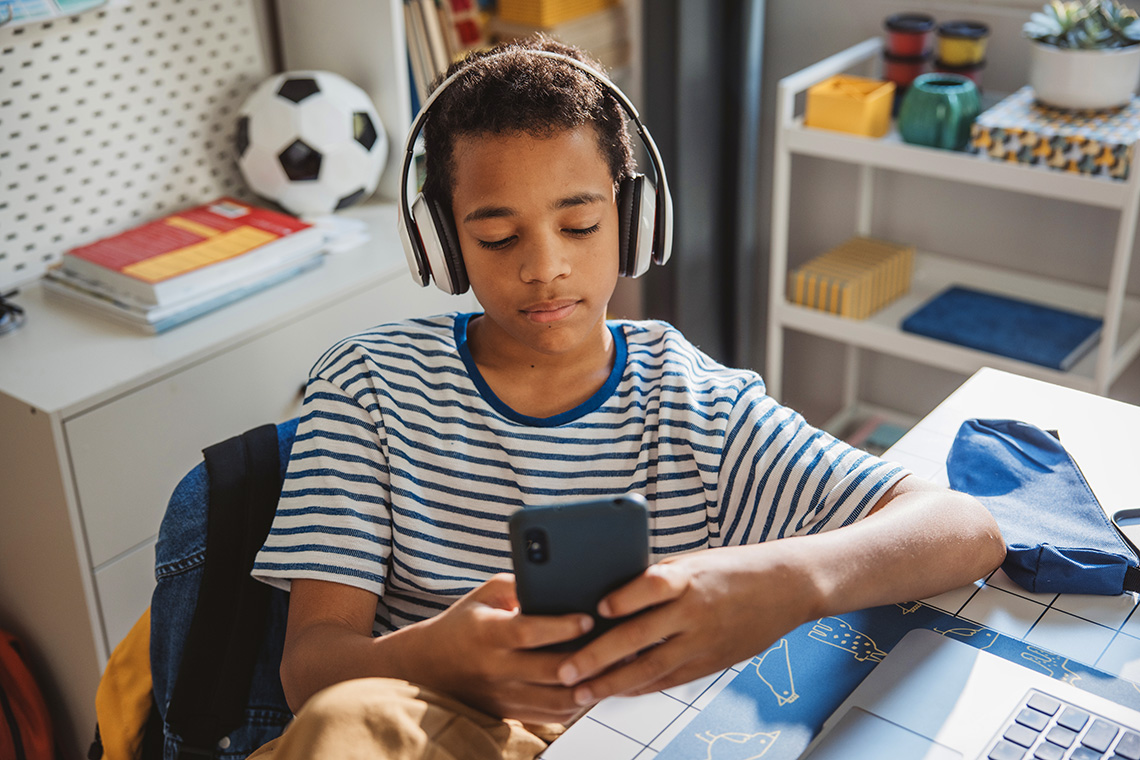
In today’s digital age, we spend a large part of our lives online. For students, this means navigating social media, online communities, and messaging platforms as part of daily life. In addition to the excitement of sharing, connecting, and exploring online, it is important to remember the importance of building a positive digital identity.
So, what is your digital identity? Explore the following video clip to learn more.
Your digital identity reflects who you are in the digital world. Your digital identity includes:
- every post you share
- comments you make
- all interactions you have
One of the most important principles of creating a positive digital identity is to think before you post. In the fast-paced world of social media, it can be tempting to share every thought, photo, or update without considering the consequences. Taking a moment to pause and reflect on what you’re about to post will help you to avoid potential unwanted posts and contribute to your positive digital identity.
Some moments are best kept private. Is there such thing as oversharing? Explore the following video clip to learn more.
Explore some ways to protect your digital identity in the following images.

Respect for others is essential in the digital world. Just as you expect to be treated with kindness and respect in person, the same applies online. Remember, that behind every screen is a real person with feelings, and your words and actions can have a profound impact.
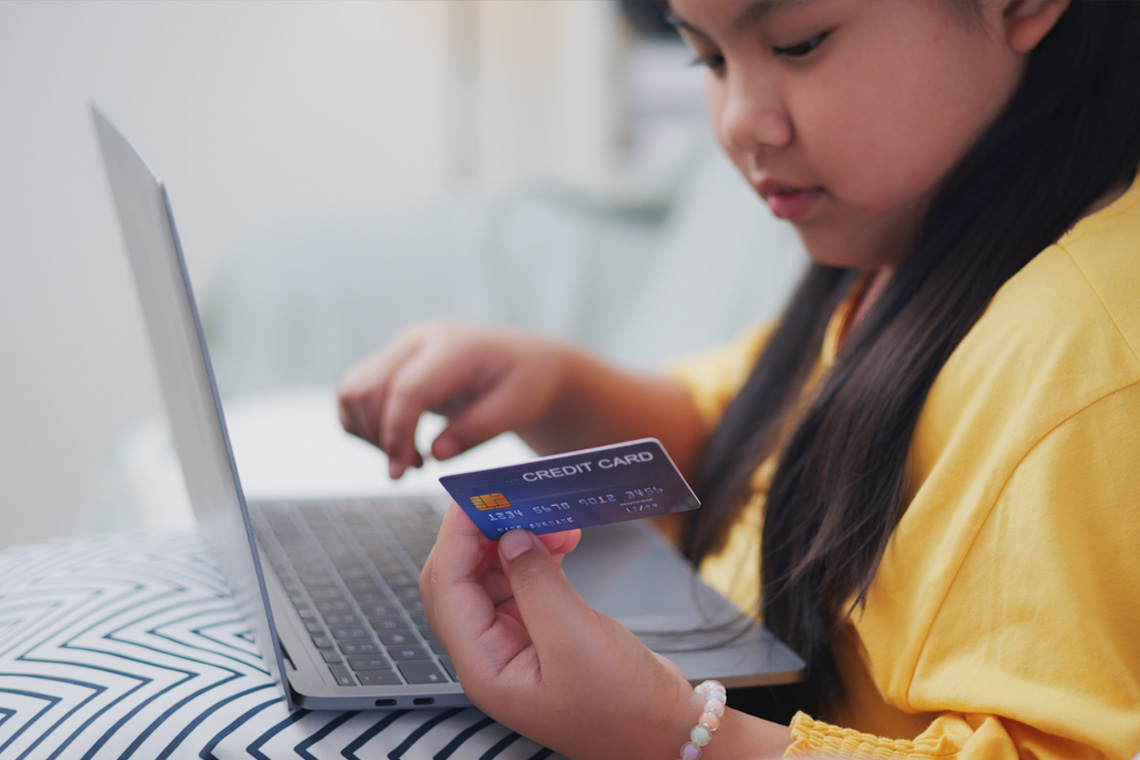
It is also important to protect your privacy. Be cautious about the personal information you share online and use privacy settings to control who can see your posts and profile. Be selective about accepting friend requests or connections from people you don’t know.

While social media can be a powerful tool for connecting with others and sharing your experiences, it is important to use it responsibly. Set boundaries for how much time you spend online and be mindful of the content you consume and share.

Pause and Reflect
Pause and reflect
- What type of information should you avoid posting online?
- What is oversharing and how can it impact your digital identity?
Record your ideas in a method of your choice.
Building a positive digital identity takes time, effort, and mindfulness. By following these principles and embracing the digital world responsibly, you can create an online presence that reflects the best of who you are and contributes positively to the digital community.
Online communication
Online platforms are communication tools. Whether it’s connecting with friends, participating in online forums, or engaging with like-minded individuals, the digital world offers endless opportunities for collaboration and communication. However, we also have a responsibility to ensure our interactions are conducted in a safe, respectful, and inclusive manner. How can you do this?
Let’s explore the following infographic about online communication.
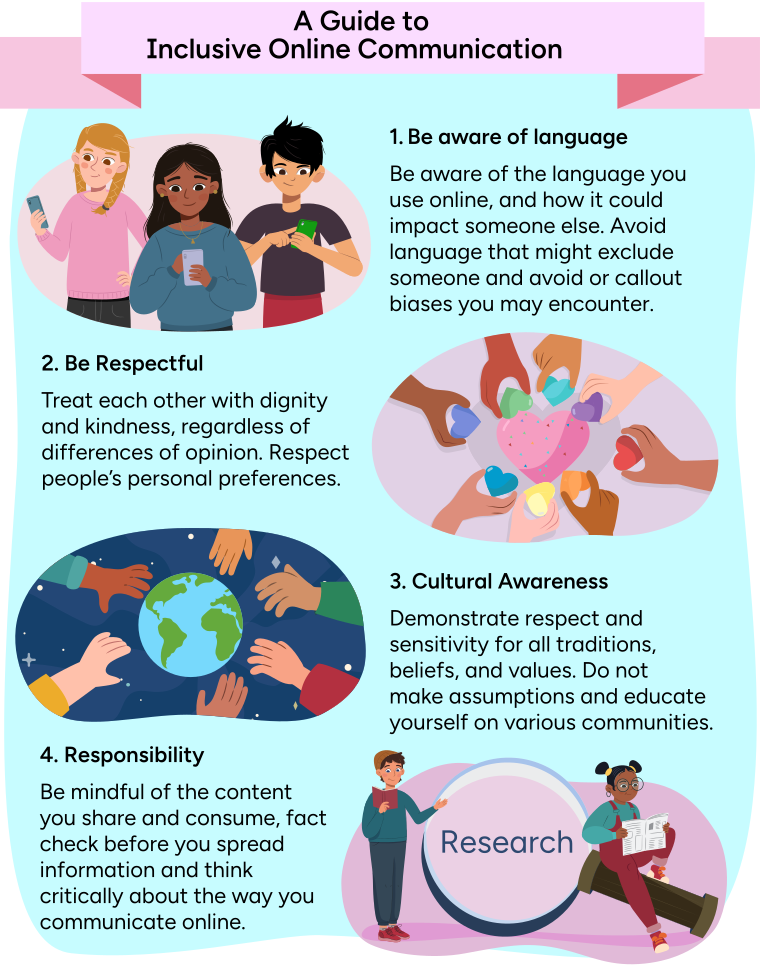
A Guide to Inclusive Online Communication infographic.
- Be aware of language. Be aware of the language you use online, and how it could impact someone else. Avoid language that might exclude someone and avoid or callout bias you may encounter.
- Be Respectful. Treat each other with dignity and kindness, regardless of differences of opinion. Respect people's personal preferences.
- Cultural Awareness. Demonstrate respect and sensitivity for all traditions, beliefs, and values. Do not make assumptions and education yourself on various communities.
- Responsibility. Be mindful of the content you share and consume, fact check before you spread information and think critically about the way you communicate online.
By building safe, respectful, responsible, and inclusive online communities, we can inspire positive digital interactions and promote a culture of collaboration and cooperation.
Check your understanding of what you’ve learned so far by responding to the following multiple-choice questions.
Select the correct answer, then press Check Answer to see how you did.
Now that you have a better understanding of how to create a positive digital identity and communicate online in an inclusive and respectful manner, your task is to explore the case study below. Once you have finished exploring the case study, in a method of your choice, answer the following questions.
- What issues in the case study might contribute to a negative digital identity?
- What can Rowan do to help solve these problems and contribute to a positive digital identity for themself?
- What advice would you give Rowan and Ellis about collaborating and communicating online?
Rowan is a 14-year-old student who enjoys spending time online, whether it’s chatting with friends, sharing photos on social media, or exploring their favourite websites. Rowan is an active participant in gaming forums and art blogs. Recently, Rowan has been considering starting their own YouTube channel to provide art tips to followers.
One day, while browsing through social media, Rowan came across a post form a classmate, Ellis, that they found to be hurtful and offensive. Ellis had shared a meme that made claims about a particular cultural group that made Rowan feel uncomfortable. Rowan wasn’t sure at first what to do and considered ignoring the post, confronting Ellis, or reporting the post to the social media platform.
While Rowan was debating this, another friend invited them to a join a group chat with other classmates to discuss the upcoming school project. Excited to work with their fellow classmates, Rowan eagerly joined the conversation. However, as the discussion progressed, Rowan noticed that some members of the group were being a little judgmental about their ideas and making unkind comments about their appearance. Feeling hurt and frustrated, Rowan left the group chat and wondered how they could address this situation without causing conflict.
As Rowan navigated these online interactions, they reflected on the importance of maintaining a positive digital identity and communicating in a safe and respectful manner. They understand all online actions have consequences and they have a responsibility to be kind, compassionate, and inclusive.
What should Rowan do?
Take a moment to complete the questions for the case study in a method of your choice.
Press Answers button to learn more.
- Two issues arose throughout the case study. First, an inappropriate comment about a cultural group was made by Ellis. Second, a group chat existed in which unkind things were being said to/ about one particular individual. Both of these issues can contribute to the negative digital footprint for both the person who is posting and sharing, and those who like or comment or engage in the conversation.
- With the first issue, Rowan should do two of the things they were debating. First, report it to the social media platform as it is inappropriate content that makes several people uncomfortable. Then, Rowan could reach out to Ellis privately and express concerns about the post and perhaps even educate Ellis on why this post is offensive.
- Rowan should not simply ignore the post and move on. With the second issue, Rowan should take a stand against the disrespectful behaviour by addressing the negative comments and reminding their peers about the importance of respect when collaborating online. They can remind them that online environments should be safe, respectful, responsible, and inclusive.
Making connections
One effective reading strategy is making connections. When exploring a text, you can make connections to other texts, your personal experiences, and the world around you. Making connections can enhance your understanding of a text.
Press the following tabs to learn more about the three types of connections.
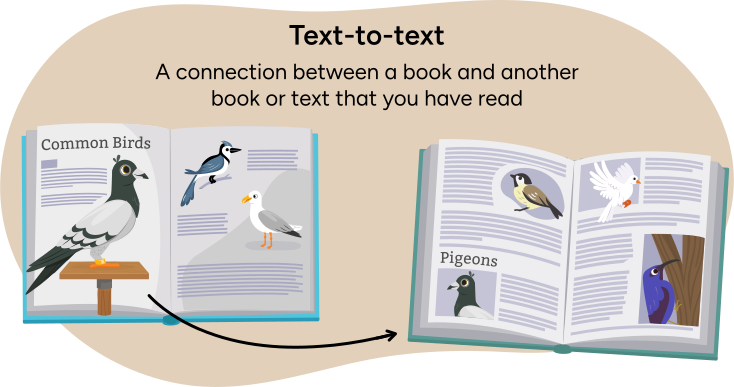
This is a connection between the text you are reading and another text or story that you have read before.
You might consider the following questions when making text-to-text connections:
- What does this remind you of in another text you have read?
- How is this text similar to or different from other things you have read?
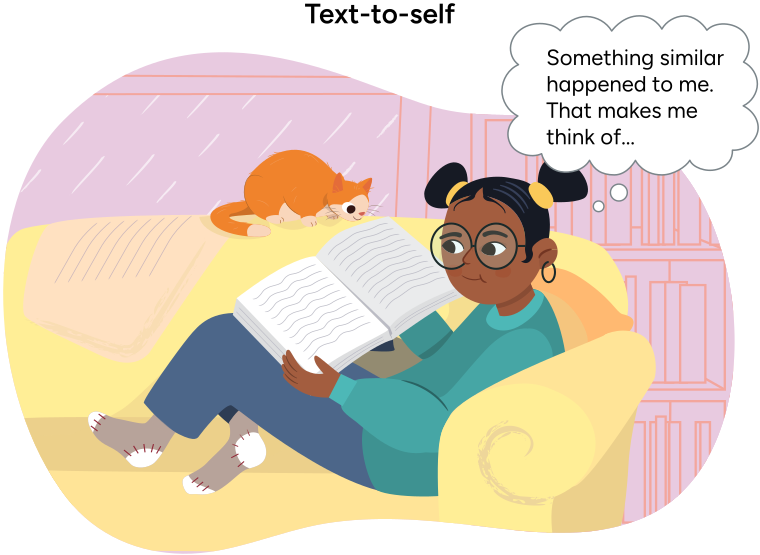
This is a connection between a text and something that you have experienced in your own life.
You might consider the following questions when making text-to-self connections:
- What does this text remind you of?
- Can you relate to the character or content?
- Does anything in this text remind you of anything in your own life?
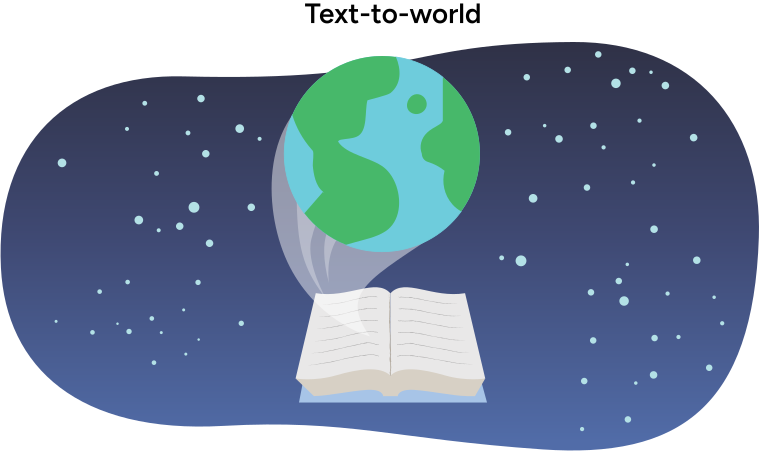
This is a connection between the text and something that is currently occurring, or has previously occurred, in the world.
You might consider the following questions when making text-to-world connections:
- What does this remind you of in the real world?
- How are events in this text similar to things that happen in the real world?
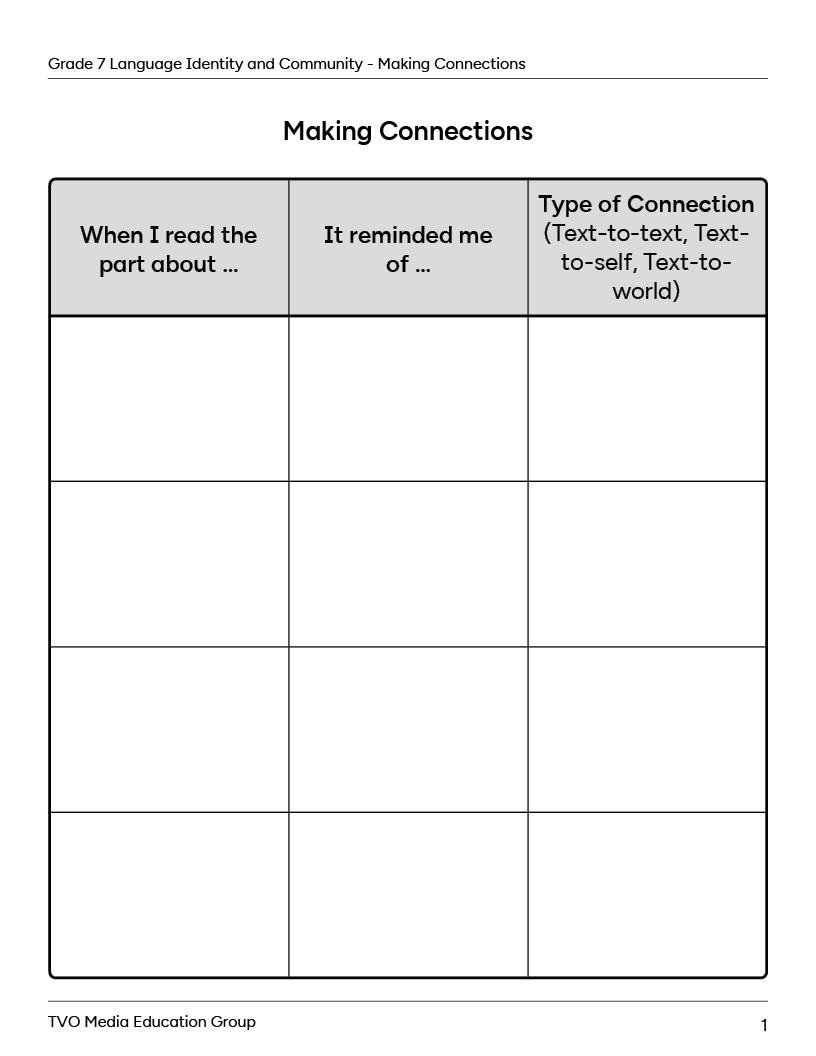
To record your connections, complete the fillable and printable Making Connections in your notebook or using the following document. If you would like, you can use speech-to-text or audio recording tools to record your thoughts.
Creating and publishing
Your task is to create and publish a digital text about digital identity and online communication. Before you begin planning, consider what type of digital text you want to create. Possibilities include:
- an infographic
- a website
- a blog post
- a digital poster
- a podcast
- something else of your choice
Once you’ve decided on the type of digital text, brainstorm and plan your design. Use the interactive checklist below to help you plan. You can record your ideas using the graphic organizer provided, or in another method of your choice.
Use the following checklist to review your completed digital text.
Digital text checklist
Press Hint button for suggestions for media elements you may wish to include in your digital text.
- images
- icons
- charts
- fonts
- videos
- audio
- animations
- interactive elements
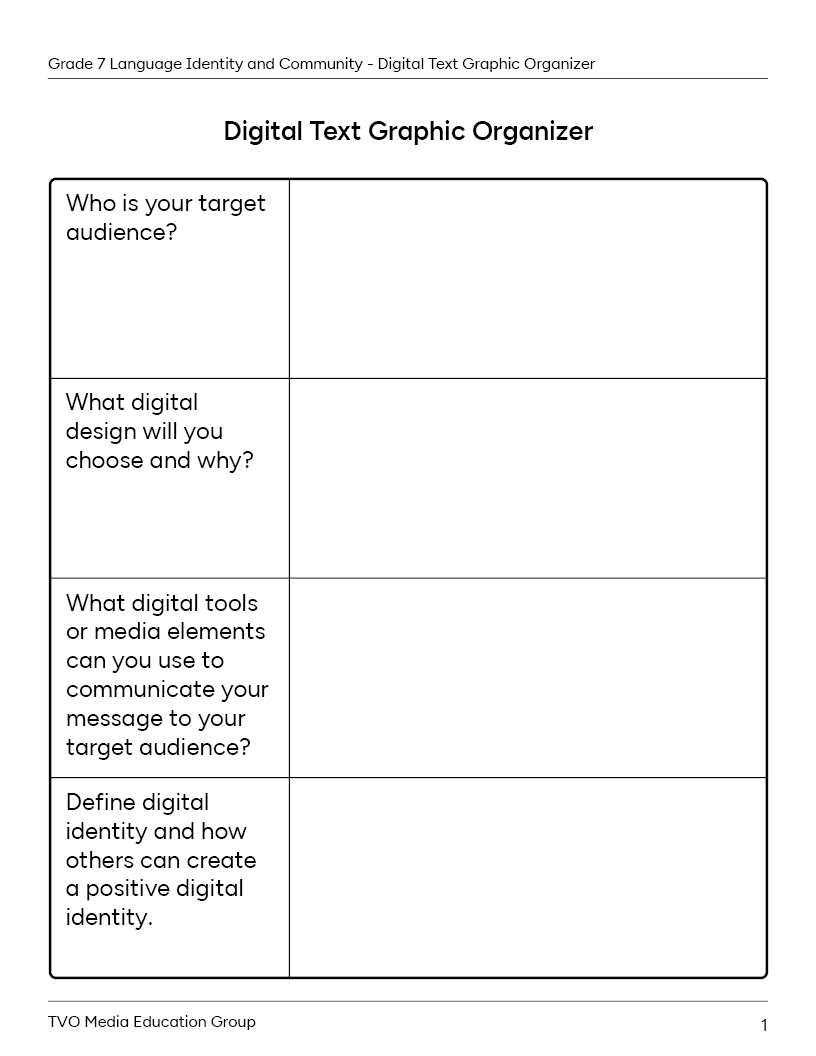
Complete the fillable and printable Digital Text Graphic Organizer in your notebook or using the following document. If you would like, you can use speech-to-text or audio recording tools to record your thoughts.

Social Emotional Learning
Social emotional
Great work! Take a break before continuing onto the next part.

Perfect verb tense
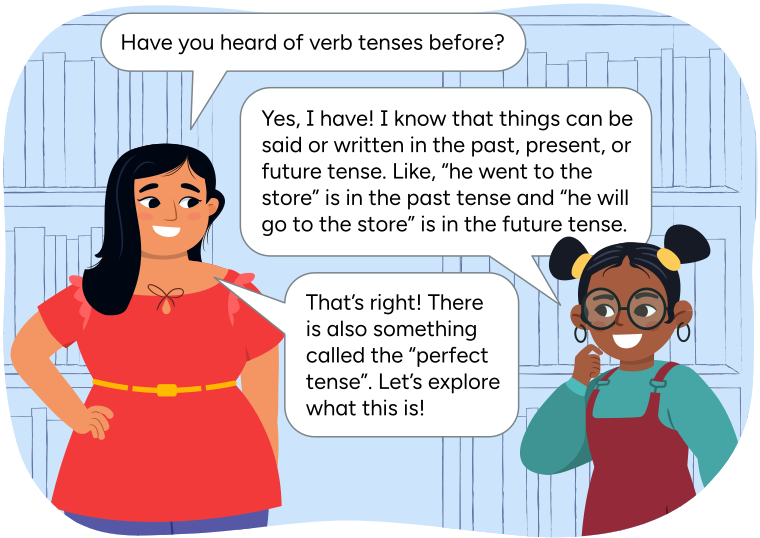
Teacher Chiara and learner Tiara talking
Teacher Chiara says: Have you heard of verb tenses before?
Tiara responds: Yes, I have! I know that things can be said or written in the past, present, or future tense. Like, "he went to the store" is in the past tense and "he will go to the store" is in the future tense.
Teacher Chiara replies: That's right! There is also something called the "perfect tense". Let's explore what this is!
To better understand perfect tense let’s first look at the verb “to be”. The verb “to be” had eight different forms. Explore this in the visual below.
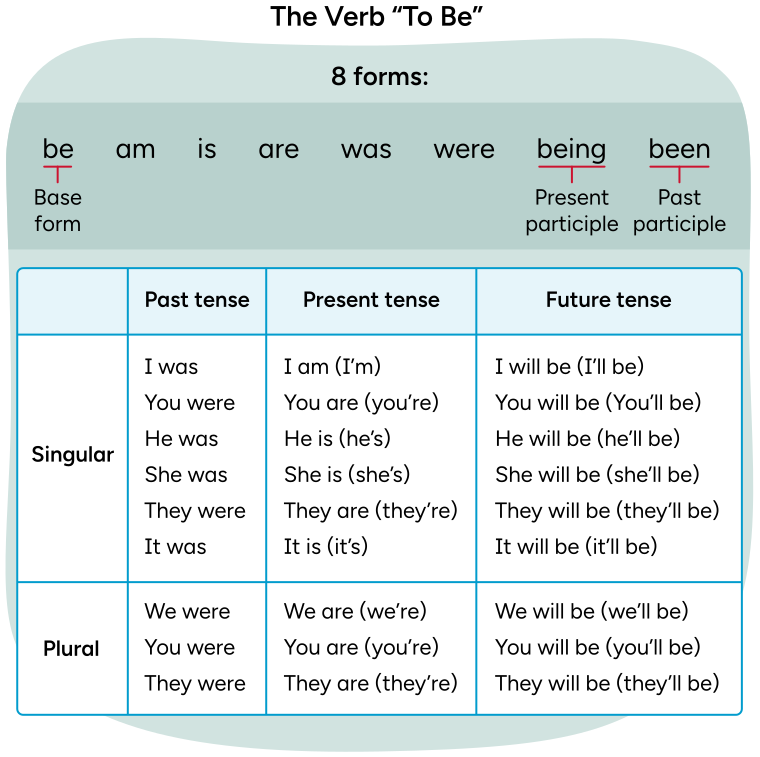
The forms and tenses of the verb "to be."
The eight forms of "to be" are: be, am, is, are, was, were, being, and been. The base form is "be," the present participle is "being," and the past participle is "been."
Examples of the singular past tense: I was, you were, he was, she was, they were, and it was.
Examples of the singular present tense: I am (I'm), you are (you're), he is (he's), she is (she's), they are (they're), and it is (it's).
Examples of the singular future tense: I will be (I'll be), you will be (you'll be), he will be (he'll be), she will be (she'll be), they will be (they'll be), and it will be (it'll be).
Examples of the plural past tense: we were, you were, and they were.
Examples of the plural present tense: we are (we're), you are (you're), and they are (they're).
Examples of the plural future tense: we will be (we'll be), you will be (you'll be), and they will be (they'll be).
Check out the following video to learn more about the verb “to be”.
Based on what you’ve learned so far, complete the following fill in the blanks. For each sentence, select the missing form of the verb, “to be” from the drop-down menu. Press Check Answer to see how you did.
Now that you have a better understanding the verb “to be”, let’s dive into perfect tense. Perfect tense is a category of verb tense used to describe completed actions. It covers all three tenses – past, present, and future – in the perfect tense.
Let’s explore some examples of perfect tenses in the flashcards below.
Explore the following sentences and identify which type of perfect tense they are. Select the correct answer, then press Check Answer to see how you did.
Let’s check!
Check your understanding of perfect tense by identifying the perfect tense in the sentences below and whether they are past, present, or future.
- By the time she graduates, she will have built an online profile of her work that could help open up future opportunities.
- Before she started her current job, she had built a strong digital identity that showcased her professional skills and accomplishments.
- Over the years, he has maintained a positive digital identity by regularly updating his professional profiles and engaging respectfully in social media.
Press Answers button to check your answers.
will have established (future perfect tense)
had built (past perfect tense)
has maintained (present perfect tense)
Putting it all together
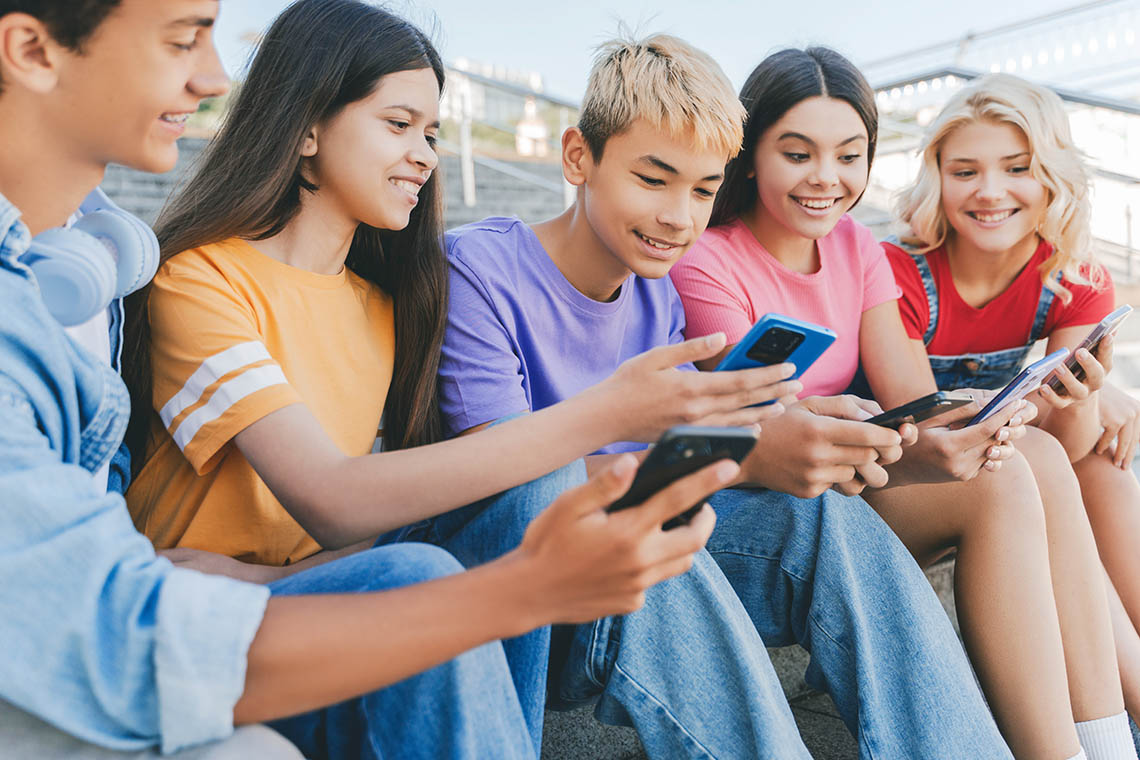
Begin by responding to the following reflection questions in a method of your choice.
- What does digital identity mean to you? How would you describe your own digital identity?
- How do you think your digital actions (what you post, comment, like, share) affect how others view you?
- Why is it important for you to think before you post something online?
- What does it mean to be responsible, respectful, and inclusive in online communities? Can you give a few examples of this type of behaviour online?
Oral presentation
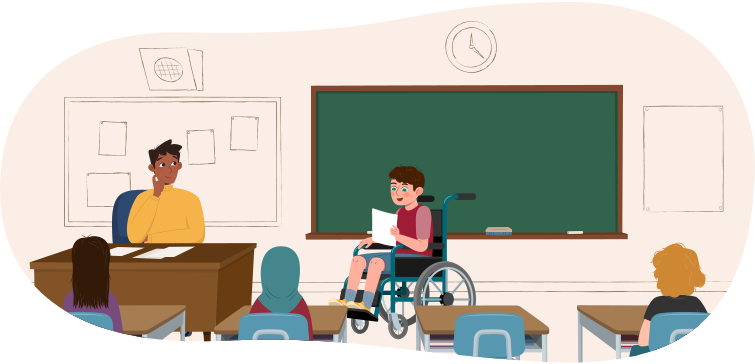
You will be making a short oral presentation about the importance of maintaining a positive digital identity that could be shared with students in your grade and the grade below you.
Prepare a short oral presentation, then practice it several times, focusing on your oral reading fluency.

Fluency
Fluency is the ability to identify words correctly and read a text at an appropriate rate with ease, pace, automaticity, and expression. With proper phrasing and a focus on punctuation the reader will gain more meaning from the text.
Use the checklist provided to self-assess your own fluency. If possible, share your poem with someone else and ask them to provide feedback on your fluency.
Fluency checklist
Based on the checklist, choose one area of fluency to focus on and set a goal for yourself. What strategies could you use to help you achieve this goal?
Reflection
As you read the following descriptions, select the one that best describes your current understanding of the learning in this activity. Press the corresponding button once you have made your choice.

I feel...
Now, expand on your ideas by recording your thoughts using a voice recorder, speech-to-text, or writing tool.
When you review your notes on this learning activity later, reflect on whether you would select a different description based on your further review of the material in this learning activity.