Learning goals
We are learning to…
- identify how critical thinking skills help us to communicate, and learn how to apply them when reading, listening to, viewing, and creating texts
- apply our critical thinking skills in everyday life
- identify different purposes for exploring texts, including enjoyment or finding information
- analyze simple texts by identifying and ordering important information and events
- identify the topic, purpose, and audience for a text we plan to create
- sort and sequence ideas and information
Success criteria
I am able to…
- explore facts about Arctic animals and then use these facts to figure out what is real or not real
- use the facts about Arctic animals and/or facts about another animal of my choice to create my own real or not real drawing

Real or not real?
Explore the following image.
Is it a real seal or a toy seal?
Take a guess and share your reasons with a partner, if possible.
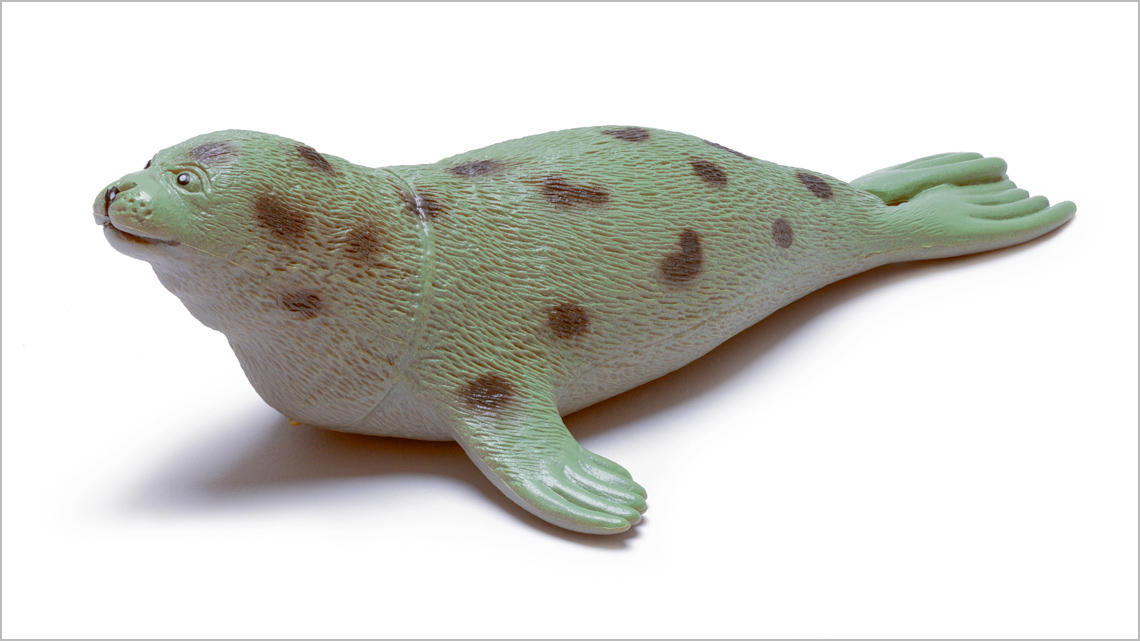

How do you know?
The image is of a toy harp seal!
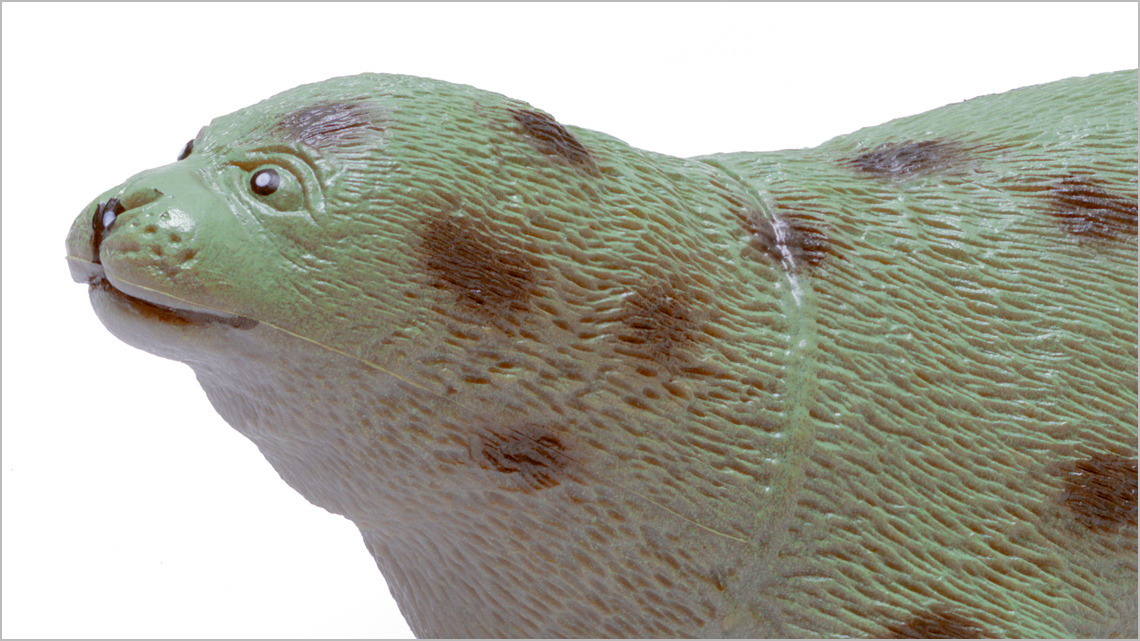
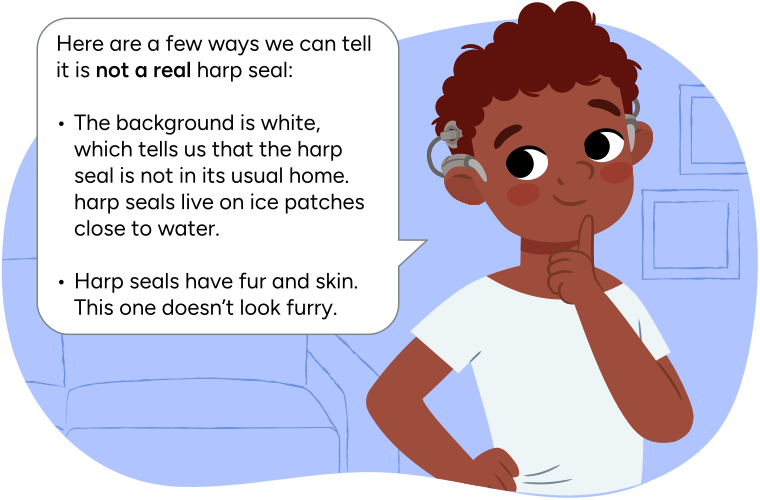
Marcel says "Here are a few ways we can tell it is not a real Harp Seal"
- The background is white, which tells us that the harp seal is not in its usual home. Harp Seals live on ice patches close to water.
- Harp Seals have fur and skin. This one doesn't look furry.
When we compare the photo of the toy with a real photo of harp seals, what do you notice?
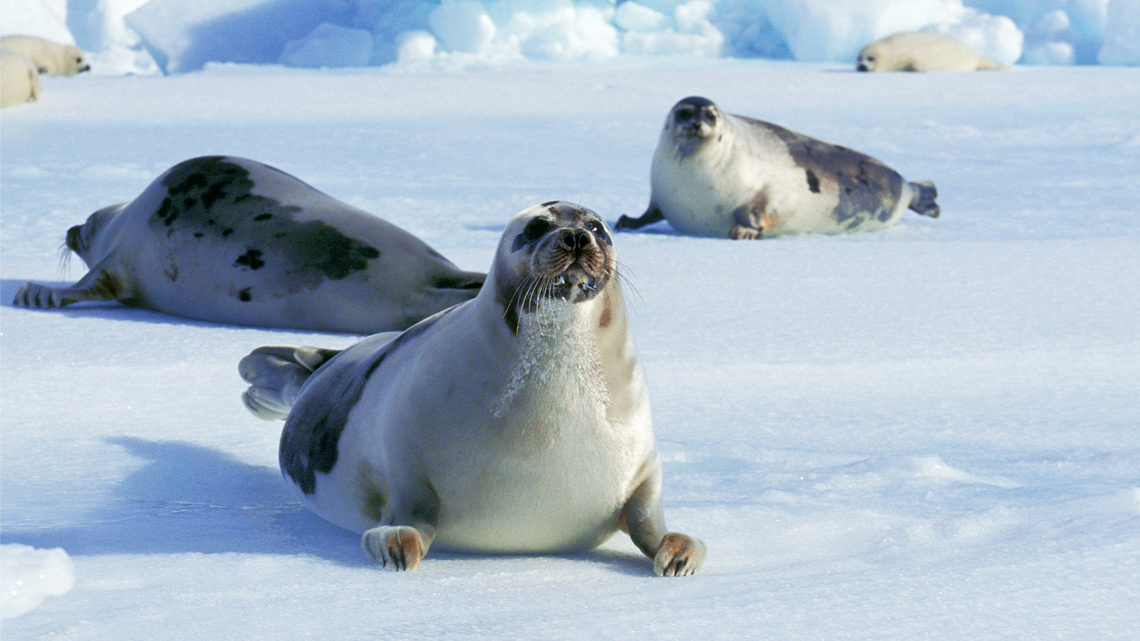
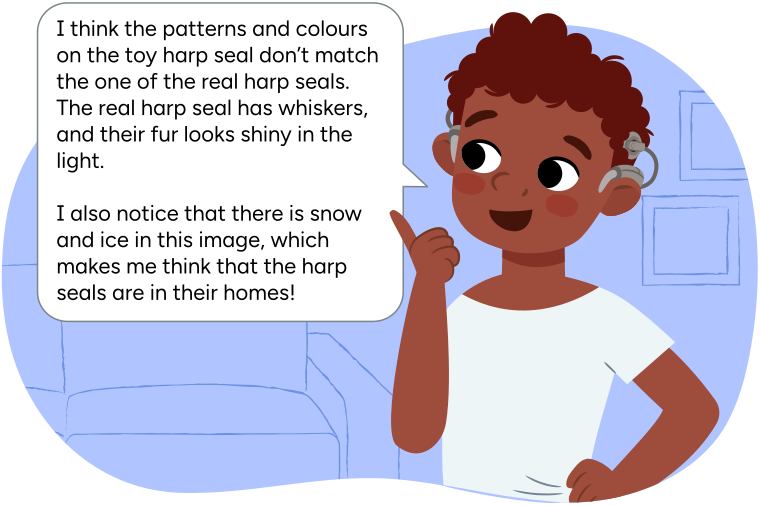
Marcel says: I think the patterns and colours on the toy harp seal don't match the one of the real harp seals. The real harp seal has whiskers, and their fur looks shiny in the light. I also notice that there is snow and ice in this image, which makes me think that the harp seals are in their homes!
Information detectives
It’s important to search for details because information is all around us.
- Some information is in books or in magazines.
- Some information is on the internet or on television.
- Some information is from trusted adults that we know.

Student Tips
Student tips
It’s important to always:
- think about where we are finding our information
- think about what we already know to be true
As you explore new information, ask yourself:
- Do I understand the information?
- Can I connect this information to anything that I have read, seen, or heard before?
- What are some other clues that help me figure out if this is real or not real?

Student Wellness
Student wellness
If you ever need help understanding what you find online, you can always ask a grown-up you trust for some extra help!
Arctic animals
We can read for different reasons. Sometimes, we read for entertainment, to explore stories or to use our imagination. Other times, we might read to learn new information.
You are about to explore some more facts about Arctic animals.
A fact is something that has been proven to be true. These facts are observations made by scientists.
Harp seals
Let’s learn some facts about harp seals!
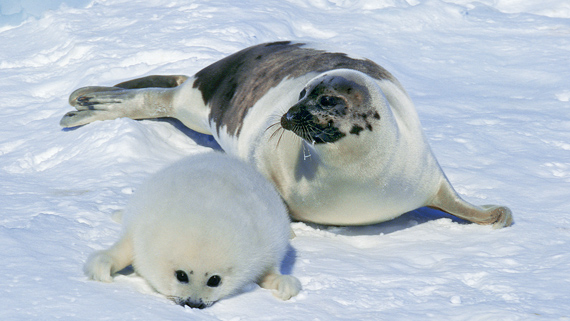
Harp seals live on ice patches close to water.
Adult harp seals can dive and stay underwater for 15 minutes before they come back up for air.
They eat fish, lobsters, crabs, and shrimp.
Harp seals have sharp teeth and strong flippers to help them swim.
Young seals have fluffy white fur. When they get older, they grow a dark mark on their back and sides, and their fur turns yellow and/or gray.
Harp seals can live up to 20 years.
Harp seals

Investigate
Harp seals: Real or not real?
Marcel says: Hmm, this picture looks interesting. Let's use what we have learned about Harp Seals to figure out if the picture shows us real facts about Harp Seals or not.
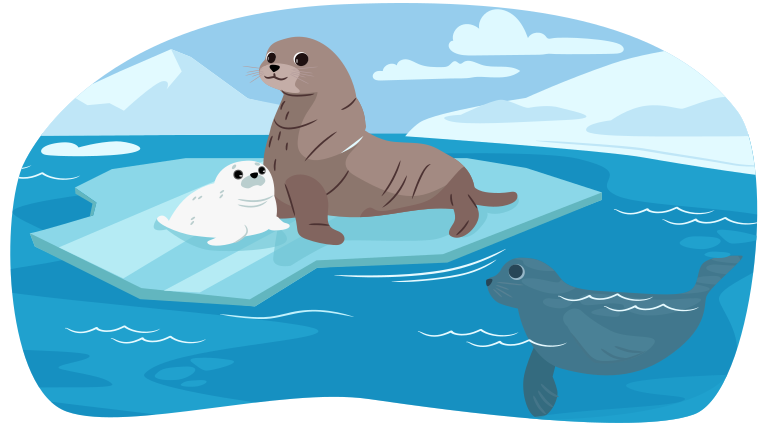
Press Reveal to find out if the picture is real or not real.
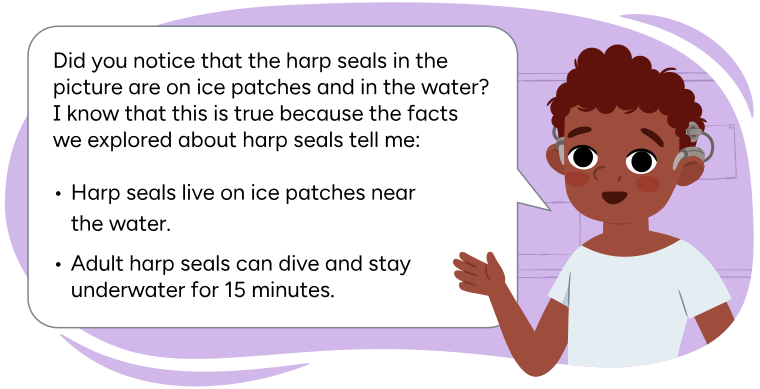
Listen to the following audio to find out if the picture is real or not real!
Harp seals: Is it real or not?
Snow buntings
Let’s learn some facts about snow buntings!
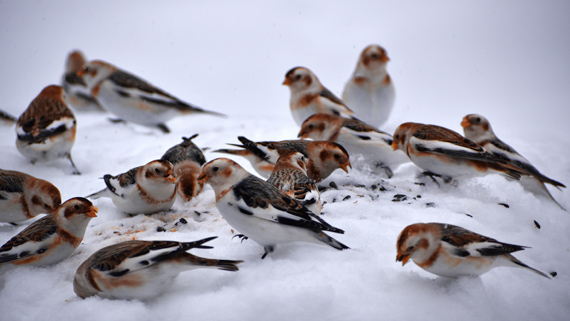
Snow buntings are a type of bird.
They build their nests in between rocks with grass and moss, fur, and feathers.
Their feathers change in the winter to white with some grey and black on their back and tail. This helps snow buntings hide in the snow and ice.
Snow buntings eat seeds and plant buds and insects on the ground.
Snow buntings
Investigate
Snow buntings: Real or not real?
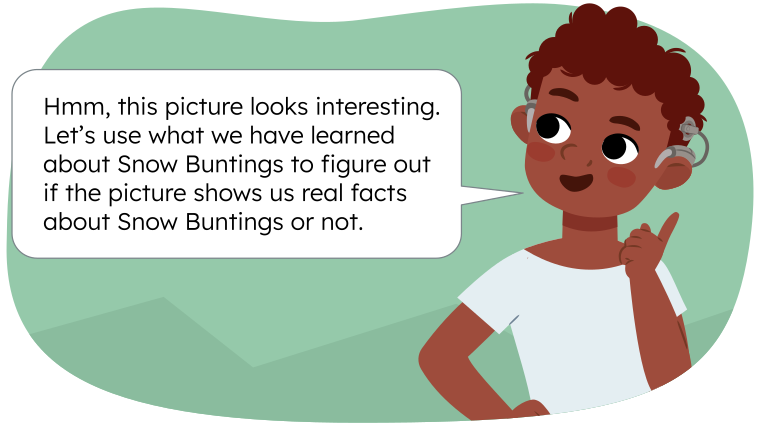
Marcel says: Hmm, this picture looks interesting. Let's use what we have learned about Snow Buntings to figure out if the picture shows us real facts about Snow Buntings or not.
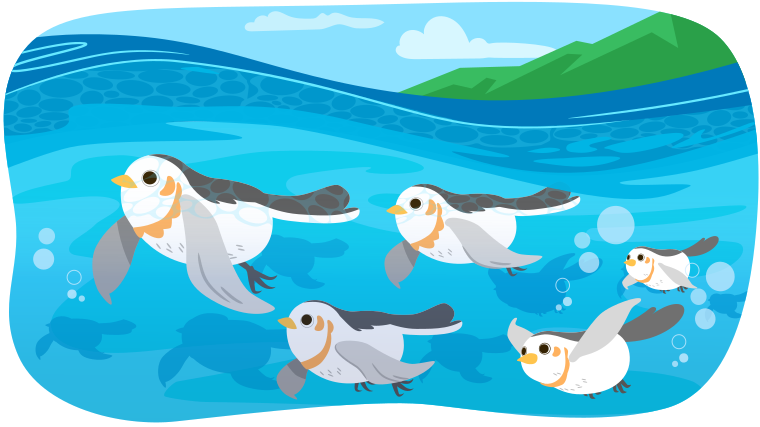
Press Reveal to find out if the picture is real or not real.
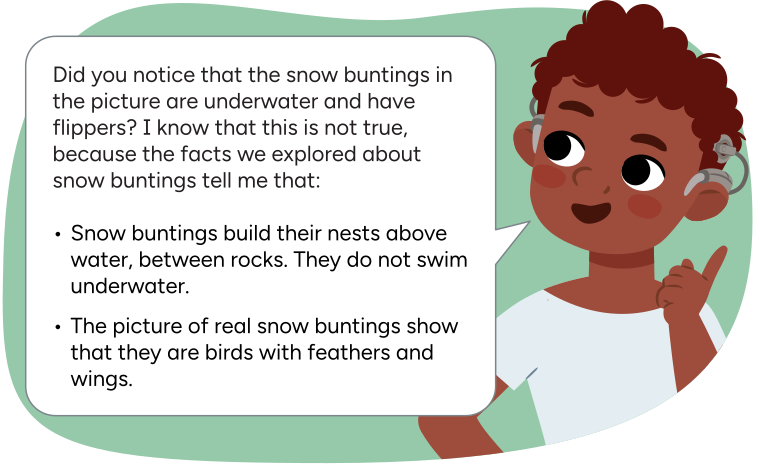
Listen to the following audio to find out if the picture is real or not real!
Snow bunting: Is it real or not?
Belugas
Let’s learn some facts about belugas!
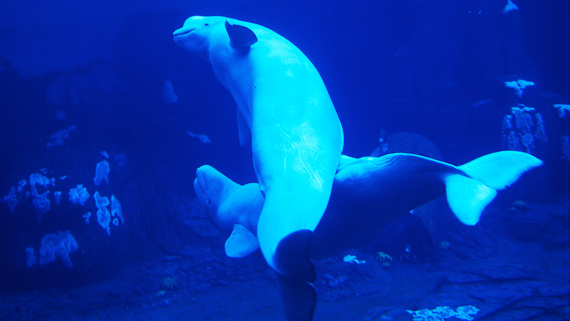
Belugas are one of the smallest kinds of whales.
Belugas live together in water and travel in small groups called “pods.”
Belugas speak to each other with clicks, whistles, and clangs. Belugas can also copy sounds that other animals make.
Belugas
Investigate
Belugas: Real or not real?
Marcel says: Hmm, this picture looks interesting. Let's use what we have learned about Belugas to figure out if the picture shows us real facts about Belugas or not.

Press Reveal to find out if the picture is real or not real.
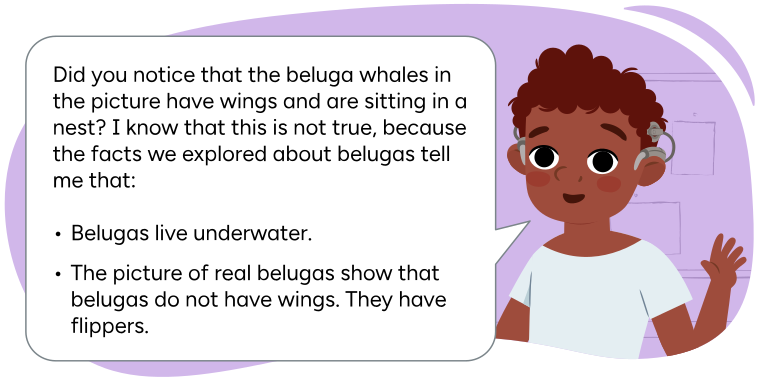
Listen to the following audio to find out if the picture is real or not real!
Beluga: Is it real or not?
Word work
Let’s explore some of the new words that we learned from the facts about Arctic animals!
Press the following play buttons to listen closely to each word. If possible, practice saying each word out loud.
Snow bunting
Beluga
Harp seal
Water
Nest
Feathers
Flippers

Create a real or not real picture
Choose one of the Arctic animals that we have learned about in the Action section. You may also choose another animal of your choice.
It’s your turn to create a picture that is real or not real!

Student Success
Think!
Before you begin, think about the following questions:
- Does the animal live in the water or on land?
- Does the animal live underground or up high?
- How would you describe the animal's home?
- What does the animal look like?
Press Reveal to see an example.
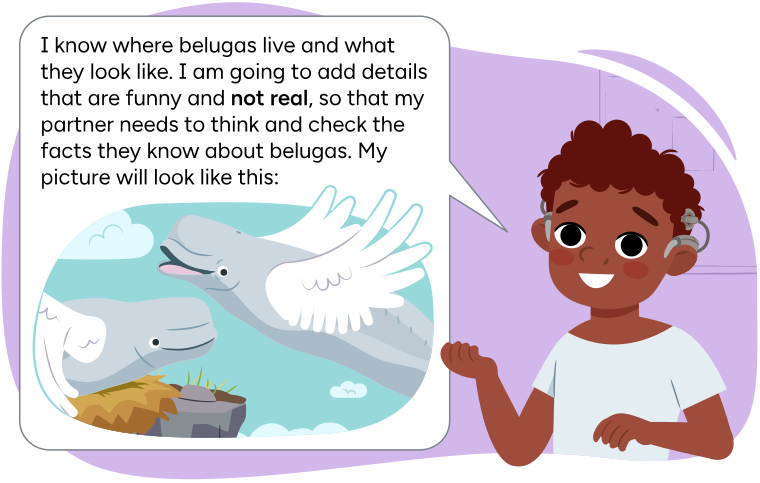
Marcel says: I know where belugas live and what they
look like. I am going to add details that are funny and not
real, so that my partner needs to think and check the facts
they know about belugas.
Marcel's picture is of a beluga with wings (no flippers)
flying in the air towards a nest atop a cliff. In the nest
is another beluga with wings instead of flippers.
Now, decide if you would like to include real details or not real details.
You may use the following template of different Arctic animal homes or create your own using a blank piece of paper.
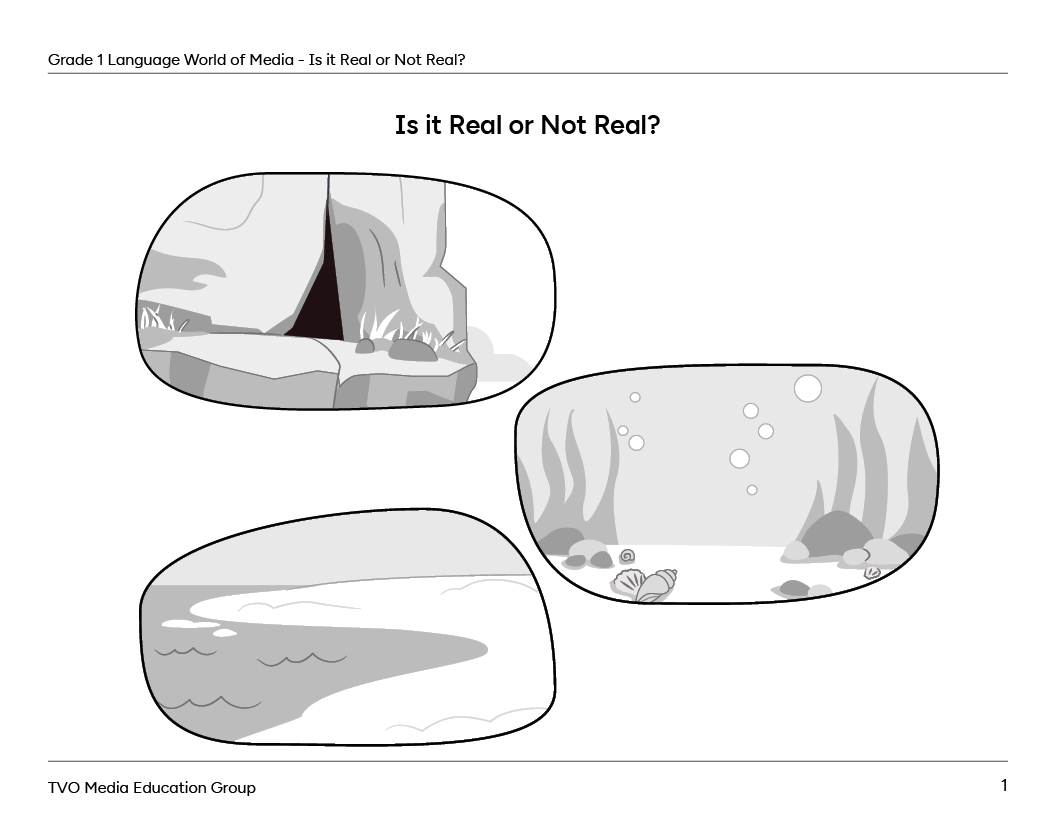
Where do they live?
Match the name of each animal to the image of where they live!
Reflection
How do you feel about what you have learned in this activity? Which of the next four sentences best matches how you are feeling about your learning? Press the button that is beside this sentence.

I feel...
Now, record your ideas about your feelings using a voice recorder, speech-to-text, or writing tool.