
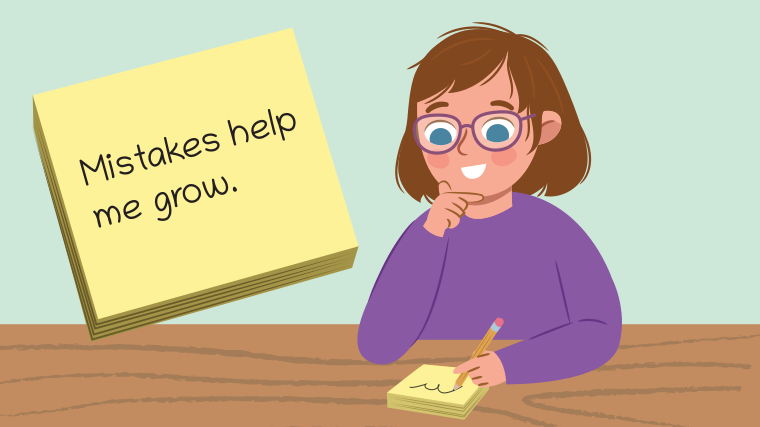
Mistakes help me grow.
Learning goals
We are learning to…
- apply our ideas on how to check in and take a break to our everyday lives
- identify specific ideas in texts and make self-to-text, self-to-world, and text-to-text connections
- share our thoughts and feelings about ideas in texts about differences, sense of belonging, and removing barriers
- identify the topic, purpose, and audience for texts we plan to create
- brainstorm using simple strategies and develop ideas about various topics using resources, our own learning, and our own experiences
Success criteria
I am able to…
- explore examples about how different people take breaks and identify the ways that I like to take a break
- reflect and record my favourite ways to take a break
How are you feeling?
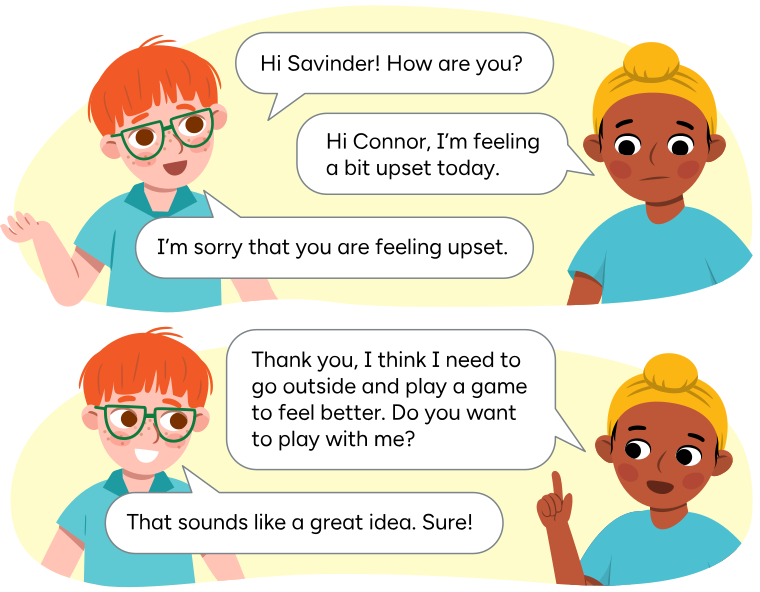
Connor and Savinder having a conversation:
Connor says: Hi Savinder! How are you?
Savinder responds: Hi Connor, I'm feeling a bit upset today.
Connor says: I'm sorry that you are feeling upset.
Savinder responds: Thank you, I think I need to go outside and play a game to
feel better. Do you want to play with me?
Connor says: That sounds like a great idea. Sure!
Savinder was feeling upset and figured out what would make him feel better. What kinds of other feelings or emotions can someone feel?
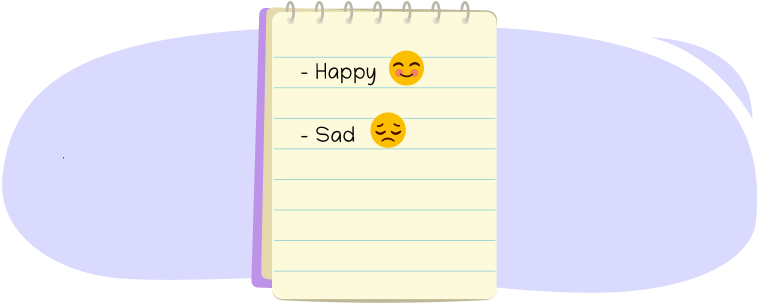
Brainstorm a list of feelings and emotions. You may use pictures and words.
Share your list with a partner, if possible.
Taking a break
Our emotions are one way that we respond to the people and the world around us.
Everyone wants to feel:
- good about themselves
- proud of what they can do
- supported and accepted
Sometimes, when we try new things or go through a new experience, we feel good and we do well. Other times, we may make mistakes or go through something difficult.
We may feel happy, excited, or joyful. Other times, we might feel angry, sad, or tired.
It’s important that we check in with ourselves and pay attention to the way we feel. Then, if we need to take a break, we can do it in many ways.
Let’s explore a few ways that people can choose to take a break.
Deep breathing
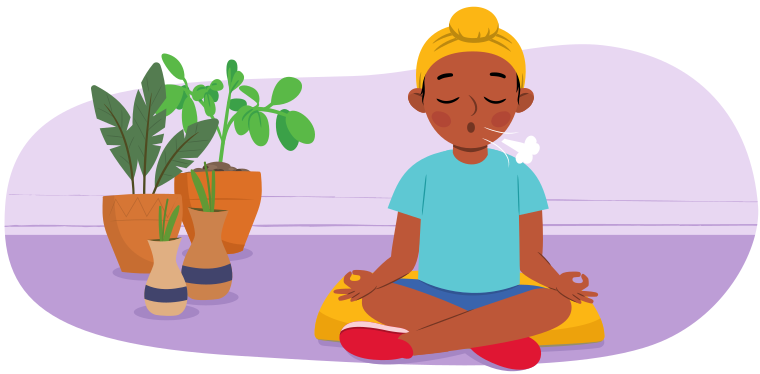
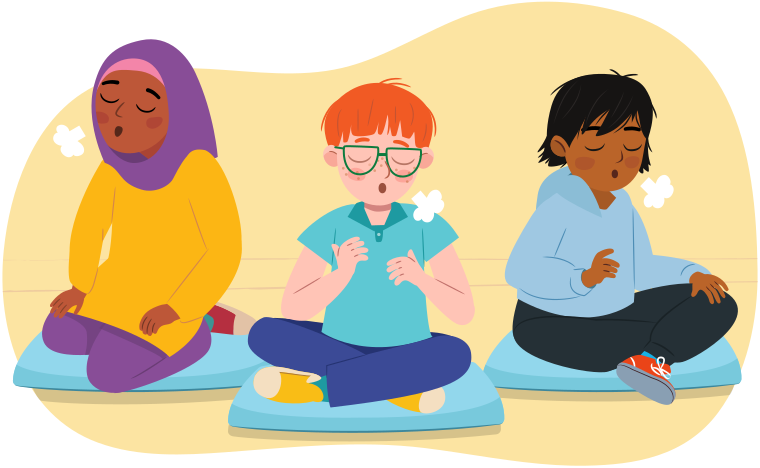
Deep breathing helps to calm down our body and mind. Let’s try some deep breathing together!

Student Wellness
Take a break!
Find a comfortable spot. Let’s try this deep breathing exercise!
Ready? Let’s go!
- Get in a comfortable position, whether it is lying down or sitting.
- Close your eyes.
- Slowly inhale through your nose.
- Hold your breath for a few seconds.
- Slowly exhale through your mouth.
- Repeat the breathing for 5 breaths.
Listen to the following audio to guide you.
Deep breathing
Move
One way to help us figure out how we are feeling is to move.
Moving the body helps move the blood to all the important areas of the body including the brain. It also helps us to release our feelings from our body.
Press the following tabs to explore different exercises. Choose 3 and try them yourself!
Student Wellness
Safety reminder!
Be sure to check that there is enough space around you before you begin.
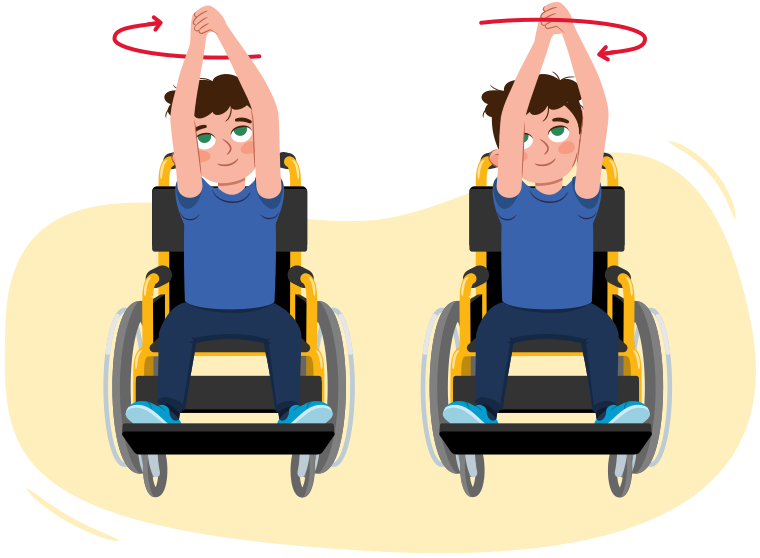
- Start by standing or sitting.
- March on the spot and raise your arms in the air.
- Slowly make circles going one way. Do this five times.
- Slowly make circles going the other way. Do this five times.
- Try and make different shapes
Circles in the sky
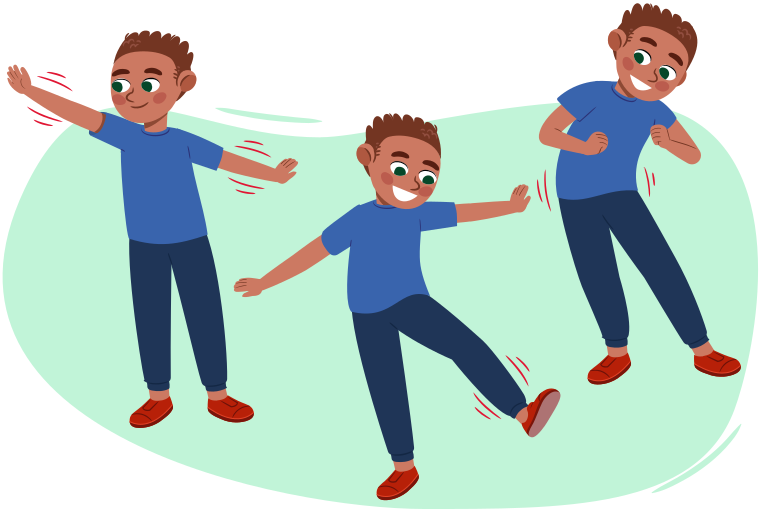
- Start by standing or sitting.
- Gently shake one arm, the other arm, then both.
- Shake one leg, the other leg, then both.
- Gently shake your head, hips, and whole body.
Body shake
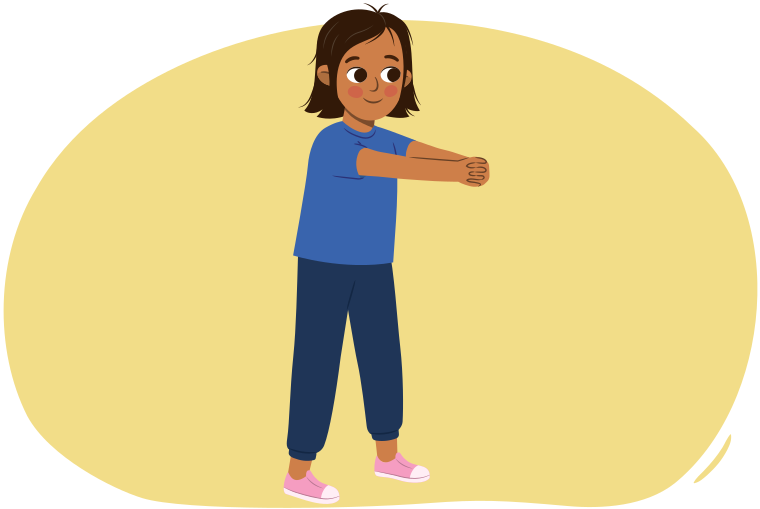
- Start by standing or sitting.
- Move your arms forward and hold your hands together. If you can, try and keep your thumbs down as you do this.
- Slowly try and move your body forward, but try not to move your feet.
- Hold this stretch and count to 10.
- Repeat this stretch one more time.
Back stretch
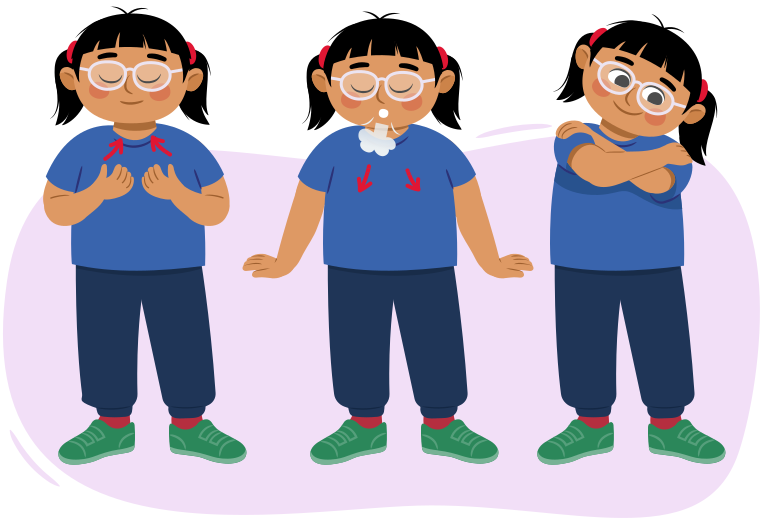
- Start by standing or sitting.
- Slowly take a deep breath and breathe through your nose.
- Breathe out through your mouth.
- Repeat this three times.
- Wrap your arms around your shoulders and give yourself a big hug.
Deep breaths and self hug
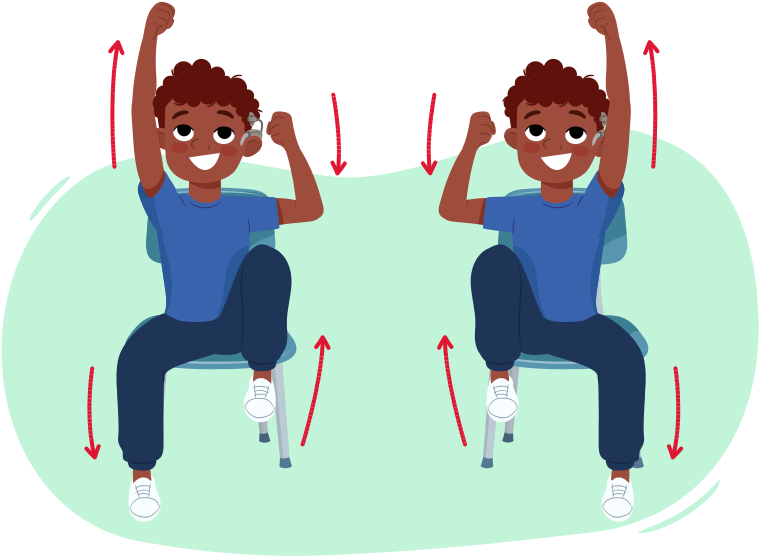
- Start by standing or sitting.
- Pretend to climb a tall ladder.
- Slowly move your arms and legs up and down as if you were climbing a ladder to the sky.
Climb the ladder
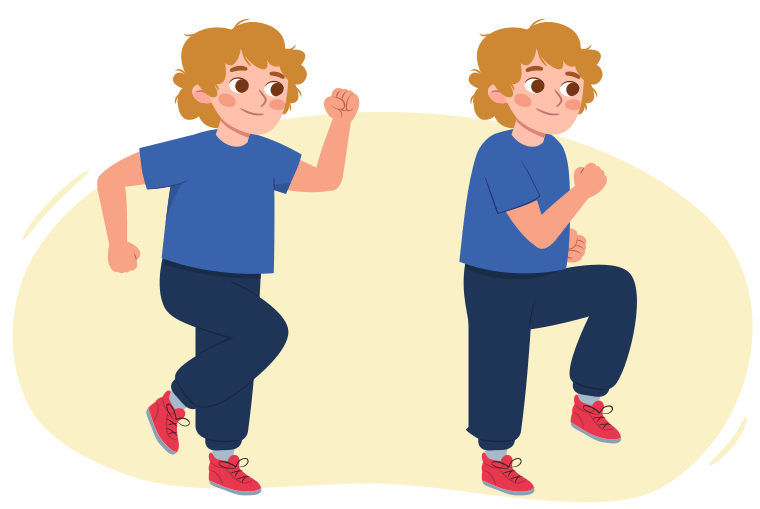
- Start by standing or sitting.
- Slowly move one of your elbows up at the same time you bring your knee up.
- Do the same on the other side and keep switching sides.
- Count to 15 then stop.
March in place
Imperative sentences
An imperative sentence gives a command that we can follow.
For example:
- Breathe out through your mouth.
- Take your arms and wrap them around your shoulders and give yourself a big hug.
Imperative or not imperative
Explore the following questions about imperative sentences!
Select the correct answer, then press Check Answer to see how you did.
Calming activity
Another way to take a break is to try a calming activity.
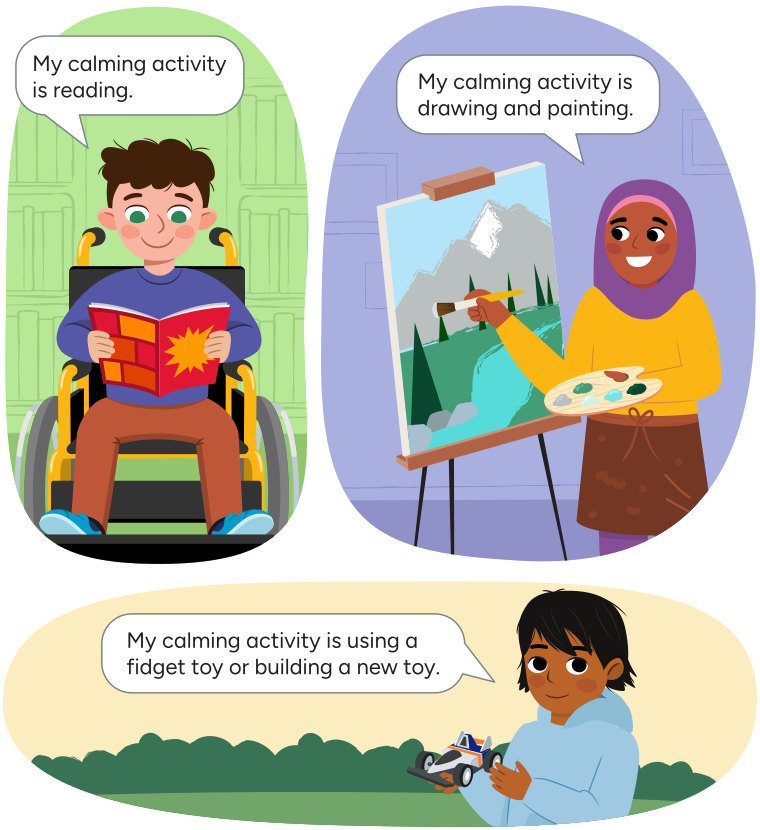
Hunter says: My calming activity is reading.
Esma says: My calming activity is drawing and painting.
Antonio says: My calming activity is using a fidget toy or building a
new toy.
What is your favourite calming activity?
Encouraging messages
One way to take a break and feel better if you are feeling sad or upset is to say some encouraging words and phrases out loud.
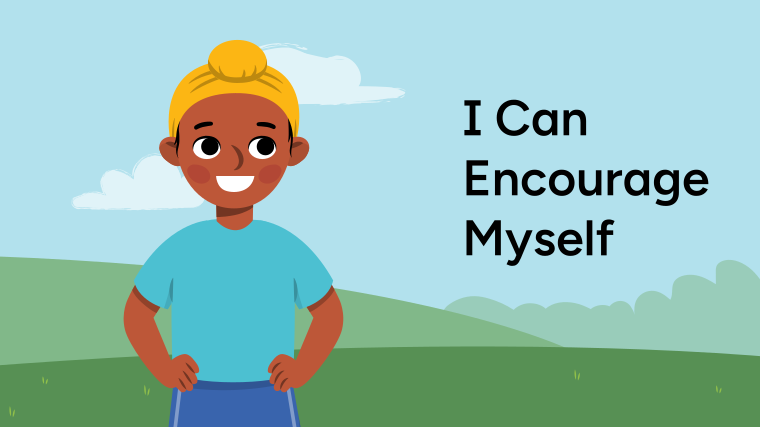
Check out the following short book I Can Encourage Myself to explore some encouraging messages!
Read I Can Encourage Myself by pressing the arrows to move between pages. You can press the play button to listen to the words on each page.
I Can Encourage Myself I Can Encourage Myself
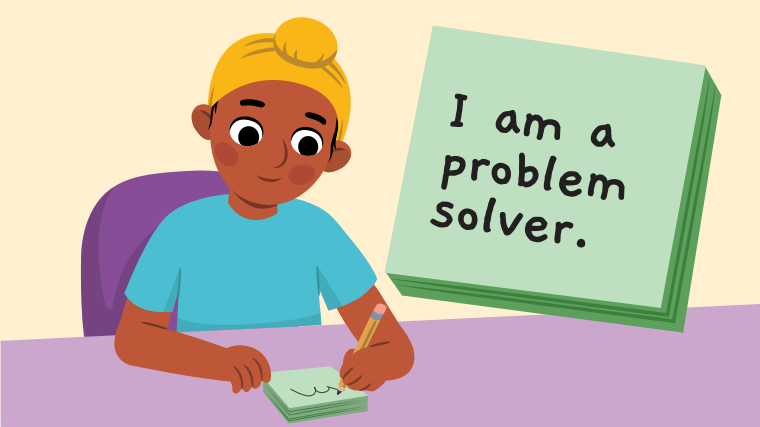
I am a problem solver.
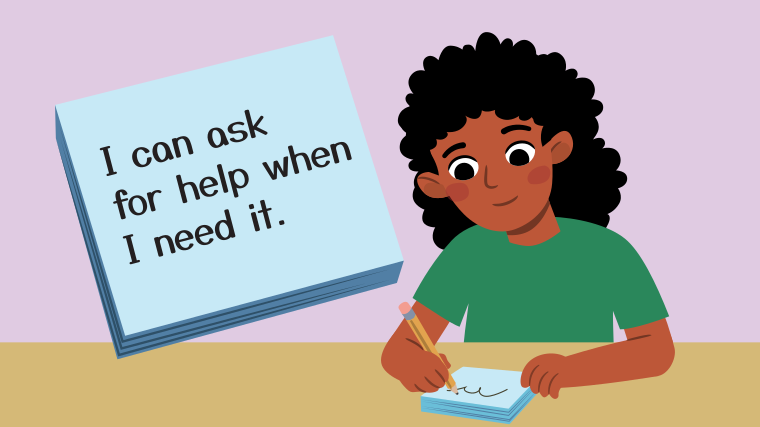
I can ask for help when I need it.
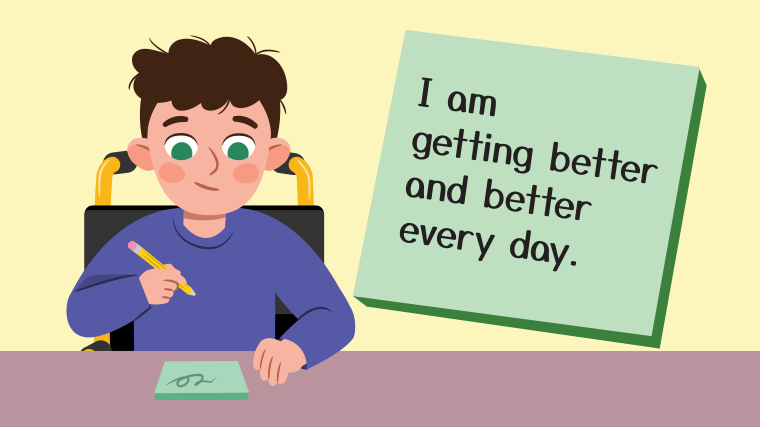
I am getting better and better every day.
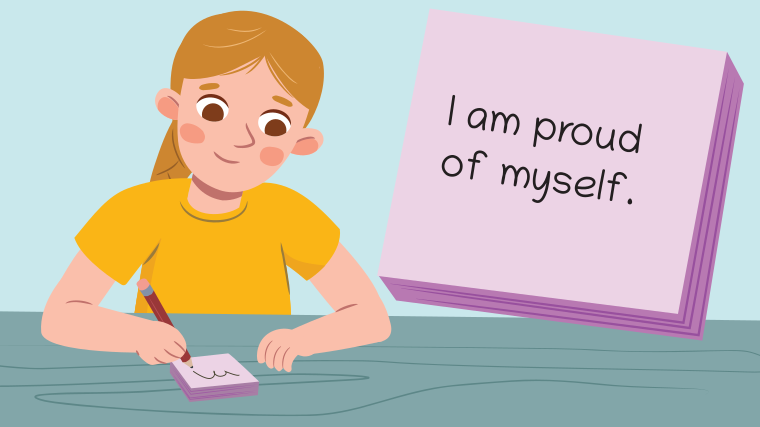
I am proud of myself.
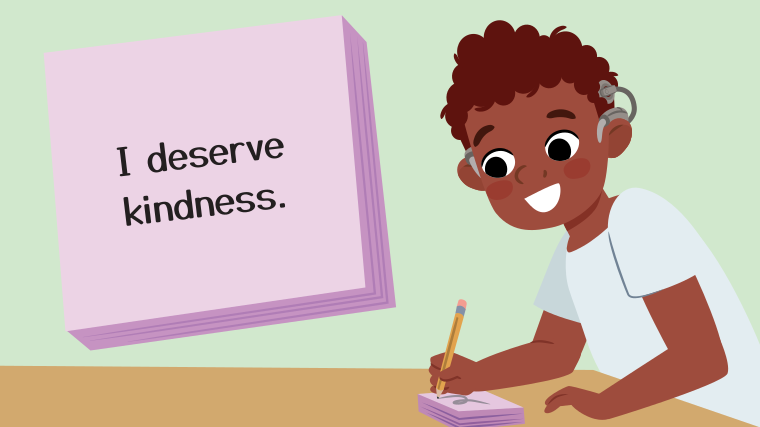
I deserve kindness.
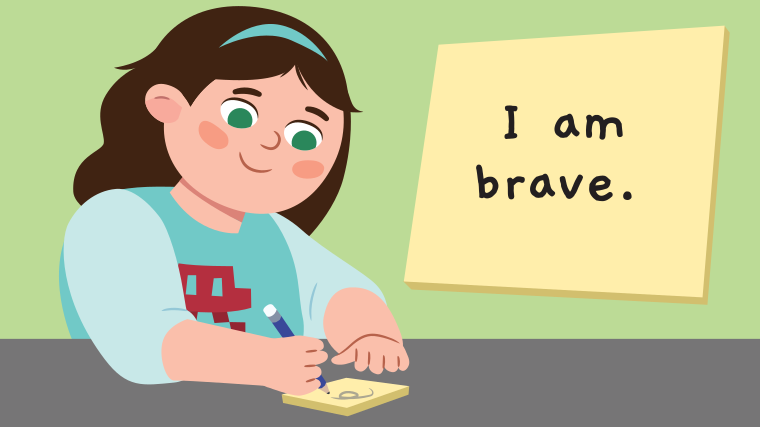
I am brave.
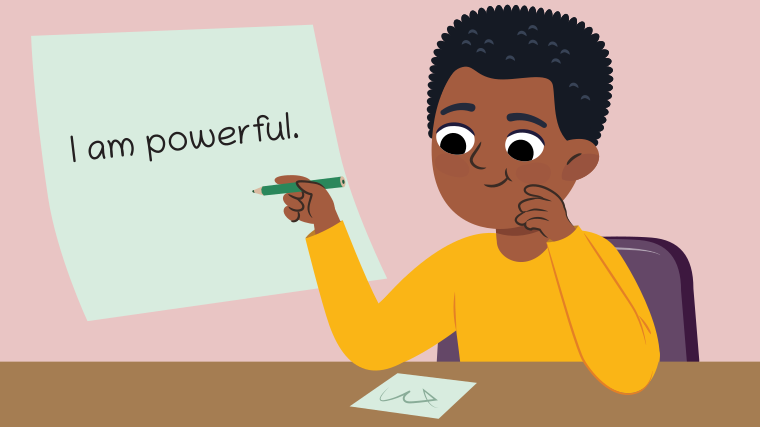
I am powerful.
Are there any encouraging words or sentences you would like to use?
Select 1–3 encouraging words or sentences and practice saying them out loud.
How do you feel after you’ve said the words or sentences? Share your thoughts with a partner, if possible.
Let’s practice printing!

Printing practice
Let’s practice printing out a few words.
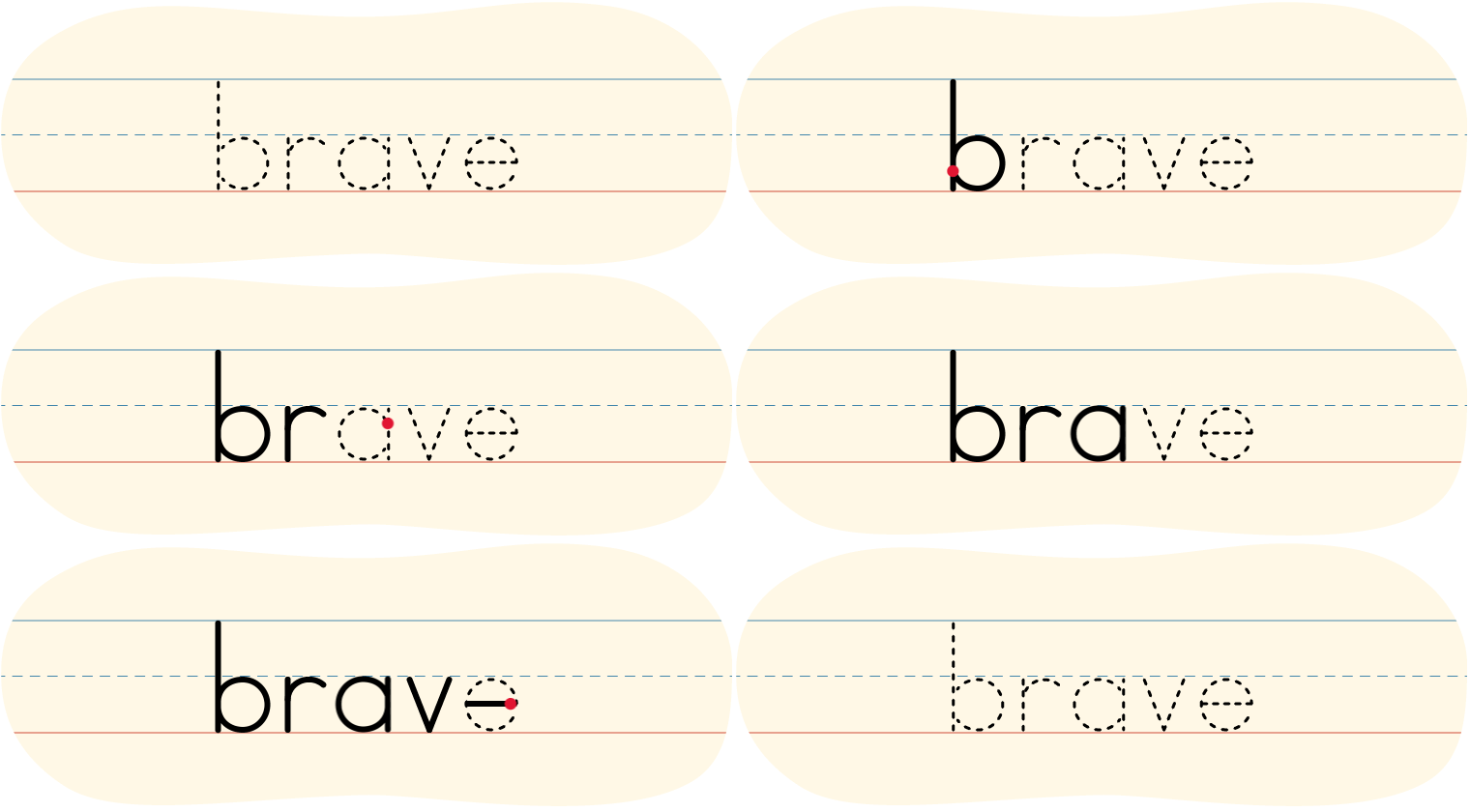
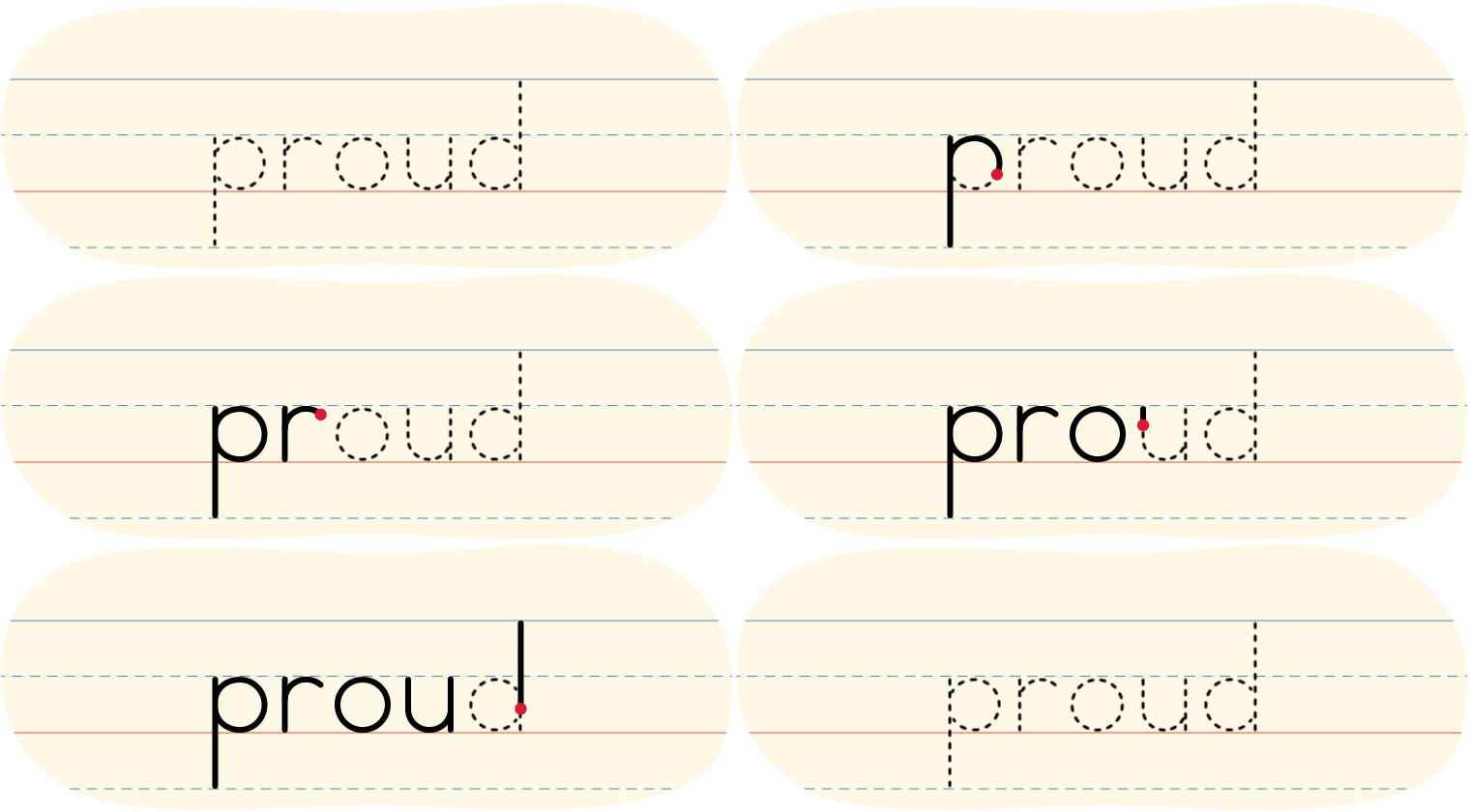
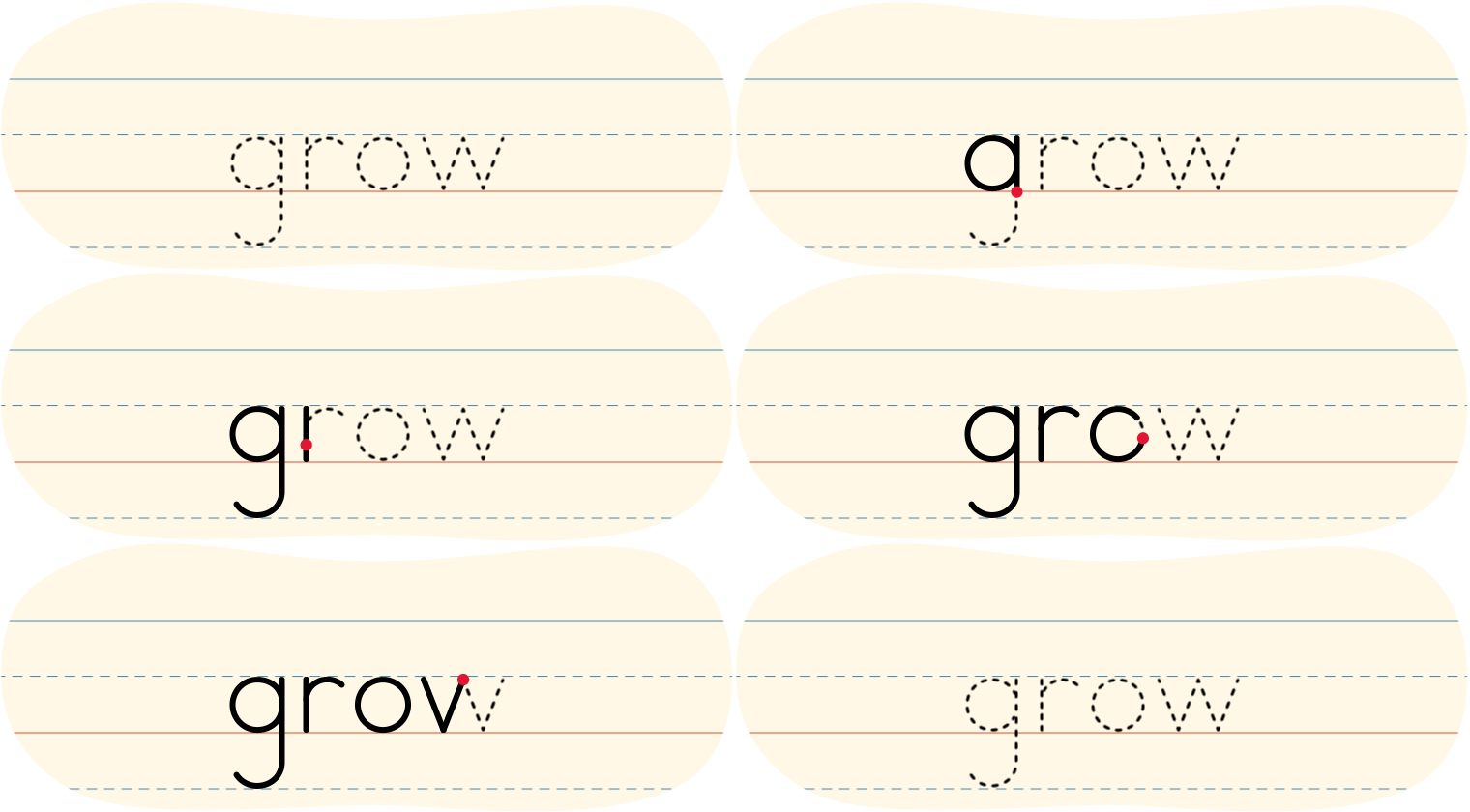
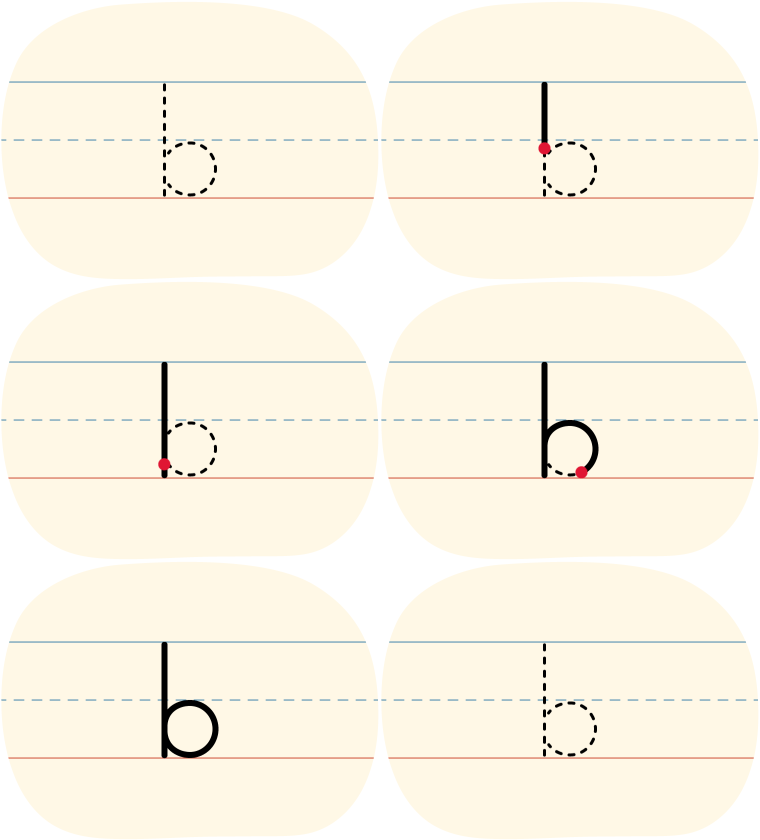
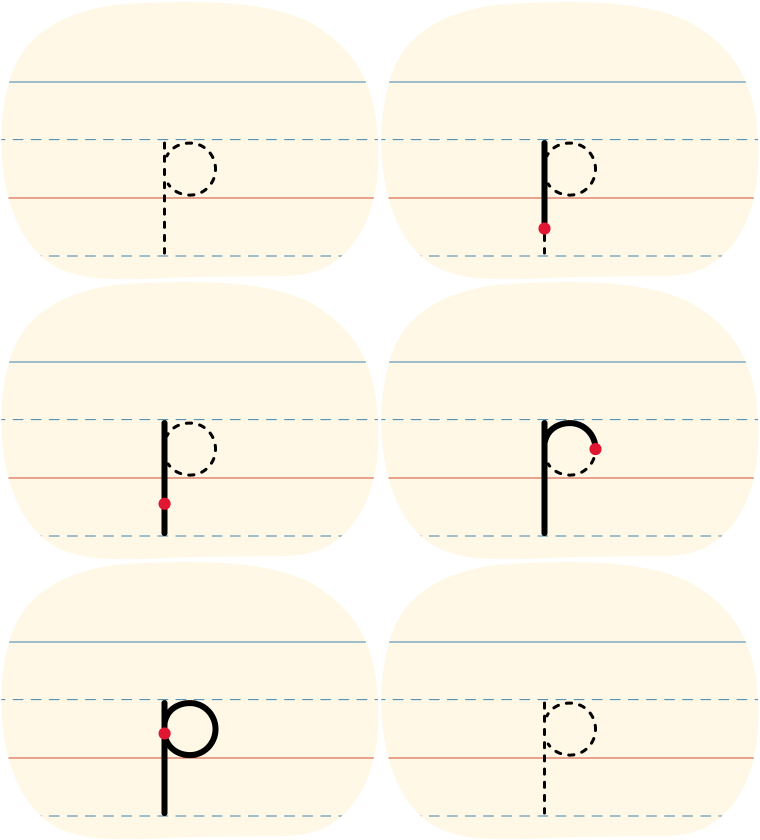
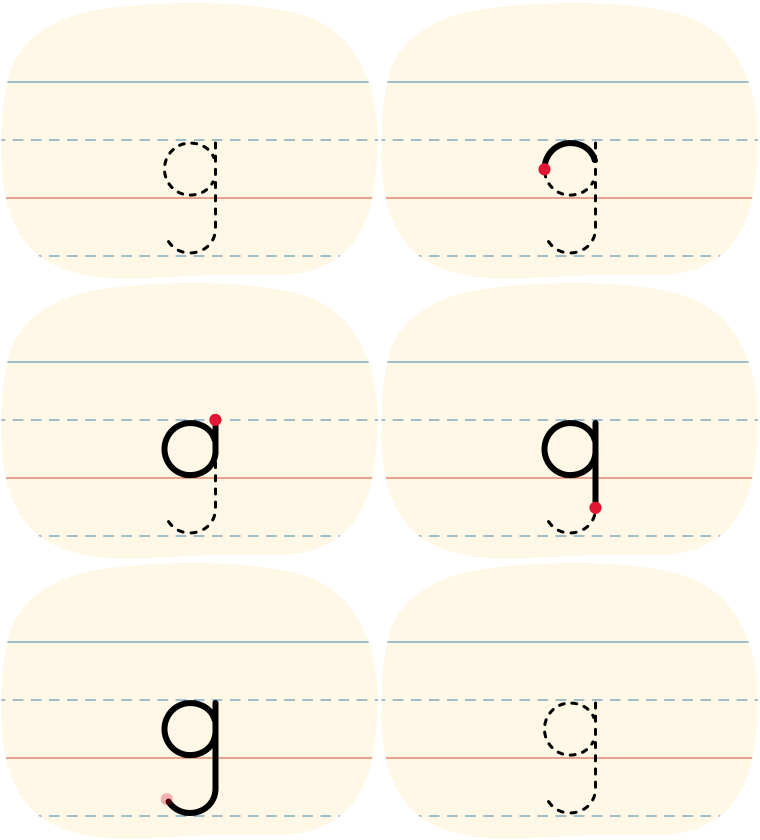
Which word begins with a tall letter, and which begin with hanging letters?
Press Reveal to find out!
The word brave begins with the tall letter ‘b’.
The word proud begins with the hanging letter ‘p’.
The word grow begins with the hanging letter ‘g’.
How do you take a break?
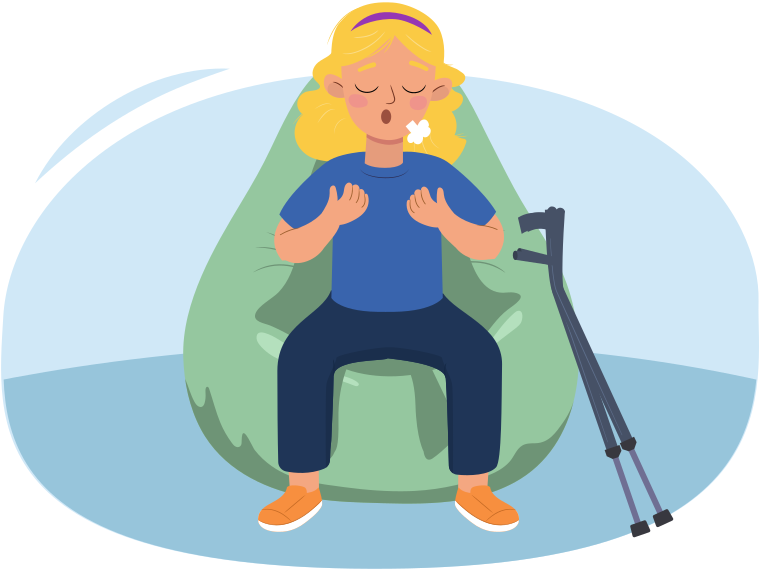
It’s time to put together some of your favourite ways to take a break!
Think about 3 ways that you enjoy taking a break.
You may use the following graphic organizer or another method of your choice to record your break ideas. Add pictures, words, and/or short sentences to share your ideas.
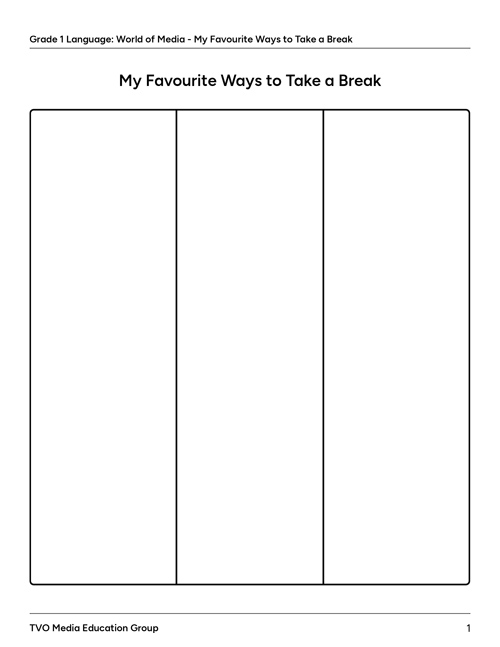
Press the Activity button to access the My Favourite Ways to Take a Break.
Activity(Opens in a new tab)Share your thoughts with a partner, if possible.
Imperative sentence review
Let’s review imperative sentences!
Select the correct answer, then press Check Answer to see how you did.
Reflection
How do you feel about what you have learned in this activity? Which of the next four sentences best matches how you are feeling about your learning? Press the button that is beside this sentence.

I feel...
Now, record your ideas about your feelings using a voice recorder, speech-to-text, or writing tool.