Learning goals
We are learning to…
- demonstrate an understanding of how to navigate online environments safely
- demonstrate an understanding of media
- read paragraphs fluently and with accuracy
- identify specific purposes for engaging with texts
Success criteria
I am able to…
- navigate online environments safely by identifying the difference between fact and opinion
- identify different forms of media and sort them into different categories
- use the reading strategies given to practice reading aloud a paragraph on media
- explain how and why we use different forms of media
What is media?
Have you ever heard of the word media? What does it make you think of?
Explore the images below.

Newspapers are used to share information and are a type of media.

The television is used to share information and is a type of media.
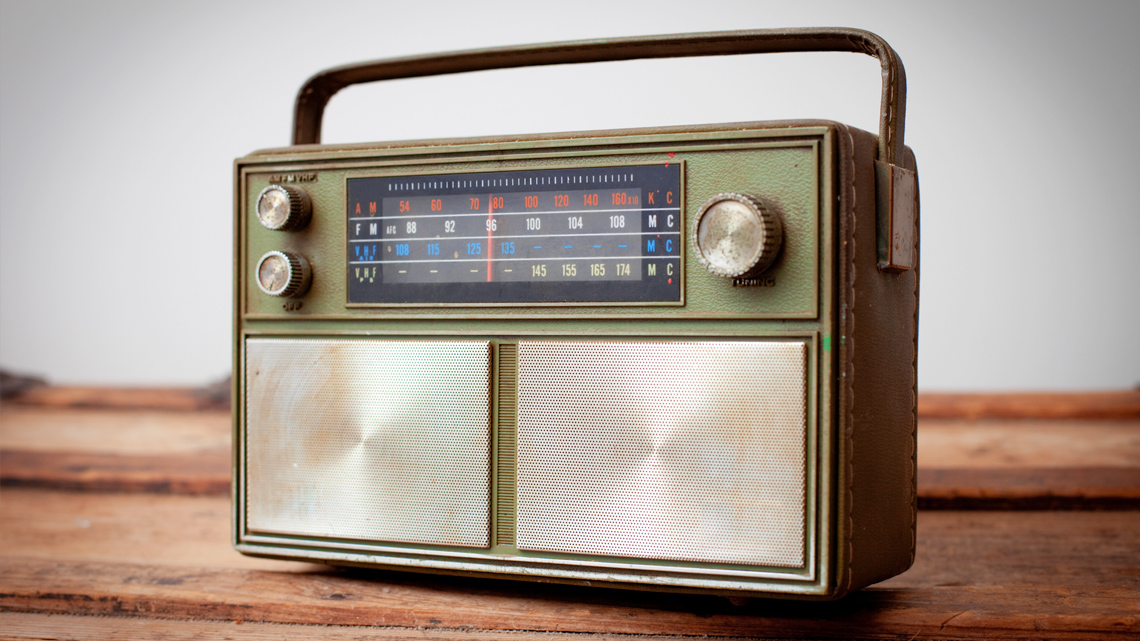
The radio is used to share information and is a type of media.

Auditoriums are used to share information and media.

iPads and tablets are used to share information and media.

A radio host shares information and media.

Student Success
Think
What do you think these images have in common?
Press Show Answer to learn more.
Media is what we use to share information with many people. The information in media is usually shared to teach us something, to tell us about something, or just for fun!
Review the images again. Think about how they are all types of media and are all used to give us information. Which type of media is your favourite? Why?
Record your answers in a method of your choice.
Types of media
Explore the following video, "Media is Everywhere," to learn more about the media.
Check your learning!
Select the correct answer, then press Check Answer to see how you did.
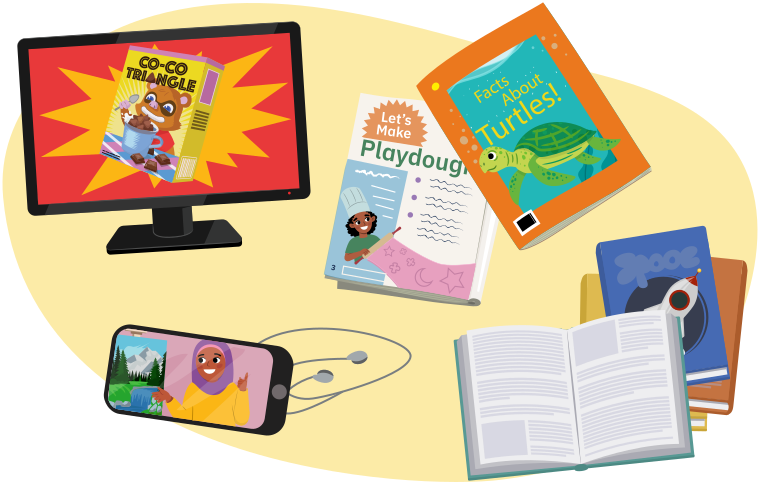
In the video, we explored different types of media that we might come across every day. We will focus on three types of media:
- Print media: Information shared on paper such as newspapers, magazines, books, and posters.
- Broadcast media: Information shared through airwaves such as radio, and TV.
- Digital media: Information shared digitally such as websites, social media, and video games.
Which type of media do you know the most?

Fluency
We are now going to practise our reading fluency.

Try It!
Try it!
Try some of the following strategies to help you practice your reading fluency:
- Repeated reading: Take turns reading passages with a partner, if possible, or complete repeated readings of the same passage.
- Recorded reading: Read along with audio recordings of the passage. Record yourself reading to see where you can improve.
Read the following paragraph about media.
Media is like a big umbrella, covering all sorts of tools we use to share stories, news, and information. Media can be things like newspapers, TV, websites, and apps! Before the internet, people found their information in newspapers and on the TV. If you wanted to know about something, you might read the newspaper or watch the news on TV. Today, we also have digital media, but some people still use things like newspapers or radio for news and entertainment. Media can give us facts or opinions, or sometimes it shares stories from someone’s imagination. It is important to ask questions about what we explore in the media, and it’s important to know when something is a fact, opinion, or imagination!
Explore the following audio clip to listen to the paragraph you just read.
Media

Student Wellness
Take a break!
Let’s take a few minutes to relax, clear our minds, and refocus our attention.
Fact or opinion?
Let’s think more about facts and opinions. Do you know the difference between the two?
Explore the following video to learn more about facts and opinions.
Authors and creators might use signal words to describe a fact. Signal words for facts could include: always, predict, prove, or demonstrate. Numbers, statistics, dates, and records can also signal that something is a fact.
When authors and creators include opinions, they might use signal words from the first-person perspective such as: I, me, and myself. They might also include signal words like good, bad, guess, feel, think, prefer, possibly, or believe.
| How Can I Tell the Difference Between… | |
|---|---|
| Fact | Opinion |
| A fact can be proven to be true or false. | An opinion is statement that shows someone’s belief and cannot be proven right or wrong. |
|
Examples of fact words:
|
Examples of opinion words:
|
|
Questions to Consider:
|
|
Fact and opinion in media
Let’s review what we’ve learned.
We have learned that:
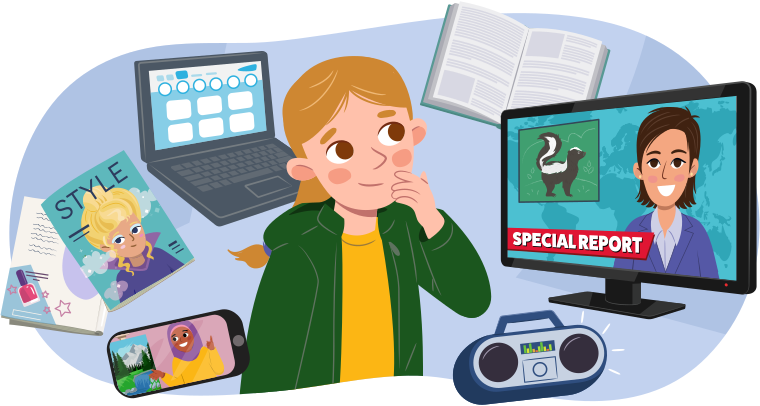
- Media is a way for us to send out and to receive information.
- Media can can be found everywhere like in magazines, on the Internet, on the radio, and many other places.
- The information being shared by media can be fact or it can be an opinion.
Student Success
Think
Why do you think it is important to know the difference between facts and opinions when it comes to the things we see, read, or hear in the media and online?
Reflection
How do you feel about what you have learned in this activity? Which of the next four sentences best matches how you are feeling about your learning? Press the button that is beside this sentence.

I feel...
Now, record your ideas about your feelings using a voice recorder, speech-to-text, or writing tool.