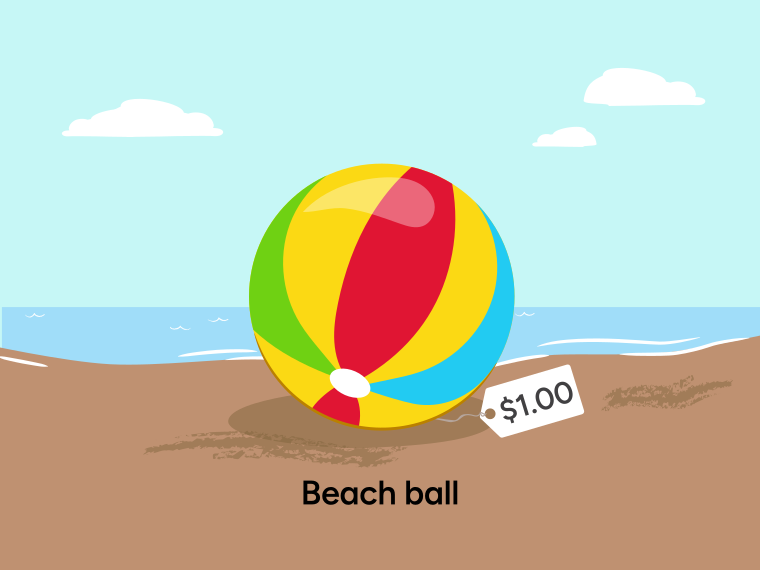
I can use a loonie to buy the beach ball.
Noticing and Naming the Learning
What are you going to learn today?
We are learning to…
- identify and explore the value of Canadian coins up to 25¢
- identify and explore the value of and coins and bills up to $10
How do I show what I have learned?
I can…
- name coins up to 25¢ and bills up to $10
- tell that different coins and bills are worth different amounts
Minds On
Let’s get ready to learn!
Before we begin our learning, let’s wake up our minds with a warm up.

Social Emotional Learning
Warm up

Find a safe space.
Sit down or lie down and close your eyes.
Slowly breathe in through your nose.
Then hold the breath for a few seconds.
Slowly breathe out through your mouth.
Do this for 5 breaths.
Listen to the Breathing In and Out audio to follow along.
Breathing In and Out
Canadian coins
Money is used to buy things that we need. Canadian money has bills and coins.
Which coins do you know?
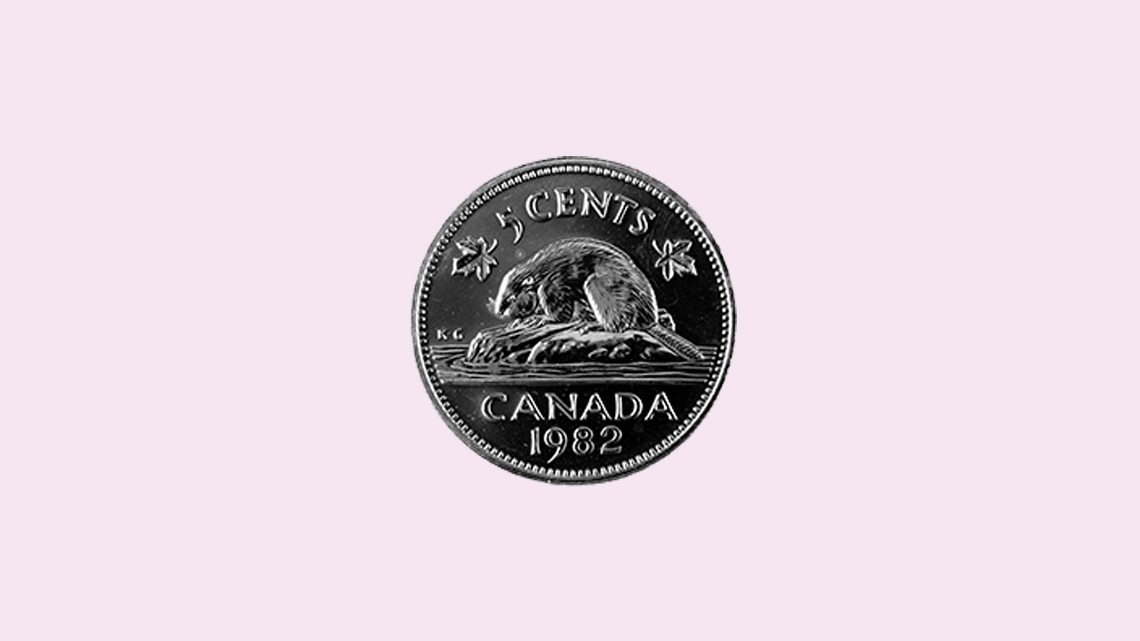
nickel or 5 cents
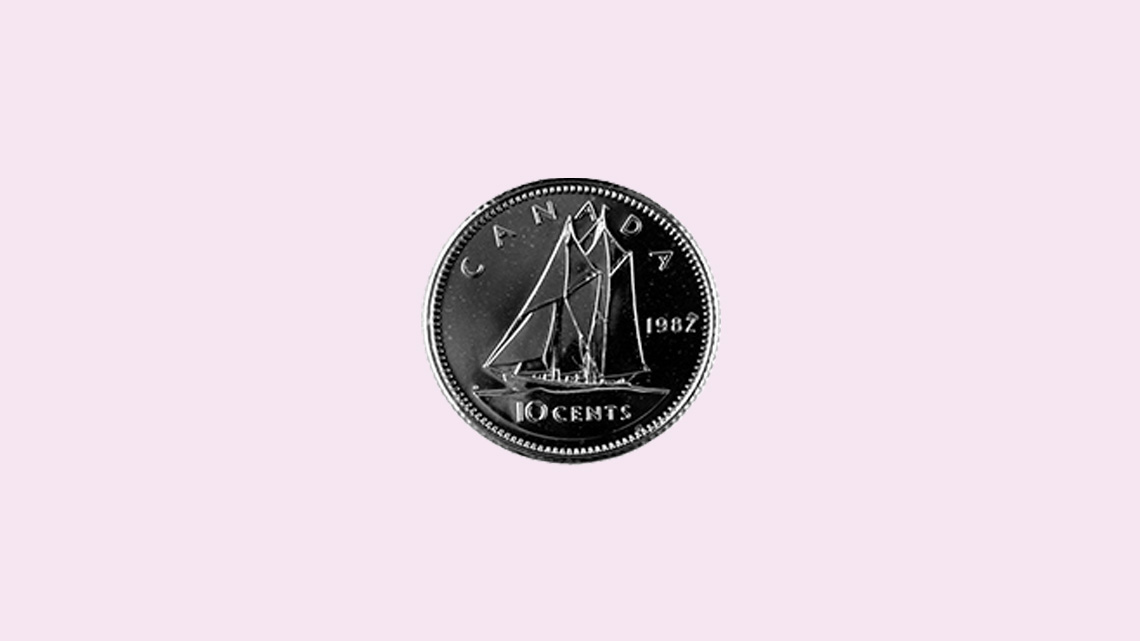
dime or 10 cents
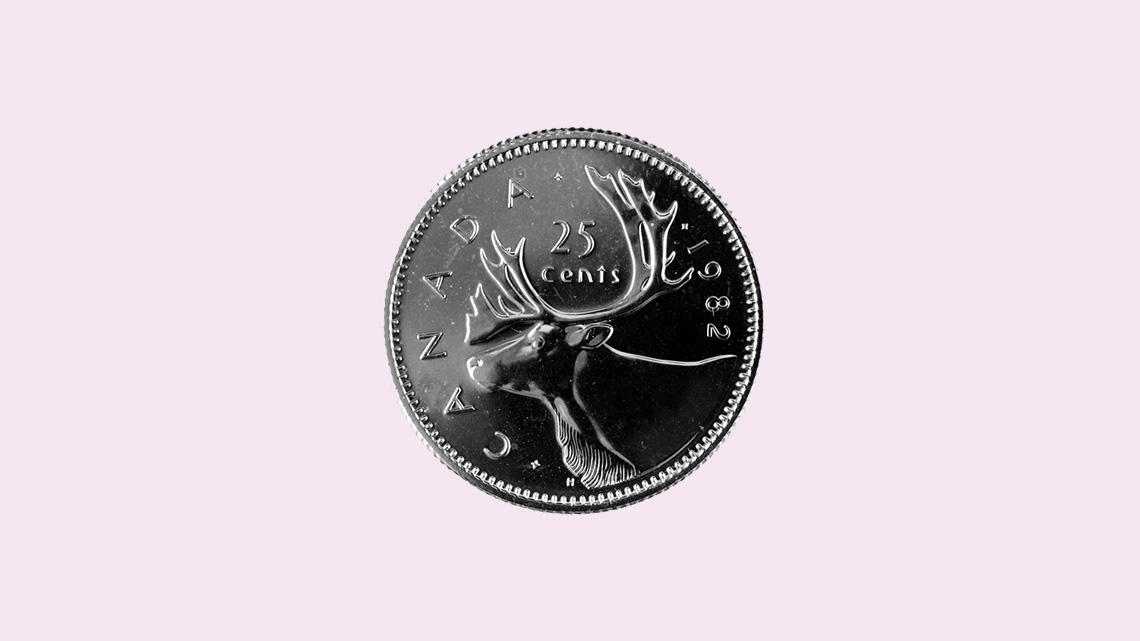
quarter or 25 cents
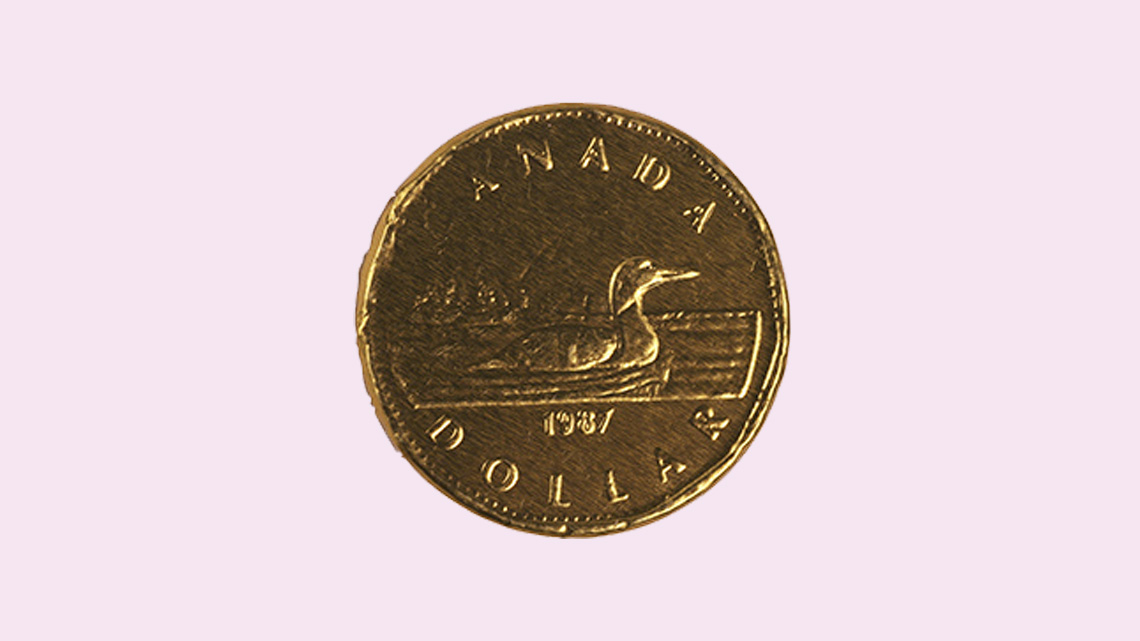
loonie or 1 dolllar
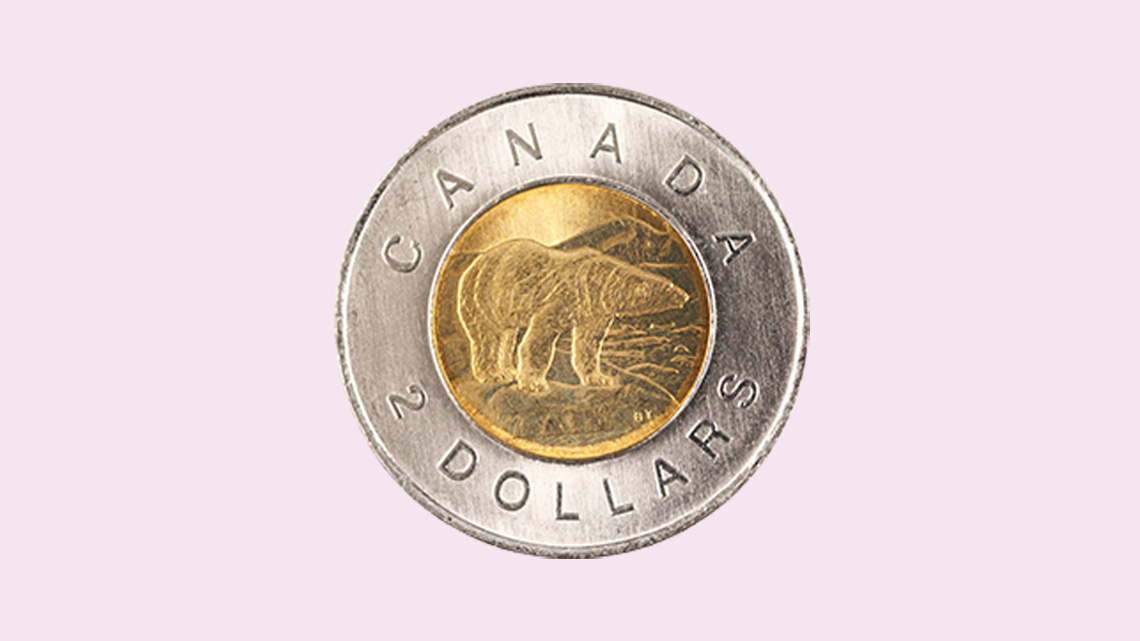
toonie or 2 dollars
As you work through this learning activity, you can record your ideas in many ways.
Listen to the following audio recording to learn more about how to record your ideas.
How To Record Your Ideas
Action
Let’s learn about money!
The value of a coin or bill tells us how much that money is worth.
For example, a nickel is worth 5 cents (5¢) and a loonie is worth 1 dollar ($1)!
Let’s find out more about Canadian money and the pictures on it.
In the following video "Gabrielle is Having a Party!", Gabrielle teaches us about different Canadian coins and their value as she prepares for a party.
When you watch the video, think about these questions:
- What do you see, think, or wonder about Canadian coins?
- What pictures do you see on each coin?
- What can we use coins for?
If possible, share your thoughts with someone you know.
Bills
There is also money that comes in bills.
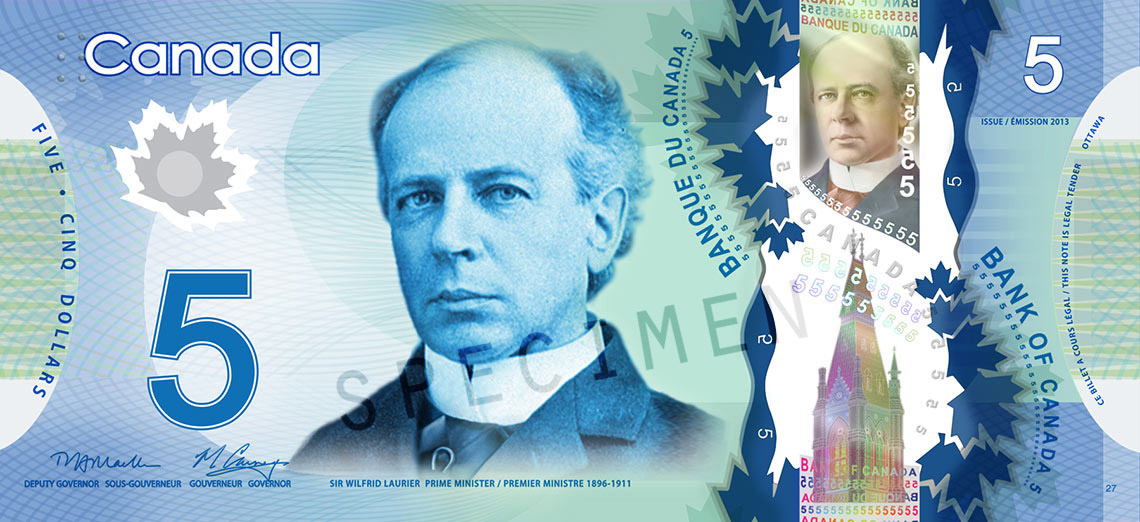
This is a $5 bill. It is worth five dollars.
This is a $10 bill. It is worth ten dollars.
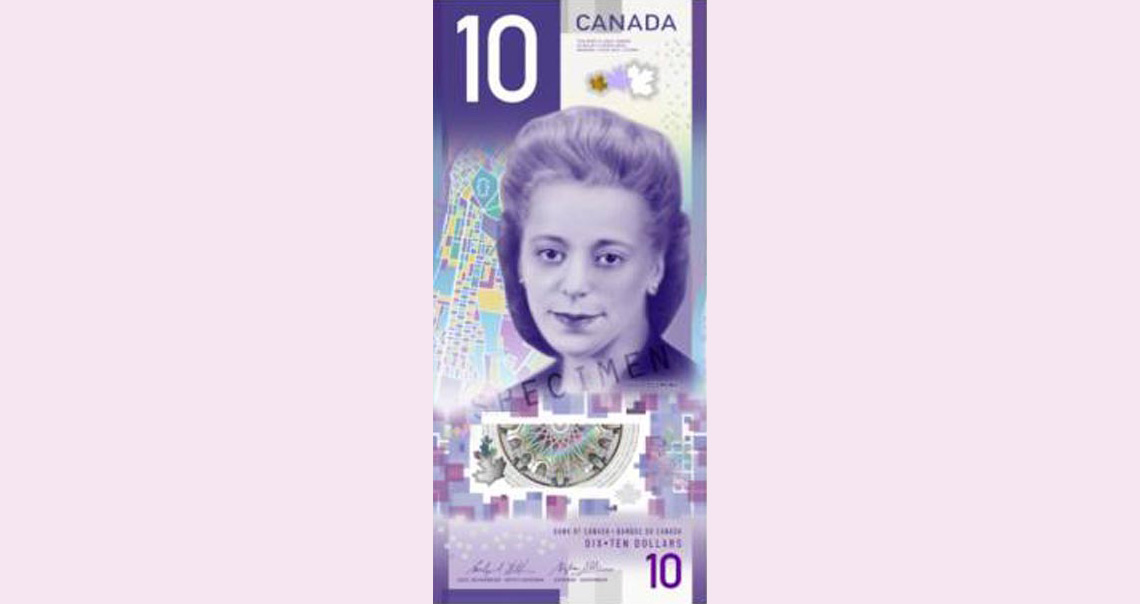
What do you see, think, or wonder about these bills?
Why do we need money?
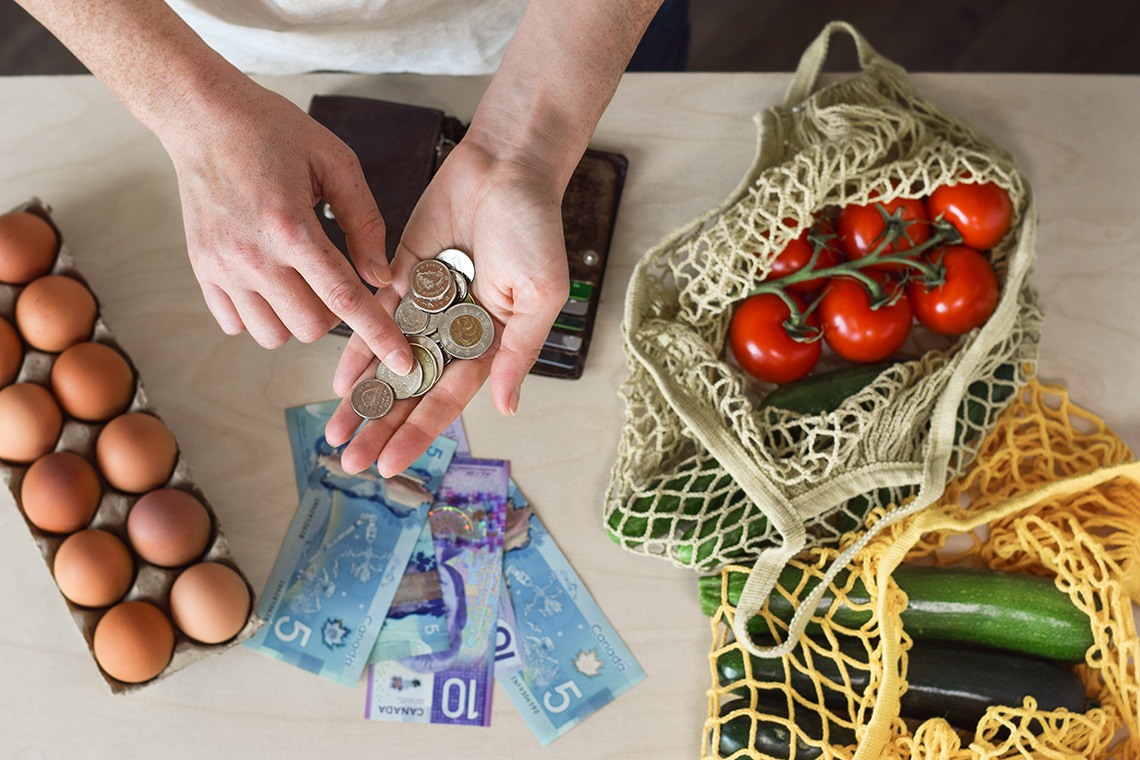
Money is something people use to pay for things they want or need.
Our needs are the things we need to live safely, such as water, food, and shelter.
Wants are things we would like to have. We can use money to buy food, toys, clothes, or even bus rides.
Value of money
Coins and bills have different values and are worth different amounts.
Can you sort the following money into coins and bills?
Place the cards into categories that best match. Use the arrow buttons to navigate between cards.
Share 1-2 things you have learned about coins and bills with someone else if you can.
Body break!
Let’s take a break and move!
Before you begin:
- Find a safe space. Move anything you might bump into.
- How are you feeling? Listen to your body and take breaks.
- Ask an adult before getting materials or if you need help.
Follow the steps to move your body. You can also follow along with the audio.
Do whatever feels most comfortable for you.
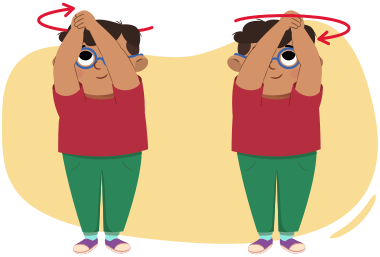
A learner is standing with both arms raised over their head. With their hands clasped together, they are moving their arms in a circular motion.
- Start by standing or sitting.
- Raise your arms in the air and then hold your hands together above your head.
- Slowly make circles going one way, do this 5 times.
- Slowly make circles going the other way, do this 5 times.
- Try and make different shapes.
- Repeat this one more time!
Circles
Comparing values
When a coin or bill has a higher value, that means it is worth more money.
For example, a nickel is worth 5 cents and a dime is worth 10 cents.
That means the dime is worth more than the nickel!
Now, you try!
For each question, choose which coin has a higher value.
Select the correct answer, then press the Check Answer button to see how you did.
Printing practice
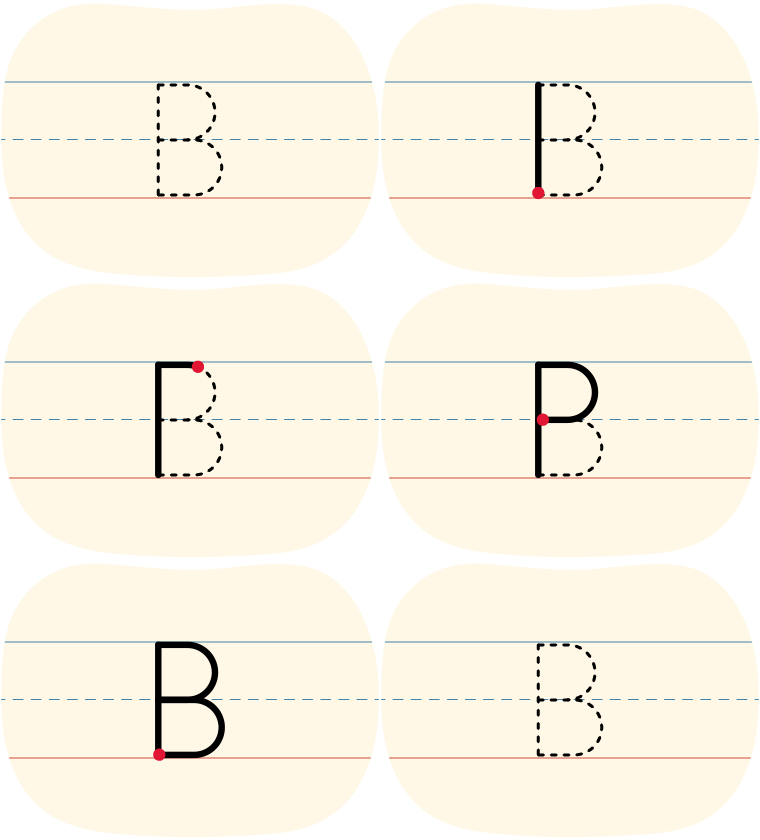
B is for Bill.
Let’s practice printing the letter B.
M is for Money.
Let’s practice printing the letter M.
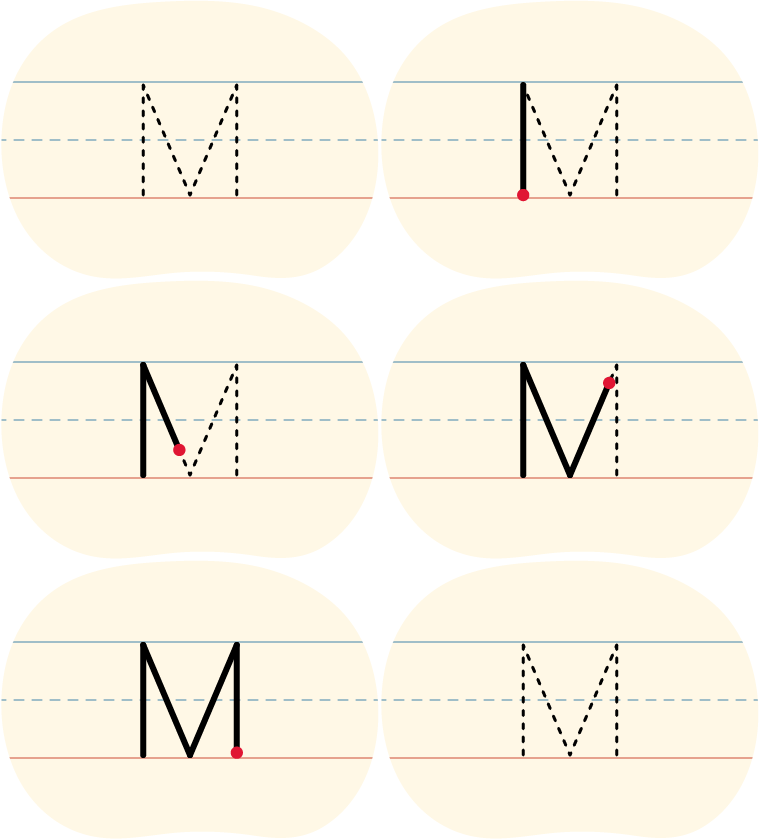
Now, you try!
Practice printing this letter in your notebook or using a method of your choice.
Use the following checklist to explore some printing tips.
When you are printing:
Consolidation
Time to explore!
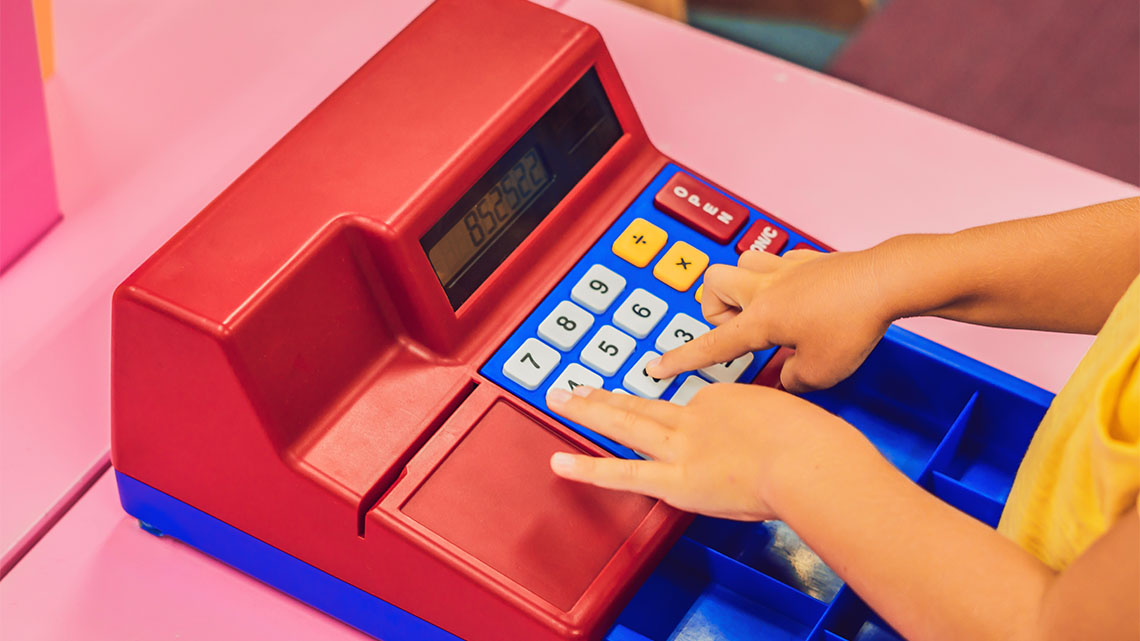
Check out some fun ideas to help you learn more about money!
You can choose one or more centres to explore.

Arts
Make a store
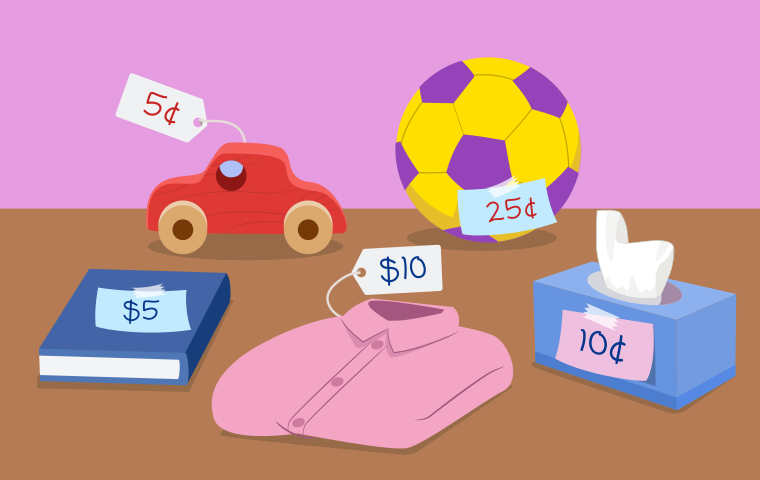
When you create your own store, you need to decide how much money to charge for your store items.
Explore the following images.
- How much would you charge for each item?
- What coins or bills would you use?
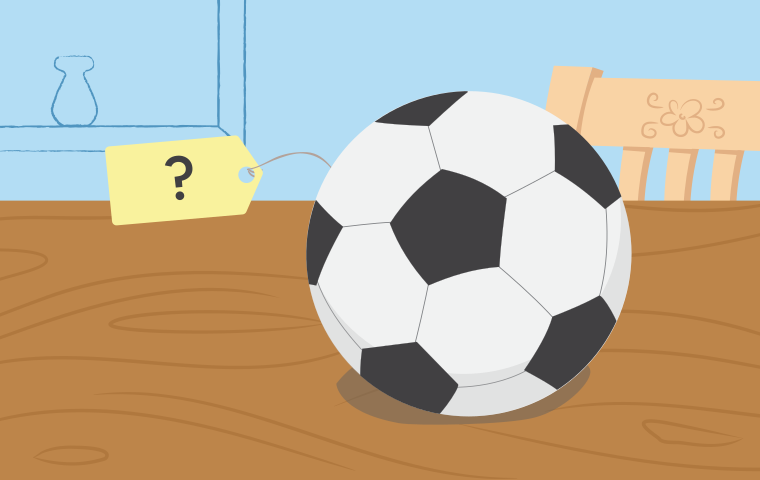
How much would you charge for a soccer ball?
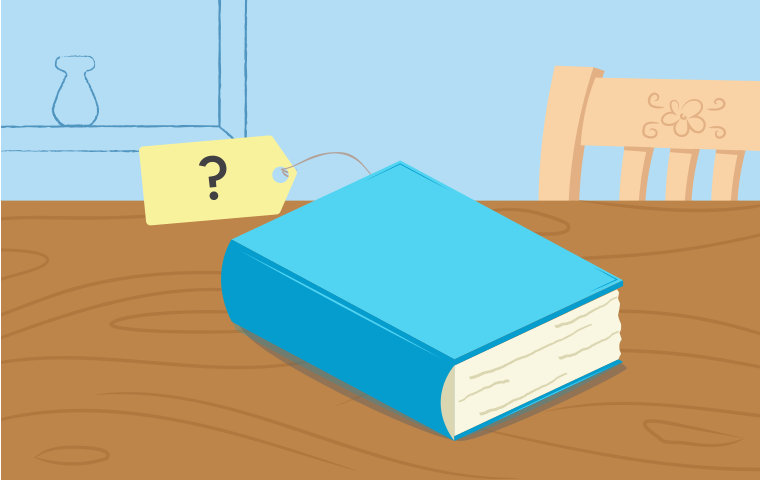
How much would you charge for a book?
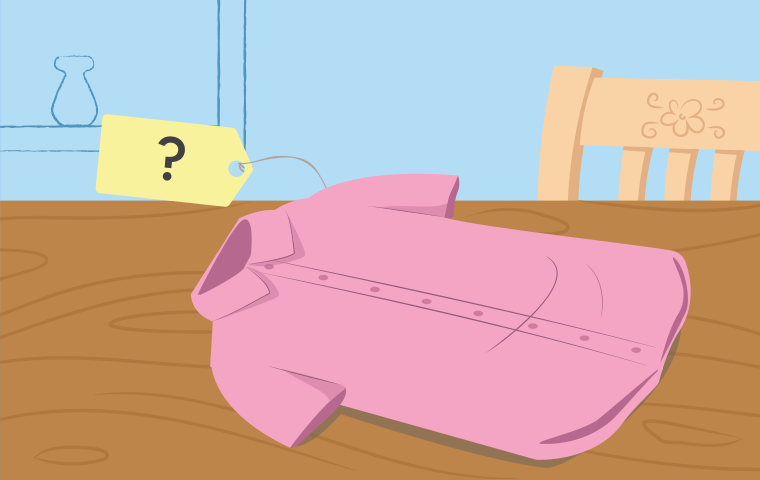
How much would you charge for a shirt?
Devon wants to use his creativity to make his own store by drawing his own money and adding price tags on some items in his learning environment!
If you would like to try to make your own store, you can use materials that you have in your learning space. Always ask permission from a trusted adult before gathering your materials.
You could also use your imagination to think about how you make your store!
Possible Materials
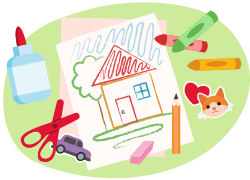
- paper
- crayons, markers, or coloured pencils
- scissors
- glue or tape
You can also use the following image of all the coins and bills we can use for the store. You can use this visual to help you label your price tags.
Press the Coins and Bills button to learn more.
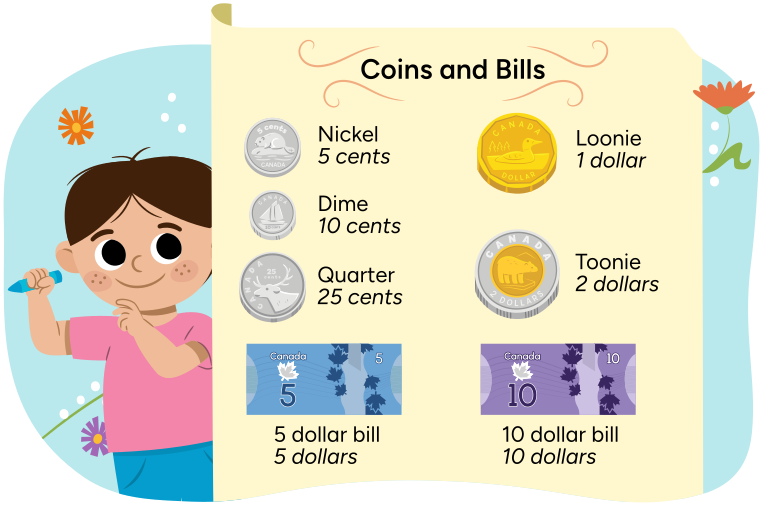
A chart titled ‘Coins and Bills’ showing Canadian money and their values. A nickel is a silver coin with a beaver and is worth five cents. A dime is a silver coin with a fishing vessel and is worth ten cents. A quarter is a silver coin with a caribou and is worth 25 cents. A loonie is a gold coloured coin with a loon and is worth one dollar. A toonie is a silver and gold coin with a polar bear and is worth two dollars. A blue five dollar bill with the number five is worth five dollars. A purple ten dollar bill with the number ten is worth ten dollars.
Let’s follow the steps to learn how.
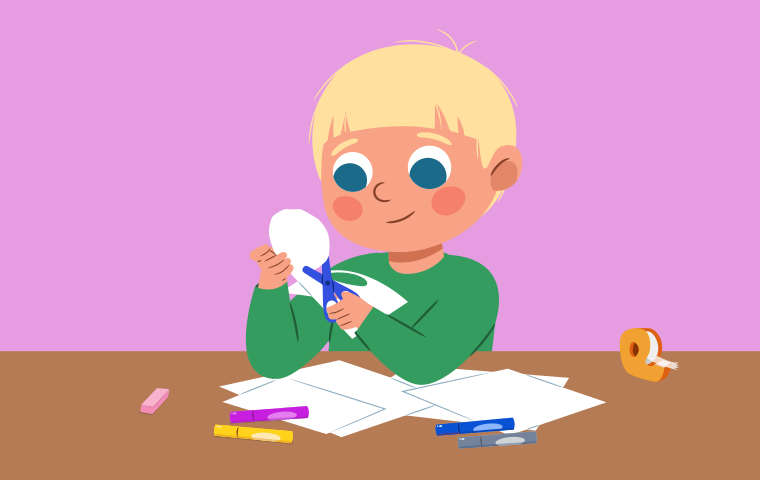
Step 1: Use paper, scissors and other materials to make each coin and bill. You can make more than one of each coin, if you like!
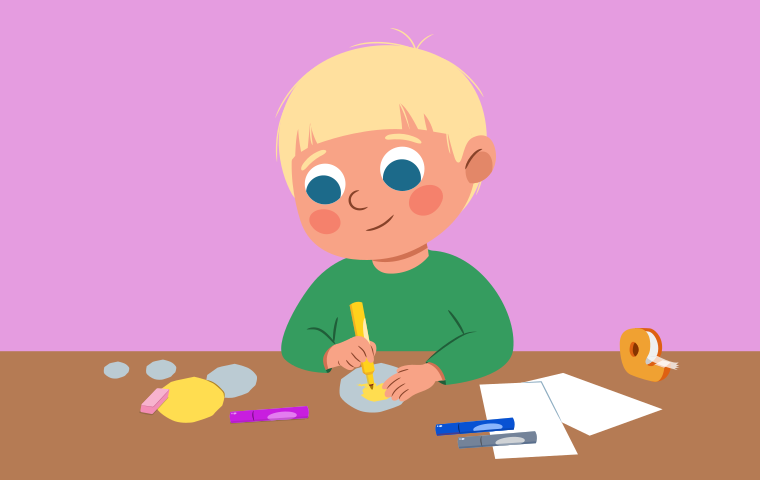
Step 2: Colour it carefully to show its value and details. If you forget what colour to use, check out the images in the poster.
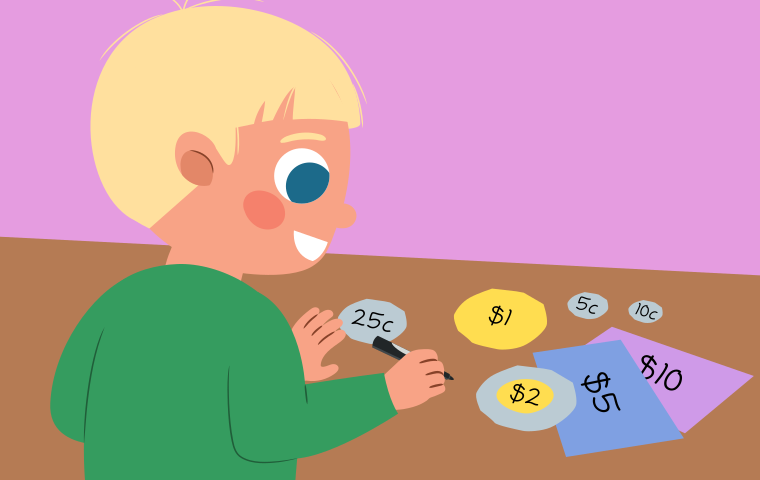
Step 3: Write the number on your coin or bill to show how much it is worth.
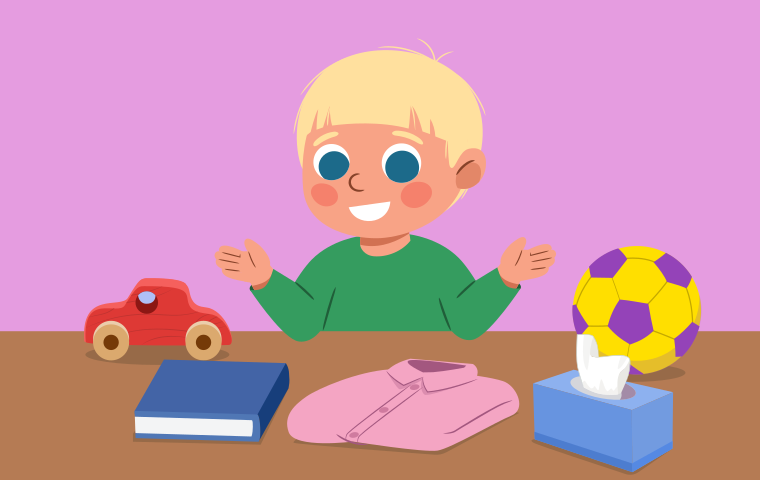
Step 4: Choose five items from your learning space to sell in your store. You can choose more items to sell, if you like!
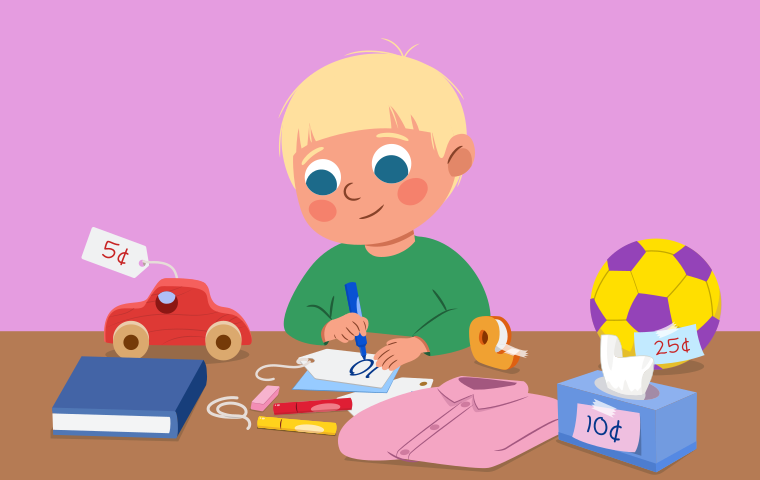
Step 5: Label a price tag for each item, then put the price of the item on the tag.
Step 6: Think about what items you can buy with your coins and bills. Put the items in order from the lowest price to the highest price.
If possible, share your thoughts with someone you know.

Inquiry
Coin puzzles
Match the parts of a coin to the correct coin.
Select the correct answer, then press the Check Answer button to see how you did.

Movement
Coin flip and count
Let’s play a movement game with Antonio!
Before you begin, press the following tabs to get ready.
Have you moved any objects that you might bump into?
Listen to your body. Take breaks or stop if you need to.
Explore the following flashcards with images of coins, then follow the steps:
- Pick a coin on a card and name it.
- Flip it over to reveal its value.
- Do as many actions as the coin is worth.
For example, if you pick the nickel, you can show 5 claps because a nickel is worth 5 cents.
If you pick a dime, you can show 10 deep breaths because a dime is worth 10 cents!
You can also do any action that feels most comfortable for you.
Literacy
Read a money story
When we buy something at the store, we check the price to help us choose which coin we
can use to pay for it.
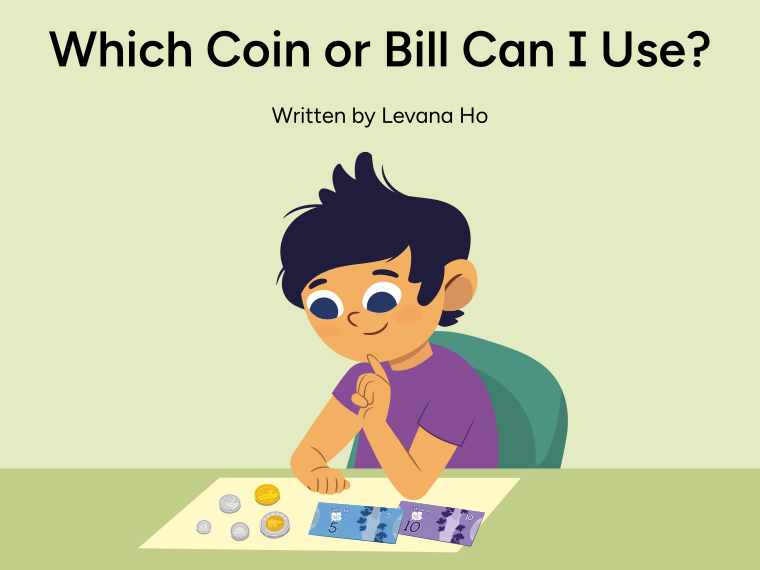
Read or listen to the short story called, "Which Coin or Bill Can I Use?”. Think about what coin or bill you can use to buy each item on the page.
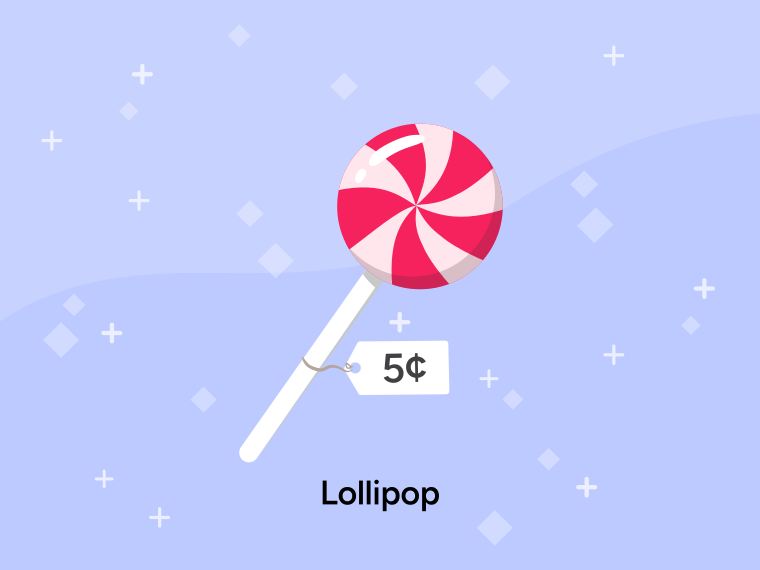
I can use a nickel to buy the candy.
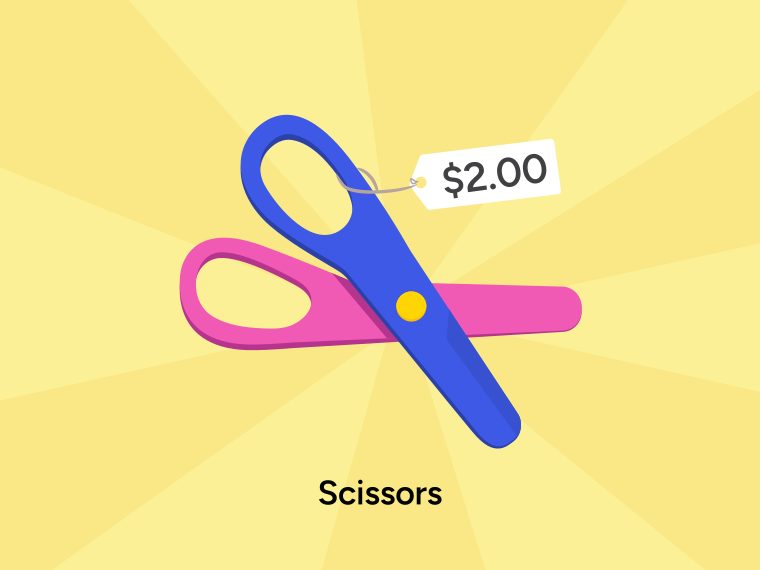
I can use a toonie to buy the scissors.
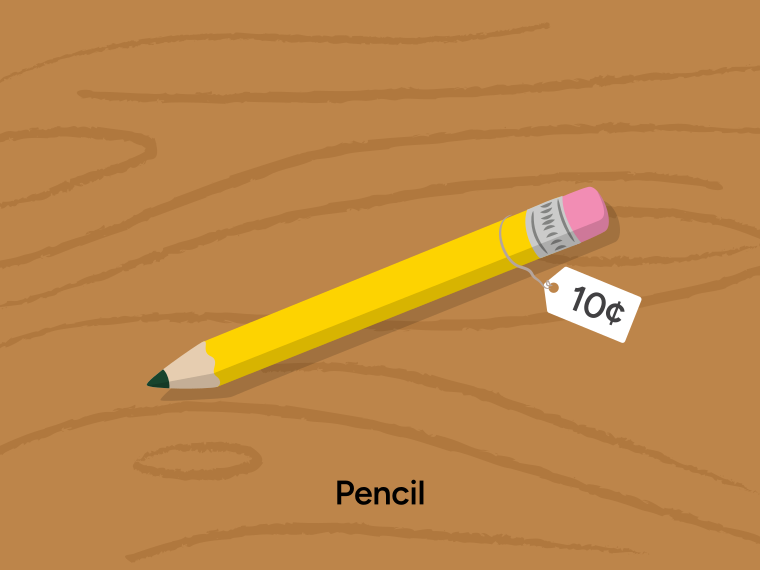
I can use a dime to buy the pencil.
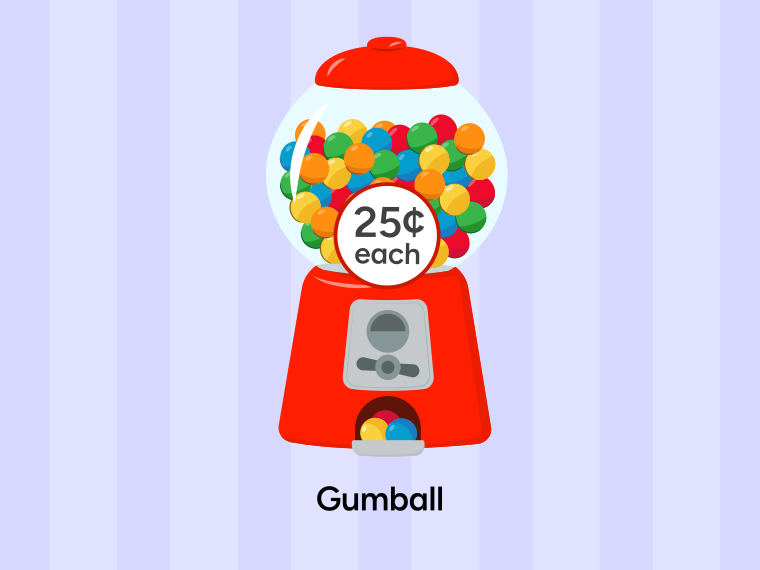
I can use a quarter to use the gumball machine.
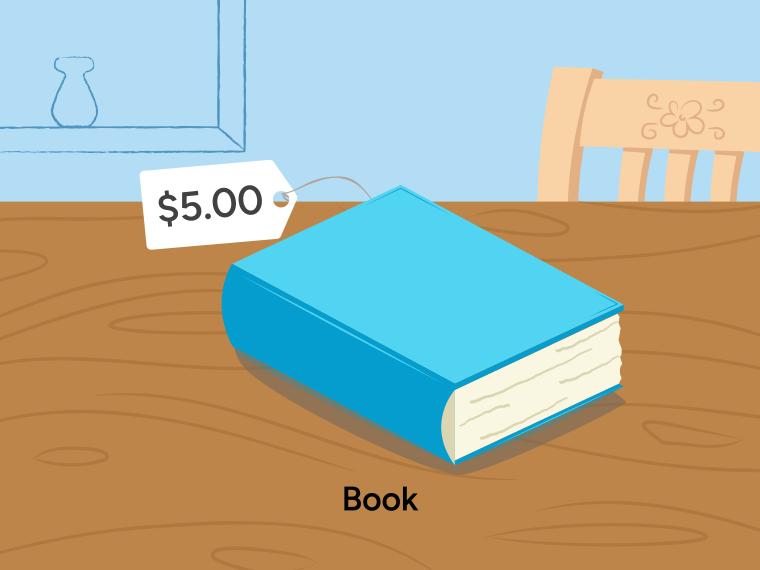
I can use a $5 bill to buy the book.
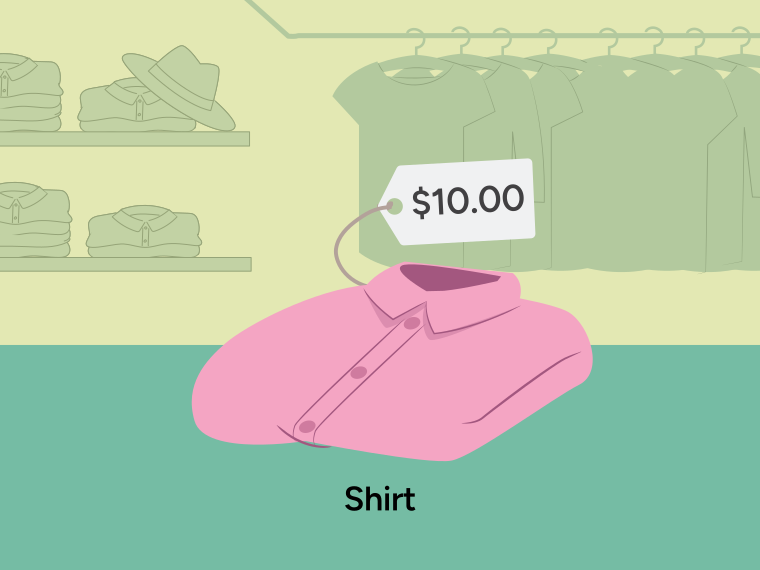
I can use a $10 bill to buy the shirt.
Reflection
How do you feel about what you have learned in this activity? Press the button next to the sentence that matches how you feel.