Noticing and Naming the Learning
What are you going to learn today?
We are learning to…
- name the letters of the alphabet
- form lowercase letters correctly
- notice lowercase letters in words
How do I show what I have learned?
I can…
- say the names of lowercase letters when I see them
- print lowercase letters using the right formation
- identify the shape of lowercase letters in different words
Minds On
Let’s get ready to learn!
Before we begin our learning, let’s wake up our minds with a warm up.

Social Emotional Learning
Warm up
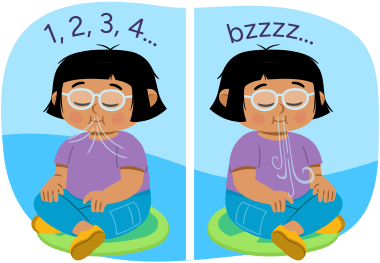
Split image of a child sitting cross-legged on the floor with eyes closed. In the first panel, the child is breathing in, accompanied by the numbers 1, 2, 3, 4. In the second panel, the child is breathing out with the word “bzzzz” shown.
Find a safe space.
Sit down or lie down.
Take a deep breath in through your nose for a count of one, two, three, four.
As you breathe out, make a buzzing sound like a bee.
Repeat your bee breathing a few times.
Listen to the Buzzing Breath Audio to follow along.
Buzzing Breath
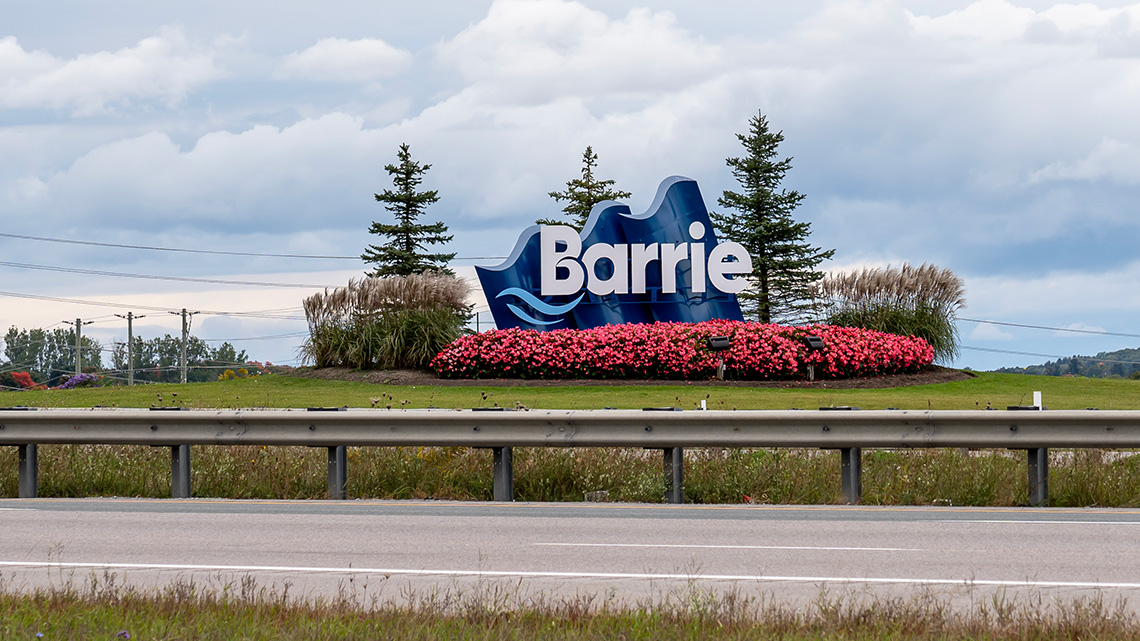
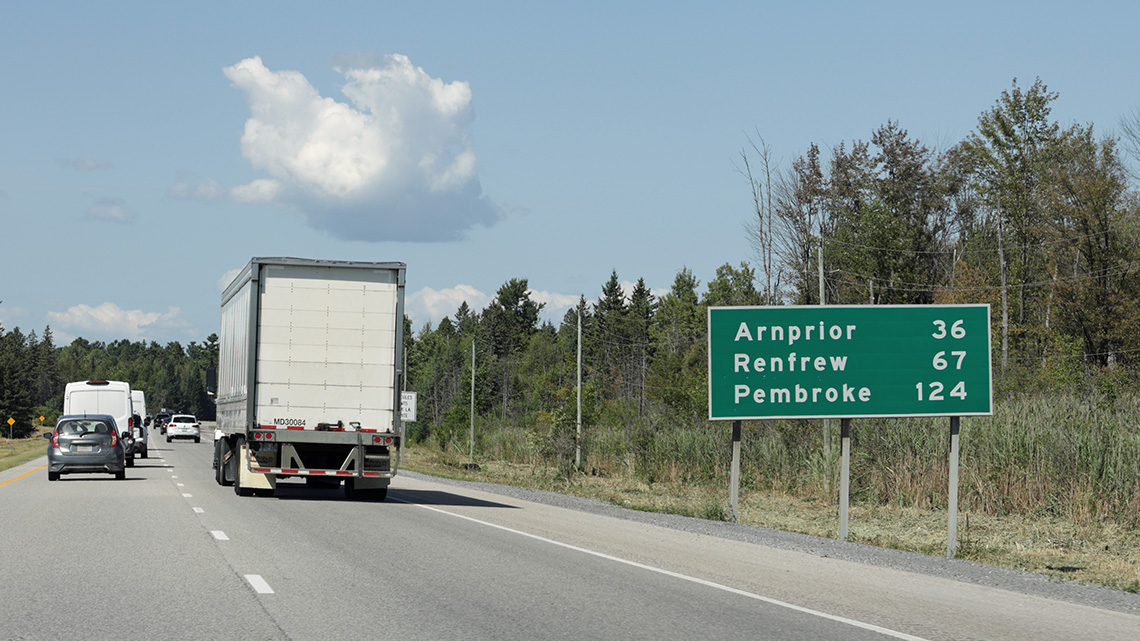
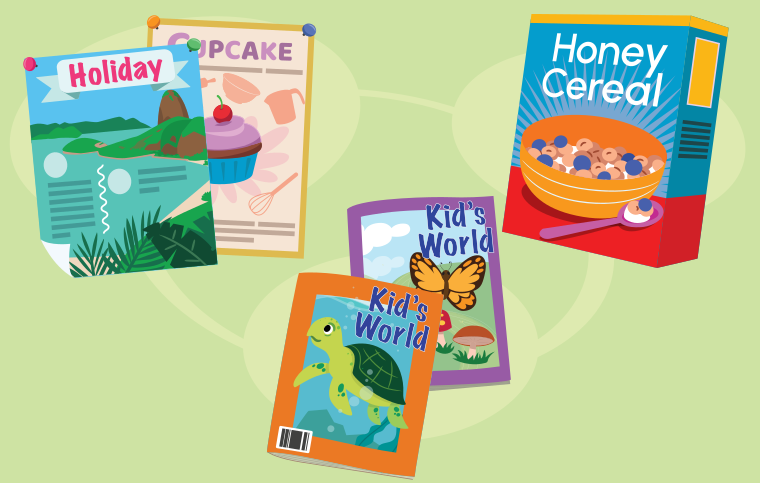
Letters are all around us!
Explore the following images.
- Do you notice any letters?
- Do you know any of the letters' names?


Pause and Reflect
Think
- What do you notice in these pictures? What letters do you see?
- What do you think is the same about the letters? What looks different?
- What do you wonder about lowercase (small) letters?
- Why do you think lowercase letters are used in some of the pictures?
As you work through this learning activity, you can record your ideas in many ways.
Listen to the following audio recording to learn more about how to record your ideas.
How to Record Your Ideas
Action
All about lowercase letters
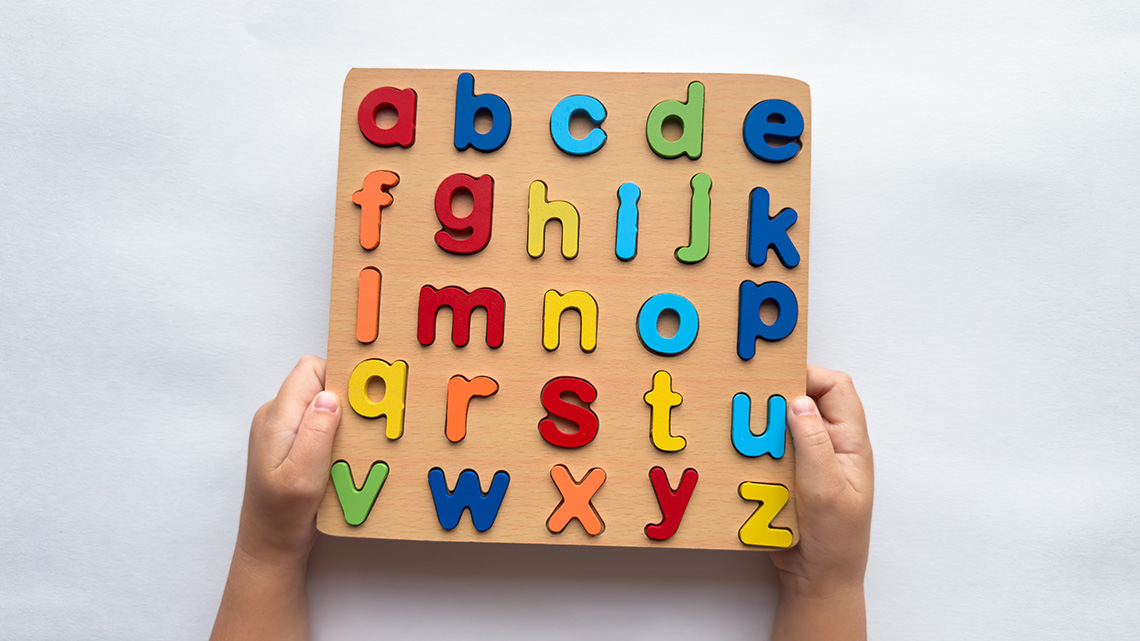
A letter is a symbol we use to make words.
Each letter has a name and a sound.
Letters are building blocks of words.
Letters can be uppercase (big) or lowercase (small) but they have the same name.
Letter sounds
Let’s explore letter sounds.
Pick a letter to hear its name and sound.
|
a |
b |
c |
d |
|
e |
f |
g |
h |
|
i |
j |
k |
l |
|
m |
n |
o |
p |
|
q |
r |
s |
t |
|
u |
v |
w |
x |
|
y |
z |
Lines in letters
Let’s practice printing letters.
Letters can be made with:
- straight lines
- curved lines
- slanted lines
- a mix of lines
Look at the following images of line types.
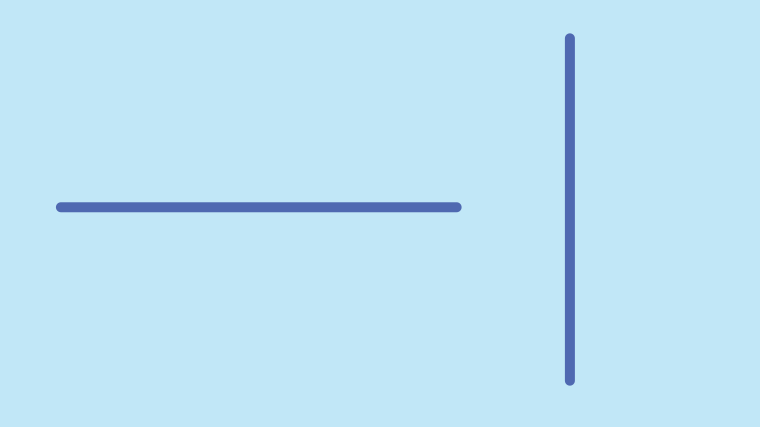
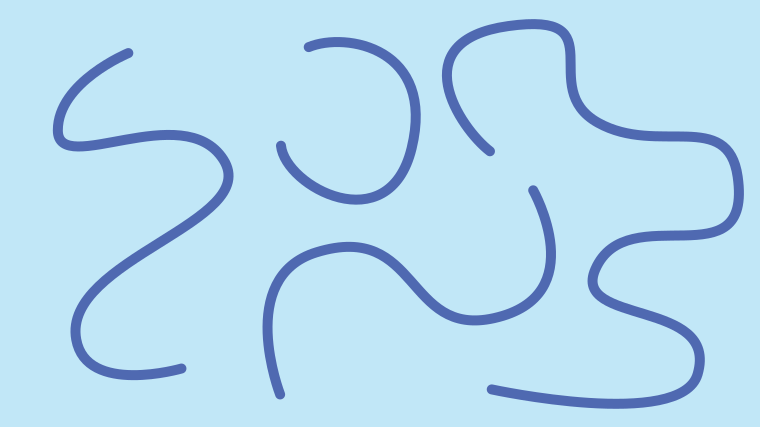

Let’s practice!
Click on the following letter groups to explore the lines used in each and learn how to print them!
Select one letter from each group and practice printing on a piece of paper or using a method of your choice. You are welcome to practice the whole alphabet if you wish.
Press the Tips button to access printing tips before you begin.
When you are printing:
- Think about the curvy or straight lines that the letter may have.
- Take your time to write each letter clearly.
- Practice writing the letter more than once and use a finger space each time.
- Try to press gently as you write so that your hand can move easily across the page.
Let's practice printing lowercase letters with straight lines: i, l, and t. Practice the in your notebook or use the following fillable and printable document.
Press the Letters button to complete the activity.
Let's practice printing lowercase letters with curved lines: c, o, and s. Practice the in your notebook or use the following fillable and printable document.
Press the Letters button to complete the activity.
Let's practice printing lowercase letters with slanted lines: v, w, x, and y. Practice the in your notebook or use the following fillable and printable document.
Press the Letters button to complete the activity.
Let's practice printing lowercase letters with straight and slanted lines: k, and z. Practice the in your notebook or use the following fillable and printable document.
Press the Letters button to complete the activity.
Let's practice printing lowercase letters with straight and curved lines: a, b, d, e, g, p and q. Practice the in your notebook or use the following fillable and printable document.
Press the Letters button to complete the activity.
Let's practice printing more lowercase letters with straight and curved lines: f, h, j, m, n, r, and u. Practice the in your notebook or use the following fillable and printable document.
Press the
Body break!
Let’s take a break and move!
Before you begin:
- Find a safe space. Move anything you might bump into.
- How are you feeling? Listen to your body and take breaks.
- Ask an adult before getting materials or if you need help.
Follow the steps to move your body. You can also follow along with the audio.
Do whatever feels most comfortable for you.
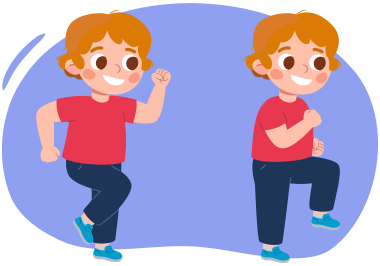
Split image of a young child standing in place. In the first panel, the child has their arms raised and one knee lifted mid-height. In the second panel, the child’s knee is raised higher, and their arms are lowered near their waist.
- Start by standing or sitting.
- Slowly move one of your elbows up at the same time you bring your knee up.
- Do the same on the other side and keep switching sides! You can count to 10 as you march.
- Repeat this one more time!
Slow March
Place the letters!
Let’s try placing the following lowercase letters in alphabetic order.
Use the following ten frame and stickers, or another method of your choice to help place the letters in the correct sequence.
Once you are finished, say the letters out loud.
Press the Answer button to check your understanding.
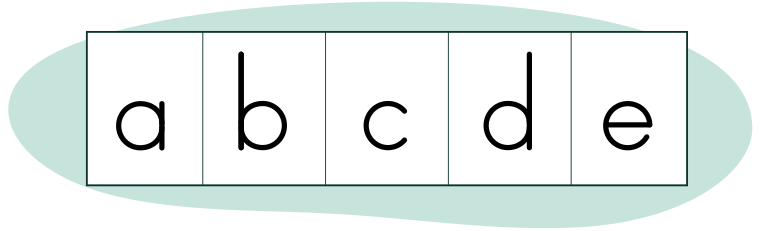
Note: Lowercase letters b and d can be confused because they are similar shapes. You can review how to form letters b and d.
Let’s organize more letters!
Try placing the following lowercase letters in alphabetic order.
Use the following ten frame and stickers, or another method of your choice to help place the letters in the correct sequence.
Once you are finished, say the letters out loud.
Press the Answer button to check your understanding.
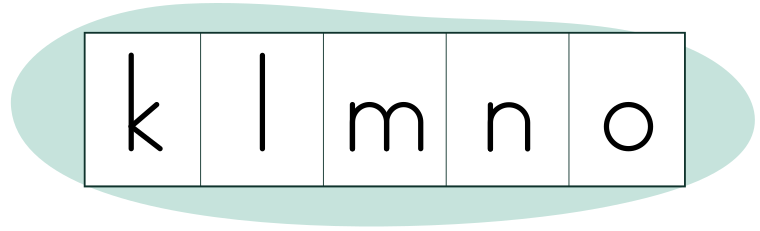
Note: Lowercase m and n can be confused because they are similar shapes. You can review how to form letters m and n.
Consolidation
Time to explore!
Check out the following centre ideas to explore more about letters!
You may choose one or more centres to explore.



Arts
Letter art
Esma is making their own letter art!
If you would like to try this activity, you can use materials that you have in your learning space. Always ask permission from a trusted adult before gathering your materials.
Possible materials
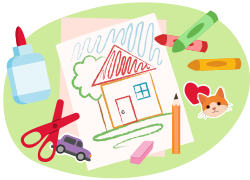
- paper
- pencil, crayons
- scissors
- glue
- magazines, flyers, posters, labels, or others
- printed letters (optional)
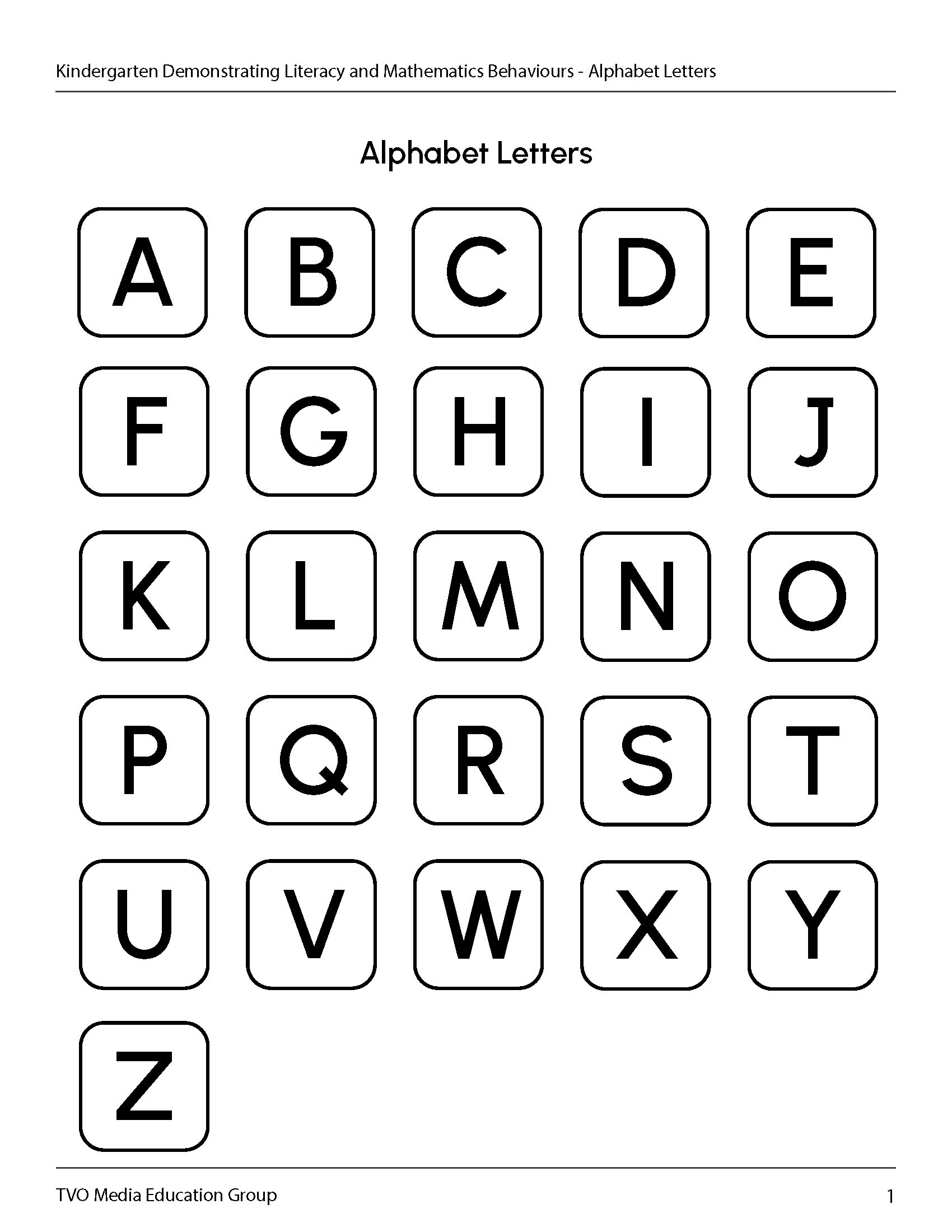
If you would like to print letters for your art, you can use the following fillable and printable Alphabet Letters document.
Look at the following the steps to learn how to make your own art.
Step 1: Look through flyers, magazines, posters, or printed pages to find letters.

Step 2: Cut out the letters you like.
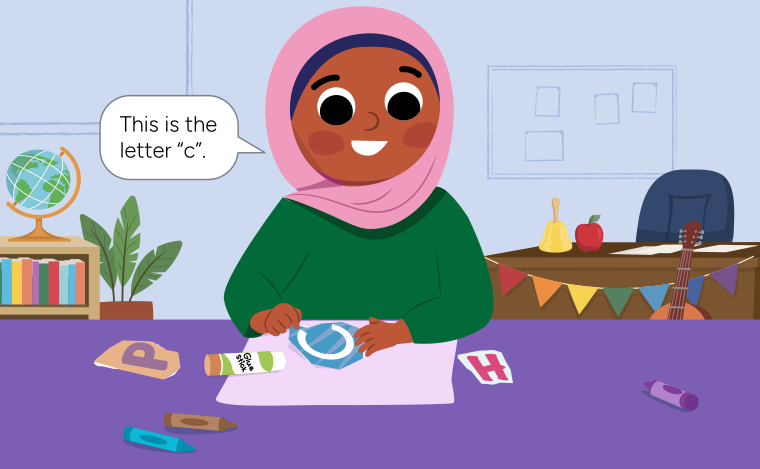
Step 3: Say the letters as you glue them down.
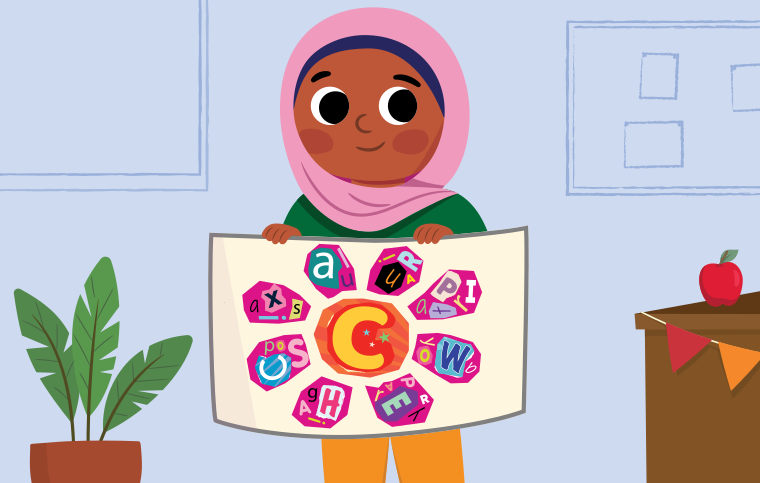
Step 4. Glue the letters onto your paper to make a letter collage or art picture. You can make patterns, shapes, or a fun design using lots of letters!
You could also use your imagination to think about how you would design your letter art!
Share your thoughts with someone else if you can.

Try It
Try it
- Can you find the letters in your name and glue them in order?
- Can you find all the letters of the alphabet and put them in the right order?
- Can you sort your letters by colour or size?

Inquiry
Letter detectives
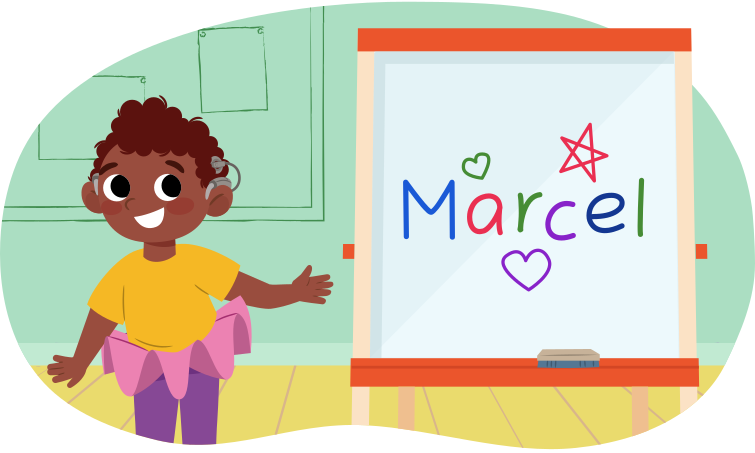
Everyone’s name is special. Your name is created with letters that make sounds.
What are the letters in your name?
Can you be a letter detective? A detective uses clues to find things.
There are probably letters all around your learning space. Let’s see how many letters Marcel can find!
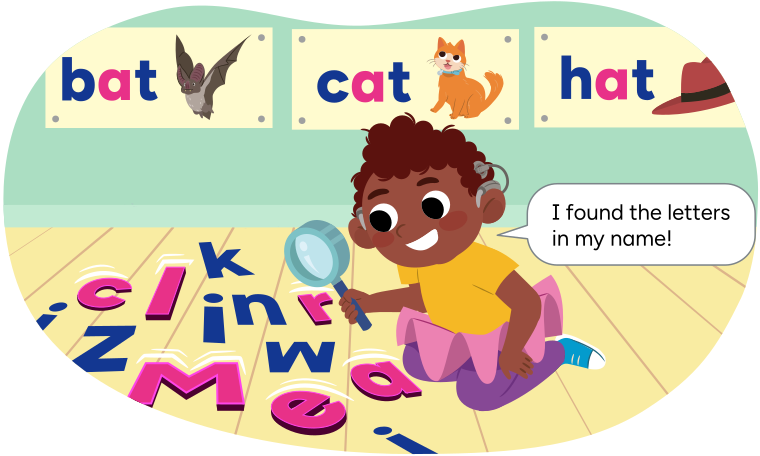
Find the letters of your own name in your learning space or use Marcel’s classroom.
Record the places you found the letters of your name.
Share with someone else if you can.

Movement
Act out the alphabet
Let’s move and learn our letters!
Before you begin, press the following tabs to get ready.
Have you moved any objects that you might bump into?
Listen to your body. Take breaks or stop if you need to.
Follow the steps to act out the alphabet.
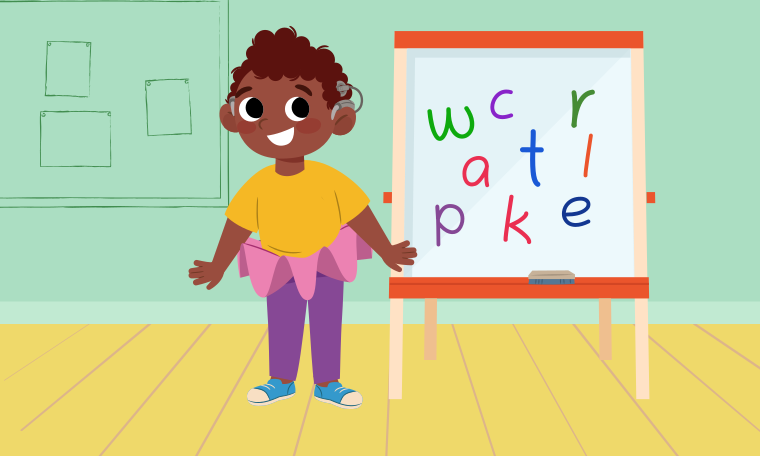
Step 1: Pick a letter
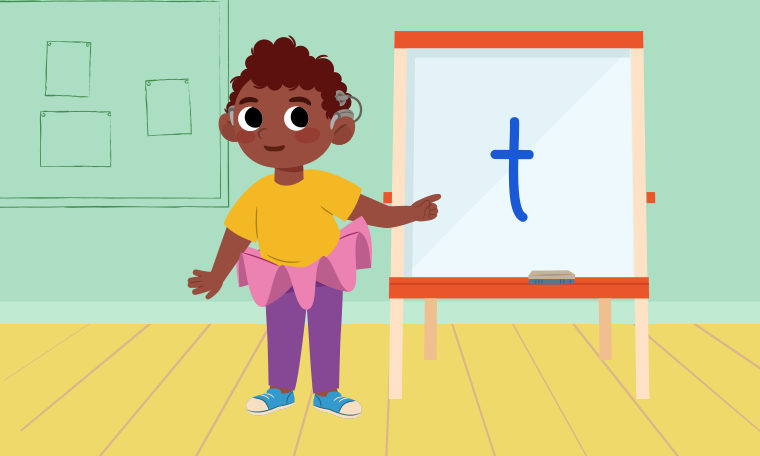
Step 2: Say the letter name and the sound it makes.
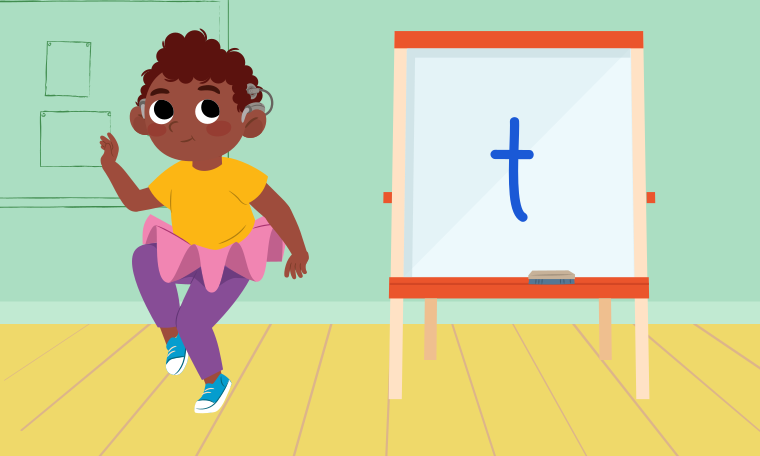
Step 3: Think of an action that starts with that sound or use one from our idea list! Marcel chose t – tiptoe. Act it out and say the word and sound out loud.
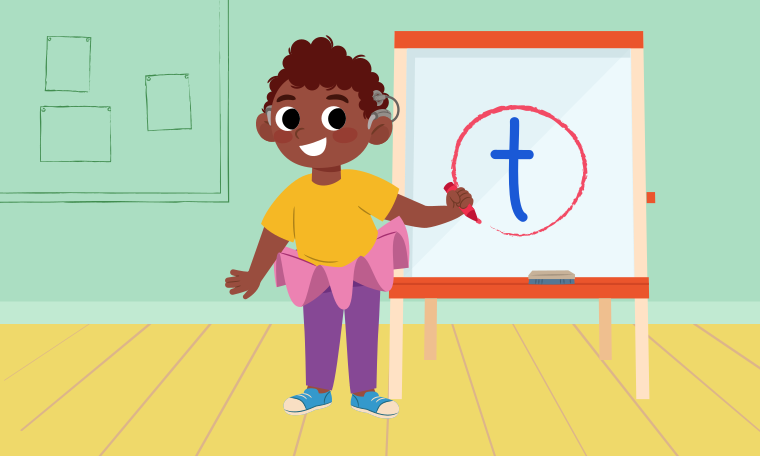
Step 4: Take turns with someone else or perform for a friend if you can.
Alphabet acting ideas
| a - alligator chomp | b - bounce | c - crawl | d - dig | e - eagle soar | f - fly | g - gallop |
| h - hop | i - ice skate | j - jump | k – kick the air | l - leap | m - march | n - nod |
| o - open arms | p - prance | q - quiver | r - roar | s - slither | t – tiptoe | u - up high, down low |
| v - violin playing | w - waddle | x - x-shape arms | y - yawn | z - zoom |

Literacy
Letter sorting
Let’s sort our letters! Choose whether the letter is uppercase or lowercase.
Tip: If you need to review the shapes of lowercase letters, go back to the Action section.
Place the cards into categories that best match. Use the arrow buttons to navigate between cards.
Reflection
How do you feel about what you have learned in this activity? Press the button next to the sentence that matches how you feel.