

My name is Mehar and I love the rain!
Noticing and Naming the Learning
What are you going to learn today?
We are learning to...
- identify the reason for choosing different texts
- use what we know to make predictions about new texts
How do I show what I have learned?
I am able to...
- explore different types of texts
- think about the idea or message a text is sharing
- sort texts
Minds On
Let’s get ready to learn!
Before we begin our learning, let’s wake up our minds with a warm up.

Social Emotional Learning
Warm up
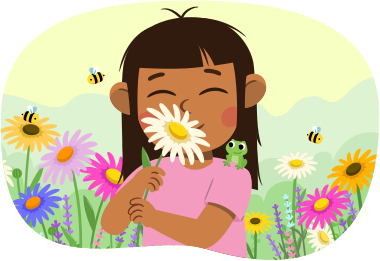
Imagine you are in a field of flowers.
The birds chirp, the bees buzz and you can feel the warm sun on your face.
You gently hold a flower in your fingers.
Bring it up to your face and breathe deeply through your nose and out through your mouth.
Count one, two, three.
Listen to the Flower audio to follow along.
Flower
Texts all around us
There are texts all around us that can help us learn new things every day!
Let’s look at some examples of different texts together. As you explore the images, think about the following questions:
- What did you notice?
- What do you wonder about these texts?
- What do you think these texts are used for?
As you work through this learning activity, you can record your ideas in many ways.
Listen to the following audio recording to learn more about how to record your ideas.
How To Record Your Ideas
Action
Different types of texts
A text is something that we can read, listen to, or watch.
We can explore texts to enjoy ourselves, learn lessons and explore facts about the world around us.
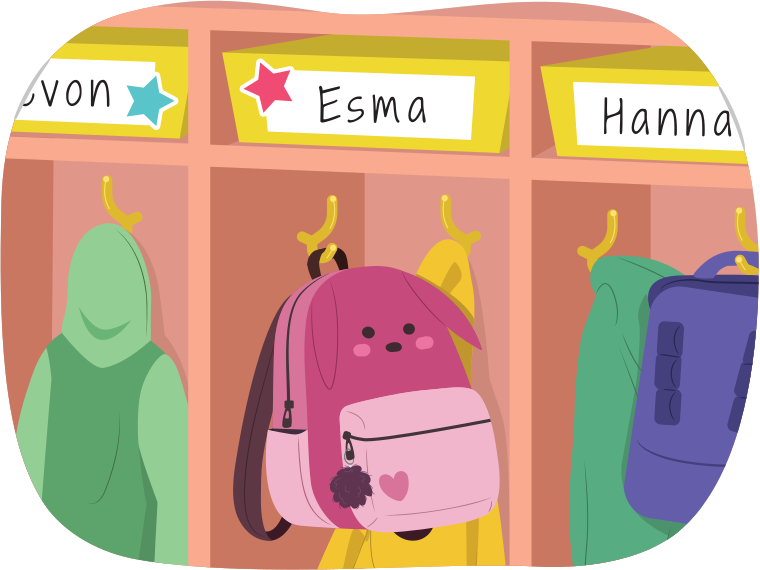
Some texts are short like a label.
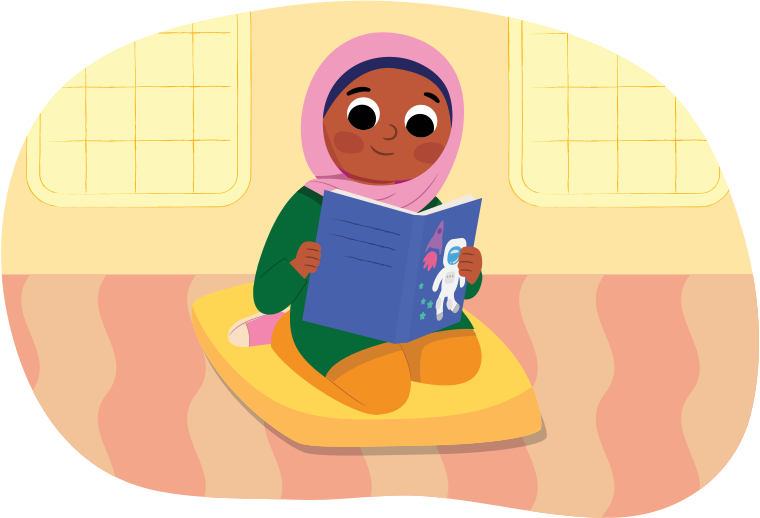
Some texts are long like a book.
A fact is something that has been proven to be true. These facts are recorded by experts.
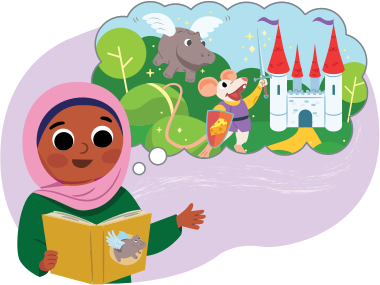
Stories
Some texts share stories.
They are made up from someone’s imagination.
They can have characters and ideas.
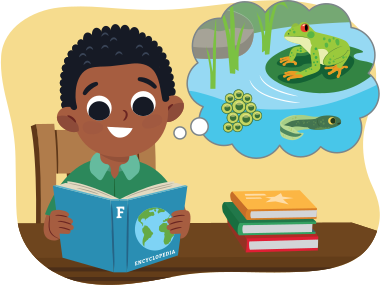
Information
Some texts give us information.
They tell us about real things.
They help us learn new facts about the world.
Stories
Let’s explore texts that share stories.
Picture books
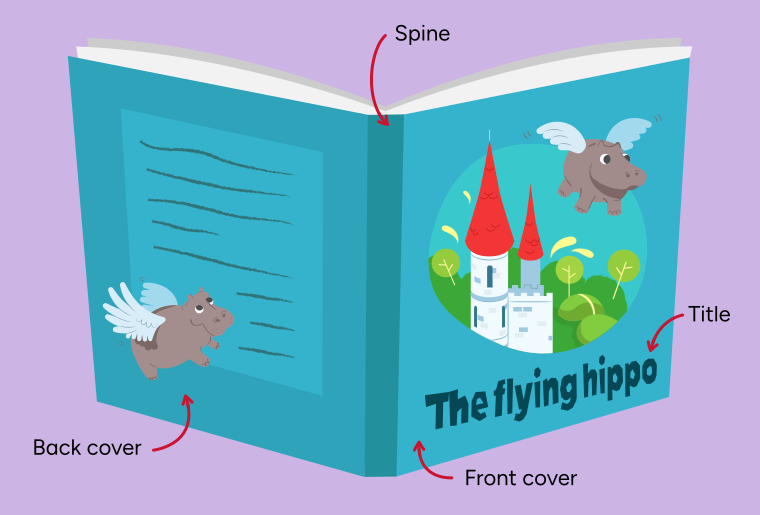
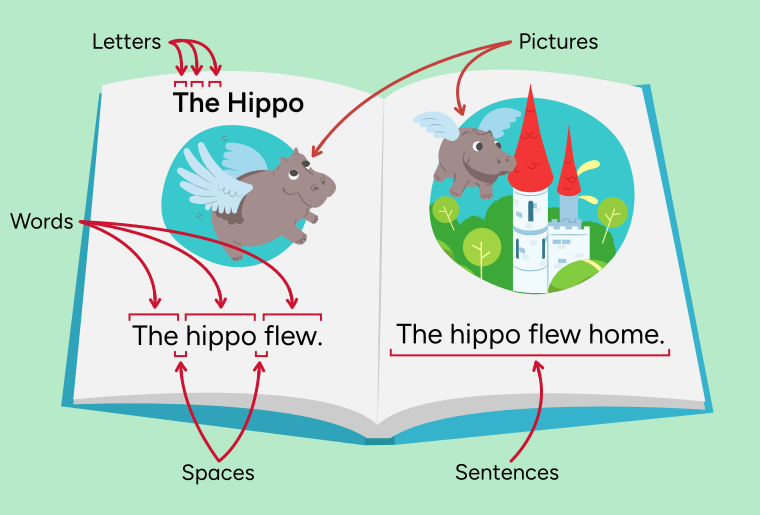
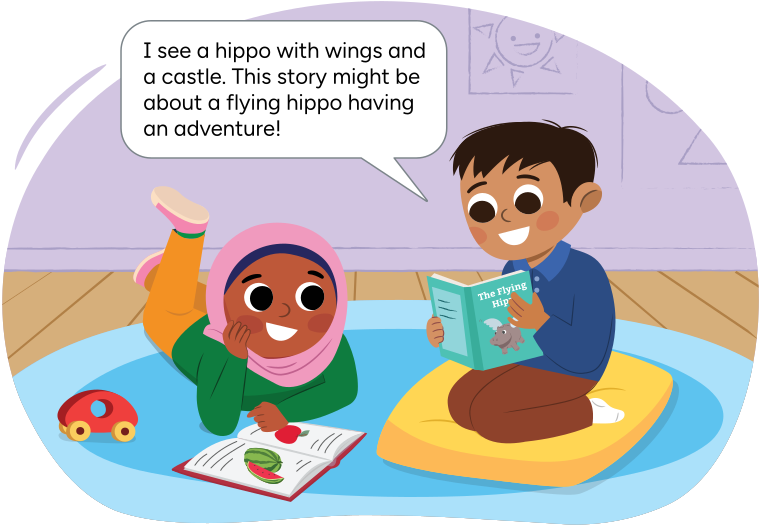
Picture books share words, and pictures that help tell a story.
What do you notice about the following picture book?
DescriptionImage 1: An open book showing its parts. The front cover shows the title 'The flying hippo.' The spine is the middle edge of the book. The back cover is shown on the left side.
Image 2: An open book shows labeled parts of a picture book. Arrows point to letters in the title, groups of letters forming words, spaces between words, pictures on the page, and sentences made up of spaces and words.
What do you think it is about? Why?
Press the Reveal button to find out.
Poems
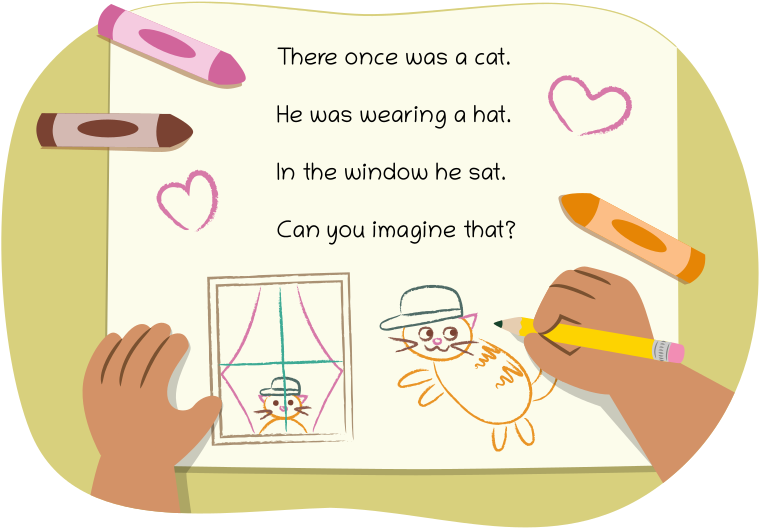
Poems are made of words. They can also have pictures too!
Poems can share different ideas and sometimes contain rhyming words. These words have the same ending sounds.
What do you do when you are excited?
Songs
Songs share words, music and sounds.
Check out the song of the nursery rhyme Five Little Ducks.
What is the nursery rhyme about? How do you know?
Information texts
Let’s explore some texts that share information and teach us about real things.
Recipes
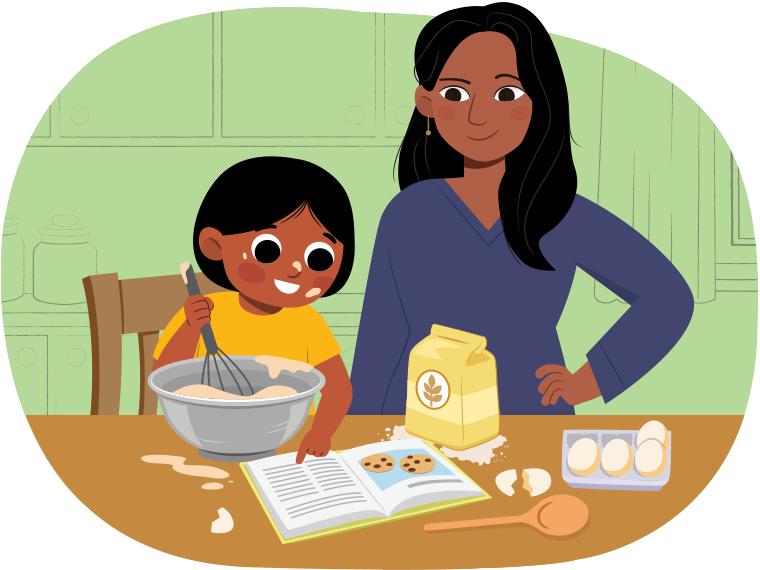
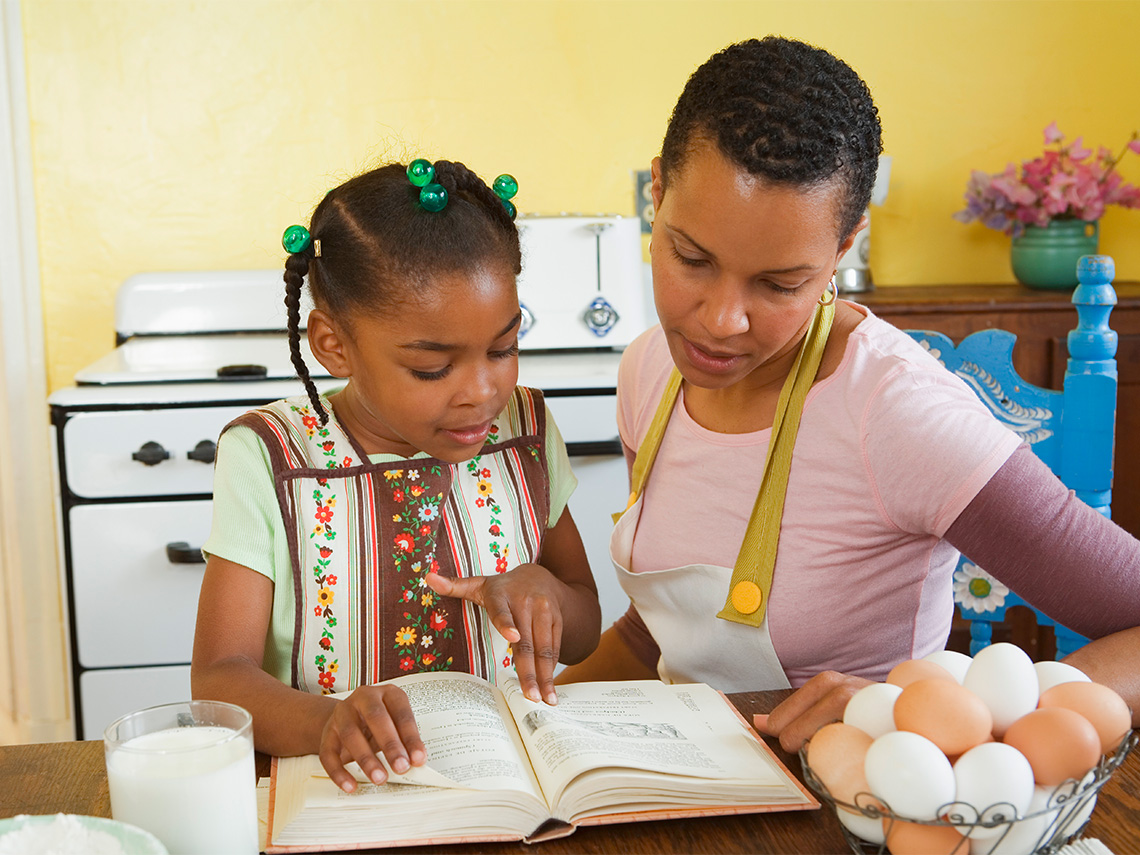
Recipes are texts that share instructions on how to cook or bake a specific type of food.
Have you ever explored a recipe before? What kind of food was it for?
Books
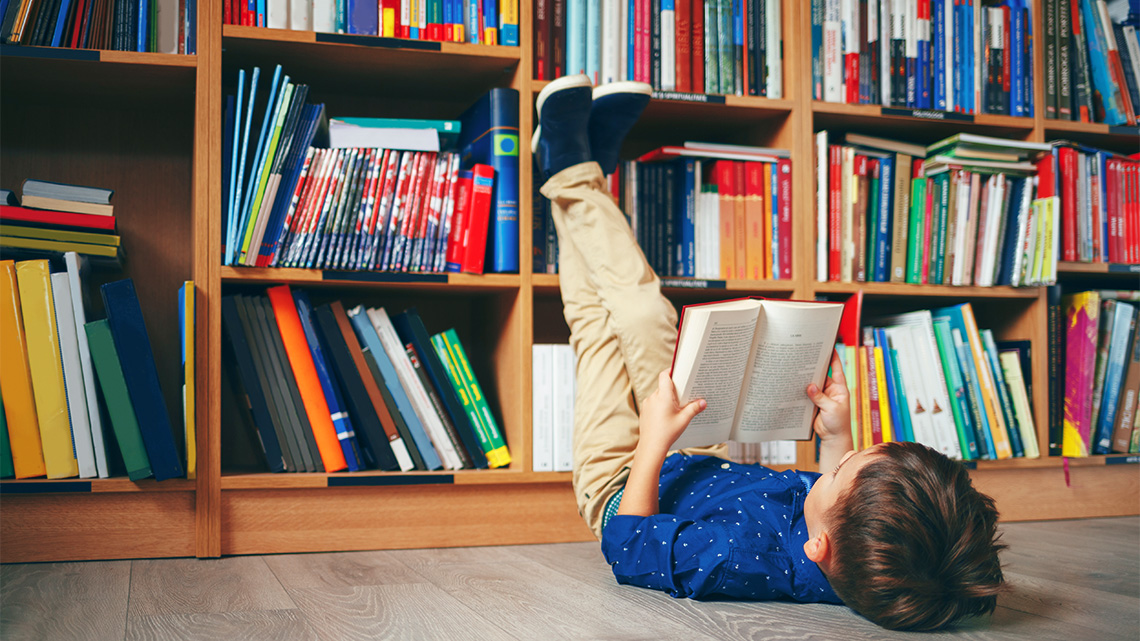
Information books share facts or real-life information.
Information books can contain words, pictures, and maps.
What do you think the following information book is about? How do you know?
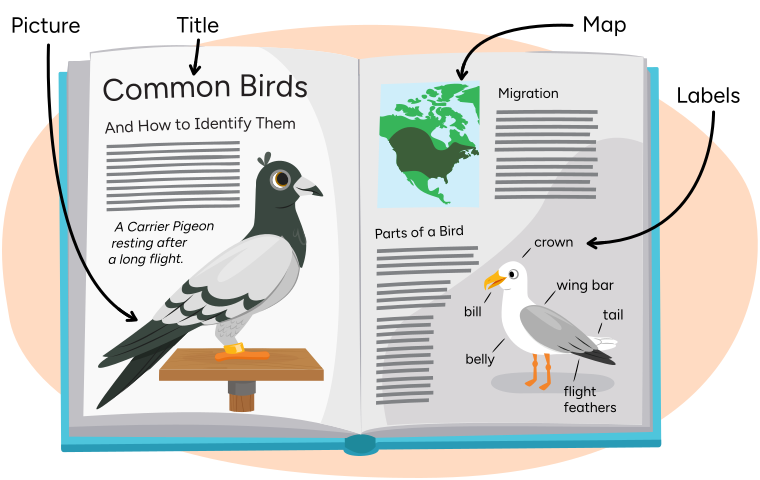
Press the Reveal button to find out.
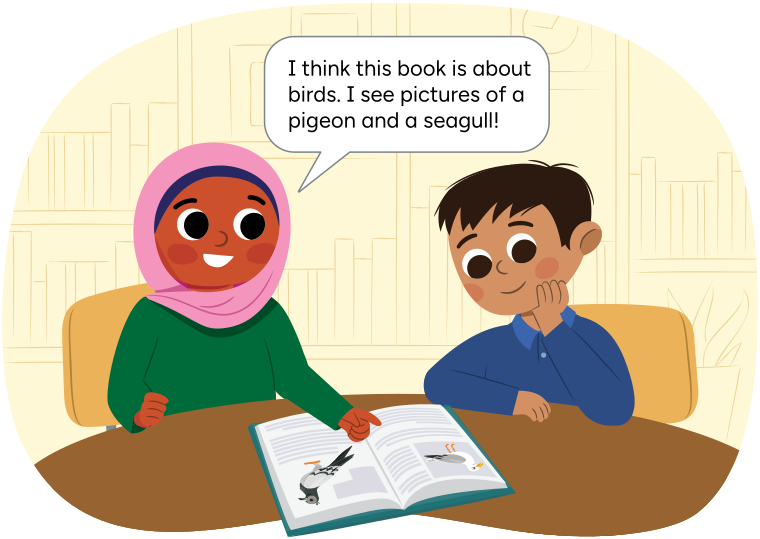
What kind of information book would you like to read?
Posters
Posters are big pieces of paper or signs.
Posters use pictures, shapes, and words to share information.
What kind of information is the following poster sharing? How do you know?
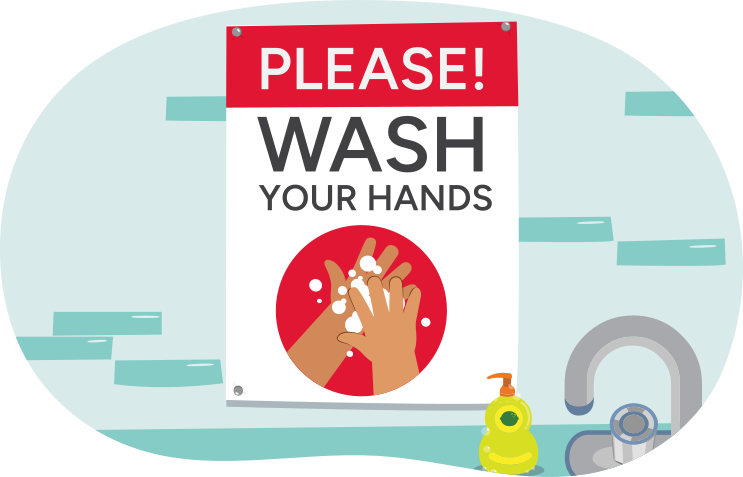
Press the Reveal button to learn more.
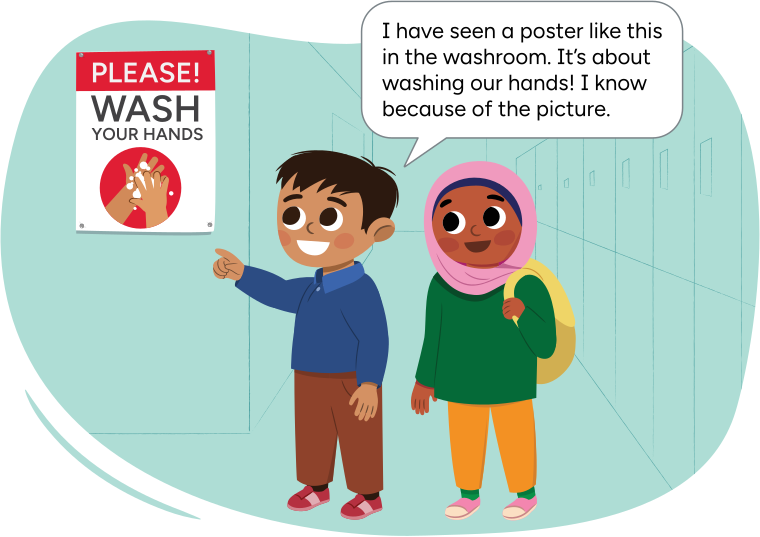
Two learners stand at a poster that reads "Please! Wash Your Hands." One learner says, "I have seen a poster like this in the washroom. It's about washing our hands! I know because of the picture."

Pause and Reflect
Pause and reflect
What kind of texts have you seen in your everyday life?
Share your thoughts with someone else, if you can.
Body break!
Let’s take a break and move!
Before you begin:
- Find a safe space. Move anything you might bump into.
- How are you feeling? Listen to your body and take breaks.
- Ask an adult before getting materials or if you need help.
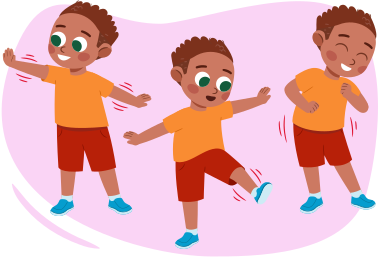
- Start by standing or sitting.
- Gently shake one arm, the other arm, then both.
- Shake one leg and the other leg.
- Gently shake your head, hips, and whole body.
- Repeat this two more times!
Follow the steps to move your body. You can also follow along with the audio.
Do whatever feels most comfortable for you.
Body Shake
Sorting texts
Think about what we learned about story texts and information texts.
Story texts can come from someone’s imagination and share ideas and/or characters.
Information texts share facts about real life and can teach us about the world around us.
Explore the following examples. Are they story texts, information texts, or both?
Pause and Reflect
Pause and reflect
If you could create your own text, what would you choose? Why?
Printing practice
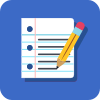
I is for Imagination.
Let’s practice printing the letter I.
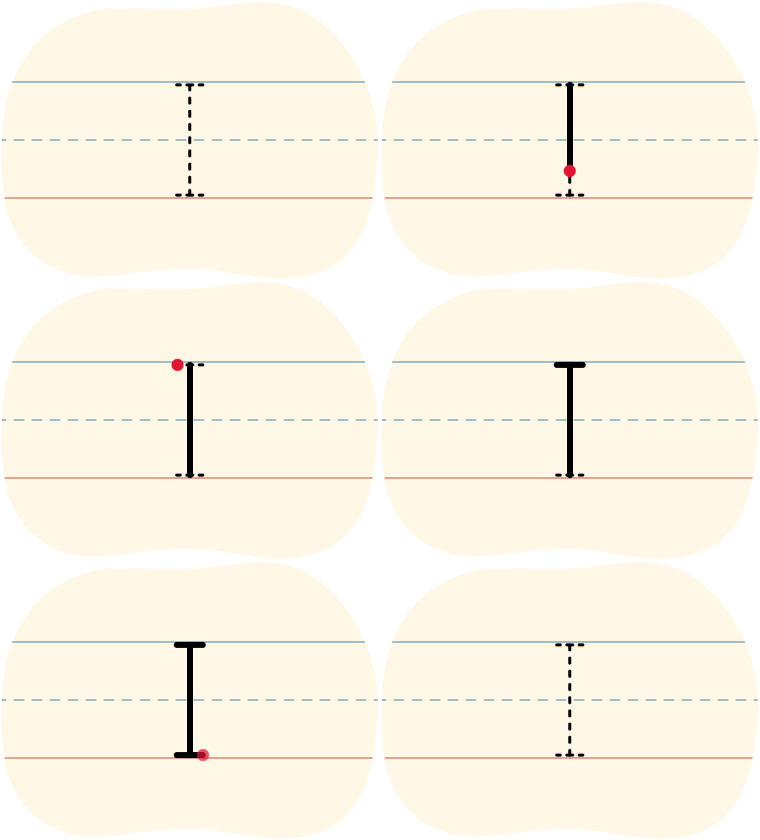
X is in text.
A book is a type of text.
Let’s practice printing the letter X.
Now, you try!
Practice printing this letter in your notebook or using a method of your choice.
Use the following checklist to explore some printing tips.
When you are printing:
Consolidation
Time to explore!
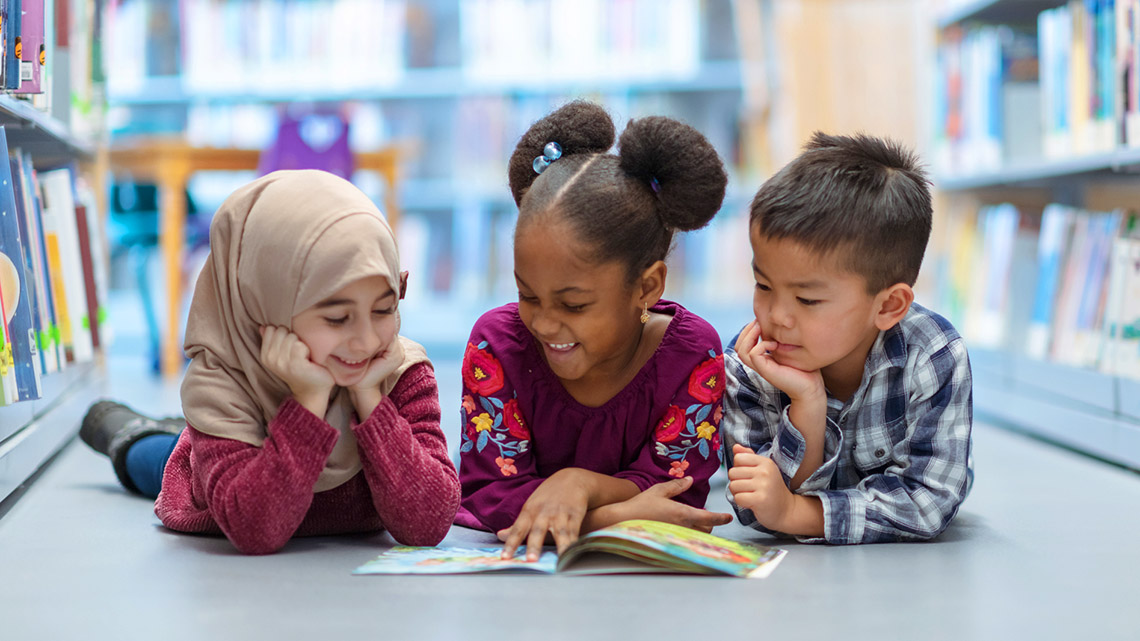
Check out the following centre ideas to learn more about different texts!
You may choose one or more centres to explore.

Arts
Make your own poster!
A poster is an information text that uses pictures and words to share a message.
You can design any type of poster you want. Explore the list for some other poster ideas:
- Kindness - “Be Kind!” or “Share and take turns!”
- Friendships
- Alphabet or letters
- Numbers
If you would like to try this activity, you can use materials that you have in your learning space.
Always ask permission from a trusted adult before gathering your materials.
Possible materials
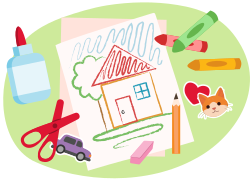
- white paper or construction paper for poster
- a writing utensil (pencil, pen)
- colouring tools (crayons, markers, pencil crayons)
- optional: other decorations (for example stickers, stamps, glitter)
Gabby wants to make her own poster for the Earth Day Clean Up event at her school!
Let’s follow the steps to learn how.
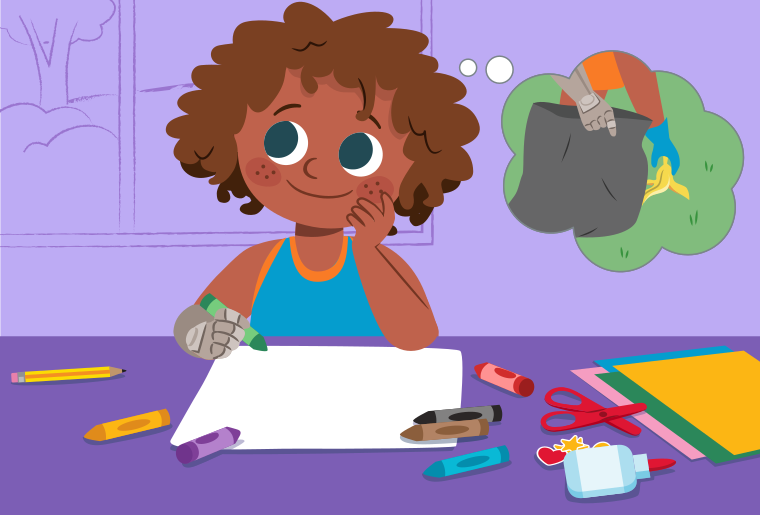
Step 1: Take a piece of paper and some writing tools.
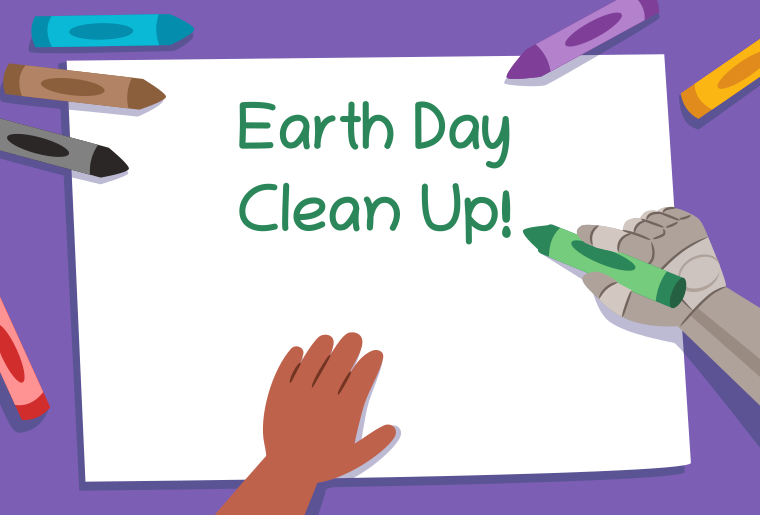
Step 2: Write “Earth Day Clean Up!” on the front of the paper in big letters and colours. We want to make sure the words and letters are clear for others to see!
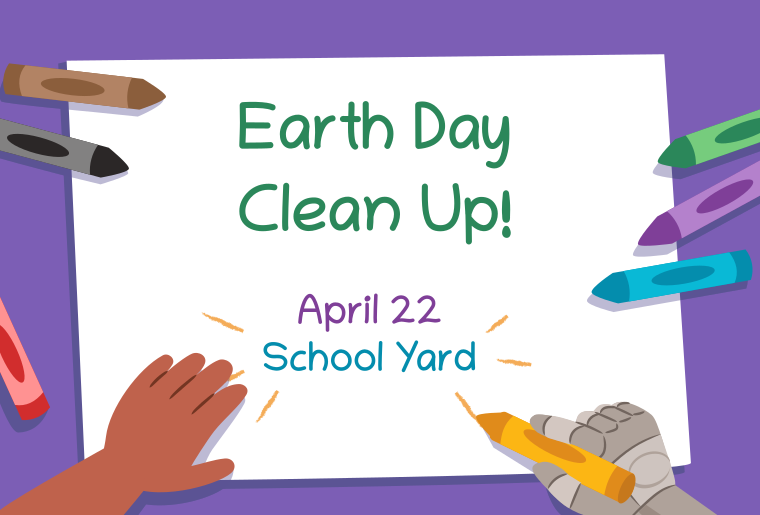
Step 3: Write other important details about the event that we want other people to know about. This might include the date of the clean up event, and where it is!
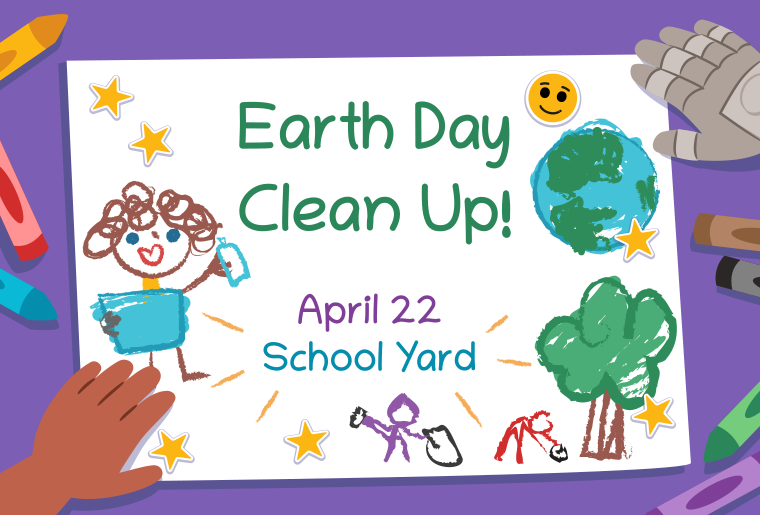
Step 4: Add other drawings or decorations to your poster!
You could also use your imagination to think about how you would design your own poster! When you are done, talk about your ideas with someone else, if you can.

Inquiry
Scavenger hunt!
Let’s go on a text scavenger hunt!
A scavenger hunt is when you search around your learning space for specific kinds of objects.
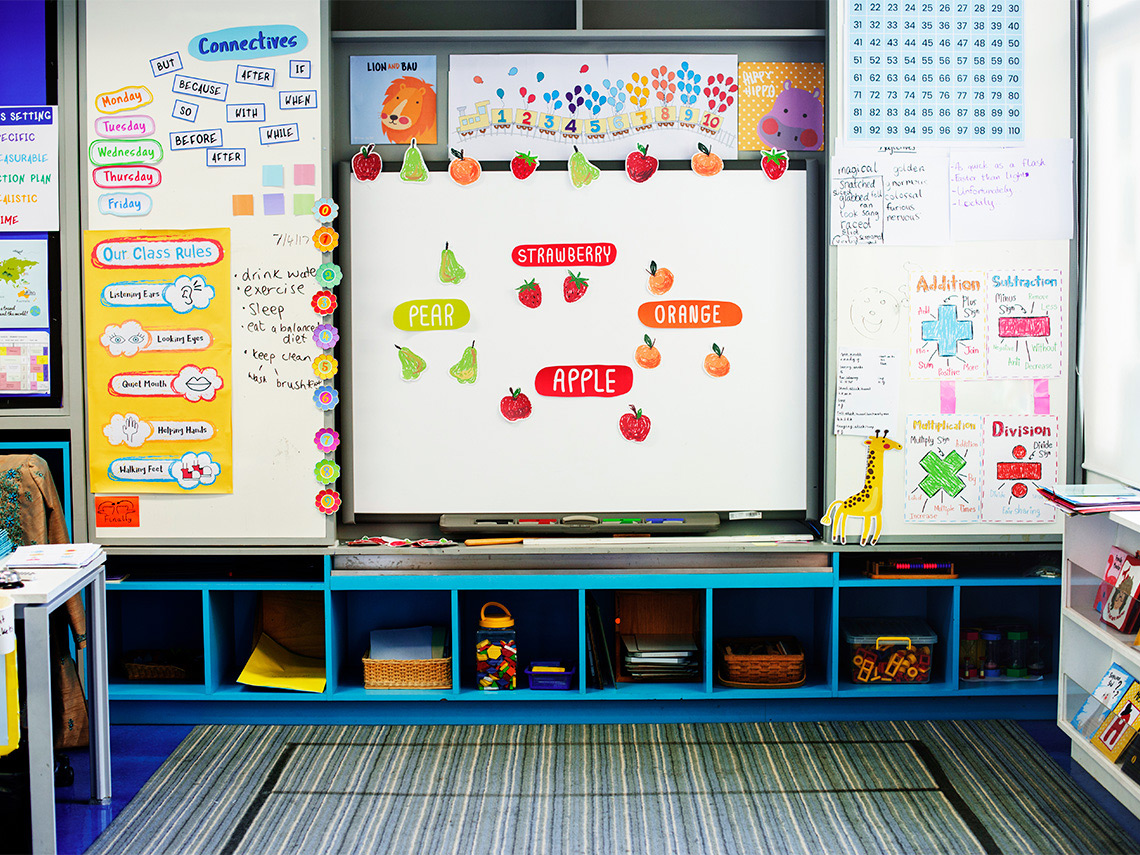
Explore the following image.
Can you find any texts? What kind of text are there?
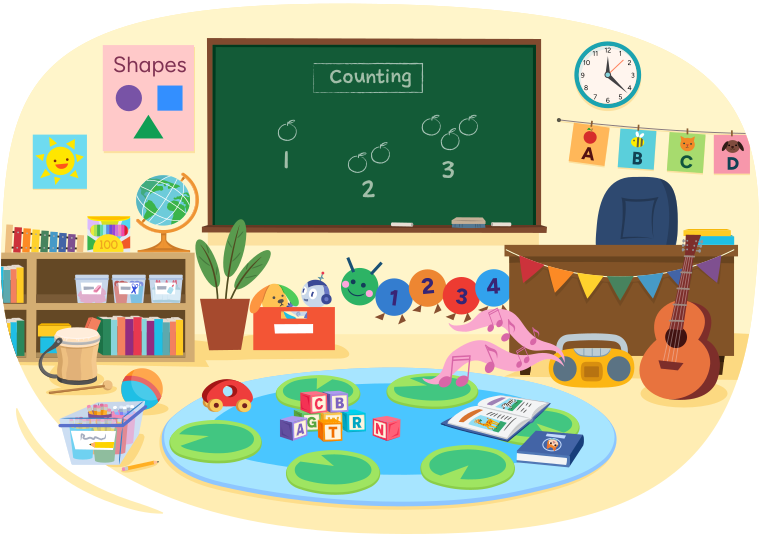
If you want you can go on a text hunt in your own learning area and see what kind of texts you can find.

Movement
Activity cards
Information texts can show us steps to follow.
Let’s explore some flashcards that show different exercises.
Before you begin, press the following tabs to get ready.
Have you moved any objects that you might bump into?
Listen to your body. Take breaks or stop if you need to.
Follow the steps on the action cards to move your body.
You can also do any action that feels most comfortable for you.
Literacy
Picture book
Picture books can share stories about any character and include different ideas.
Let’s explore the story called Rainy Day.
Think about it:
- What is the story about?
- Who was in the story?
- What idea or message did the story share?
If possible, share your ideas or thoughts with someone.
You may also show what you learned through pictures or writing in words.
Rainy DayRainy Day
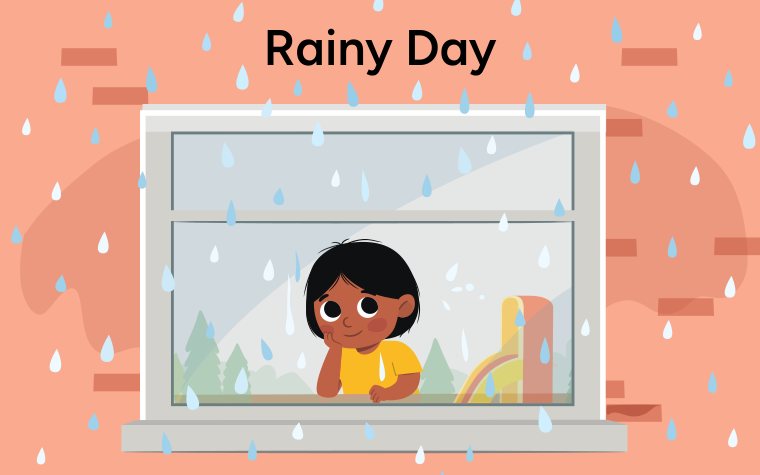
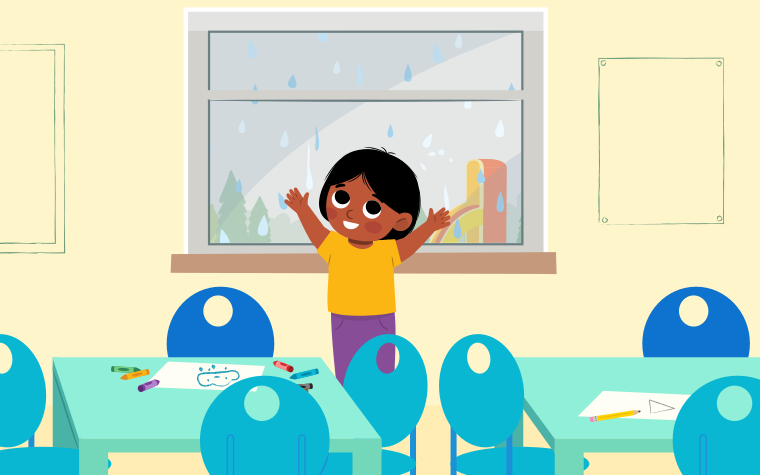
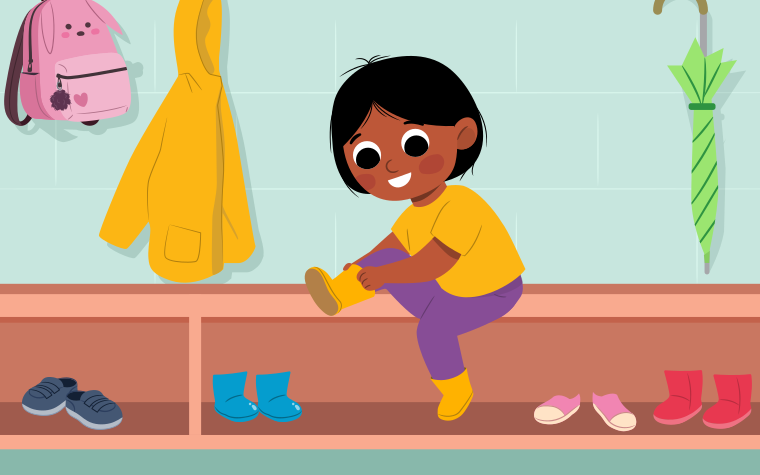
It’s recess time so I put on my rainboots and raincoat and now it’s time to play!
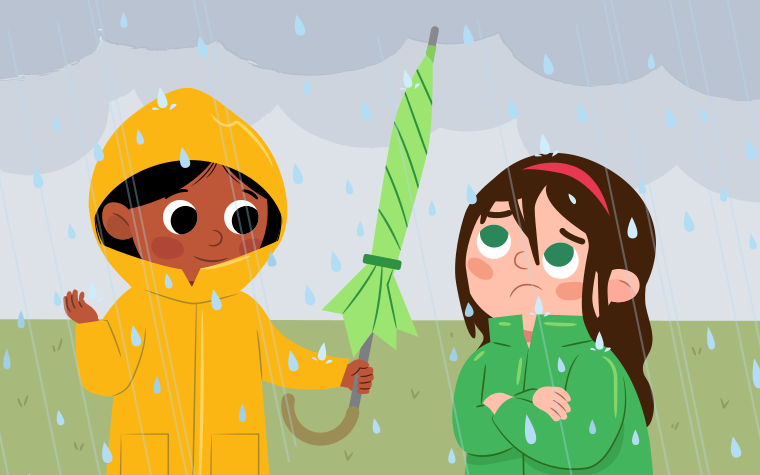
I head outside and almost bump into my friend Sam. Sam doesn’t look happy. She tells me that she doesn’t like to get wet.
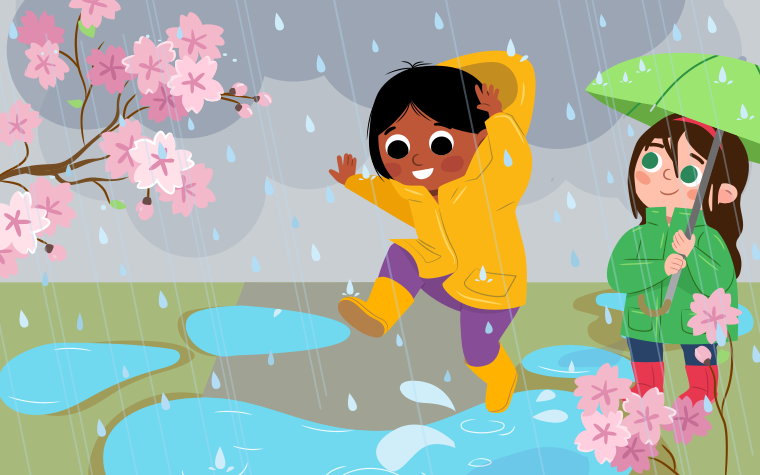
I bring Sam an umbrella. Sam smiles at me. I love when it rains!
Reflection
How do you feel about what you have learned in this activity? Press the button next to the sentence that matches how you feel.