



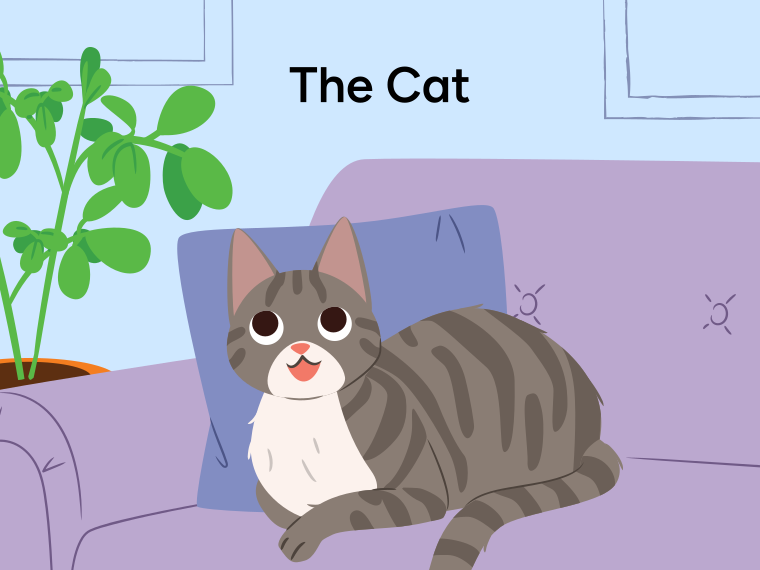
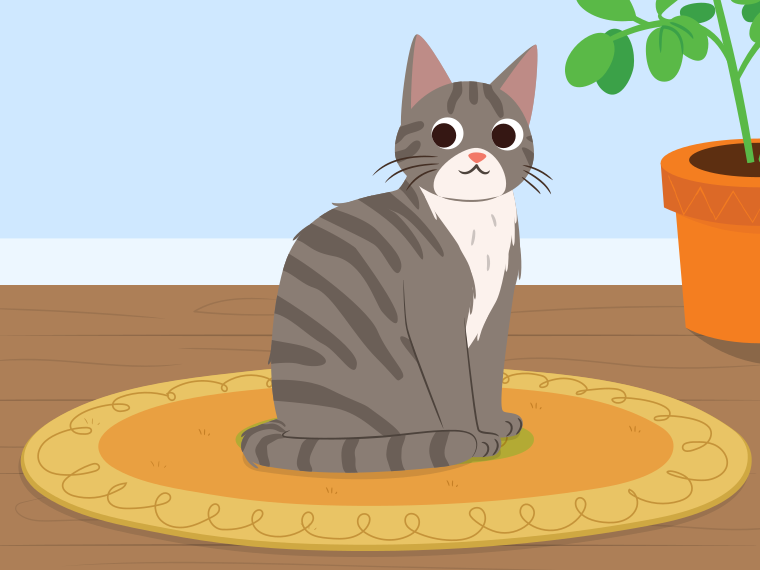
The cat sat on the mat.
Noticing and Naming the Learning
What are you going to learn today?
We are learning to…
- read short words and sentences
- use letters, words and pictures to share our ideas
- use what we know about sounds and letters to read and spell simple words
- use tools and resources to help us write
- make simple texts that share our thoughts, stories, and experiences
How do I show what I have learned?
I can…
- read short words and sentences using what we know about letter sounds
- use letter sounds to write simple words
- use tools (like an alphabet chart or picture cards) to help me write
- make a short piece of writing that shares a message or story
Minds On
Let’s get ready to learn!
Before we begin our learning, let’s wake up our minds with a warm-up.
Listen to the Flower audio to follow along to get you ready to learn!

Social Emotional Learning
Warm up
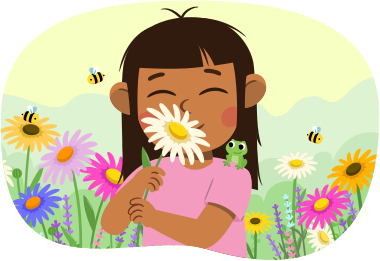
Imagine you are in a field of flowers.
The birds chirp, the bees buzz and you can feel the warm sun on your face.
You gently hold a flower in your fingers.
Bring it up to your face and breathe deeply through your nose and out through your mouth.
Count one, two, three.
Listen to the Flower audio to follow along.
Flower
Words all around us
Writers can share their ideas in a lot of different ways!
Explore the following images.
- What did you notice?
- Did you see any pictures, letters, words, or sentences?
- What do you think they are used for?
As you work through this learning activity, you can record your ideas in many ways.
Listen to the following audio recording to learn more about how to record your ideas.
How To Record Your Ideas
Action
Where do we see writing?
People use words to share ideas and messages in a lot of different ways.
When someone writes using words and sentences, they can:
- share how they feel
- share information
- help others learn
- create stories and books
When we look around our world, we can find writing everywhere.
Let’s look at some examples.

We see writing in books.

We see writing on road signs.
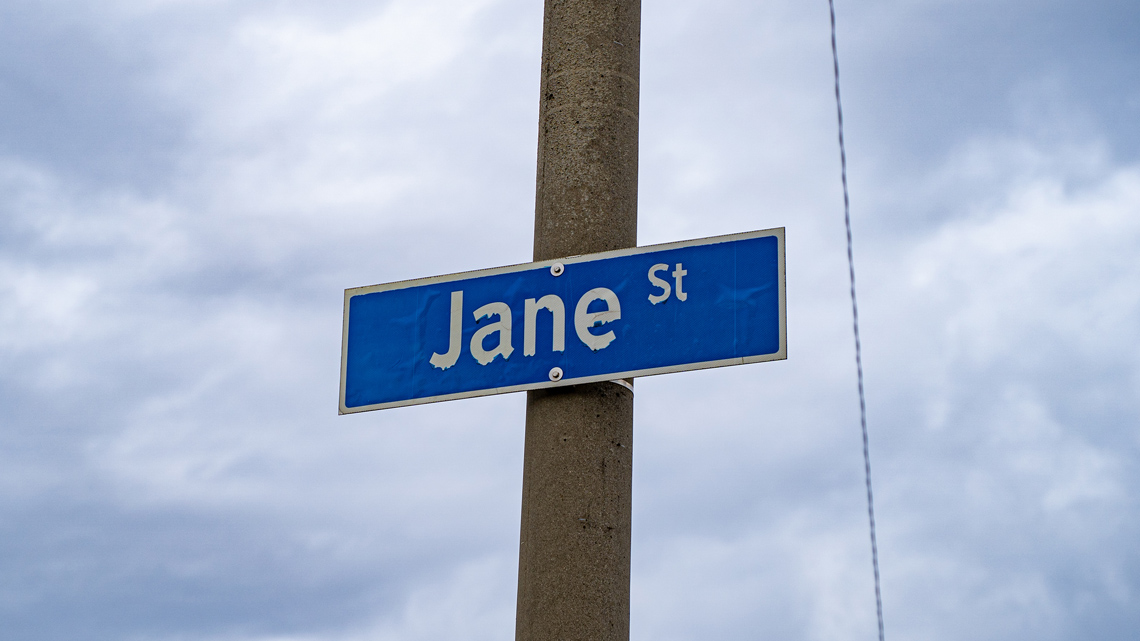
We see writing for street names.
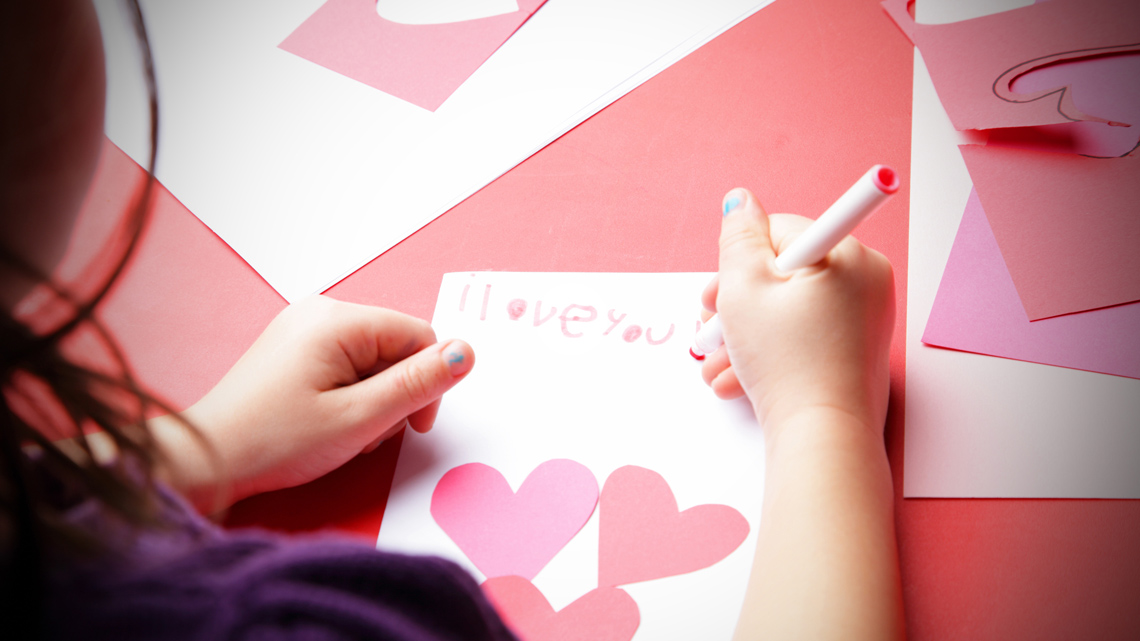
We see writing on cards.

We see writing at a store.

Try It
Try it
Look around your learning space:
- Do you see other pieces of writing that have pictures, letters, words, or sentences?
- How do you share your ideas when you write or draw?
If possible, share your thoughts with someone else.
Using letter sounds to write words
Explore the following image. What do you notice?

Words are made up of letters.
We can use our alphabet letter sounds to help us write different words and sentences.
Let’s try reading a word together!
The image is of a cat.
Listen to the audio to hear how we can break down the sounds in the word.
Phonetic Cat
What sounds do you notice do you notice in the word “cat”. Let’s try to break down the sounds.
We can hear the sounds /c/ /a/ /t/, in the word cat.
Once we have sounded out the word, we can write it and draw a picture.
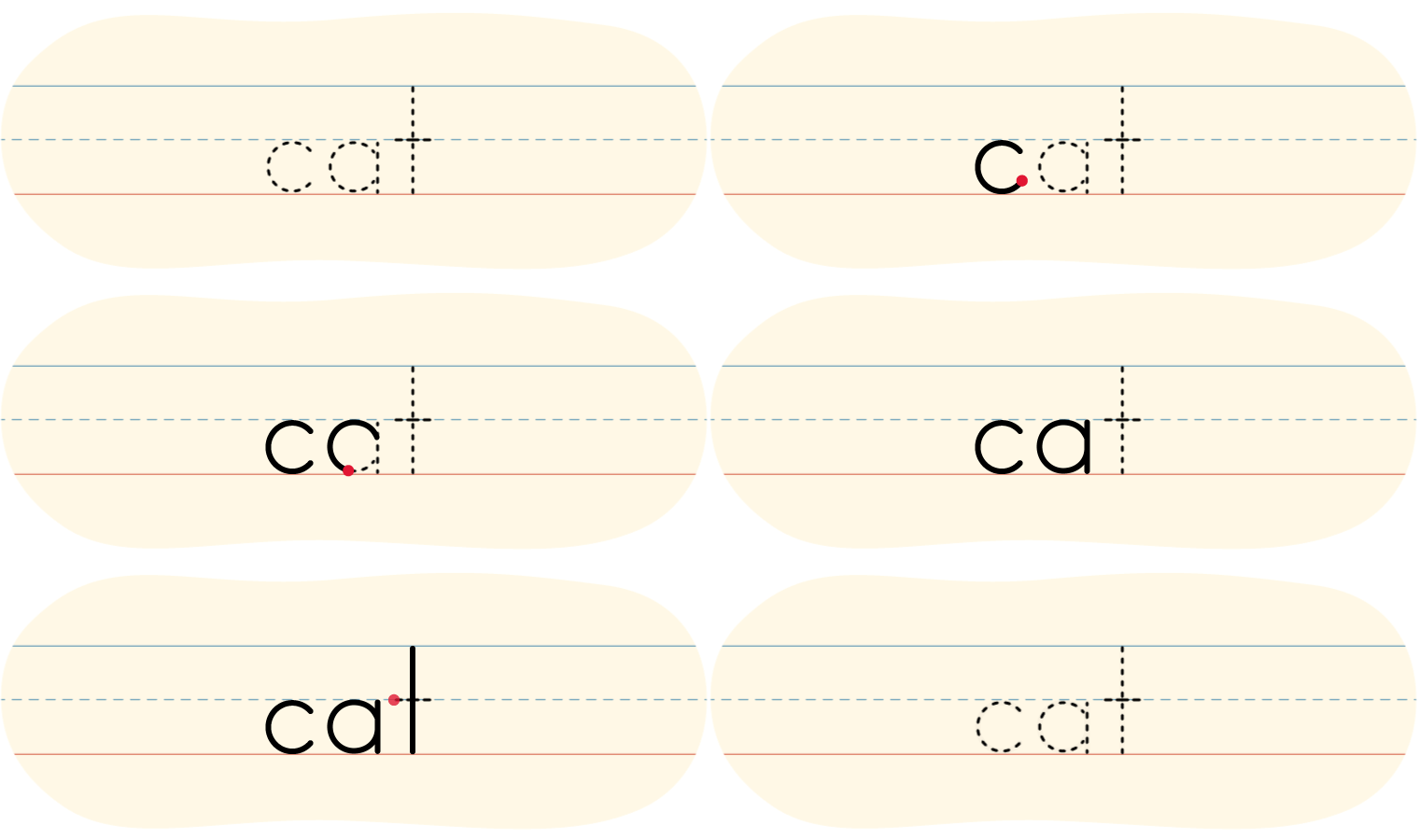
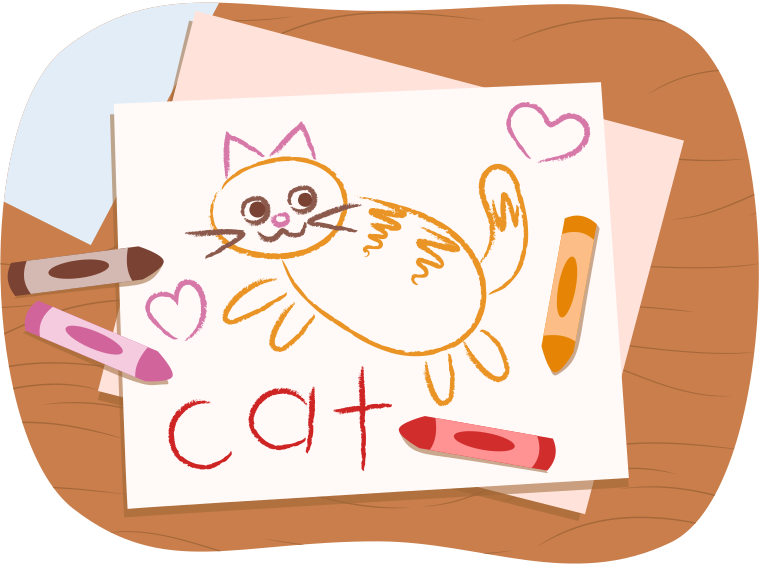
Let’s write!
Now, it’s your turn to try!
Let’s get ready. Always ask permission from a trusted adult before gathering your materials.
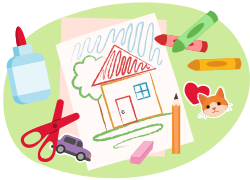
Possible materials:
- paper
- pencil
- optional: coloured pencils, crayons, or markers
Let’s look at words in the following flashcards and follow the steps to practice writing.
- Look at the picture.
- Flip the card to look at the word.
- Identify the letters in the word.
- Try sounding out the word.
- Press the audio to listen to the word.
- Try writing the word.
- Draw a picture of the word, if you like!
If possible, share your work with someone else.
You could also use your imagination to think about how you would label and draw each picture.
Body break!
Let’s take a break and move!
Before you begin:
- Find a safe space. Move anything you might bump into.
- How are you feeling? Listen to your body and take breaks.
- Ask an adult before getting materials or if you need help.
Follow the steps to move your body. You can also follow along with the audio.
Do whatever feels most comfortable for you.
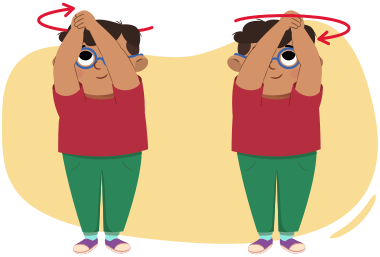
A learner is standing with both arms raised over their head. With their hands clasped together, they are moving their arms in a circular motion.
- Start by standing or sitting.
- Raise your arms in the air and then hold your hands together above your head.
- Slowly make circles going one way, do this 5 times.
- Slowly make circles going the other way, do this 5 times.
- Try to make different shapes.
- Repeat this one more time!
Circles
Sharing a message
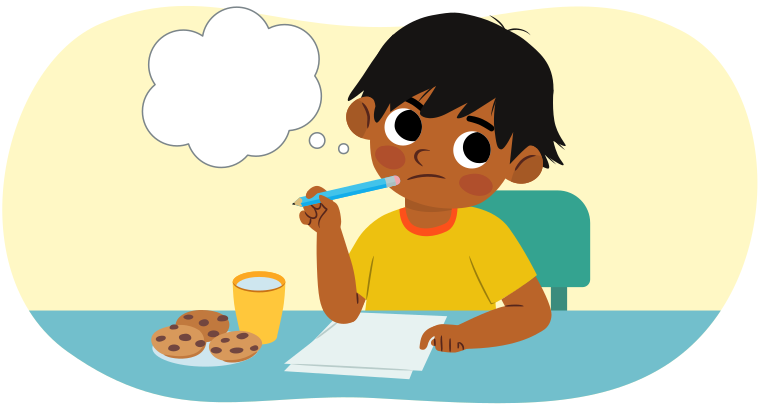
When we write, we share an idea or a message.
Writers can share their thoughts in many ways. They can use pictures, letters, and/or words!
When writers want to tell stories or share ideas, what might they do?
- Sometimes they use pictures to help write messages.
- Sometimes they say their words out loud to help them write messages.
- Sometimes they write words and sentences to share messages.
Let’s read!
Let’s look at a short story called, The Cat. Explore each sentence with a picture and audio to help say the words out loud.
- What do you notice about the words in the story?
- How do they sound?
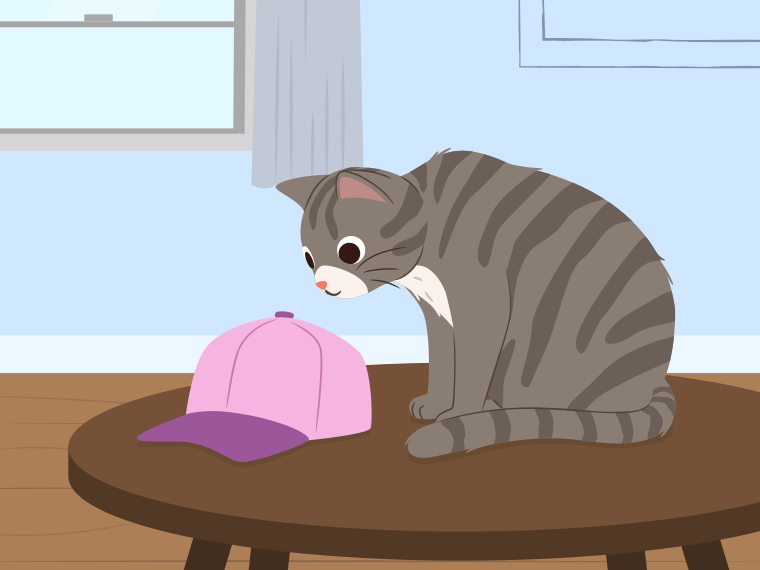
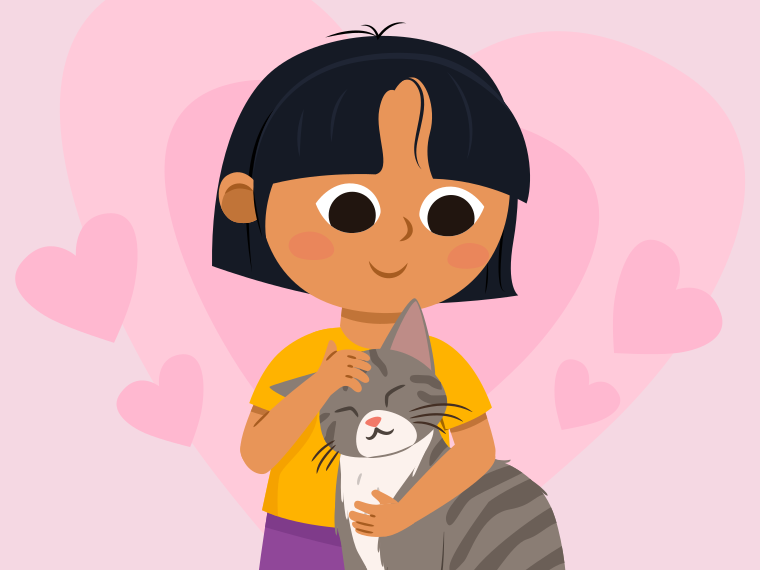
Let’s look at the words in the story. What do you notice about the ending of the words?
The cat sat on the mat.
The cat saw a hat.
The cat got a pat.
Press the Answer button to learn more.
Many words in the story end with the “-at” sound. It sounds like a short /a/ sound, with a /t/ sound at the end.
The following words are part of the -at word family:
- cat
- sat
- mat
- hat
- pat

Pause and Reflect
Think
What do you think is the writer’s message in this story?
Press the Possible Answer button to learn more.

Maybe the writer wants to share what the cat was doing at home on a happy day.
Let’s practice!
In our short story, The Cat, we learn about a small grey cat that is sitting on their mat, looking at a hat, and getting a pat.
How would you want the story to continue?
Press the Possible Answer button to see an example.
For example: The cat saw a rat.
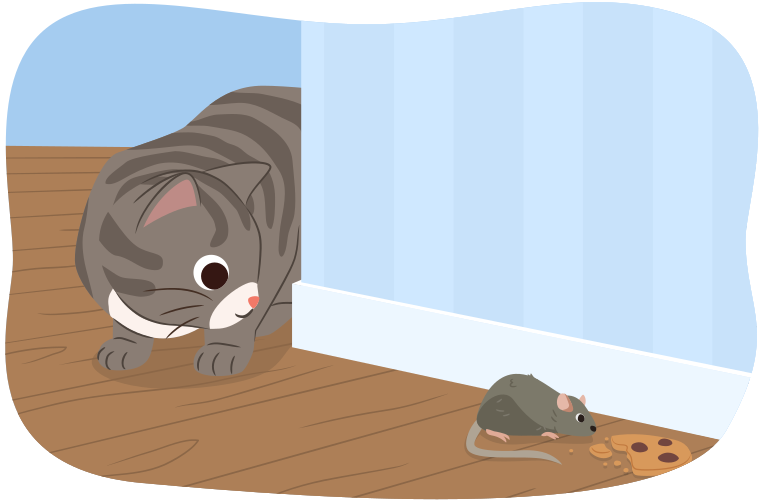
Now, you try!
Write or share out loud one sentence that tells us what happens next to the cat. If you want, draw a picture to check out and example!
You can use the following tools to help you write, draw, or share your story. Always ask permission from a trusted adult before gathering your materials.
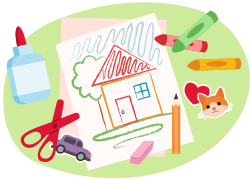
Possible materials:
- paper
- pencil
- optional: coloured pencils, crayons, or markers
If possible, share your work with someone else.
You could also use your imagination to think about how you would write and draw the rest of The Cat or even write your own story!
You can use the following table of “-at” words to continue the story.
|
cat |
sat |
rat |
|
pat |
mat |
bat |
Press the following tabs for tools to help you write.
Use the following alphabet chart to help you write your letters.
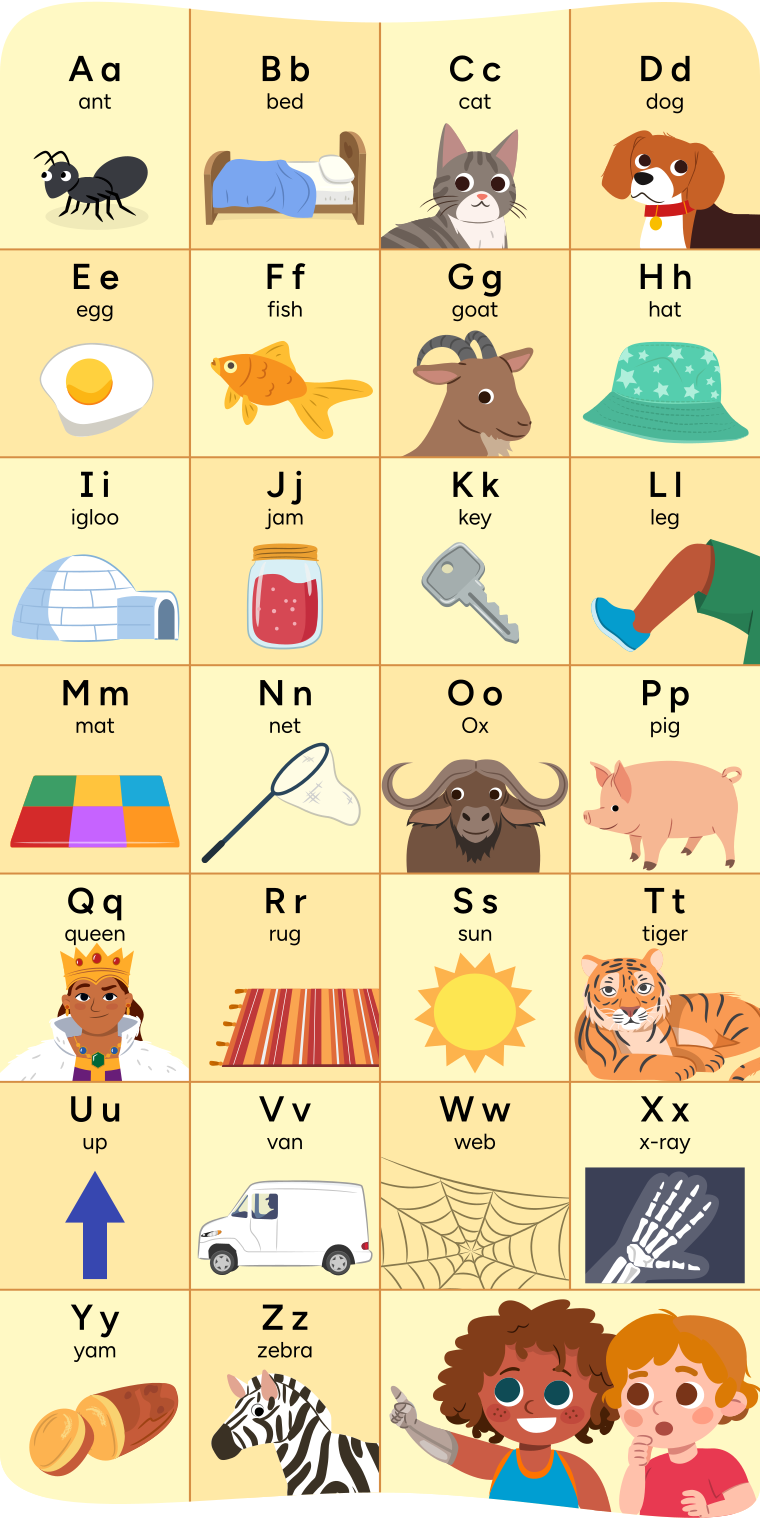
Watch the following phonics video to learn more about words that end in -at.

Printing practice
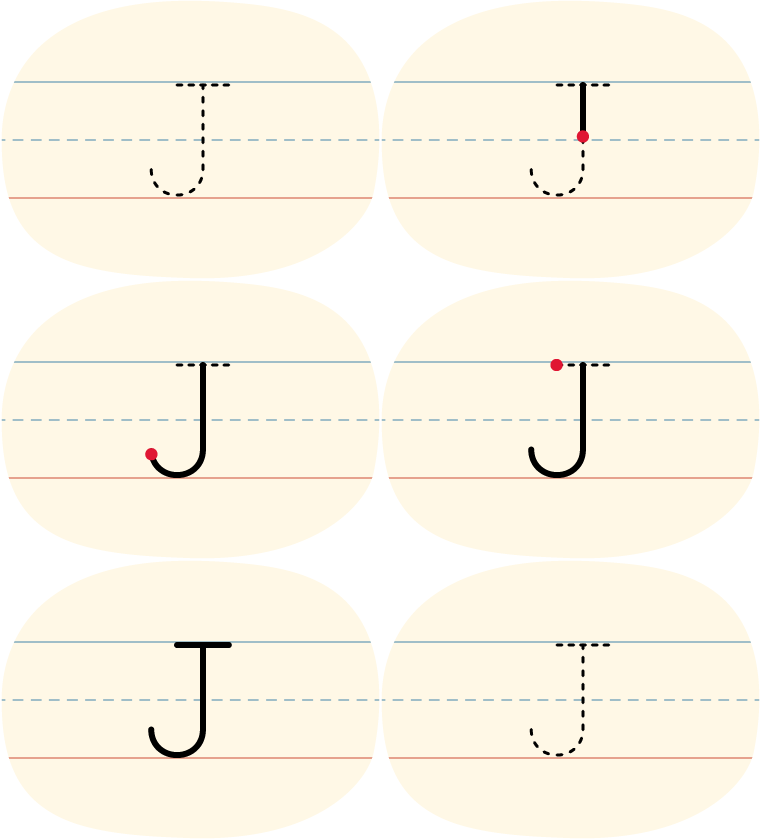
J is for Jot.
Let’s practice printing the letter J.
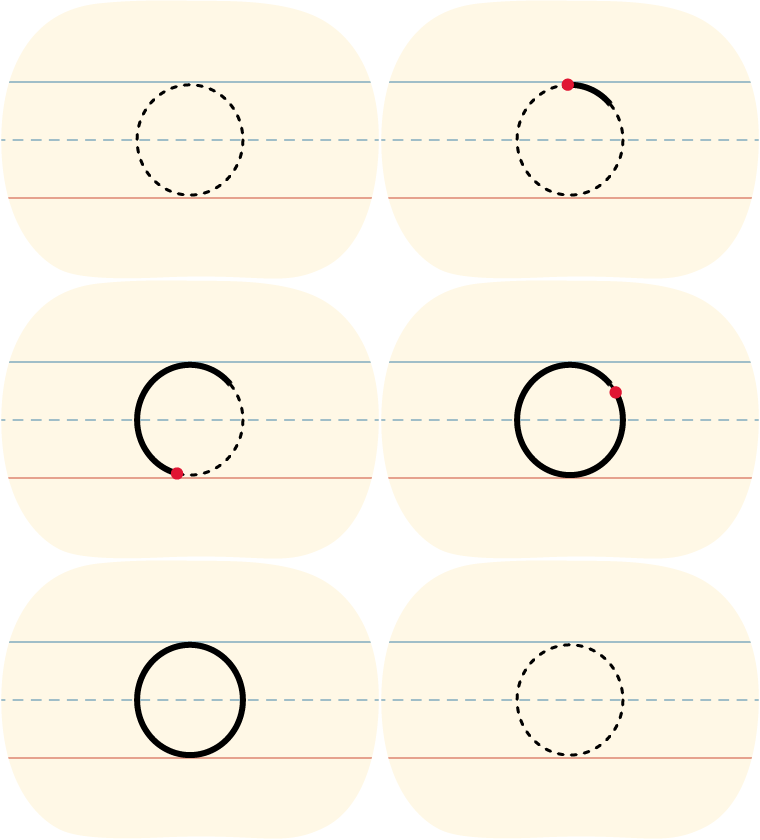
O is for Open.
Let’s practice printing the letter O.
Now, you try!
Practice printing this letter in your notebook or using a method of your choice.
Use the following checklist to explore some printing tips.
When you are printing:
Consolidation
Time to explore!

Check out the following centre ideas to explore more about writing!
You may choose one or more centres to explore.



Arts
Design your own book!
Writers and artists both tell stories.
In picture books, the author writes the words, and the illustrator draws the pictures.
Read or listen to the following short story, Hens in the Pen, exploring the “-en” word family.
Ken had a hen.
Jen had a hen.
I had ten.
The hens are in the pen.
Hens in the Pen Audio
Arthur wants to be an author and illustrator for the story, Hens in the Pen. Let’s follow the steps to learn how.
If you would like to try this activity, you can use materials that you have in your learning space. Always ask permission from a trusted adult before gathering your materials.
Possible materials
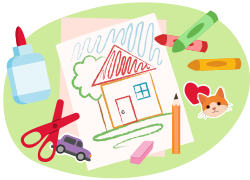
- paper
- a writing utensil (pencil, pen)
- stapler or hole punch with string (to put the pages together)
- optional: colouring tools (crayons, coloured pencils, or markers)
- optional: other book examples that show both text and illustrations

Step 1: Fold the paper into a book.
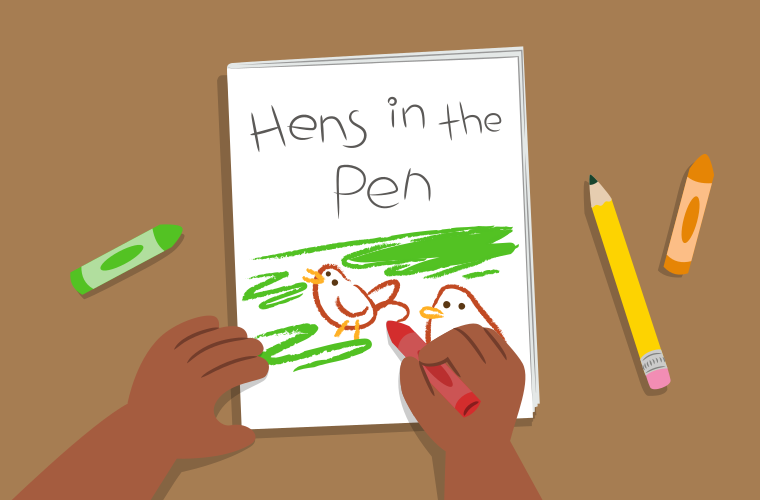
Step 2: Write the title of the book, “Hens in the Pen”, and draw a picture to show the cover.
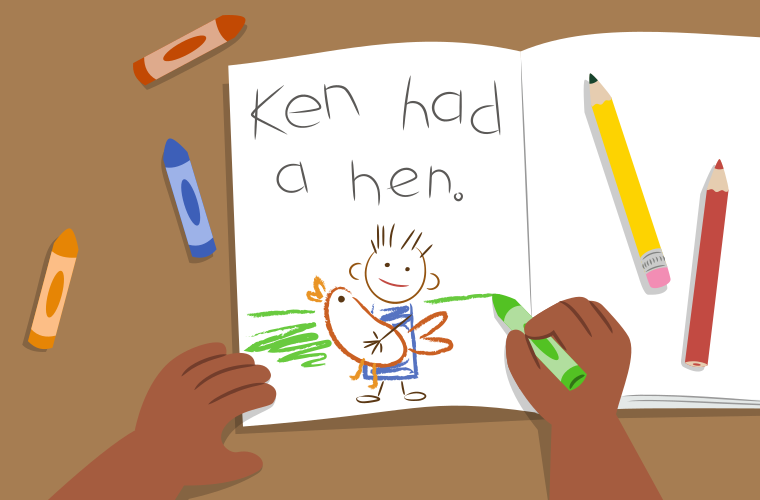
Step 3: Flip the page and write the first sentence of the story, “The hen is in the pen.” Then, draw a picture to match the sentence.
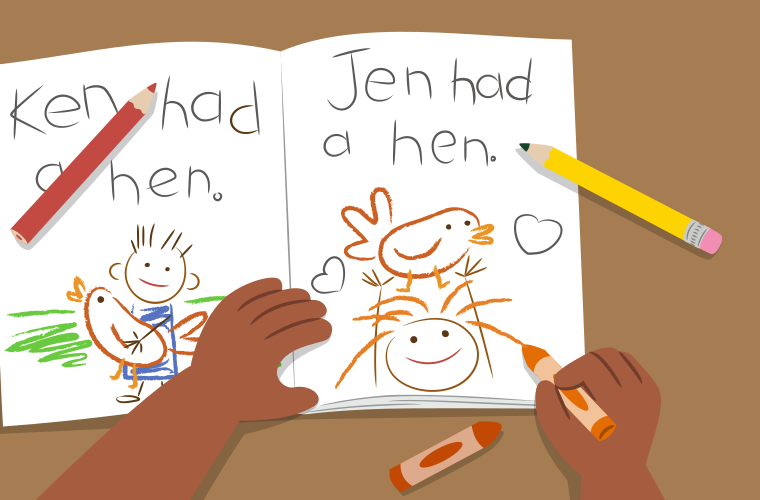
Step 4: Flip the page and write the second sentence of the story, “Jen has a hen.” Then, draw a picture to match the sentence.
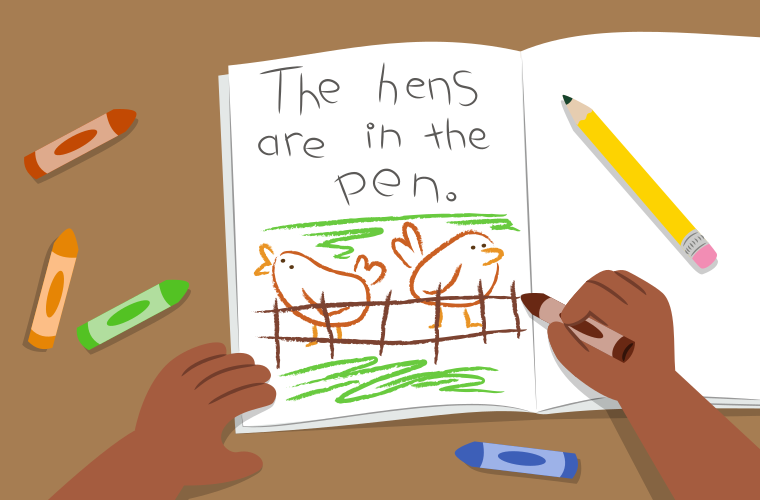
Step 5: Flip the page and write the last sentence of the story, “The hens are in the pen.” Then draw a picture to match the sentence.
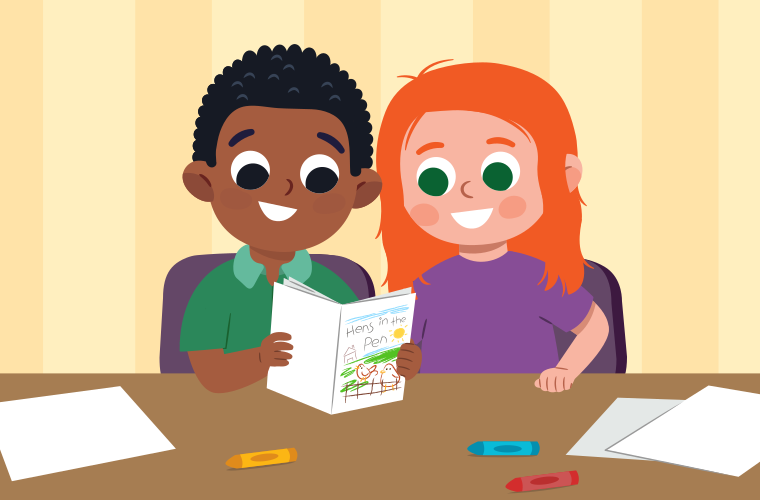
Step 6: If possible, share your book with someone.
You could also use your imagination to think about how you would design one or two pages of this story book!
If possible, share your thoughts with someone you know.

Inquiry
Word hunt
There are words all around us!
Can you find any words or sentences hidden in this picture?
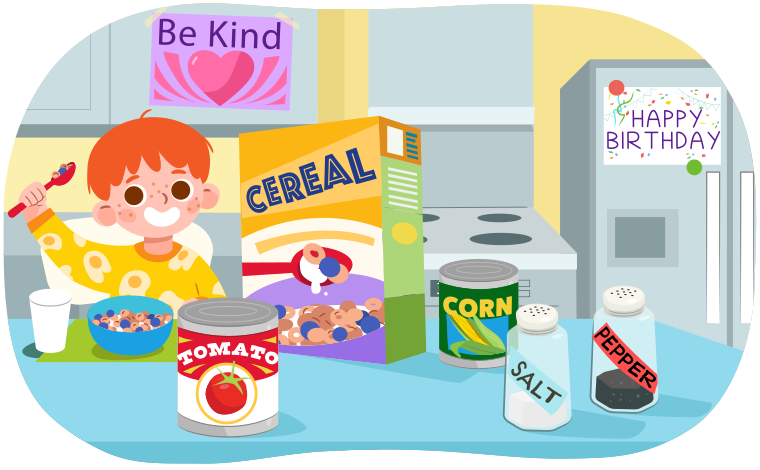
Press the Possible Answers button to learn more.
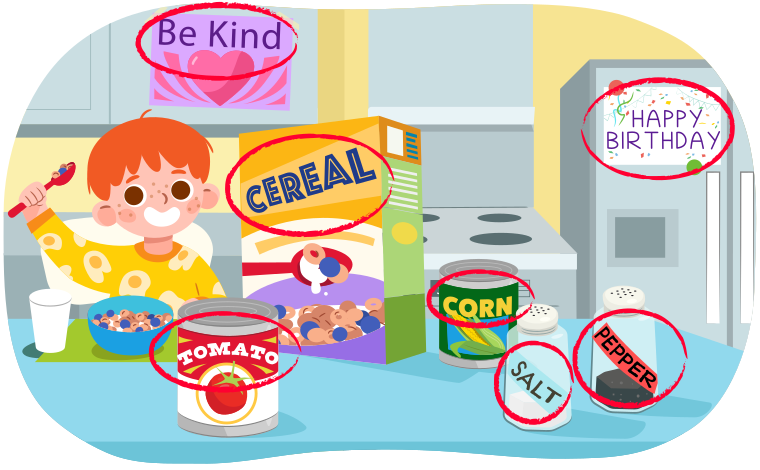
You can also look around your own learning space to find words around you.
Pause and Reflect
Think
- What words do you notice?
- What do you think they are used for?
- What message do you think the pictures, letters, or words share?
If possible, record your ideas using drawings or words, or share your thoughts with someone you know.

Movement
Let’s act!
An actor is a person who pretends to be someone else or something else.
We are going to use our bodies to act out different movements or activities.
Before you begin, press the following tabs to get ready.
Have you moved any objects that you might bump into?
Listen to your body. Take breaks or stop if you need to.
Read or listen to each of the cards and use your body to act out the task. Be creative and use your imagination! You can also do any action that feels most comfortable for you.
You could also use your imagination to think of other actions you can pretend to act out.
If possible, share your actions with someone else and have them take a guess!

Literacy
Read and match
Read or listen to the following short story, Hens in the Pen, exploring the “-en” word family.
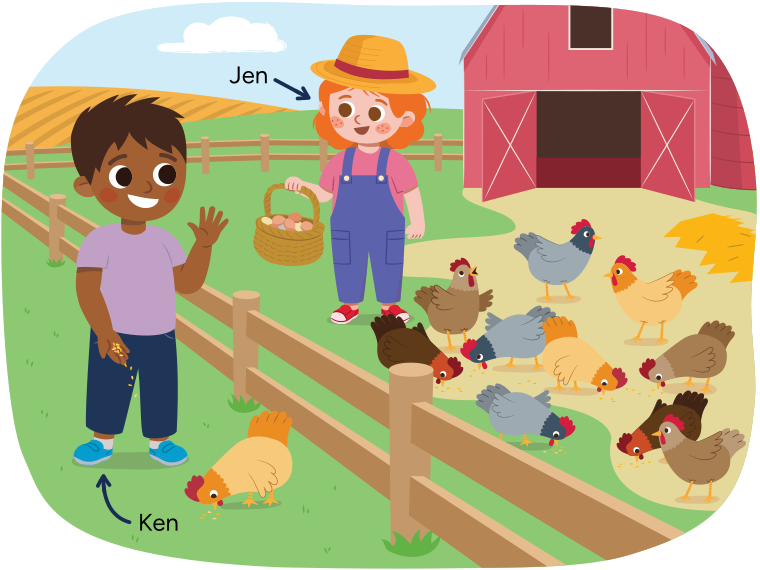
Ken had a hen.
Jen had a hen.
I had ten.
The hens are in the pen.
Hens in the Pen Audio
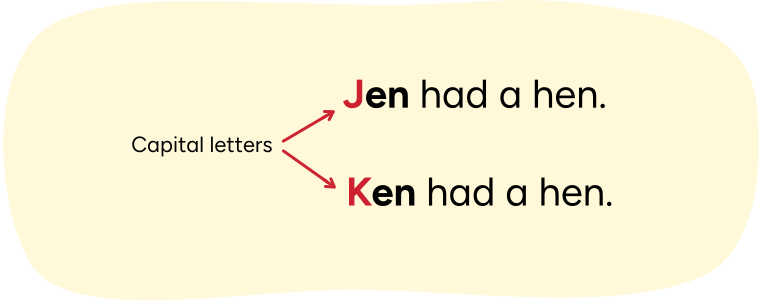
Did you notice that Ken and Jen both start with capital
letters? Explore the following image.
Let’s practice!
Match each vocabulary word in the story to the correct picture.
Reflection
How do you feel about what you have learned in this activity? Press the button next to the sentence that matches how you feel.