Up. What is up? Imagine you are climbing to the sky. You are going up.
Minds On
Let’s get ready to learn!
Before we begin our learning, let’s wake up our minds with a warm-up.

Social Emotional Learning
Warm up
Find a safe space.
Sit down or stand up.
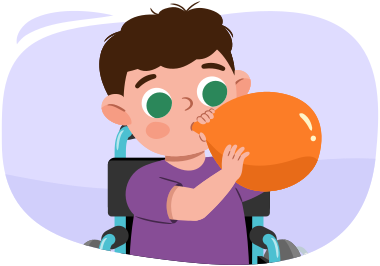
Pretend you are blowing up a huge balloon.
Take a deep breath in through your nose.
Then, slowly start to blow out through your mouth.
Once your balloon is as big as it can be, let it go!
Then take another deep breath in and blow up another balloon!
Listen to the Balloon Breathing audio to follow along.
Balloon Breathing
Positions
Let’s listen to the following story.
What do you notice? What do you wonder?
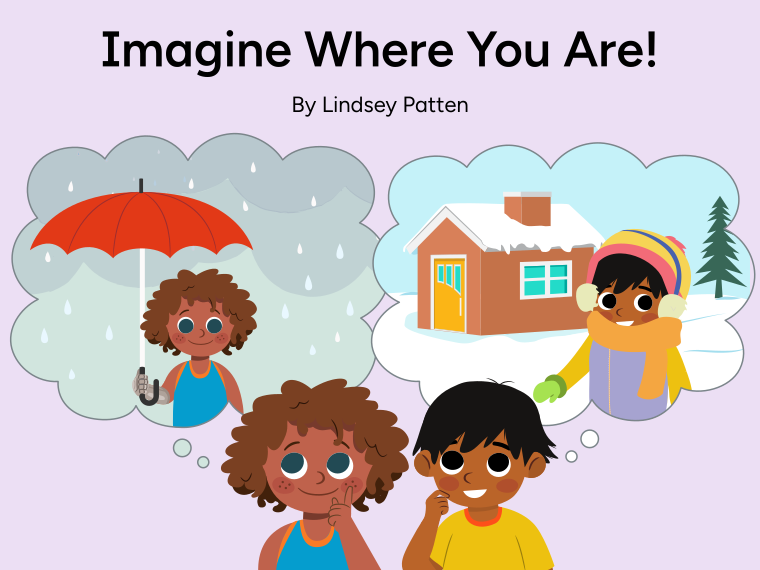
Imagine Where You Are!Imagine Where You Are!
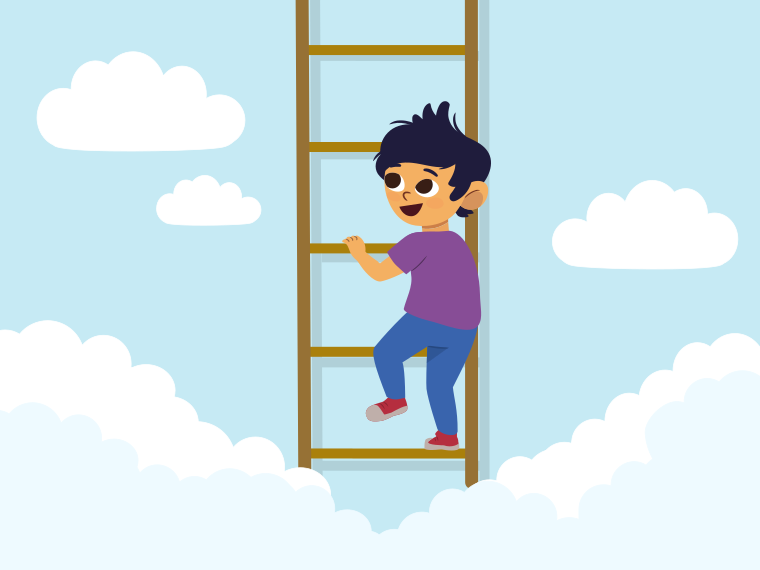
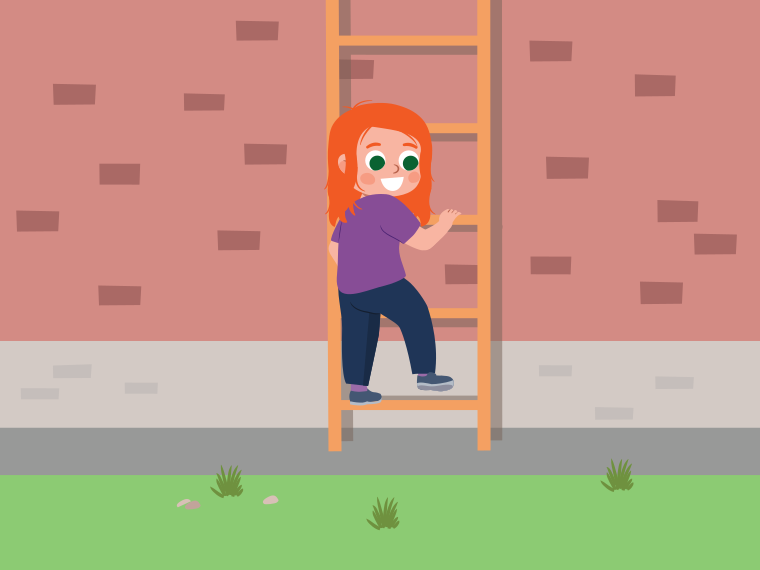
Down. What is down? Imagine you are going down a ladder. You are going down.
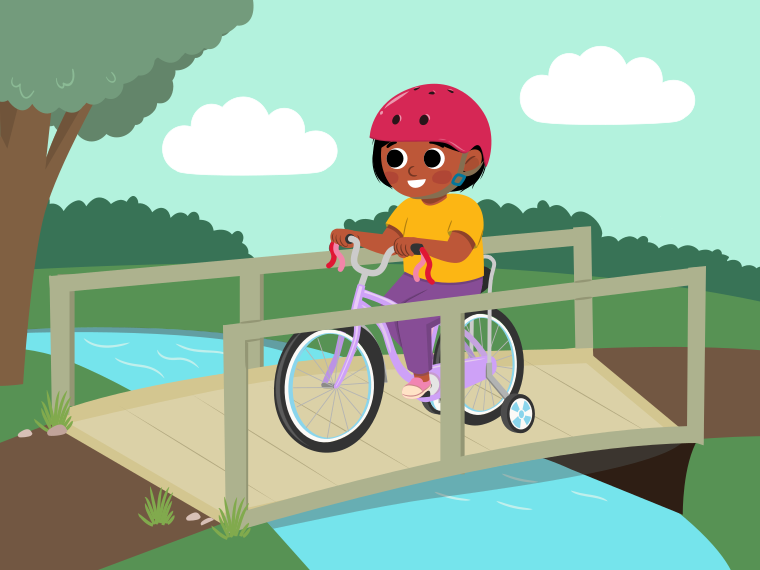
Over. What is over? Imagine you are going across a bridge. You are going over.
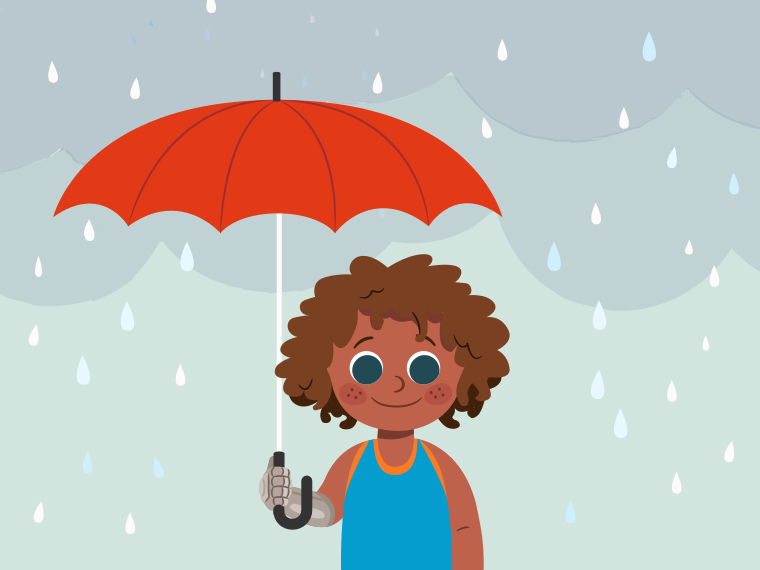
Under. What is under? Imagine it is raining and you have an umbrella. You are under.
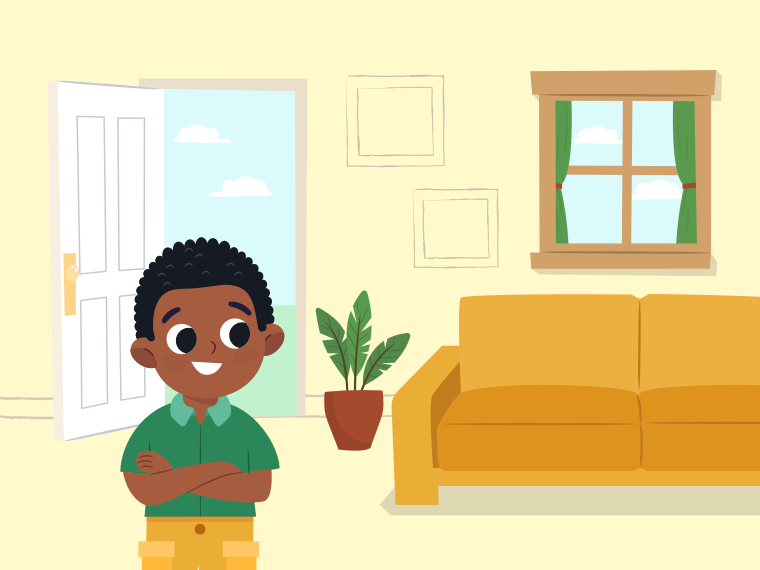
In. What is in? Imagine you go inside your house. You are in.
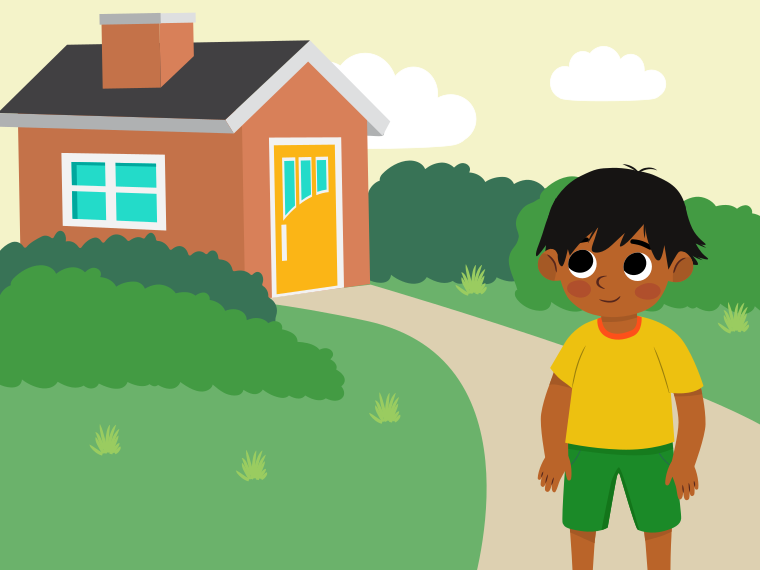
Out. What is out? Imagine you go outside your house. You are out.
As you work through this learning activity, you can record your ideas in many ways.
Listen to the following audio recording to learn more about how to record your ideas.
How To Record Your Ideas
Action
What’s the position?
The story in the Minds On called Imagine Where You Are! shared different position words. Position words describe where something or someone is.
We learned the position words:
- up
- down
- over
- under
- in
- out
Let’s explore the following map of a park. We can see the children and the park from above.
What are the children doing?
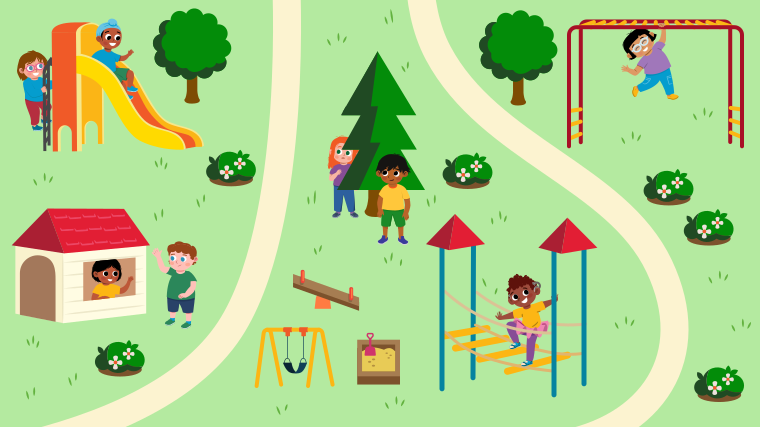
A playground map with many children and play equipment. There is a slide, monkey bars, a playhouse, a play bridge, a swing, a seesaw, and a sandbox play area. A child is going up the slide ladder, while another slides down the slide. On the play bridge, a child carefully moves over it. At the monkey bars, a child swings from the handlebars. In the playhouse, a child waves from the window to another child outside of the playhouse. Around the playground are a few shrubs and trees. One child hides behind a tree, and another stands in front of it.
For each image, choose a position word that matches.
Hannah’s playground adventure
Hannah is exploring a new playground.
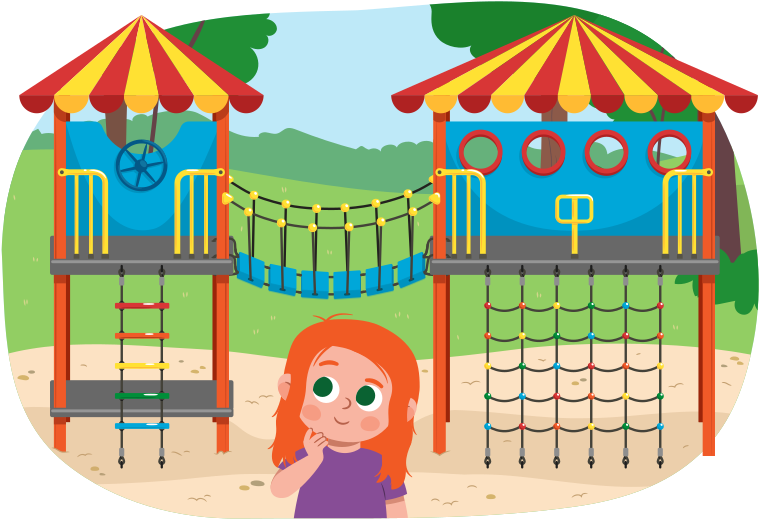
What are some different ways that Hannah could move along the playground structure?
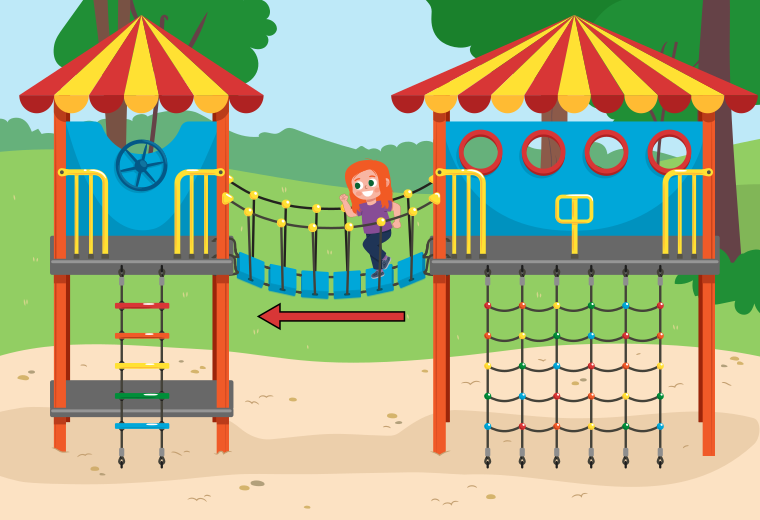
Explore the following images to find out how Hannah might move along the playground structure if she starts at the ladder.
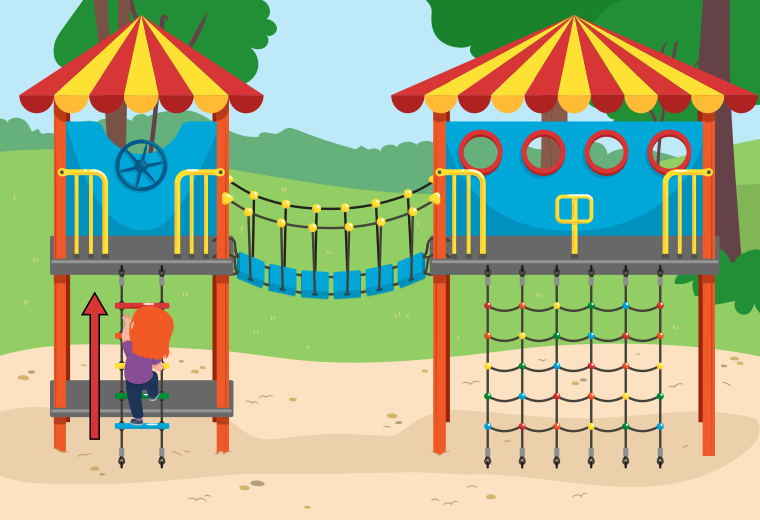
Hannah goes up the ladder.
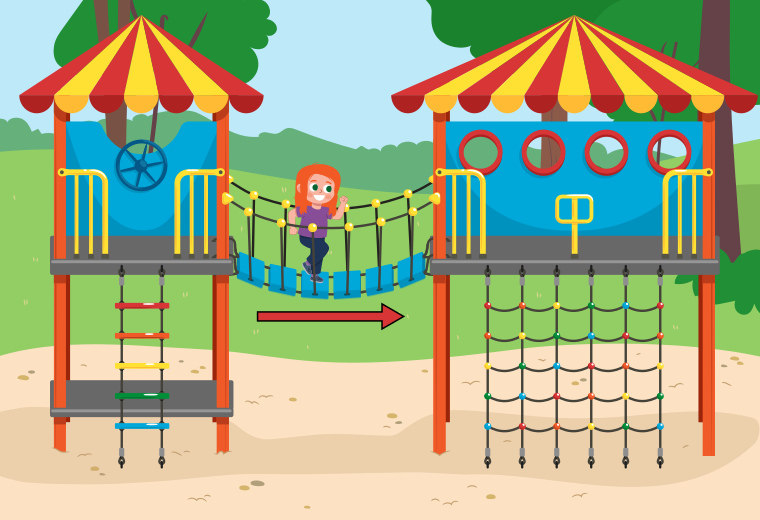
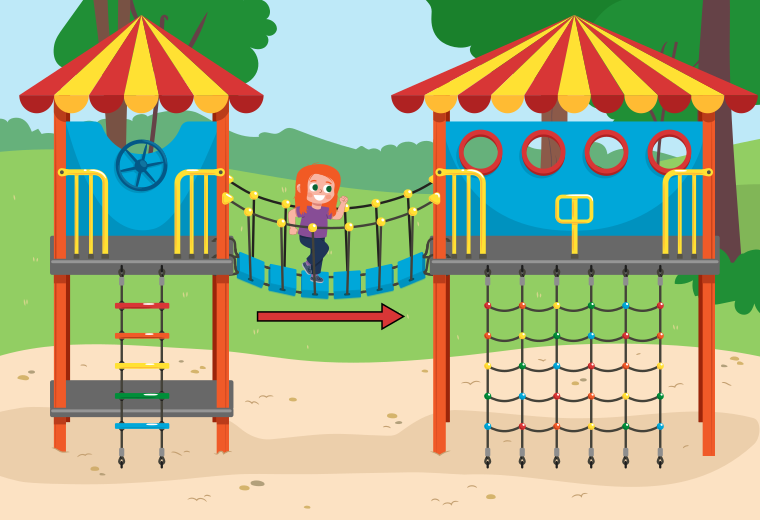
Hannah walks right across the bridge.
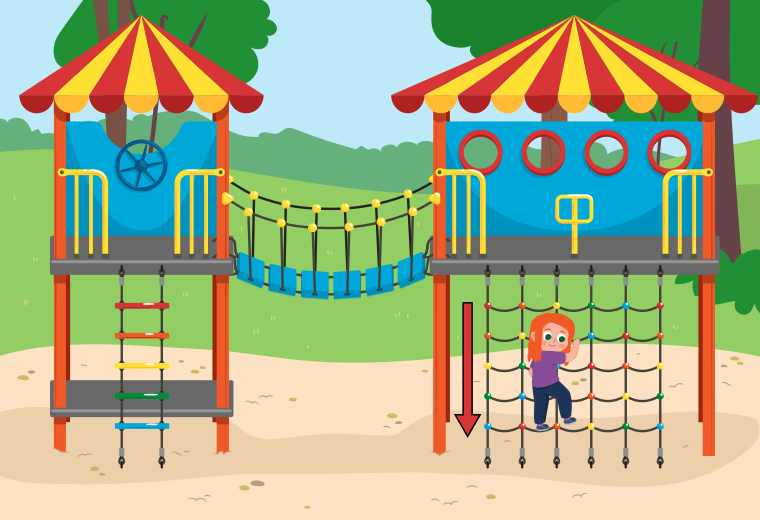
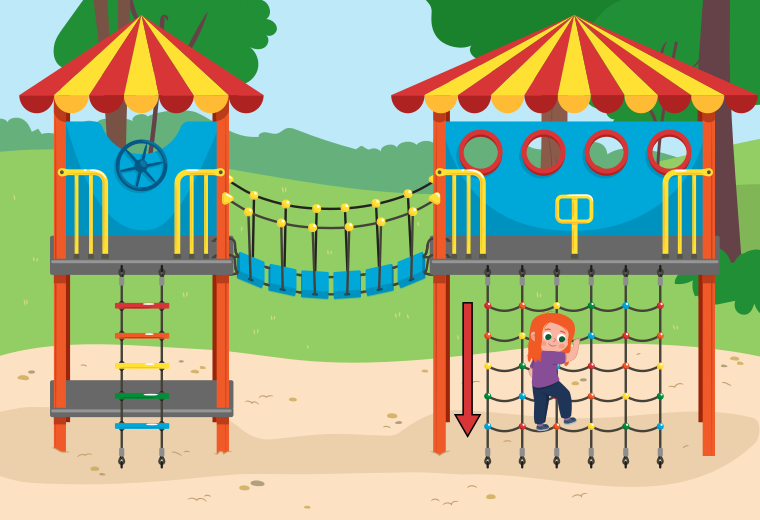
Hannah goes down the rope wall.
Hannah could
- go up the ladder
- walk right across the bridge
- go down the rope wall
Let’s look at it another way
Explore the following images to find out how Hannah might move along the playground structure if she starts at the rope wall.
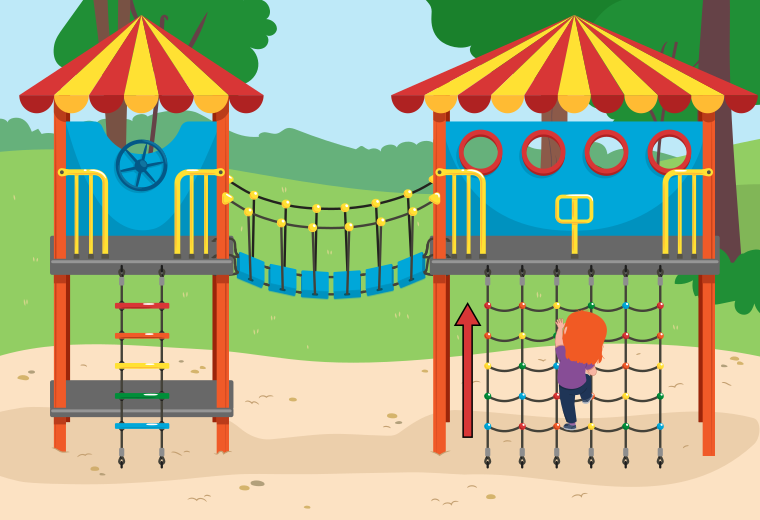
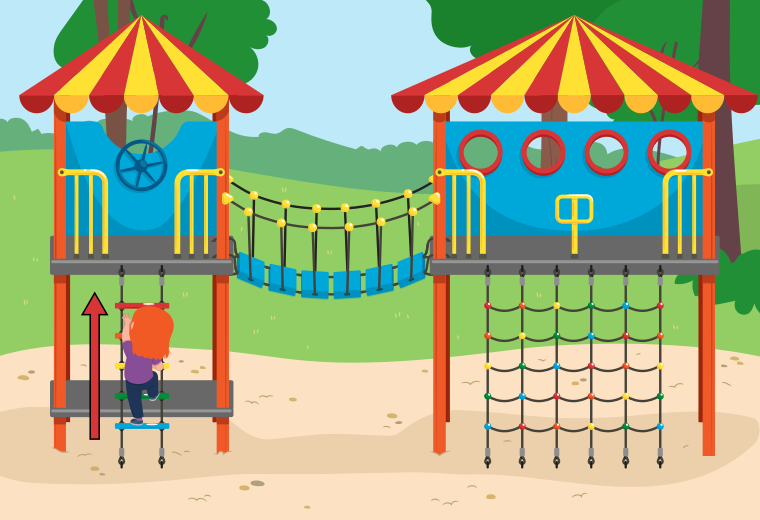
Hannah goes up the rope wall.
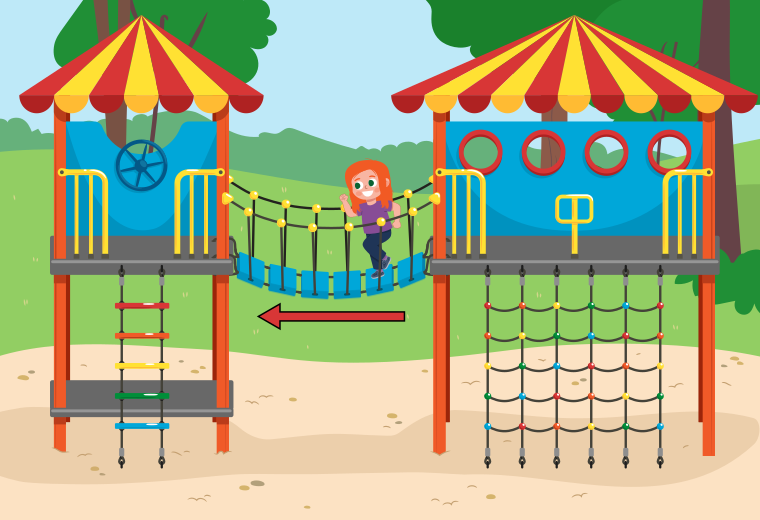
Hannah walks left across the bridge.
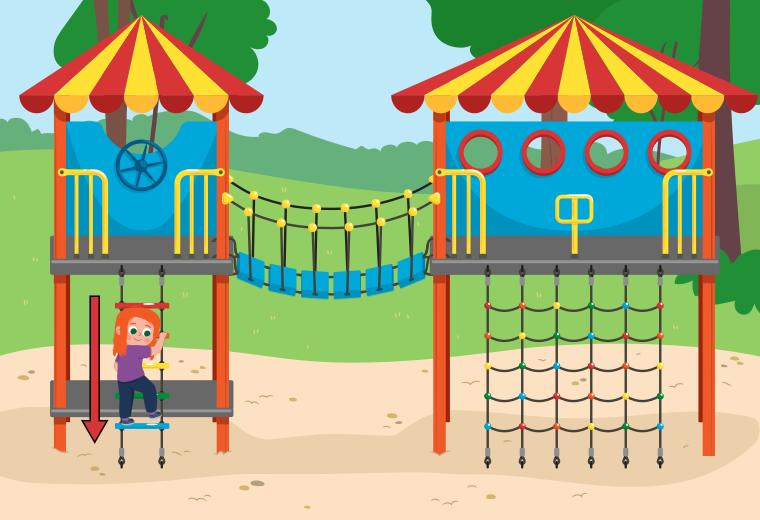
Hannah goes down the ladder.
Hannah could
- go up the rope wall
- walk left across the bridge
- go down the ladder
Hannah used different movements and steps to climb the playground structure.
Let’s look at the movements and positions she used.

Pause and Reflect
Pause and reflect
Where would you start if you were exploring this playground structure?
Share your thoughts with someone else, if you can.
What is coding?
Let’s take a look at some examples of when we might follow a set of instructions, step-by-step to do something in our everyday lives.
Press the following tabs to find out more.
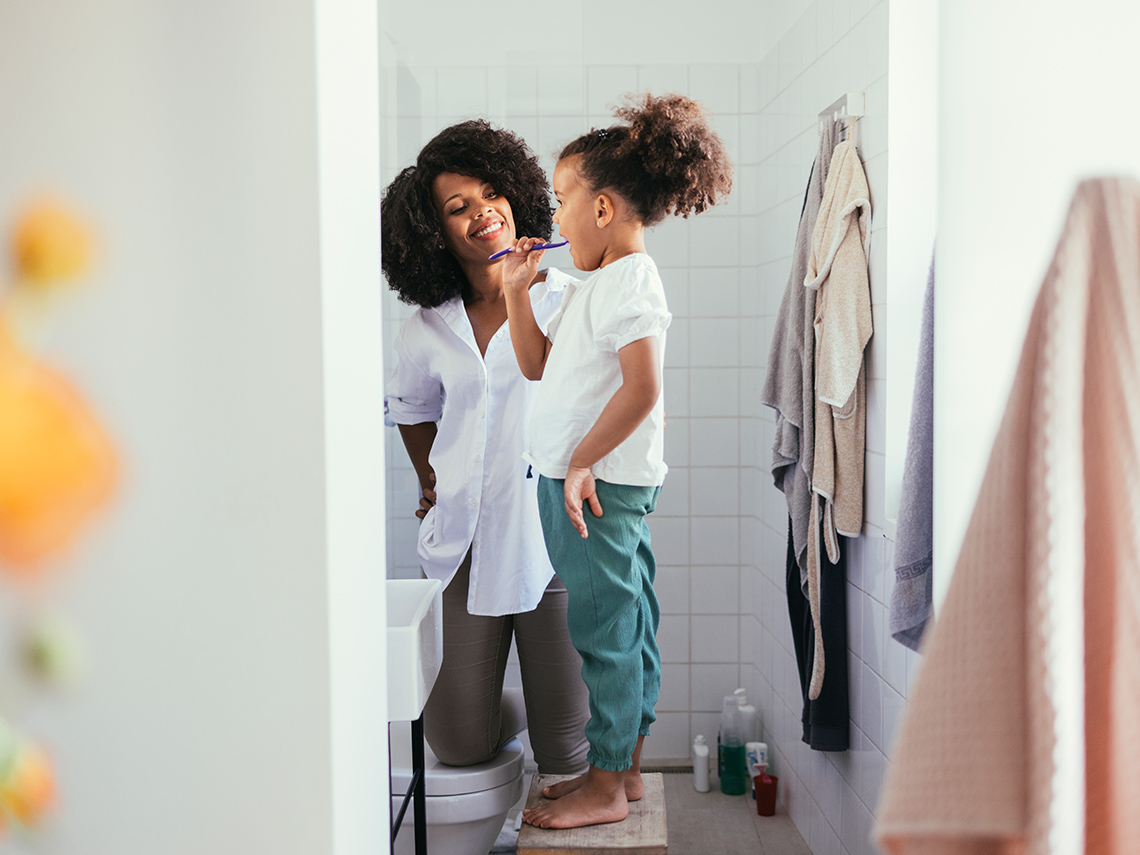
When I brush my teeth, I
- get a toothbrush
- put on toothpaste
- brush my teeth
- rinse
Listen the following recording entitled Brushing My Teeth to learn the steps of brushing teeth.
Brush My Teeth

When I get dressed to go outside in winter, I
- put on snowpants
- put on boots
- wear my jacket
- wear a scarf and a hat
- put on mittens or gloves
Listen the following recording entitled Getting Dressed to learn the steps of getting dressed to go outside in winter.
Getting Dressed
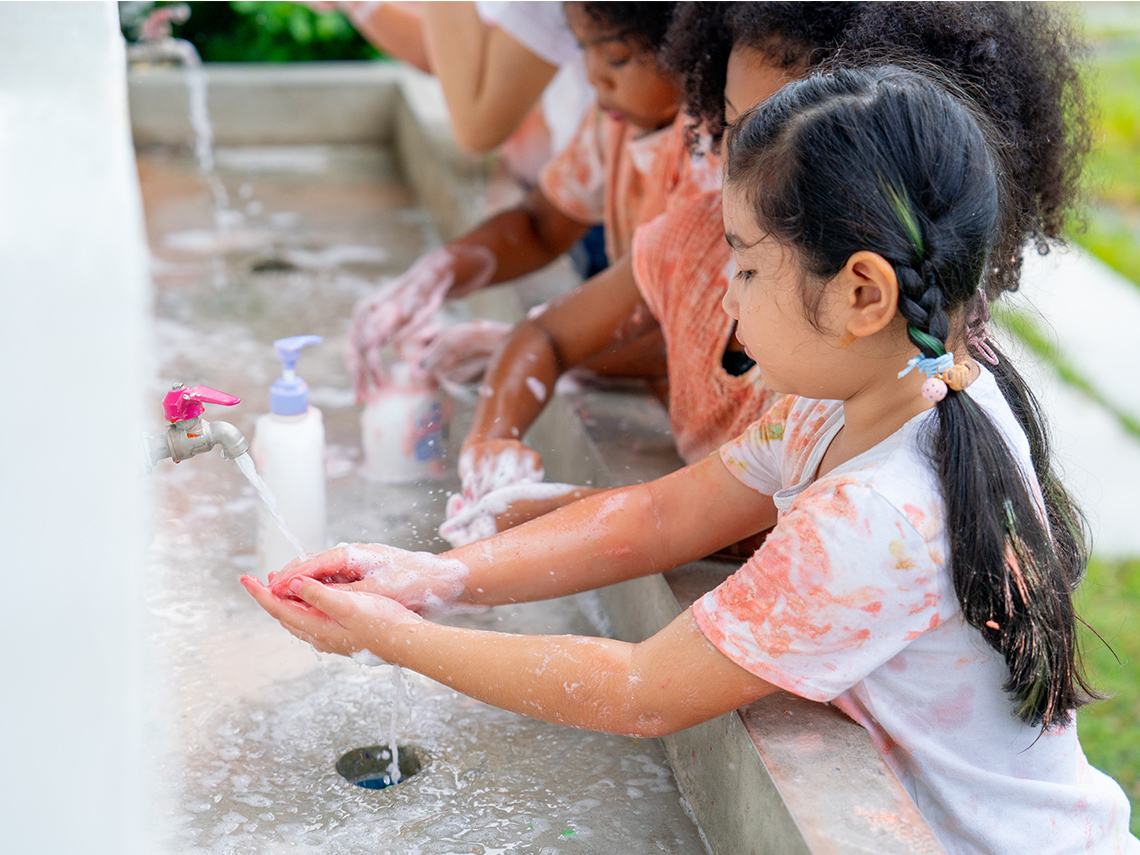
When I wash my hands, I
- wet my hands
- get soap
- scrub my hands
- rinse my hands
- dry my hands
Listen the following recording entitled Washing Hands to learn the steps of washing your hands.
Wash My Hands
When we create a set of instructions to follow step by step, we are coding.
We can give these instructions to a computer, website, or person.
Let’s practice coding!
Think about the coding and movement learning we have done so far.
We can use moves and steps to go from one point to another.
Let’s take a look at an example. Marcel needs to get to the library.
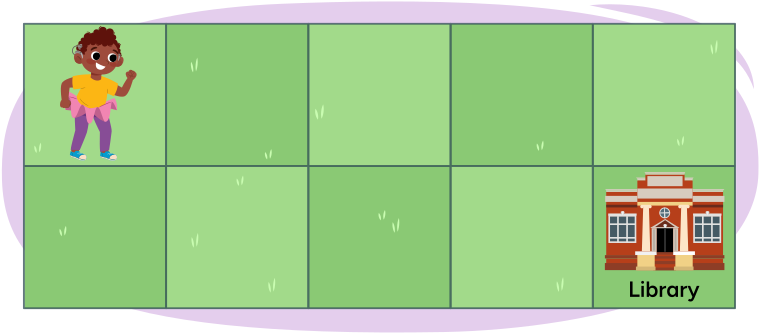
We can use arrows to help guide Marcel.
One way Marcel can get to the library is to
- take 3 steps left
- take 1 step down
Look at the following image to learn how.
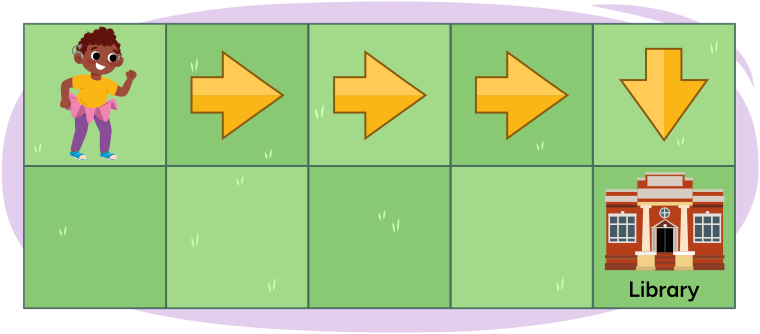
A fivebytwo grid is shown. Marcel appears in the top left square. Three arrows pointing right appear in the squares beside Marcel. At the end of the row, an arrow points down. Below the downward arrow, the bottom right square shows the library.
Pause and Reflect
Think
There may be other ways that Marcel can get to the library.
Can you think of any other paths that they can take? How did you decide on your path?
Share your thoughts with someone else, if you can.
Your turn!
Now, you try!
Can you use directions to help Sora walk home from school?
Use the map and arrows to get Sora from her school to her home.
Be careful! There may be some blocked paths or trees in the way.
What might you do when you reach a blocked path or trees?
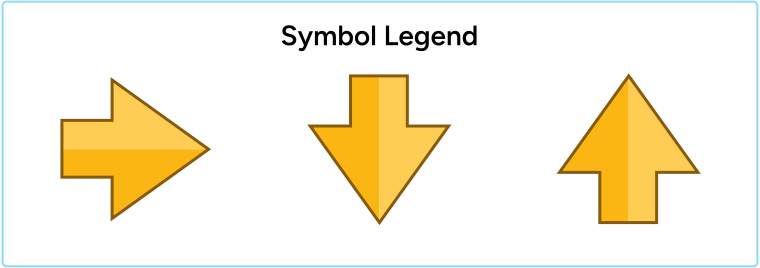
Use the following grid map to find a way to get Sora home. Press on your chosen arrow, then press on your chosen map section to place your arrow.
Press the Possible Answer button to learn more.
This is one way that Sora can get home.
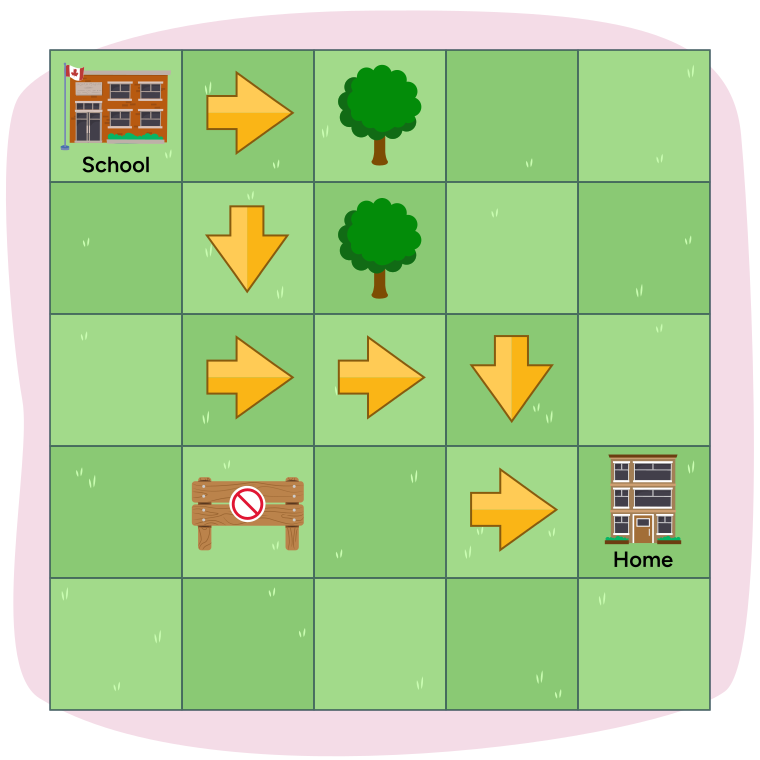
A fivebyfive grid is shown. The school appears in the top left square. To the right of the school is an arrow pointing right. Below that arrow is an arrow pointing down. Below that, two arrows point to the right. To the right of the second arrow, another arrow points down. Below that arrow, one arrow points to the right. At the end of the path is home.
Can you find another path she can take?
What is the quickest path?
Count the number of steps and compare.
If possible, share your ideas using words, gestures, or pictures.
Body break!
Let’s take a break and move!
Before you begin:
- Find a safe space. Move anything you might bump into.
- How are you feeling? Listen to your body and take breaks.
- Ask an adult before getting materials or if you need help.
Follow the steps to move your body. You can also follow along with the audio.
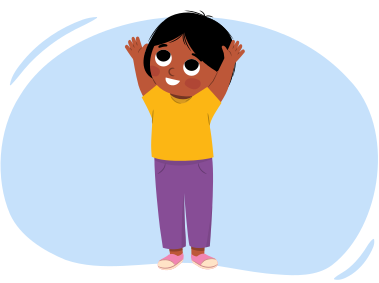
Do whatever feels most comfortable for you.
- Start by standing or sitting.
- Slowly raise your arms up high.
- Count to 10 then bring your arms down.
- Repeat this one more time!
Hands In The Air
Moving 3D objects
We explored how to code using instructions and the movements up, down, left, and right.
Next, let’s think about ways we can move 3D objects in everyday life.
Imagine, you are holding a teddy bear.
Some of the different ways you can move the bear is to slide, turn or flip it!
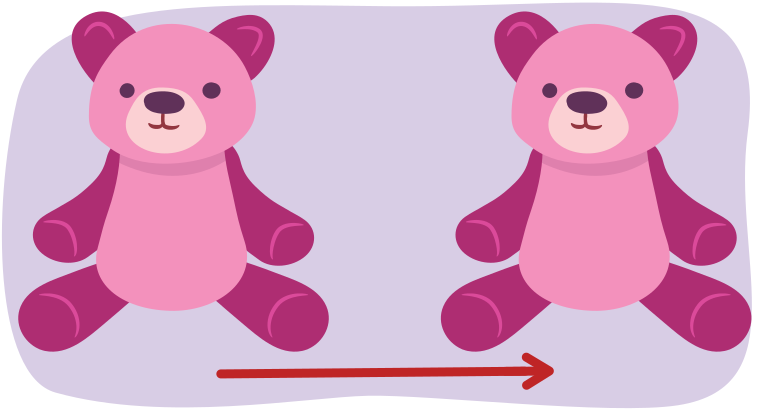
Sliding means moving in different directions without lifting up.
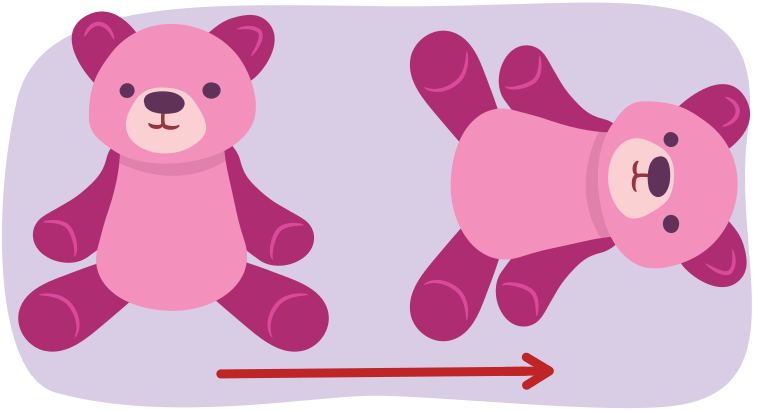
Turning means spinning the shape around.
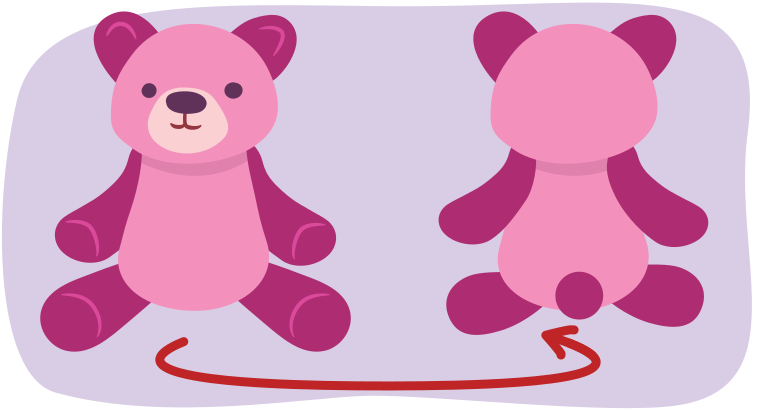
Flip means turning the shape over to make a mirror image.
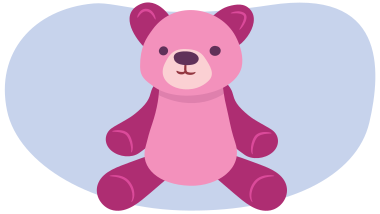
Let’s see what it looks like when we slide, turn and flip our teddy bear!
Press the tabs to see how the bear would look if we slide, turn or flip it.
The bear can slide to the right.
The bear can turn to the right.
The bear can flip to its back.
Let’s practice!
Now, you try!
Take a look at this blue backpack.
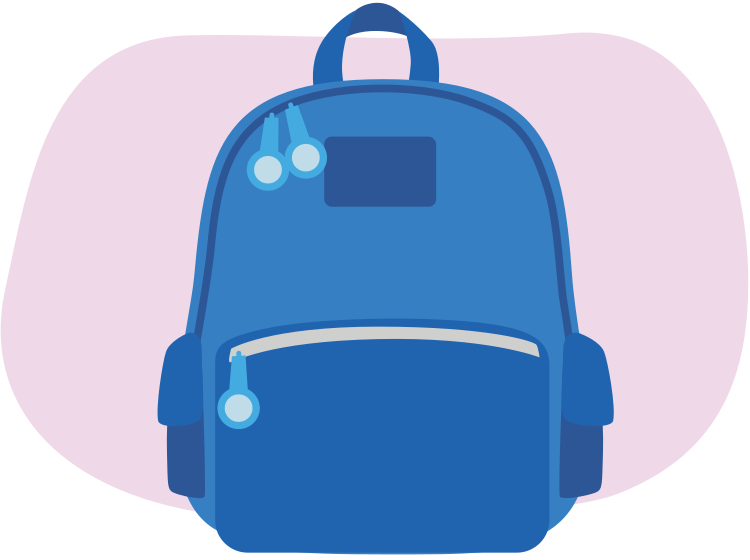
Match the picture of the backpack to the correct movement. Is it a slide, turn, or flip?

Printing practice
F is for Flip.
Flip starts with the letter F.
Let’s practice printing the letter F.
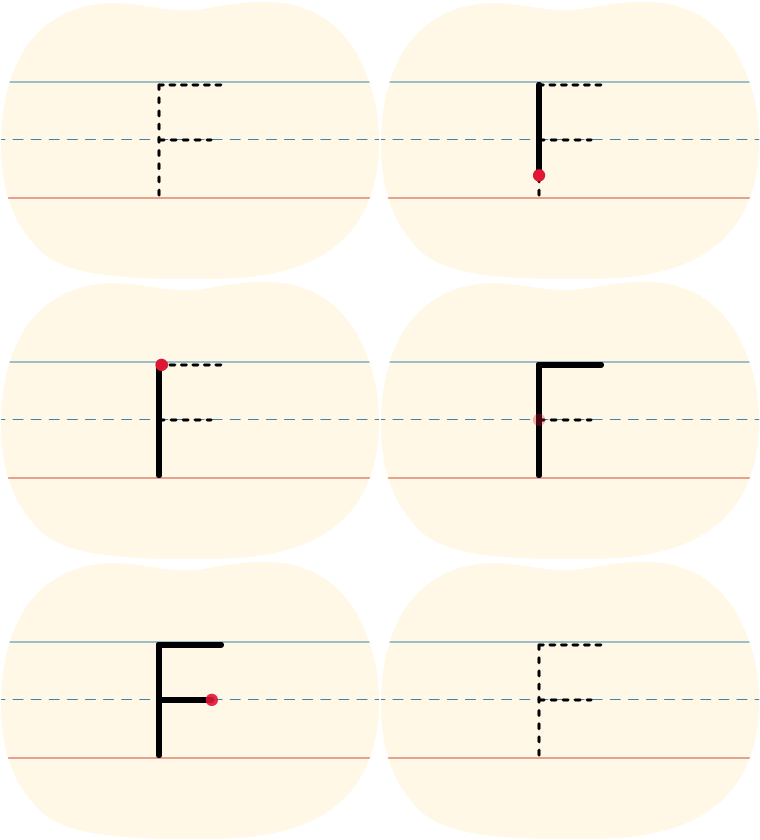
Now, you try!
Practice printing this letter in your notebook or using a method of your choice.
Use the following checklist to explore some printing tips.
When you are printing:
Consolidation
Time to explore!

Check out the following centre ideas to further your learning about movement and coding!
You may choose one or more centres to explore.



Arts
My neighbourhood path
We can use moves and steps to go from one point to another.
When you walk around your neighbourhood, where do you like to go? How would you get there?
Check out the following neighbourhood map that shows us how to get to different places in the community.
- Can you find the school?
- Can you find the train station or the shopping mall?
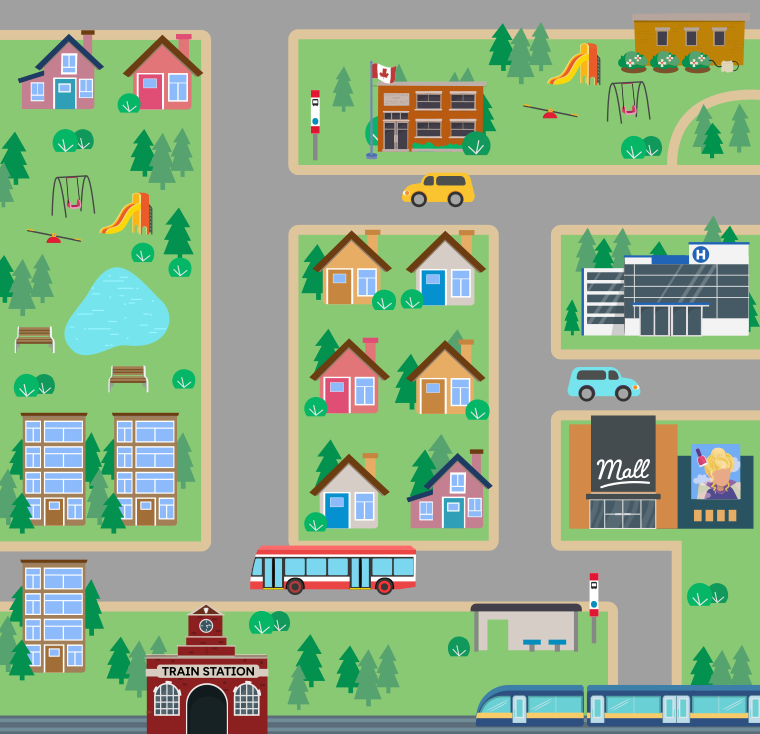
Nick wants to make his own neighbourhood path to get to the post office.
If you would like to try this activity, you can use materials that you have in your learning space. Always ask permission from a trusted adult before gathering your materials.
Possible materials
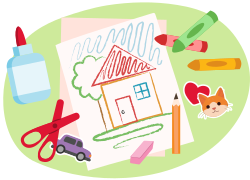
- paper or construction paper
- writing utensil (pencil, crayons, markers or pencil crayons)
You could also use your imagination to think about how you would design your own neighbourhood path to your favourite place in the community!
Look at the following steps in the images to learn how.
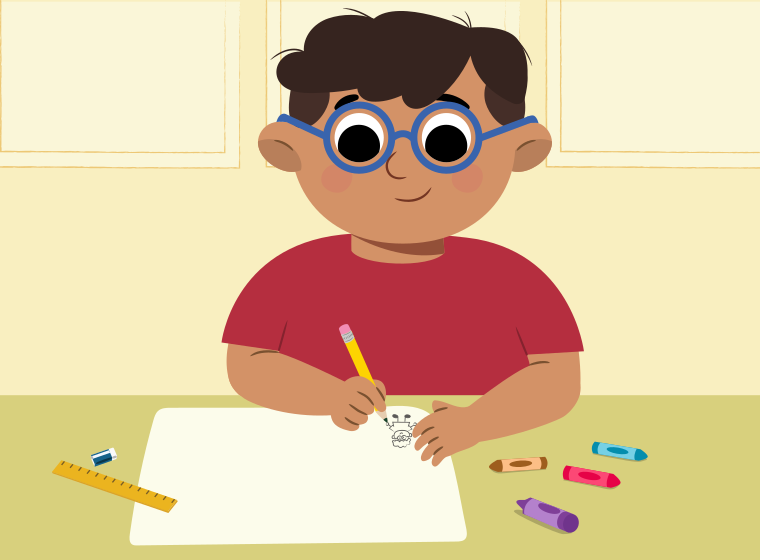
Step 1: Using a piece of paper, draw a picture of yourself or Nick on one side of the neighbourhood.
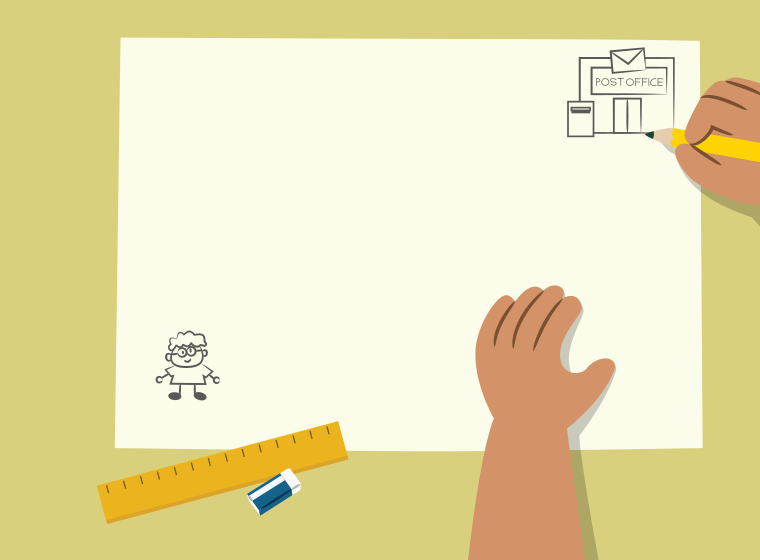
Step 2: Draw the post office on another corner of the neighourhood.
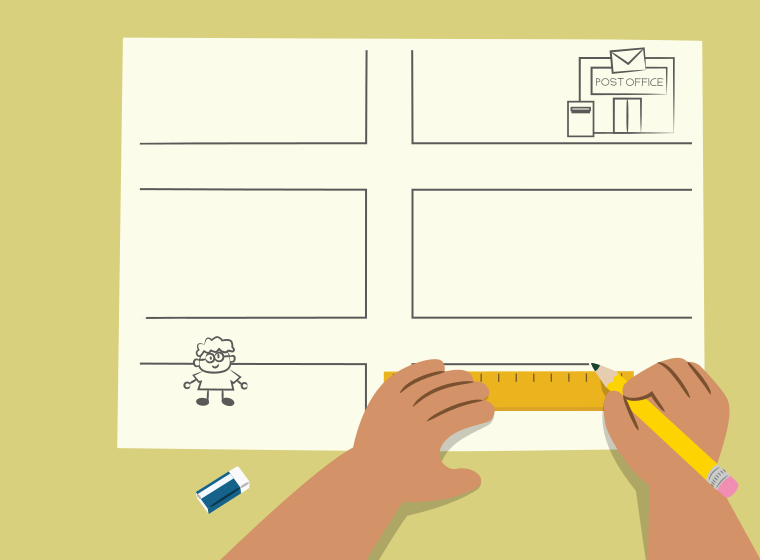
Step 3: Draw a path or road that connects to the post office. You can make the path using straight or curved lines.
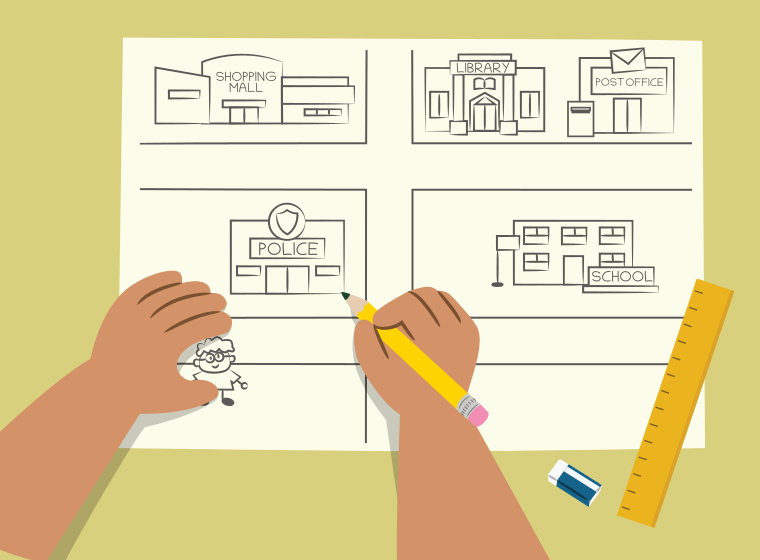
Step 4: Draw other areas or buildings that you might pass along the way to the post office. Some ideas might include a school, park, library, police station, shopping mall, and many more!
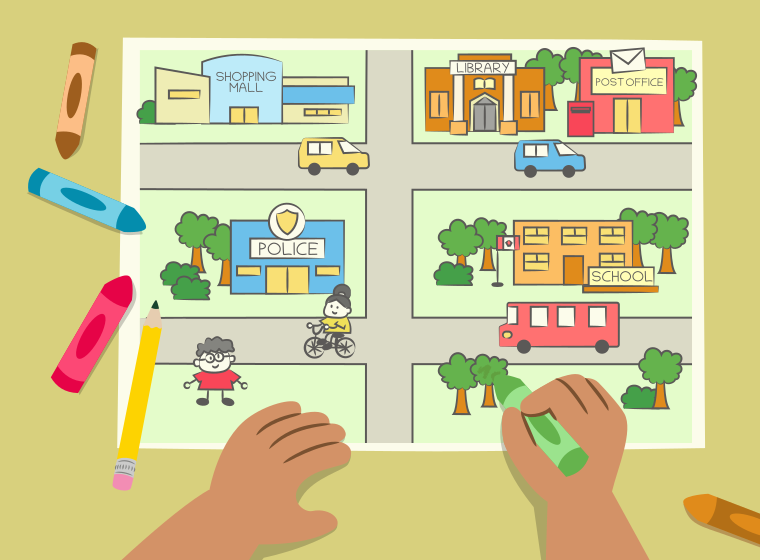
Step 5: Decorate your neighbourhood path however you like. Some ideas may include trees, cars, buses, bikers, and many more!
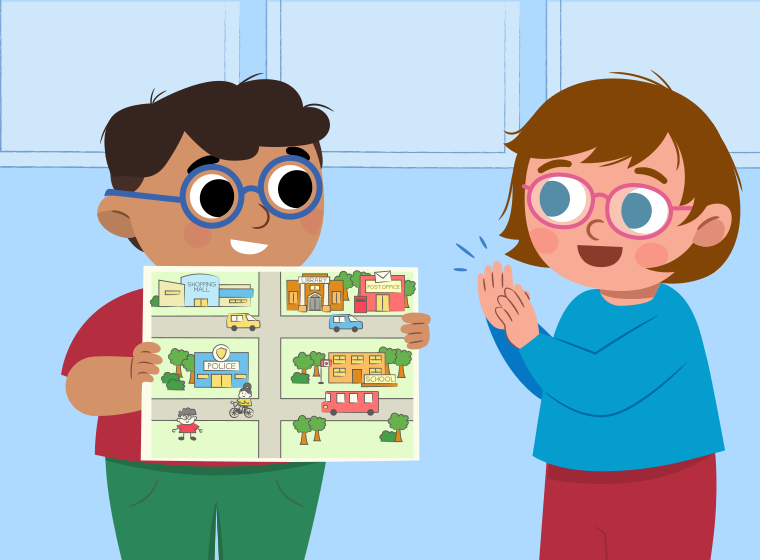
Step 6: If possible, share your neighbourhood path with someone else.
If possible, share your ideas with someone you know.

Inquiry
Design the path!
We can use different directions to get from one place to another.
Make a path from the house to the park. Use the sidewalk pieces to make the path. How many different ways can you take to get to the park?
For example, you can use straight and curved paths to get to the park.
Use the following grid map to find a path. Press on your chosen icon, then press on your chosen map section to place your icon.
You may also explore adding trees to your map. How might your path change to avoid these roadblocks?
Press the Example button to see one way to get to the park.
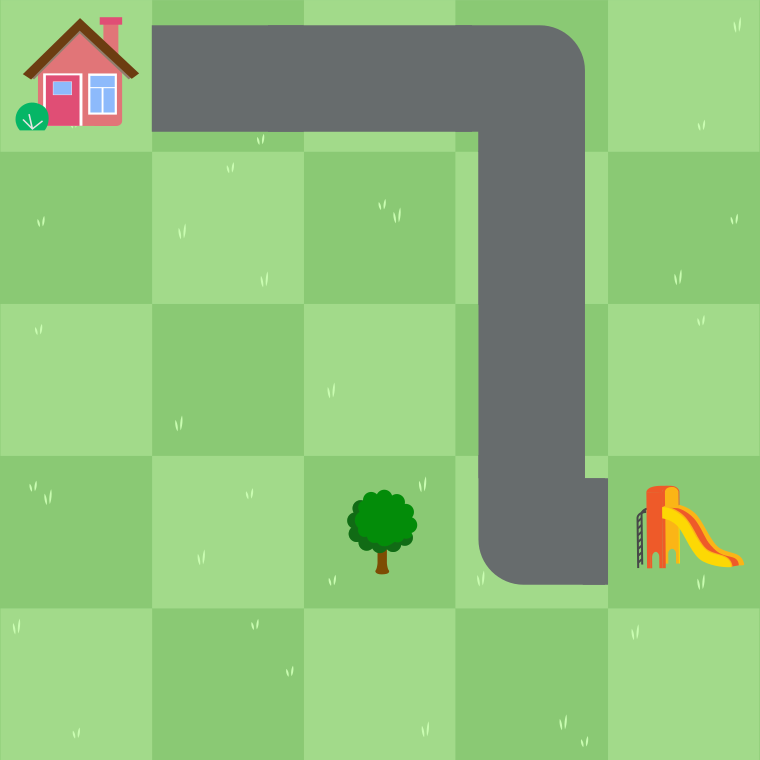
A fivebyfive grid is shown. The house appears in the top left square. To the right of the house are two straight sidewalk stickers. Beside those is an upsidedown Lshaped sidewalk sticker. Below that are two straight sidewalk stickers pointing upward. Below those is an Lshaped sidewalk sticker. Beside that sticker is the playground.
Now that you’ve made your road, it’s time to check:
- Does the path work?
- Are there any roadblocks in the way?
- Do you see any other paths that can get you to the park?

Movement
Let's move our body!
We can use our body to move in different directions.
Before you begin, press the following tabs to get ready.
Have you moved any objects that you might bump into?
Listen to your body. Take breaks or stop if you need to.
Follow the rules in the following images to play the game.
There will be a series of arrows. Try to move where the arrows show.
You can also do any action that feels most comfortable for you.

Literacy
Coding in real life
To code, we need to follow step-by-step instructions in order for the code to work. We can use movements, like directions and turns, to help us solve problems!
Watch the following video entitled “Coding Day” to learn more about how coding works in real life!
Think about these questions as you watch the video:
- What did you see, think, or wonder about coding?
- Were there any items blocking Robot Eric’s path? What did he do?
- What was in the treasure box?
Reflection
How do you feel about what you have learned in this activity? Press the button next to the sentence that matches how you feel.