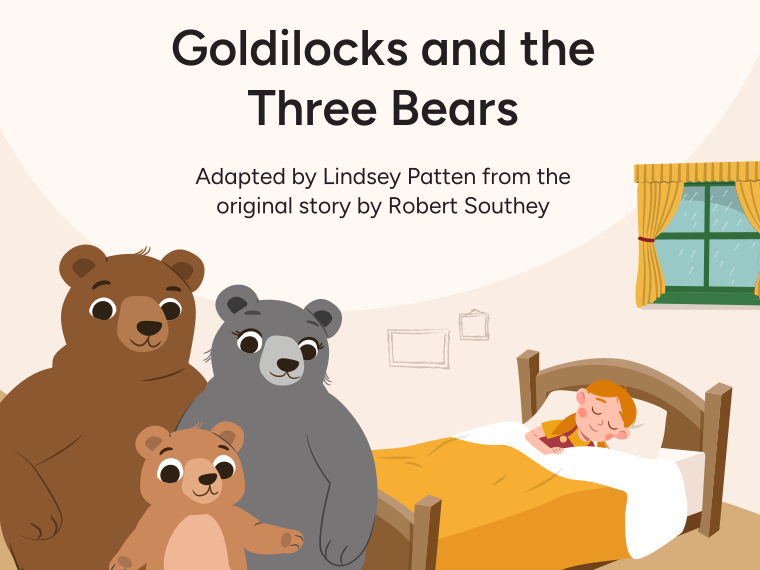
Once upon a time there was a girl named Goldilocks. She went for a walk in the forest.
Noticing and Naming the Learning
What are you going to learn today?
We are learning to…
- describe how objects can be measured in different ways
- compare objects using their length, area, mass, or capacity
How do I show what I have learned?
I can…
- tell about objects by saying how long, heavy, big, or full they are
- compare objects by saying which one is longer/shorter, heavier/lighter, or holds more/less
- show and share my thinking about measurement
Minds On
Let’s get ready to learn!

Social Emotional Learning
Warm up
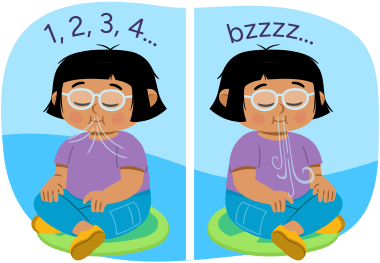
Split image of a child sitting cross-legged on the floor with eyes closed. In the first panel, the child is breathing in, accompanied by the numbers 1, 2, 3, 4. In the second panel, the child is breathing out with the word “bzzzz” shown.
Find a safe space.
Sit down or lie down.
Take a deep breath in through your nose for a count of four.
As you breathe out, make a buzzing sound like a bee.
Repeat your bee breathing a few times.
Listen to the Buzzing Breath audio to follow along.
Buzzing Breath
Heavy or light?
Many objects around us are heavy and light.
Explore the following images.
- What do you notice about each object in the images?
- Are they heavy or light? How do you know?
Share your thoughts with someone else, if possible.
As you work through this learning activity, you can record your ideas in many ways.
Listen to the following audio recording to learn more about how to record your ideas.
How to Record Your Ideas
Action
What is measurement?
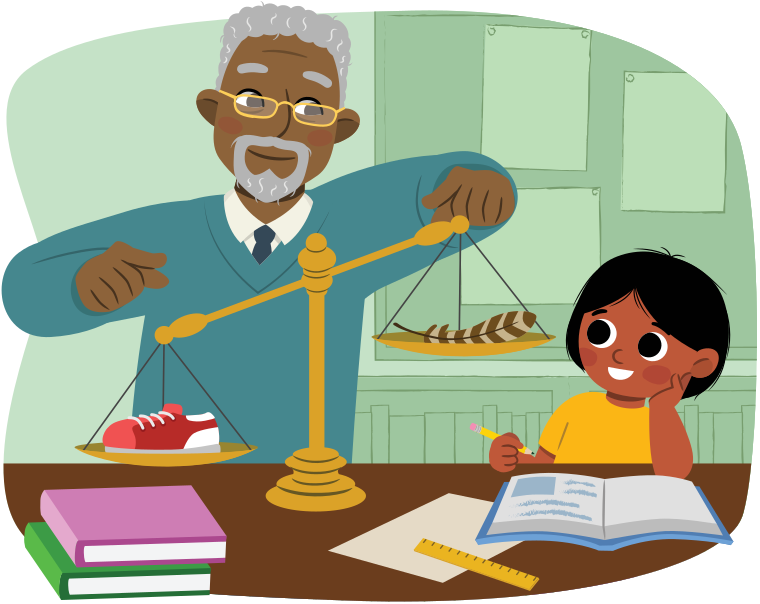
Measurement is a way to find out how big, how long, how heavy, or how full something is.
There are different ways to measure things. We can measure by:
- weight
- size
- length
- capacity
Weight
Weight is how heavy or light something is.
We use words, such as heavy and light, to help us when we talk about or compare weight.
Check out the following images to see which object is heavy and which object is light.
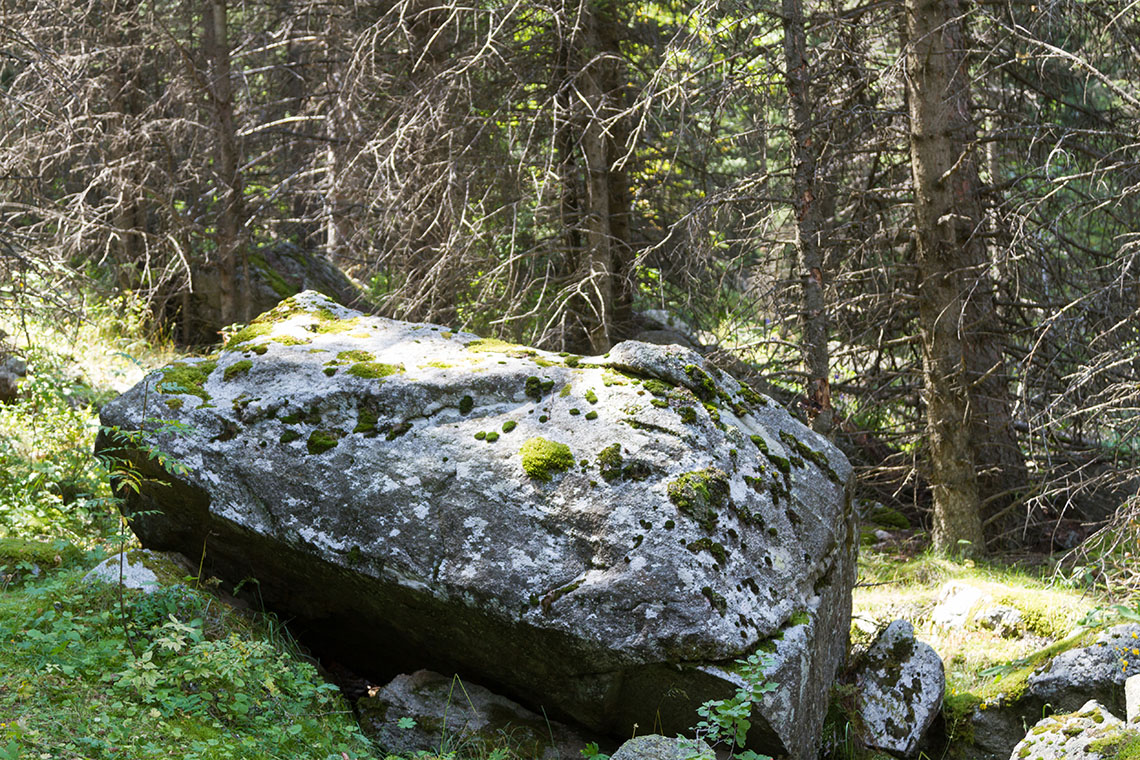
A big rock is hard to lift, pick up or carry. It is heavy.

A feather is easy to lift, pick up or carry. It is light.
Can you think of a light object?
What about a heavy object?
Share your thoughts with someone else, if you can.
Size
Another way we can measure things is by exploring their size.
Size is how big or small something is.
We use words, such as big and small, to help us talk about or compare size.
Explore the following images and see which things look big and which look small.
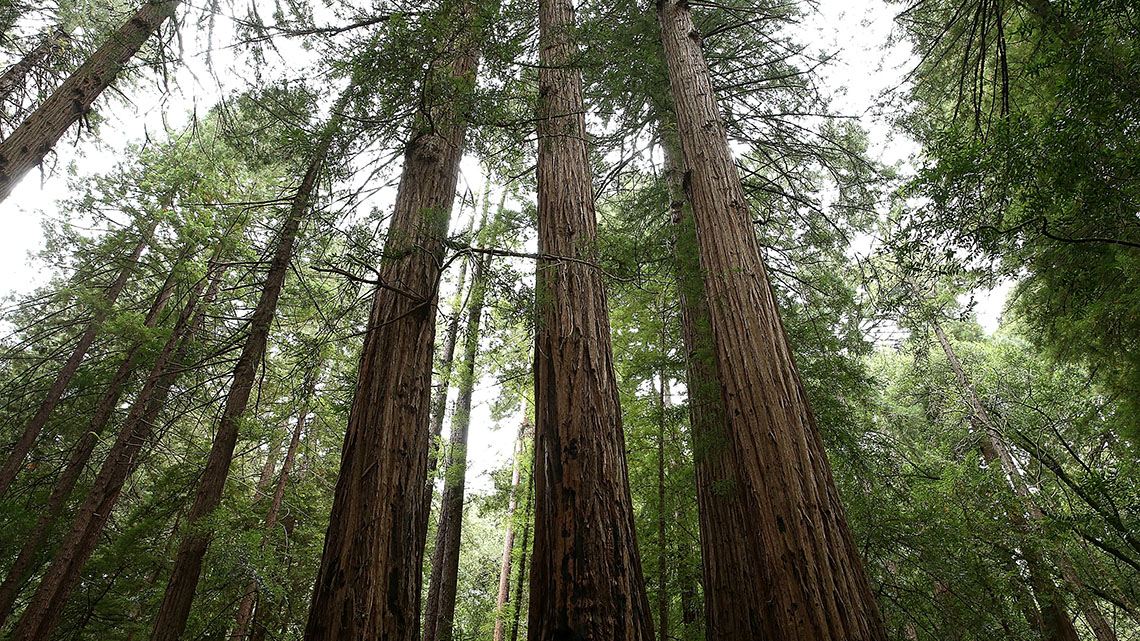
A tree is something that takes up a lot of space. It is big.
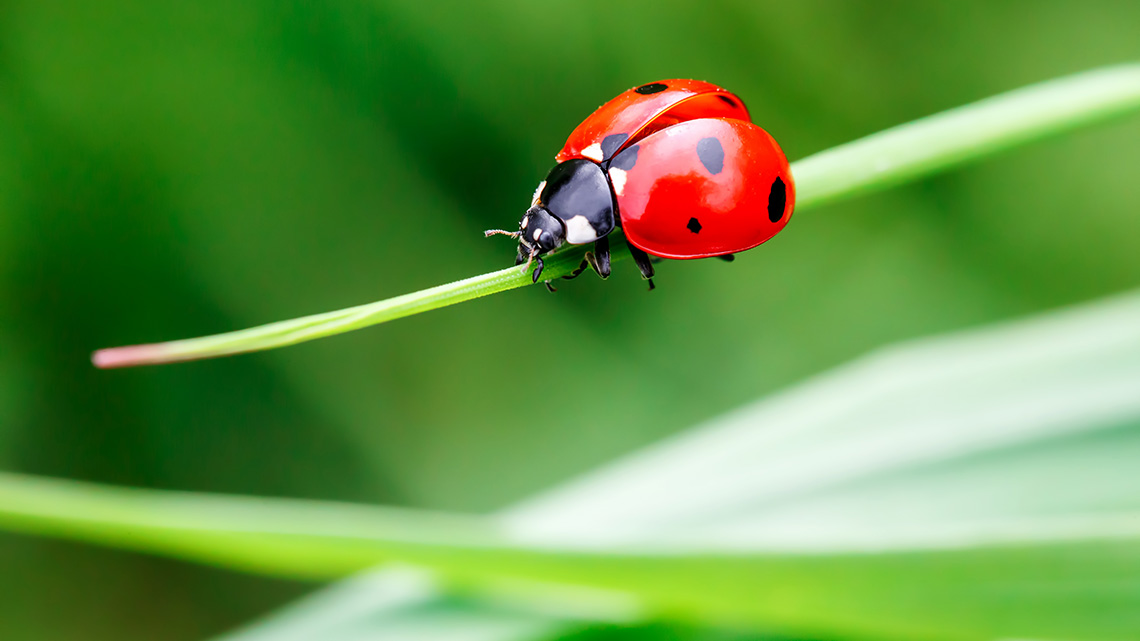
A ladybug is something that doesn’t take up much space. It is small.
Can you think of a small object?
What about a big object?
Length
Now, let’s explore how we measure something by its length.
Length is how long or short something is.
We use words, such as long and short, to help us when we talk about or compare length.
Check out the following images to see which animal is long and which is short.
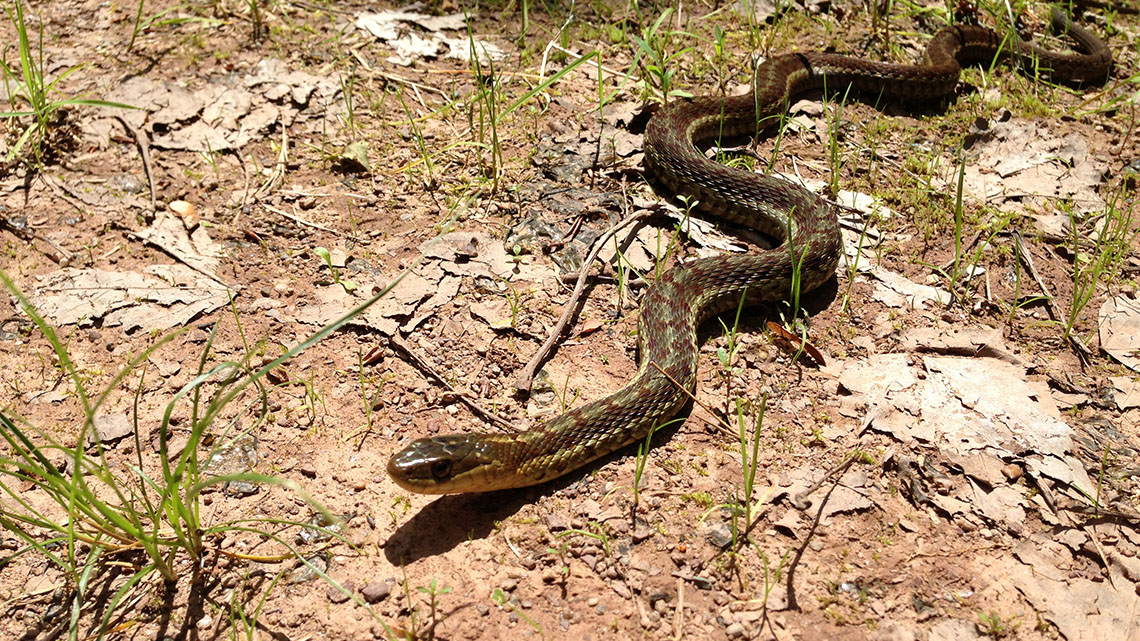
A snake can stretch out and go far. It is long.
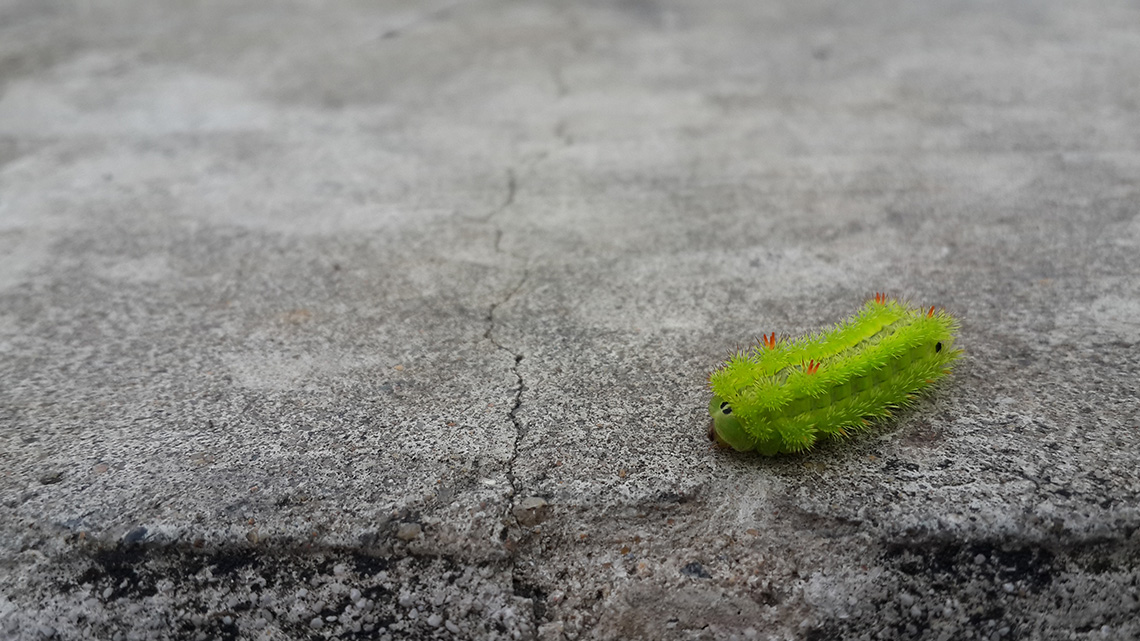
A caterpillar does not stretch far and is small in length. It is short.
Can you think of a long object?
What about a short object?
Share your thoughts with someone else, if you can.
Capacity
When we want to measure how much something can hold, it is called capacity.
We use words, such as full and empty, to help us talk about or compare capacity.
Check out the following images and see which glass looks full and which looks empty!
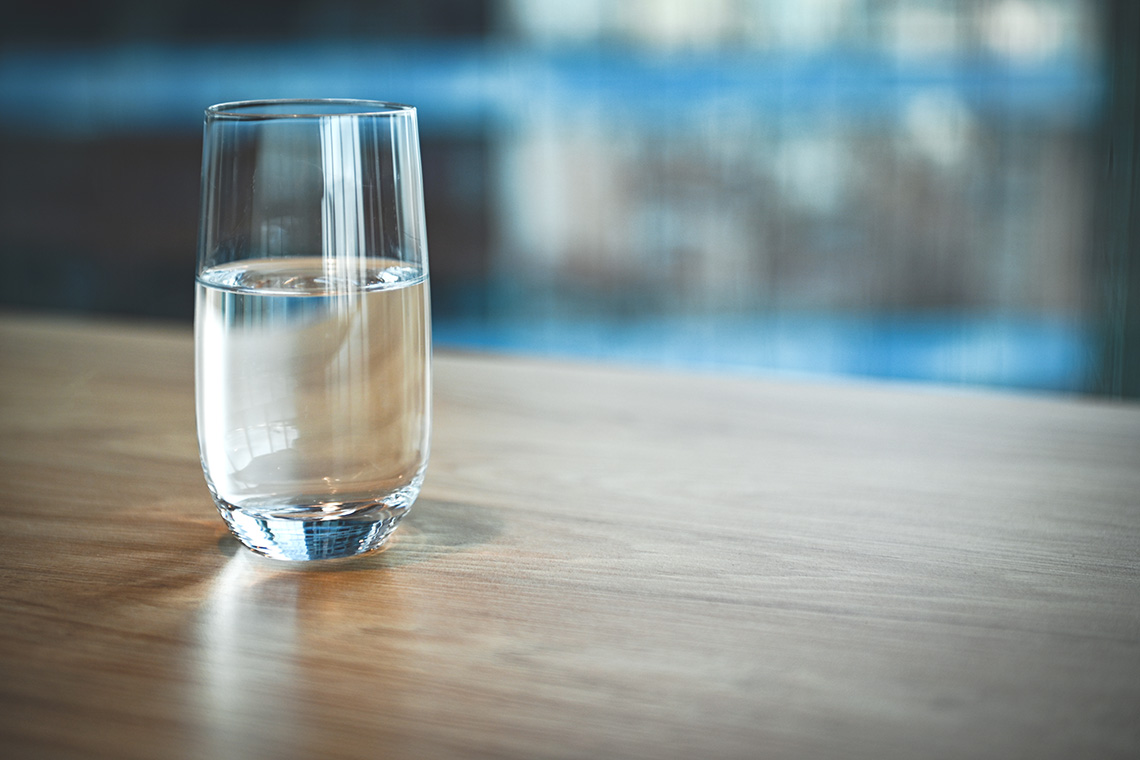
When there is a lot of water inside a cup and it is filled, the cup is full.
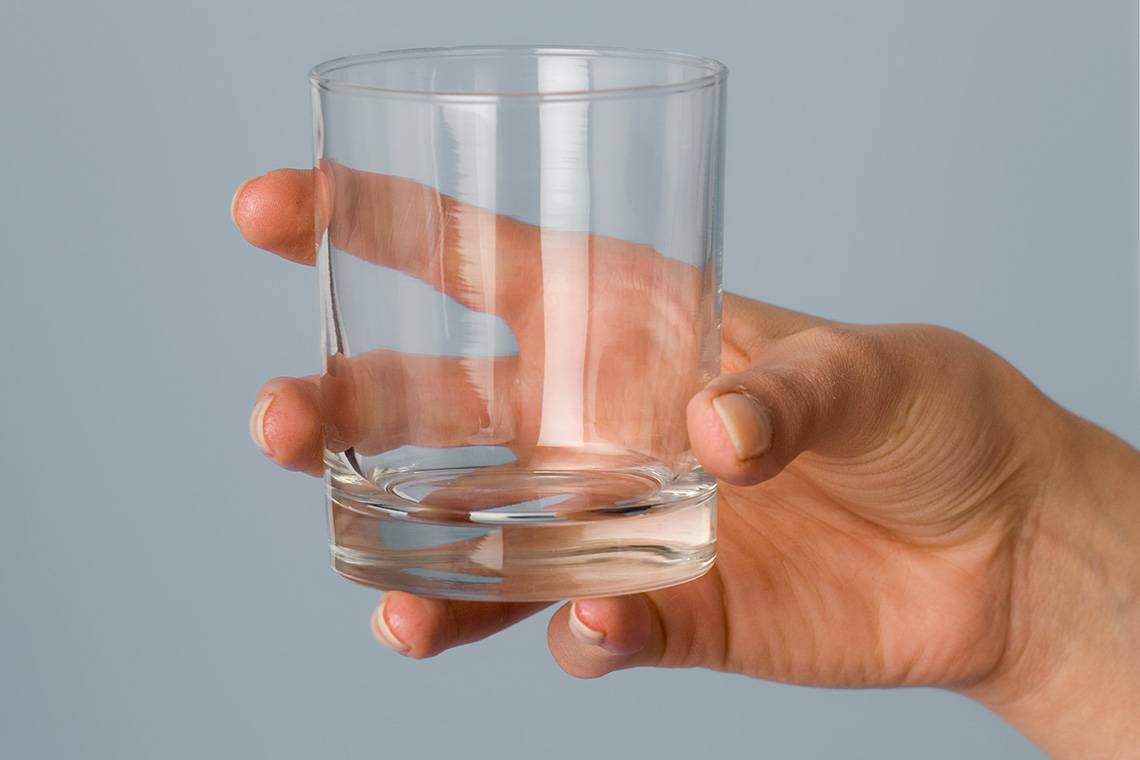
When you drink all the water inside the cup, there is nothing left inside and the cup is empty.
What is an object you could fill and empty?
Share your thoughts with someone else, if you can.
Compare and reflect
Explore the following image.
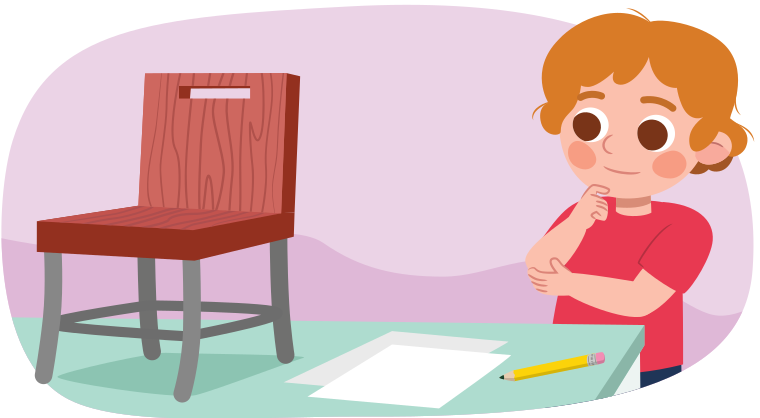
Think about it:
- Which objects are heavy or light? Which objects are tall or short?
- How do you know which is heavier, lighter, taller, or shorter?
Show it:
- Show how you might move if you were a heavy object or a light object.
- Make yourself tall like a tall object, or small like a short object.
- Did your body feel different when you moved like a heavy or light object?
- Did your body feel different when you moved like a tall or short object?
Body break!
Let’s take a break and move!
Before you begin:
- Find a safe space. Move anything you might bump into.
- How are you feeling? Listen to your body and take breaks.
- Ask an adult before getting materials or if you need help.
Follow the steps to move your body. You can also follow along with the audio.
Do whatever feels most comfortable for you.
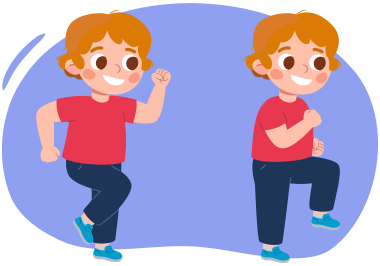
Split image of a young child standing in place. In the first panel, the child has their arms raised and one knee lifted mid-height. In the second panel, the child’s knee is raised higher, and their arms are lowered near their waist.
- Start by standing or sitting.
- Slowly move one of your elbows up at the same time you bring your knee up.
- Do the same on the other side and keep switching sides! You can count to 10 as you march.
- Repeat this one more time!
Slow March
Let’s compare!
We can use our understanding of measurement to compare different objects.
Decide which object is
- longer or shorter
- bigger or smaller
- heavier or lighter
- full or empty
Select the correct answer, then press the Check Answer button to see how you did.
How did you decide on each answer?
Can you think of other items you can compare in your learning environment?
You can record your ideas using your words, drawings, or writing.
Goldilocks and the Three Bears
Explore the story of Goldilocks and the Three Bears.
What do you notice about the chairs, bowls, and beds?
As you listen to the story and look at the pictures, stop and think:
- Which chair is the biggest?
- Are the bowls of porridge full or empty?
- Which bed is the smallest?
If possible, share your ideas using your words, drawings, or writing.
Goldilocks and the Three BearsGoldilocks and the Three Bears
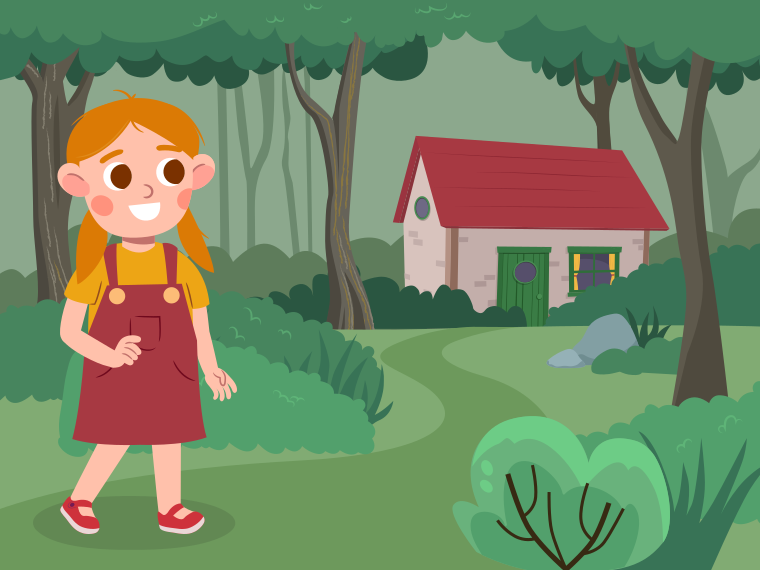
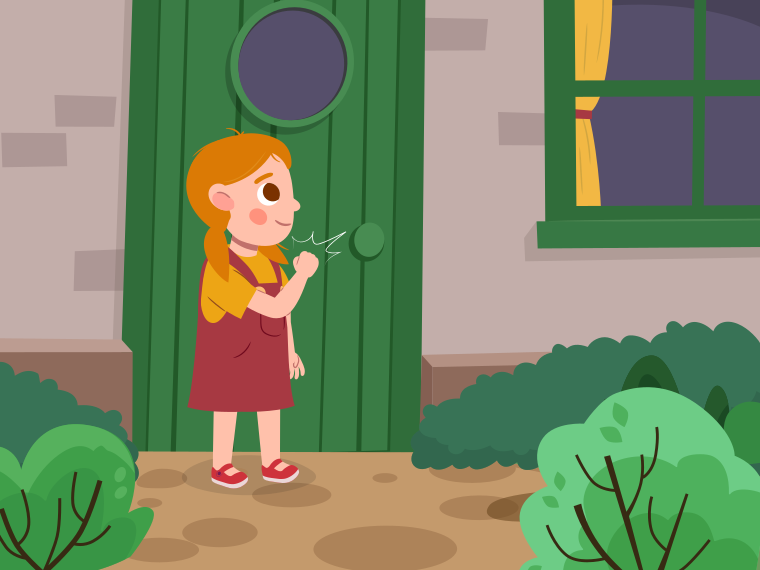
She saw a small house in the middle of a forest. She knocked on the door, but no one answered.
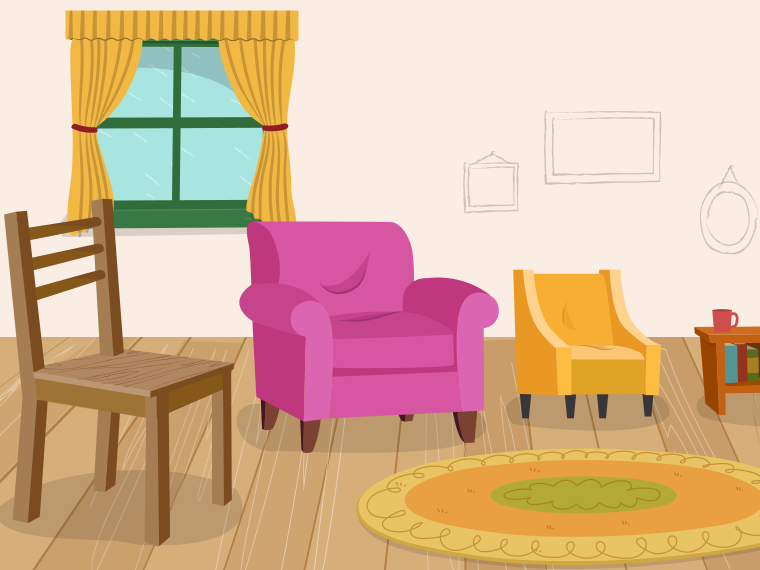
It was starting to rain so she went inside the house. She saw three comfy chairs. The first chair was too hard. The second chair was too soft. The third chair was just right.
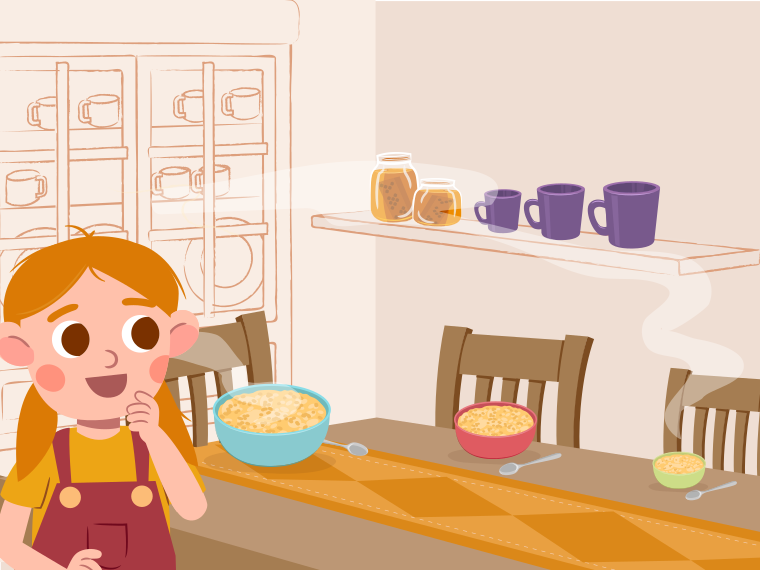
Goldilocks saw the kitchen table had three bowls of porridge. One was large, one was medium, and one was small.
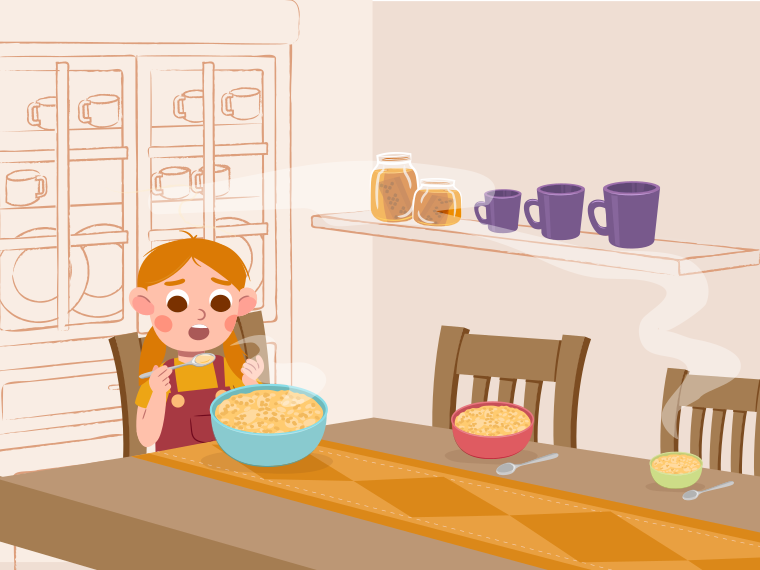
Goldilocks was so hungry. She went over to the table and grabbed a spoon. First, she tried the largest bowl. It was too hot!
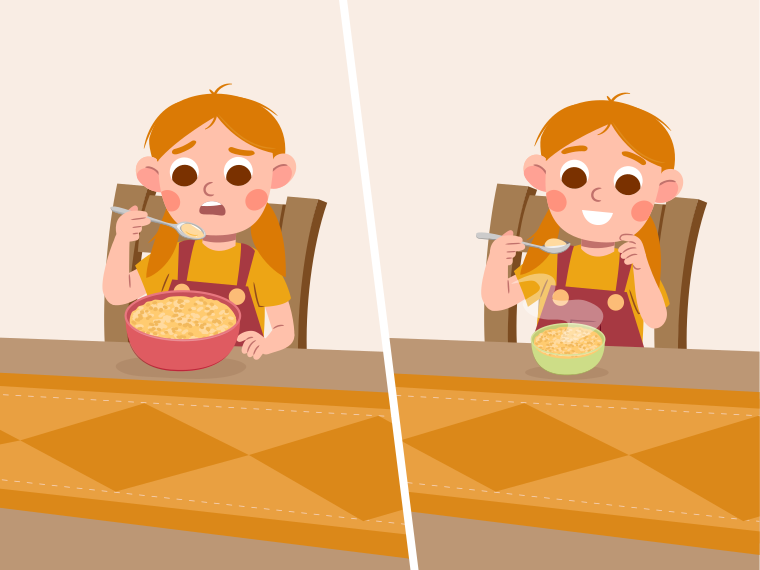
Then she tried the medium bowl. It was too cold! Then she tried the smallest bowl. It was just right. Goldilocks ate it all up.
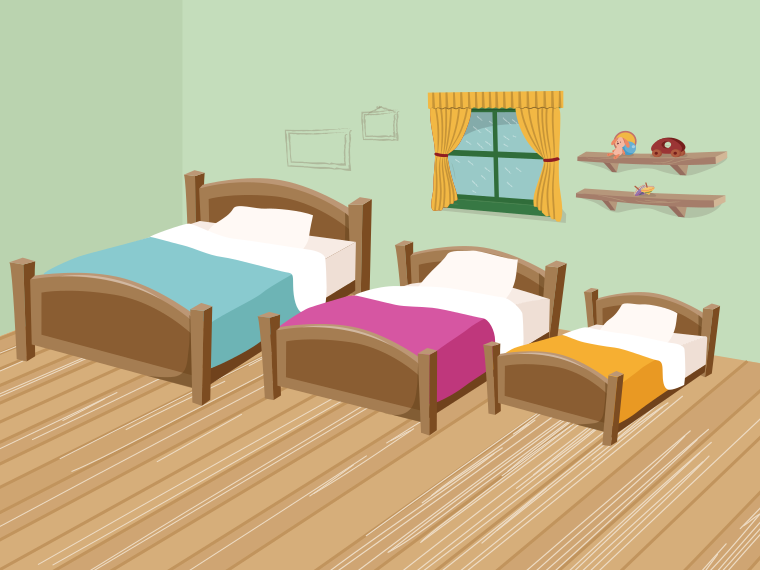
Goldilocks was tired. She went into the next room where there were three beds. One was large, one was medium, and one was small.
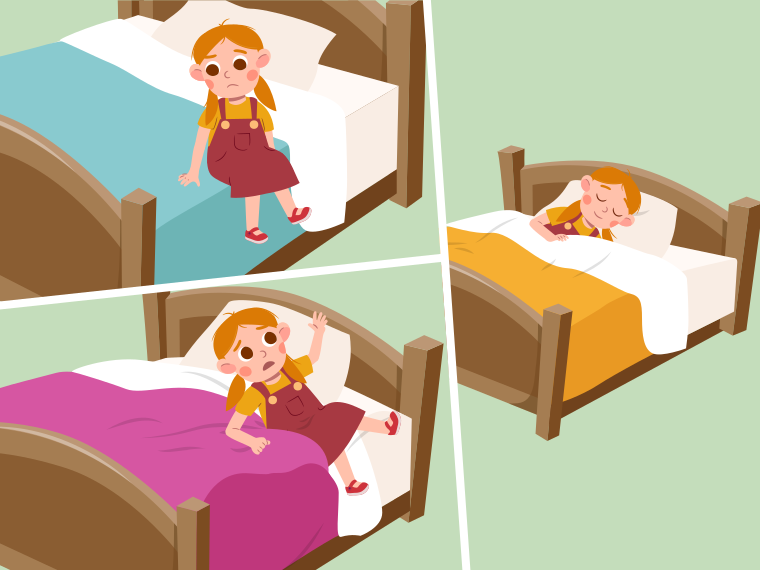
She got into the large bed but it was too hard. Then she got into the medium bed but it was too soft. The small bed was just right. She fell asleep.
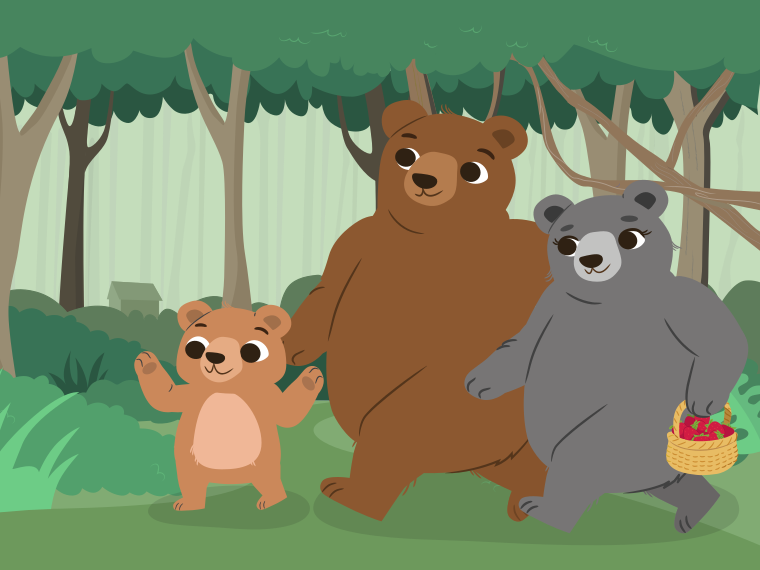
The house belonged to three bears: Mama Bear, Papa Bear, and Baby Bear. They had just come home from berry picking.
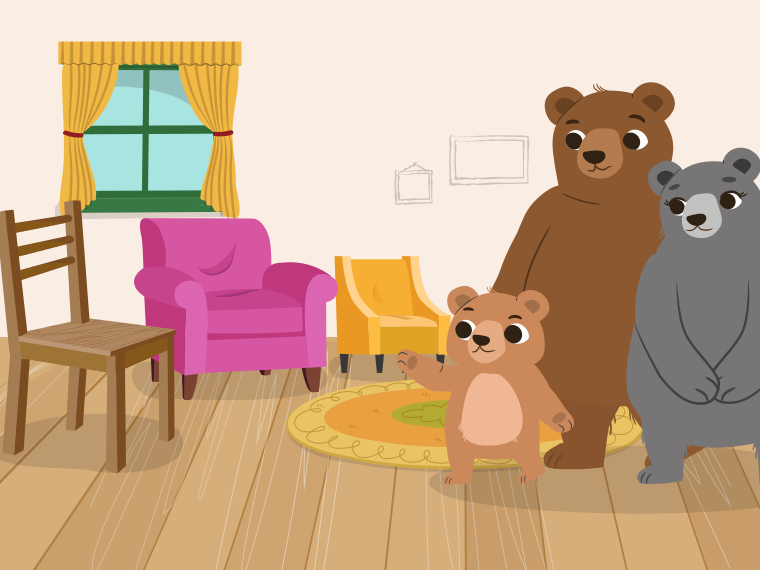
“Who’s been sitting in my chair?” said Papa Bear. “Someone sat in my chair too,” said Mama Bear. “Someone sat in my chair too,” said Baby Bear.
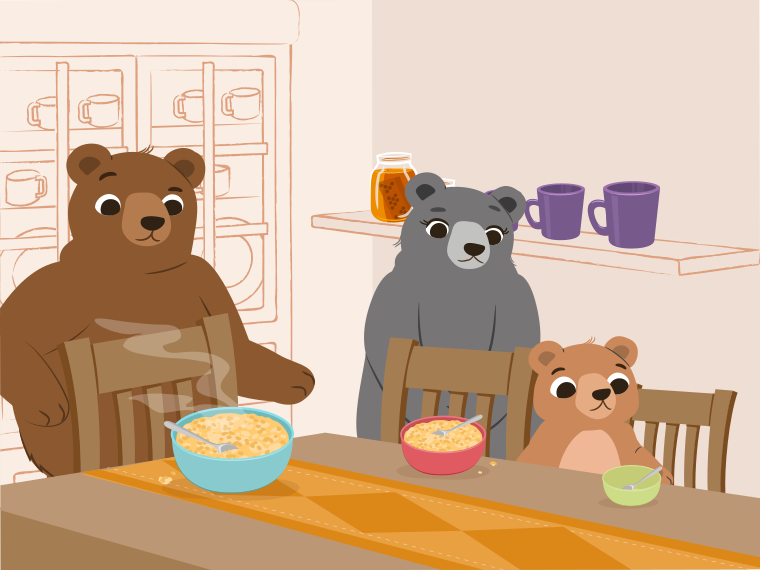
“Who’s been eating my porridge?” said Papa Bear. “Someone ate my porridge too,” said Mama Bear. “Someone ate ALL my porridge,” said Baby Bear sadly.
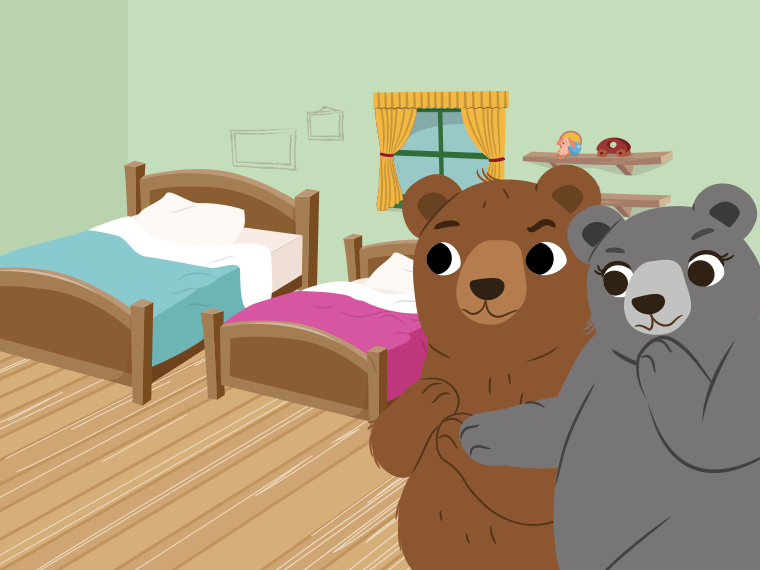
The Bears went into their bedroom. “Who’s been sleeping in my bed?” said Papa Bear. “Someone slept in my bed too,” said Mama Bear.
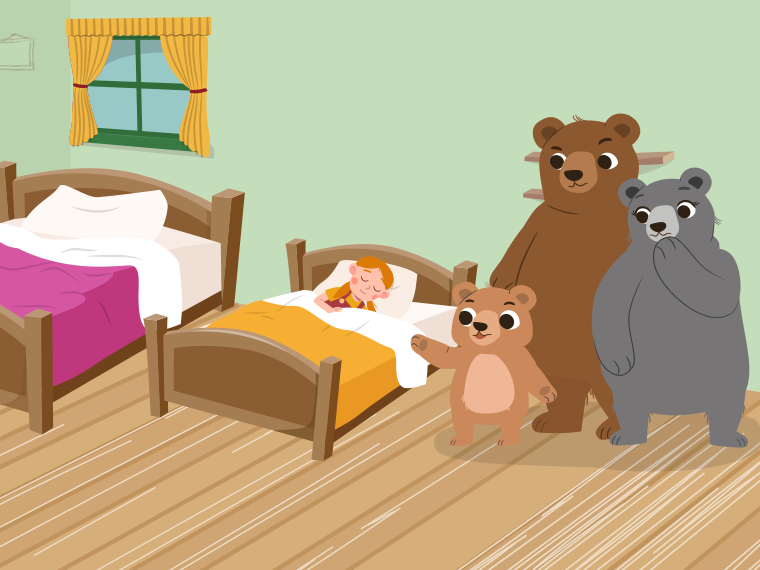
“Someone slept in my bed too!” said Baby Bear. “And there she is!”
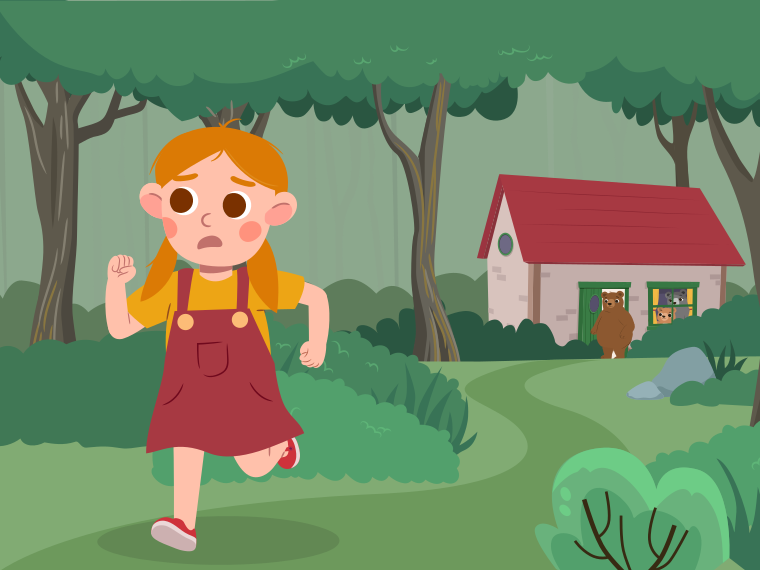
All of the noise woke up Goldilocks and she was scared. She immediately ran out of the house and ran home. Goldilocks never entered anyone’s house without permission ever again. The end.

Printing practice
W is for Weight.
Let’s practice printing the letter W.
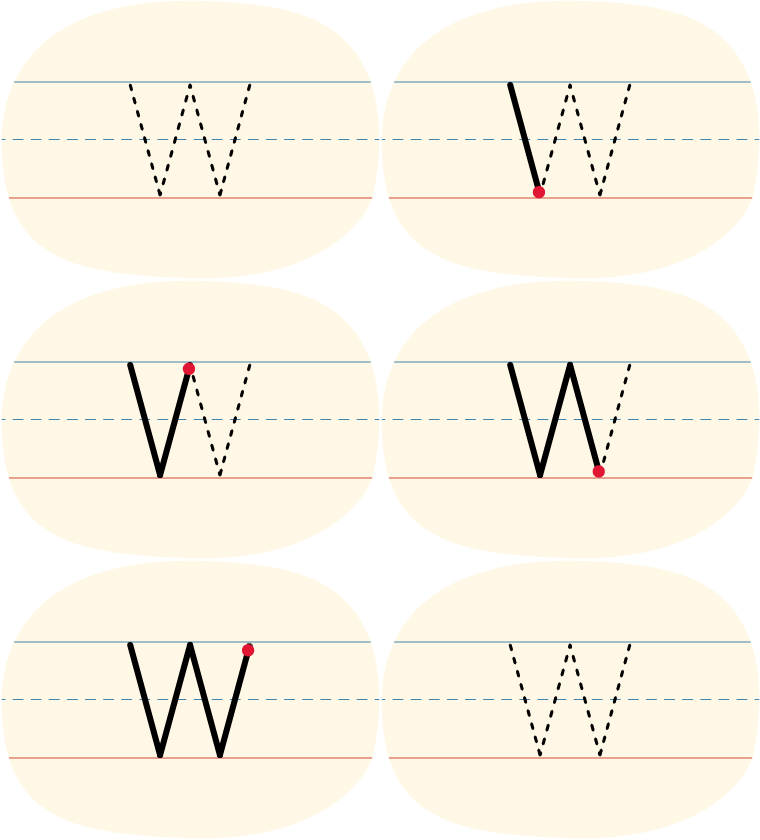
Now, you try!
Practice printing this letter in your notebook or using a method of your choice.
Use the following checklist to learn some printing tips.
When you are printing:
Consolidation
Time to explore!
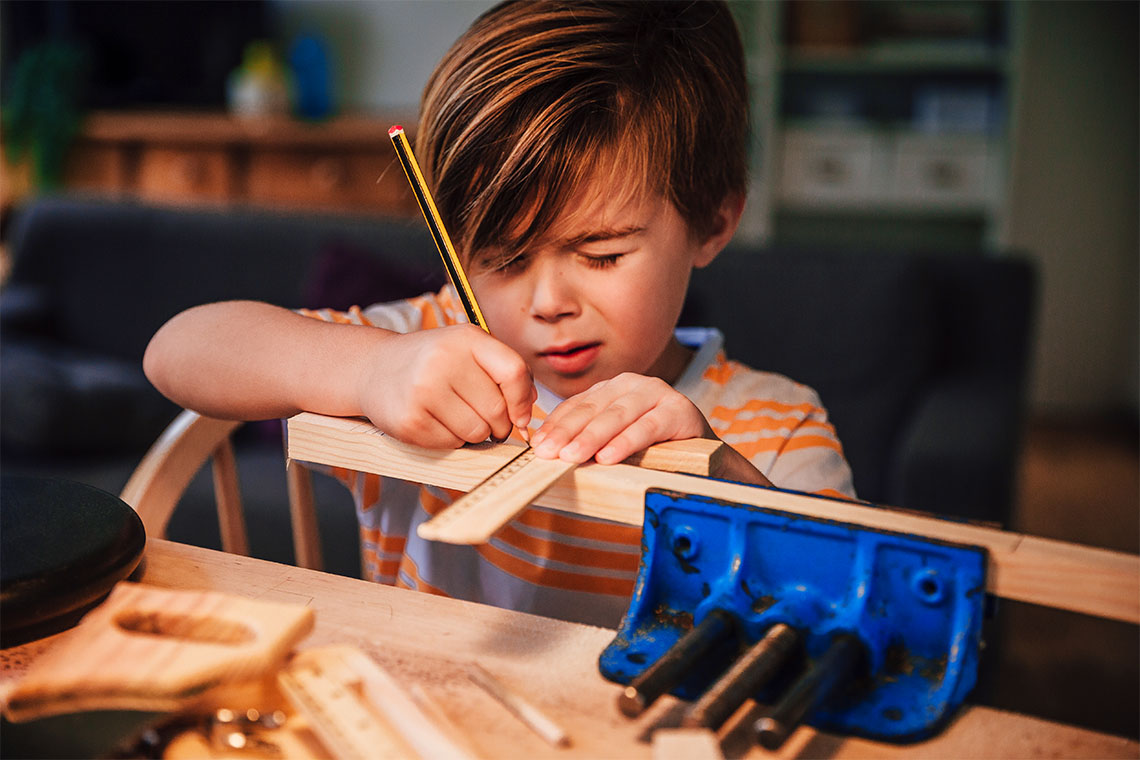
Check out some fun ideas to help you learn more about measuring!
You may choose one or more centres to explore.



Arts
Measure your shoe art!
If you would like to try this activity, you can use materials that you have in your learning space.
Before you start, ask a trusted adult for permission to gather your materials.
Possible materials
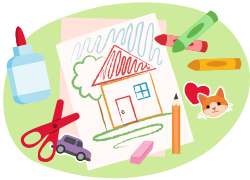
- your shoe or foot
- writing tools (such as pencils, crayons, markers)
- decorating materials
- any items you want to use for measuring (such as blocks, pencils, toothpicks)
Let’s get started!
Explore the images of different sized shoes. How many objects long is each shoe?
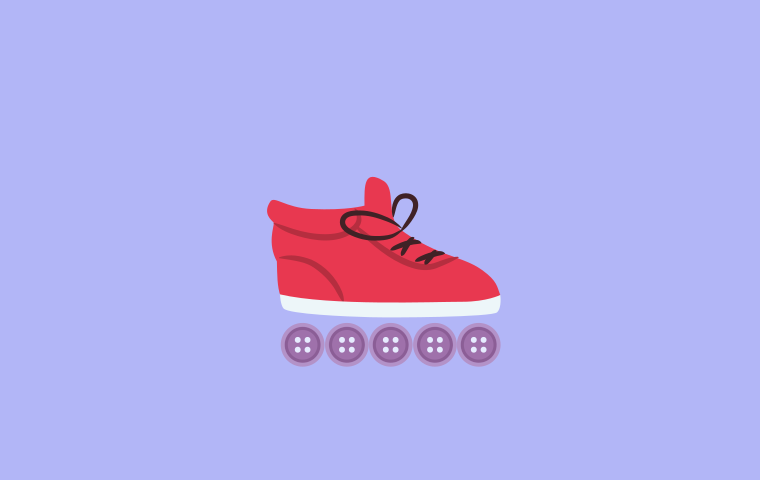
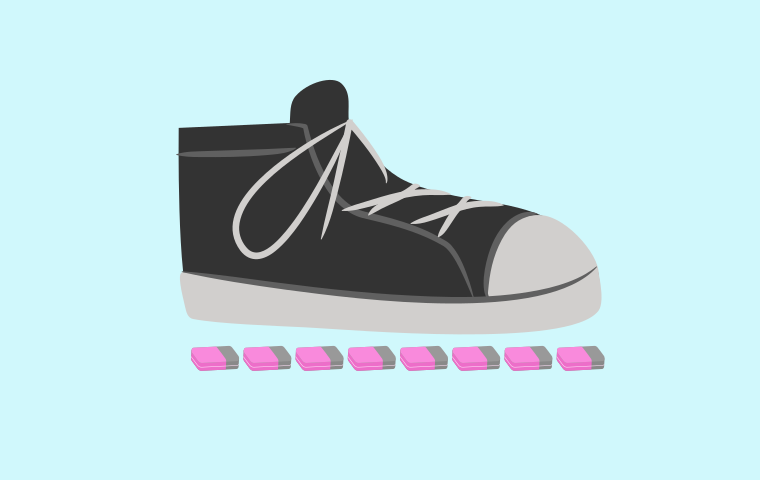
Let’s follow the steps to learn how to measure a shoe.
Press the following tabs for each step.
On a piece of paper, trace your shoe using any writing tool you have.
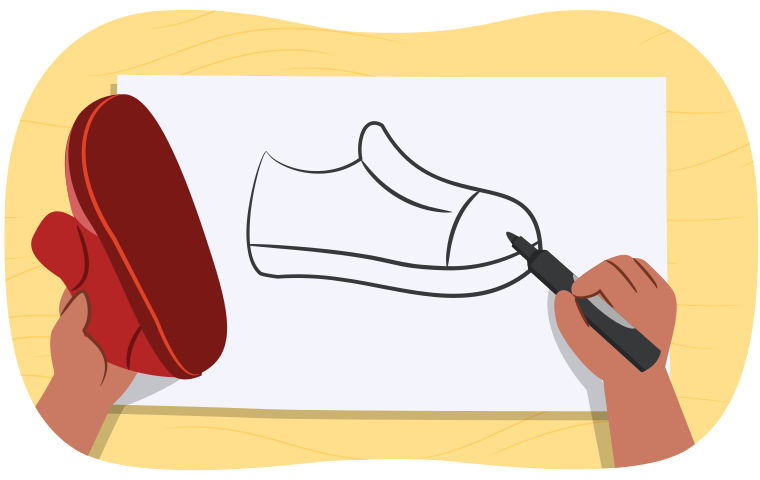
Choose a measuring tool and line up the objects from the tip of the shoe to the other. You can use blocks, pencils, or any other items in your learning space.
Remember, your items need to be the same shape and size to measure your shoe correctly!
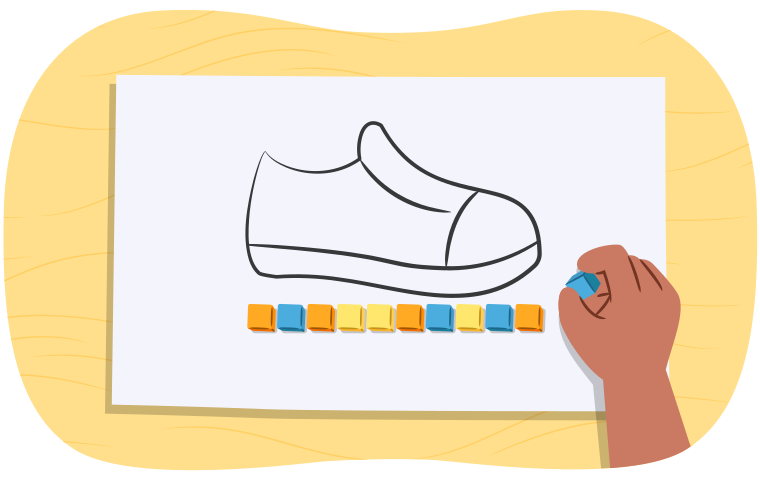
Count how many items long your shoe is. You can write a short sentence along with your art.
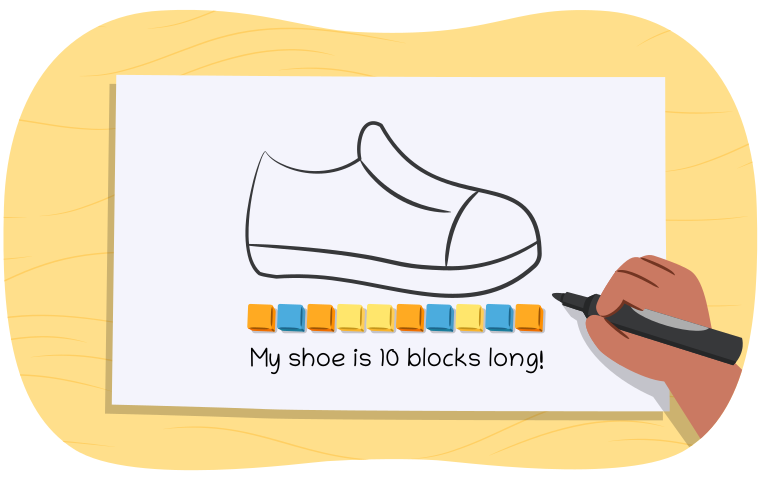
A drawing of a shoe outline on a sheet of paper. Below the shoe, a row of 10 cubes is lined up in a straight line. "My shoe is 10 blocks long!" is written on the paper.
Image 4: Four containers are arranged on a table. From left to right, there is a small cup, a shallow bowl, a wide jar, and a tall bottle. The small cup and shallow bowl are filled with water, and the wide jar and tall bottle are empty.
Image 5: A learner holds a spoon above a tall bottle, pouring water into the opening. A speech bubble above the learner reads '1, 2, 3…'. On the table next to the bottle is a wide bowl filled with water.
Image 6: A sheet of paper shows four drawings of containers. From left to right, a small cup filled with water is labeled 'Full,' a large bowl filled with water is labeled 'Full,' an empty jar is labeled 'Empty,' and an empty bottle is labeled 'Empty.'
Colour or decorate your shoe to make it your own!
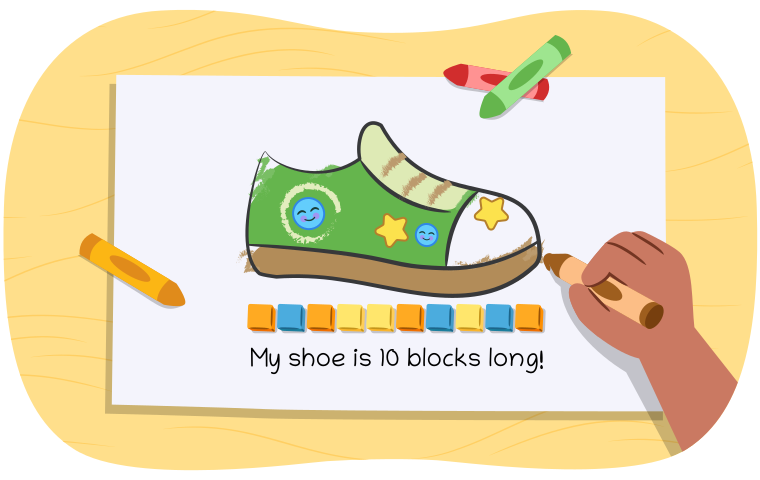
A drawing of a shoe outline on a sheet of paper. Below the shoe, a row of 10 cubes is lined up in a straight line. "My shoe is 10 blocks long!" is written on the paper.
Image 4: Four containers are arranged on a table. From left to right, there is a small cup, a shallow bowl, a wide jar, and a tall bottle. The small cup and shallow bowl are filled with water, and the wide jar and tall bottle are empty.
Image 5: A learner holds a spoon above a tall bottle, pouring water into the opening. A speech bubble above the learner reads '1, 2, 3…'. On the table next to the bottle is a wide bowl filled with water.
Image 6: A sheet of paper shows four drawings of containers. From left to right, a small cup filled with water is labeled 'Full,' a large bowl filled with water is labeled 'Full,' an empty jar is labeled 'Empty,' and an empty bottle is labeled 'Empty.'
You could also use your imagination to think about how you would measure and design your shoe!
Share your thoughts with someone else, if you can.

Inquiry
How much can it hold?
If you would like to try this activity, you can use materials that you have in your learning space.
Before you start, ask a trusted adult for permission to gather your materials.
Possible materials
- different sized containers (cups, jars, bottles, small bowls)
- water (or safe liquid such as colored water or sand)
- measuring cups or spoons (optional)
- tray or towel to catch spills
Let’s get started!
Avery is exploring capacity with her caregiver to see how much something can hold.
Follow the steps to learn how.
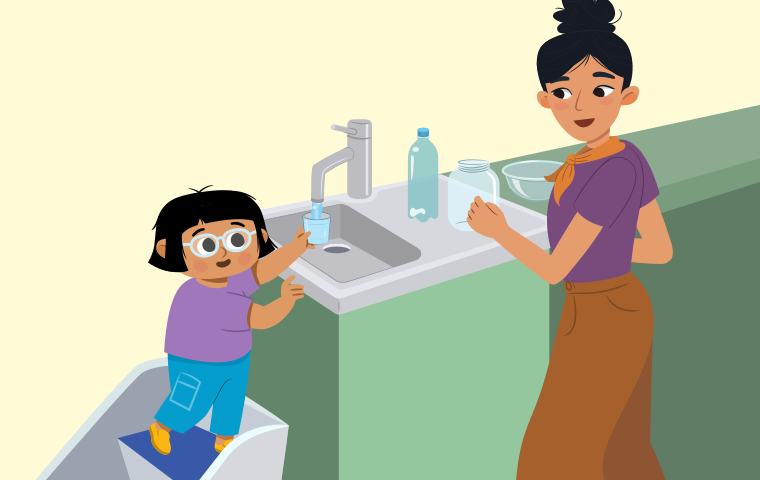
Step 1: Fill one container with water until it is full. Hold it carefully.
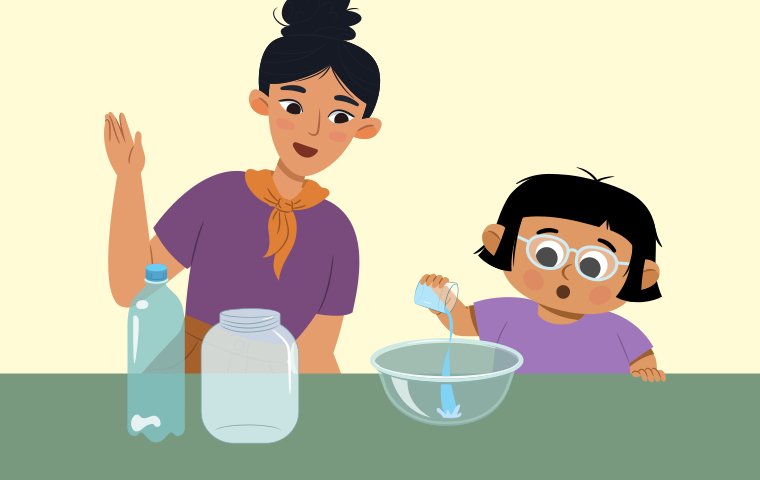
Step 2: Pour the water from the first container into a second container. Watch which container holds more water.
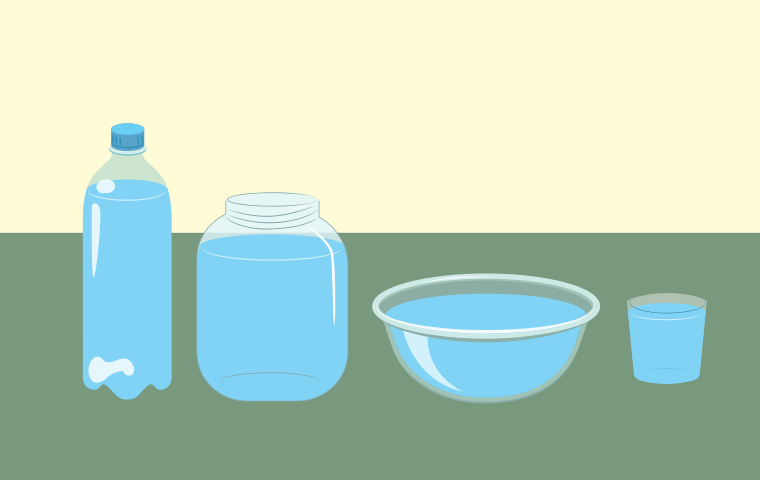
Step 3: Choose two more containers. Fill both and compare how much each can hold.
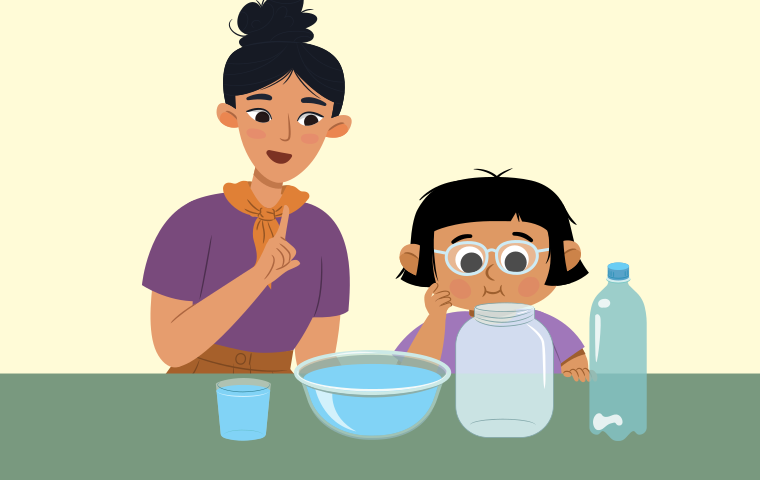
Step 4: Try pouring water from one container into another. Notice which container fills first and which has room for more.
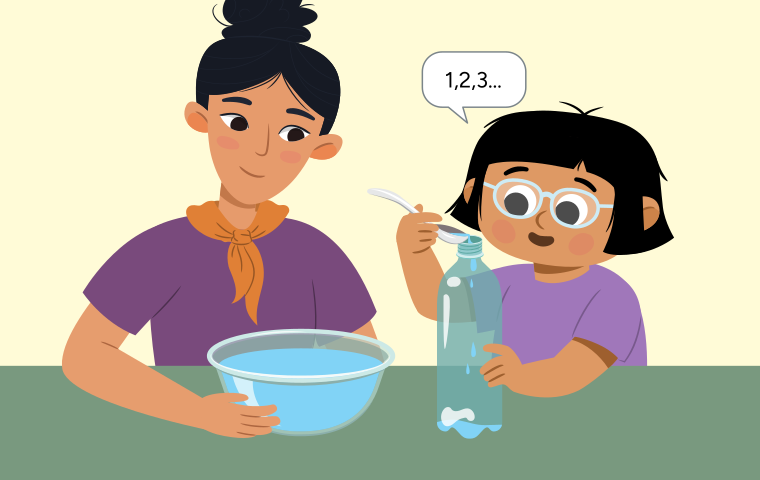
Step 5: Use measuring cups or spoons to count how many it takes to fill each container.
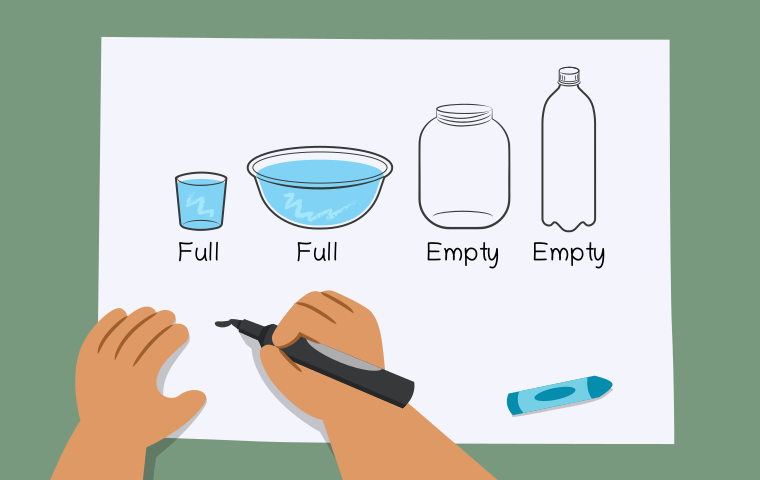
Step 6: Draw or write about what you notice. Show which ones are full and which are empty.
A drawing of a shoe outline on a sheet of paper. Below the shoe, a row of 10 cubes is lined up in a straight line. "My shoe is 10 blocks long!" is written on the paper.
Image 4: Four containers are arranged on a table. From left to right, there is a small cup, a shallow bowl, a wide jar, and a tall bottle. The small cup and shallow bowl are filled with water, and the wide jar and tall bottle are empty.
Image 5: A learner holds a spoon above a tall bottle, pouring water into the opening. A speech bubble above the learner reads '1, 2, 3…'. On the table next to the bottle is a wide bowl filled with water.
Image 6: A sheet of paper shows four drawings of containers. From left to right, a small cup filled with water is labeled 'Full,' a large bowl filled with water is labeled 'Full,' an empty jar is labeled 'Empty,' and an empty bottle is labeled 'Empty.'
You could also use your imagination to think about what would happen in this experiment.
Think about it!
- Which container would hold the most water?
- Which container would hold the least water?
- What other questions or wonders do you have about the experiment?
Share your thoughts with someone else, if you can.

Movement
Move your body!
We are going to explore size with our bodies through dance!
We will move in big and small ways.
Before you begin, press the following tabs to get ready.
Have you moved any objects that you might bump into?
Listen to your body. Take breaks or stop if you need to.
Follow the steps to move your body. You can also do any action that feels most comfortable for you.
Press the following tabs to follow each step.
Warm up
Start by doing a quick stretch.
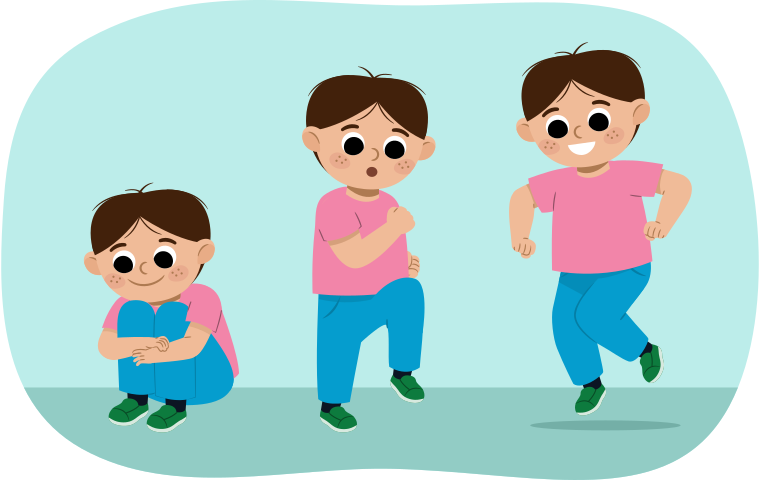
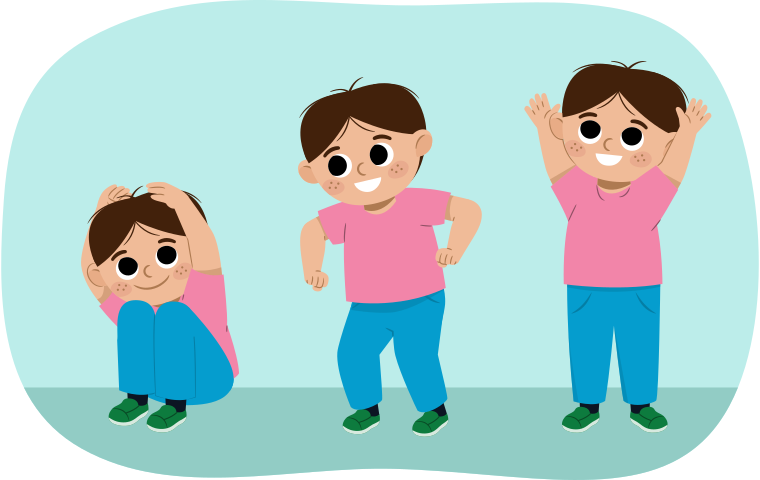
Make yourself as big as you can. You can reach your arms way up high.
Now make your body small like a tiny ball. You can curl your body into a ball.
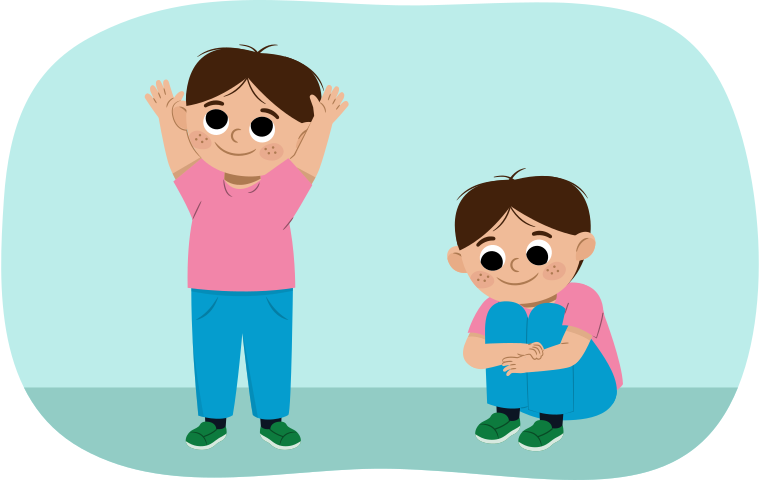
Explore big movements
We are going to try some big movements.
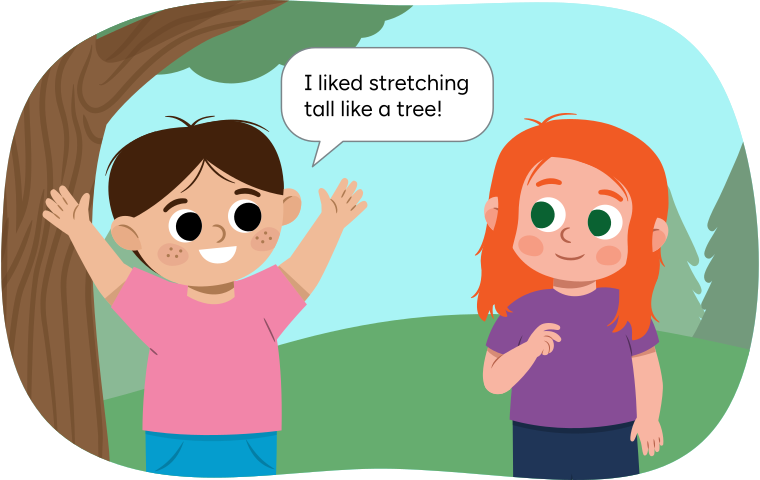
Can you make your arms and legs stretch out wide like a big tree?
Can you take big steps like a giant? Now make a big spin that takes up lots of space!
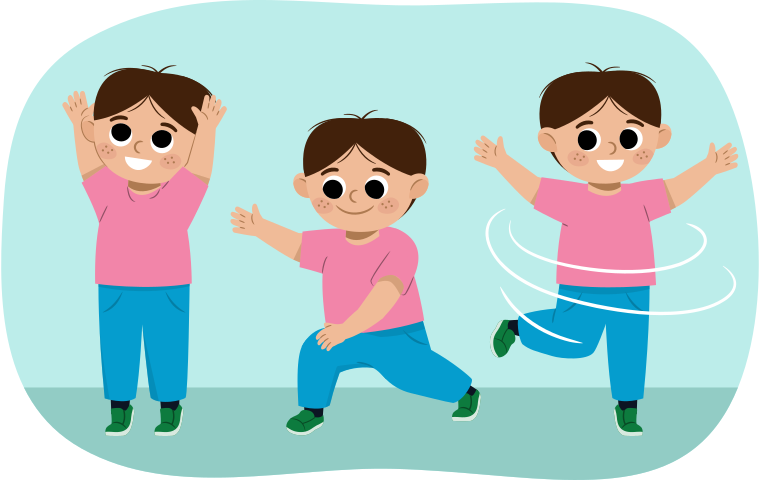
Explore small movements
We are going to explore some small movements.
Can you make yourself small like a tiny seed? Can you take small steps like a little mouse?
Now do a small jump, just off the ground.
Big and small together
We will try big and small movements together! Do whatever you can and whatever feels comfortable for your body.
Start as a small seed, curled up tight.
Slowly grow bigger and bigger until you are a giant flower reaching up to the sun!
Let’s reflect on it!
What was your favourite big movement? What was your favourite small movement?
How does your body feel when you dance big? How does it feel when you dance small?
Share your thoughts with someone else, if possible.

Literacy
Goldilocks and the Three Bears
In the story of Goldilocks and the Three Bears, Goldilocks enters a small house and sees different-sized chairs, bowls, and beds.
If you need a reminder you can listen to the story in the Action section of this learning activity.
Look at the pictures from the story and answer the questions.
Reflection
How do you feel about what you have learned in this activity? Press the button next to the sentence that matches how you feel.