Minds On
I wonder
Explore the following images and their descriptions.
What do you notice about each image?
What do you wonder about each image?

As you work through this learning activity, you can record your ideas in many ways.
Listen to the following audio recording to learn more about how to record your ideas.
How to Record Your Ideas
Action
Exploration 1: Living and non-living things
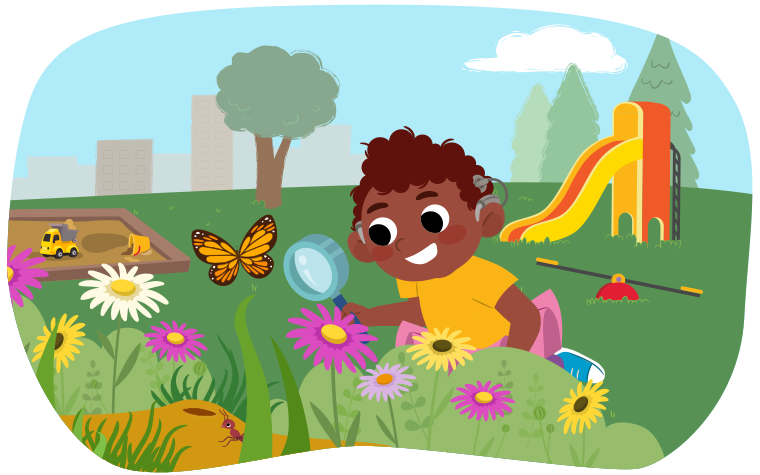
Learner outside with magnifying glass in hand exploring thier environment. There are flowers, trees, a butterfly, a sandbox, and a slide in around them.
In Minds On, you explored example of living and non-living things.
A living thing is something that can grow, move, breathe, and needs food and water to survive.
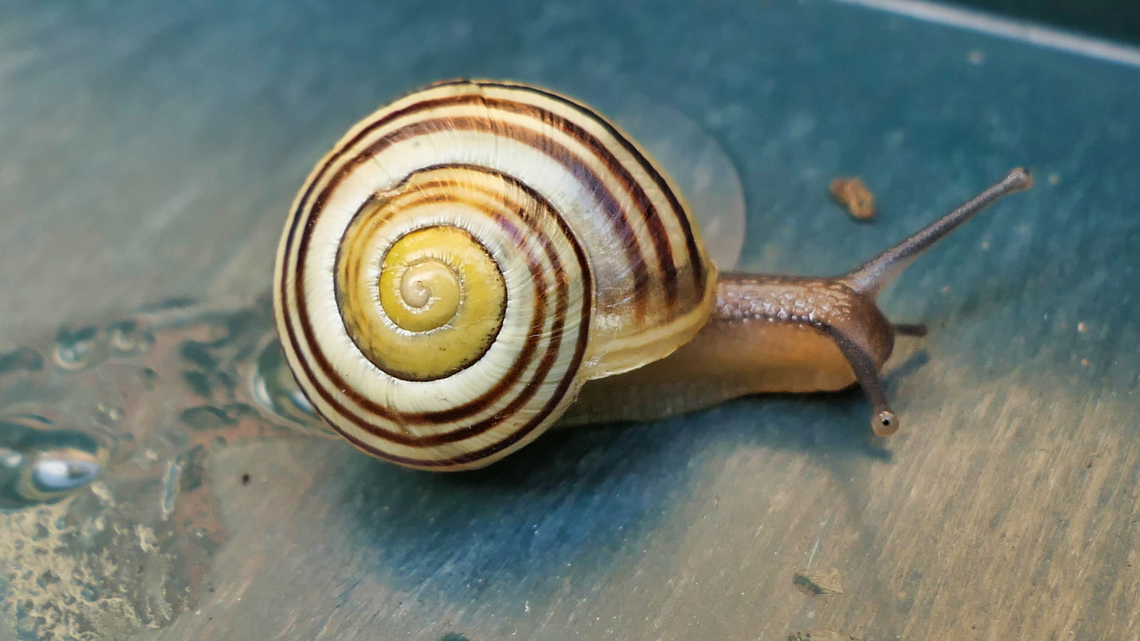
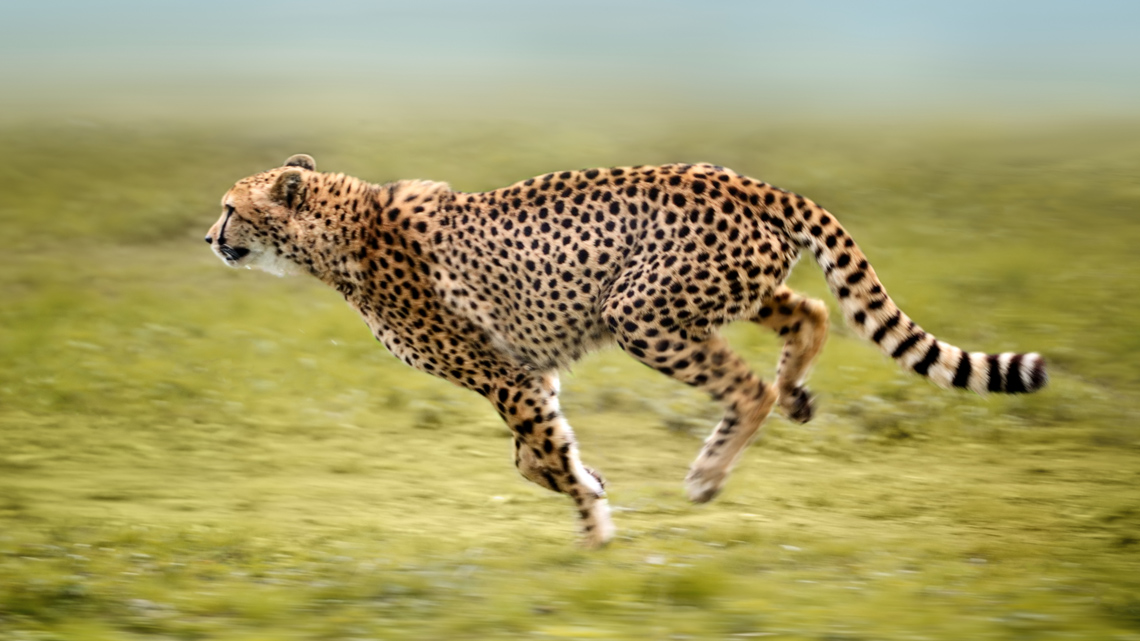
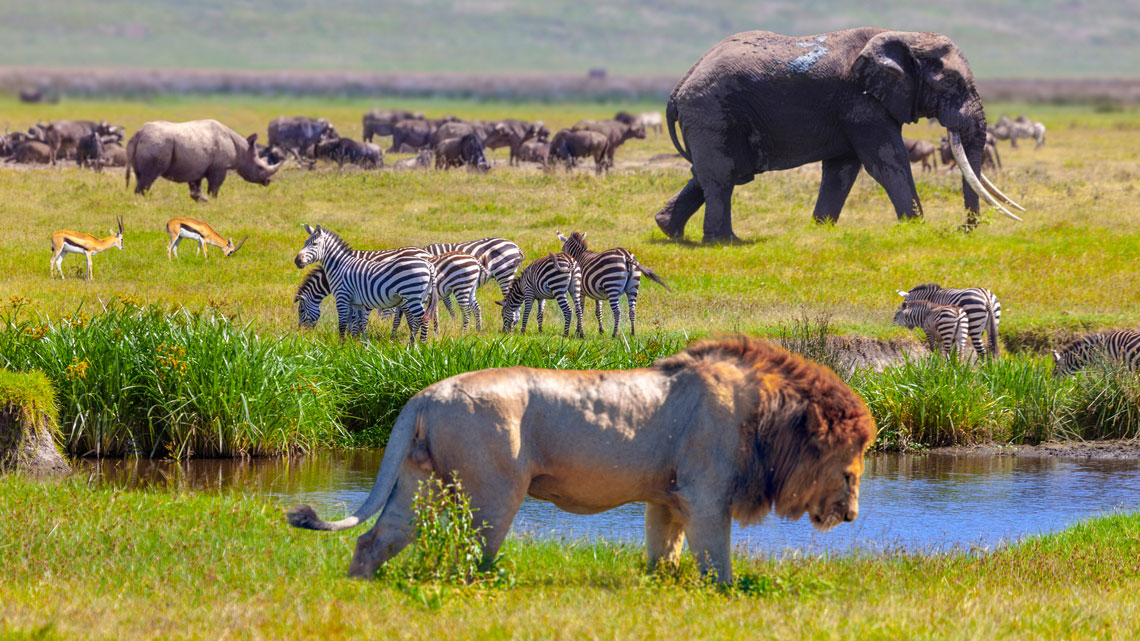
Animals, like snails and cheetahs, are living things because they need food and water to grow, move, and breathe.
All these animals in the following image are living things!
Some other examples of living things include people, trees, and flowers!
A non-living thing is something that does not grow, move, breathe, and does not need food and water to survive.
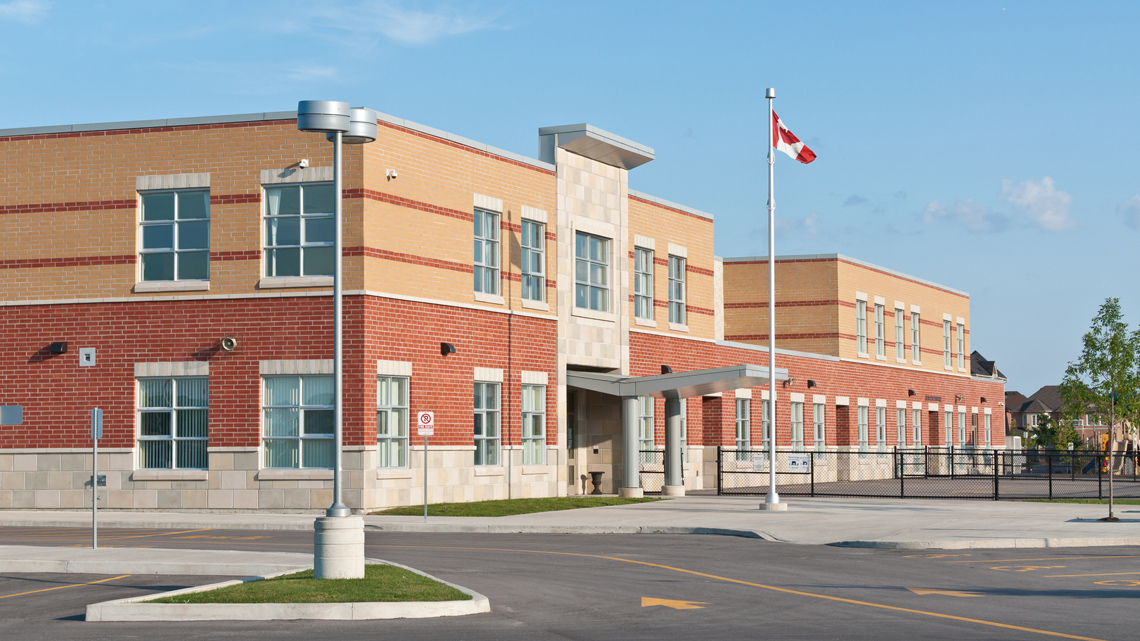
A city is made up of buildings, like houses, schools, and other important places. These buildings are all non-living things because they do not move, breathe, or need food and water to grow.

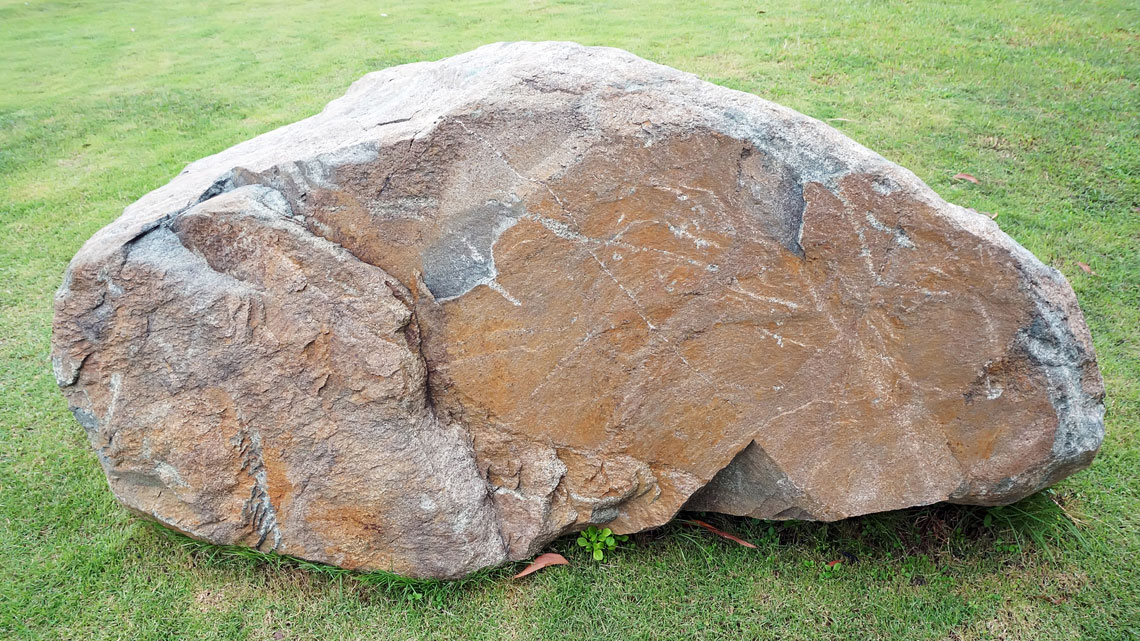
Some other examples of non-living things are rocks, toys, and cars!
Now you try!
Match each image to the correct term.
Exploration 2: Patterns around us
We have explored living and non-living things. Next, let’s look at natural and built environments!
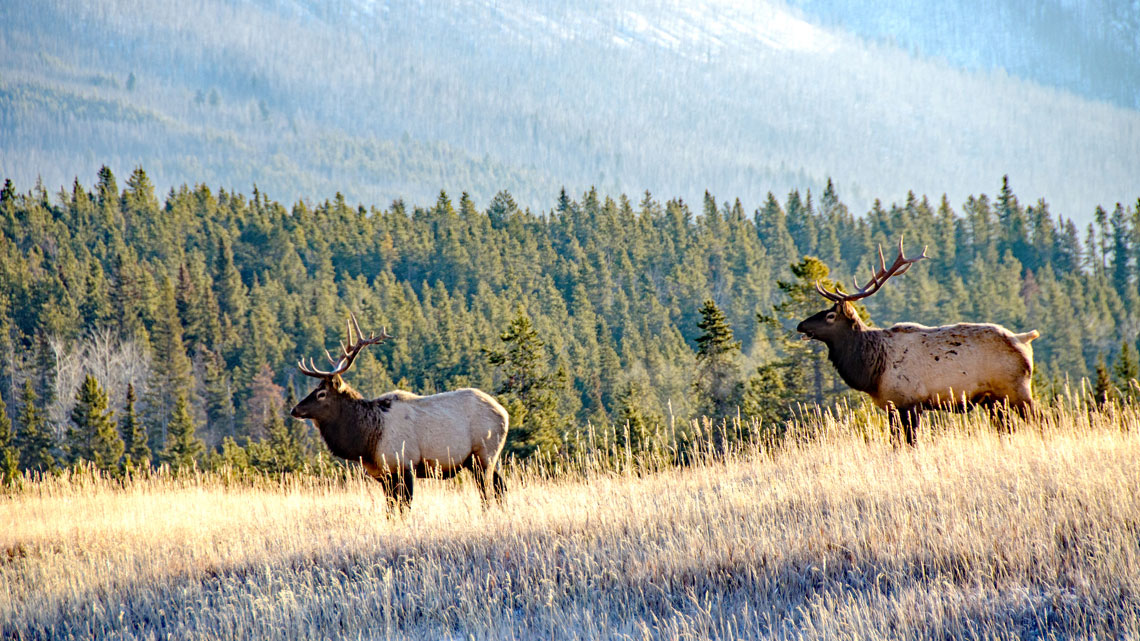
A natural environment means something that comes from nature, like trees, rocks, animals, mountains, and flowers.
A built environment means something that is made by people, like houses, roads, schools, cars, and bridges.

When we explore living and non-living things and natural and built environments, we may see different patterns.
A pattern is a group of shapes, colours, numbers, or objects that repeat.
Let’s explore some pictures of natural or human-made things that have patterns.

Think about the following:
- What patterns do you notice?
Press the Possible Answer button to learn more.
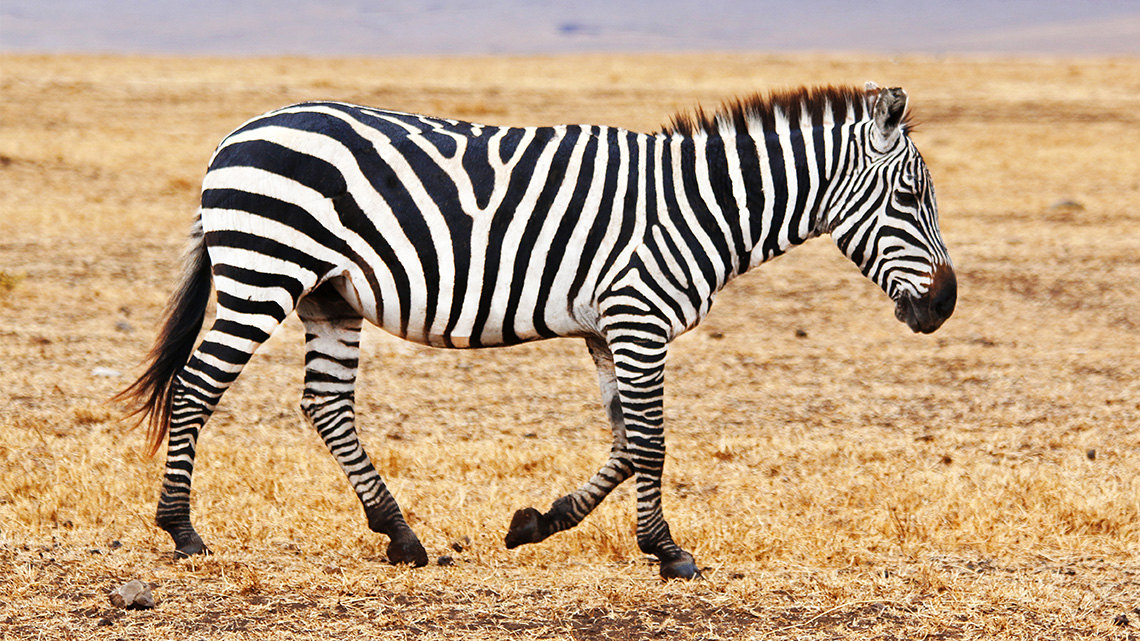
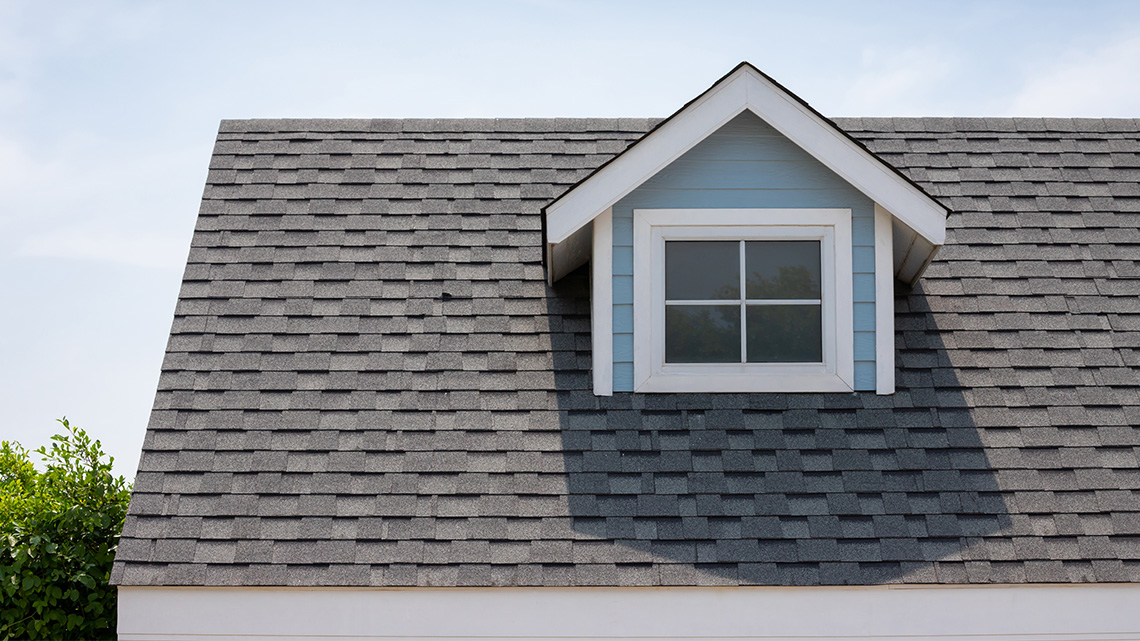
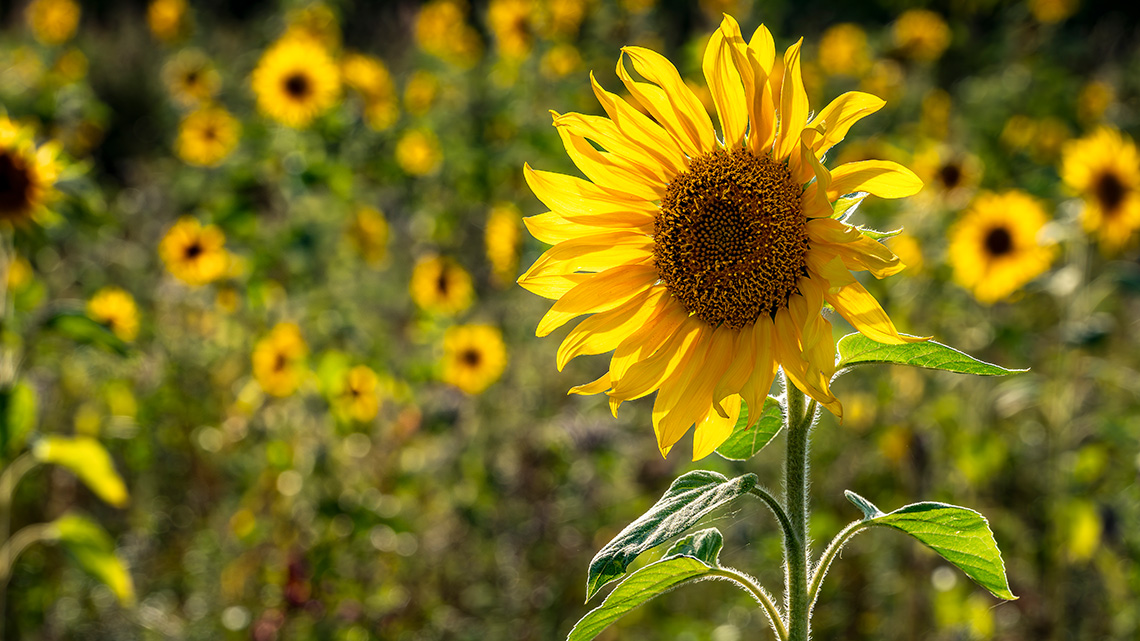
I notice the black and white stripes on the zebra. There are pattern designs on the roof!
- Do you see any shapes, colours, or lines that are repeated?
Press the Possible Answer button to learn more.
The colours inside the sunflower are repeating. The triangles under the bridge are repeating!
- Which ones are natural and which ones are made by people?
Press the Possible Answer button to learn more.
The zebra and sunflower are natural. The roof and the bridge are made by people.
If possible, share your thoughts or ideas with someone else.
Consolidation
Putting it all together
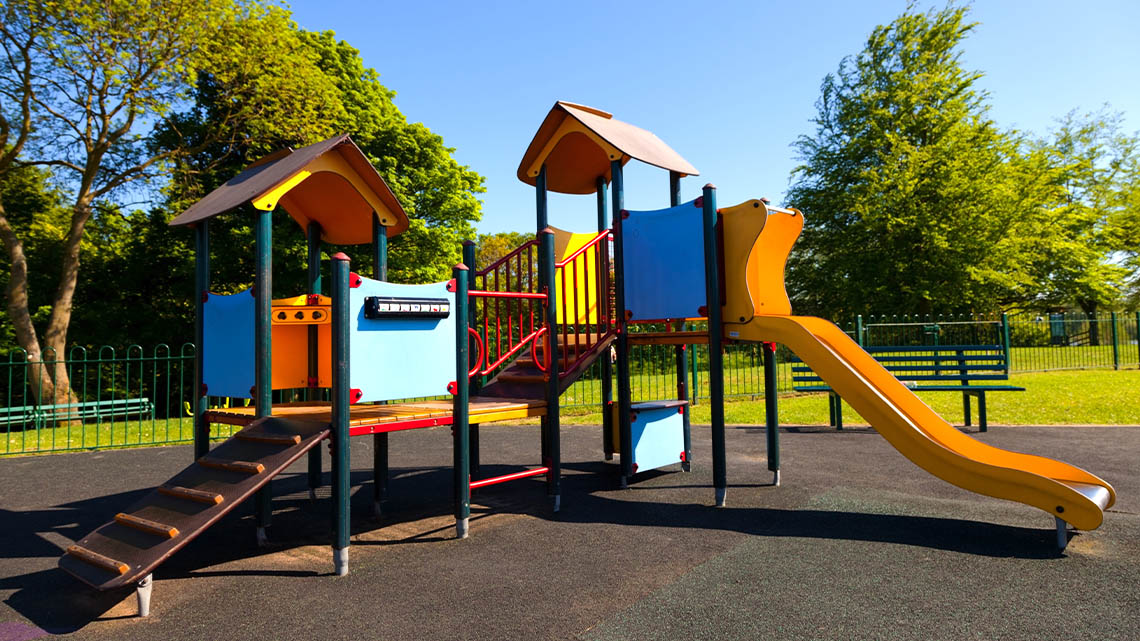
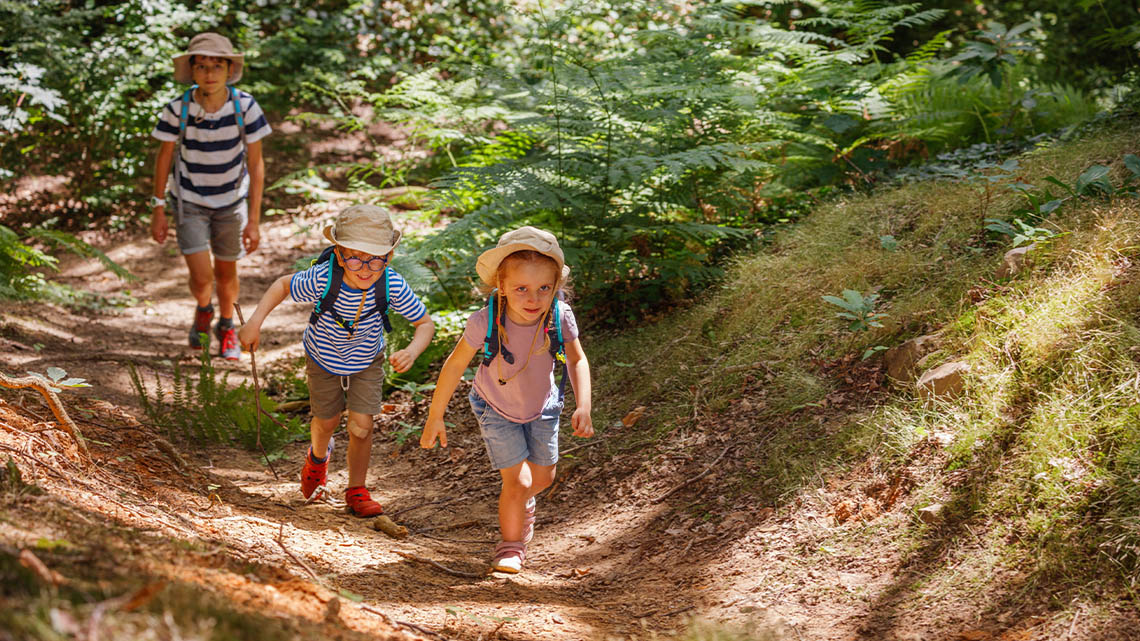
Let’s explore some different places in a community and respond to the following questions.
- Is it a natural or built environment? How do you know?
- What are some living and non-living things that you might see there?
- Are there any patterns?


Think about a place you enjoy or somewhere that you have visited before.
It can be your home, school, park, or any other indoor or outdoor environment.
- Is it a natural or built environment? How do you know?
- What are some living and non-living things that you might see there?
- Are there any patterns?
You may draw a picture, write in words, or use your imagination to think about what living or non-living things might be in that place.
If possible, share your thoughts or ideas with someone.
Reflection
How do you feel about what you have learned in this activity? Press the button next to the sentence that matches how you feel.