Learning goals
We are learning to…
- analyze and explain how the knowledge and skills developed in this grade support learning in various subject areas
- identify the narrator’s point of view, including limited, omniscient, or unreliable, in a variety of texts and explain how it is communicated, suggest alternative points of view, and give reasons
- generate and develop ideas and details for a text
- draft a complex text of various forms and genres, including narrative, expository, and informational text, using a variety of tools and strategies
Success criteria
I am able to…
- determine which point of view a story is being told from (limited, omniscient, objective, or unreliable) and explain alternative points of view that could be used
- reflect on sustainability and point of view after reading two fictional texts
- brainstorm ideas and draft a narrative fiction that focus on environmental issues and/or sustainability
- reflect on my own views of sustainability
Explore
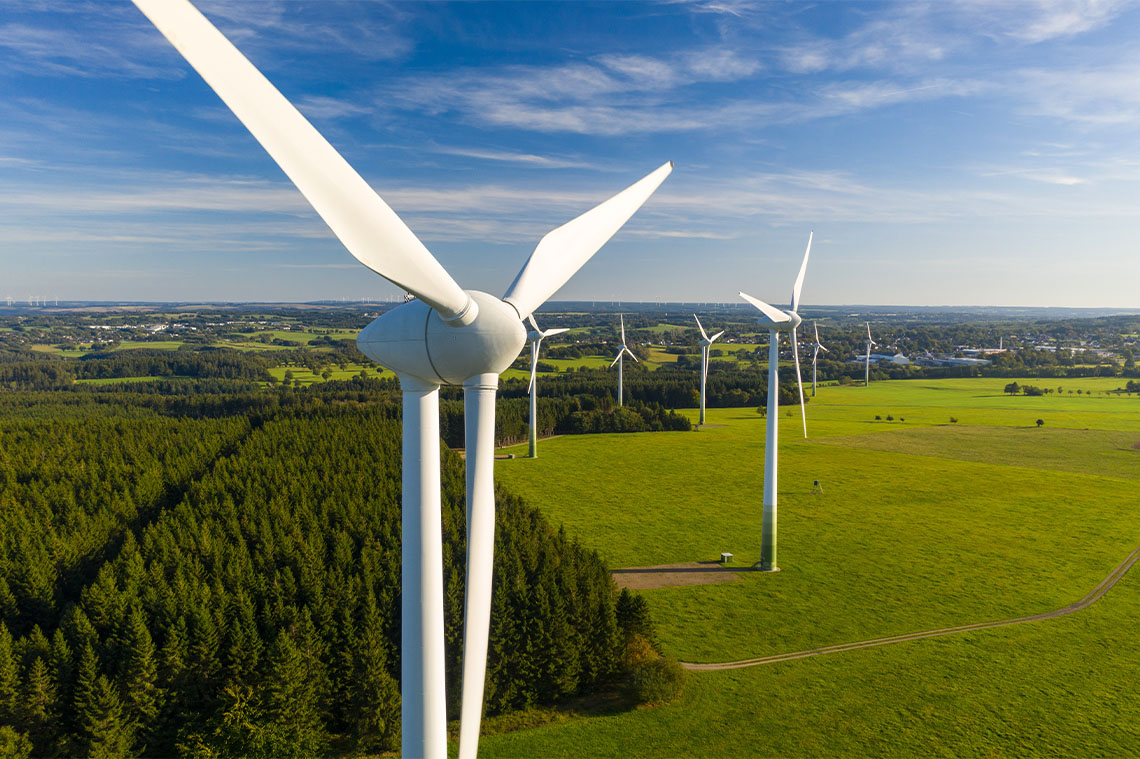
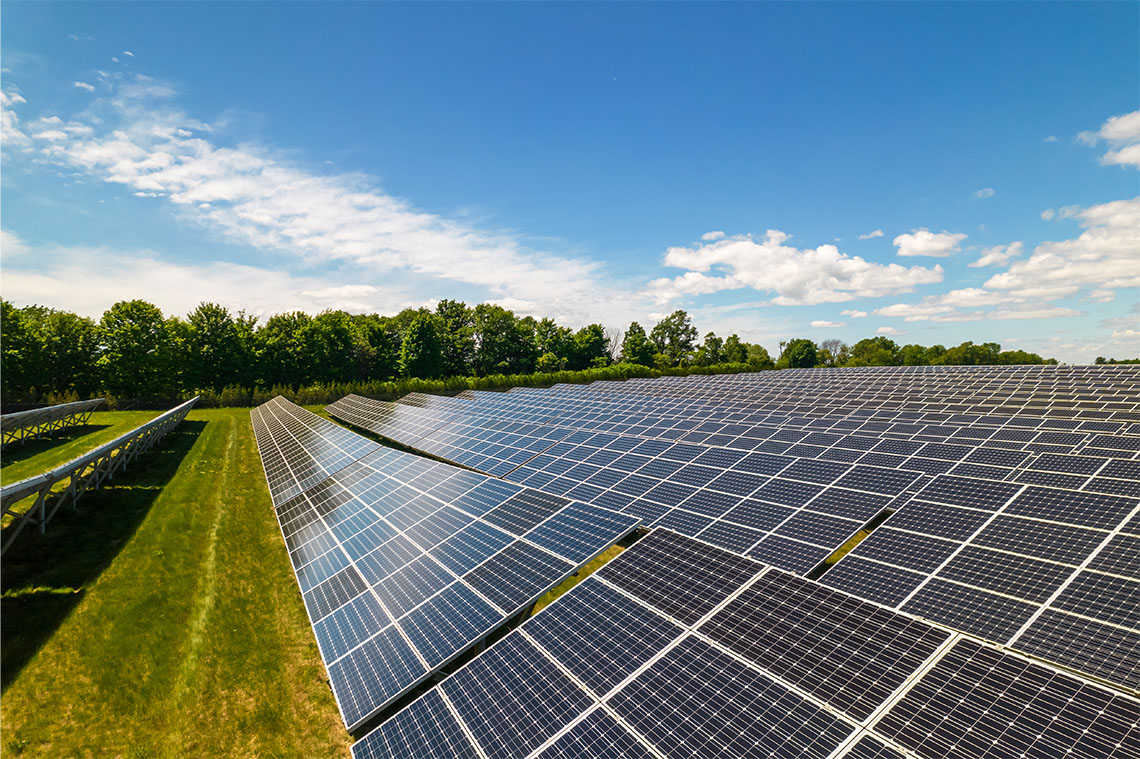
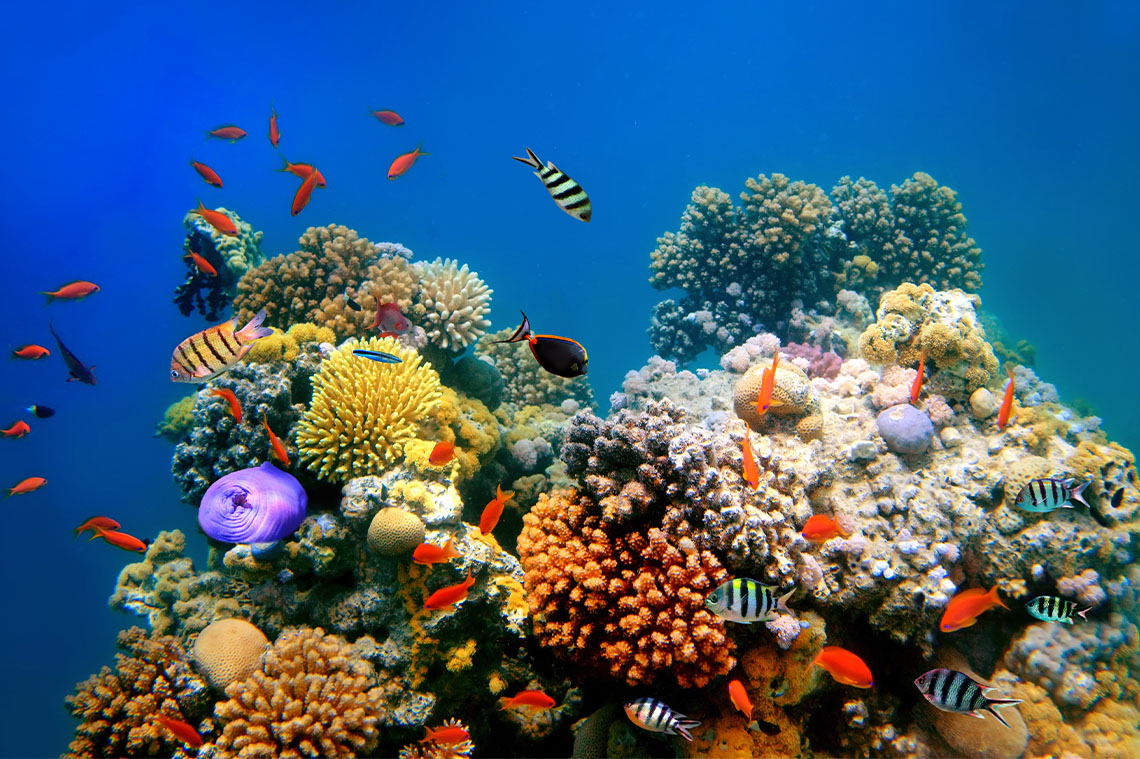
Check out the following images.
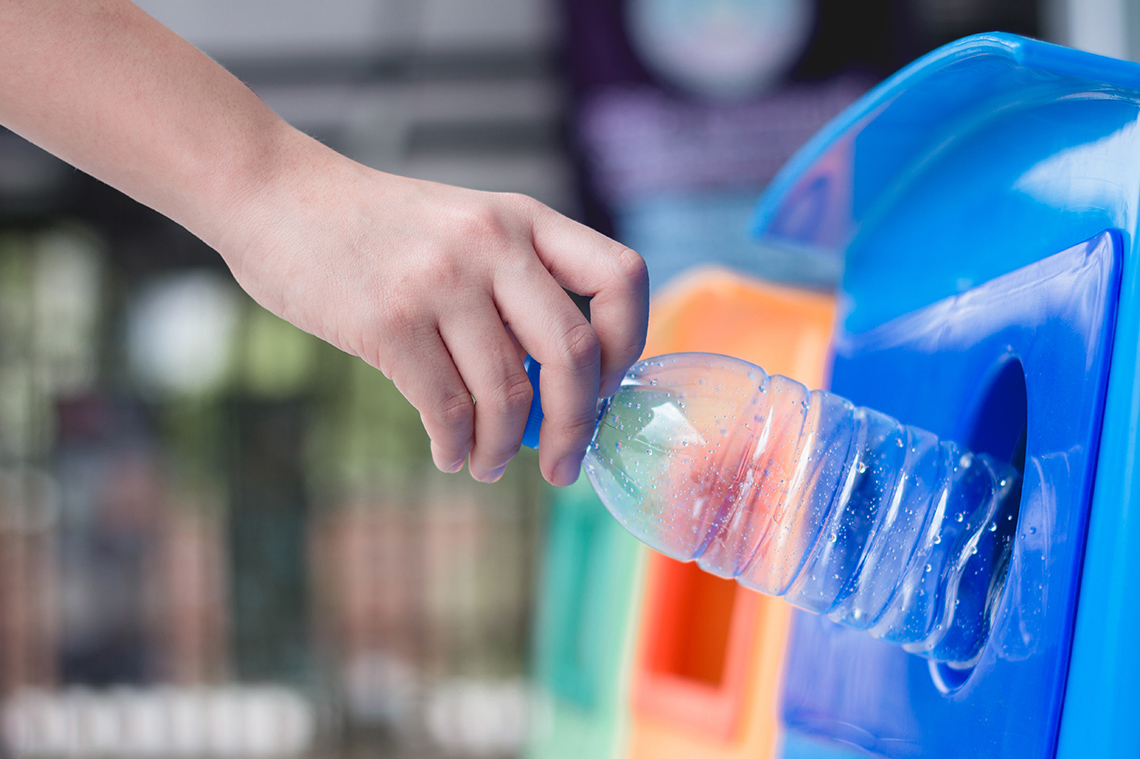
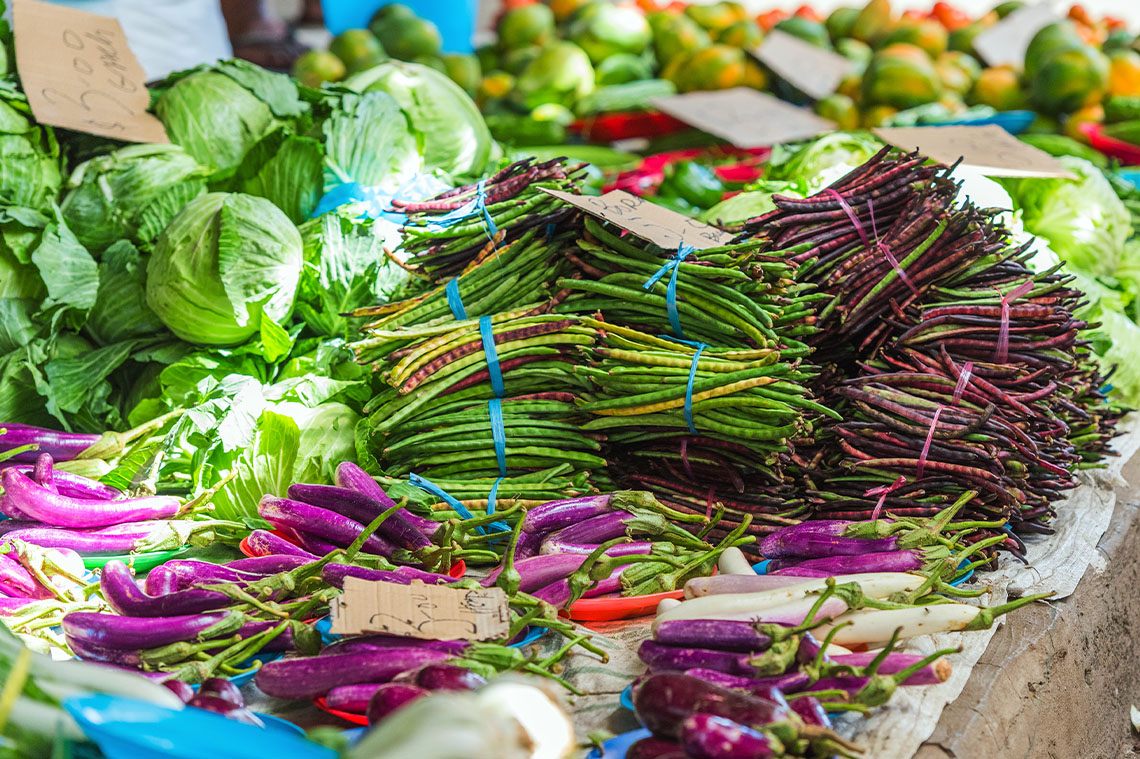

Brainstorm
Brainstorm
After exploring the previous images, what did you notice?
Did you notice anything in common?
Record your ideas in a notebook or another method of your choice.
Press Let’s Check! to learn more.
You may have noticed the following:
- windmills
- solar panels
- underwater ecosystem
- recycling and waste management options
- vegetables for sale at a market
Sustainability is common among the images.
Sustainability

Sustainability is the idea that humans must interact with the environment in a way that ensures there will be enough resources left for future generations.
There are three pillars to sustainability. Press the following tabs to find out more.
Social sustainability focusing on fostering healthy, equal, and inclusive communities where everyone has the opportunity to do well. This includes promoting social justice, human rights, diversity, and access to essential services.
Environmental sustainability is about protecting the world’s natural resources for present and future generations. This includes conserving biodiversity, reducing pollution, mitigating climate change, and promoting renewable energy sources.
Economic sustainability focuses on ensuring that our actions support long-term well-being for communities and individuals. It involves a balance between economic growth and sustainable use of resources.

Student Success
Think
Do you think one pillar is more important than another pillar, or are they all equal?
Record your thoughts and ideas in a notebook or another method of your choice.
If possible, share your thinking with a classmate or peer.
Point of view
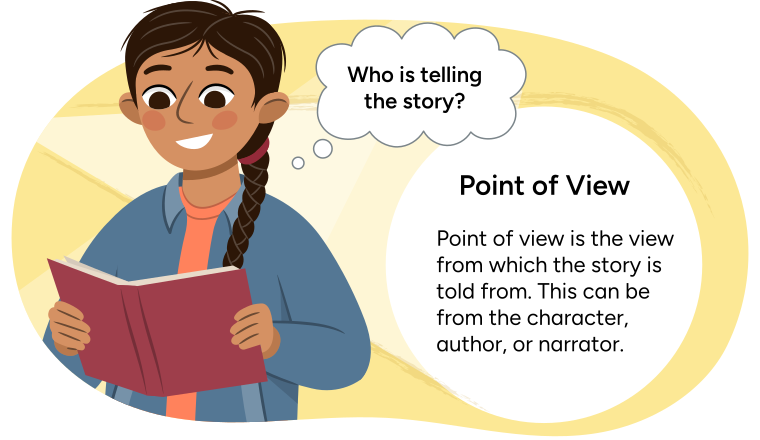
In both fiction and non-fiction texts, the story is always told from a specific point of view.
Ask yourself, who is telling the story?

Student Tips
Student tips
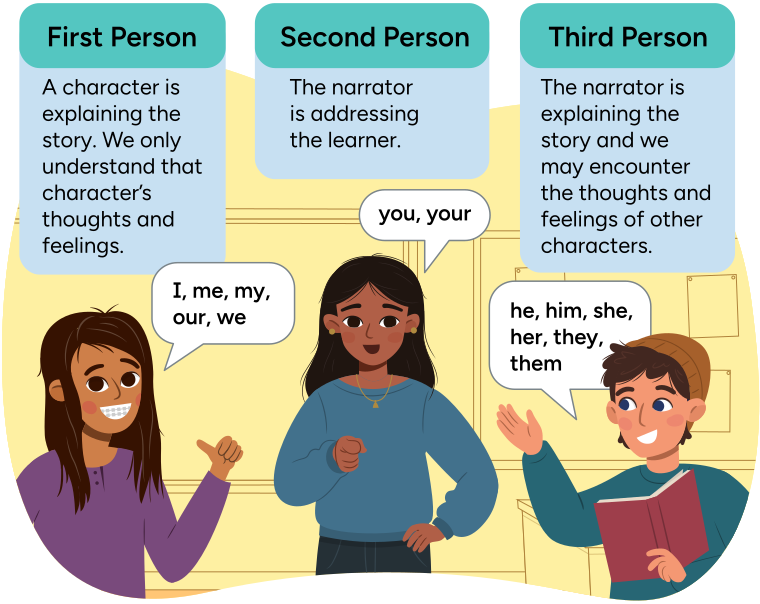
Let’s review what the three main types of point of view are:
 Description
First person is when the character is explaining the story, and we only understand what that character's thoughts and feelings. Keywords are: I, me, my, our, and we.
Second person is when the narrator is addressing the learner. Keywords are: you, your.
Third person is when the narrator is explaining the story and we may encounter the thoughts and feelings of other characters. Keywords are: he, him, she, her, they, them.
Third person
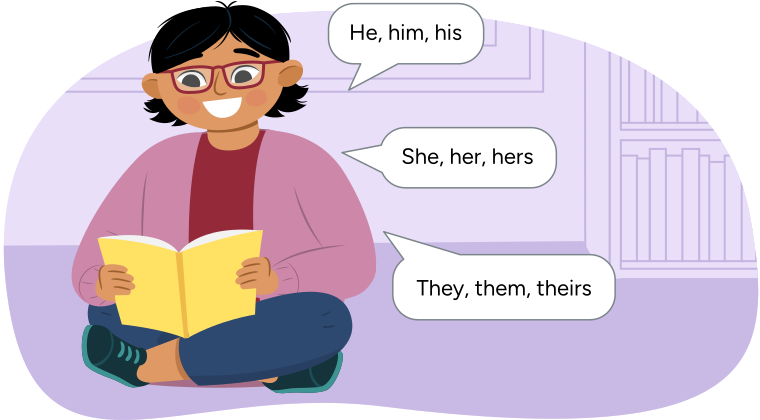
There are four types of the third person point of view.
Learning check!
Explore the following synopses, then choose which point of view is being used in each story.
Select the correct answer, then press Check Answer to see how you did.
Reading point of views
So, why is it important to be able to identify the point of view when exploring texts and media?
Often, authors are deliberate in their choice of point of view to help readers draw conclusions from their texts. While they may not explain the point of view outright, the reader can often use clues to help determine what it is.
Understanding an author or character’s, point of view helps readers understand the meaning of a text.
Why do you think an author may choose to use an “unreliable” point of view?
Press Let’s Check! to learn more.
An unreliable point of view can make a text more interesting, and it requires readers to use critical thinking skills to analyze the point of view and determine alternative angles.

Reading Time
Reading time
Let’s read more about sustainability from different perspectives.
First, choose one of the following short stories to read. You may also download a copy for reference.
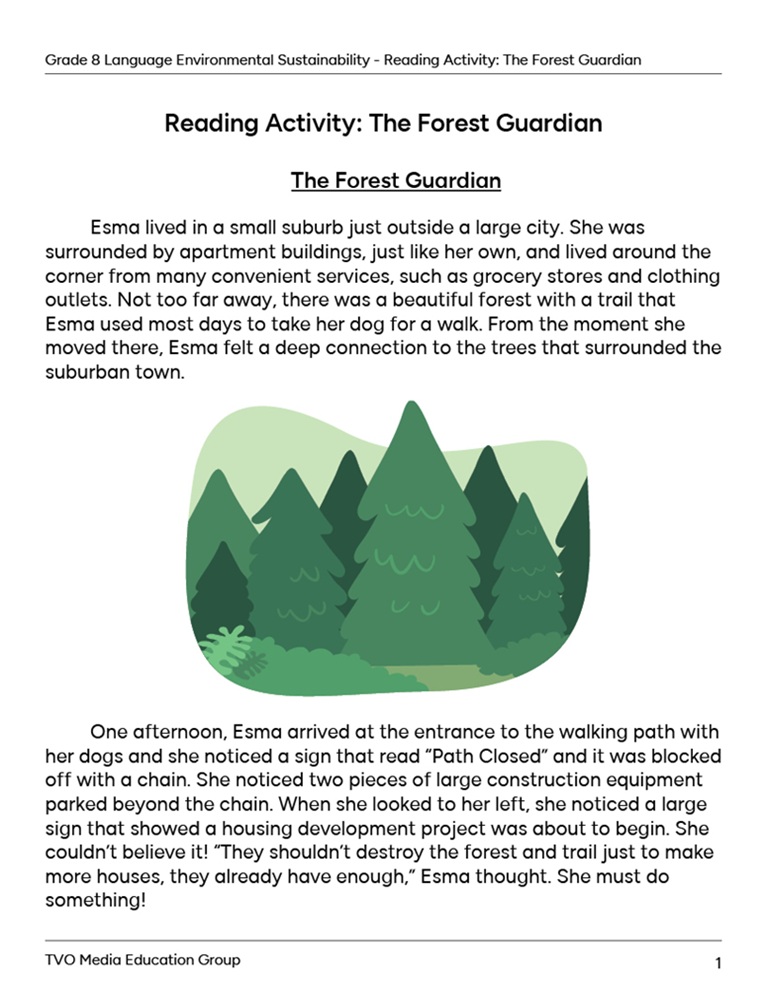
- Reading Activity: The Forest Guardian
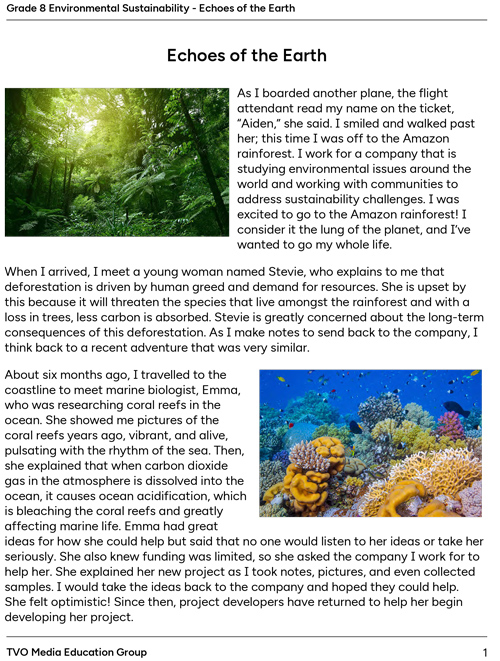
- Reading Activity: Echoes of the Earth
Consider the following as you read along:
Sustainable perspectives
After reading about the different perspectives about sustainability, consider the following for your chosen story:
- What point of view is the story being told from?
- How does the author communicate the point of view to the reader?
- What alternative point of view could this story be told from? Or what point of view is missing?
You may use the following fillable and printable Sustainable Perspective Activity in your notebook or using the following document. If you would like, you can use speech-to-text or audio recording tools to record your thoughts.
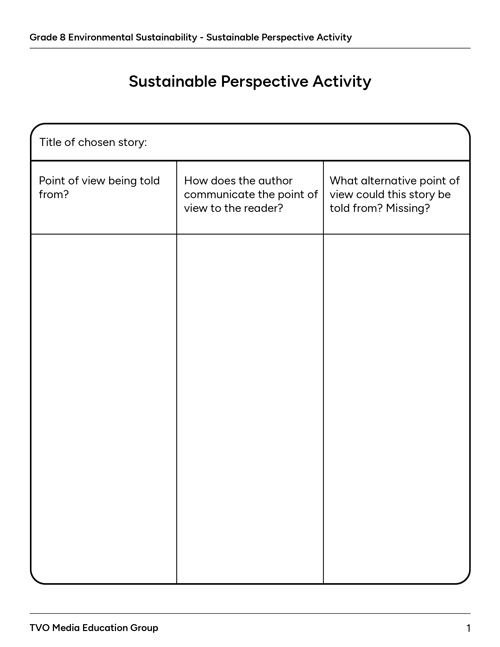
Press the Activity button to access the Sustainable Perspective Activity.
Activity(Opens in a new tab)When you’re ready, press Let’s Check! to explore the answers.
| Title of chosen story: The Forest Guardian | ||
|---|---|---|
| Point of view being told from? | How does the author communicate the point of view to the reader? | What alternative point of view could this story be told from? Missing? |
|
Third person limited. Esma’s point of view |
The story only tells Esma’s point of view and focuses solely on her character and perspective, including how she thinks and feels. | The construction company, the loggers, or another community member. |
| Title of chosen story: Echoes of the Earth | ||
|---|---|---|
| Point of view being told from? | How does the author communicate the point of view to the reader? | What alternative point of view could this story be told from? Missing? |
|
Third person omniscient. Aiden’s point of view mainly; but also those he meets. |
The story shares multiple characters thoughts, feelings, and ideas. Each character Aiden meets has a chance to tell their story and share their feelings with the reader. | Other community members in each affected area, or others who work at the same company as Aiden. |
Learning check!
Review the following phrases, and decide whether it is true or false.
Select the correct answer, then press Check Answer to see how you did.

Pause and Reflect
Pause and reflect
Choose two questions to reflect on and respond to:
- How did the story make a connection to sustainability? Which pillar of sustainability do you think they focused on? How do you know?
- Why do you think the author chose this point of view to tell the story from?
- Why would it be important to tell the story from an alternative point of view?
Record your thoughts and ideas in a notebook or another method of your choice.
Story plots
Check out the following interactive to learn more about the structure of story plots.

Try it
Try it!
For this activity, write a fictional story about environmental issues and/or sustainability, with a different point of view from the ones provided.
Choose one of the options to write your story about:
| Option A | Option B |
|---|---|
|
Write a fiction story based on one of the short stories that you read. For example, you could write “Forest Guardian” from the logger’s point of view or “Echoes of the Earth” from the marine biologist’s point of view. |
Write a fiction story about environmental issues and/or sustainability from one of the points of view. |
Record your short story plan in the fillable and printable Short Story Outline in your notebook or using the following document. If you would like, you can use speech-to-text or audio recording tools to record your thoughts.
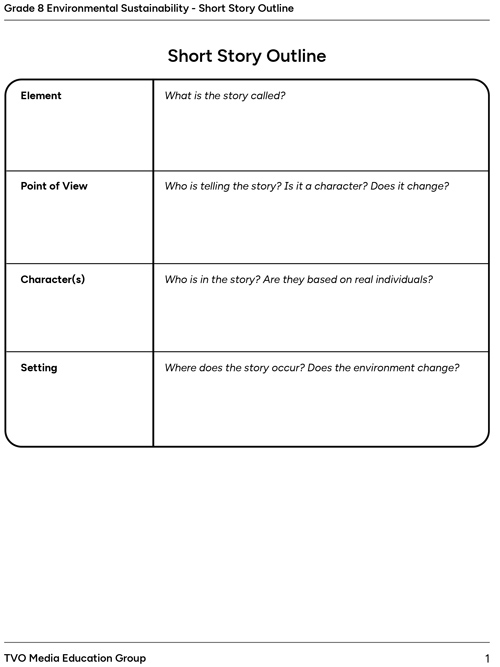

Fluency
If possible, read your story aloud to your peers for some feedback before you edit and revise it.
For the audience to understand your story, it is important to have good reading fluency when you share it.
Fluency is the ability to identify words correctly and read a text at an appropriate rate with ease, pace, automaticity, and expression. With proper phrasing and focus on punctuation, the reader will gain more meaning from the text.
While practising your reading fluency, consider what character voices might sound like and how you can convey meaning behind your story. When you are reading, record yourself reading the passage, or share it with someone else.
You may use the checklist provided to self-assess your own fluency.
Did you practise your…?
Based on the checklist, choose one area of fluency to focus on and set a goal for yourself.
What strategies could you use to help you achieve this goal?

Social Emotional Learning
Social emotional learning
You’re doing great! It’s time for a short break!
Grammar

Grammar glimpses: Punctuation in dialogue
When you are writing your story, you may want to include dialogue between two or more characters.
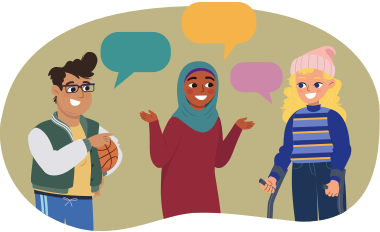
There are specific punctuation rules that need to be followed when inserting dialogue into your writing. The main punctuation you'll need in a written dialogue is quotation marks.
These are used to mark each character's speech in the dialogue, so the reader is aware of who spoke and what they said. Because quotations marks indicate the opening and closing of a statement said by a character, it can help to imagine that they work a lot like a door.
Check out the following video clip for guidelines on adding dialogue to your writing.
Learning check!
Think about the rules we just learned about, then choose the correct use of dialogue in the following statements.
Select the correct answer, then press Check Answer to see how you did.
Wrap up!
For each point of view, select the corresponding definition.
Student Success
Think
For the following activity, check out the following tasks:
- Part A: Define sustainability in your own words, then include examples from the text you read to support your definition.
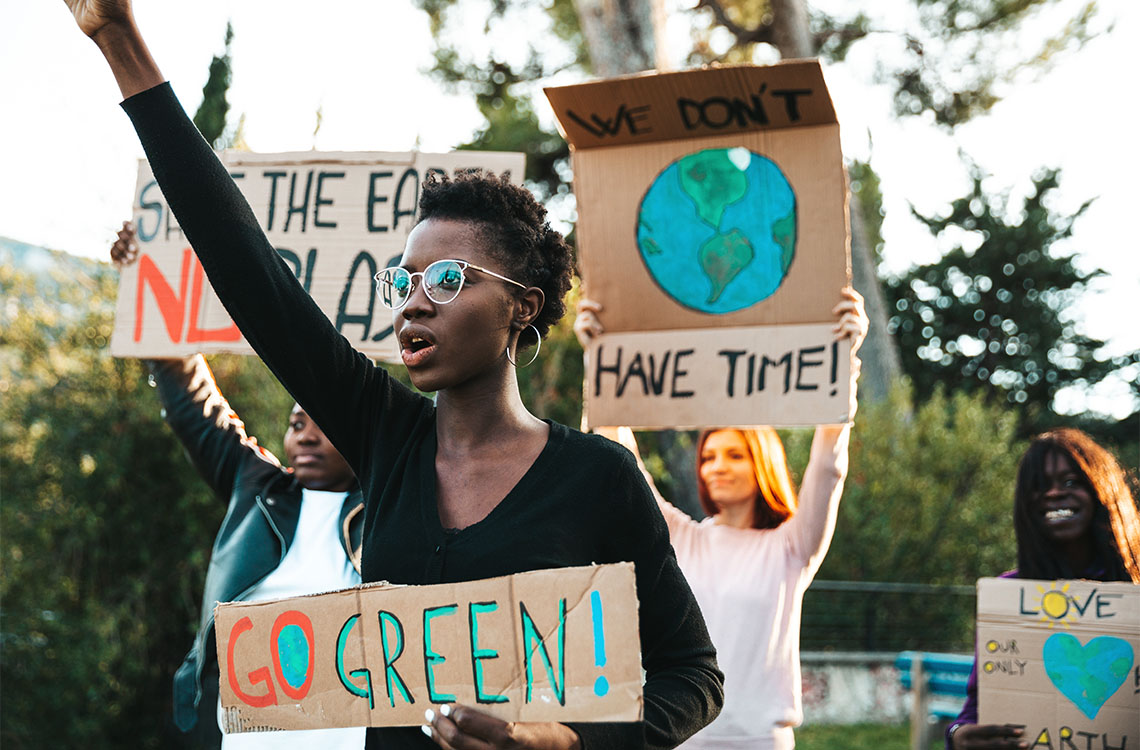
- Part B: Then, critically think about your actions and beliefs regarding sustainability.
Record your personal reflection in a notebook or another method of your choice.
You may use the following prompts to guide your thinking.
Press Prompts to learn more.
- What does sustainability mean to you?
- How do your daily behaviours and habits impact the environment?
- What are some sustainable practices that you know about? Do you currently engage in any?
- Do you feel there are areas where you could improve your sustainability practices?
- What role do you think individuals can play in addressing larger environmental issues? How can everyone work together to create a more sustainable future?
When you’re ready, share your personal reflection with a peer or a trusted adult.
Reflection
As you read the following descriptions, select the one that best describes your current understanding of the learning in this activity. Press the corresponding button once you have made your choice.

I feel...
Now, expand on your ideas by recording your thoughts using a voice recorder, speech-to-text, or writing tool.
When you review your notes on this learning activity later, reflect on whether you would select a different description based on your further review of the material in this learning activity.